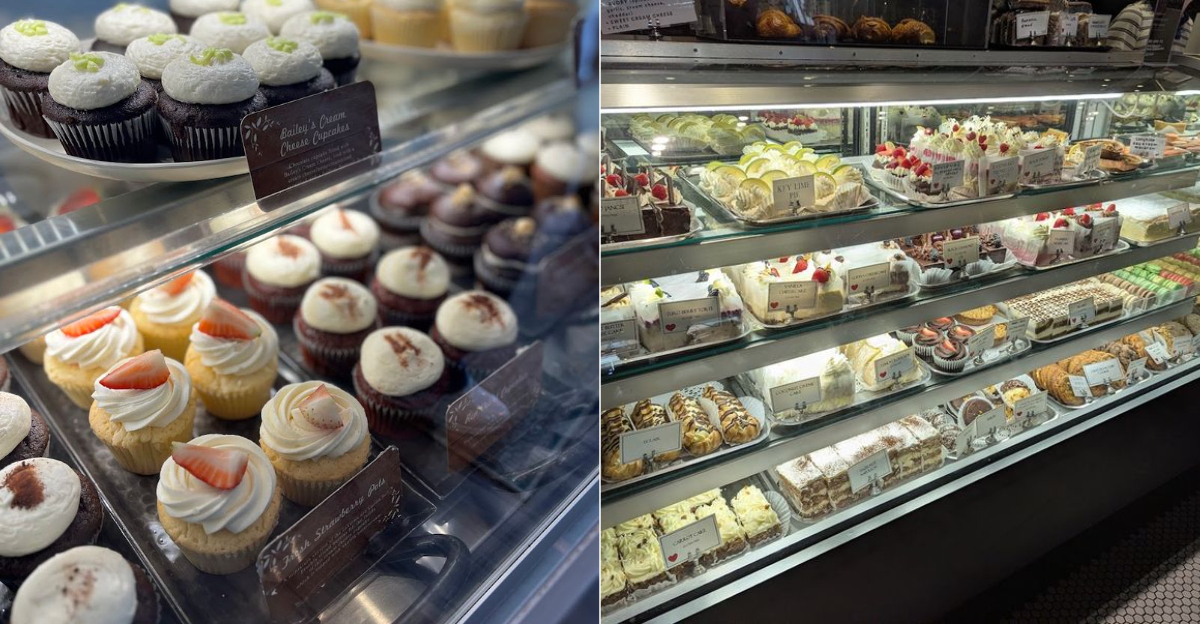
Most bakery display cases naturally gravitate toward rich flavor profiles dominated by chocolate, caramel, and heavy creams.
In that environment, citrus desserts provide a welcome sense of balance, combining buttery pastry with bright, tangy notes that cut through sweetness and refresh the palate.
Across North Carolina’s bakery scene, lemon bars have earned a loyal following precisely because of that distinctive balance between butter, sugar, and vibrant citrus flavor.
The state’s most skilled bakers continue to demonstrate that lighter fruit-based desserts can rival richer sweets without sacrificing complexity or culinary appeal.
Below, we highlight eleven standout destinations that every fan of authentic citrus desserts should have on their radar.
Once in a Blue Moon Bakery and Cafe – Cary
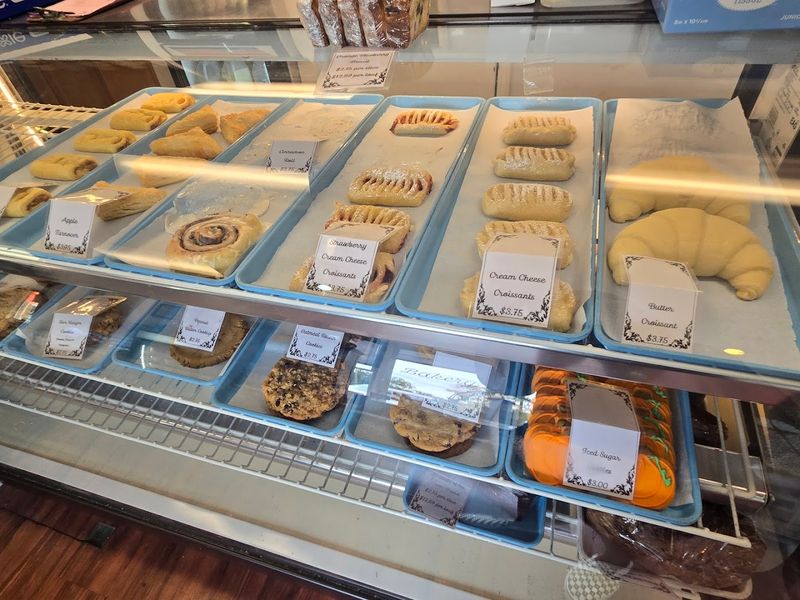
Scratch baking matters here because it shapes texture from the base upward, giving lemon bars a crust that tastes buttery rather than merely sweet.
Daily production also supports small-batch control, which helps citrus curd stay smooth, bright, and properly set.
Nearby pastry cases usually hold cookies, cupcakes, muffins, and bars, so a tart square offers relief from frostings and dense fillings.
Regular customers often gravitate toward familiar comfort desserts, yet citrus selections add range without feeling out of step with the broader menu.
Balanced acidity is important in a bakery cafe because it cuts through butter, cream cheese, and chocolate notes that dominate many counters.
Gentle sweetness lets the fruit read clearly, which keeps each bite refreshing instead of cloying by the final forkful.
Community-minded baking culture also explains the appeal, since from-scratch shops often build loyalty through consistency rather than novelty alone.
Seasonal thinking gives fruit desserts a practical role alongside coffee breaks, brunch plates, and afternoon treats. Proper lemon bars show how a simple format can anchor variety while still expressing technical care.
La Farm Bakery – Cary
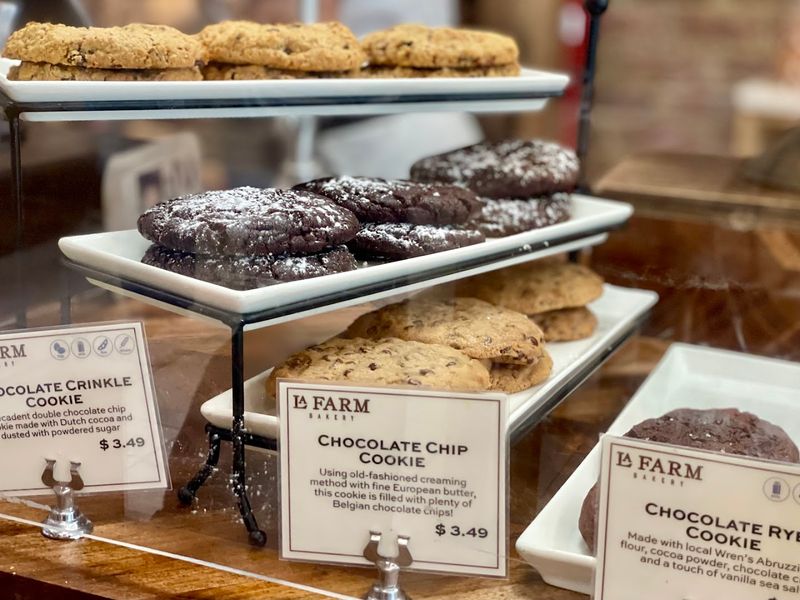
Artisanal baking traditions shape the menu through disciplined fermentation, precise mixing, and close attention to ingredient quality, even beyond the bread program.
French influence appears in restraint, where sweetness rarely overwhelms structure or finish.
Within that framework, lemon bars and related fruit pastries make sense because acidity highlights craftsmanship instead of masking it.
Technical precision matters in citrus baking more than many people assume, since curd can split, crust can toughen, and sugar can flatten flavor.
High-quality butter, fresh eggs, and real lemon juice create a cleaner taste and a firmer, silkier set.
Those details are especially noticeable in a shop known for exacting standards across viennoiserie, tarts, and pastry fundamentals.
Fruit-based desserts also play an important supporting role beside croissants, brioche, and richer cream preparations.
Brighter pastries give the case a broader rhythm, allowing buttery laminated items to share space with something lighter.
Careful execution turns a modest square into evidence that disciplined baking is not only about complexity, but about balance, control, and ingredient clarity.
Annelore’s German Bakery – Cary
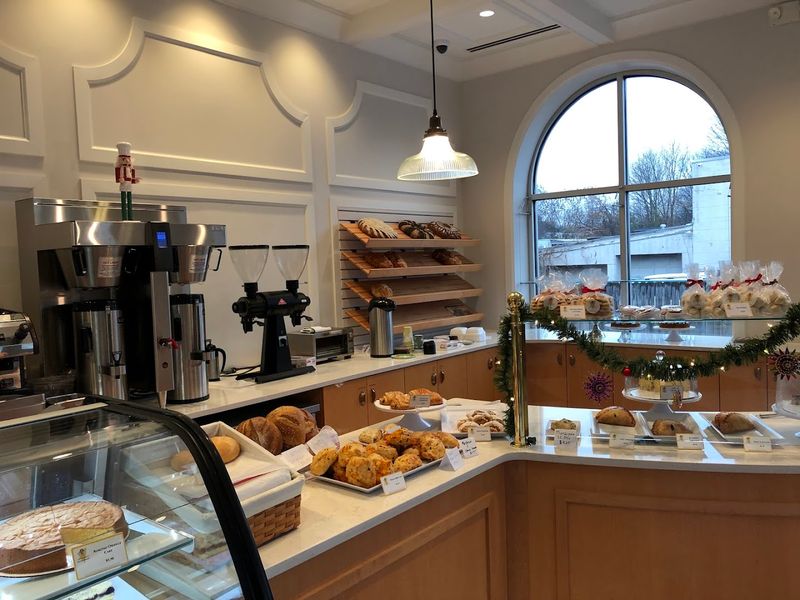
European baking traditions bring a different sense of proportion, where dough, filling, and finish are expected to stay in clear balance.
German pastry expertise often emphasizes structure and texture, which suits lemon bars better than overly soft Americanized versions.
Crisp bases and measured sweetness allow citrus flavor to stand forward without making the dessert feel sharp.
Classic baked goods such as tortes, cookies, streusel items, and yeasted pastries create a menu grounded in technique rather than decoration.
Against that backdrop, a lemon square works as a study in contrast, pairing buttery foundation with vivid curd and a clean finish.
Textural control is the key detail because the best examples avoid sogginess, gumminess, or an overly dense bite.
Traditional pastry culture also values desserts that can accompany coffee without exhausting the palate after a few bites.
Lighter citrus notes therefore sit naturally beside richer cakes and holiday specialties.
Subtle balance matters most here, showing how a familiar bar can echo European standards of precision while still delivering the straightforward comfort people expect from a neighborhood bakery.
The French Corner Bakery – Durham
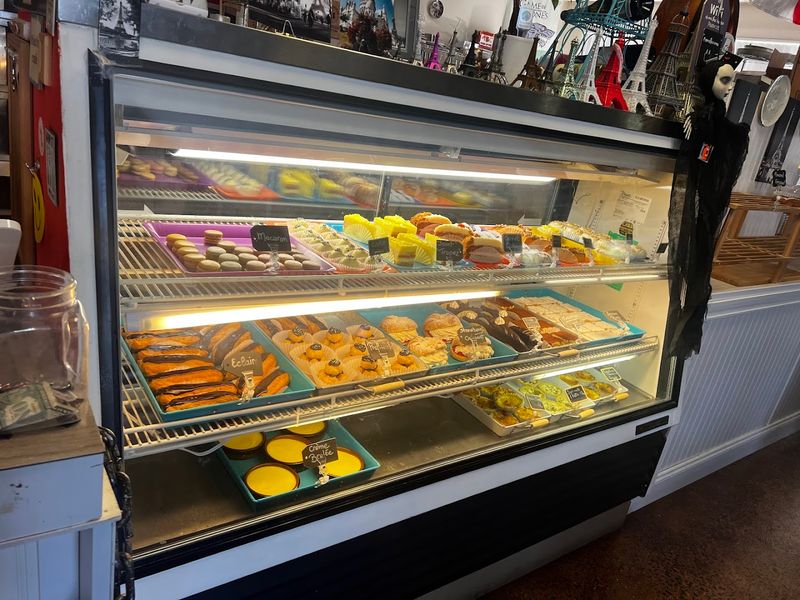
French baking techniques often reward accuracy over excess, and that sensibility gives citrus desserts a natural place in the case.
Delicate pastry work depends on timing, temperature, and ingredient quality, especially when curds or fruit fillings are involved.
Lemon bars benefit from that discipline because the line between silky and runny is narrow.
Presentation carries weight in a patisserie setting, where clean edges, even dusting, and tidy layers signal technical confidence before the first bite.
Better ingredients deepen that impression, since butter richness and fresh lemon flavor produce a clearer contrast than artificial shortcuts ever can.
Lighter desserts are particularly appealing when surrounded by ganache, mousse, and cream-filled pastries that ask more of the palate.
Skill shows through restraint rather than decoration, allowing citrus to taste bright without drifting into sourness or excessive sugar.
A well-made square can therefore express the same care found in more elaborate French pastries.
Precise baking matters here because elegant simplicity is difficult to fake, and lemon desserts reveal immediately whether a kitchen understands balance, texture, and finish.
Asali Desserts & Cafe – Cary
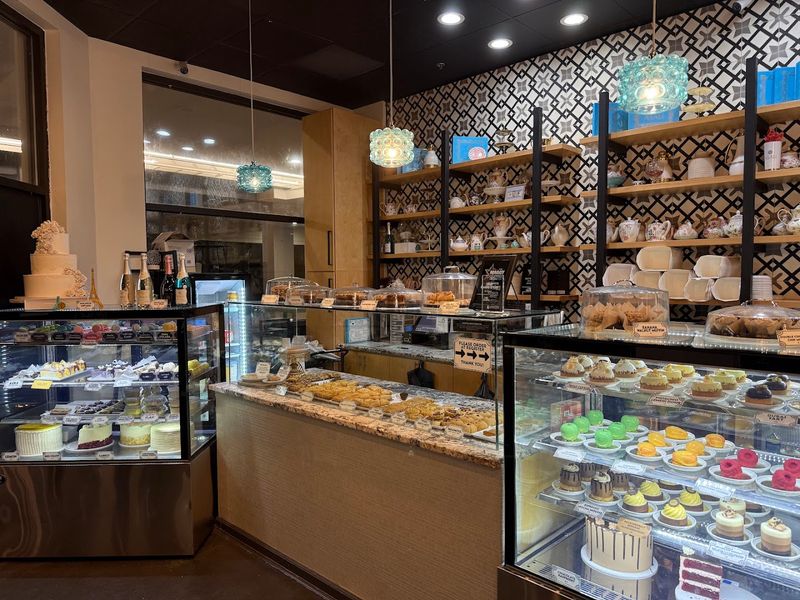
International dessert influences broaden the pastry case here, creating a menu where citrus can stand beside richer sweets without feeling secondary.
Varied traditions encourage a more expansive view of balance, especially between nuts, syrups, creams, and fruit.
Lemon bars fit well in that environment because their brightness refreshes the palate after denser, sweeter offerings.
Creative pastry work depends on controlling sweetness, not simply layering more of it into every component.
Citrus desserts help demonstrate that approach by using acidity to sharpen butter notes and keep texture lively.
Wider dessert variety makes those contrasts more useful, since customers moving between cakes, cookies, and filled pastries often respond to something cleaner and less heavy.
Flavor balance is the central story, particularly in a cafe setting where desserts may follow coffee, lunch, or a casual afternoon stop.
Distinct lemon pastries show how tartness can act as structure, not just garnish or fragrance.
Thoughtful range matters because a bakery with broad influences succeeds best when each item contributes something different, and bright bars clearly provide that counterpoint.
Tous Les Jours – Charlotte
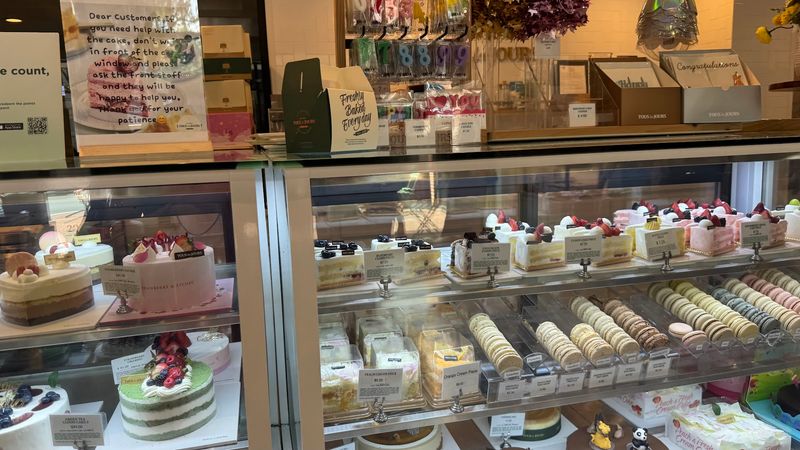
Modern baking culture often relies on abundance and visual appeal, and this style of pastry case makes citrus desserts work especially hard.
Large menus filled with breads, buns, cakes, and cream pastries need items that look clean and taste lighter.
Lemon bars answer that need by offering color, sharpness, and a familiar format among more elaborate options.
Visual presentation matters in contemporary bakery settings because customers frequently choose with their eyes before reading labels.
Neat layers, pale yellow filling, and a simple dusting stand out against darker chocolates and heavily topped sweets.
Customer appeal increases when a bright dessert feels both approachable and distinct, rather than complicated for its own sake.
Versatility is another advantage, since lemon pastries can function as a snack, a coffee companion, or an alternative to richer celebration desserts.
Broad selections benefit from that flexibility because not every visit calls for cream-heavy indulgence. Consistent execution keeps the category relevant, proving that a straightforward citrus bar can hold attention even inside a bakery known for scale, variety, and polished display.
Amélie’s French Bakery – Charlotte
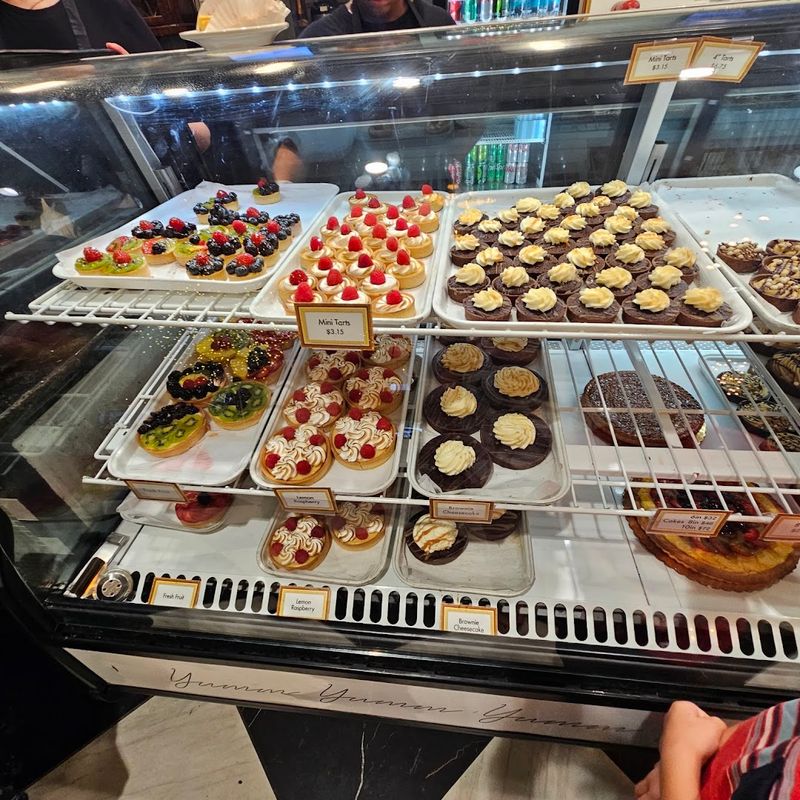
French-inspired baking here has long leaned toward visual drama, but the strongest desserts still depend on underlying structure and proportion.
Artistic presentation can draw attention first, yet lemon bars earn their place through flavor clarity rather than ornament.
Bright citrus becomes especially useful when the surrounding case includes rich pastries, dense cakes, and cream-forward sweets.
Atmosphere contributes to the experience because an eclectic bakery invites lingering, coffee drinking, and sampling across several categories.
In that setting, a lighter bar acts as a practical counterweight to chocolate, custard, and caramel choices. Contrast matters not only for variety, but for pacing, allowing dessert selections to feel more considered and less uniformly heavy.
Range has always been part of the appeal, so fruit-based items need enough personality to stand beside more theatrical pastries.
A proper lemon square delivers that with buttery dough, smooth filling, and an acidity level that resets the palate.
Distinct citrus flavors therefore support the broader menu, showing how a simple classic can sharpen a bakery’s identity as effectively as its showier creations.
Burney’s Sweets & More – Elizabethtown
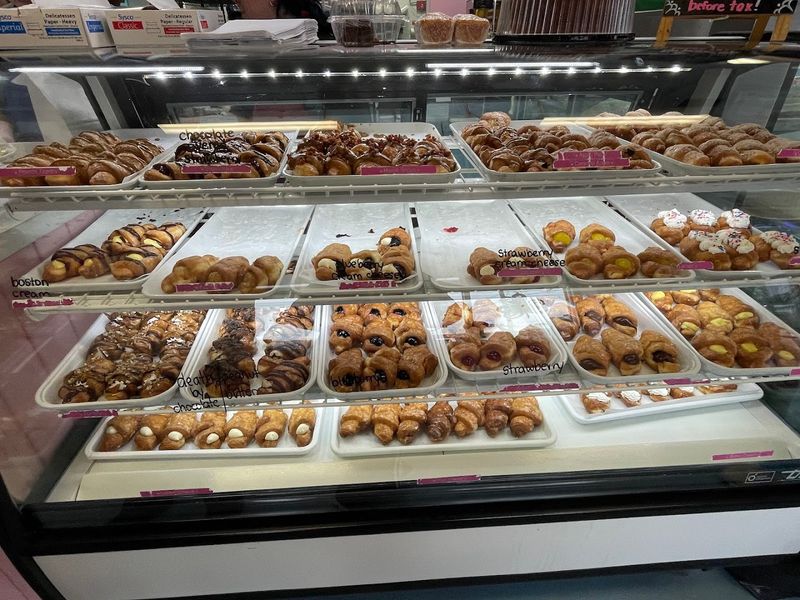
Signature baked goods often define neighborhood routines, and that kind of everyday dessert culture rewards consistency above novelty.
Here, customers tend to value dependable sweetness, accessible portions, and familiar treats that fit ordinary schedules.
Lemon bars belong in that mix because they offer a citrus break from glazed pastries and richer bakery staples.
Convenience-oriented bakeries succeed when products travel well, hold their texture, and remain satisfying from morning purchase through afternoon snack.
Bars perform particularly well on those terms, provided the crust stays firm and the filling does not weep. Local popularity grows from such practical strengths, which matter just as much as flavor in busy daily commerce.
Consistency is the real appeal, since repeat visits depend on knowing a favorite item will taste the same from batch to batch.
Bright citrus helps maintain interest across a broad lineup of sweet standards by adding a sharper profile and cleaner finish.
Straightforward desserts can build strong loyalty when they are well made, and lemon bars show how simplicity meets convenience without becoming dull.
Superior Bakery – Fayetteville

Long-standing baking traditions usually rest on repetition, training, and formulas refined over many years rather than on constant reinvention.
That continuity shapes customer trust, especially when classic pastries arrive with the same texture and sweetness people remember.
Lemon bars fit naturally into such a reputation because they reward disciplined method and punish shortcuts immediately.
Customer loyalty often forms around dependable details, including even crust thickness, clean citrus flavor, and filling that slices without collapsing.
Dessert craftsmanship becomes visible in modest items first, since there is nowhere to hide weak technique behind decoration.
Older bakeries understand that principle well, which is why simple bars can carry as much weight as more elaborate specialties.
Consistency remains essential in building a durable local following, particularly in places where generations return for the same treats.
Classic pastries anchor that relationship by offering familiarity with enough variation to prevent monotony across the case.
Bright lemon desserts contribute an important contrast, proving that a traditional bakery can preserve its identity while still giving customers relief from heavier, sweeter standards.
Maxie B’s – Greensboro
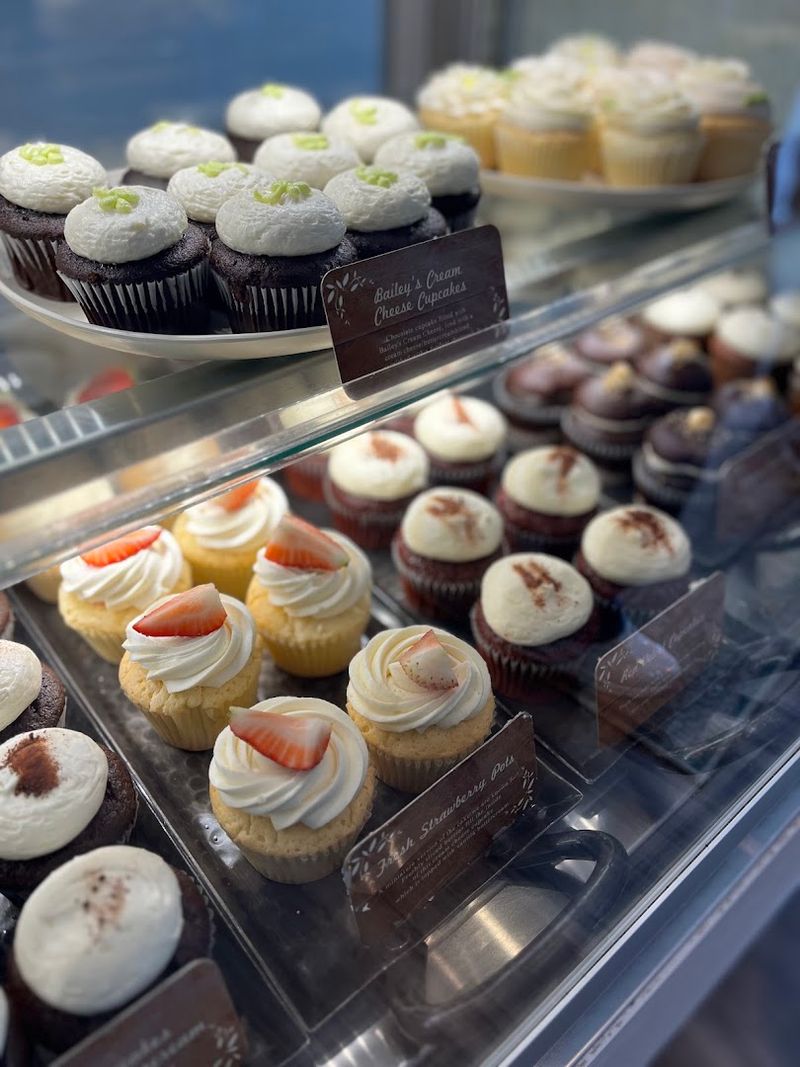
Dessert variety is the defining strength here, with cakes, bars, pies, and cookies creating a case that speaks to many tastes at once.
In that crowded format, lemon bars matter because they offer contrast instead of more richness.
Bright acidity refreshes the palate between buttercream-heavy slices and denser chocolate choices.
Cake culture can dominate a bakery identity, yet smaller pastries often reveal how thoughtfully a menu is built.
Bars serve customers who want precision and portability without giving up flavor or bakery character. Expected quality is higher in a shop known for broad selection, so citrus desserts need a firm base, vivid filling, and a clean finish to stand out.
Customer habits also favor range, especially when groups want different desserts without sacrificing coherence in overall quality.
Lemon pastries help unify a varied lineup by adding a flavor profile that feels lighter and more focused. Well-executed bars therefore do more than fill space in the case, offering an essential counterpoint that keeps a large dessert menu from becoming monotonous.
Old Europe Pastries – Asheville
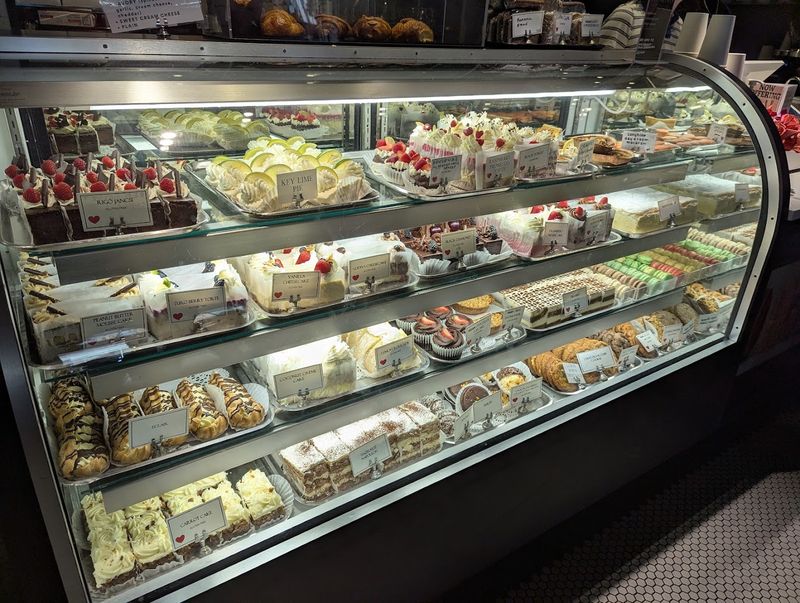
Precision sits at the center of many European pastry traditions, especially in desserts where acidity, sweetness, and butter must remain carefully balanced.
Artisanal technique is especially visible in lemon bars because the format seems simple while demanding careful control.
A smooth set, delicate crumb, and clean citrus finish reveal whether the kitchen respects those standards.
Quality ingredients carry unusual importance in this style of baking, since there are few distractions from flavor flaws or imbalance.
Real butter gives depth to the base, while fresh lemon contributes aroma as well as tartness.
Wider pastry variety strengthens the case for citrus desserts, allowing richer tortes and laminated items to sit beside something lighter and more direct.
Balance is ultimately what makes lemon-based pastries persuasive within a European repertoire known for technical rigor.
Fruit desserts demonstrate that precision does not require heaviness, only disciplined composition and measured sweetness.
Such bars therefore act as a useful benchmark, showing how an experienced pastry kitchen can turn basic components into a dessert with clarity, structure, and lasting appeal.