Classic American desserts are often associated with simple nostalgia and home baking, but certain recipes require an exceptionally high level of pastry precision to reach their full potential.
Creating an outstanding lemon bar depends on exact proportions, careful heat control, and a clean contrast between a rich, buttery crust and a bright, tangy filling.
Across Massachusetts’ bakery and hospitality scene, these citrus squares continue to enjoy lasting popularity because they offer a perfect balance between professional craftsmanship and the comforting flavors of home.
The state’s best bakers consistently demonstrate that a simple, straightforward format can reveal everything there is to know about technique, discipline, and ingredient quality.
Below, we take a closer look at fourteen exceptional destinations where the tradition of citrus baking is elevated to a level of pure perfection.
Flour Bakery + Cafe – Boston

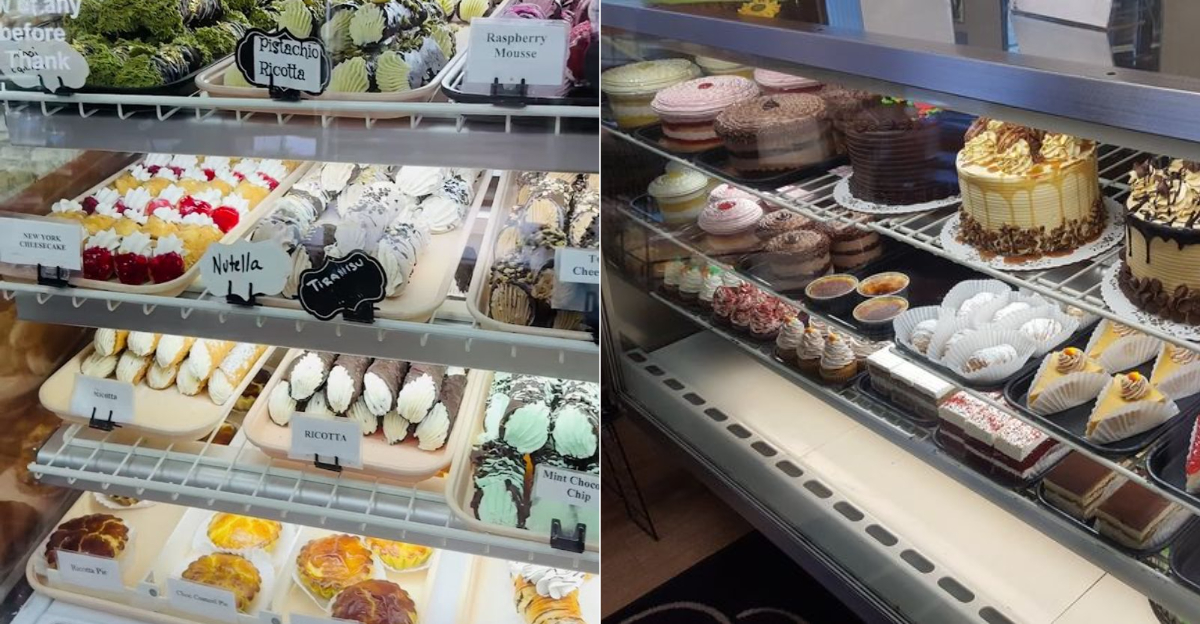
At this bakery, pastry skill shows in desserts that look polished without losing warmth.
Lemon bars matter on a menu like this because bright curd and a firm shortbread base offset sticky buns, layer cakes, and deep chocolate sweets.
Careful handling of butter, eggs, and fresh citrus keeps the filling smooth, while measured baking prevents the top from turning grainy or dull.
Consistency becomes especially important with citrus desserts because there are few places to hide mistakes.
Excess sugar can flatten flavor, while too much acidity overwhelms the palate.
Successful lemon bars depend on balance, allowing tartness, richness, and texture to support one another. Alongside more elaborate pastries, they demonstrate that simple desserts often require considerable discipline.
Bakers must also pay attention to timing, since even small variations can affect texture and flavor.
Beyond the lemon case, the broader reputation for strong technique gives extra weight to a simple square. Customers often appreciate citrus desserts because they provide contrast to heavier bakery offerings.
Good ingredients, particularly fragrant zest and measured sweetness, create a result that feels homemade while still reflecting professional precision.
Quebrada Baking Company – Wellesley
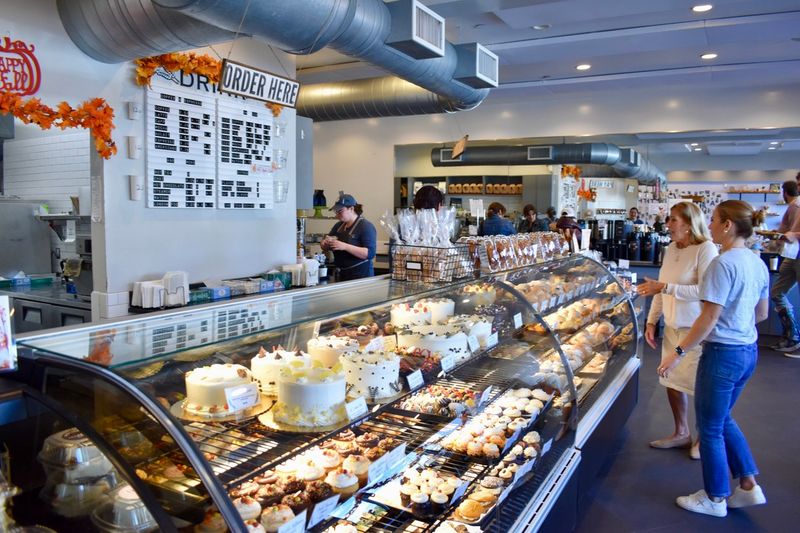
Scratch baking gives simple desserts nowhere to hide, which is why lemon bars say so much here.
A clean slice depends on steady mixing, even oven heat, and enough acidity to sharpen the buttery crust without overwhelming it.
Local bakery culture values that kind of consistency because regulars return expecting the same texture, color, and finish every time.
Careful ingredient selection also plays an important role.
Fresh citrus contributes brightness and aroma, while quality butter gives the base the richness needed to support a tart filling.
Balance matters because neither element should dominate the other. Bakers who understand that relationship create desserts that feel complete rather than one-dimensional.
Among longtime customer favorites, citrus treats stand out for their restraint.
Nothing flashy is required when precise baking creates a filling that sets softly and a base that stays tender instead of soggy.
That dependable execution fits a shop built around everyday habits, where people appreciate desserts that feel familiar, taste fresh, and prove that straightforward recipes can be just as exacting as elaborate pastries.
Nashoba Brook Bakery – Concord
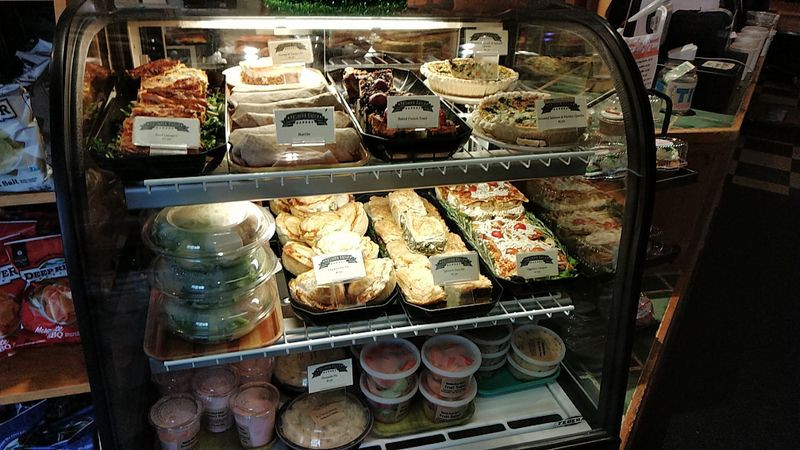
Artisanal baking traditions come through in the way fruit desserts are treated with the same seriousness as bread.
Lemon bars fit that philosophy because they rely on honest ingredients, hand-crafted production, and close attention to texture rather than decoration.
Seasonal sourcing and careful prep support a dessert whose success depends on fresh juice, aromatic zest, and butter that tastes rich but clean.
Ingredient balance requires discipline because citrus can easily become too sharp or disappear behind excess sweetness. Bakers must pay attention to proportions, baking times, and cooling methods to achieve a filling that remains smooth while holding its shape.
Consistent execution becomes especially important when working in small batches, where quality control depends on close observation rather than large-scale production systems.
Within a community-centered bakery, that approach matters because regulars notice the details.
Small-batch work helps keep the crust crisp, the filling even, and the sweetness in line with the citrus, which prevents heaviness.
Fruit-based pastries also reflect a broader belief that baking should feel grounded and generous, offering flavors that are bright, accessible, and tied to daily life instead of only special occasion indulgence.
Danish Pastry Shop – Medford
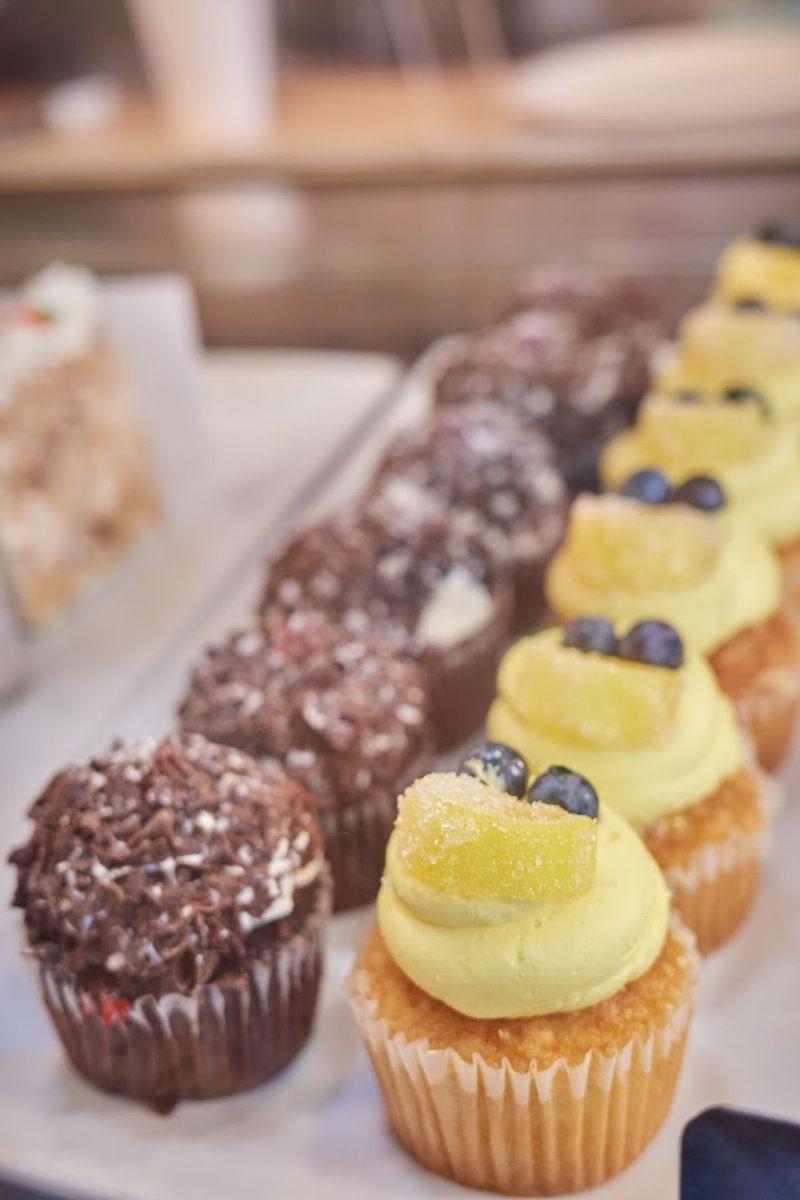
European baking influence often appears in restraint, and lemon bars benefit from that mindset.
Technique matters here because a proper balance of tart filling and delicate crust requires exact temperatures, smooth emulsification, and controlled baking time.
Texture becomes the real measure of success, with each bite needing a gentle set above a base that stays crisp and buttery.
Precision carries additional importance because citrus desserts leave little room for error. Excess sweetness can mute the flavor, while too much acidity creates imbalance.
Bakers must carefully manage ingredient ratios so that freshness, richness, and structure remain in harmony.
Even cooling and slicing require attention, since appearance and consistency contribute to the overall experience.
Elsewhere in the case, traditional pastries show the same respect for craft and structure.
Citrus desserts complement that lineup by cutting through richer doughs and cream fillings, giving customers something lighter without sacrificing technical difficulty.
Consistent scaling, careful finishing, and clean slicing elevate a simple bar, helping lemon pastries earn their place beside longstanding European bakery standards.
Lyndell’s Bakery – Somerville
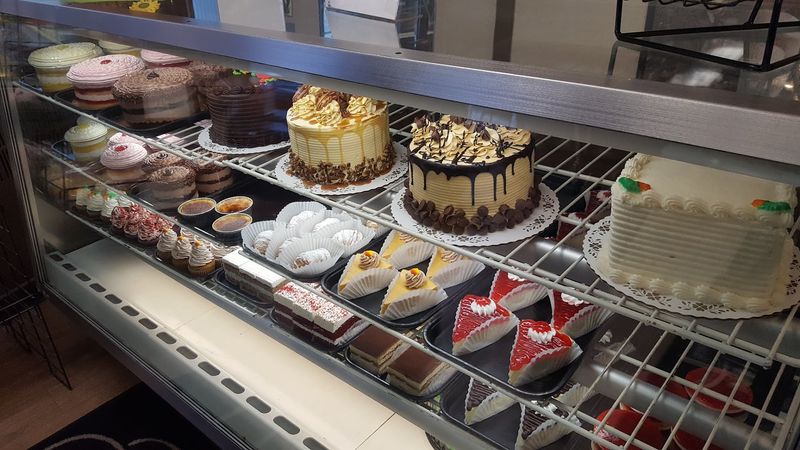
History gives classic pastries staying power, and lemon bars fit naturally into that tradition.
Generations of baking have taught customers to value desserts that rely on practiced hands, steady formulas, and flavors that never drift too far from memory.
A well-made citrus square supports that expectation by pairing a familiar short crust with a filling that tastes bright, soft, and measured.
Time-tested recipes remain important because they create a benchmark for quality.
Bakers may refine techniques over the years, but the essential structure of the dessert stays recognizable. Consistent results depend on careful preparation, from mixing and baking to cooling and portioning.
Small details influence texture and flavor, making precision just as important as creativity.
Longstanding loyalty usually grows from consistency more than novelty.
Regular patrons return for dependable texture, clean sweetness, and the sense that dessert craftsmanship still matters in everyday baking.
Even as trends change, classic pastries remain relevant because they offer comfort without excess.
Lemon desserts add freshness and help balance a bakery case filled with richer cakes and heavier frostings.
Montilio’s Baking Company – Quincy
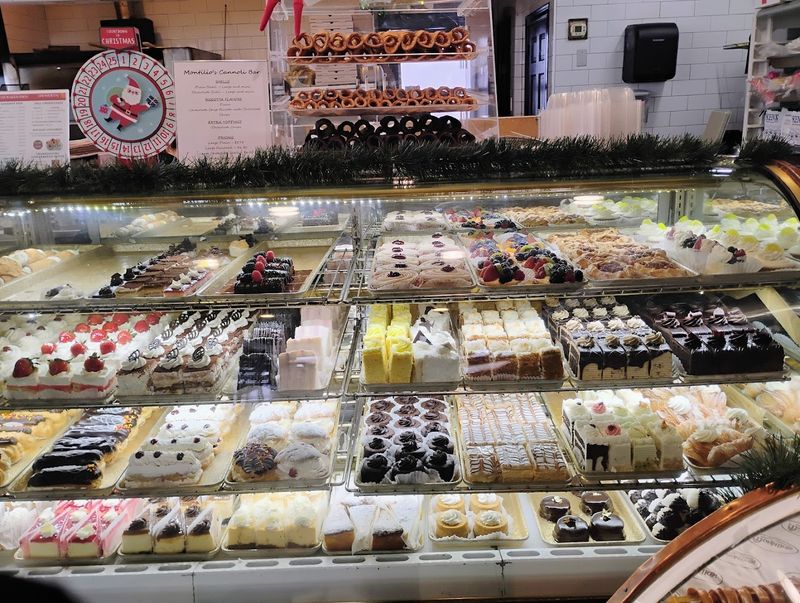
Family baking traditions often create broad dessert menus, and citrus bars play an important balancing role within that range.
Lemon flavors offer relief beside celebration cakes, cookies, and richer pastries, giving customers a refreshing option that still feels bakery-worthy.
Skilled production is essential because the filling needs brightness and body, while the crust must support neat cutting for high-volume service.
Ingredient quality contributes significantly to the final result.
Fresh citrus brings aroma and acidity, while butter provides richness that prevents the dessert from feeling one-dimensional.
Bakers must carefully manage sweetness levels so the tart notes remain noticeable without becoming overwhelming.
Consistent preparation also helps maintain the smooth texture and clean appearance customers expect from a professional bakery.
Across a business shaped by birthdays, holidays, and gatherings, dessert diversity becomes part of the appeal.
Shoppers want choices that suit different tastes, and a well-executed lemon bar serves people looking for something lighter without sacrificing richness from butter and eggs.
Gerly’s Ice Cream & Bakery – Worcester
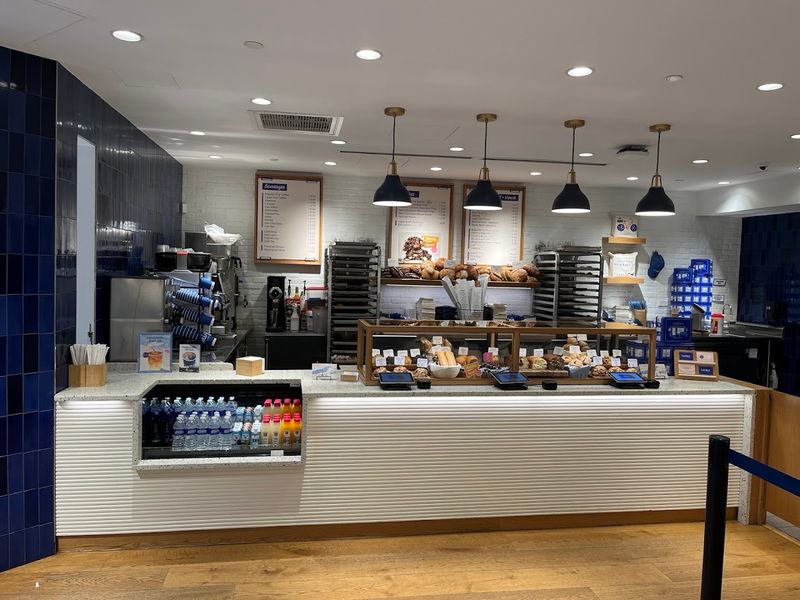
Creative dessert programs work best when innovation rests on solid technique, and lemon bars prove that point clearly.
Bright citrus can support many flavor combinations, yet the base still needs classic pastry control so the bar slices cleanly and tastes balanced.
In a bakery that embraces variety, that versatility helps lemon desserts connect with customers who want freshness alongside more indulgent options.
Execution matters because citrus desserts expose mistakes quickly.
Too much sugar can dull the flavor, while insufficient acidity leaves the filling flat.
Bakers must carefully manage ingredient ratios, baking temperatures, and cooling times to achieve the smooth texture and clean finish that define a successful lemon bar.
Different textures make the category especially useful.
Smooth curd, crumbly crust, and a soft dusting of sugar create contrast without adding complexity that confuses the palate.
People often respond to recognizable flavors first.
Citrus pastries bridge the gap between familiar comfort and new ideas.
They show how bakery innovation succeeds when sweetness, acidity, and structure remain in careful proportion.
The Gingerbread Construction Co. – Winchester

From-scratch baking gives citrus desserts a direct, homemade appeal that customers immediately recognize.
Lemon bars benefit from that approach because fresh juice, real zest, and a properly mixed crust produce flavors that taste vivid rather than manufactured.
Homegrown quality matters in a neighborhood bakery culture where people expect everyday baked goods to feel personal, consistent, and carefully made.
Alongside traditional cookies, cakes, and breakfast items, a citrus square adds freshness to the case. Bakers have to manage timing closely so the filling sets without overbaking, which keeps the surface smooth and the flavor clean.
That kind of detail supports a strong local reputation because simple desserts often reveal more about discipline than heavily decorated ones.
Customers naturally compare texture, sweetness, and overall finish from one visit to the next, making consistency especially important.
Fresh citrus also appeals to customers looking for a dessert that feels satisfying without becoming overly rich.
That balance gives lemon bars lasting relevance, allowing them to complement larger bakery selections while still standing out through brightness, texture, and straightforward flavor.
White Lion Baking Company – Mashpee
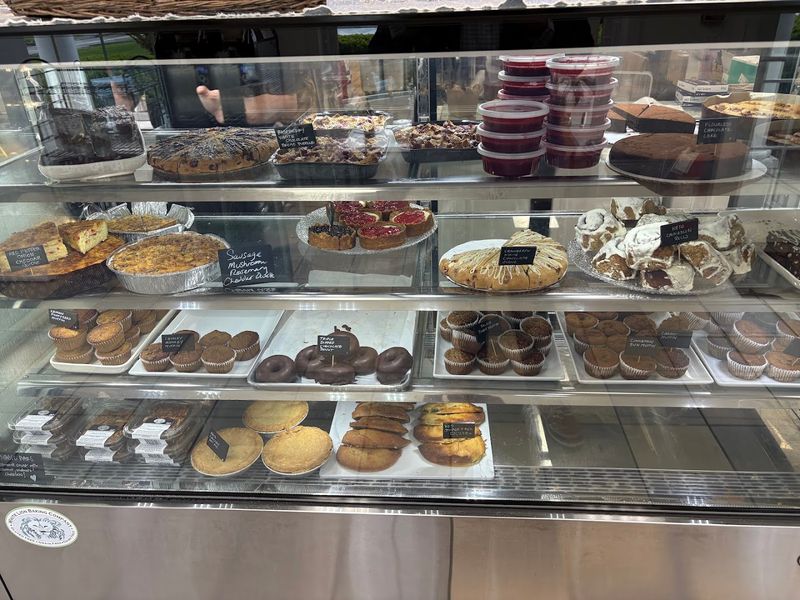
Small-batch production makes fundamentals easier to see, and lemon bars are an excellent test of those fundamentals.
Ingredient quality shapes the outcome from the first bite, since butter affects tenderness, eggs determine body, and citrus decides whether the flavor feels lively or flat.
Artisanal technique then turns those parts into a dessert with a crisp base, smooth center, and clean finish.
Texture is especially important because this style of pastry depends on contrast more than decoration. When a bakery pays attention to mixing, scaling, and bake time, the result feels precise without losing the comfort people expect from a homemade favorite.
Lemon-based desserts therefore demonstrate core baking skill in a very direct way, showing how careful work with modest ingredients can create something memorable, balanced, and quietly impressive.
Fresh citrus also appeals to customers looking for a dessert that feels satisfying without becoming overly rich.
That balance gives lemon bars lasting relevance, allowing them to complement larger bakery selections while still standing out through brightness, texture, and straightforward flavor.
A&J King Artisan Bakers – Salem
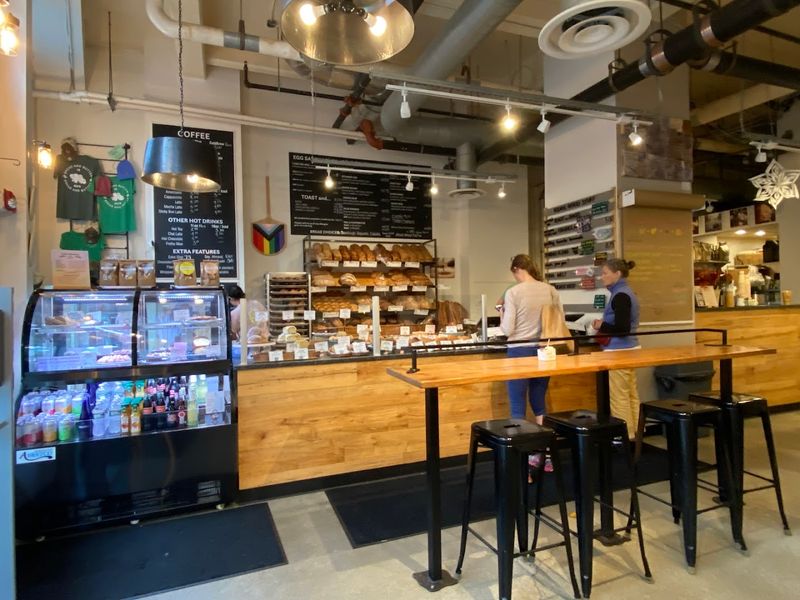
Craftsmanship in an artisan bakery usually starts with bread, but it extends naturally to pastry work.
Lemon bars may look simple, yet they demand precision in measuring, mixing, and baking because even a slight imbalance can dull the citrus or soften the crust.
That attention to process fits a broader philosophy where careful methods and respect for ingredients shape everything offered.
Fermentation may define the bread program, though the same disciplined mindset helps with dessert execution.
Bakers who value timing and consistency understand that a curd filling must set cleanly, hold its structure, and still feel tender on the palate.
Precision matters here because straightforward pastries leave little room for disguise, making bright lemon desserts an honest expression of artisanal standards and a useful counterpoint to richer sweets in the case.
Bright citrus pastries also provide variety within a menu often associated with richer baked goods.
Their freshness broadens the dessert selection while demonstrating that technical skill applies equally to delicate pastry work and more labor-intensive artisan specialties.
Petsi Pies Bakery Cafe – Somerville
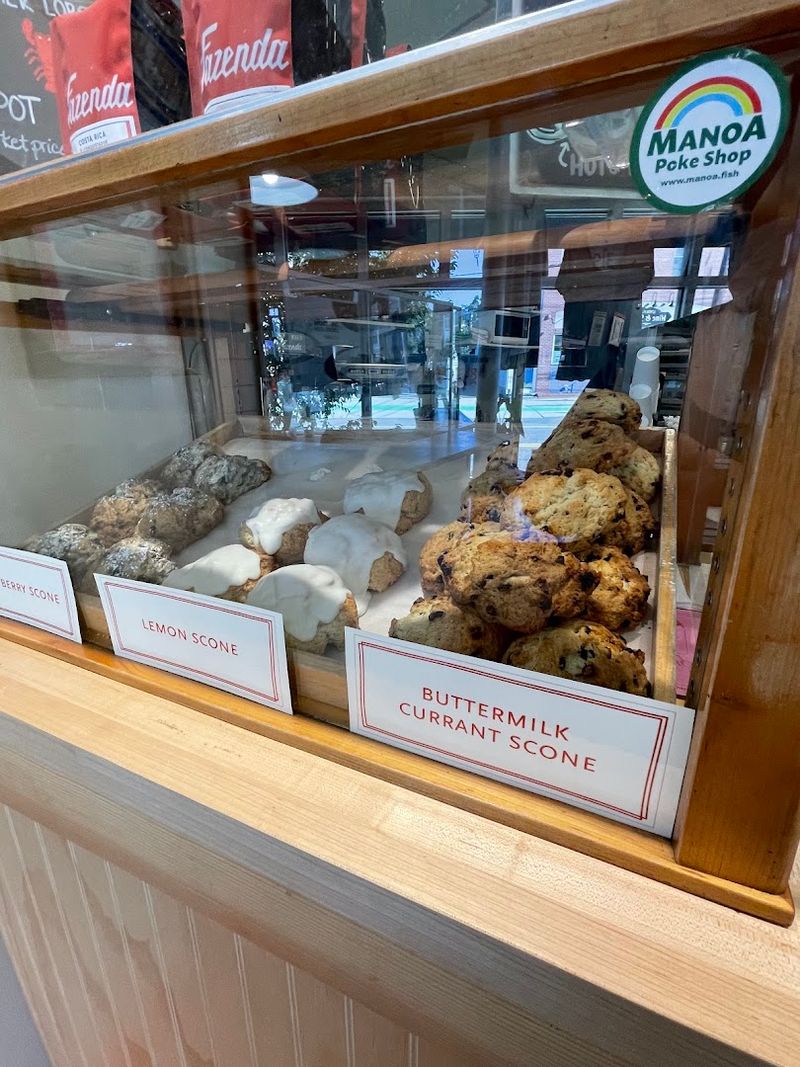
Enjoyable baking often looks effortless, though lemon bars show how much control sits behind that feeling. A homegrown dessert tradition values fruit-forward flavors because they taste familiar, seasonal, and easy to crave without becoming too heavy.
Here, that sensibility fits customer expectations for classic treats that deliver comfort through clear flavors and careful execution rather than extra ornament.
Pies may anchor the dessert culture, yet citrus pastries bring a different kind of brightness to the menu. Their appeal rests on proportion, with enough tartness to wake up the palate and enough butter to preserve the softness people want from an old-fashioned square.
When bakers get those details right, the result feels both nostalgic and well made, which explains why simple lemon desserts continue to earn space beside more elaborate fruit and custard offerings.
That versatility helps explain their enduring appeal.
Lemon desserts work equally well as an afternoon treat, a companion to coffee, or a lighter finish after a meal, giving them a flexibility that supports long-term popularity among different generations of customers.
Green Hills Bakery – Dorchester
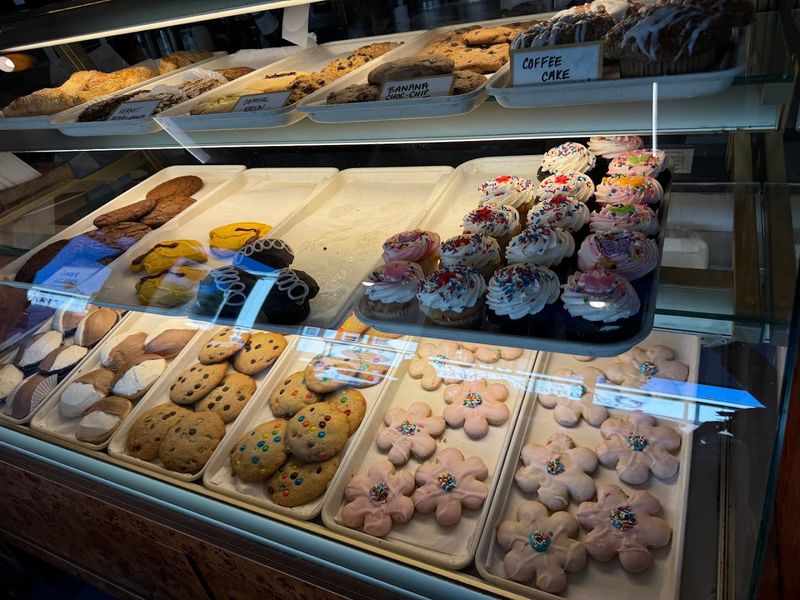
Neighborhood loyalty is built on everyday reliability, and lemon bars fit neatly into that kind of baking culture.
Customers want desserts that are affordable, consistent, and satisfying, which means a citrus square has to deliver clean flavor and dependable texture every time.
Bright fillings help balance a case full of richer pastries, giving regulars something fresh that still feels substantial.
Consistency matters even more when a bakery serves as part of daily routine.
Familiar desserts become benchmarks, so the crust should stay tender, the top should slice neatly, and the sweetness should never bury the lemon.
Those practical details explain why classic citrus bars remain important in community bakeries, where value is measured not only by price but also by steadiness, freshness, and the comfort of knowing exactly what each visit will bring.
Freshness remains an important part of that equation.
Citrus desserts provide a brighter alternative to heavier options, helping bakeries serve different preferences while maintaining the dependable standards that keep neighborhood customers returning week after week.
Russo’s Bakery – Watertown
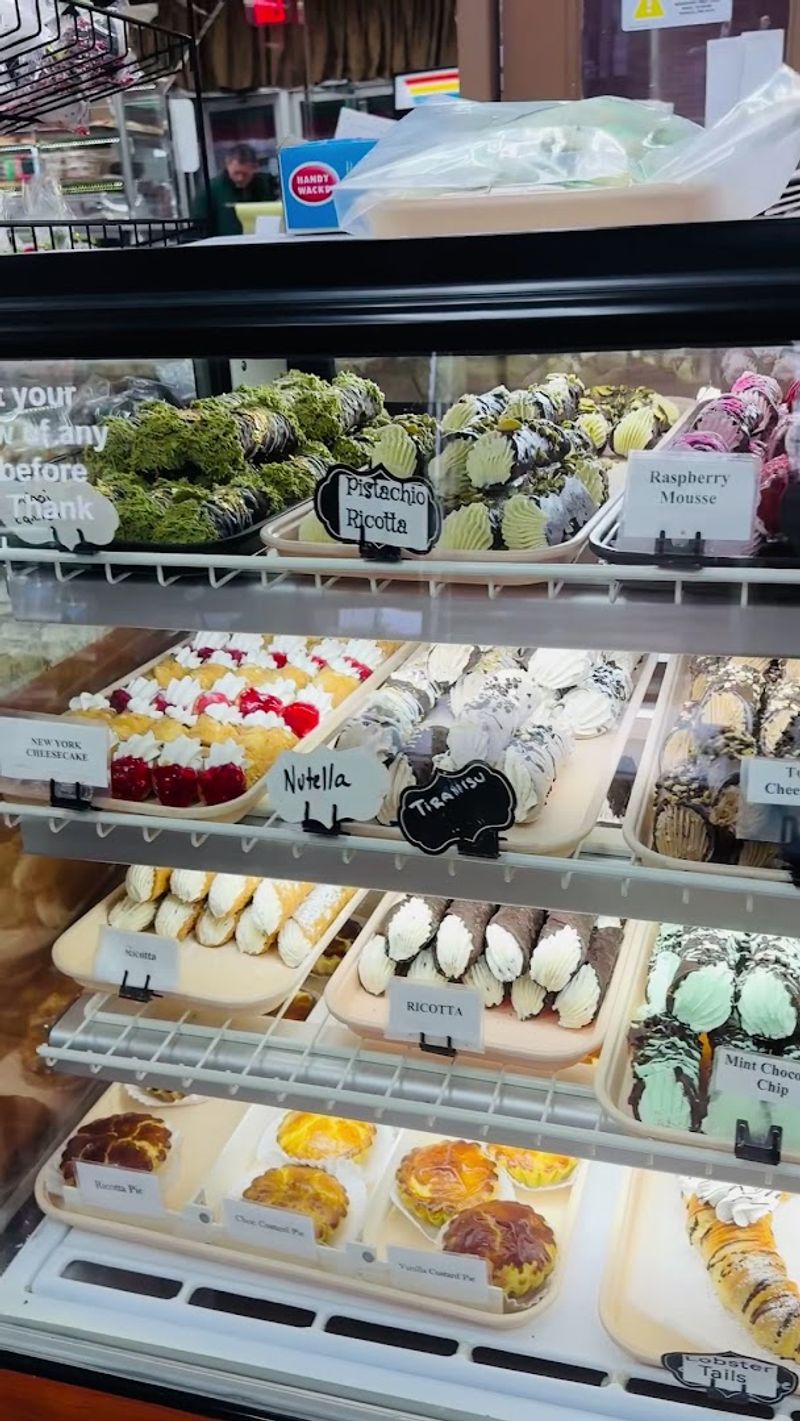
Italian baking influence often encourages a broad pastry case, and citrus desserts provide important contrast within that abundance.
Lemon bars bring a sharper profile than cream-filled pastries, cookies, or custard sweets, which helps diversify flavor and texture across the menu.
Pastry expertise shows in the details, especially when the crust remains short and buttery while the filling stays silky and bright.
Textural contrast is central to the appeal.
Customers respond to the way a firm base supports a soft curd, creating a tidy bite that feels lighter than many richer offerings without losing satisfaction.
In a bakery known for dessert variety, that role matters because citrus pastries widen the range of choices and demonstrate technical range, proving that restraint and precision can be just as compelling as layered, frosted, or filled specialties.
Bright citrus flavors also contribute visual and sensory variety to a large pastry selection.
Their clean finish helps balance richer offerings, demonstrating how a bakery can showcase both abundance and restraint while maintaining broad appeal across different tastes.
Antoine’s Pastry Shop – Newton
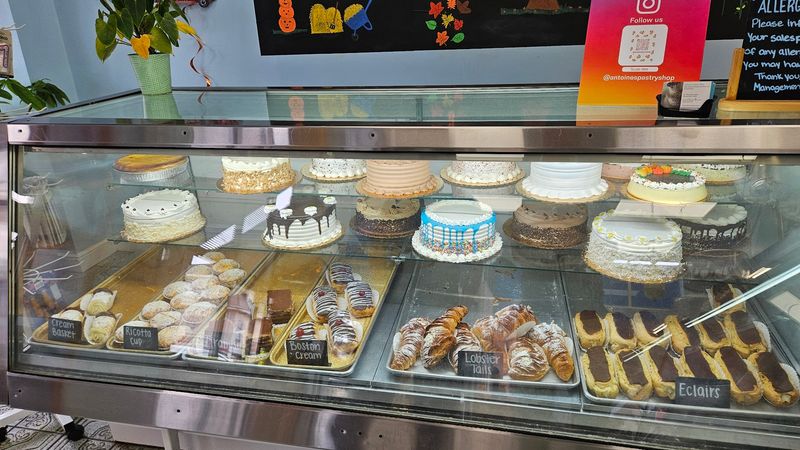
Pastry tradition has a way of preserving desserts that still make sense across generations, and lemon bars are one of them.
Their appeal depends on quality ingredients and disciplined craft, since butter, eggs, sugar, and citrus must work in careful proportion to avoid harshness or heaviness.
Customer loyalty grows when a bakery delivers that balance consistently, turning a modest square into something people trust.
Generational relevance comes from flavor as much as memory.
Older patrons appreciate the familiarity of a classic citrus dessert, while younger customers often value its freshness beside denser cakes and cream-based pastries.
Because the recipe leaves little room for error, strong technique remains visible in every layer, which is why lemon desserts continue to matter in traditional pastry shops that build their reputation on steadiness, clarity, and polished execution.
That enduring appeal reflects the strength of traditional pastry making.
Rather than relying on trends, classic lemon desserts continue earning attention through balance and familiarity.
Their enduring appeal comes from the dependable quality customers associate with established bakeries and experienced pastry professionals.