Georgia offers some incredible opportunities for families who want to experience animals in a hands-on way.
Across the state, you’ll find working farms and sanctuaries where feeding giraffes, petting alpacas, and meeting rescued goats isn’t just allowed—it’s encouraged.
These destinations blend education with adventure, giving kids and adults alike the chance to connect with creatures both familiar and exotic.
From North Georgia’s mountain pastures to South Georgia’s safari-style parks, each spot on this list promises memorable encounters you won’t find at typical zoos.
Pettit Creek Farms (Cartersville)
Imagine standing eye-to-eye with a giraffe while camels wander nearby and zebras graze just beyond the fence. That’s the everyday magic at Pettit Creek Farms, where exotic meets farmyard in the best possible way.
Located in Cartersville, this working farm has built a reputation as one of Georgia’s most diverse animal encounter destinations.
Guests here don’t just observe from a distance. You’ll hand-feed kangaroos, scratch a capybara behind the ears, and offer treats to zebras who’ve grown surprisingly comfortable with human visitors.
The farm’s collection also includes traditional favorites like goats and sheep, ensuring younger kids have gentle options alongside the more unusual residents.
What makes Pettit Creek special is how it balances scale with accessibility. The property feels spacious without being overwhelming, and the staff genuinely knows each animal’s personality.
Whether you’re celebrating a birthday or simply escaping city life for an afternoon, this farm delivers interactions that stick with you long after you’ve washed the animal feed dust from your hands.
Wild Georgia Safari Park (Metter)
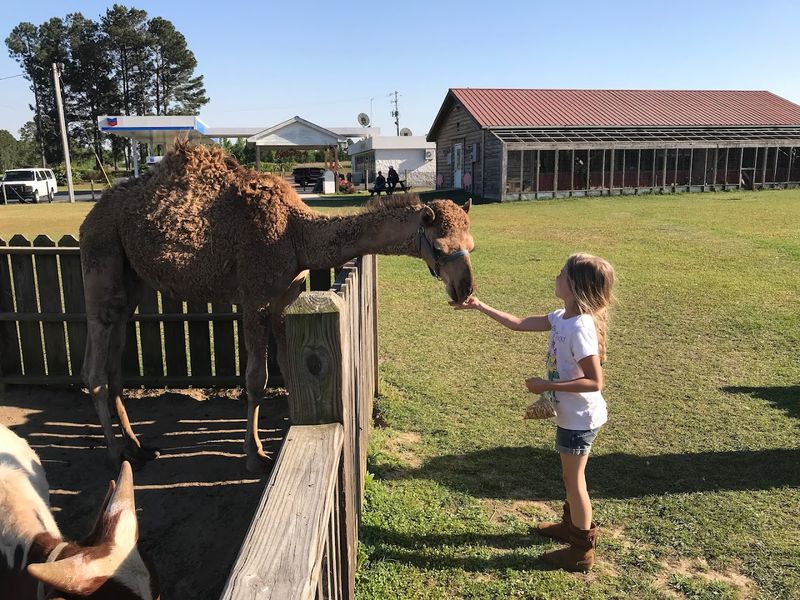
South Georgia doesn’t get enough credit for its wild side, but Wild Georgia Safari Park is changing that conversation. This roadside gem combines two experiences most places keep separate: a traditional petting zoo and an actual safari-style drive-through adventure.
It’s become a year-round attraction for families traveling through the region.
The setup works brilliantly. Start with the drive-through section where ostriches, zebras, and camels approach your vehicle looking for snacks.
These aren’t skittish animals—they’ve learned that cars mean food, and they’ll stick their heads right through your window if you let them. Then park and wander through the petting area where barnyard favorites await smaller hands.
Located in Metter, this park fills a unique niche in Georgia’s animal tourism landscape. It’s not as large as some mountain attractions, but it offers something many don’t: genuine interaction with species you’d normally only see behind barriers.
The combination of exotic and domestic animals makes it work for various age groups and comfort levels.
Wild Animal Safari (Pine Mountain)
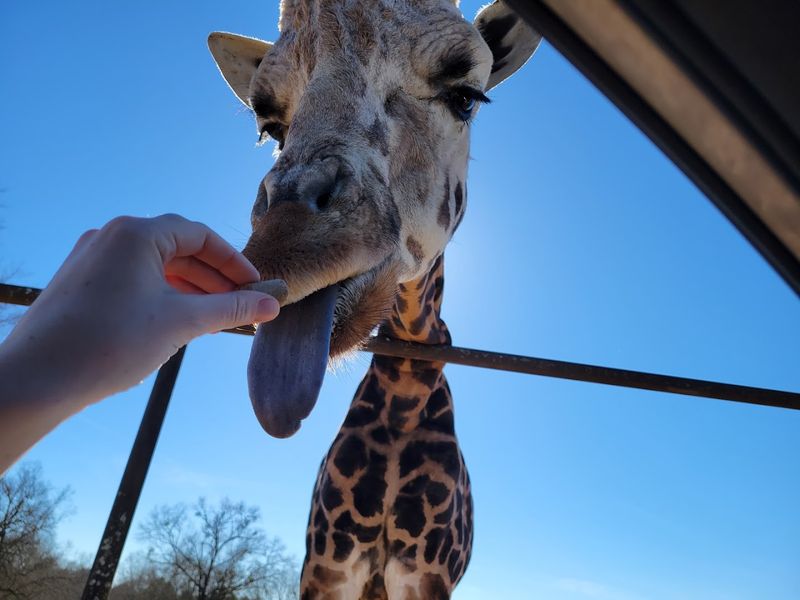
Your car becomes a mobile feeding station at Wild Animal Safari, where the drive-through experience puts you remarkably close to creatures most people only encounter in documentaries. Bison lumber up to driver’s-side windows.
Llamas crane their long necks into backseats. Zebras and deer crowd around bumpers, all competing for the food buckets sold at the entrance.
The Pine Mountain location has perfected this format over decades. Animals here understand the routine, which means minimal waiting and maximum interaction as you cruise the winding trail.
Kids absolutely lose their minds when a massive watusi steer approaches, those enormous horns somehow less intimidating up close than you’d expect.
But the experience doesn’t end when the pavement does. After completing the drive-through loop, visitors can explore a walk-through zoo section packed with smaller species.
This combination approach works well for groups with mixed interests—some folks prefer the controlled environment of their vehicle, while others want to stretch their legs and meet animals at ground level. Either way, you’re leaving with photos nobody back home will quite believe.
Hooves and Feathers Petting Farm (Morganton)
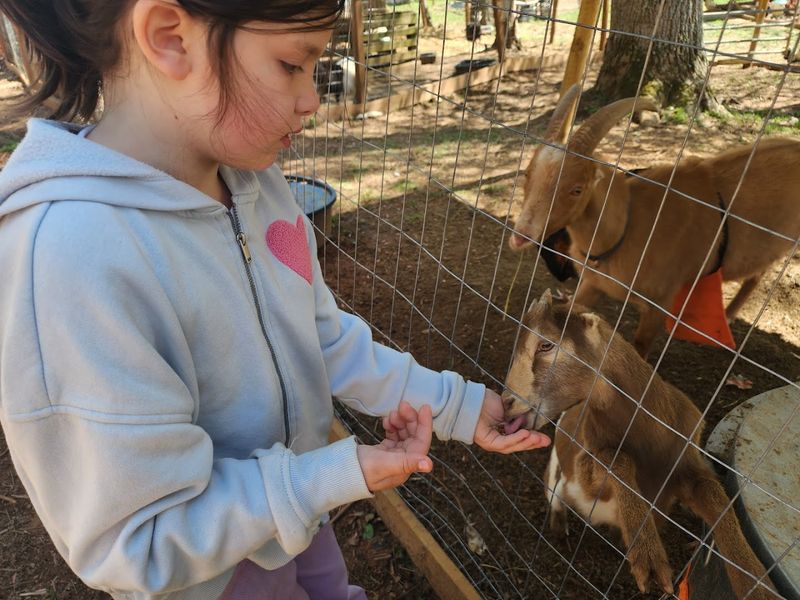
Tucked into 38 acres of North Georgia mountain beauty, Hooves and Feathers feels like stepping onto your great-aunt’s countryside property—if she happened to run the friendliest petting farm in the state. The family-run operation focuses on what farms do best: creating unhurried, genuine connections between people and animals.
No exotic species here, just the classic cast of farm characters. Goats bleat for attention near the barn.
Donkeys bray their greetings from pastures dotted with wildflowers. Chickens and ducks patrol the grounds like they own the place, which in a way, they do.
Rabbits nestle in cozy hutches, perfect for kids who need gentler interactions after the enthusiastic goats.
The Morganton location adds mountain charm to an already relaxing experience. Fresh air, open spaces, and a pace that reminds you why people visit farms in the first place—to slow down.
The owners know their animals individually, sharing stories that make each creature feel less like livestock and more like neighborhood friends. It’s simple, authentic, and exactly what families seeking a low-key animal encounter need.
Luna Farm and Sanctuary (Powder Springs)
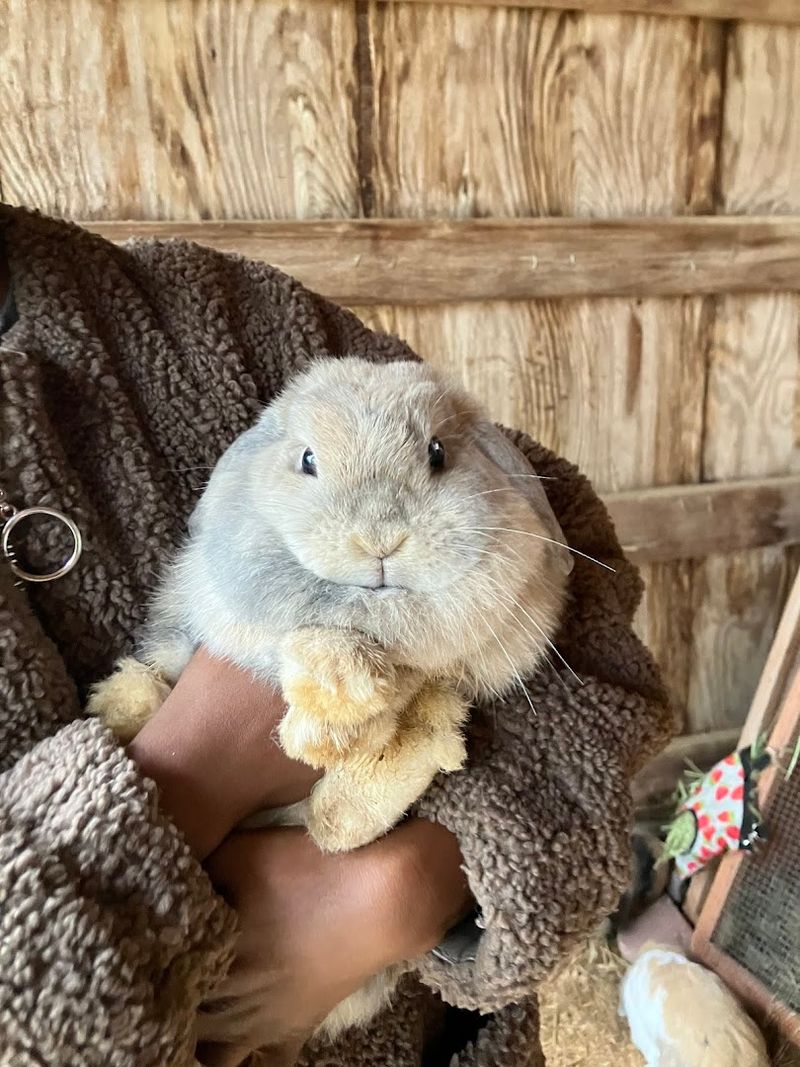
Every animal at Luna Farm and Sanctuary carries a story, and the folks here make sure visitors learn them. This rescue-based operation turns farm visits into something more meaningful—a chance to meet creatures who’ve been given second chances and to understand why sanctuaries matter.
Goats, horses, rabbits, ducks, and pigs all call this Powder Springs property home.
What sets Luna apart is the narrative behind each interaction. That friendly pig?
Rescued from neglect. Those curious goats?
Saved from an overcrowded situation. The staff doesn’t preach, but they do educate, and kids especially seem to grasp the importance of compassion when they’re scratching a rescued rabbit’s ears.
The farm operates on a smaller scale than some commercial attractions, which actually enhances the experience. Groups stay manageable, meaning more personal time with animals and staff.
You’re not fighting crowds or rushing through stations. Instead, you’re participating in something that feels both educational and heartwarming—a combination that’s harder to find than you might think in Georgia’s animal tourism scene.
Micki’s Zoo Crew (Cartersville)
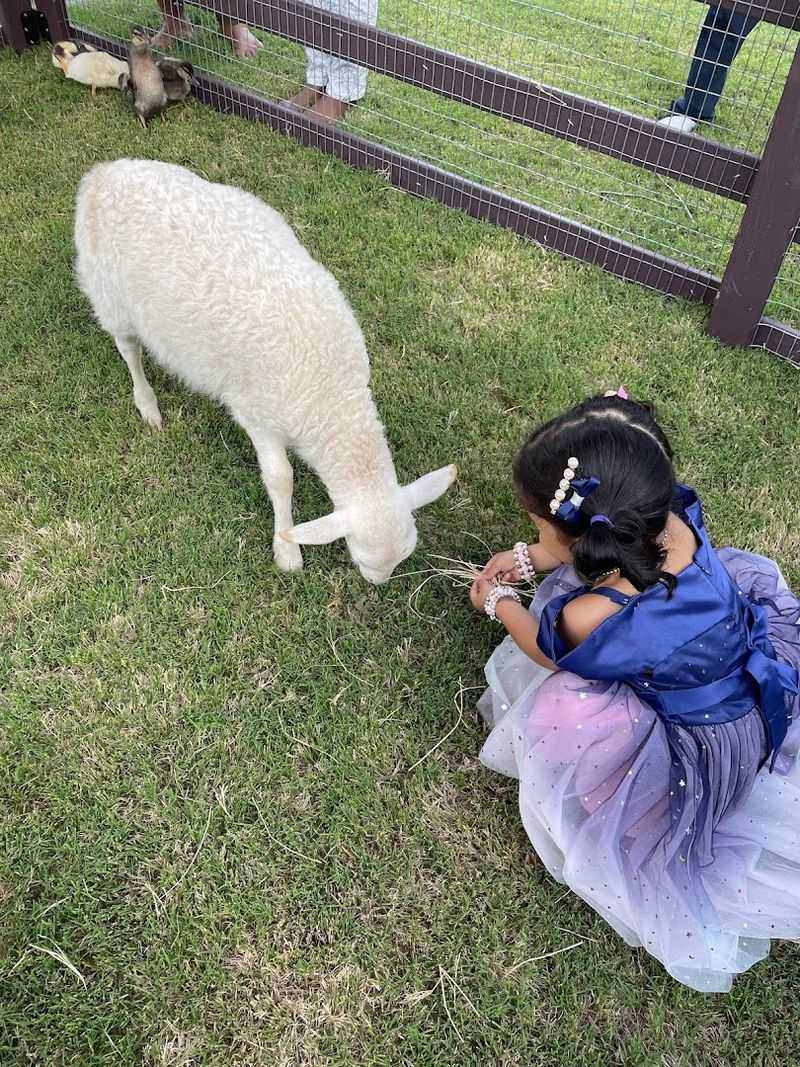
Little hands need little animals, and Micki’s Zoo Crew understands this perfectly. This private farm experience in Cartersville specializes in touch-and-feed encounters designed specifically for younger visitors who might feel overwhelmed by larger operations.
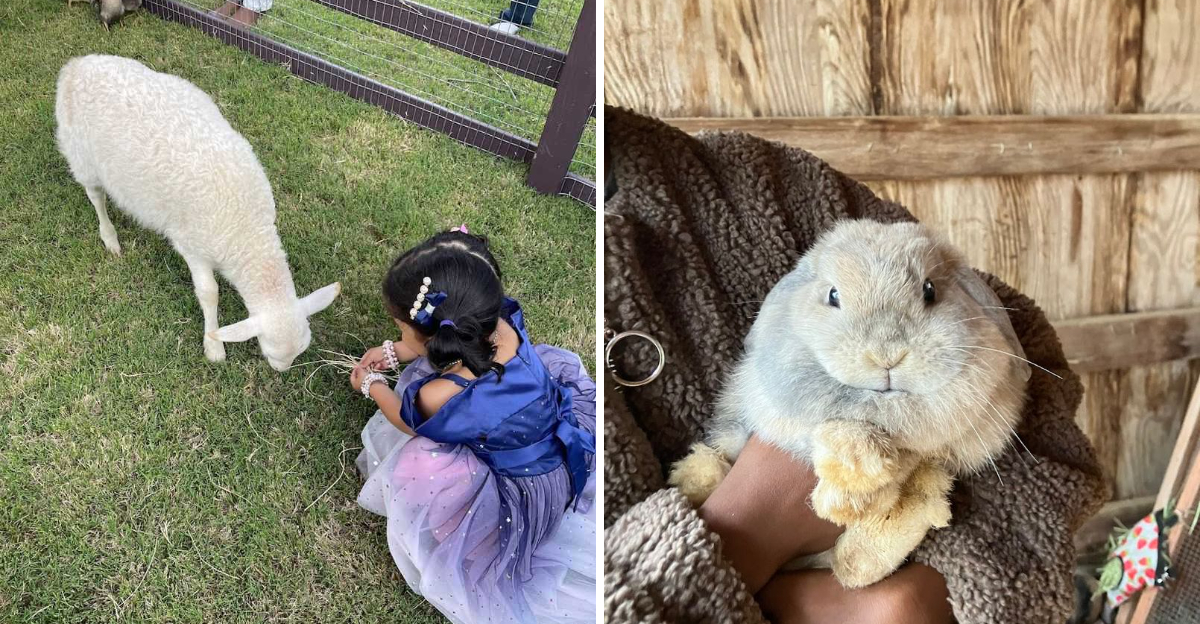
Baby goats, fluffy lambs, waddling ducks, clucking chickens, gentle alpacas, and patient ponies create an environment where even shy kids blossom.
The farm’s approach emphasizes quality over quantity. Instead of racing through dozens of animal stations, families spend real time with each species.
Kids learn how to approach animals respectfully, how to read body language, and why gentle hands matter. These aren’t lessons delivered through lectures—they happen naturally as children interact with creatures who respond to kindness.
Micki’s operates more like a private experience than a public attraction, often requiring reservations. This setup keeps things calm and controlled, perfect for toddlers experiencing farm animals for the first time or elementary-aged kids ready to take responsibility for feeding and petting.
Parents appreciate the manageable pace and the genuine care staff shows both the animals and their young visitors.
Yellow River Wildlife Sanctuary (Lilburn)
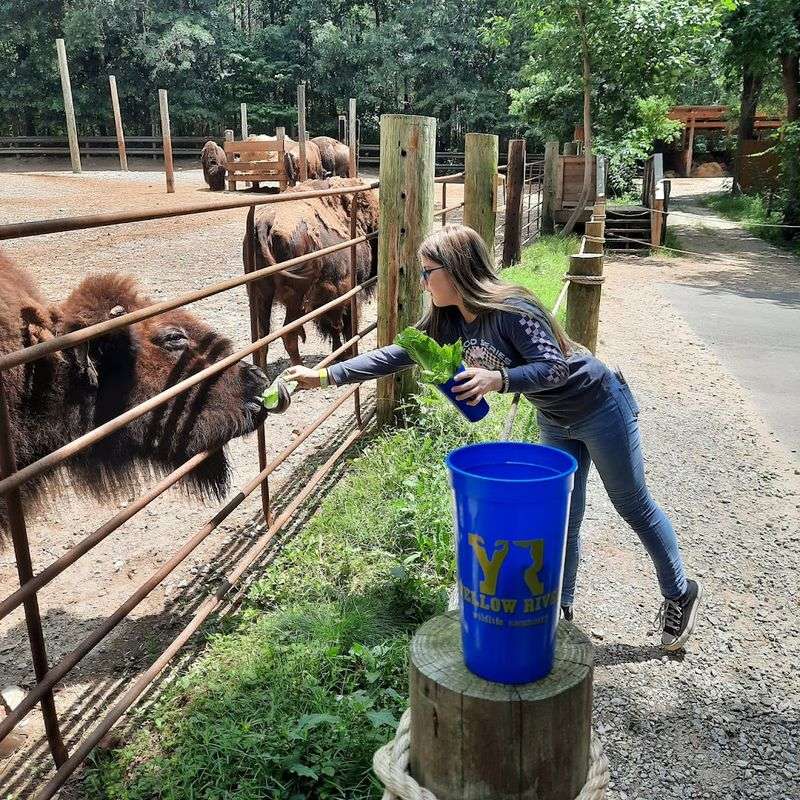
Technically classified as a sanctuary rather than a traditional farm, Yellow River Wildlife Sanctuary earns its spot through sheer accessibility. The Lilburn facility operates interactive feeding trails where visitors get remarkably close to deer, goats, and various native Georgia wildlife species.
It’s education disguised as entertainment, or maybe entertainment disguised as education—either way, it works.
The sanctuary’s rehabilitation mission adds depth to what could otherwise be a simple petting experience. Many animals here are recovering from injuries or being prepared for release back into wild habitats.
Others serve as education ambassadors, helping visitors understand local ecosystems and conservation challenges. Walking the trails, you’re not just meeting animals—you’re learning their roles in Georgia’s natural landscape.
What makes Yellow River stand out is how it bridges the gap between traditional farms and wildlife centers. The deer are comfortable with humans but retain wild instincts.
The goats provide familiar farm interactions. Together, they create an experience that feels more adventurous than a typical petting zoo while remaining approachable for families.
It’s a smart balance that works particularly well for school groups and curious kids.
Washington Farms (Bogart)
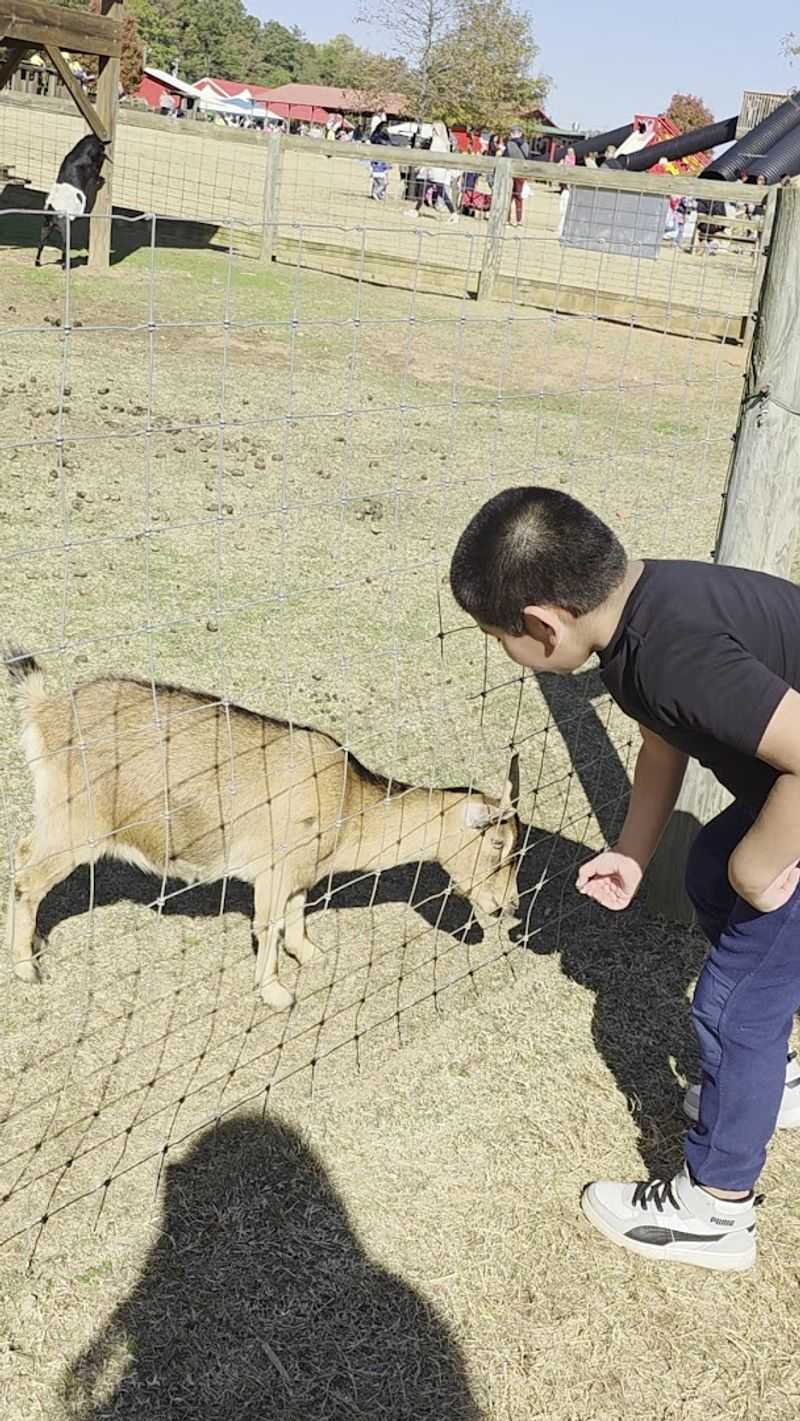
Ask any Athens-area family about fall traditions, and Washington Farms likely tops their list. This Bogart agritourism destination made its name with seasonal festivals and pumpkin patches, but the livestock encounters deserve equal billing.
Goats, cows, pigs, and chickens populate the farm’s animal areas, providing hands-on experiences that complement the hayrides and corn mazes.
The farm excels at blending agriculture with animal interactions. Kids pick pumpkins in October, then wander over to feed goats and meet piglets.
Spring visits might include baby chicks and lambs. This integration helps children understand where food comes from and how farms actually operate—lessons that stick better when delivered alongside giggles and bleating.
Washington Farms shines brightest during peak seasons when special events expand the animal programming. But even during quieter months, the livestock areas remain active and welcoming.
The farm’s commitment to education through experience makes it more than just an entertainment venue. It’s become a resource for families wanting their kids to develop real connections to agriculture and animal care, all within easy driving distance of the Atlanta metro area.
Southern Belle Farm (McDonough)
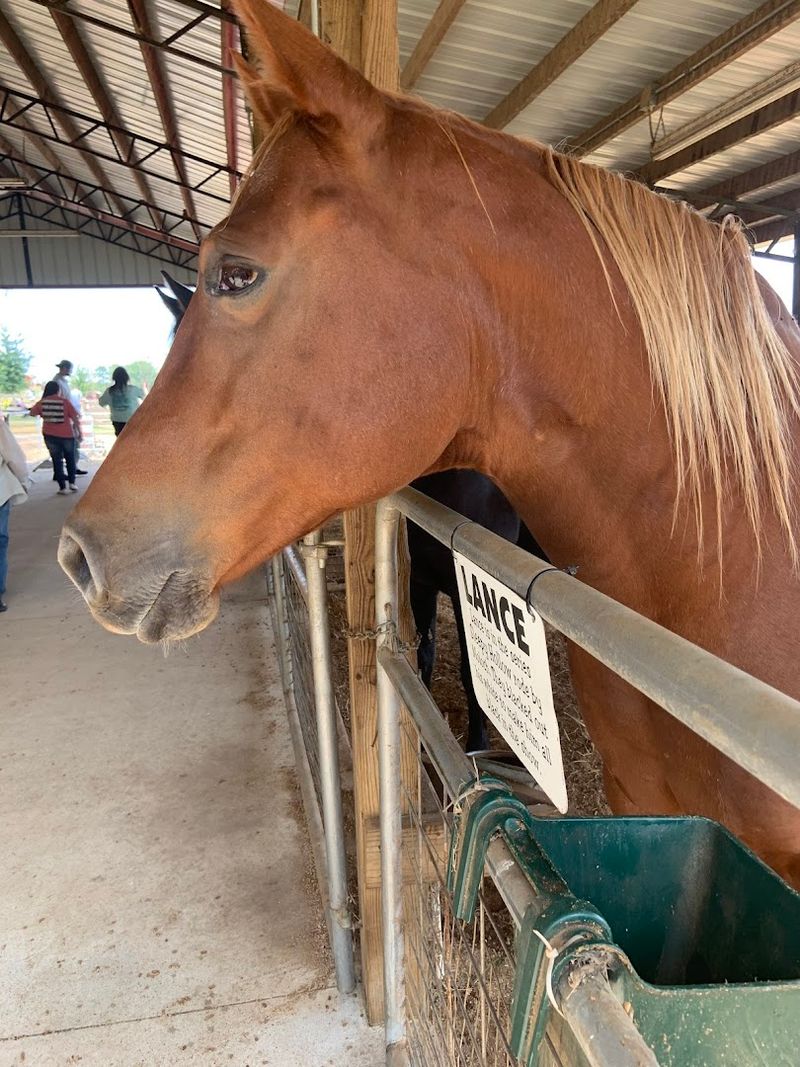
Southern Belle Farm proves that sometimes the best animal experiences grow naturally from working agricultural operations. This McDonough family farm maintains active crop fields alongside barns full of goats, pigs, cows, and chickens.
The result feels authentic because it is—these aren’t zoo animals playing farm roles but actual livestock integrated into daily farm operations.
Throughout most of the year, animal interactions take a supporting role to the farm’s other attractions. But come fall festival season, everything expands.
More animals appear, interaction opportunities multiply, and the barnyard becomes a destination within the destination. Kids who normally rush past goats suddenly spend twenty minutes learning about different breeds and hand-feeding their new favorites.
What makes Southern Belle work is its commitment to the traditional farm experience. Nothing feels manufactured or theme-park-ish.
The dirt is real, the smells are genuine, and the animals behave like animals, not performers. For families seeking that classic countryside farm visit where animals are part of a larger agricultural picture, this spot delivers.
It’s especially valuable for city kids who need to understand that farms aren’t just petting zoos—they’re where food begins.
Lost Mountain Alpaca Ranch (Powder Springs)
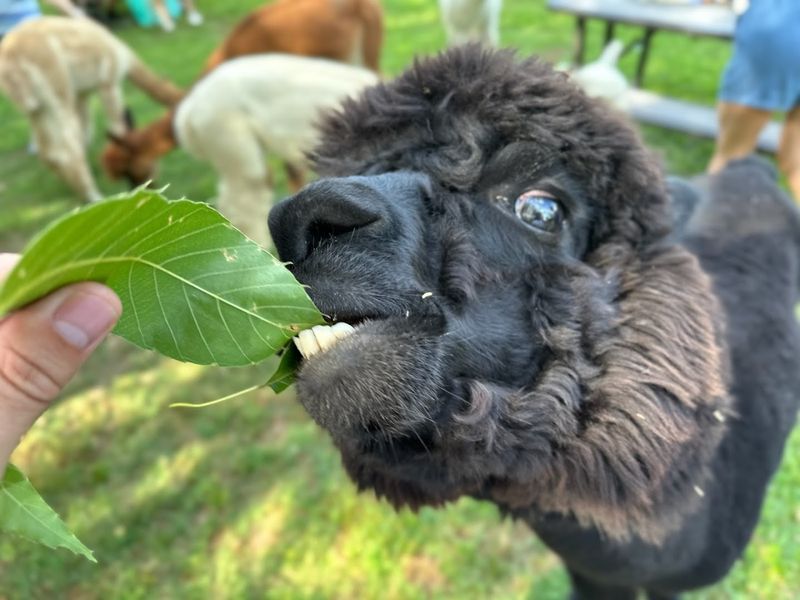
Alpacas possess an undeniable charm that makes them perfect ambassadors for first-time farm visitors. Lost Mountain Alpaca Ranch in Powder Springs has built its entire operation around these fuzzy, curious creatures.
Scheduled tours let families pet, feed, and learn about alpacas up close, discovering why these South American imports have become such popular farm animals across Georgia.
The family-run ranch takes education seriously without making it feel like school. Visitors learn about alpaca fiber, breeding, and behavior while interacting with the herd.
The animals themselves seem to enjoy the attention, approaching visitors with cautious curiosity. Some are shy, others boldly investigate pockets for hidden treats, and each one has a distinct personality the owners can describe in detail.
Beyond basic tours, Lost Mountain has gotten creative with programming. Alpaca yoga sessions combine gentle stretching with animal encounters, creating Instagram-worthy moments and genuine relaxation.
Sheep also roam the property, offering variety for visitors who want more traditional farm interactions. The ranch’s small scale works in its favor—everything feels personal and unhurried, giving families the time they need to truly connect with these remarkable animals.
North Georgia Wildlife Park (Cleveland)
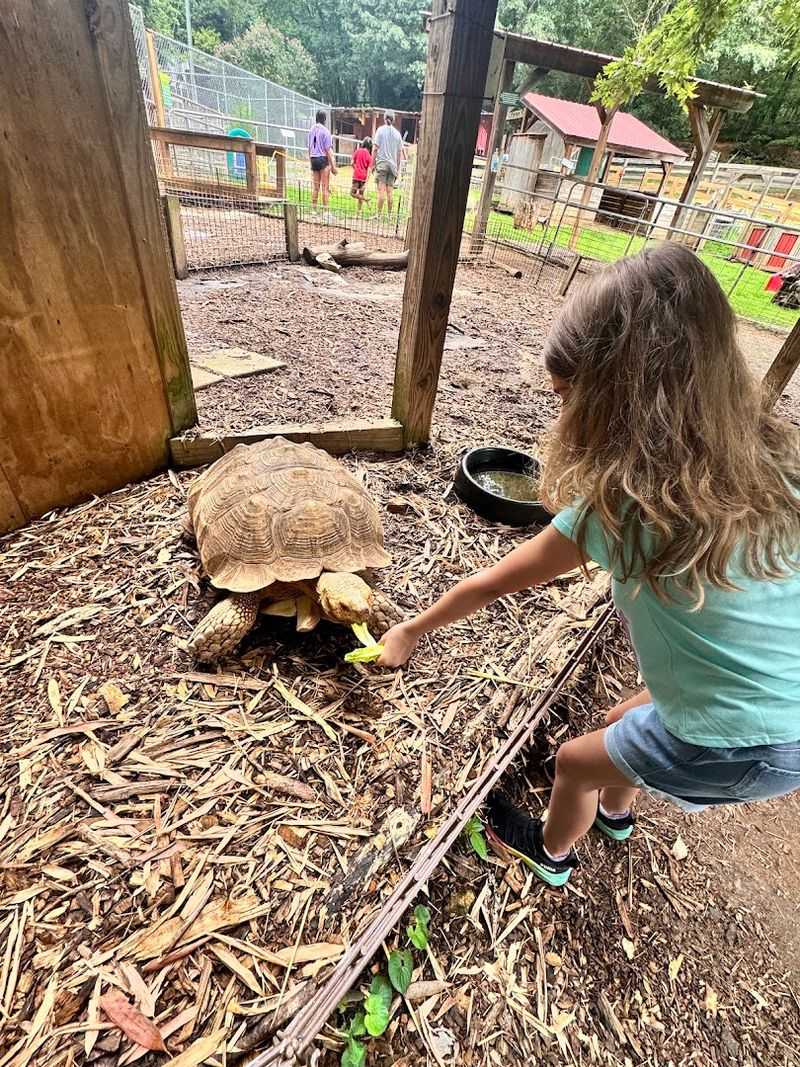
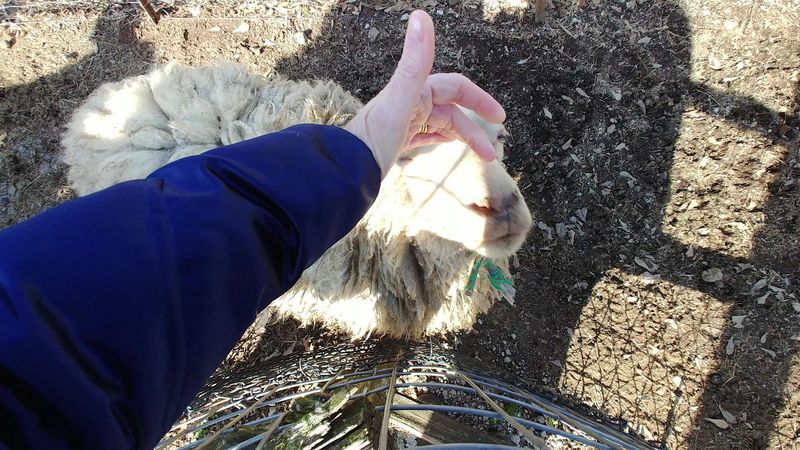
Formerly known as North Georgia Zoo, this Cleveland destination features one of the state’s largest dedicated petting farm sections. Miniature goats scramble over climbing structures.
Sheep graze peacefully near fence lines. Donkeys and deer mingle with visitors who’ve purchased feed cups.
The mountain setting adds scenic beauty to what’s already an impressive animal interaction setup.
The park’s transformation from traditional zoo to wildlife park expanded hands-on opportunities significantly. Where barriers once separated species from people, many animals now roam accessible areas designed specifically for close encounters.
This shift reflects changing attitudes about animal experiences—visitors increasingly want participation, not just observation. North Georgia Wildlife Park delivers both, maintaining some traditional exhibits while maximizing interaction zones.
Location matters here. The Cleveland area attracts tourists heading to Helen or exploring North Georgia’s scenic highways.
The park serves as either a destination itself or a perfect addition to mountain getaways. Families spending a week in the mountains often include a park visit, knowing kids will burn energy while making memories with animals.
The variety of species available for petting and feeding ensures even the pickiest kids find animals they connect with.