North Carolina doesn’t whisper its beauty — it shouts it from mountain ridges to salt-kissed marshes.
And tucked inside that wild spread are botanical gardens that feel like secret doors into nature’s best work.
These places don’t just show plants — they protect native species, restore habitats, and open winding paths where every turn feels alive with discovery.
Mountain wildflowers, shaded forests, and coastal greenery all show up in their own unruly glory.
From quiet boardwalks to woodland trails that disappear into green silence, each stop pulls you deeper into the state’s natural heartbeat.
North Carolina Botanical Garden – Chapel Hill
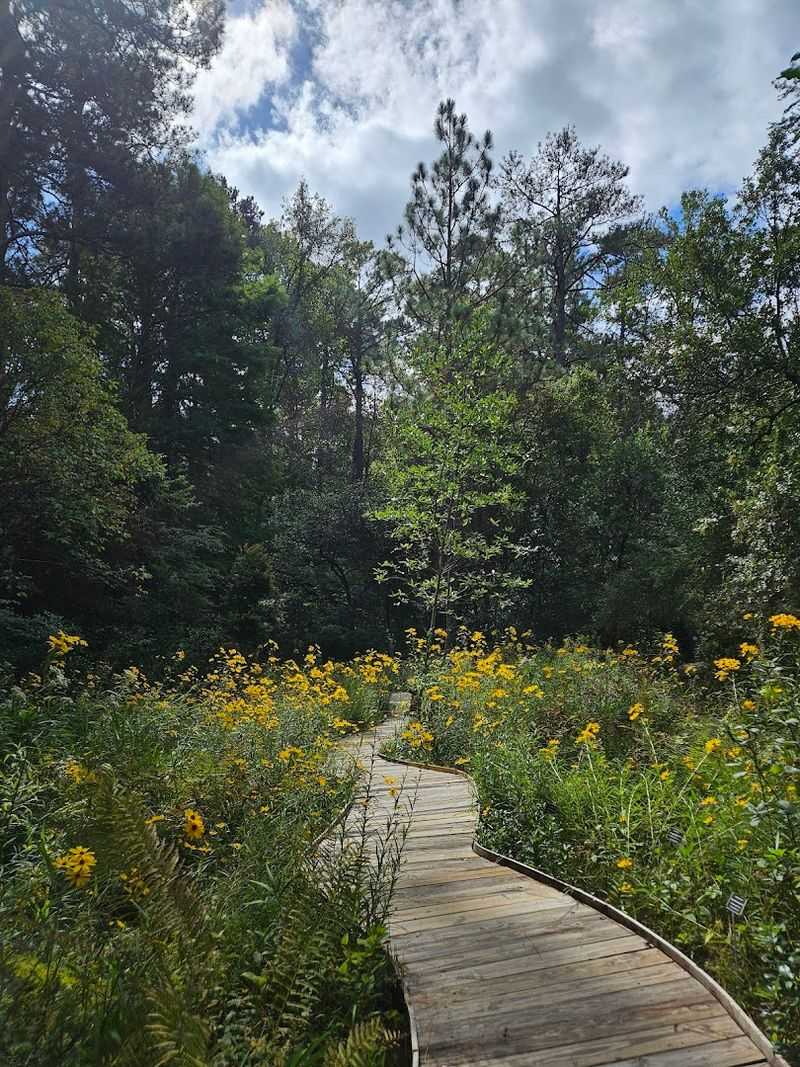
Spanning multiple ecosystems under one destination, this premier institution stands as one of the state’s most comprehensive showcases of native flora. Visitors encounter carefully designed displays representing Piedmont hardwood forests, coastal plain wetlands, and mountain habitats all within walking distance of each other.
The Piedmont Nature Trails offer particularly immersive experiences, winding through mature woodlands where interpretive signs explain the relationships between native plants and local wildlife. Conservation efforts shine through in specialized collections featuring rare and threatened species that might otherwise go unnoticed in the wild.
Educational programs run year-round, making each visit different depending on the season. Spring brings woodland wildflowers carpeting the forest floor, while fall showcases the brilliant colors of native hardwoods.
Families appreciate the well-maintained paths suitable for strollers and wheelchairs, though some natural trail sections provide more adventurous terrain for those seeking it. The garden’s commitment to teaching visitors about native plant preservation makes it both a beautiful destination and an important learning resource for understanding North Carolina’s botanical heritage.
Coker Arboretum – Chapel Hill
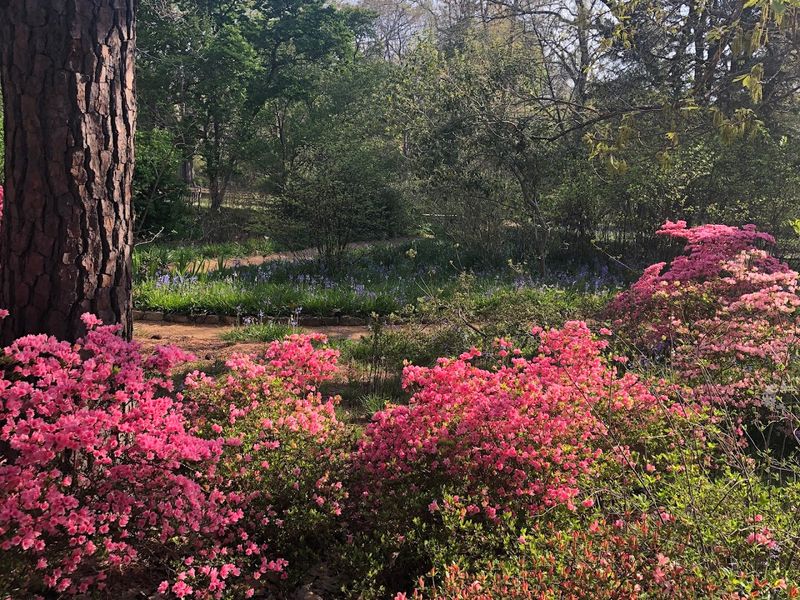
Tucked within the University of North Carolina campus, this historic green space has been cultivating appreciation for native trees since the early 1900s. Students and visitors alike find refuge in its peaceful pathways that weave between stately oaks, vibrant dogwoods, and other regional hardwood species.
Spring transforms the arboretum into a floral wonderland when dogwoods burst into bloom, creating a canopy of white and pink flowers overhead. The timing usually coincides with finals week, giving stressed students a much-needed dose of natural beauty.
Fall brings an equally stunning show as native trees display their seasonal color change.
The compact size makes this arboretum perfect for a quick nature break between classes or meetings. Unlike sprawling gardens requiring hours to explore, you can experience most of Coker’s treasures in about 30 minutes.
Despite its urban setting, the dense tree cover creates surprisingly quiet microclimates throughout the space. Benches positioned along the paths invite contemplation, making this a favorite spot for reading, sketching, or simply watching squirrels navigate the ancient branches above.
Asheville Botanical Gardens – Asheville
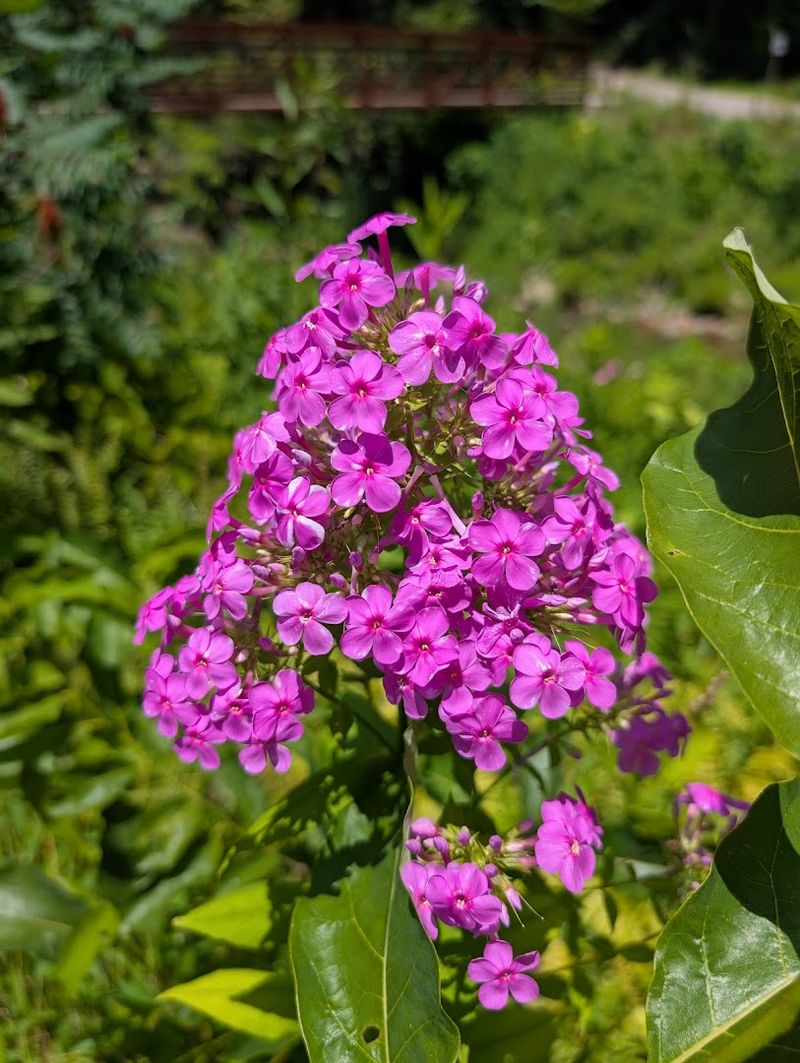
Native plants from the Southern Appalachian mountains take center stage at this focused urban sanctuary. Every single species growing here naturally occurs in the surrounding mountain region, making it a living encyclopedia of high-elevation flora.
A shaded loop trail forms the garden’s backbone, meandering through rich woodland habitats that mirror what you’d find hiking nearby peaks. Wildflowers emerge in waves from early spring through fall, with trilliums, lady slippers, and countless other species appearing in their proper seasons.
The dense tree canopy keeps temperatures comfortable even on warm summer days.
Volunteer-run and compact by design, this garden proves that bigger isn’t always better. You can complete the main loop in 20 minutes or linger for an hour, depending on how closely you examine the diverse plant communities.
Free admission makes it accessible to everyone, while the location near downtown Asheville allows easy incorporation into a day exploring the city. Interpretive signs help visitors identify species and understand their ecological roles, turning a simple walk into an educational experience about mountain plant life.
Daniel Stowe Botanical Garden – Belmont
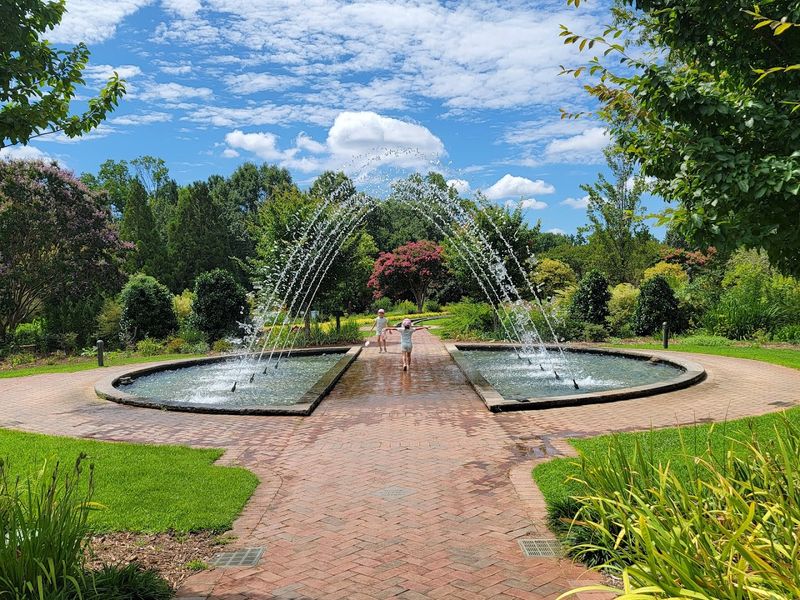
Recent trail expansions have transformed this destination into a dual-experience venue where manicured gardens meet wilderness paths. Miles of wooded walking trails now complement the formal display areas, giving visitors options between structured beauty and natural exploration.
The evolving trail network winds through mature forests where native trees and understory plants create genuine woodland experiences. These paths intentionally feel different from the carefully designed garden rooms near the entrance, offering more adventurous territory for those who want to escape into nature.
Bird watchers particularly love these sections for their diverse habitat and relative quiet.
Meanwhile, the cultivated areas showcase what’s possible when combining native plants with thoughtful landscape design. Seasonal displays rotate throughout the year, ensuring return visitors always find something new blooming or fruiting.
Families with varying fitness levels appreciate having choices about their visit length and intensity. You might spend an entire afternoon exploring every trail and garden section, or enjoy a shorter visit focused on specific areas.
The spacious grounds prevent crowding even on busy weekends, maintaining a peaceful atmosphere throughout.
Cape Fear Botanical Garden – Fayetteville
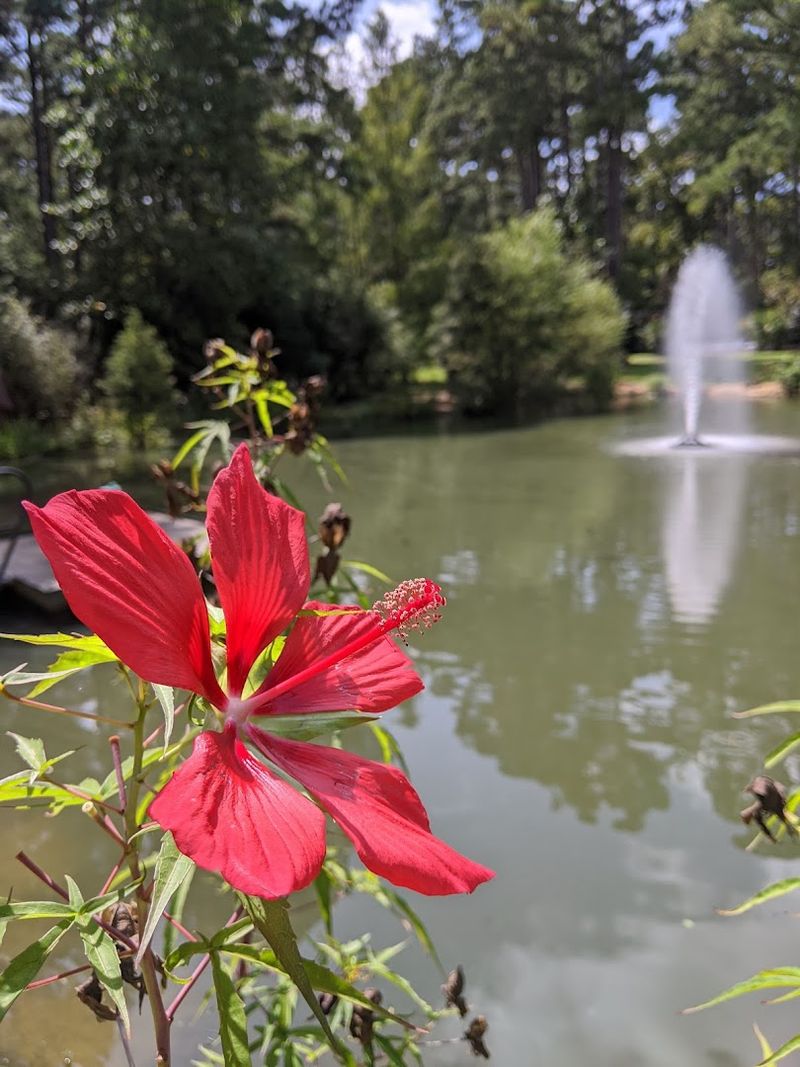
Where the Cape Fear River curves through Fayetteville, this garden preserves diverse ecosystems that naturally occur along the waterway. Pine forests, hardwood-covered slopes, and wetland areas all appear within the property boundaries, connected by a trail system that lets you experience each habitat up close.
Native riparian plants thrive in the moist areas near the river, demonstrating how vegetation changes based on proximity to water. Educational moments happen naturally as you walk from dry pine stands into lush riverfront zones and notice the dramatic shift in plant communities.
The trails themselves vary from easy level paths to slightly more challenging slope sections.
Seasonal flooding occasionally affects lower trails, but the garden staff maintains updated information about path conditions. This dynamic relationship with the river actually adds to the authentic feel of experiencing a working river ecosystem.
Wildlife sightings are common here, with river-loving birds like herons and kingfishers frequently spotted along the water’s edge. The garden’s commitment to preserving natural processes rather than over-managing every space creates habitat that truly supports local fauna and flora.
Airlie Gardens – Wilmington
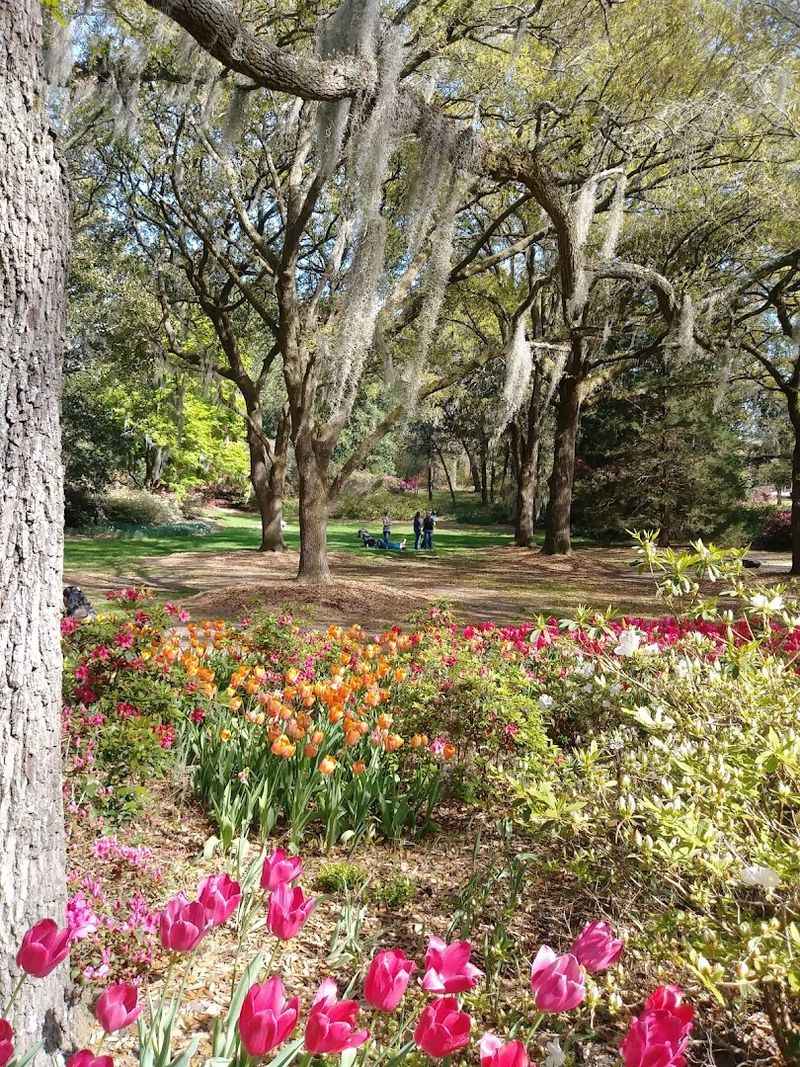
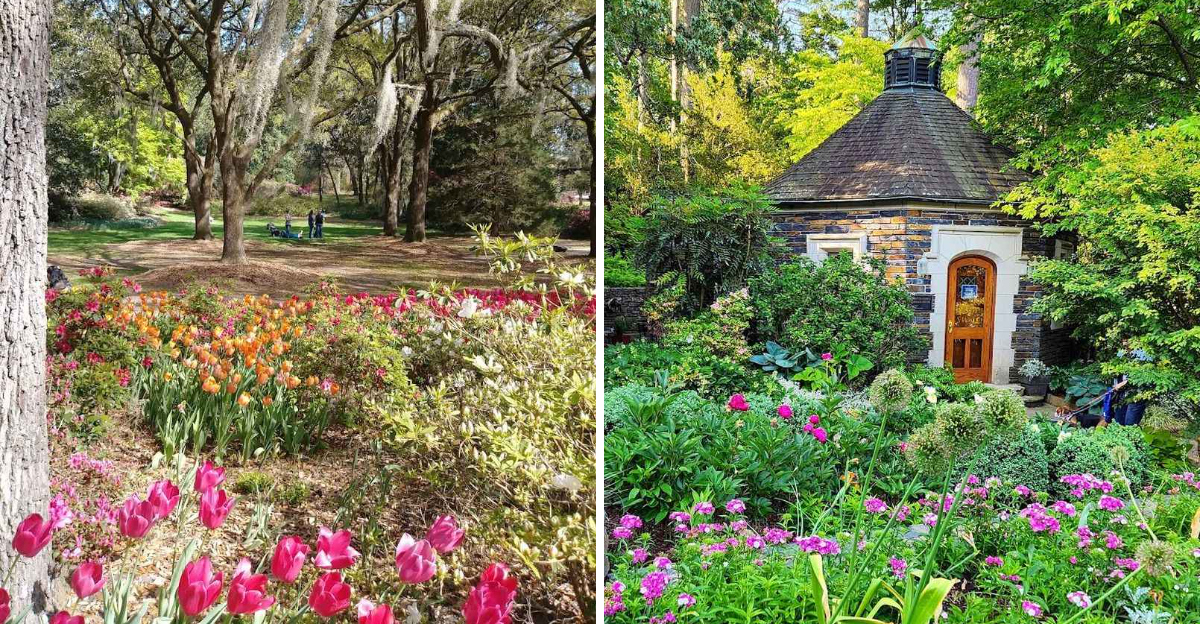
Ancient live oaks draped in Spanish moss set the scene at this coastal treasure where manicured gardens blend seamlessly with natural landscapes. The signature Airlie Oak, estimated at nearly 500 years old, stands as a living monument to the region’s botanical history and dominates photographs from every angle.
Native azaleas put on spectacular spring shows, their blooms reflecting in the lake’s calm surface and creating picture-perfect moments. The coastal environment supports plant species you won’t find in North Carolina’s inland gardens, including marsh inhabitants adapted to salt influence and sandy soils.
Lakeside trails provide flat, easy walking with constant water views, while shaded forest sections offer cool retreats during warm coastal weather. The combination of formal flower beds and wild areas gives photographers diverse subjects within a relatively compact space.
Seasonal butterfly populations find refuge in the native plantings, adding movement and color to already vibrant scenes. Evening visits during summer months bring cooler temperatures and softer light that makes the moss-draped oaks look especially magical.
The coastal ecology lessons learned here help visitors understand how plants adapt to maritime conditions.
JC Raulston Arboretum – Raleigh
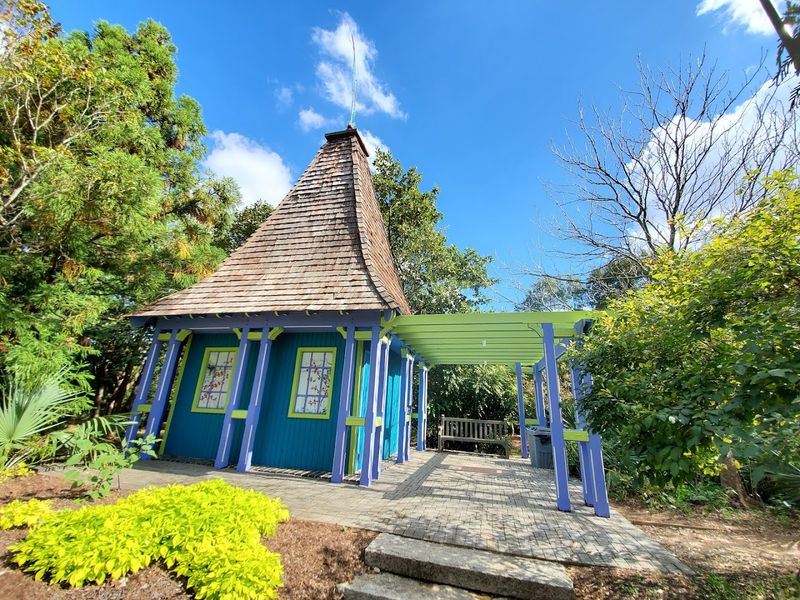
Plant research meets public education at this demonstration-focused arboretum where every garden bed serves as a living experiment. Hardy native species mix with carefully selected adapted plants to show homeowners and landscape professionals what thrives in North Carolina’s climate without excessive maintenance.
Themed garden rooms create distinct spaces throughout the grounds, each highlighting different design philosophies and plant combinations. One section might feature drought-tolerant natives perfect for water-conscious landscaping, while another demonstrates shade-garden solutions using regional species.
The practical approach helps visitors translate what they see into their own yards.
Walkable paths connect all sections in a logical flow, with benches positioned at key viewing points. Plant labels go beyond basic identification to include origin information, growing requirements, and design tips that answer questions before they’re asked.
The arboretum’s connection to NC State University means cutting-edge horticultural research influences what gets planted and tested. New native plant cultivars often debut here before becoming commercially available.
Seasonal plant sales let visitors take home the same species they’ve admired in the displays, complete with expert advice from staff and volunteers who genuinely love talking about plants.
Sarah P. Duke Gardens – Durham
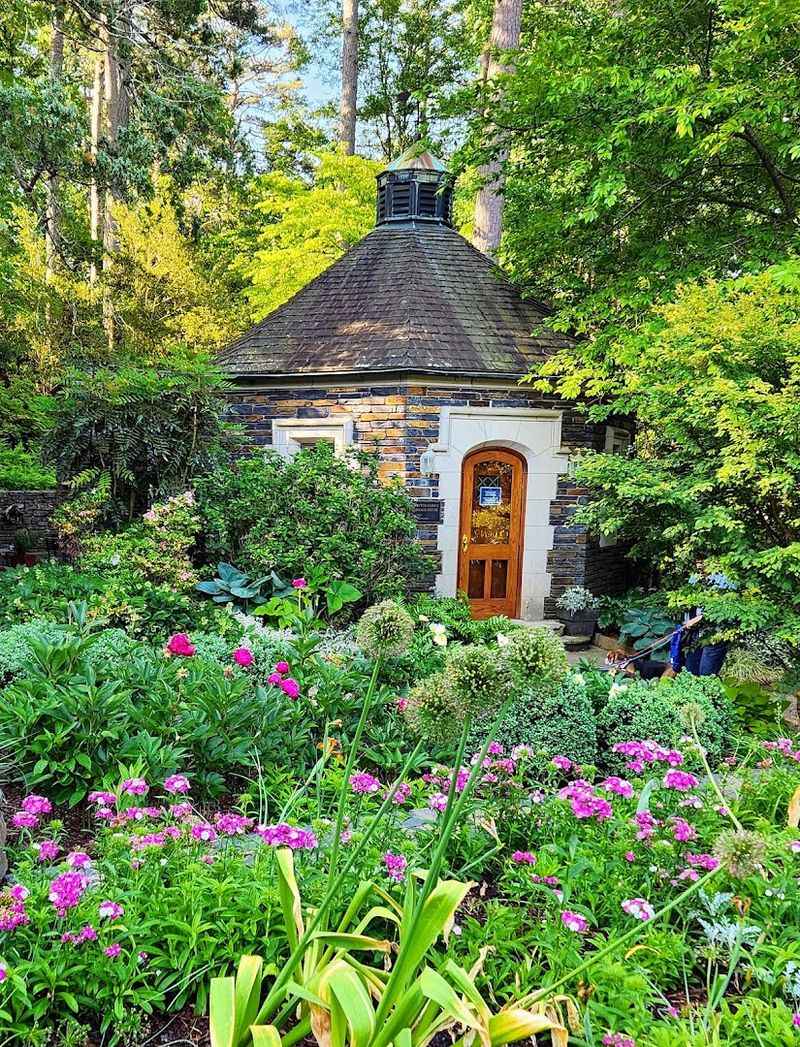
Formal terraces and naturalistic woodlands coexist beautifully at this Duke University treasure, surprising first-time visitors with its range of experiences. While the manicured upper gardens draw the most attention with their seasonal color displays, the wild ravine areas below offer a complete contrast worth exploring.
Shaded creekside trails wind through these lower sections where native plants dominate and the atmosphere shifts from cultivated to genuinely natural. Stone steps descend into cool ravines where ferns carpet the slopes and water sounds provide constant background music.
These areas feel surprisingly remote despite being surrounded by campus buildings and urban development.
The integration of native species throughout the landscape demonstrates how formal garden design and ecological awareness can complement rather than conflict. Even in the more structured areas, native plants appear in supporting roles that connect the cultivated spaces to the surrounding Piedmont environment.
Students studying nearby often use the gardens as outdoor study halls, particularly favoring the quieter wooded sections. The free admission and extended hours make spontaneous visits easy, whether you’re seeking exercise, inspiration, or just a few minutes of peace between obligations.
Seasonal events bring crowds, but weekday mornings remain peaceful for solitary exploration.
Greensboro Botanical Gardens – Greensboro
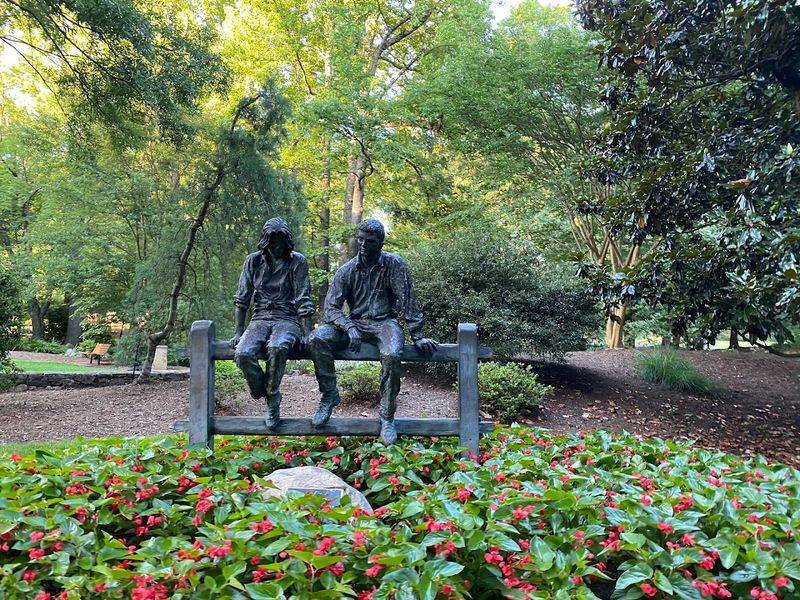
An elevated boardwalk provides up-close wetland access without disturbing the sensitive habitat below, making this garden particularly valuable for understanding water-dependent ecosystems. Walking above the marsh gives you a bird’s-eye perspective on how native plants organize themselves in wet environments, with different species occupying zones based on their water tolerance.
The waterfall feature creates soothing sounds while also serving an educational purpose, demonstrating how moving water affects plant communities differently than still wetlands. Wildlife thrives in these conditions, with frogs, turtles, and water birds regularly spotted from the boardwalk.
Patient observers might catch sight of hunting herons or families of ducks navigating through the vegetation.
Free admission removes barriers to frequent visits, letting local residents treat the gardens as a neighborhood resource rather than a special-occasion destination. This accessibility encourages deeper relationships with the space as you notice seasonal changes over repeated visits throughout the year.
The relatively small footprint concentrates diverse experiences into an easily manageable area, perfect for families with young children or anyone with limited time. You’ll leave understanding wetland ecology better than when you arrived, having witnessed these important habitats firsthand rather than just reading about them.
Paul J. Ciener Botanical Garden – Kernersville
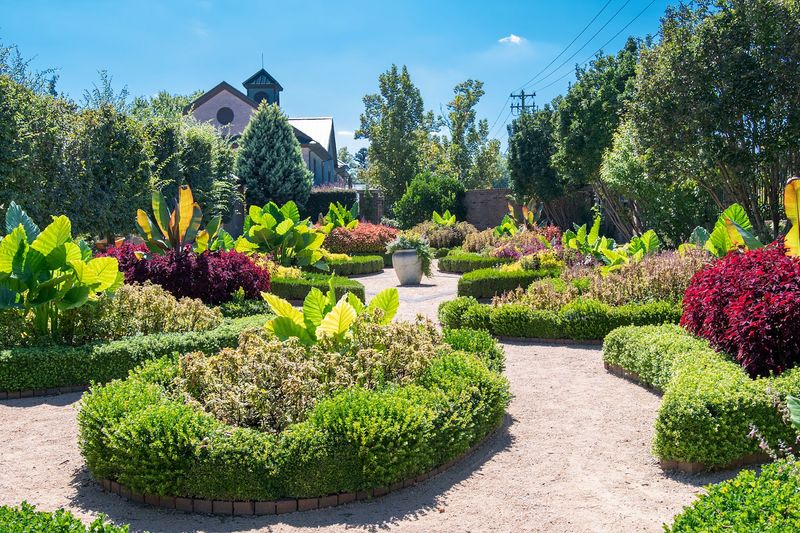
Thoughtful design maximizes every square foot of this smaller garden, proving that limited space doesn’t mean limited impact. Themed garden areas flow naturally into one another, each highlighting different aspects of native plant adaptability and their relationships with local pollinators.
Seasonal interest drives the planting philosophy here, ensuring something catches your eye whether you visit in spring’s first bloom period or during winter’s structural beauty. Native species selected for their exceptional performance demonstrate what homeowners can achieve in similar conditions.
Pollinator-friendly plants receive special emphasis, with butterfly and bee activity visible throughout the growing season.
Walking paths connect the themed spaces in a logical progression that feels more like wandering through a well-designed residential garden than touring a public institution. This intimate scale helps visitors imagine similar designs in their own landscapes, making the garden both inspirational and instructional.
Volunteers maintain much of the garden, creating a welcoming community atmosphere where staff and visitors often share plant knowledge informally. The accessible location near Kernersville makes it easy to incorporate into errands or afternoon outings.
Despite its modest size, repeat visits reveal new details as plants mature and seasonal changes highlight different garden sections.
UNC Charlotte Botanical Gardens – Charlotte
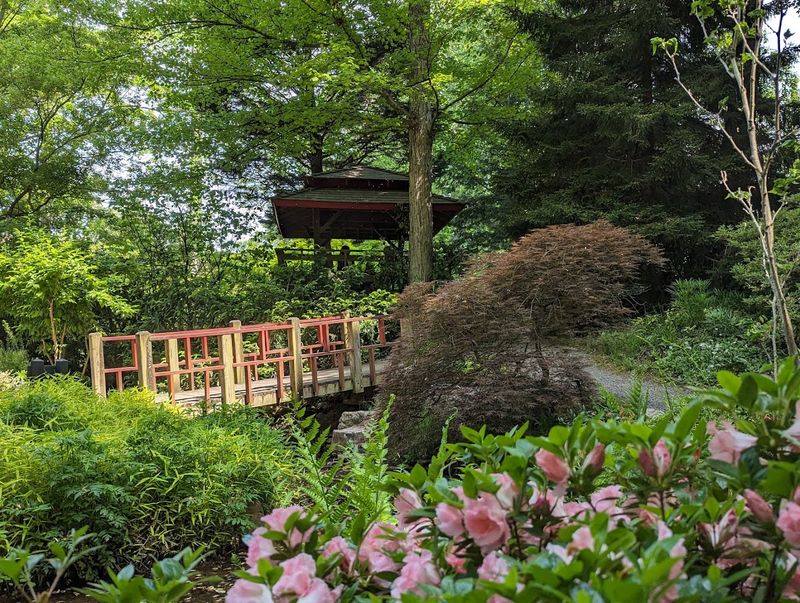
Global plant diversity meets regional species at this university-connected garden where both indoor conservatory spaces and outdoor collections create year-round viewing opportunities. The international plant displays provide context for understanding how North Carolina natives compare to species from similar climates worldwide.
Educational workshops and plant sales draw crowds throughout the year, with programs ranging from basic gardening fundamentals to specialized topics like native plant propagation. Free tours led by knowledgeable guides help visitors understand the stories behind specific plant collections and the garden’s role in horticultural education.
The university connection brings research-level plant knowledge down to accessible public formats.
Outdoor display areas change with the seasons, showcasing what performs well in Charlotte’s specific climate and soil conditions. Gardeners planning their own landscapes find valuable real-world examples of successful plant combinations and maintenance approaches that work locally rather than just theoretically.
The blend of scientific purpose and public access creates a unique atmosphere where serious plant study coexists with casual enjoyment. Students, families, and plant enthusiasts all find their niche here.
Location on the university campus means ample parking and easy integration with other Charlotte area activities for visitors coming from outside the immediate neighborhood.
Juniper Level Botanic Garden – Raleigh
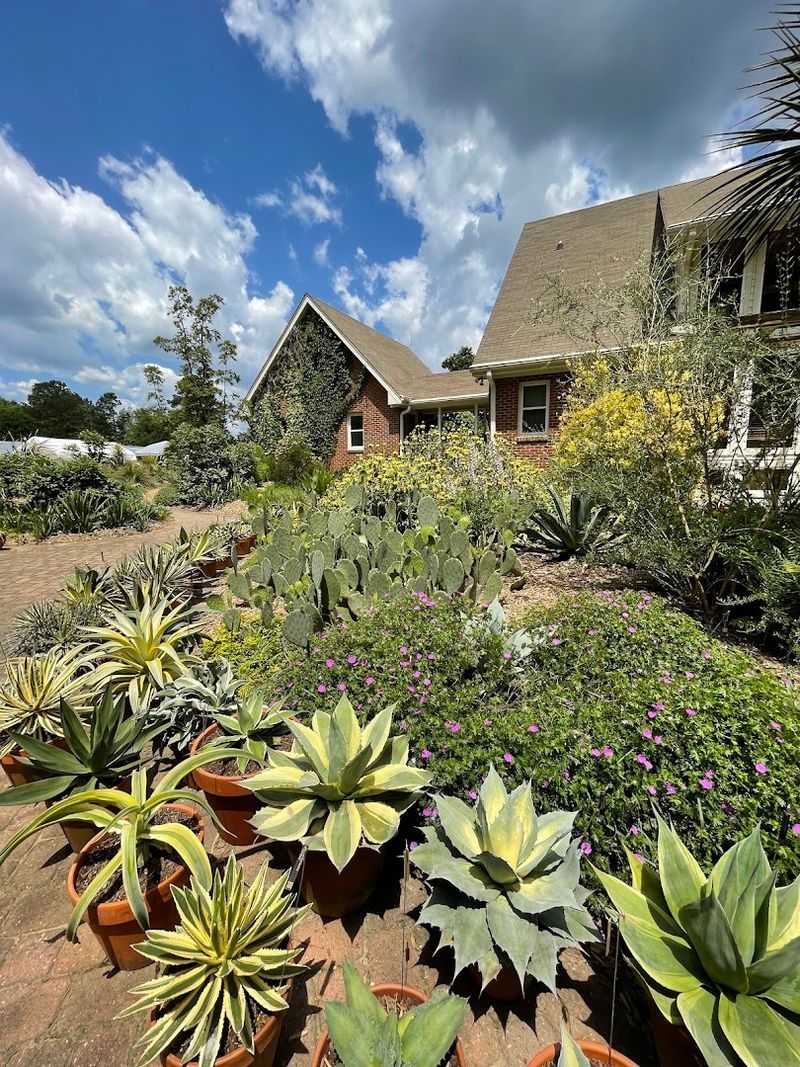
Sprawling across acres that feel more wilderness than garden, this plant sanctuary invites exploration rather than passive viewing. Thousands of plant varieties appear throughout the property, many native to the Southeast, but displayed in ways that mimic how they’d naturally grow rather than in tidy formal arrangements.
Winding woodland paths lead to unexpected discoveries around every bend, whether that’s a carefully cultivated bog garden tucked into a low spot or an artfully arranged rock garden highlighting alpine species. The trail-like experience means you might spend hours wandering and still find new sections you haven’t seen.
This intentional sense of discovery makes each visit feel like uncovering hidden ecosystems even though everything is carefully planned and maintained.
Plant enthusiasts particularly love the diversity concentrated here, with rare natives growing alongside more common species in naturalistic communities. The owner’s passion for plant collecting shows in unusual specimens you won’t encounter at more traditional gardens.
Visiting requires some advance planning as access is typically by appointment or during special events, but this limitation helps preserve the wild atmosphere by preventing overcrowding. Serious gardeners find inspiration in seeing how many species can thrive when given appropriate conditions and thoughtful placement.