Forget the polished ski towns and overpriced mountain cocktails—Leadville plays by its own rules.
Perched at 10,152 feet between Denver and Aspen, this old-school Colorado town feels like it got frozen in the rough-and-rowdy mining days and never cared to catch up. That’s part of the charm.
While travelers race west toward Aspen’s luxury and east toward city lights, Leadville stays planted in the middle, quiet and rugged, holding tight to its weathered brick buildings, deep-rooted stories, and sky-high trails.
It’s the kind of place where you can grab a beer in a century-old saloon, hear tales of silver strikes, and stare down mountain views that feel almost too big to be real.
And if locals had their way, it would stay overlooked forever.
Historic Downtown Harrison Avenue
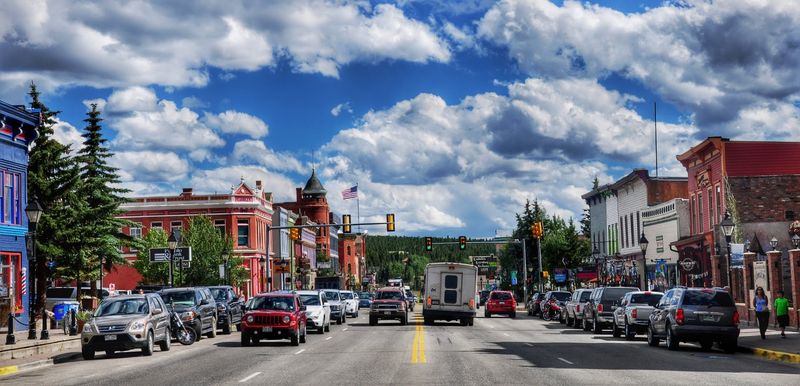
Walking down Harrison Avenue feels like entering a time machine without needing a ticket. The colorful buildings still wear their 1880s charm proudly, with false fronts that once advertised saloons, dry goods stores, and assay offices to miners flush with silver money.
Unlike gentrified historic districts in bigger Colorado towns, this street maintains its working-class roots. You’ll find actual hardware stores next to antique shops, local diners serving breakfast to construction workers, and bars where regulars outnumber tourists ten to one.
The buildings themselves tell stories through their worn paint and weathered wood. Some lean slightly, victims of shifting mountain soil and over a century of harsh winters.
Others have been lovingly restored but kept authentic rather than polished into sterile perfection.
What makes Harrison Avenue special isn’t just its age but its refusal to become a museum piece. Real people conduct real business here daily, maintaining a connection to Leadville’s gritty past while living firmly in the present.
National Mining Hall of Fame and Museum
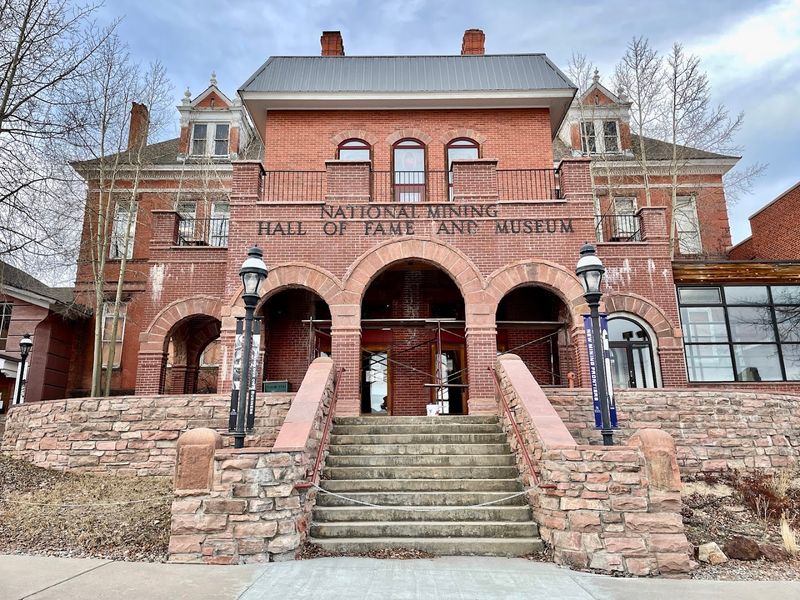
Housed inside Leadville’s former high school, this museum doesn’t sugarcoat mining history. The exhibits showcase the brutal reality of extracting wealth from mountains, from primitive hand tools to dangerous underground conditions that claimed countless lives.
The underground mine replica gives visitors a genuine sense of claustrophobia and danger. Narrow passages, dim lighting, and tight spaces demonstrate what miners faced daily for wages barely enough to survive.
You can almost smell the damp rock and feel the weight of earth above your head.
Collections include minerals that built fortunes and bankrupted speculators in equal measure. Silver ore specimens glitter under display lights, reminding visitors that beautiful rocks caused both tremendous wealth and terrible human suffering throughout Colorado’s boom-and-bust cycles.
What sets this museum apart is its honest storytelling. Rather than romanticizing the Old West, it presents mining as the dangerous, difficult work it was—and in many places still is today.
Turquoise Lake
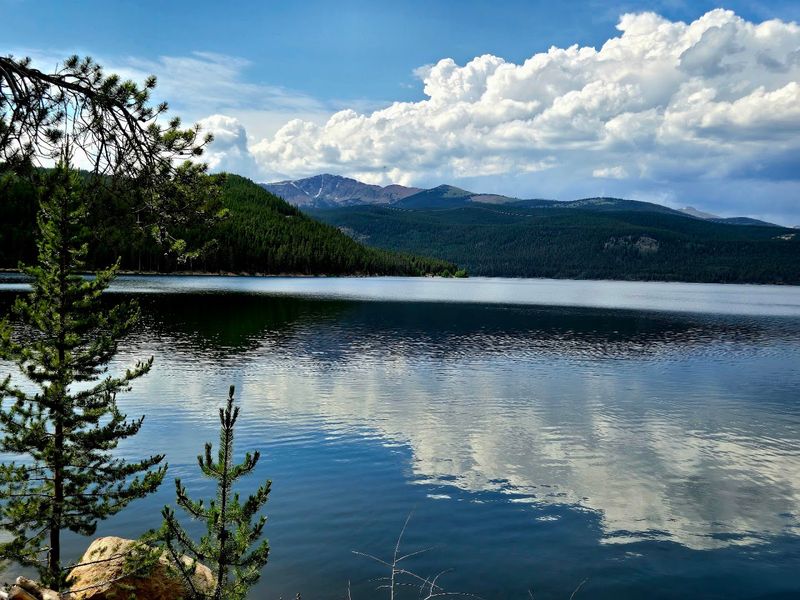
Most Colorado lakes get crowded by Memorial Day and stay packed until autumn. Turquoise Lake somehow escaped that fate, remaining a locals-only secret despite sitting just three miles from downtown Leadville and offering some of the state’s prettiest mountain scenery.
The reservoir sits at 9,869 feet, which means the water stays cold enough to make you gasp even in July. Pine forests crowd the shoreline, and several campgrounds provide front-row views of the Sawatch Range’s jagged peaks.
Early mornings here feel almost sacred, with mist rising off the water and elk grazing nearby meadows.
Fishing here requires patience and knowledge of high-altitude techniques. Rainbow and lake trout swim these depths, but they’re picky about lures and timing.
Kayakers appreciate the calm surface and lack of motorboat traffic on most days.
The best part? Even on holiday weekends, you can still find solitude along the twenty-plus miles of shoreline.
Colorado & Southern Railroad Scenic Train
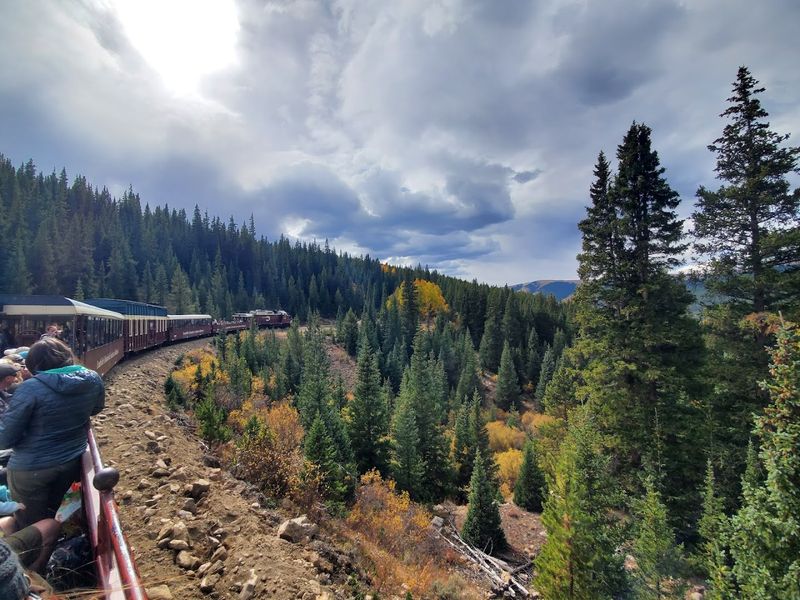
Riding this narrow-gauge railroad feels like cheating at sightseeing. You get incredible mountain views, historic rail cars, and access to backcountry scenery without earning blisters or breathing hard at altitude.
The trains follow routes originally built to haul silver ore down from mountain mines. Modern passengers sit in restored cars while climbing grades that once challenged steam locomotives pulling tons of precious metal.
The tracks hug cliffsides, cross wooden trestles, and wind through terrain that looks untouched since the 1880s.
Views from the Arkansas River Valley stretch for miles in every direction. Peaks rise above timberline, aspen groves paint hillsides gold each autumn, and wildlife appears regularly along the tracks.
Conductors share stories about mining disasters, train robberies, and the hard men who built these impossible railroads through unforgiving landscape.
Unlike touristy train rides elsewhere, this one maintains its working-class heritage. The seats aren’t luxurious, the ride isn’t smooth, and that authenticity makes the journey more memorable.
Mount Massive Wilderness
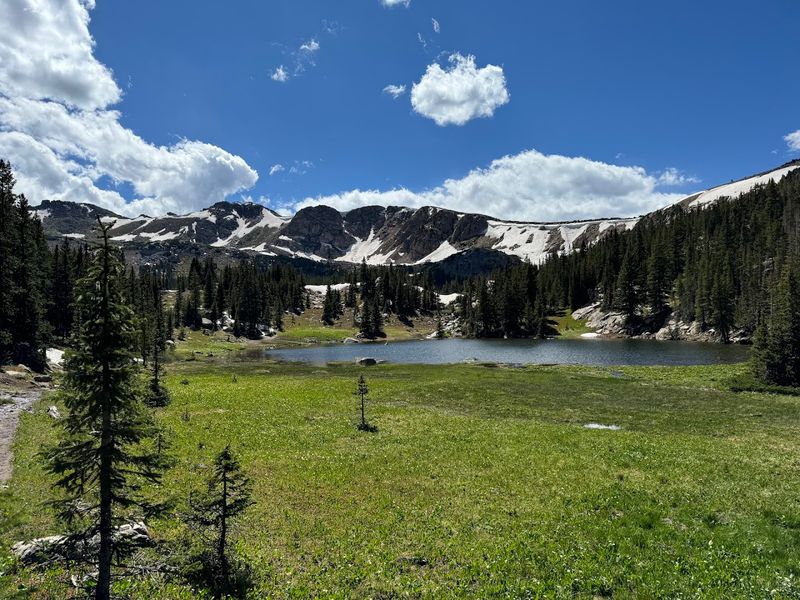
Colorado has fifty-eight peaks exceeding 14,000 feet. Mount Massive claims second place at 14,428 feet, yet somehow attracts fewer climbers than more famous fourteeners.
That’s exactly how locals prefer things.
The wilderness surrounding this giant mountain offers serious backcountry adventure without the crowds plaguing Pikes Peak or Longs Peak. Trails climb through thick forests before breaking into alpine tundra where only the toughest plants survive.
The air gets noticeably thinner with each switchback.
Summit attempts require early starts, physical fitness, and respect for afternoon thunderstorms that materialize seemingly from nowhere. Lightning kills several Colorado hikers annually, most of them caught above treeline during summer afternoon storms.
Smart climbers start before dawn and turn back by noon regardless of summit distance remaining.
Beyond peak-bagging, the wilderness provides solitude increasingly rare in Colorado. You can hike for days seeing more elk than humans, camp beside pristine alpine lakes, and experience genuine wilderness just minutes from a small mountain town.
Healy House Museum & Dexter Cabin
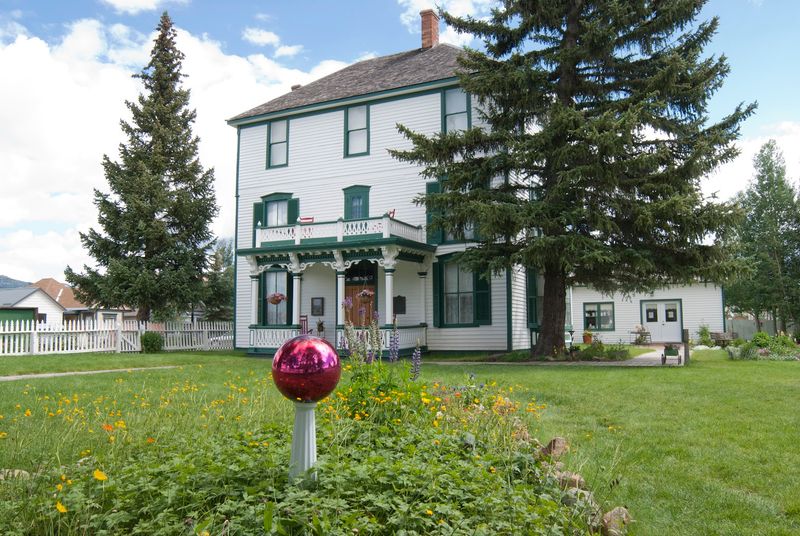
These two buildings sit side by side but represent vastly different approaches to mountain living during Leadville’s silver boom. The Healy House showcases Victorian elegance transplanted to the frontier—fancy wallpaper, imported furniture, and pretensions of Eastern sophistication at 10,000 feet elevation.
James Dexter’s cabin tells another story entirely. Despite accumulating massive mining wealth, he lived in a simple log structure with minimal decoration.
His cabin demonstrates that not every successful prospector wanted marble fireplaces and velvet curtains. Some preferred keeping life uncomplicated even after striking it rich.
Touring both buildings reveals the complex social dynamics of mining towns. Newly wealthy families tried desperately to prove their refinement, while old-timers scoffed at such affectations.
The tension between rough frontier values and aspirational culture wars created fascinating contradictions still visible in these preserved homes.
Local guides share gossip about the original owners—affairs, business failures, social climbing attempts. History books rarely capture these human details, but small-town museums preserve the juicy stuff.
Ski Cooper
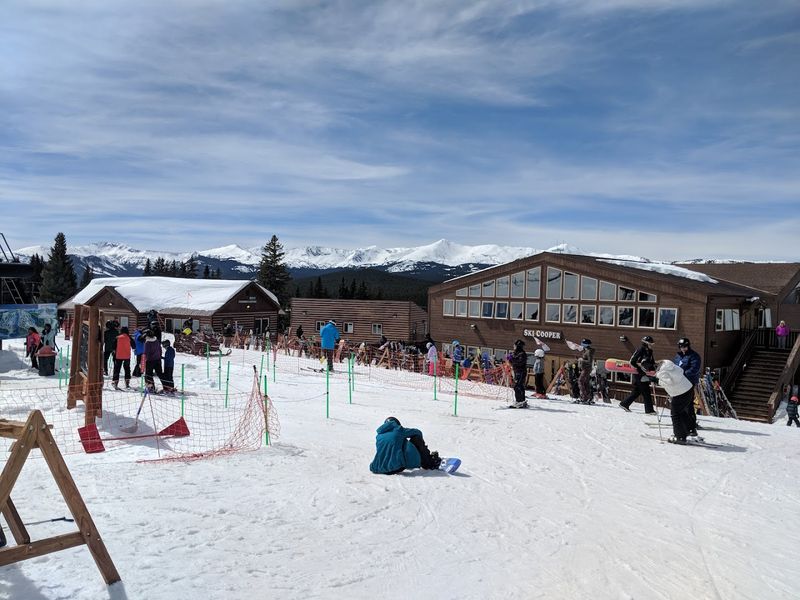
During World War II, the Army’s 10th Mountain Division trained at this exact location, preparing soldiers for Alpine combat in Europe. Those military roots still influence Ski Cooper’s no-nonsense character today.
Forget heated seats on six-passenger gondolas or slope-side champagne bars. This ski area offers simple chairlifts, ungroomed powder stashes, and lift tickets costing half what Vail charges.
The terrain suits intermediate skiers perfectly, with enough challenge to stay interesting without requiring expert-level skills or nerve.
Families appreciate the laid-back atmosphere and the fact that kids can actually learn to ski here without navigating crowds or feeling intimidated by terrain parks. The mountain rarely gets tracked out even after big snowfalls, partly because nobody knows about it.
Local season pass holders protect Ski Cooper’s secret status jealously. They’ve watched other Colorado ski towns transform into exclusive playgrounds for wealthy tourists, pricing out the working-class skiers who built mountain culture.
Cooper remains refreshingly affordable and unpretentious.
Leadville Trail 100 Ultra Course
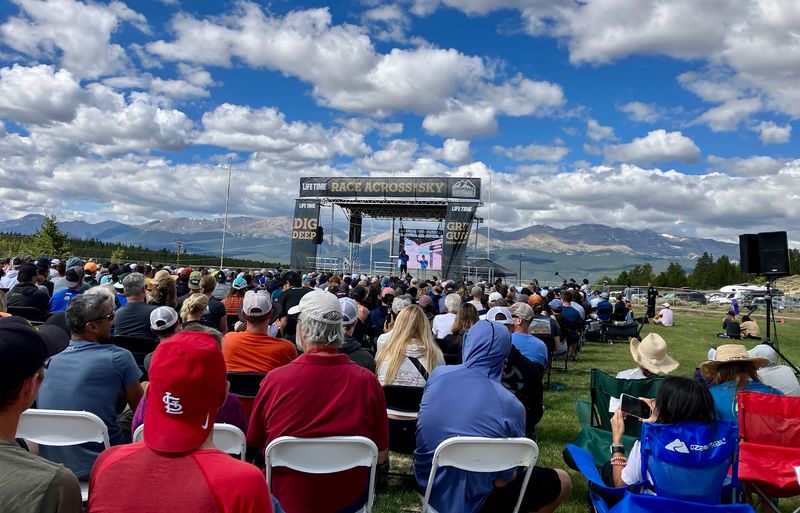
Running one hundred miles sounds insane. Running one hundred miles at elevations between 9,200 and 12,600 feet crosses into genuinely masochistic territory.
Yet every August, hundreds of endurance athletes attempt exactly that challenge.
The Leadville Trail 100 has earned legendary status among ultrarunners worldwide. Finishing requires not just physical conditioning but mental toughness that most people simply don’t possess.
The altitude alone makes breathing difficult, turning every uphill into a battle against oxygen-starved lungs and screaming leg muscles.
The course follows mining roads, mountain passes, and trails through some of Colorado’s most punishing terrain. Runners face freezing temperatures before dawn, scorching sun at midday, and potential hypothermia after dark.
Many don’t finish, defeated by altitude sickness, blisters, or the simple realization that their body can’t continue.
Locals respect the race but think participants are slightly crazy. Why pay money to suffer that much?
But that’s exactly the appeal—testing human limits in an environment that naturally humbles even the strongest athletes.
Arkansas Headwaters Recreation Area
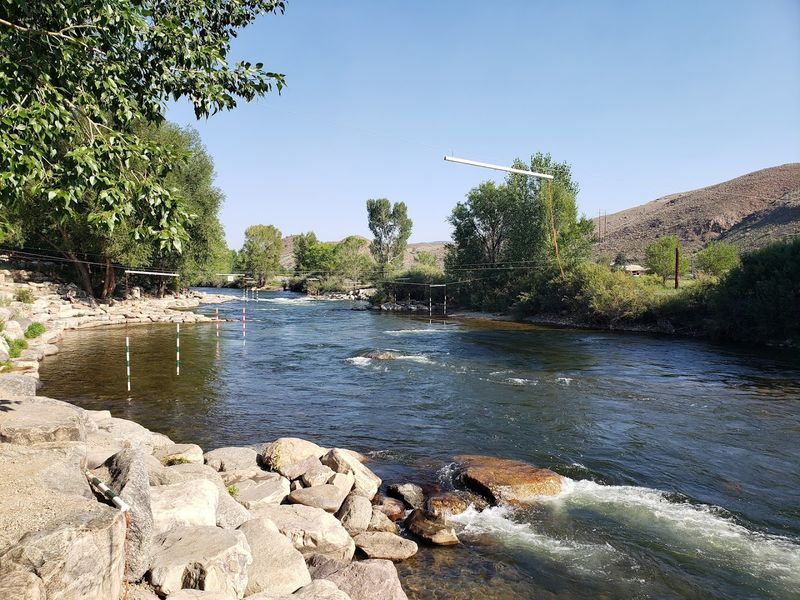
The Arkansas River begins its journey to the Mississippi right here in Colorado’s high country, gathering snowmelt from surrounding peaks before carving through granite canyons downstream. The resulting rapids range from gentle floats to legitimately scary whitewater.
Commercial rafting companies crowd the most famous sections during summer, but countless lesser-known access points offer solitude for those willing to explore. Fly fishermen wade through shallow riffles, casting for trout that thrive in cold, oxygen-rich water.
Early mornings produce the best action, before sun and crowds arrive.
Kayakers treat the Arkansas like a liquid highway, connecting small towns and remote campsites along dozens of miles of continuous flow. The river’s reliable volume makes it one of few Colorado waterways maintaining rafting potential throughout dry summers when other streams dwindle to trickles.
Local knowledge matters here. Certain sections flood dangerously during spring runoff, while others barely contain enough water by August.
Asking at fly shops or talking with river guides provides crucial safety information.
Mosquito Pass – One of Colorado’s Highest Driveable Roads
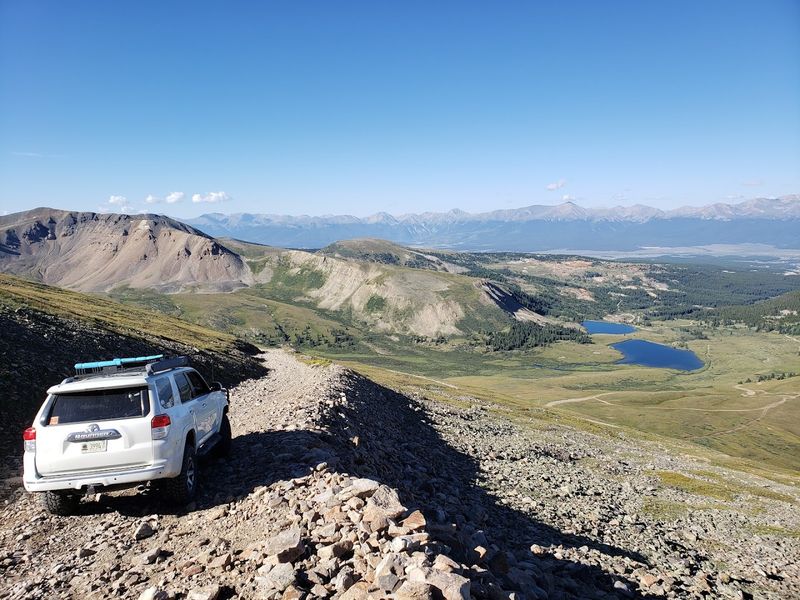
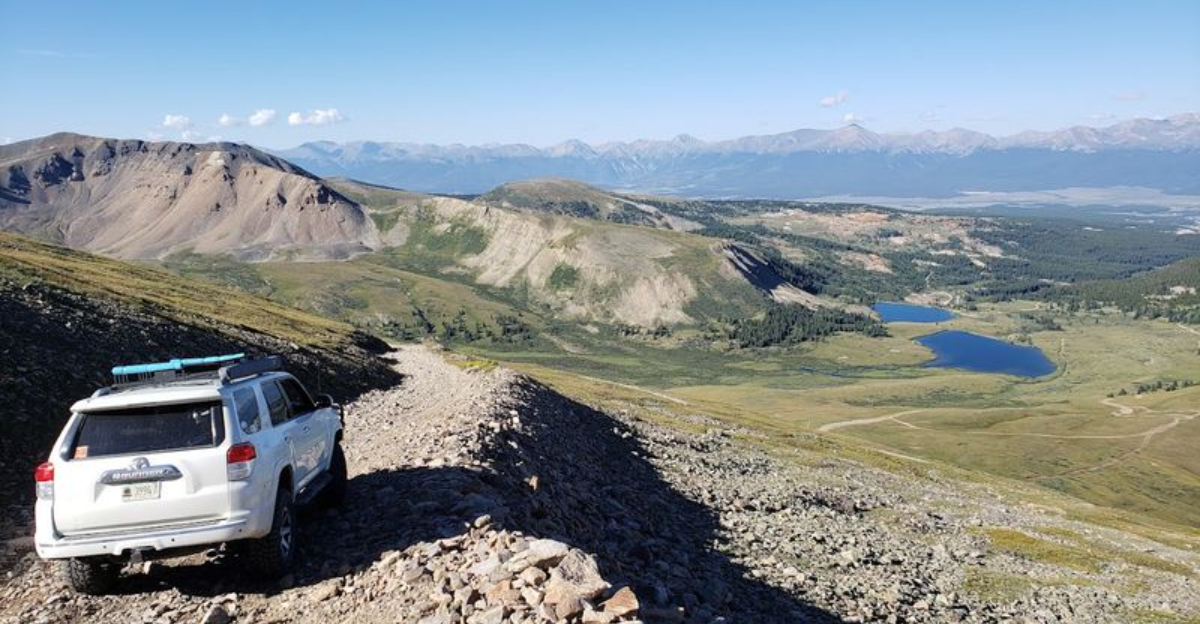
Calling Mosquito Pass a road stretches the definition considerably. This rough, rock-strewn track climbs to 13,186 feet, making it one of North America’s highest vehicle routes.
The route connects Leadville to Alma, but calling it transportation infrastructure seems generous.
High-clearance four-wheel-drive vehicles handle the challenge, though low gears grind constantly and drivers navigate carefully around boulders and washouts. The pass typically stays buried under snow until July, and fresh storms can close it again by September.
That brief summer window attracts adventurous drivers seeking bragging rights and spectacular views.
Mining ruins dot the landscape—rusted equipment, collapsed cabins, and tailing piles marking where prospectors once dreamed of striking it rich. At this elevation, decay happens slowly.
Buildings and machinery sit frozen in time, preserved by thin air and brutal cold.
The views justify the rough drive. Endless mountain ranges stretch in every direction, unmarred by development or trees at this altitude.
Wind howls constantly, reminding visitors that humans aren’t really meant to be this high.