Florida often feels familiar at first glance—highways lined with palms, bright water flashing between buildings, and towns that seem to flow easily from one to the next. But step into its larger protected landscapes, and the state quickly changes character.
In spring, the air turns warm but still soft, carrying the scent of salt, pine, and wet earth after afternoon rain. Marshes stretch farther than expected, forests grow thick and quiet, and open prairies seem to erase the edges of the horizon.
These are the places where Florida slows you down. Where distances feel wider, sounds feel farther away, and every trail leads deeper than it looks on a map.
Here are 14 parks and preserves that reveal just how vast and wild Florida can truly be.
Everglades National Park
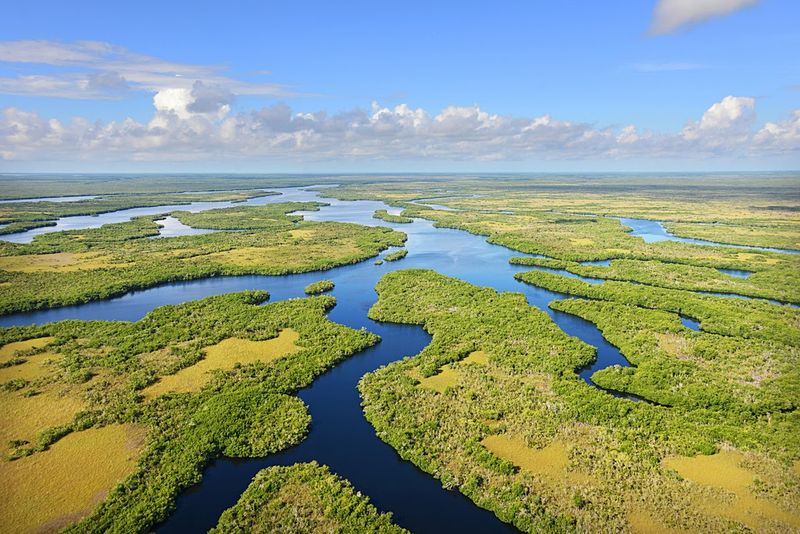
At first, it feels less like a park and more like an endless living horizon, where water, grass, and sky blur together in every direction. The scale can be hard to grasp until you are standing in it, listening to wind move across sawgrass and spotting alligators where you thought there was only mud.
That overwhelming openness is exactly what makes Everglades National Park so surprising.
Stretching across roughly 1.5 million acres, it protects the largest subtropical wilderness in the United States and anchors the southern end of the greater Everglades system. You move through mangrove tunnels, freshwater sloughs, pinelands, coastal estuaries, and broad marshes that support manatees, crocodiles, wading birds, and the elusive Florida panther.
Even popular areas like Anhinga Trail or Shark Valley only hint at how immense the landscape truly is.
What makes this place feel especially wild is how quickly roads and neighborhoods disappear from your mind. Paddle routes, backcountry campsites, and remote bays create a sense of isolation that feels far removed from nearby South Florida cities.
In the dry season, wildlife viewing can be spectacular, but the silence is what stays with you.
If you want Florida at its biggest and most elemental, this is the benchmark. Few places in the state reveal wilderness on such a grand scale.
Big Cypress National Preserve
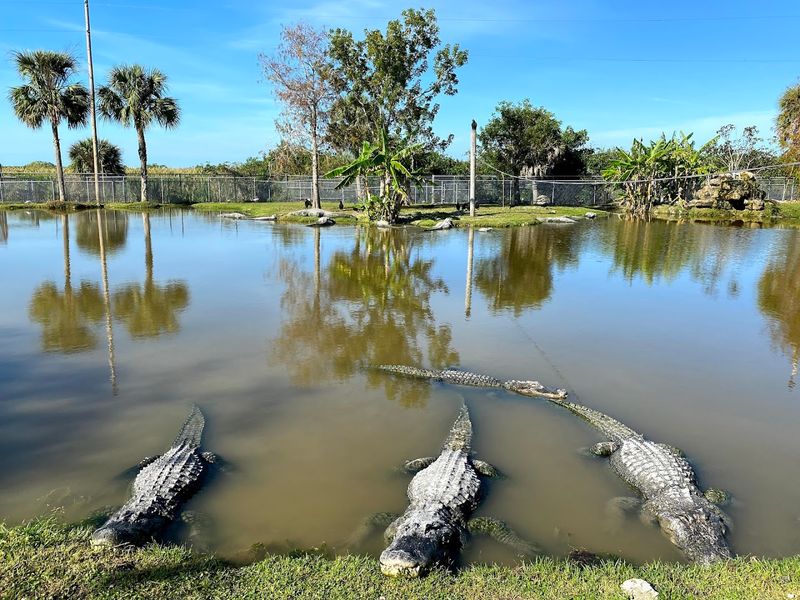
You can feel the ground change under you here, from firm roadside edges to waterlogged wilderness that seems to breathe with the seasons. Light filters through cypress domes, reflections ripple in tea-colored water, and every turn suggests a landscape much larger than a quick glance can explain.
That first impression is your clue that Big Cypress National Preserve is anything but a side stop.
Covering about 720,000 acres, this preserve protects an enormous swamp ecosystem tied directly to the health of the greater Everglades. It is a stronghold for orchids, bromeliads, black bears, alligators, and endangered Florida panthers, with prairies, pinelands, marshes, and cypress strands woven together across vast terrain.
Scenic drives make it accessible, but the preserve’s real identity is found deeper in its wet, rugged interior.
What surprised me most is how remote it can feel despite being close to major highways and South Florida travel routes. Off the pavement, the preserve becomes a place of boardwalks, backroads, swamp walks, and long stretches where human noise disappears.
The water levels, insects, and heat remind you quickly that this is not curated wilderness.
If you have ever thought of it as a lesser-known neighbor to the Everglades, think bigger. Big Cypress stands on its own as one of Florida’s grandest wild landscapes.
Apalachicola National Forest
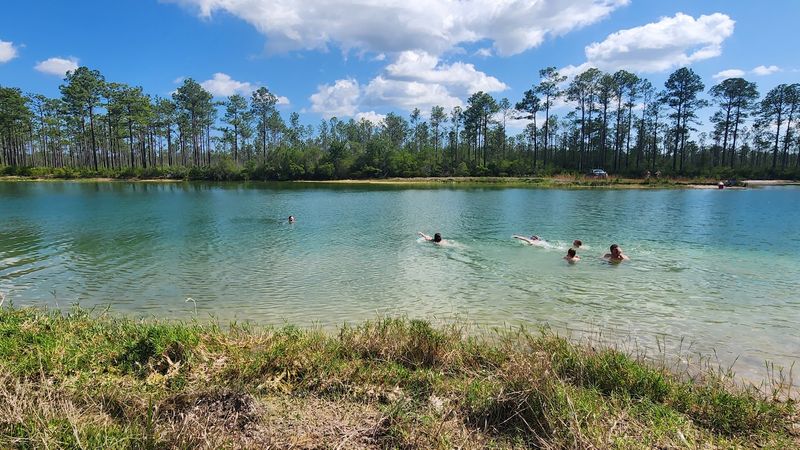
In North Florida, the wild often arrives in long stretches of pine, blackwater streams, and wetlands that seem to go on without end. The roads feel straighter, the crowds thinner, and the landscape broader than many people expect in a state better known for coasts.
That sense of scale becomes unmistakable in Apalachicola National Forest.
At more than 630,000 acres, it is Florida’s largest national forest, spreading southwest of Tallahassee across an impressive mosaic of longleaf pine flatwoods, titi swamps, savannas, rivers, and lakes. The forest supports red-cockaded woodpeckers, bears, gopher tortoises, and a wide range of plant communities shaped by fire and water.
Recreation here can mean paddling, dispersed camping, hiking, hunting, or simply driving until development fades away.
What makes this forest feel wilder than people realize is not one iconic overlook, but the cumulative effect of distance. You can move through huge blocks of habitat without the commercial build-up that defines so much of Florida travel.
The result is a landscape that feels ecologically rich, slightly mysterious, and refreshingly underpublicized.
If you want to understand how big Florida can feel away from its tourist centers, this is a powerful place to start. Apalachicola offers raw acreage, biodiversity, and genuine solitude.
Ocala National Forest
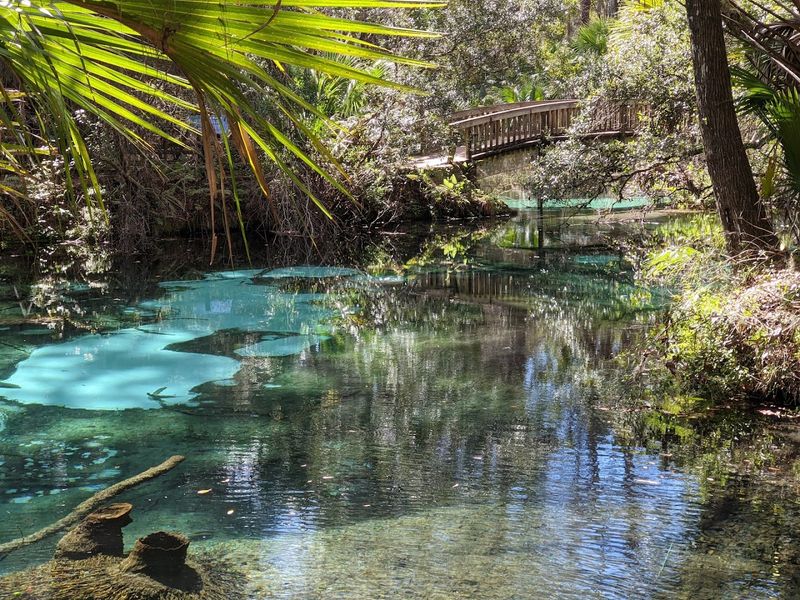
Some parts of Central Florida still feel unexpectedly rugged, where clear springs bubble out of deep sand country and dense forest swallows the horizon. You may arrive expecting a few campgrounds and swimming holes, then realize the landscape keeps stretching far beyond what day-trippers usually see.
That is the quiet surprise of Ocala National Forest.
Spanning more than 430,000 acres, this forest protects one of the largest continuous sand pine scrub systems in the world along with flatwoods, lakes, and spring-fed waterways. Black bears, deer, otters, scrub jays, and countless reptiles move through a region that feels ecologically distinct from the rest of the state.
Famous spots like Juniper Springs and Alexander Springs draw attention, but they represent only a small slice of the whole.
The deeper you go, the less polished it feels. Long forest roads, primitive camps, hidden ponds, and wide wildlife corridors give it a rougher, more isolated character than many people associate with Central Florida.
In places, the combination of white sand, dark water, and dense scrub feels almost otherworldly.
If you want a reminder that Florida is more than coastal scenery, this forest delivers. Ocala is sprawling, diverse, and wild enough to make nearby towns feel very far away.
Fakahatchee Strand Preserve State Park
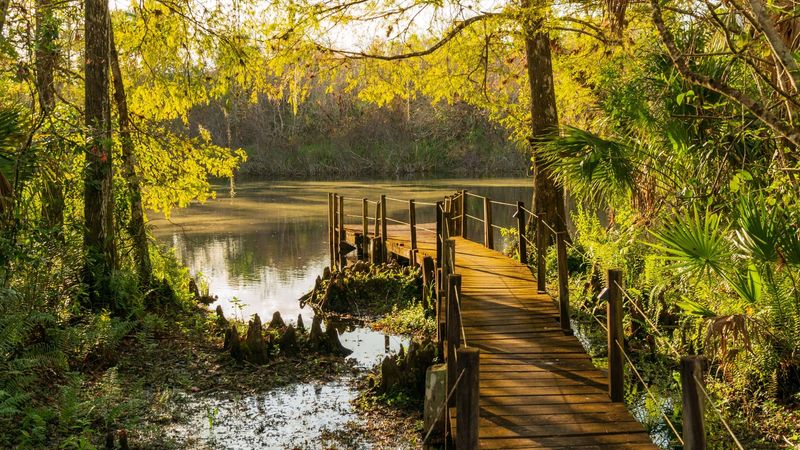
Dense, humid, and almost jungle-like, this landscape feels unlike the Florida many people picture first. Royal palms rise above flooded forest, orchids cling to trunks, and the air itself seems thicker as you move deeper into the strand.
That immersive atmosphere is part of what makes Fakahatchee Strand Preserve State Park feel so outsized.
At roughly 85,000 acres, it is Florida’s largest state park and one of the state’s most biologically rich wild places. Often called the Amazon of North America, it protects a remarkable corridor of swamp forest, marshes, and sloughs where ghost orchids, black bears, bobcats, and panthers still have room to persist.
Boardwalks and tram roads offer entry points, but the preserve’s identity comes from its broad, water-shaped interior.
What sets it apart is how quickly it overwhelms your sense of orientation. The forest can feel endless, and even well-known sections hint at far larger stretches of habitat beyond sight.
In wet conditions especially, you realize this is not a decorative nature stop but a serious subtropical wilderness.
If you are drawn to the Florida that feels lush, secretive, and almost primeval, this park belongs high on your list. Fakahatchee is big enough to surprise you and wild enough to stay with you.
Kissimmee Prairie Preserve State Park
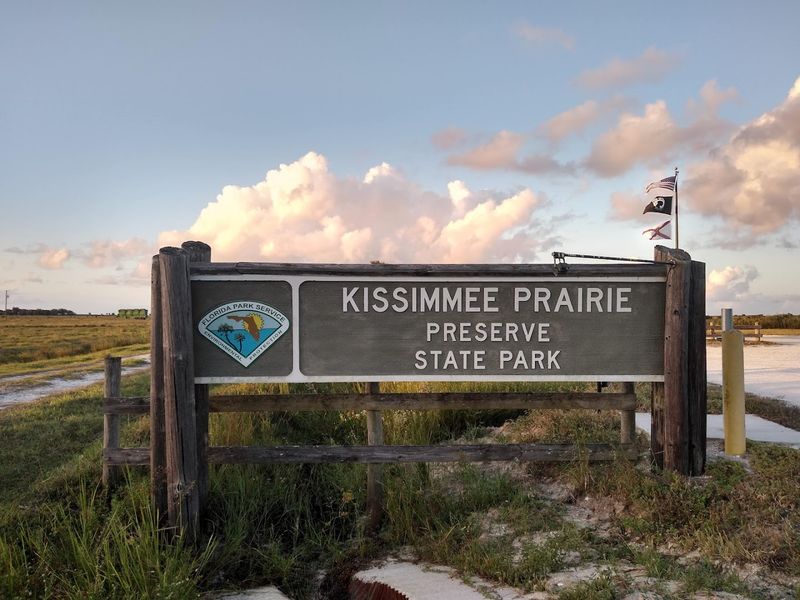
Wide horizons can feel just as wild as deep swamps, especially when there are no buildings, no beach crowds, and barely a tree line to interrupt the sky. The openness changes your sense of distance and makes weather, light, and silence feel much bigger.
That is the unexpected power of Kissimmee Prairie Preserve State Park.
Spanning about 54,000 acres, this preserve protects one of the largest remaining dry prairie ecosystems in the state. Grasslands, wetlands, and scattered hammocks support species such as crested caracaras, burrowing owls, grasshopper sparrows, white-tailed deer, and bobcats.
It is also recognized for exceptionally dark night skies, making stargazing a major part of the experience.
What surprised me here is how remote it feels despite the absence of dramatic topography. The prairie stretches outward in every direction, and the lack of urban glow after sunset creates a sense of exposure and wonder that is rare in Florida.
By day, trails and buggy routes reveal just how expansive and subtle the ecosystem really is.
If you think wild Florida must be dense, wet, and tangled, this park will change your mind. Kissimmee Prairie proves that big emptiness can feel every bit as untamed as a swamp or forest.
Myakka River State Park
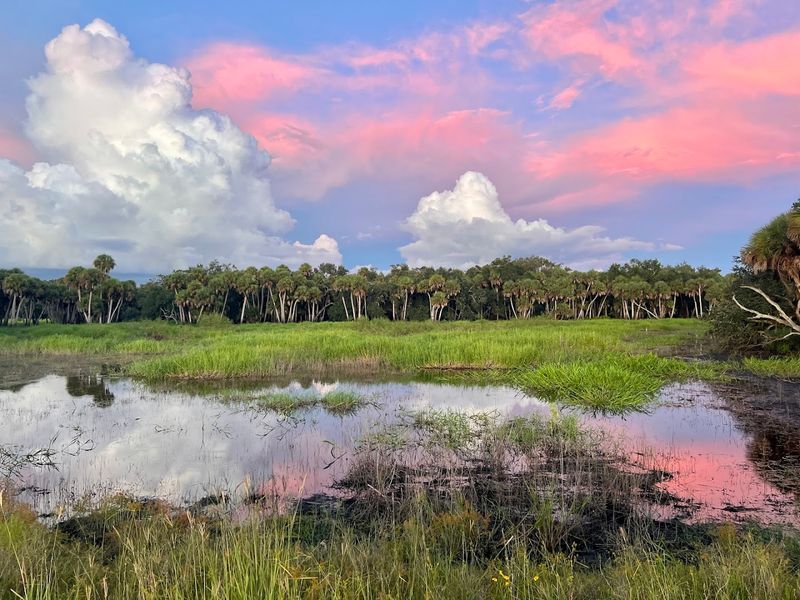
There is a classic Old Florida feeling here that catches you almost immediately, with broad wetlands, slow water, and open prairie blending into the distance. You may come for a canopy walkway or airboat memories, then realize the park is much bigger and more varied than its famous attractions suggest.
That layered sense of discovery defines Myakka River State Park.
Covering around 37,000 acres, it is one of Florida’s oldest and largest state parks, centered on the wild floodplain of the Myakka River. The park contains lakes, hammocks, wetlands, pinelands, and prairie habitats where alligators, deer, wading birds, and raptors are commonly seen.
Scenic drives and accessible overlooks make it approachable, but they only reveal part of its ecological depth.
What makes Myakka feel wilder than expected is the way developed visitor areas quickly give way to broad, untamed scenery. The river meanders through a landscape that still looks remarkably natural, and long trails offer a quieter perspective beyond the busiest spots.
Even in a popular park, you can still find the feeling that the land is in charge.
If you want a large Florida park that balances accessibility with genuine wild character, this one delivers. Myakka is spacious, beautiful, and more rugged in spirit than many first-time visitors expect.
Withlacoochee State Forest
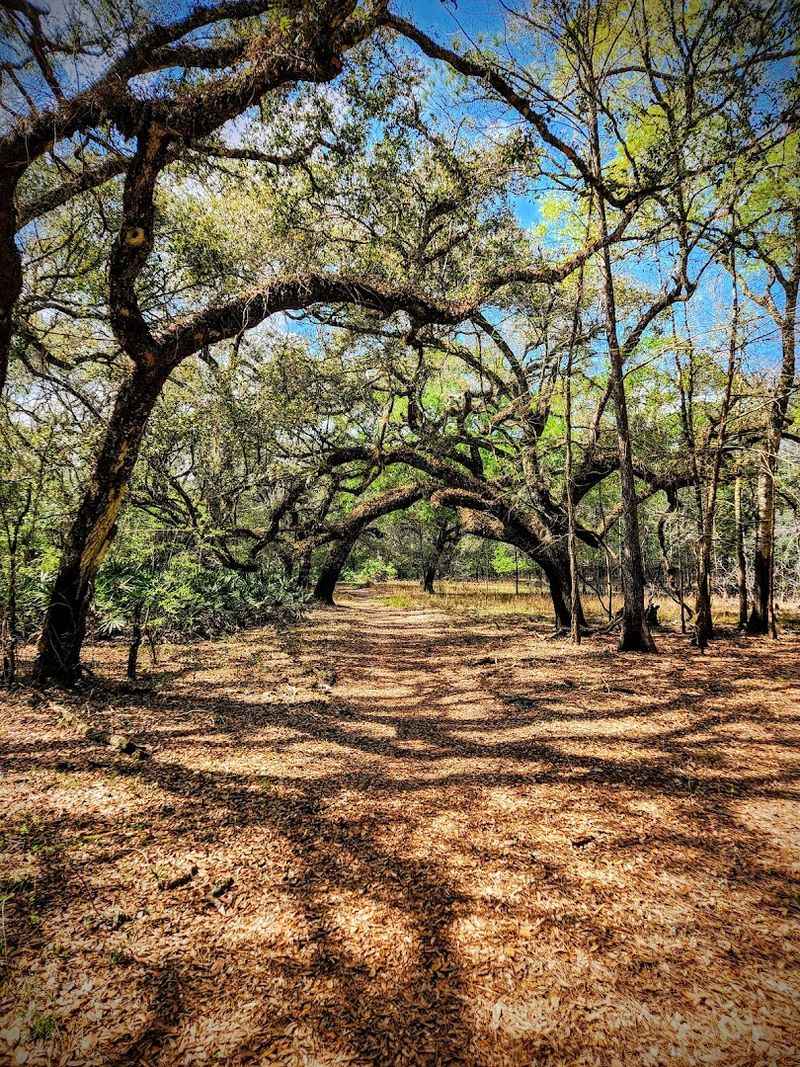
It is easy to underestimate a forest that sits within reach of growing communities, but some places still manage to feel enormous once you enter them. The roads lengthen, the tree cover deepens, and the surrounding state starts to fade into a patchwork of woods, trails, and river corridors.
That is the quiet strength of Withlacoochee State Forest.
At about 170,000 acres, this is one of Florida’s largest state forests, spread across several tracts with a surprising amount of ecological variety. Visitors encounter pine flatwoods, hardwood hammocks, cypress swamps, and sections linked to the Withlacoochee River, along with abundant recreation for hikers, paddlers, horseback riders, and cyclists.
Wildlife includes deer, turkeys, gopher tortoises, fox squirrels, and many songbirds and raptors.
What makes it feel bigger and wilder than many people realize is the cumulative sweep of its landscapes. Rather than one single iconic centerpiece, the forest offers repeated immersion, with enough terrain to support real solitude if you move beyond the busiest trailheads.
The result is a place that feels less like a park stop and more like a broad natural region.
If you want a Central Florida escape with serious acreage and a genuine backcountry mood, this forest deserves more attention. Withlacoochee rewards time, distance, and curiosity.
Ocala National Forest Wilderness Lakes Region
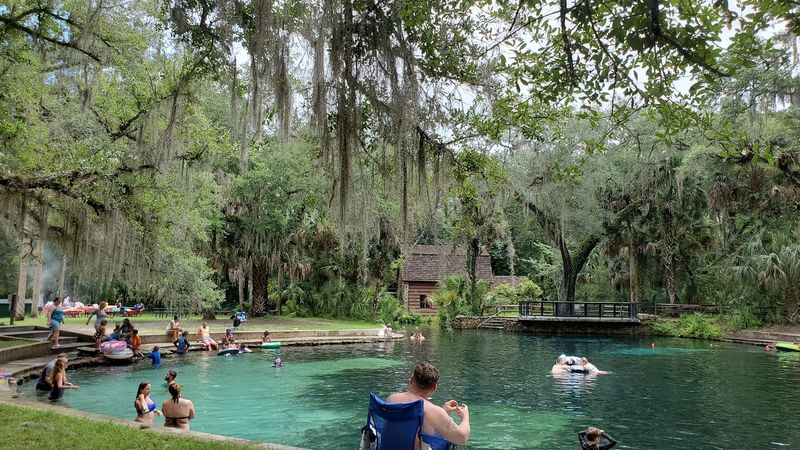
Clear water and undeveloped forest can create a powerful illusion of distance, especially when the road to the next spring seems to pass through miles of uninterrupted woods. You may recognize the famous names, but the broader region connecting them is what really tells the story.
In the wilderness lakes region of Ocala National Forest, that story feels bigger than most visitors expect.
This area includes standout waters like Alexander Springs and Juniper Springs while extending into a much larger network of lakes, scrub, flatwoods, and forest corridors. Those undeveloped connections matter, because they preserve habitat continuity for black bears, deer, birds, reptiles, and countless aquatic species.
The famous recreation sites are beautiful, but the surrounding forest is what gives them their wild context.
What surprised me most is how much undeveloped space still exists between the destinations people already know. Drive a little farther, paddle a little longer, or take a quieter trail, and the region begins to feel less like a collection of attractions and more like a vast natural system.
That shift in perspective is where its real magic lives.
If you love Florida springs but want the bigger landscape around them, this region delivers. It is not just scenic water, but a sprawling wilderness mosaic that makes the springs feel even more extraordinary.
St. Marks National Wildlife Refuge
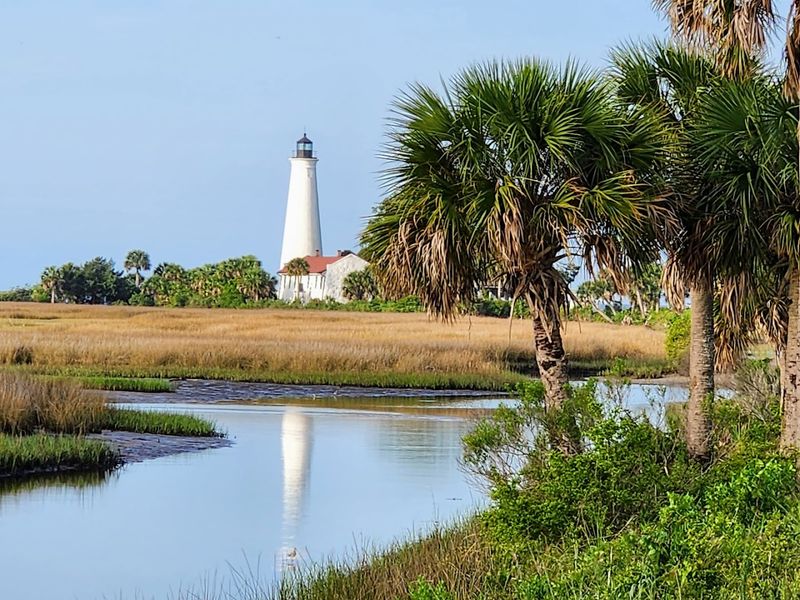
Coastal Florida often gets framed as beach towns and condos, but some shorelines still unfold as huge living marshes under wide skies. The wind carries bird calls across tidal flats, and the land feels open in a way that is both peaceful and deeply wild.
That is the first revelation of St. Marks National Wildlife Refuge.
Covering more than 80,000 acres near the Gulf coast, this refuge protects an impressive blend of salt marsh, islands, estuaries, pinelands, and freshwater habitats. It is a vital stop for migratory birds and a year-round haven for wading birds, alligators, deer, and other wildlife.
The famous lighthouse adds visual charm, but the real scale of the refuge comes from its sprawling marsh systems and long, low horizons.
What makes it feel bigger than expected is the way the landscape stretches beyond any single viewpoint. Roads and trails provide access, yet the refuge keeps a strong sense of ecological vastness, especially during migration when the sky and wetlands feel alive in every direction.
It is easy to spend hours here and still feel like you have only sampled the edges.
If you want a wilder vision of Florida’s coast, this refuge is unforgettable. St. Marks combines openness, biodiversity, and solitude in a way that quietly feels enormous.
Florida Panther National Wildlife Refuge
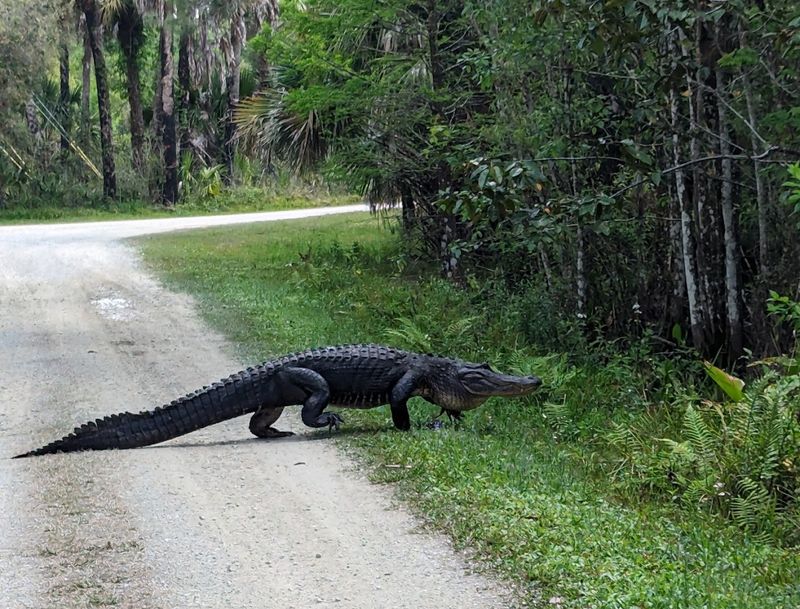
Some wild places are defined as much by what you do not see as by what you do. Dense cover, wet ground, and quiet forest corridors create the sense that something rare could be moving just out of sight.
That mystery is central to the experience of Florida Panther National Wildlife Refuge.
Encompassing roughly 26,000 acres in Collier County, the refuge was established to protect habitat for the endangered Florida panther. Hardwood hammocks, pine flatwoods, wet prairies, and cypress wetlands combine into a landscape that supports bears, bobcats, deer, birds, and many other species besides its most famous resident.
Public access is more limited than in traditional parks, but that restraint is part of what keeps the refuge feeling so intact.
What makes this place feel larger than its acreage suggests is its role inside a much broader conservation network. It functions as critical connective habitat, reminding you that wild Florida depends on linked landscapes rather than isolated green spaces.
Even from designated access points, you can sense that the most important life here happens away from crowds.
If you care about the future of truly wild Florida, this refuge matters enormously. It may not offer flashy tourism, but it protects one of the state’s most powerful symbols of remaining wilderness.
Dry Tortugas National Park
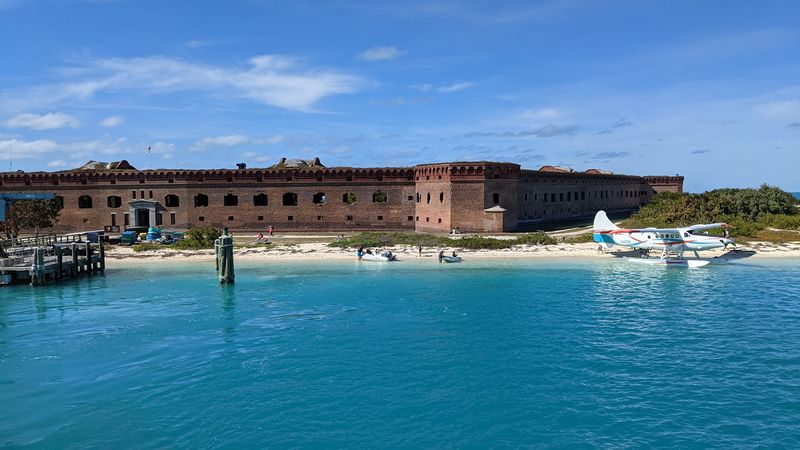
Sometimes wilderness feels bigger because water replaces roads and the horizon erases any easy sense of direction. Far beyond Key West, the journey itself starts to separate you from everyday Florida, and the ocean becomes the dominant landscape.
That is when Dry Tortugas National Park begins to feel less like a day trip and more like a remote outpost.
Though physically small on land, the park is surrounded by immense marine space and sits within a broader national park system tied conceptually to the wild reaches of the Everglades and Florida Keys. Fort Jefferson is the visual anchor, but coral reefs, seagrass beds, open water, and bird nesting areas define the real experience.
Sea turtles, reef fish, and seabirds thrive in an environment shaped by isolation and clear Gulf waters.
What makes this place feel wilder than many people realize is the sheer logistical distance from the mainland. Once you arrive, there are few distractions from wind, sun, water, and history, and the surrounding seascape feels almost limitless.
It delivers a rare Florida sensation of being truly offshore, where human presence seems temporary.
If your idea of wilderness includes marine scale as much as land acreage, this park deserves a place on the list. Dry Tortugas proves that remote Florida can feel oceanic, stark, and unforgettable.
Seminole State Forest
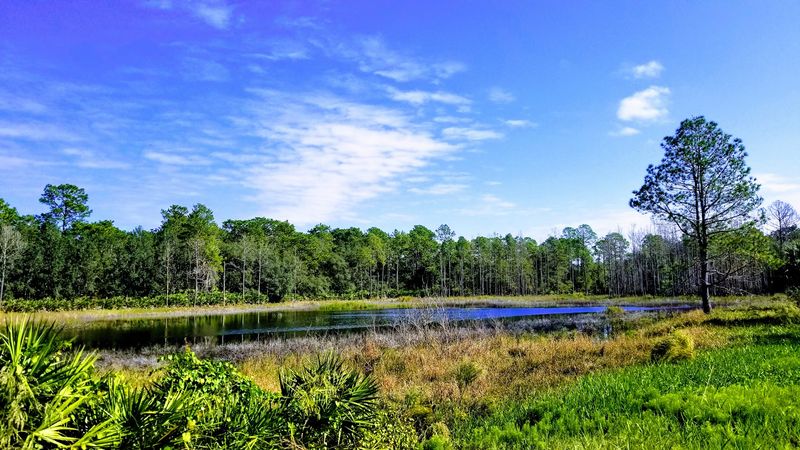
Quiet places are easy to overlook, especially when they do not market themselves with famous springs or headline attractions. Yet some of the most rewarding wild landscapes are the ones that unfold gradually, through still lakes, wet woods, and trails that keep drawing you farther in.
That understated appeal defines Seminole State Forest.
Covering more than 25,000 acres in Lake County, this forest protects an important mix of wetlands, flatwoods, swamps, and upland habitats within a rapidly developing region. It also functions as part of a larger wildlife corridor, supporting black bears, deer, birds, reptiles, and countless species that depend on connected habitat.
Recreation here tends to feel lower-key, which is part of its charm.
What makes the forest feel bigger than many people expect is how effectively it buffers you from surrounding growth. Once you are on its trails or near its water, the landscape opens into a calmer, more natural rhythm that can make nearby subdivisions feel surprisingly distant.
Instead of spectacle, it offers continuity, space, and a sense of ecological breathing room.
If you are drawn to parks that reveal themselves slowly, this forest is worth your attention. Seminole State Forest may be quieter than the headline destinations, but it delivers genuine wildness where it matters most.
Tate’s Hell State Forest
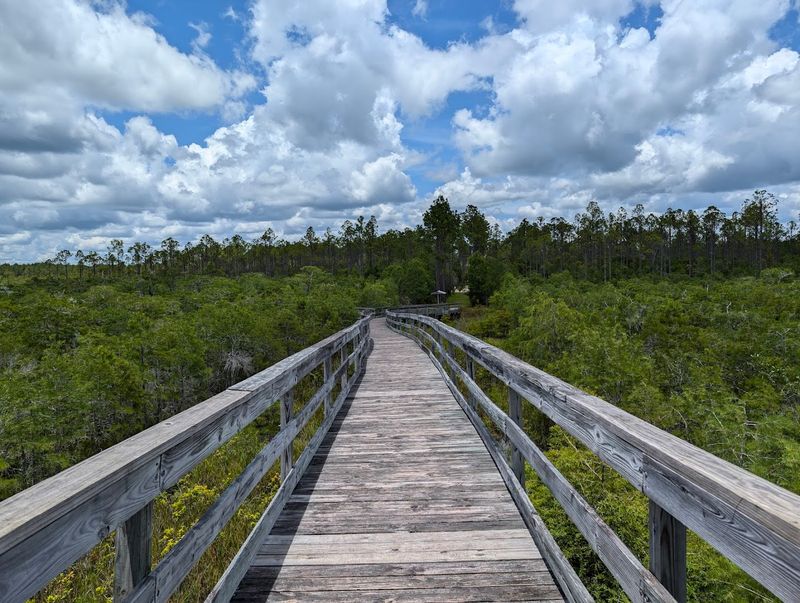
Tate’s Hell State Forest is one of Florida’s most unusual and ecologically diverse public lands, located in Franklin and Liberty counties near Carrabelle along the state’s Forgotten Coast. Covering more than 200,000 acres, it is a vast mosaic of wetlands, pine flatwoods, blackwater streams, and swamp systems that drain toward the Apalachicola River and Bay.
The forest gets its distinctive name from a local legend about a 19th-century farmer, Cebe Tate, who reportedly became lost in the swamp while hunting a panther. According to the story, he emerged days later, exhausted and disoriented, saying he had “just come from hell,” which eventually gave the area its eerie name.
Today, Tate’s Hell is far from a barren wilderness—it is a protected landscape managed for both conservation and recreation. The forest supports a wide range of wildlife, including Florida black bears, bald eagles, gopher tortoises, and red-cockaded woodpeckers.
It also contains rare plant communities such as pitcher plants and white birds-in-a-nest.
Visitors can explore the forest through hiking trails, paddling routes, camping areas, and over 150 miles of off-highway vehicle trails. The landscape changes dramatically across its ecosystems, from cypress swamps to pine ridges, making it a popular destination for wildlife viewing, kayaking, and stargazing.
Despite its foreboding name, Tate’s Hell is a peaceful and highly biodiverse environment that plays an important role in protecting water quality flowing into the Apalachicola Bay system.