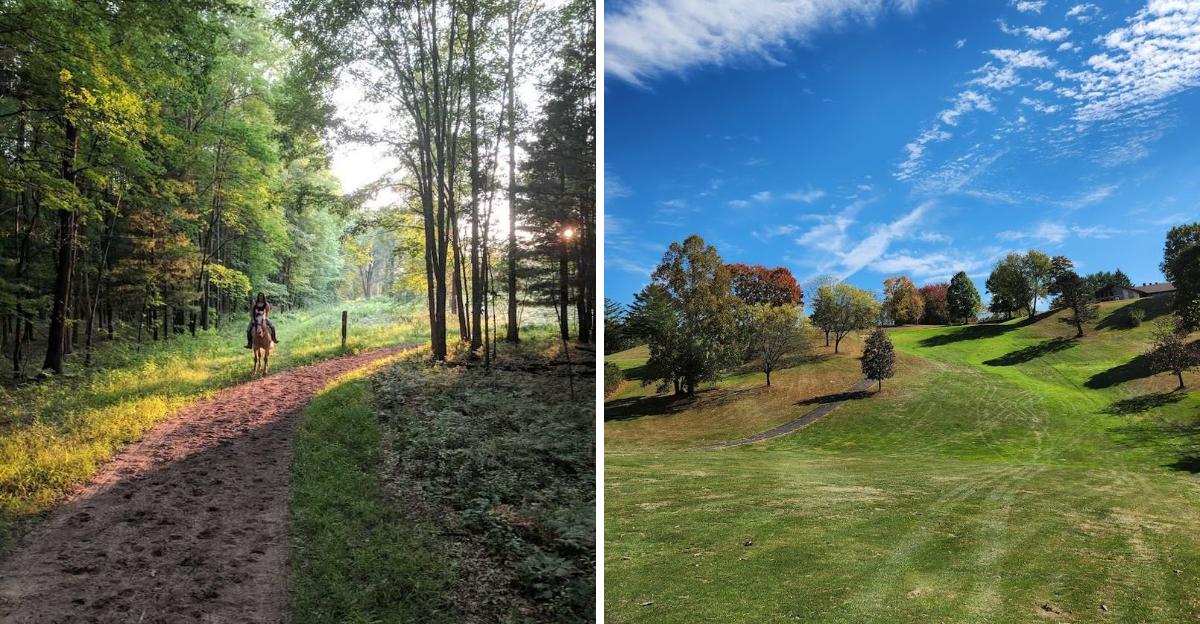
Ohio has some incredibly huge parks that most people don’t realize exist right in their own backyard.
Whether you’re looking for deep forests, massive lakes, or rugged trails that stretch for miles, the Buckeye State delivers more wilderness than you can cover in a single weekend.
Many of these parks span thousands of acres with hidden waterfalls, old-growth forests, and remote camping spots you might never stumble upon.
Pack your hiking boots and get ready to explore Ohio’s most expansive outdoor spaces that will keep calling you back for more.
Wayne National Forest
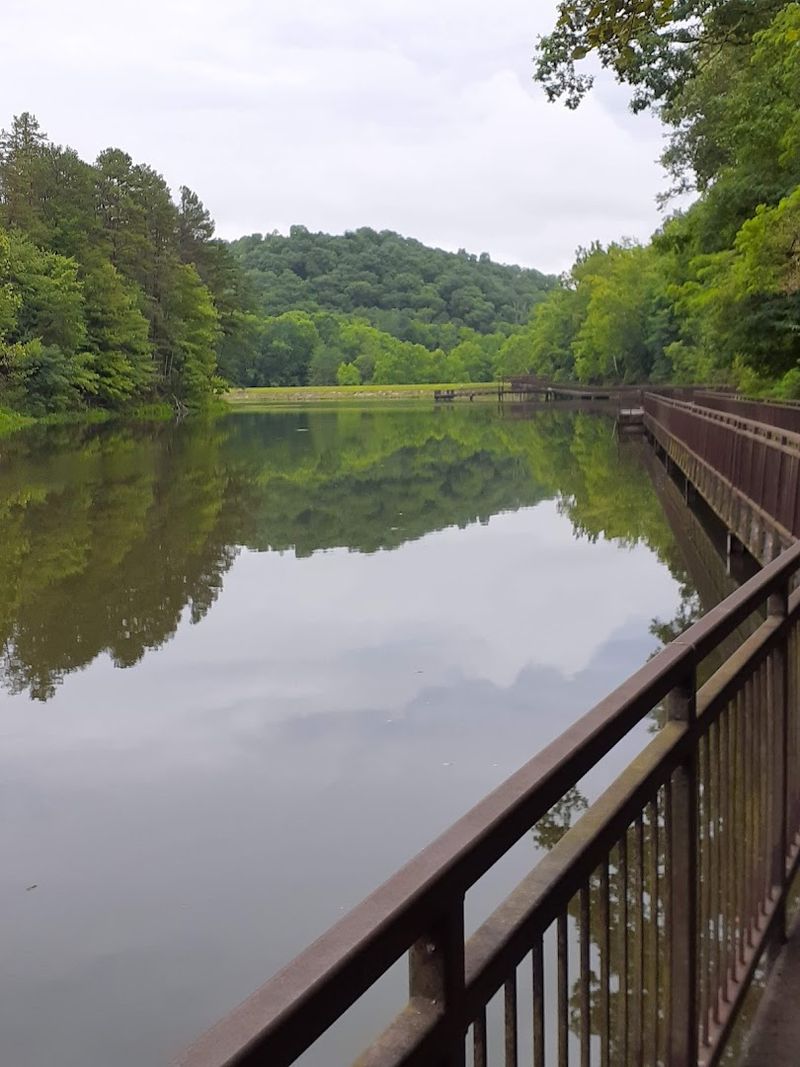
Spanning more than 240,000 acres across southeastern Ohio, Wayne National Forest absolutely dwarfs every other public land in the state. It’s broken into three separate units, each one massive enough to explore for an entire summer without retracing your steps.
You’ll find everything from secluded backpacking loops to quiet fishing lakes tucked between ridges.
The terrain here feels wild and untouched, with deep hollows, rocky outcrops, and miles of single-track trails winding through old-growth forest. Mountain bikers love the technical routes, while horseback riders can disappear into the backcountry for days.
Some areas even have caves worth exploring if you’re into that kind of adventure.
What really sets this forest apart is how remote it feels. You can hike for hours without seeing another soul, camp under stars so bright they feel close enough to touch, and lose yourself in nature.
Plan multiple trips because one visit barely scratches the surface of what Wayne National Forest offers outdoor lovers.
AEP ReCreation Land
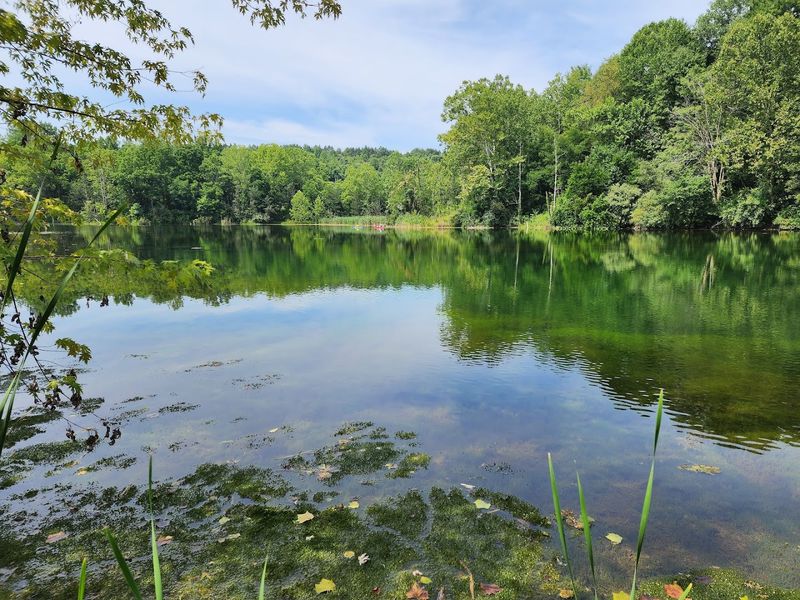
Roughly 60,000 acres of reclaimed coal mining land sounds unusual, but AEP ReCreation Land is one of Ohio’s best-kept outdoor secrets. What was once industrial landscape has transformed into an absolutely massive recreation area dotted with hundreds of small ponds and lakes.
Gravel roads crisscross the property like veins, giving you access to endless exploration.
Wildlife thrives here in surprising numbers. Deer, turkey, and waterfowl treat these lands like their personal paradise, making it a hunting and wildlife photography hotspot.
The ponds range from tiny puddles to multi-acre lakes perfect for kayaking or fishing. You could literally spend months discovering new water bodies.
Primitive camping is allowed almost everywhere, meaning you can set up camp beside your favorite pond and have the entire area to yourself. Hikers, ATV riders, and horseback riders all find their niche here.
The landscape feels different from traditional forests—more open, more varied, and surprisingly beautiful. Just remember to bring a detailed map because getting turned around on those gravel roads happens easier than you’d think.
Cuyahoga Valley National Park
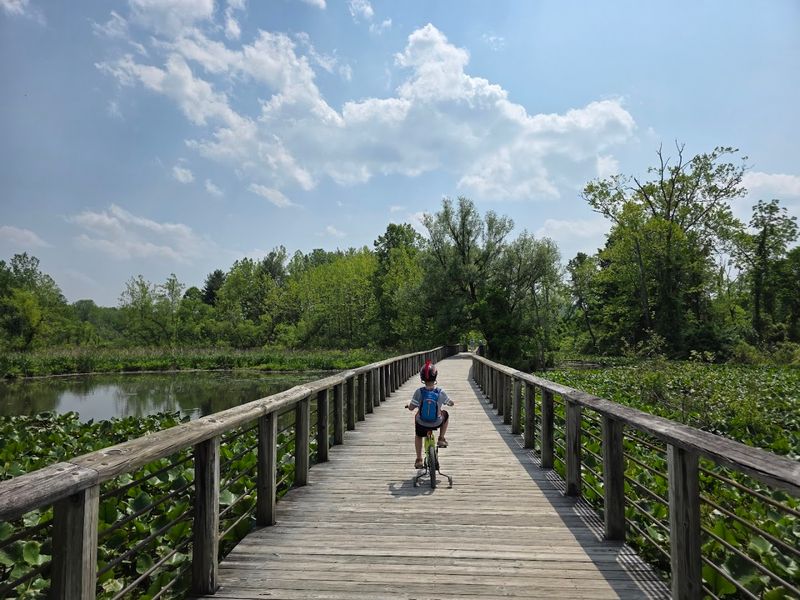
Being Ohio’s only national park means Cuyahoga Valley carries some serious bragging rights. Stretching across more than 33,000 acres between Cleveland and Akron, it packs an incredible variety of landscapes into that space.
You’ve got waterfalls, wetlands, deep forests, rolling meadows, and even historic villages preserved from the 1800s.
The Towpath Trail follows an old canal route for miles, perfect for biking or easy walking. But venture off that main trail and you’ll discover steep ravines hiding Brandywine Falls and other cascades that most casual visitors miss completely.
Beaver Marsh provides amazing wildlife viewing opportunities, especially for bird watchers tracking migrating species.
What makes this park feel enormous is its layered complexity. History buffs can spend days exploring old barns, canal locks, and the scenic railroad.
Nature lovers find endless trails through Ledges area or Virginia Kendall. You could visit monthly for a year and still encounter new spots, new wildlife, and new seasonal changes that transform familiar trails into fresh adventures each time.
Salt Fork State Park
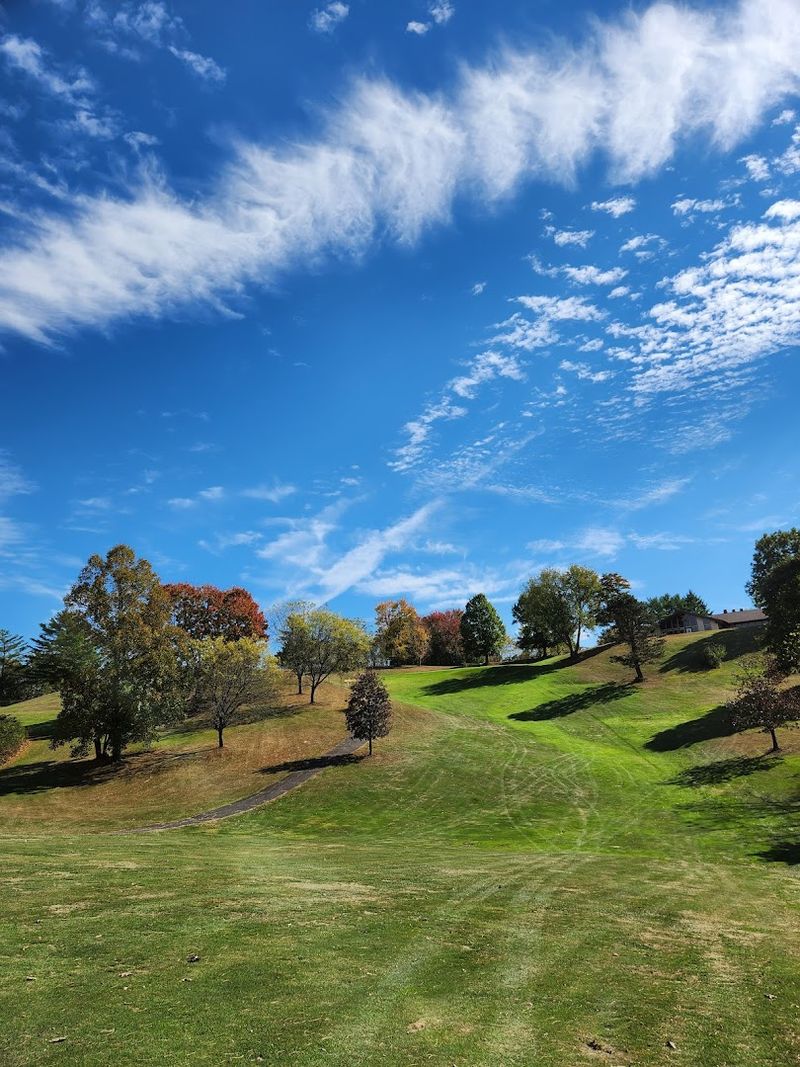
Claiming the title of Ohio’s largest state park at 17,229 acres, Salt Fork doesn’t mess around with size or variety. Its massive lake dominates the landscape, offering over 2,800 acres of water for boating, fishing, and swimming.
But water activities barely scratch the surface of what’s available here.
Seventeen different hiking trails wind through the park, ranging from easy lakeside strolls to challenging ridge climbs. Horseback riders have their own dedicated trails, while hunters can access designated areas during season.
The beach gets packed in summer, but walk a quarter mile down the shore and you’ll find your own private cove.
Lodge guests enjoy panoramic lake views, but tent campers and RV enthusiasts can choose from hundreds of sites scattered throughout different campgrounds. Each section of the park has its own character—some forested and quiet, others open with sweeping views.
Even locals who’ve visited for years admit they haven’t explored every corner. That golf course, nature center, and wildlife viewing areas just add more reasons you’ll never see it all in one trip.
Zaleski State Forest
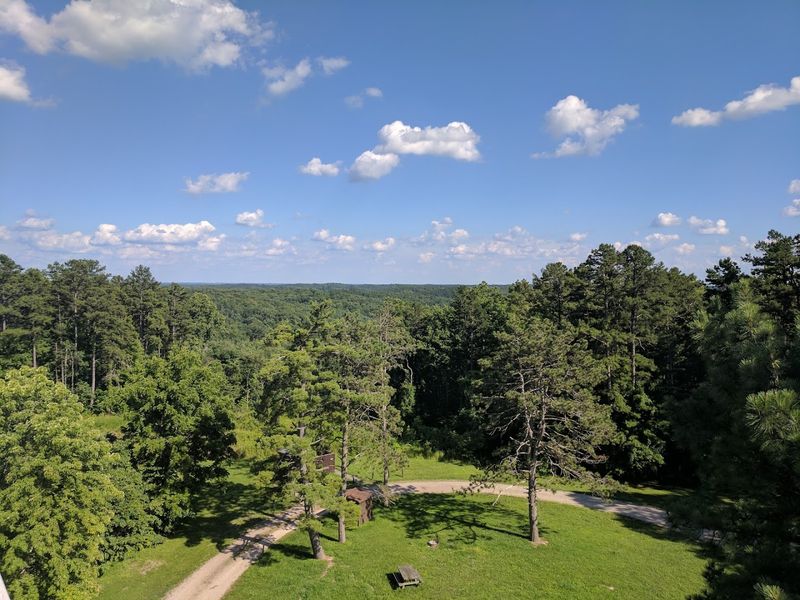
Zaleski State Forest earns its wild reputation honestly. As one of Ohio’s largest forested areas, it covers enough ground that getting temporarily lost feels like a real possibility.
The signature Zaleski Backpack Trail loops 23 miles through some of the state’s most isolated terrain, passing abandoned iron furnaces that whisper stories from the 1800s.
Those old industrial relics make exploring here feel like a treasure hunt. Stone furnace foundations emerge from forest floors unexpectedly, covered in moss and surrounded by trees that have reclaimed the land.
Ridge trails offer occasional glimpses of distant hills, while hollow trails keep you tucked under thick canopy shade.
Mountain bikers tackle technical single-track routes that challenge even experienced riders. Hunters disappear into the backcountry during deer season, knowing they can find solitude easily.
The forest’s size means you can hike for hours hearing nothing but wind through leaves and your own footsteps. Winter transforms it completely, with bare trees revealing views hidden during leafy months.
Pack extra water and snacks—you’ll want to stay longer than planned once you’re out there.
Tar Hollow State Forest
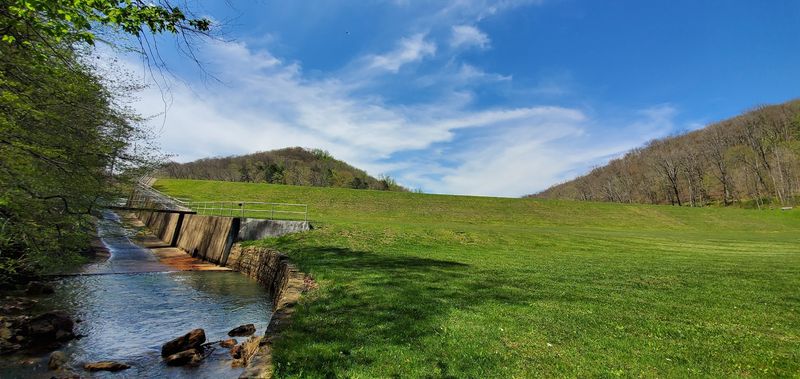
Often overshadowed by its neighboring state park, Tar Hollow State Forest is actually Ohio’s third-largest forest and feels absolutely endless. Ridge after ridge rolls across the landscape, each one covered in dense hardwoods that turn spectacular colors every autumn.
The trail connections here link to multiple nearby forests, meaning your hiking options multiply exponentially.
Because fewer people know about this forest compared to the park, you’ll often have trails completely to yourself. The terrain challenges your legs with constant elevation changes—no flat, boring sections here.
Oak, hickory, and maple trees tower overhead, creating cathedral-like spaces that feel peaceful and powerful simultaneously.
Primitive camping spots dot remote sections, perfect for backpackers wanting true backcountry experiences. Spring brings wildflower displays that carpet the forest floor in color, while winter hiking reveals rock formations and distant views hidden by summer leaves.
The sheer size means you could explore different sections over multiple seasons and still discover new favorite spots. Bring a topographic map because those ridges all start looking similar after a few hours of hiking.
East Fork State Park
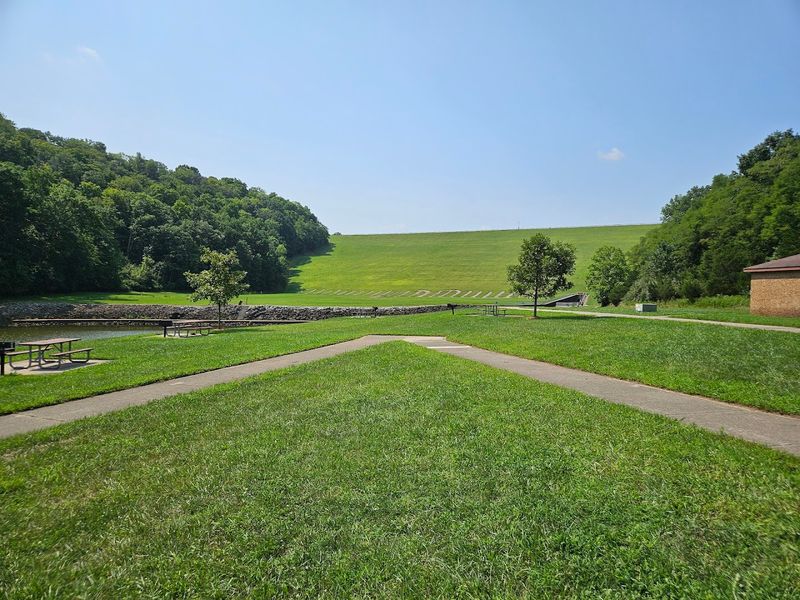
East Fork combines massive water and land acreage into one of Ohio’s premier outdoor destinations. William H.
Harsha Lake stretches across thousands of acres, its shoreline winding through countless coves and inlets that boaters spend entire days exploring. But landlubbers find just as much to love in the extensive trail system wrapping around forested hills.
Mountain bikers consider East Fork a must-ride destination, with technical trails that flow through challenging terrain. The backcountry trails take hikers deep into woods where you forget you’re in a state park at all.
Wildlife viewing opportunities abound, especially near dawn and dusk when deer emerge from tree lines.
Different sections of the park serve different purposes—some areas cater to families with beaches and playgrounds, while others preserve quieter spaces for nature lovers. The campgrounds spread across such a wide area that you could camp here five times and pick a different location each visit.
Fishermen work the lake’s various depths and structures, each spot producing different species. One day barely lets you sample what East Fork offers, making return trips practically mandatory.
Caesar Creek State Park
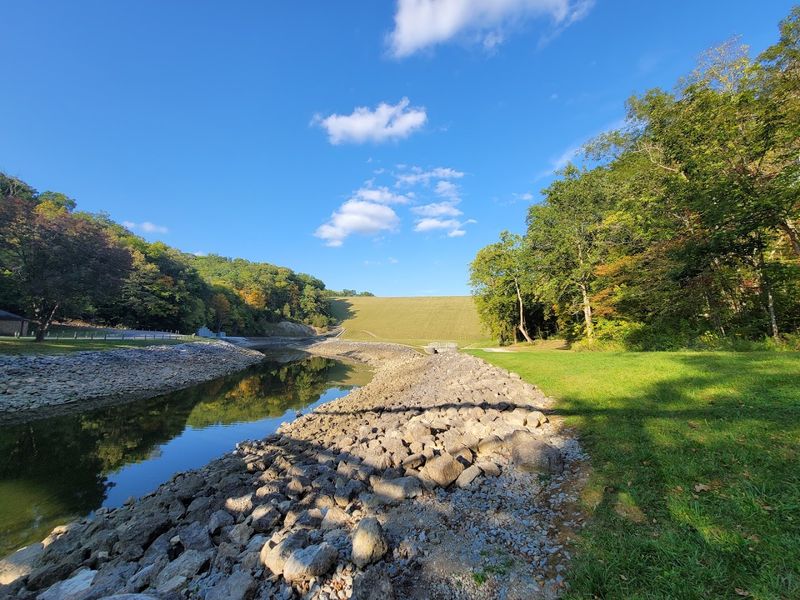
Caesar Creek Lake dominates this park’s landscape, but calling it just a lake park misses about half the story. Yes, the reservoir offers excellent boating and fishing across its sprawling surface.
However, the real magic happens along those miles of shoreline and throughout the surrounding thousands of forested acres.
Fossil hunters flock to the spillway area where ancient marine fossils erode out of exposed rock. Finding your own 400-million-year-old trilobite or brachiopod creates memories that last way longer than any beach day.
The sensation of holding something that old makes history feel touchable and real.
Hiking trails wind through sections most visitors never see, leading to hidden coves and quiet forests far from the main beach crowds. Campgrounds range from modern sites with full hookups to primitive spots where you hear only nature’s soundtrack.
Horseback riding trails, mountain bike paths, and nature preserves all occupy different corners of this massive park. The variety means different family members can pursue different interests without ever feeling cramped.
Just the trail system alone could keep you busy for multiple long weekends.
Shawnee State Park
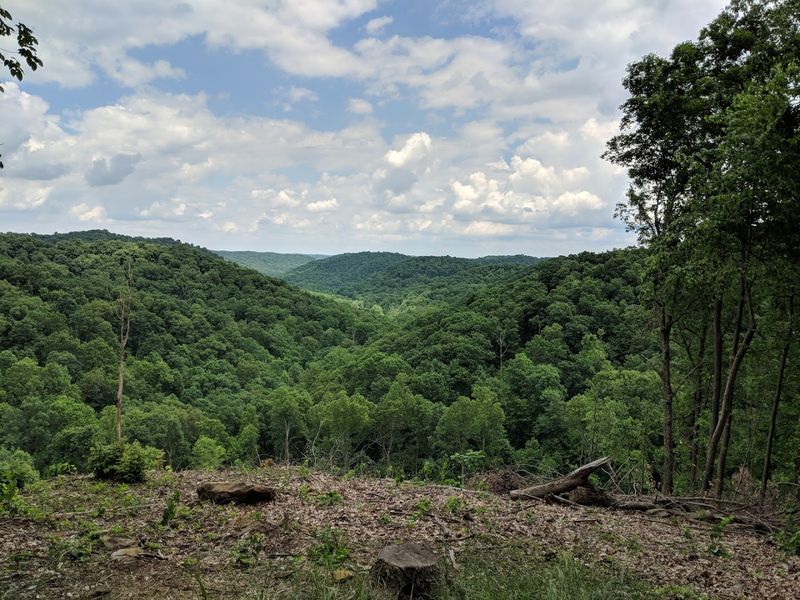
Shawnee State Park sits like a jewel within the much larger Shawnee State Forest, but don’t let that fool you into thinking it’s small. The park itself covers substantial acreage with terrain steep enough to make your calves burn.
Roosevelt Lake provides the focal point, reflecting surrounding hills in water so calm it looks like glass on windless mornings.
What amplifies this park’s size is its seamless connection to the surrounding forest. Step off park trails and suddenly you’re in true wilderness with options stretching for miles.
The lodge offers comfortable accommodations, but campers and backpackers can push deeper into connected lands for real adventure. Steep hills create dramatic overlooks where you see layer after layer of forested ridges fading into blue distance.
Swimming, boating, and fishing keep lake lovers happy while trail enthusiasts tackle challenging routes that climb relentlessly upward. The elevation changes mean you’re constantly rewarded with new perspectives and views.
Spring wildflowers bloom in incredible profusion, while fall colors rival anything Vermont offers. Combined with the adjacent forest, you’re looking at an adventure zone that could fill entire seasons of exploration.
Mohican State Park
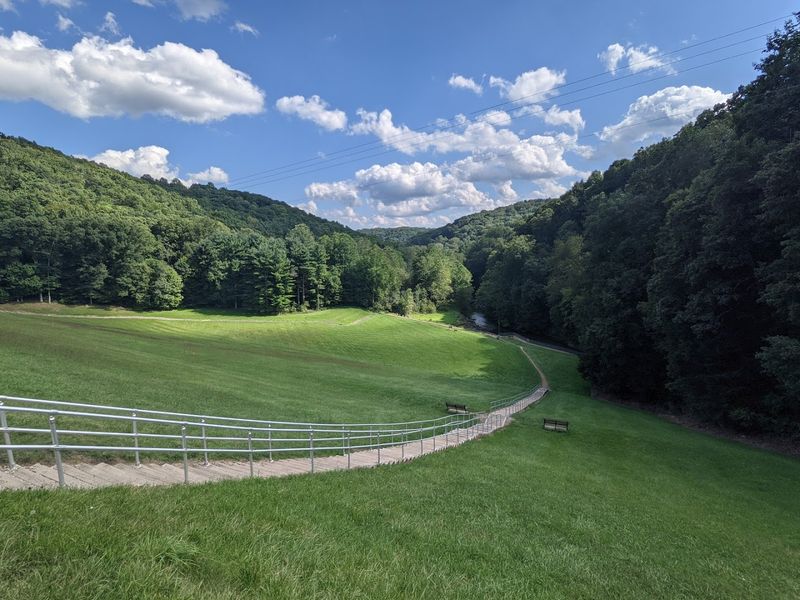
Mohican State Park teams up with Mohican-Memorial State Forest to create one of Ohio’s most impressive combined adventure zones. The park anchors the area with dramatic Clear Fork Gorge, where steep ravines and the rushing Clear Fork River create scenery that feels transported from farther east.
That covered bridge alone is worth the visit.
But venture beyond the main park into the surrounding state forest and your options expand dramatically. Deep gorges hide waterfalls that only locals seem to know about.
Backcountry camping areas let you pitch tents far from civilization, surrounded by nothing but trees and wildlife sounds. The trail network connects park and forest seamlessly.
Canoeing the river provides a completely different perspective, with cliff walls rising on both sides. Mountain biking trails challenge riders with technical sections and flowing descents.
The old-growth forest areas contain trees hundreds of years old, their massive trunks inspiring awe and respect. Even visitors who’ve been coming for years discover new trails, new campsites, and new favorite spots.
The combination of park amenities and forest wilderness means you get the best of both worlds across thousands of explorable acres.
Hueston Woods State Park
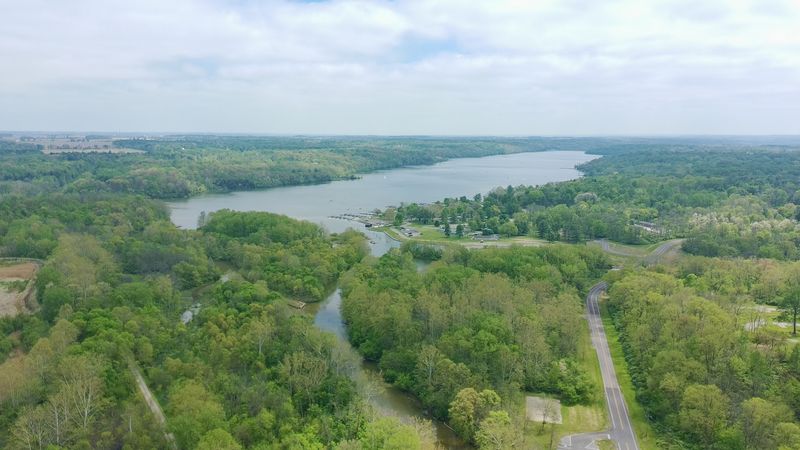
Hueston Woods might not top the acreage charts, but its old-growth forest and diverse ecosystems make it feel significantly larger than the numbers suggest. Some trees here have stood for over 300 years, predating European settlement in Ohio.
Walking among these giants humbles you and shifts your perspective on time itself.
Acton Lake adds water recreation to the forested experience, creating habitat diversity that attracts incredible wildlife variety. Bird watchers regularly spot species that prefer mature forests, while the lake shores draw waterfowl and wading birds.
The nature center provides excellent educational programs that deepen your appreciation for what you’re seeing outdoors.
Trails wind through different forest types, from beech-maple groves to oak-hickory stands. Each ecosystem supports different plants and animals, meaning every hike reveals new discoveries.
The fossil gorge exposes ancient bedrock, adding geological interest to biological wonders. You could visit monthly throughout the year and experience completely different parks—spring wildflowers, summer paddling, fall colors, winter tracking.
The ecological richness creates endless exploration opportunities that simple acreage measurements can’t capture adequately.
Alum Creek State Park
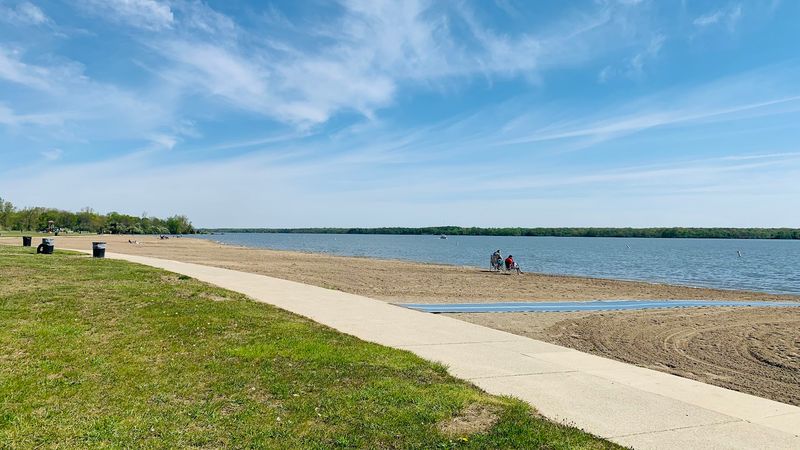
Central Ohio’s outdoor playground, Alum Creek State Park spreads across enough land and water to keep Columbus-area residents busy year-round. The reservoir stretches for miles, its many arms reaching into forested coves that feel worlds away from nearby suburbs.
Sailboats dot the water on breezy days, creating postcard-perfect scenes.
One of the largest beaches in Ohio’s state park system draws summer crowds, but walk a bit and you’ll find quieter shoreline. The campgrounds are massive, with hundreds of sites ranging from primitive to modern.
Mountain bikers and hikers share miles of trails that wind through forests and along ridges overlooking the water.
Disc golf, dog parks, and nature preserves add even more activity options. Winter brings ice fishing and cross-country skiing opportunities that completely transform the park’s character.
Different sections cater to different crowds—families cluster near the beach while serious anglers work the deep channels for walleye. The park’s size means you can visit regularly without repeating the same experience twice.
Just driving from one end to the other takes longer than you’d expect, hinting at the substantial ground this park covers.
Maumee Bay State Park
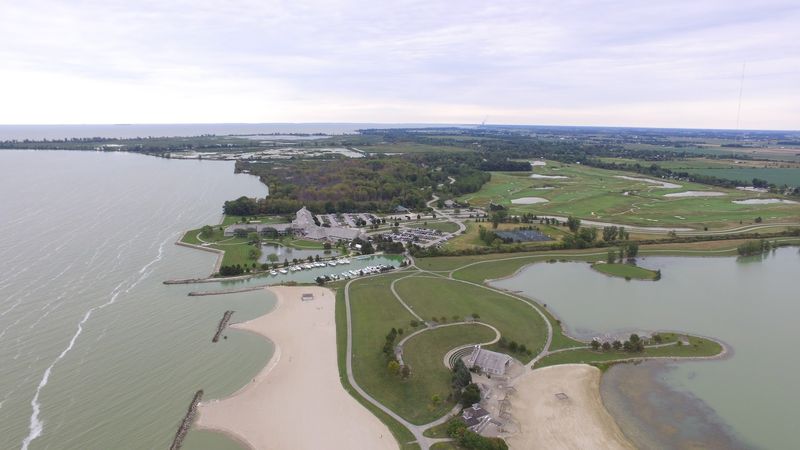
Size takes different forms, and Maumee Bay proves that wetlands and marshes can feel as vast as any mountain forest. Located where the Maumee River meets Lake Erie, this park sprawls across one of northern Ohio’s most ecologically important areas.
Boardwalks stretch through marshland where herons stalk through shallow water and countless songbirds nest in reeds.
Birders travel from across the region to catch migration waves that funnel through this Lake Erie hotspot. Spring and fall bring spectacular numbers of warblers, waterfowl, and raptors.
The observation platforms and trails let you access marsh areas that would otherwise be unreachable, revealing a watery world most Ohioans never experience.
But Maumee Bay isn’t just marshes. Lake Erie’s shoreline provides sandy beaches, the lodge offers comfortable lodging, and inland trails wind through woods and meadows.
Golf, swimming, and nature programs keep visitors busy. The ecosystem variety creates a sense of vastness—you move from lake beach to forest to marsh in minutes, each area feeling completely distinct.
Pack binoculars and camera because wildlife encounters here rival anywhere in Ohio.
Hocking Hills State Park
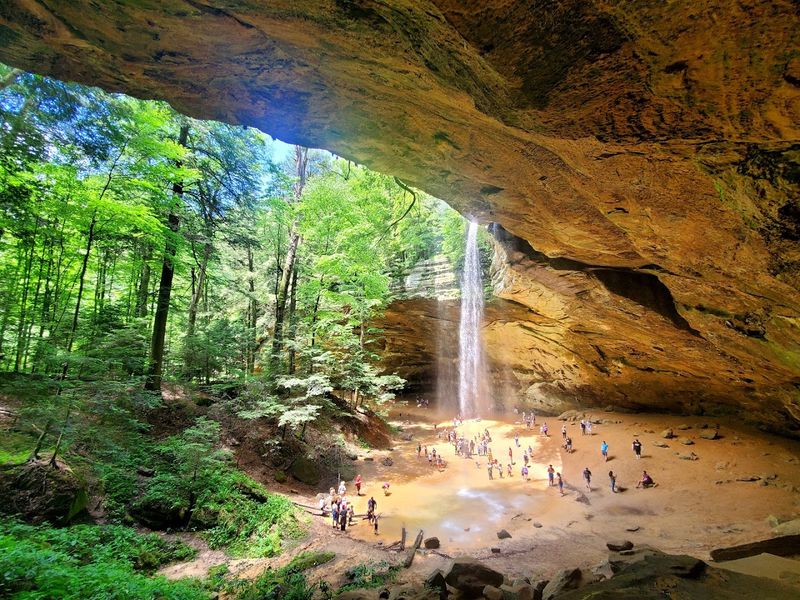
Hocking Hills might not match other parks in raw acreage, but its exploration factor ranks off the charts. Six major areas—Old Man’s Cave, Ash Cave, Cedar Falls, Cantwell Cliffs, Rock House, and Conkle’s Hollow—spread across enough distance that seeing them all requires serious planning.
Each location offers completely different scenery carved from ancient sandstone.
Old Man’s Cave alone contains enough trails, waterfalls, and rock formations to fill an entire day. The gorge walls tower overhead while water cascades down into pools below.
Then you drive to Ash Cave and encounter something entirely different—a massive recess cave with a waterfall spilling over its lip.
Rock House features cave-like rooms carved into cliffsides, while Conkle’s Hollow provides the state’s deepest gorge with rim and gorge trail options. Cantwell Cliffs showcases unique rock formations perfect for scrambling and exploration.
Cedar Falls completes the collection with another stunning waterfall. Most visitors hit two or three spots and call it a trip, but experiencing everything properly means multiple visits across different seasons when ice, water levels, and foliage completely transform each location’s character and beauty.
Oak Openings Preserve Metropark
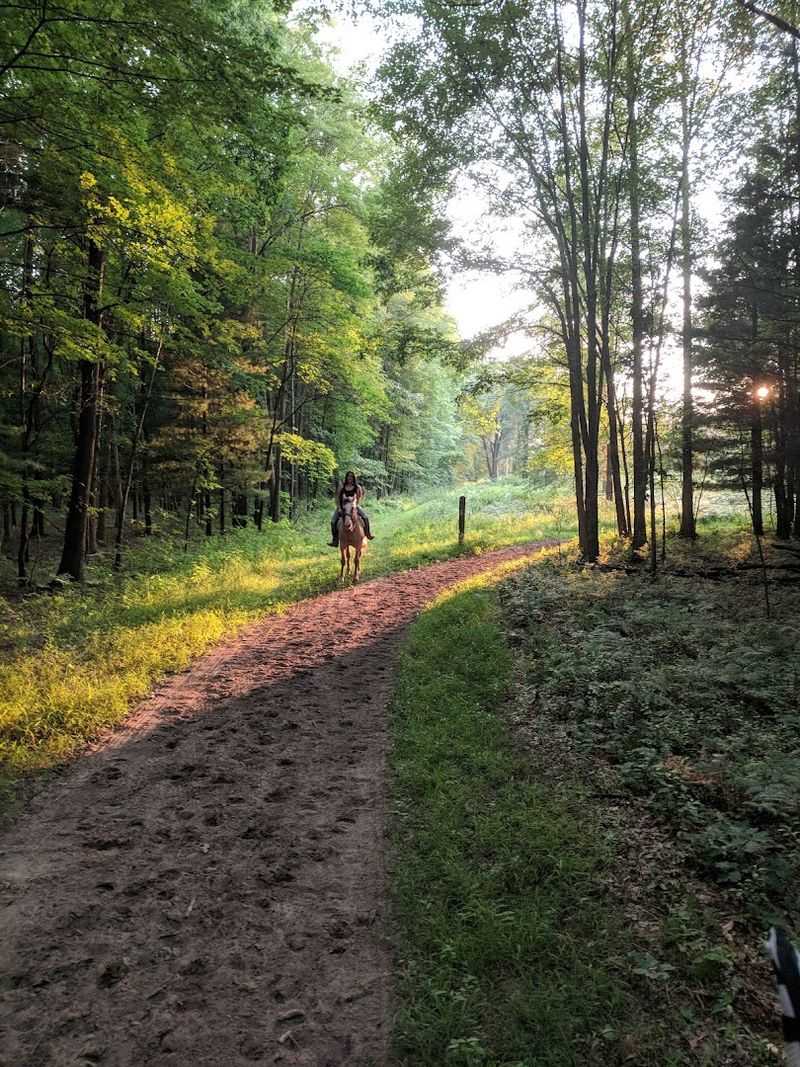
Sprawling across more than 5,000 acres in northwest Ohio, Oak Openings Preserve Metropark is one of the most ecologically diverse outdoor spaces in the state. Often called the “region of extremes,” the preserve contains a rare patchwork of ecosystems, from sand dunes and prairies to wetlands, oak savannas, and dense forests.
That variety alone makes it feel far larger than its acreage suggests.
With more than 50 miles of trails winding through dramatically different landscapes, visitors can spend an entire day here and still only experience a fraction of what the preserve offers. Some trails pass through quiet pine forests, while others open into wide grasslands filled with wildflowers and birds.
The scenery changes so often that every section feels like a completely different park.
For hikers, cyclists, birdwatchers, and nature photographers, Oak Openings offers endless reasons to return. Each season reveals something new, making it nearly impossible to fully explore in just one trip.