Virginia doesn’t do small when it comes to the outdoors. This is a state where forests stretch for miles, mountains roll on forever, and hidden trails can swallow up an entire day before you even realize how far you’ve gone.
Some parks here are so huge, one visit barely scratches the surface. You can spend hours chasing waterfalls, climbing ridges, or winding through deep woods and still feel like there’s more waiting around the next bend.
Then there’s the wild variety—misty peaks in the west, quiet lakes in the center, and untouched shorelines near the coast.
Every corner feels like a completely different world, which makes each trip feel bigger than the last.
If you’re craving open space, fresh air, and the kind of adventure that leaves your legs sore and your camera full, these ten Virginia parks deliver in a big way.
Pocahontas State Park
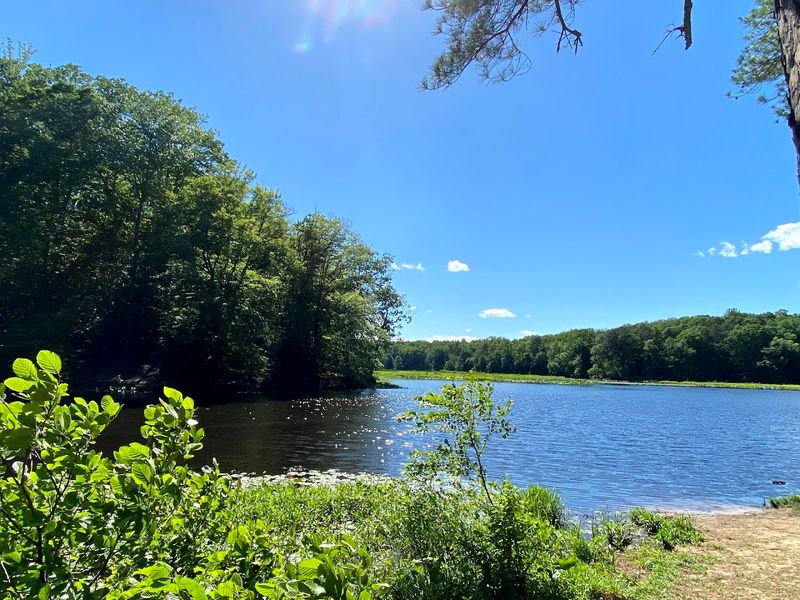
Spanning more than 7,600 acres just outside Richmond, Pocahontas claims the title as Virginia’s largest state park. That’s enough space to house forests, lakes, and over 90 miles of trails that wind through every corner of this massive property.
You could spend days here without covering the same ground twice.
The trail network is especially impressive for mountain bikers and hikers who want serious mileage. Swift Creek Lake provides paddling and fishing opportunities, while the backcountry camping areas let you disappear into the woods for genuine solitude.
Families can stick to developed areas near the pool and visitor center, while adventurers can push deep into the park’s more remote sections.
What makes Pocahontas feel especially large is how the terrain constantly changes. You’ll move from pine forests to hardwood groves, from lakeside flats to rolling hills.
It’s the kind of place where getting a little lost is part of the fun, and weekend trips still leave you with trails to discover next time.
Shenandoah National Park
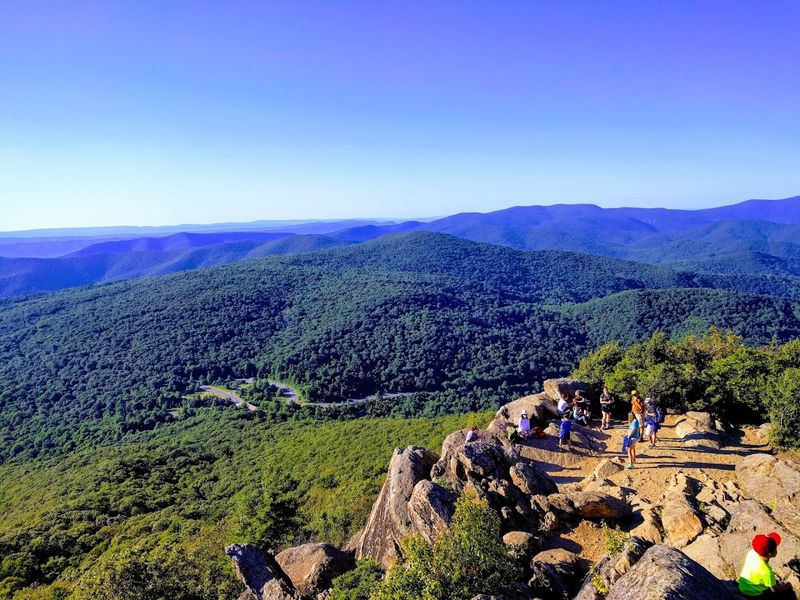
With over 200,000 acres stretched across the Blue Ridge Mountains, Shenandoah stands as Virginia’s most legendary wilderness destination. The park contains more than 500 miles of trails, including 101 miles of the Appalachian Trail that runs along its spine.
Every visit feels different because the sheer scale means you’re constantly discovering new waterfalls, overlooks, and hidden valleys.
Skyline Drive cuts through the heart of the park, but step away from the road and the vastness becomes real. Backcountry camping permits let you venture miles from civilization, while dozens of waterfalls reward those willing to hike steep descents.
Spring wildflowers, summer greenery, and fall colors each transform the same massive landscape into something completely new.
The elevation changes add to the park’s immensity. You’ll climb from valley floors to mountain peaks that top 4,000 feet, with each zone supporting different plants and wildlife.
That vertical variety makes Shenandoah feel even larger than its acreage suggests, offering genuine mountain wilderness just two hours from major cities.
George Washington and Jefferson National Forests
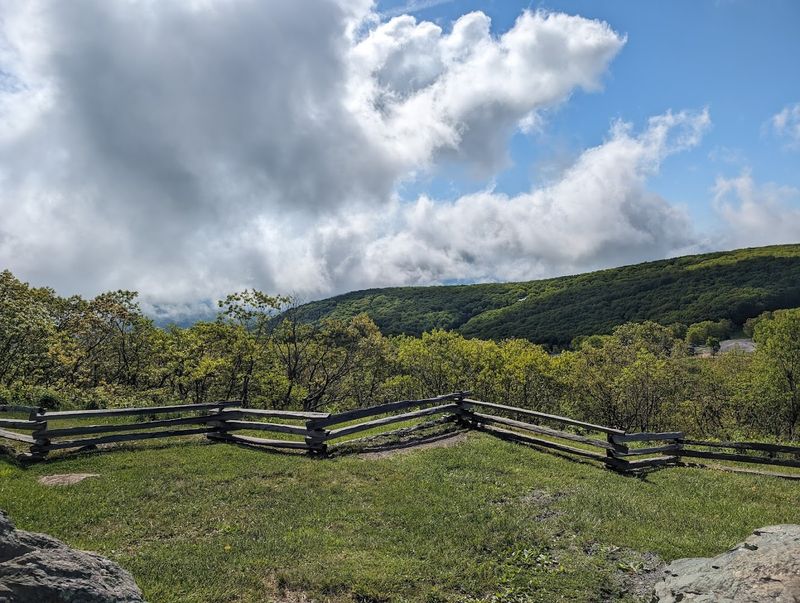
Nearly 1.8 million acres sprawl across western Virginia, making this the state’s largest public land area by a massive margin. To put that in perspective, it’s bigger than the entire state of Delaware.
The combined George Washington and Jefferson National Forests stretch from the West Virginia border down to the Tennessee line, encompassing some of the most remote and wild terrain in the eastern United States.
Hundreds of miles of trails crisscross these forests, from gentle valley walks to brutal ridge climbs. Wild and scenic rivers like the James and Clinch cut through deep gorges, while massive wilderness areas such as Saint Mary’s and Mountain Lake remain roadless and undeveloped.
You can backpack for days and encounter more bears than people.
The forests’ size means they contain incredible diversity. High mountain balds, limestone caverns, old-growth forests, and rocky summits all exist within this enormous system.
For anyone seeking true outdoor immersion far from developed areas, this is Virginia’s ultimate backcountry playground.
Fairy Stone State Park
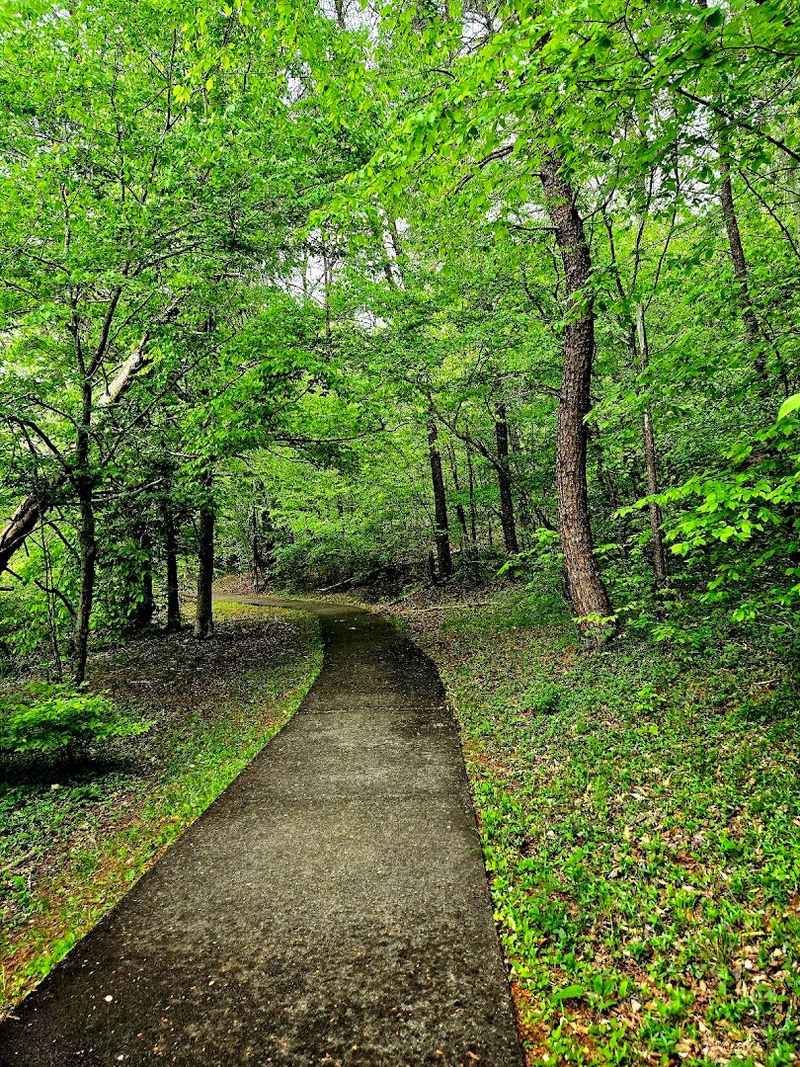
Legends about cross-shaped fairy stones might draw you here, but the park’s 4,868 acres will keep you exploring. This is one of Virginia’s largest state parks, wrapping around a 168-acre lake and extending up into forested ridges that feel genuinely remote.
The size gives everyone room to spread out, whether you’re camping lakeside or hiking miles into the backcountry-feeling trails.
The lake serves as the park’s centerpiece for swimming, fishing, and paddling, but the real adventure happens on the trail system. Multiple loops push deep into the woods where you’ll forget you’re in a developed park.
Spring brings wildflowers to the forest floor, while fall colors paint the ridgelines in spectacular reds and oranges.
What sets Fairy Stone apart is how wild it feels despite having typical park amenities. The cabins and campgrounds occupy just a small fraction of the total acreage, leaving vast stretches of forest unmarked by development.
You can easily hike for hours without crossing a road or seeing another soul.
Douthat State Park
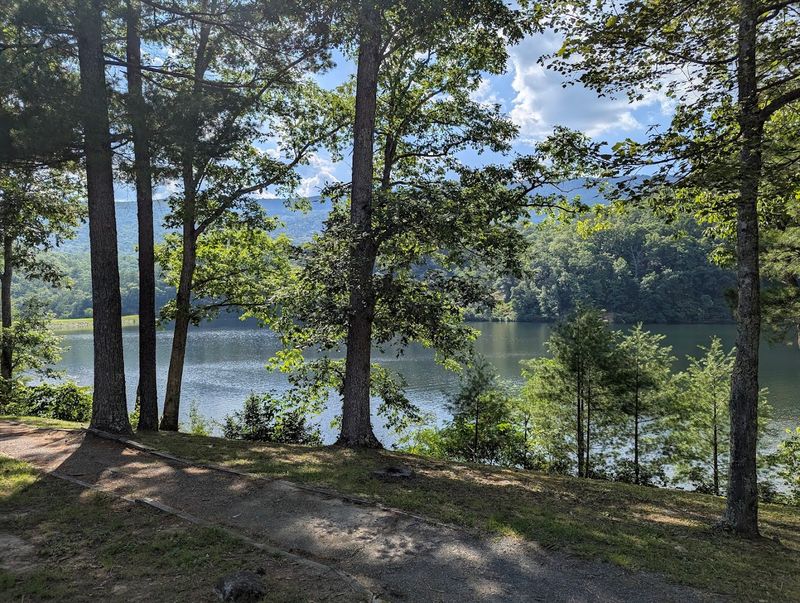
Carved into the Alleghany Mountains, Douthat’s 4,500-plus acres deliver some of Virginia’s most rugged state park terrain. This isn’t gentle rolling hills.
The mountains here shoot up steep and dramatic, with trails that test your lungs and reward your effort with sweeping overlooks. The park feels far bigger than its acreage because of how the ridgelines fold and layer, creating endless pockets of exploration.
A 50-acre lake sits cradled in the valley, providing a calm contrast to the surrounding peaks. But most visitors come for the mountains.
Forty miles of interconnected trails range from easy lakeside strolls to challenging summit climbs. Wildlife is abundant too, with deer, turkey, and even black bears calling these forests home.
The park’s size and elevation changes create distinct microclimates. Valley floors stay cooler even in summer, while ridge tops catch mountain breezes.
This terrain diversity, combined with the park’s old-growth forest patches and remote camping areas, makes Douthat feel like a true mountain wilderness despite its proximity to civilization.
Grayson Highlands State Park
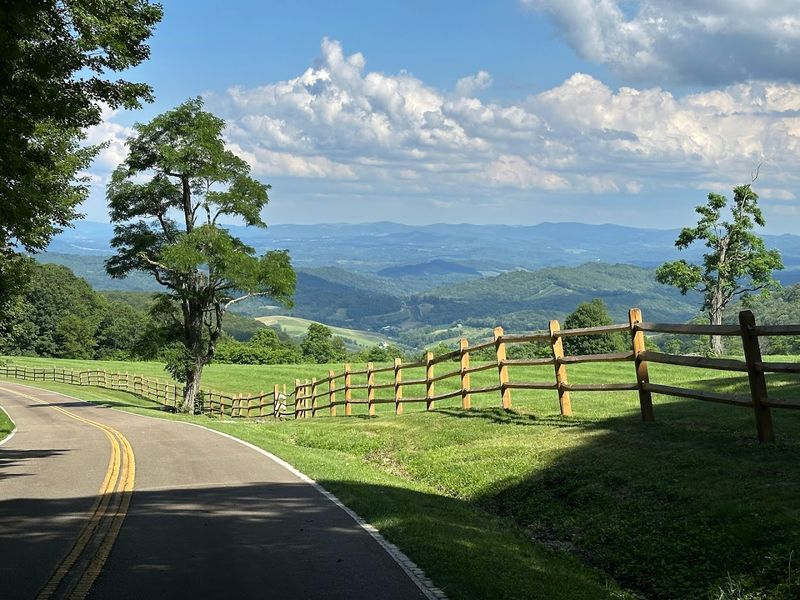
Wild ponies roam the open balds here, creating scenes more reminiscent of Scotland than Virginia. The park sits at high elevation where trees give way to grassy mountaintops dotted with rock formations.
While not the largest park by acreage, its connection to the Mount Rogers National Recreation Area creates a feeling of endless wilderness stretching in every direction.
The landscape is genuinely dramatic. Massive rock piles called boulder fields invite scrambling, while 360-degree views from the balds reveal layer upon layer of mountain ridges.
The Appalachian Trail passes directly through the park, and many consider this section among the most beautiful in Virginia. Backcountry camping opportunities expand well beyond the park’s official boundaries into adjacent federal land.
The ponies add an unexpected element of magic. Descendants of horses used by early settlers, they’ve adapted to this harsh high-altitude environment and now live completely wild.
Watching them graze against the mountain backdrop while you’re standing above 5,000 feet elevation makes you feel like you’ve left Virginia entirely and stumbled into some remote mountain kingdom.
False Cape State Park
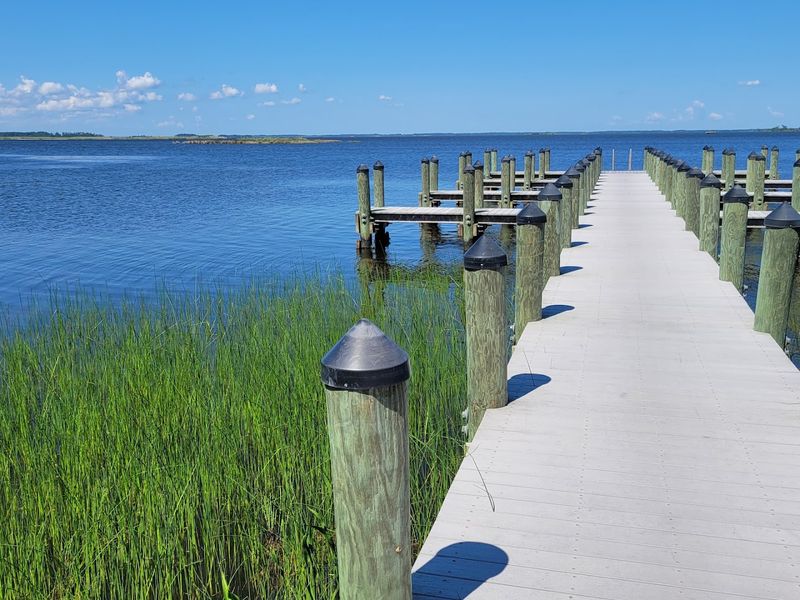
Getting to False Cape requires commitment. No roads lead here.
You must hike, bike, boat, or take a tram from nearby First Landing State Park. That limited access keeps False Cape feeling enormous despite its actual size, creating one of Virginia’s most genuinely remote outdoor experiences.
Miles of undeveloped beaches, salt marshes, and maritime forests stretch between the Atlantic Ocean and Back Bay.
The isolation is the point. While developed beaches nearby overflow with tourists, False Cape remains wild and nearly empty.
You might spot wild horses, dolphins offshore, or countless shorebirds, but you won’t see many other humans. Primitive camping is available for those willing to haul gear the six miles from the nearest access point.
The landscape here shifts constantly with storms and tides. Beaches erode and rebuild, dunes migrate, and the barrier island’s shape literally changes year to year.
This dynamic character makes the park feel even more vast and untamed. It’s as close as Virginia gets to true coastal wilderness, a place where nature still calls every shot.
First Landing State Park
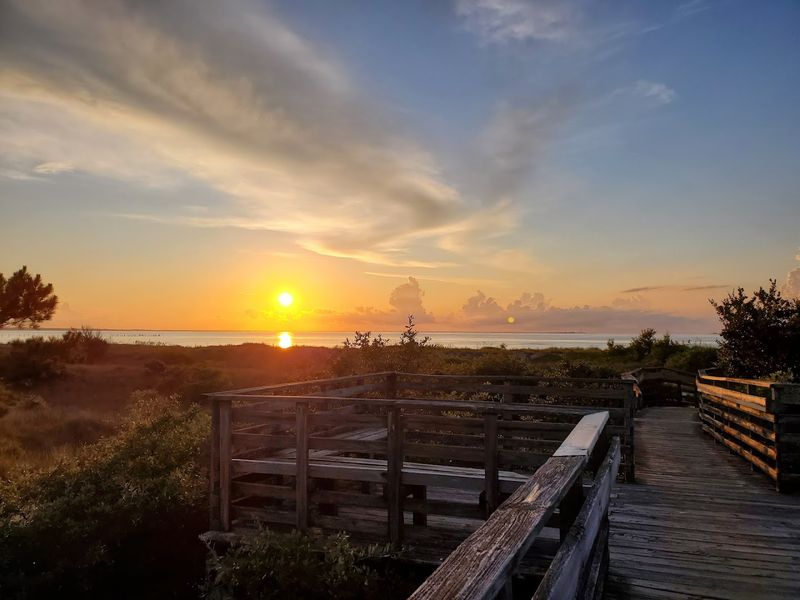
Named for the first English colonists who landed here in 1607, this park packs incredible diversity into its 2,800 acres. Nearly 20 miles of trails wind through environments that shouldn’t logically coexist.
Ancient bald cypress swamps give way to sandy dunes, which transition into maritime forests and finally open onto Chesapeake Bay beaches. Each ecosystem feels like its own world.
The trail network is what makes First Landing feel so expansive. You can spend hours exploring without retracing your steps, moving from boardwalks over dark tannin-stained swamp water to sandy paths through pine forests.
The Cape Henry Trail alone covers six miles, while shorter loops let you sample different habitats in quick succession.
Its location on a barrier spit between the bay and ocean creates unique conditions. Salt spray and fresh water meet, creating rare plant communities found in few other places.
The park’s size means it preserves these fragile ecosystems at scale, offering one of the largest protected coastal habitats in Virginia. Add in camping, swimming, and paddling opportunities, and you’ve got a destination that feels much bigger than its acreage.
New River Trail State Park
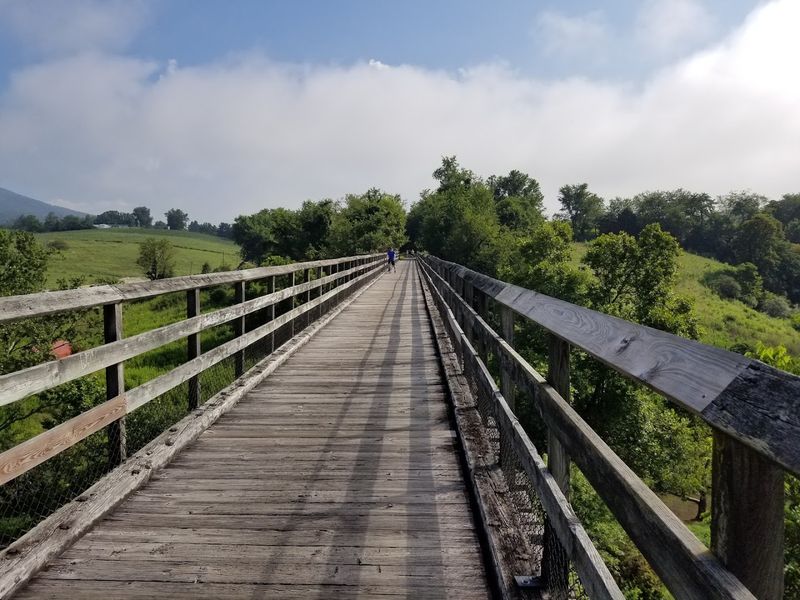
Forget traditional park boundaries. New River Trail stretches 57 miles through southwestern Virginia, making it one of the longest continuous outdoor corridors in the state.
Built on an abandoned railroad bed, the trail follows the curves of the New River and Chestnut Creek through farmland, forests, and small mountain communities. The park’s scale comes from distance rather than square acreage, perfect for multi-day adventures.
The flat, well-maintained surface makes this trail accessible to almost everyone. Bikers can cover the entire length in a long day, while hikers might stretch it into a weekend trip.
Horseback riding is allowed on most sections too. The river provides a constant companion, with numerous access points for fishing or simply cooling your feet in the current.
What makes this park feel massive is how it connects you to the landscape over time. You’ll pass through tunnels, across trestle bridges, and past old railroad depots that now serve as trail shelters.
The journey takes you through changing terrain and communities, creating a genuine sense of distance traveled that traditional loop trails can’t match.
Hungry Mother State Park
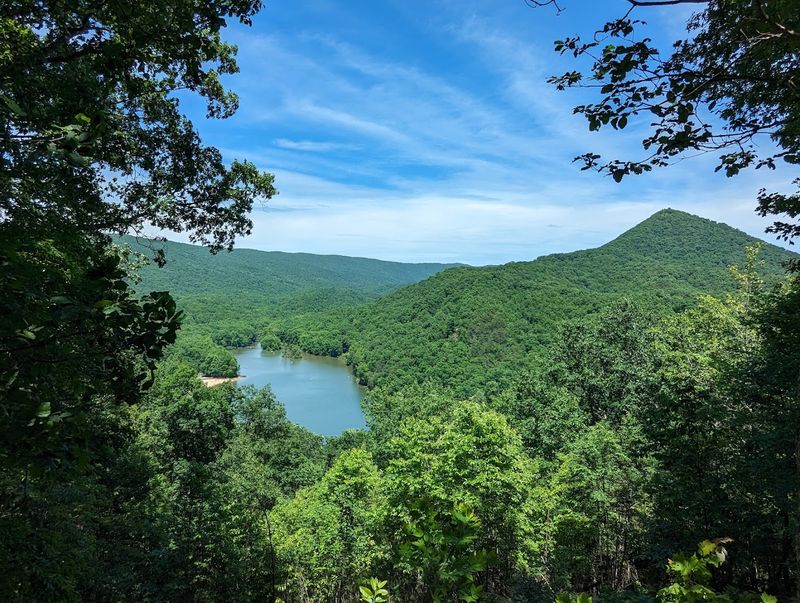
The name comes from a tragic legend about a woman and her child lost in these mountains, but today this park offers anything but hardship. Nestled in a deep mountain valley, Hungry Mother might be smaller on paper than some others on this list, but it feels genuinely massive thanks to surrounding terrain.
The park’s trails connect with adjoining national forest land, extending your exploration into thousands of additional acres.
A 108-acre lake dominates the valley floor, perfect for swimming, fishing, and paddle boarding. But the real draw is the mountain setting.
Trails climb the ridges surrounding the lake, gaining elevation quickly and offering views that stretch for miles. Molly’s Knob Trail rewards hikers with a summit overlook that makes you feel on top of the world.
The park’s immersive quality comes from how the mountains wrap around you. Even near developed areas like the campground and beach, you’re surrounded by forested peaks that block out the outside world.
It creates a sense of complete escape that makes Hungry Mother feel like one of Virginia’s most secluded mountain destinations.