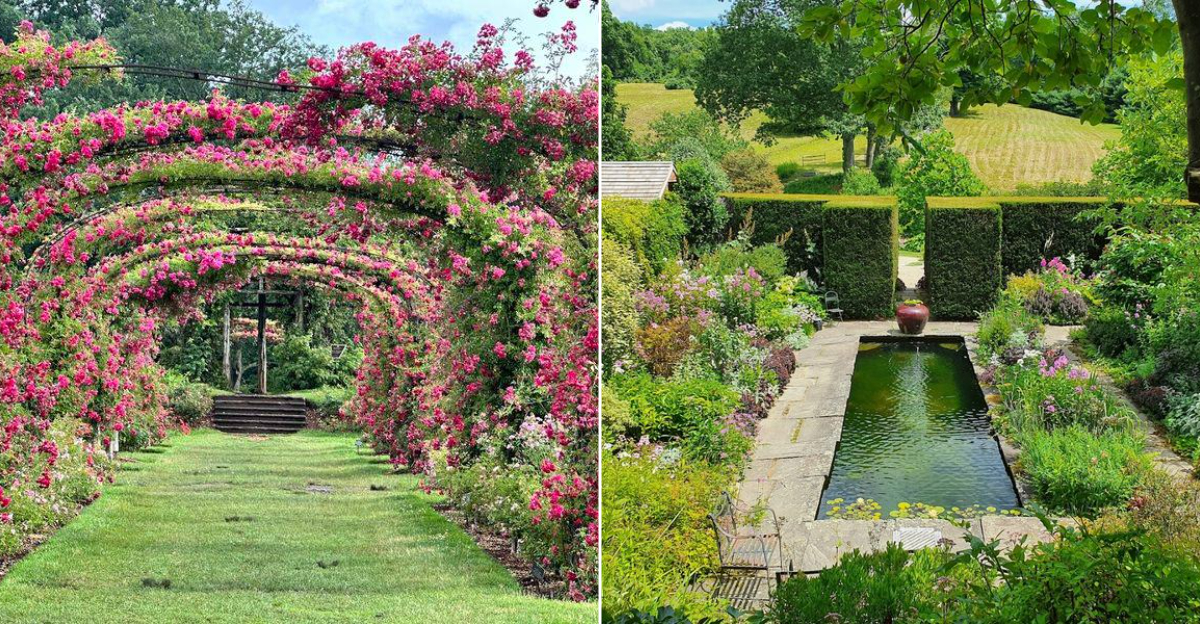
Connecticut has a gentle way of softening the edges of a day. One moment you are driving past stone walls and quiet towns, and the next you are stepping into gardens where color, scent, and stillness seem to take over completely.
In spring, when the air feels lighter and new blooms open along every path, these spaces become especially inviting.
Botanical gardens here are not just collections of plants—they are places to slow your pace, follow winding paths, and notice details that often get missed in everyday routines. A patch of tulips catching morning light, the hum of bees around herb beds, the calm reflection of water tucked between trees.
Each garden offers a slightly different mood, from carefully designed landscapes to wilder, coastal-inspired plantings. Together, they create a quiet map of inspiration across the state.
Here is where the wandering begins.
Bartlett Arboretum & Gardens
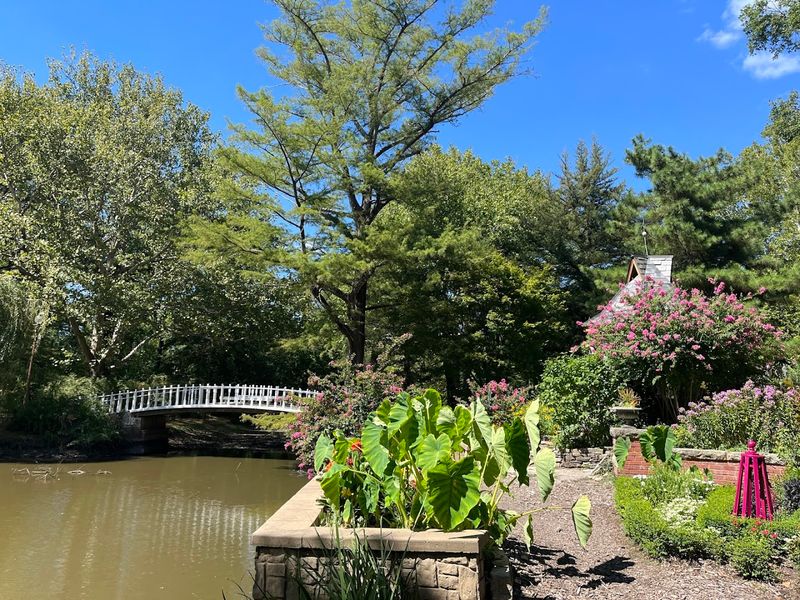
Shady trails, birdsong, and towering trees set the tone before you even realize how much there is to explore here. This is the kind of place where your pace naturally slows, and every turn feels designed for quiet observation.
In Stamford, Bartlett Arboretum & Gardens offers a deeply restorative escape that still feels connected to serious horticultural purpose.
Spread across ninety-three acres, the arboretum blends curated collections with a more natural woodland character. You can wander through conifers, magnolias, and other notable specimens while also enjoying trails that feel pleasantly removed from daily noise.
It is especially rewarding if you like gardens that teach you something without making the experience feel formal or stiff.
Seasonal changes shape the visit in a big way, so no two walks feel exactly alike. Spring brings flowering trees and fresh understory growth, while autumn turns the grounds into a study in texture and color.
Educational programs, community events, and conservation work add depth for visitors who want more than a pretty backdrop.
If you want a garden destination that balances beauty, ecology, and easy wandering, this one stands out. You can come for inspiration, a reflective walk, or a family outing that still feels peaceful.
Bartlett rewards curiosity, but it never demands expertise.
Elizabeth Park Conservancy
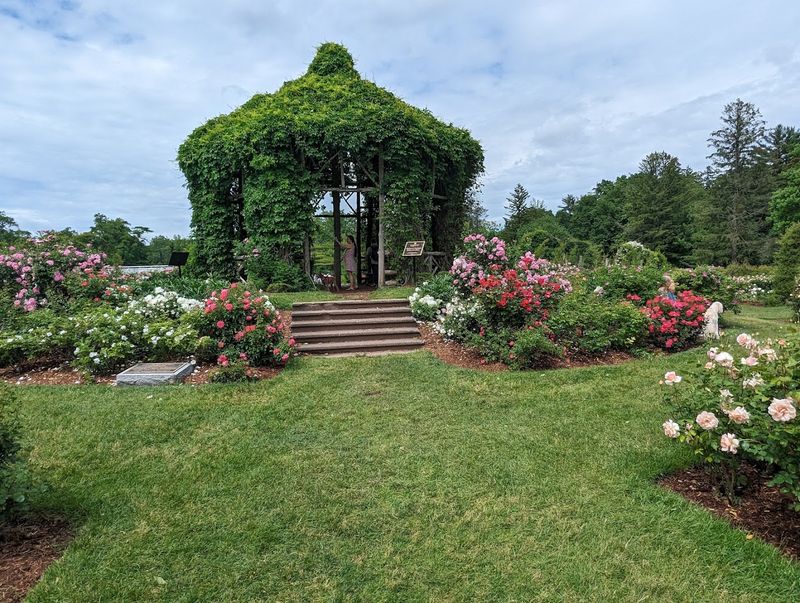
Wide lawns, graceful paths, and layers of color create an atmosphere that feels both grand and welcoming. You can stroll here casually, yet the setting still gives you that satisfying sense of entering somewhere beloved and historic.
In Hartford, Elizabeth Park Conservancy delivers one of Connecticut’s most iconic garden experiences.
The park is known for far more than a single feature, which makes it ideal if you enjoy variety during one visit. Formal plantings, perennial displays, open green spaces, and mature trees make the grounds feel generous rather than crowded.
Even on a busy day, there are plenty of pockets where you can pause and take in the scenery.
What makes this place memorable is its combination of horticultural excellence and public accessibility. You do not need to be a plant expert to appreciate the care behind the design, and you can easily spend an hour or half a day here.
Seasonal events and community support through the conservancy keep the park active, relevant, and beautifully maintained.
If you are seeking relaxation with a touch of classic New England elegance, this is an easy recommendation. It works for solo wandering, dates, photography, or a thoughtful weekend reset.
Elizabeth Park feels timeless in the best possible way.
Elizabeth Park Rose Garden
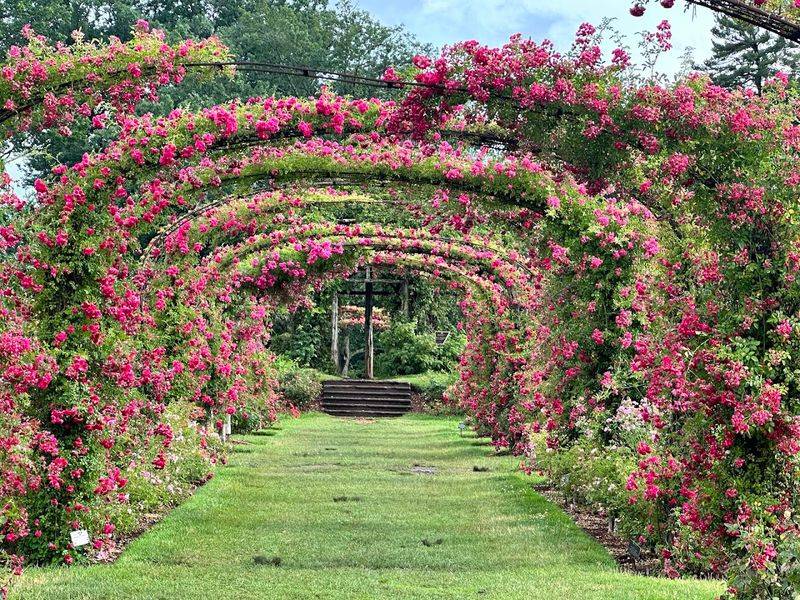
Fragrance reaches you before the full view does, and that first impression is part of the magic. Rows of roses, ordered paths, and elegant structure create a setting that feels romantic without becoming overly polished.
At the heart of Hartford’s Elizabeth Park, the Rose Garden remains one of the state’s most celebrated floral attractions.
This formal garden is often noted as America’s oldest public rose garden, and that history gives the visit extra resonance. Thousands of rose bushes fill the space with color, scent, and subtle differences you start noticing the longer you stay.
If you arrive during peak bloom, the experience can feel almost theatrical in the best sense.
Even if you normally prefer wilder landscapes, the craftsmanship here is hard to resist. The geometry of the beds, the changing palette of varieties, and the surrounding parkland keep it from feeling repetitive.
Bring a camera, but also give yourself time to simply sit nearby and let the atmosphere settle in.
For inspiration, this garden offers an easy lesson in how a single plant can create endless variation. For relaxation, it gives you beauty that does not ask much of you beyond paying attention.
The Rose Garden is classic Connecticut garden visiting at its finest.
Hollister House Garden
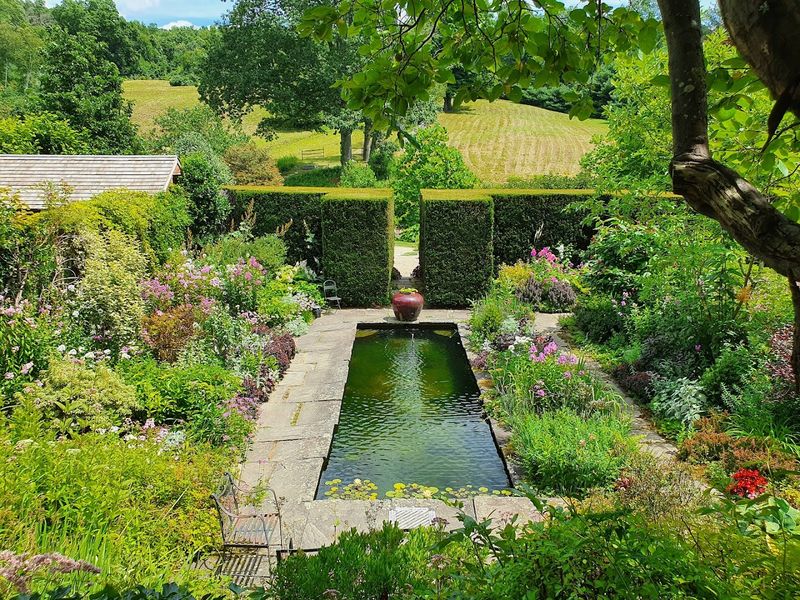
There is a composed, almost storybook quality here that immediately changes the way you look at a landscape. Views feel carefully framed, borders seem painterly, and each space invites slower attention.
In Washington, Hollister House Garden offers one of Connecticut’s most refined and inspiring horticultural experiences.
Inspired by classic English garden design, it balances structure and softness with remarkable confidence. You will find clipped hedges, generous mixed borders, stonework, and transitions that make the whole property feel cohesive rather than decorative.
It is a garden that appeals equally to plant lovers, design enthusiasts, and anyone who appreciates a strong sense of place.
Because the layout is so intentional, even a short visit can feel immersive and memorable. Colors shift through the seasons, but texture and composition carry the experience even when bloom is less dramatic.
Educational programming and the garden’s nonprofit mission add another layer for visitors interested in preservation and design history.
If you leave feeling inspired to rethink your own yard, that is part of the charm. Hollister House does not overwhelm you with size, but it impresses through detail, restraint, and atmosphere.
It is a destination for beauty, yes, but also for deeper garden appreciation.
Connecticut College Arboretum
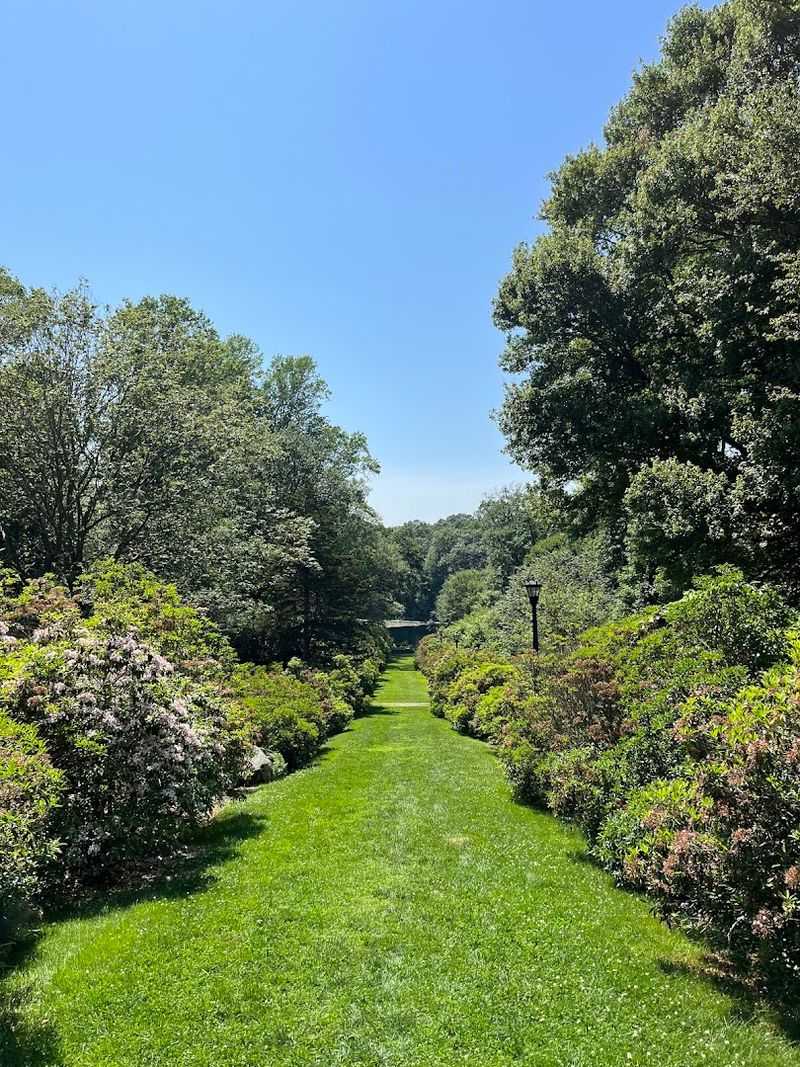
Open space and ecological richness define the experience here long before individual plants come into focus. Instead of one formal showpiece, you get a landscape that encourages wandering, noticing habitats, and thinking about how plants belong together.
In New London, the Connecticut College Arboretum offers a rewarding blend of beauty, science, and quiet exploration.
The arboretum is expansive, with woodland trails, meadows, specialized gardens, and collections that support both visitors and research. You can move from more cultivated areas into places that feel almost wild, which keeps the visit dynamic.
If native plants and conservation matter to you, this is one of the strongest destinations in the state.
What stands out most is the sense that this landscape is alive with purpose. It functions as an educational resource, but it never loses the restorative quality that makes people seek out gardens in the first place.
Birds, seasonal bloom cycles, and changing light make even a repeat visit feel fresh and layered.
This is a great choice when you want more than a quick photo stop. You can walk, reflect, learn, and come away with a deeper appreciation for regional ecology.
The Connecticut College Arboretum feels generous, grounded, and genuinely worth your time.
Marsh Botanical Garden (Yale University)
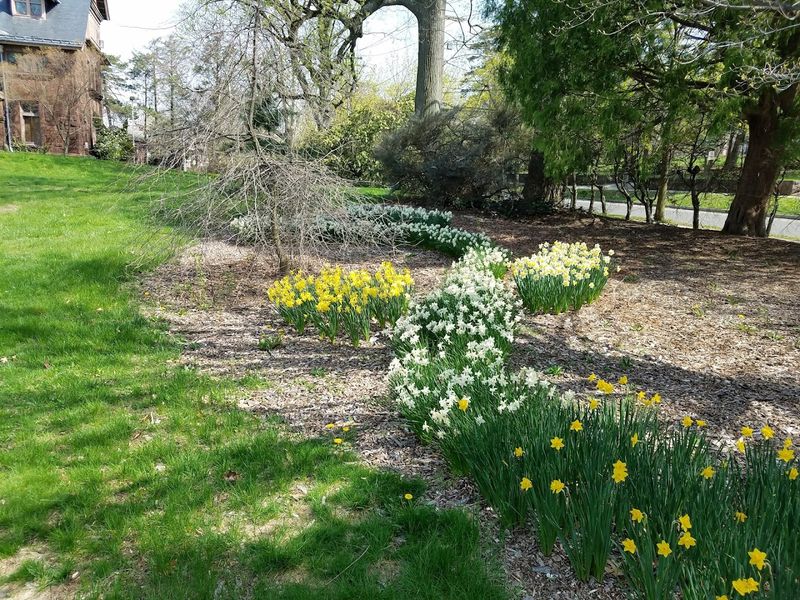
Warm greenhouse air and the sight of unusual foliage create an immediate shift from city energy to botanical focus. Even if your visit is brief, the experience feels intimate, layered, and quietly transportive.
In New Haven, Marsh Botanical Garden at Yale offers a compact but fascinating stop for plant lovers.
Unlike larger outdoor arboretums, this garden excels through curated indoor collections and academic depth. Tropical species, historic greenhouses, and research-driven displays make it especially appealing when you want close-up encounters with plants from different climates.
It is a strong option in colder months, when outdoor gardens can feel dormant or limited.
You do not need a scientific background to enjoy the collection, but the university setting adds intellectual texture. Labels, organization, and the garden’s long history make the visit feel meaningful rather than purely decorative.
Because the space is more focused, you can pay attention to leaf form, growth habits, and the subtle drama of greenhouse environments.
If you appreciate gardens that feel thoughtful, slightly hidden, and rich in detail, Marsh is well worth seeking out. It pairs beautifully with a broader day in New Haven.
The result is restorative, educational, and a little unexpected.
Richard D. Haley Native Plant Wildlife Garden

Pollinators moving from flower to flower give this garden a sense of life that feels immediate and purposeful. Instead of polished formality, you get a landscape that shows how beauty and habitat can work together naturally.
In Hampton, the Richard D. Haley Native Plant Wildlife Garden is a compelling stop for anyone interested in Connecticut’s local ecosystems.
The focus here is on native species and the relationships they support, which makes the experience feel grounded and relevant. You will likely notice birds, bees, butterflies, and changing textures that reveal how carefully these plantings are chosen.
It is especially inspiring if you have ever wondered how your own yard could become more ecologically useful.
Because the garden centers conservation, the visit can feel educational without becoming overly technical. You are seeing plants in a context that highlights resilience, regional identity, and the importance of biodiversity.
That gives the garden a distinctive emotional pull, especially if you value places that do more than simply look attractive.
This is not the kind of destination that overwhelms you with scale, and that is part of its appeal. It offers clarity, inspiration, and a model for more responsible planting.
You leave with ideas, not just photos.
Middletown Nature Gardens
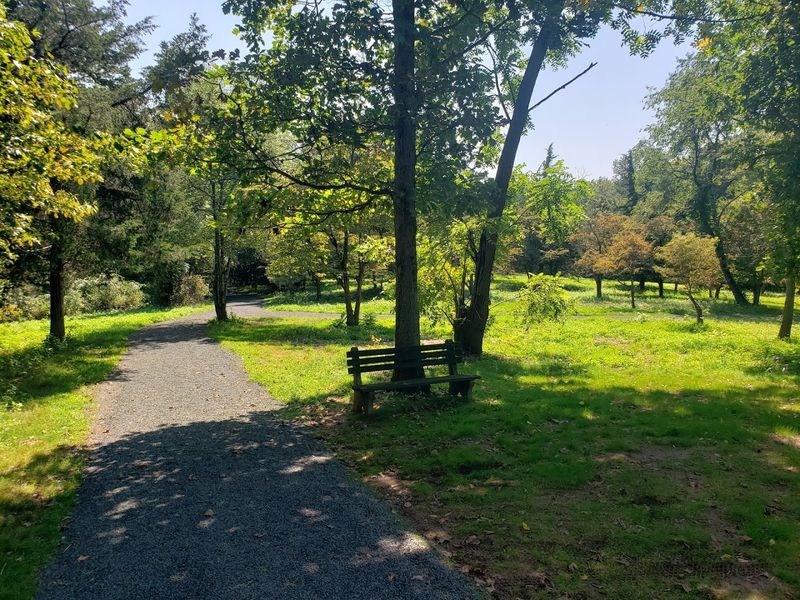
Sometimes the most refreshing garden visits are the ones that feel approachable from the very first step. A smaller scale can make details easier to appreciate, and the atmosphere often feels more personal than grand.
In Middletown, Middletown Nature Gardens offers that kind of easy, restorative experience.
This public garden blends botanical interest with the accessibility of a neighborhood green space. Native plantings, thoughtfully arranged beds, and a calm setting make it pleasant for a short walk, a reflective pause, or a low-key outing with family.
You do not need to plan a whole day around it to feel the benefits of being here.
What makes the garden worthwhile is its simplicity paired with intention. It demonstrates how even modest spaces can support pollinators, provide seasonal beauty, and encourage people to look more closely at the living landscape around them.
That community-centered quality gives the visit warmth and relatability.
If you are building a Connecticut garden itinerary, this stop works well as a quieter complement to the state’s larger destinations. It is especially appealing when you want inspiration you can actually imagine translating to everyday spaces.
Middletown Nature Gardens proves that scale is not everything.
New Haven Botanical Garden of Healing
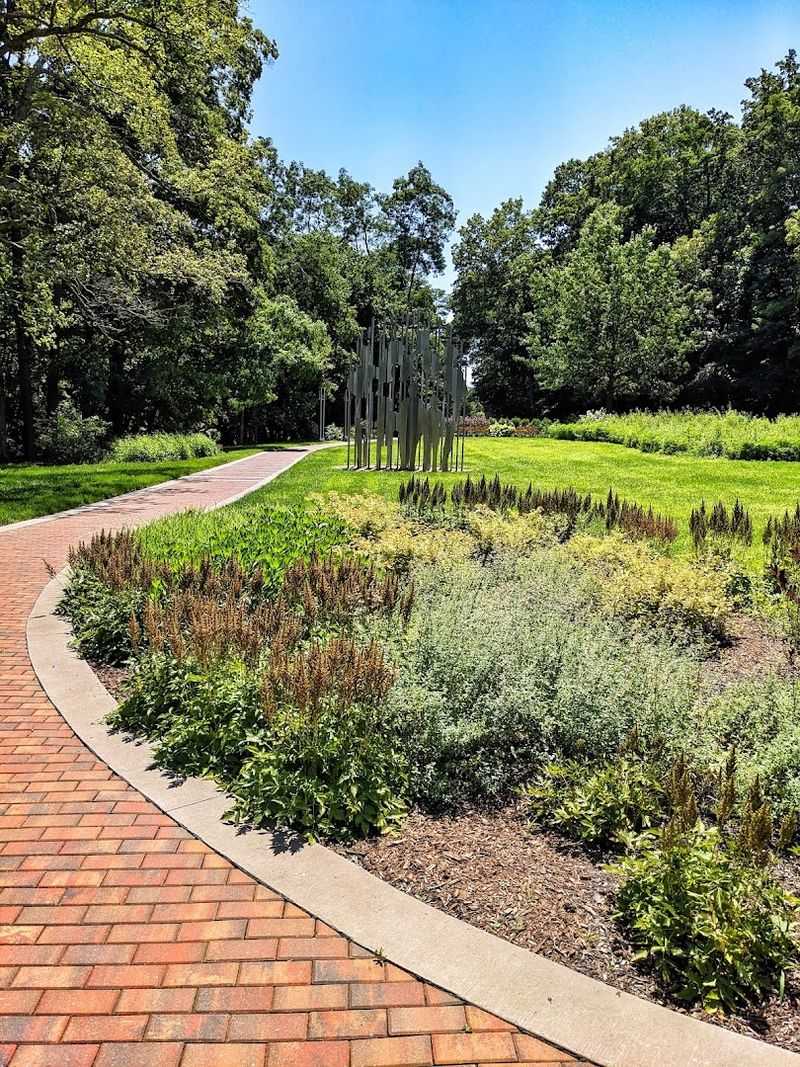
A sense of care shapes the experience here as much as the plantings themselves. The mood is contemplative, welcoming, and rooted in the idea that gardens can support emotional and physical well-being.
In New Haven, the Botanical Garden of Healing offers a thoughtful alternative to more traditional display gardens.
The focus on healing plants and community education gives this space a distinctive identity. You can expect medicinal herbs, culturally meaningful species, and programming that connects botany with wellness, history, and access.
That wider lens makes the visit feel personal and socially relevant, not just visually pleasing.
Because the mission is so central, the garden encourages reflection in a way that many public landscapes do not. You are invited to consider how plants nourish communities, preserve knowledge, and create restorative environments.
Even a brief visit can leave you feeling grounded, especially if you have been craving a quieter and more intentional kind of outing.
This is an especially meaningful stop if you appreciate spaces with heart as well as horticultural value. It may not be the largest garden on this list, but it offers something memorable and sincere.
The Botanical Garden of Healing feels hopeful, rooted, and worth supporting.
UConn Botanical Conservatory
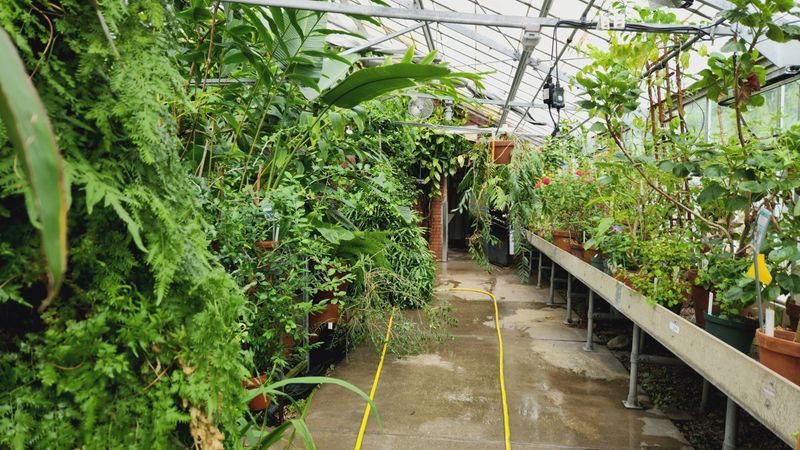
Stepping into a conservatory can feel like changing climates in an instant, and that contrast is part of the appeal here. Dense greenery, warm air, and carefully maintained collections create an experience that feels immersive even on a gray day.
In Storrs, the UConn Botanical Conservatory is a rewarding destination for plant curiosity and year-round inspiration.
Because it serves academic and research purposes, the conservatory offers more than visual appeal alone. Tropical specimens, specialized greenhouse environments, and educational displays give you a chance to engage closely with plant diversity.
It is especially enjoyable when outdoor gardens are between seasons and you still want that sense of lush abundance.
The university setting keeps the atmosphere focused but accessible. You can move through the space at your own pace, noticing unusual forms, textures, and growth habits that rarely appear in everyday landscapes.
For anyone who loves houseplants, botany, or the drama of tropical foliage, this place delivers plenty to look at.
If you are drawn to gardens that combine science with sensory pleasure, this conservatory earns a spot on your list. It is compact, interesting, and pleasantly different from traditional outdoor destinations.
You leave feeling refreshed and a little more observant.
Glebe House Museum & Garden
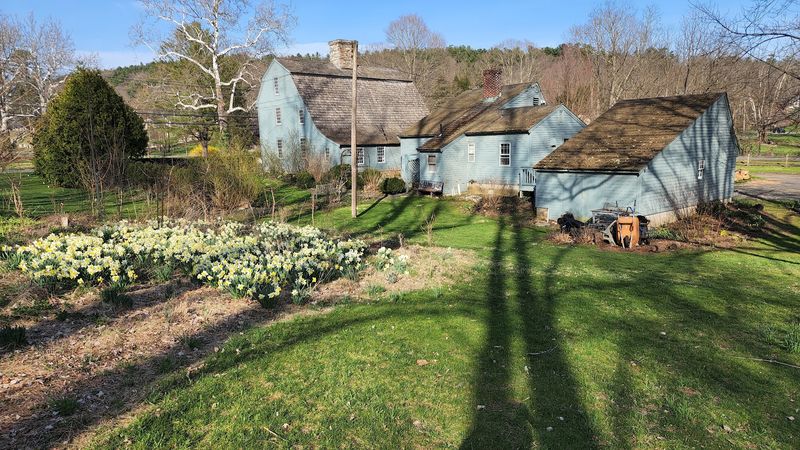
History adds an extra layer of charm when a garden feels connected to the stories of the land around it. Here, the atmosphere is orderly, graceful, and deeply tied to a sense of place.
In Woodbury, Glebe House Museum & Garden invites you into a landscape where horticulture and heritage meet beautifully.
The formal colonial-style garden complements the historic house, making the entire property feel cohesive rather than staged. Paths, beds, and plant choices reflect an older design vocabulary while still offering the pleasure of color, structure, and seasonal change.
It is a particularly appealing stop if you enjoy gardens that tell a cultural story as clearly as they display flowers.
What makes this destination stand out is the way it balances intimacy with historical resonance. You are not navigating a massive estate, so details are easier to absorb and appreciate.
That makes the visit relaxing, while the museum context adds depth for anyone curious about domestic landscapes of earlier eras.
If your ideal outing mixes beauty with a little learning, this garden delivers exactly that. It feels thoughtful, well kept, and pleasantly rooted in Connecticut’s past.
Glebe House is proof that smaller historic gardens can leave a lasting impression.
Connecticut College Arboretum – Caroline Black Garden
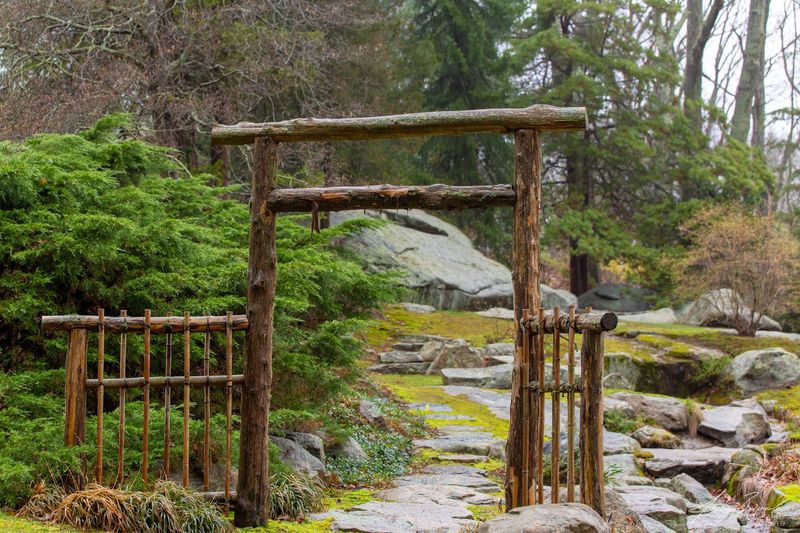
A more intimate garden can sometimes reveal design ideas more clearly than a vast landscape ever could. Here, ornamental planting takes center stage, creating a space that feels deliberate, inviting, and easy to absorb.
Within the Connecticut College Arboretum in New London, the Caroline Black Garden offers a focused burst of cultivated beauty.
This specialized garden contrasts nicely with the broader ecological character of the surrounding arboretum. You will find more formal composition, decorative plant pairings, and a closer look at how color, texture, and structure interact.
That makes it especially satisfying for visitors who enjoy garden design as much as plants themselves.
The scale works in its favor because it encourages slower looking. Seasonal transitions are easier to notice, and individual shrubs, perennials, and layout decisions become part of the experience.
It is the kind of place where you may leave with notes or photos because the combinations feel both inspiring and achievable.
If you want a garden stop that feels polished without losing warmth, this one deserves attention. It pairs perfectly with a longer visit to the larger arboretum, but it also stands on its own.
Caroline Black Garden is elegant, accessible, and quietly memorable.
Walnut Hill Park Rose Garden
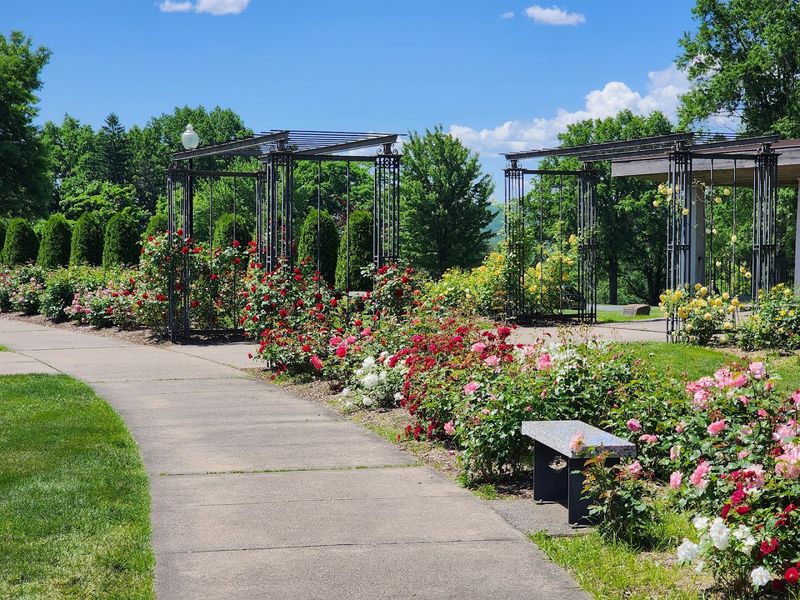
Formal roses have a way of creating instant charm, especially when they are woven into a well-loved public park. The mood here is classic, colorful, and pleasantly unhurried.
In New Britain, the Walnut Hill Park Rose Garden offers a simple but rewarding garden visit.
Set within one of the city’s historic green spaces, the rose garden brings structure and seasonal drama to the larger park landscape. You can admire carefully maintained beds, enjoy the fragrance during bloom, and then continue walking through surrounding lawns and mature trees.
That makes the stop feel balanced rather than overly specialized.
This garden works particularly well if you appreciate accessible places that do not require extensive planning. It is easy to pair with a casual outing, yet it still delivers the visual satisfaction people hope for in a rose garden.
When the flowers are at their peak, the combination of color and form feels undeniably uplifting.
If you are building a list of Connecticut rose destinations, this one deserves inclusion for both charm and setting. It may not be the largest or most famous, but it offers a welcoming experience with plenty of beauty.
Walnut Hill Park Rose Garden is low pressure, lovely, and worth your time.
Pardee Rose Gardens
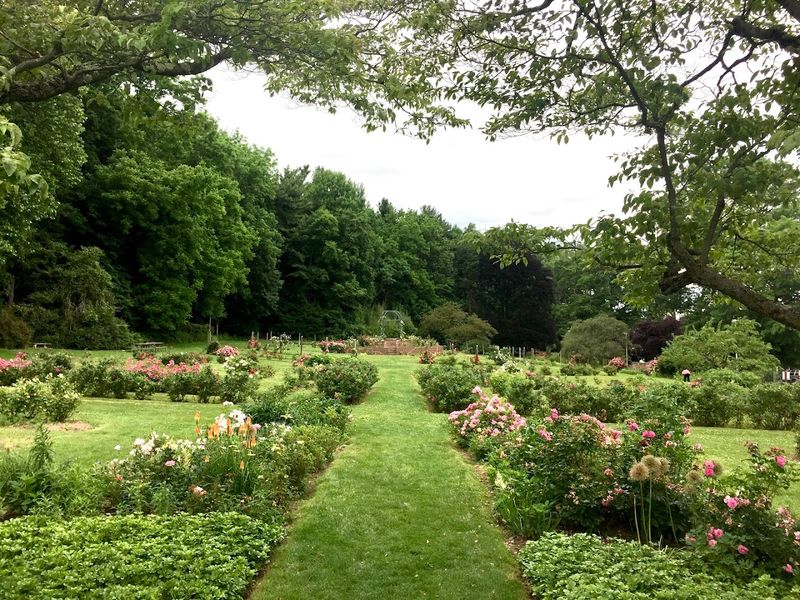
The Pardee Rose Garden, located in Hamden within the greater New Haven Parks system, is one of Connecticut’s most historic and visually striking formal gardens. Established in 1922, the garden was created through a bequest from William S.
Pardee as a living memorial to his mother. It sits within the East Rock Park system and is maintained by the City of New Haven’s Parks, Recreation, and Trees Department.
The garden is best known for its extensive collection of roses that bloom from late spring through mid-fall, showcasing one of the finest public rose displays in Connecticut. Carefully designed beds feature a wide variety of rose cultivars, creating a colorful and fragrant landscape that attracts both casual visitors and horticulture enthusiasts.
A signature feature of the garden is its raised, tiered arbor structure, often compared to a decorative “wedding cake” design. This structure, along with the surrounding stonework and pathways, makes the garden a popular location for photography, weddings, and quiet walks.
The Pardee Rose Garden also includes a Pardee Greenhouse and horticultural center, which supports plant care, seasonal displays, and educational programming. It functions not only as a public display garden but also as a preserved historical landscape.
Overall, the garden combines horticultural beauty, historical significance, and community recreation, making it one of New Haven’s most cherished green spaces.