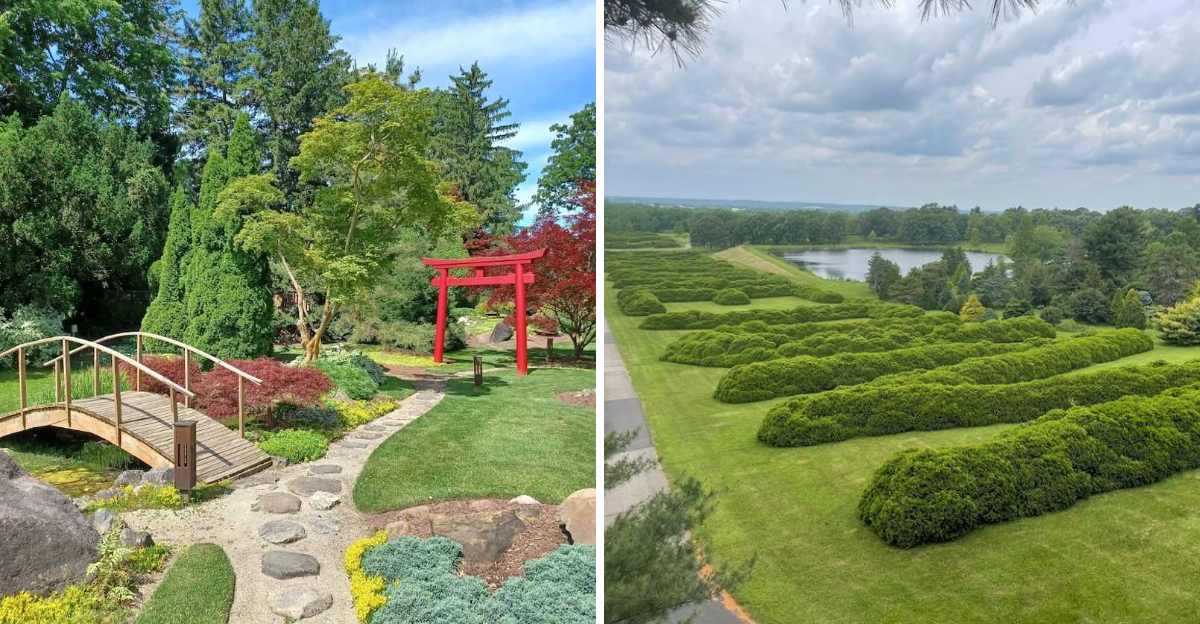
Ohio does not do flower season halfway.
One month it is tulips exploding in every direction. The next it is roses climbing over stone walls, lilies opening wide, and gardens so full of color they barely look real.
These botanical escapes change with the calendar, turning every visit into something completely different. Spring wakes everything up in a rush.
Summer piles on thick petals and sweet scents. Fall trades blossoms for blazing leaves that stop you in your tracks.
Some are tucked inside busy cities. Others feel like secret worlds where time slows down and the only thing on your schedule is wandering.
If you think Ohio is all farmland and football, these twelve botanical gardens are about to prove you very, very wrong.
Franklin Park Conservatory and Botanical Gardens (Columbus)
Columbus residents know this conservatory as a year-round celebration of plant life. The massive glasshouses shelter rotating exhibitions that change with every season, ensuring visitors always discover something new.
Palm trees reach toward glass ceilings while exotic orchids bloom in carefully controlled climates.
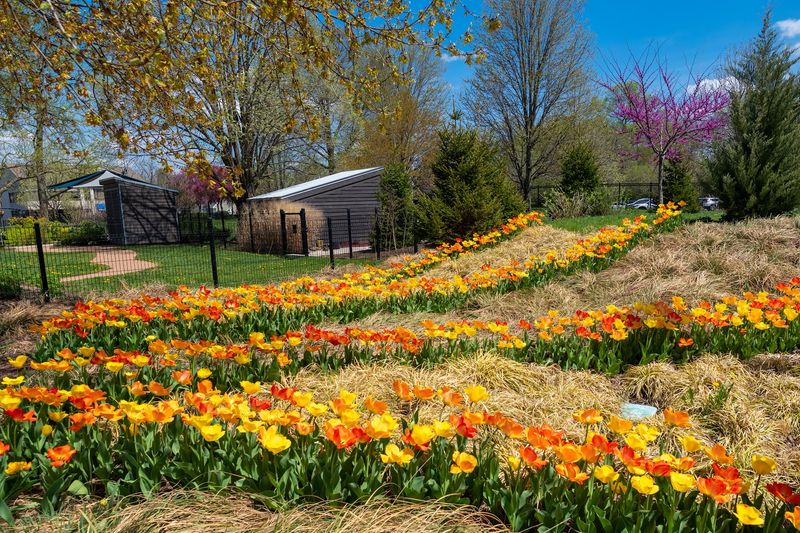
Spring transforms the grounds into a sea of color when thousands of tulips and daffodils burst open. Summer brings lush tropical displays that transport you to faraway rainforests.
Even winter visitors enjoy warmth inside the glass structures, surrounded by blooming plants while snow falls outside.
The conservatory’s commitment to horticultural excellence shows in every carefully planned display. Educational programs teach visitors about plant conservation and sustainable gardening practices.
Special events like the Blooms and Butterflies exhibition create magical experiences where nature comes alive. Local artists often collaborate with horticulturists to create installations that blend natural beauty with human creativity, making each visit feel fresh and inspiring for both first-timers and regular guests.
Cleveland Botanical Garden (Cleveland)
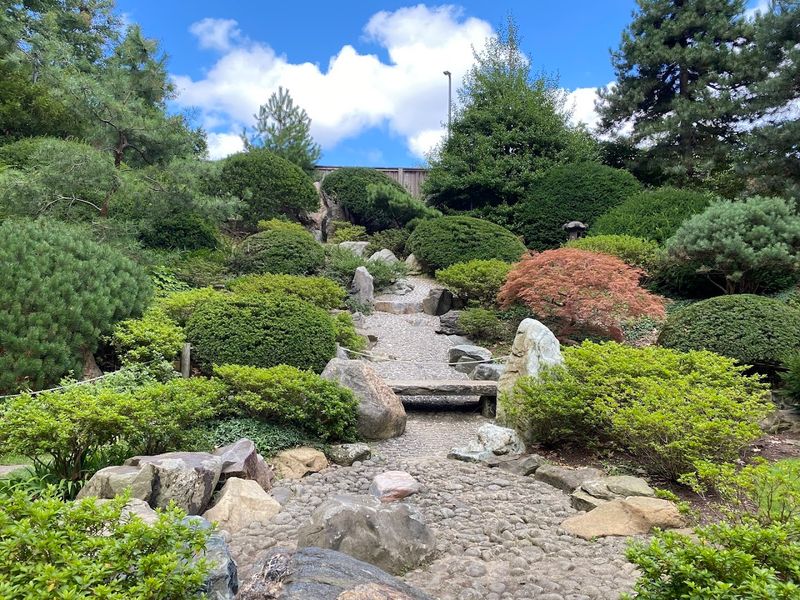
Nestled in Cleveland’s cultural heart, this botanical treasure combines urban sophistication with natural wonder. University Circle provides the perfect backdrop for gardens that shift from formal European designs to wild woodland trails.
Two massive glass biomes house ecosystems from Madagascar and Costa Rica, complete with exotic birds and butterflies.
The rose garden becomes absolutely breathtaking during peak bloom season. Hundreds of varieties fill the air with sweet fragrance from late spring through fall.
Woodland paths wind through native Ohio plants, offering quieter spaces for contemplation and nature observation.
What sets this garden apart is how it balances education with entertainment. Children explore the Hershey Children’s Garden while adults appreciate sophisticated landscape design.
The outdoor spaces change dramatically with Ohio’s seasons, from delicate spring blossoms to bold autumn colors. Membership programs encourage regular visits throughout the year, letting locals witness the complete transformation cycle.
Whether you’re seeking romantic strolls or family adventures, this garden delivers memorable experiences.
Holden Arboretum (Kirtland)
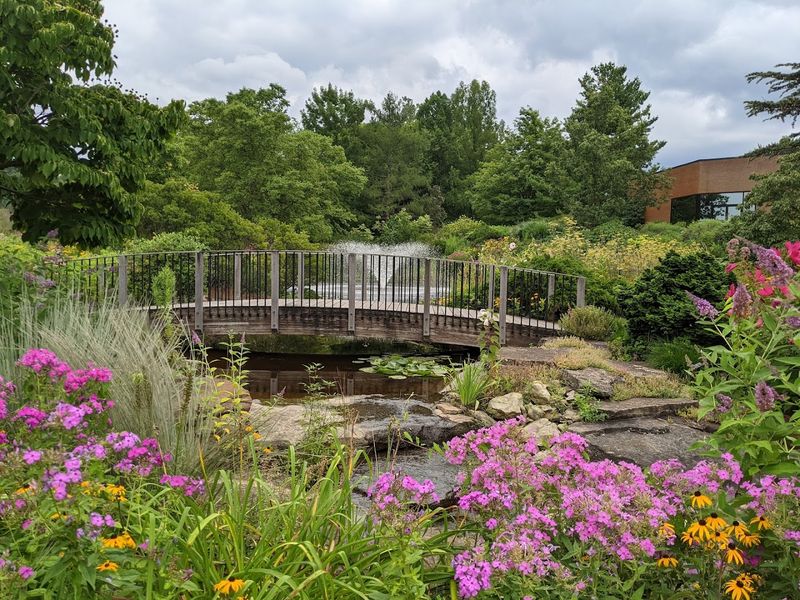
Imagine exploring 3,500 acres of flowering forests and curated gardens. Holden Arboretum stretches across northeastern Ohio, offering both wild beauty and carefully designed plant collections.
This massive natural sanctuary proves that bigger really can be better when it comes to botanical diversity.
Spring awakens the arboretum with spectacular lilac displays that perfume entire hillsides. Rhododendrons create colorful tunnels along walking trails.
Native wildflowers carpet forest floors in delicate patterns that change week by week throughout the growing season.
The arboretum’s size means you can visit multiple times without covering the same ground. Canopy walks lift visitors into treetops for bird’s-eye views of seasonal color changes.
Fall brings stunning foliage as thousands of trees turn brilliant shades of red, orange, and gold. Educational programs teach sustainable forestry and native plant gardening.
Photographers love the diverse landscapes, from open meadows to dense woodlands. Every season offers different reasons to explore these expansive grounds, making annual memberships worthwhile for nature enthusiasts.
Cincinnati Zoo & Botanical Garden (Cincinnati)
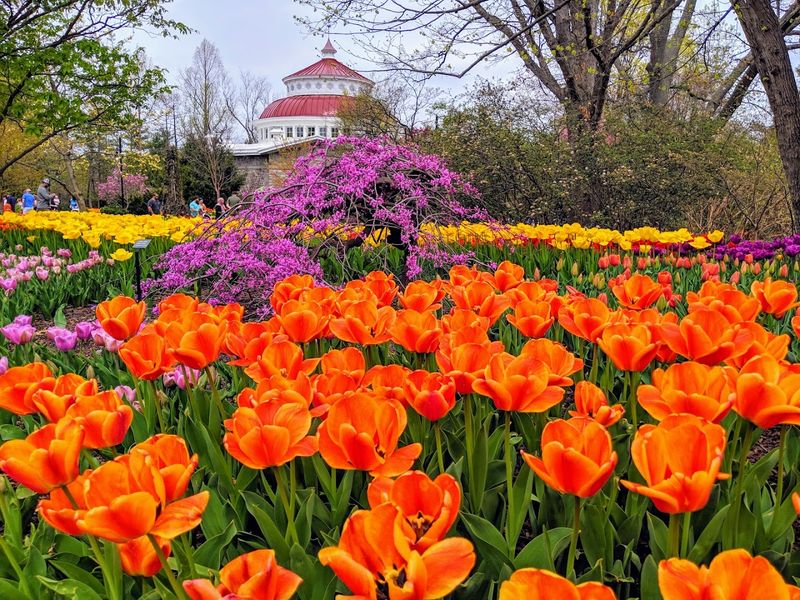
Did you know only two Ohio institutions hold dual accreditation as both zoo and botanical garden? This Cincinnati landmark achieves excellence in both areas, but its springtime flower show truly steals hearts.
Zoo Blooms transforms the grounds into Ohio’s most spectacular tulip display every April and May.
Over 100,000 tulips create rivers of color flowing between animal exhibits. A million spring bulbs ensure continuous blooming throughout the season.
Families enjoy the unique combination of wildlife viewing and botanical beauty, making single visits doubly rewarding.
The garden sections feature carefully planned perennial beds that provide color beyond spring. Tropical plants thrive in conservatory spaces near primate exhibits.
Butterfly gardens attract pollinators throughout summer months. What makes this destination special is how horticulture and zoology complement each other, creating educational opportunities about ecosystems and biodiversity.
Children learn that gardens support animal life while adults appreciate sophisticated landscape design. The zoo’s commitment to plant conservation mirrors its animal protection efforts, demonstrating environmental stewardship across multiple fronts.
Fellows Riverside Gardens (Youngstown)
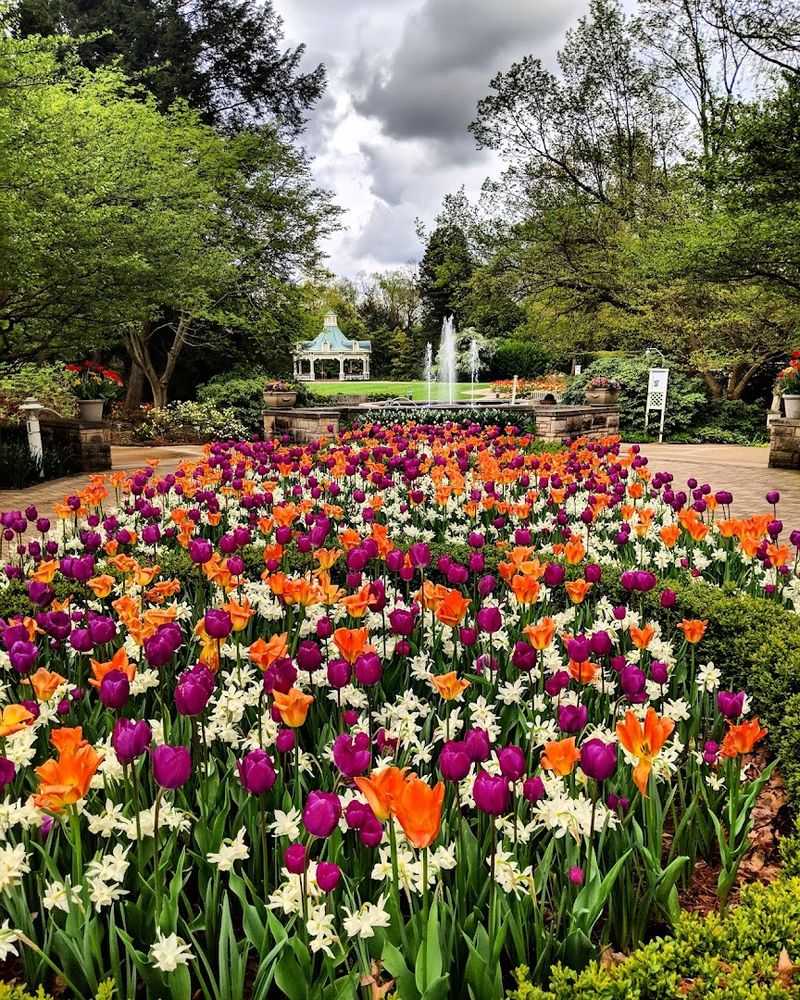
Free admission opens these professionally designed gardens to everyone in the Youngstown community. Located within Mill Creek MetroParks, Fellows Riverside Gardens proves that world-class horticulture doesn’t require expensive tickets.
Beautifully maintained beds showcase what’s possible in northeastern Ohio’s climate.
Rose enthusiasts make pilgrimages here during peak bloom season. Hybrid teas, floribundas, and climbing varieties fill terraced beds with color and fragrance.
Perennial borders provide seasonal interest from early spring bulbs through late autumn chrysanthemums.
Thousands of spring bulbs announce winter’s end with cheerful displays. The gardens change personality as seasons progress, rewarding repeat visitors with fresh perspectives.
Victorian-style formal layouts create Instagram-worthy backdrops for wedding photos and family portraits. Master gardeners often volunteer here, offering free advice to home gardeners seeking tips.
Educational programs teach sustainable practices and native plant selection. The gardens’ location within a larger park system means you can combine flower viewing with hiking, picnicking, or birdwatching.
This accessibility makes Fellows Riverside Gardens a true community treasure that everyone can enjoy.
Krohn Conservatory (Cincinnati)
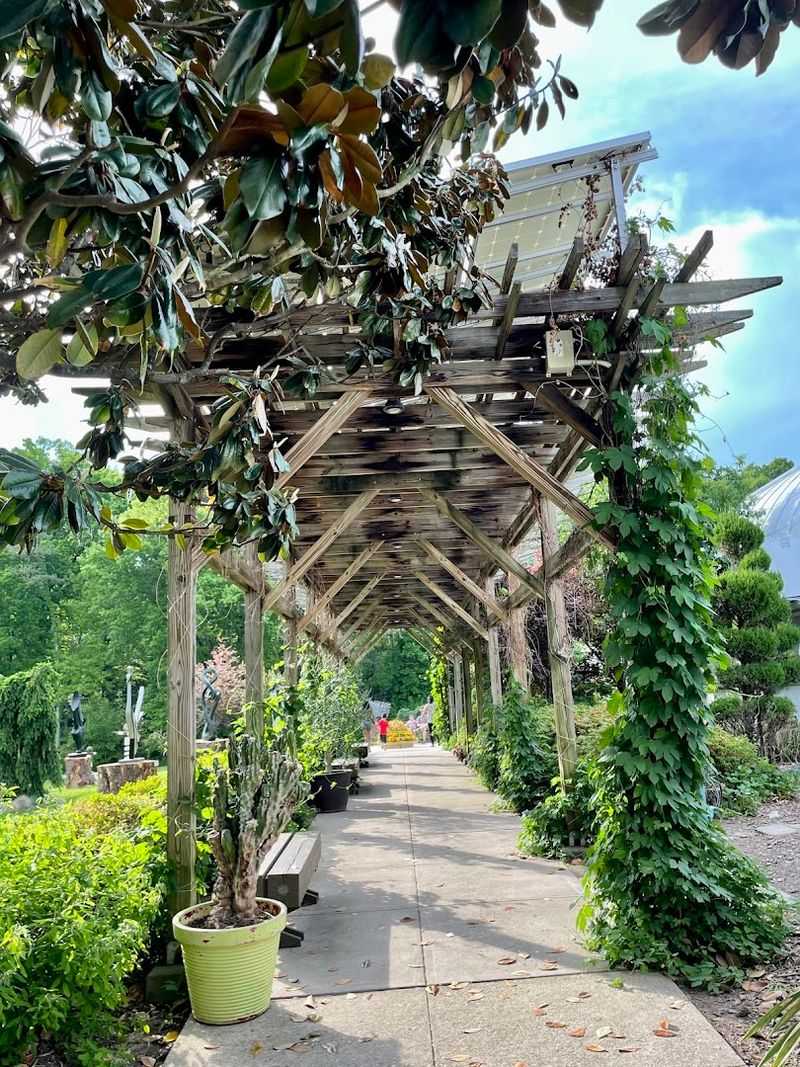
Step into Cincinnati’s Art Deco masterpiece and leave Ohio’s weather behind. Since 1933, this historic conservatory has sheltered tropical plants and seasonal exhibitions under its graceful glass domes.
The building itself deserves appreciation before you even notice the thousands of plants inside.
Butterfly shows create magical moments when colorful wings flutter among exotic blooms. Tropical collections transport visitors to distant rainforests without passport requirements.
Seasonal exhibitions rotate throughout the year, featuring everything from Easter lilies to poinsettia displays.
Winter visits feel especially rewarding when cold winds blow outside but orchids bloom inside. The conservatory’s climate-controlled rooms maintain perfect conditions for plants from around the world.
Cacti and succulents thrive in desert environments recreated under glass. Palm trees stretch toward skylights in the tropical house.
Educational signage teaches botanical diversity and conservation importance. The historic architecture adds cultural value beyond horticultural interest, making this both natural attraction and architectural landmark.
Photographers capture stunning images where vintage design meets living beauty, creating timeless compositions that celebrate Cincinnati’s commitment to preserving this botanical treasure.
Chadwick Arboretum & Learning Gardens (Columbus)
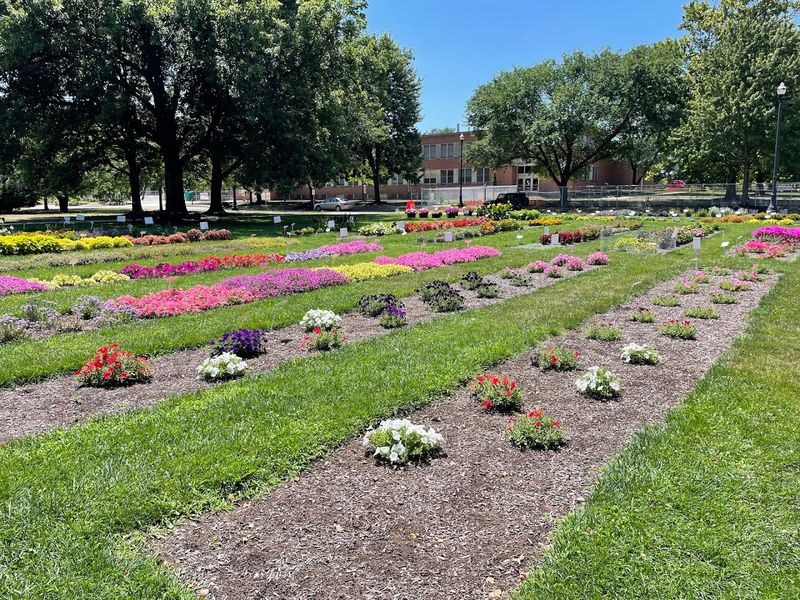
Ohio State University manages these educational gardens where horticultural students learn alongside visiting public. The academic connection ensures cutting-edge gardening practices and plant trials benefit both researchers and home gardeners.
Walking these paths feels like attending outdoor classroom sessions about successful gardening.
Spring magnolias create stunning displays that rival any commercial botanical garden. Summer perennials demonstrate what thrives in central Ohio’s climate.
Each garden bed serves as living laboratory, testing varieties and techniques that gardeners can replicate at home.
The arboretum blends ornamental beauty with practical education seamlessly. Native plant collections showcase Ohio’s indigenous species and their landscape potential.
Trial gardens evaluate new cultivars before they reach retail markets. Students conduct research while visitors enjoy the colorful results.
Educational programs share scientific knowledge in accessible formats. Seasonal workshops teach skills like pruning, propagation, and pest management.
What makes Chadwick special is this combination of beauty and practical learning. Home gardeners leave inspired with specific ideas they can implement.
The university setting ensures constant innovation and fresh approaches to landscape design.
Schedel Arboretum & Gardens (Elmore)
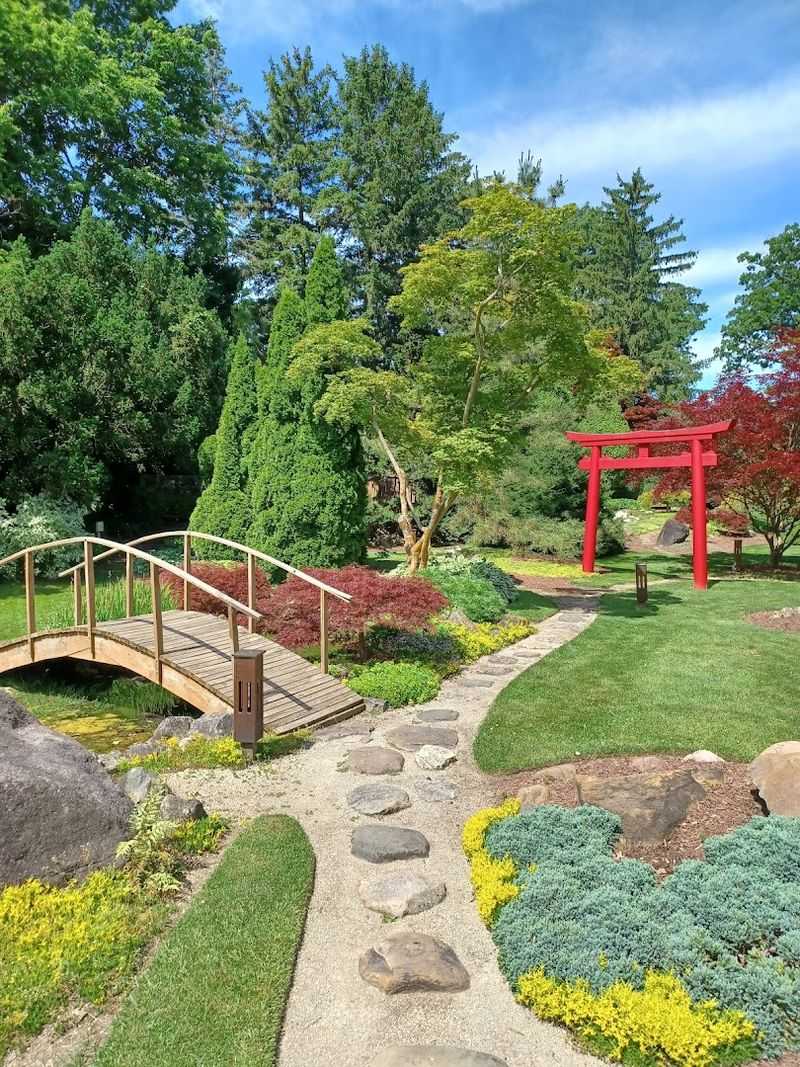
Near Toledo sits a hidden treasure that many Ohioans have yet to discover. Japanese design principles guide the layout of these tranquil gardens where peaceful contemplation accompanies seasonal beauty.
Schedel represents what passionate private collectors can create when they dedicate resources to horticultural excellence.
Asian-inspired landscaping creates serene environments perfect for stress relief. Stone pathways wind through carefully pruned shrubs and specimen trees.
Water features add soothing sounds to the visual feast of seasonal color changes.
Spring brings delicate blossoms that celebrate renewal in traditional Japanese style. Summer’s lush greens provide cooling shade and textural interest.
Autumn transforms the gardens into tapestries of warm colors that rival New England’s famous foliage. Even winter visits reveal the bones of good design through bare branches and evergreen structure.
The intimate scale encourages slow exploration and mindful observation. Unlike larger attractions, Schedel offers quiet moments where nature’s details become apparent.
Photography enthusiasts capture artistic compositions inspired by Eastern aesthetics. This underrated destination deserves wider recognition for its unique approach to midwestern botanical gardening.
Kingwood Center Gardens (Mansfield)
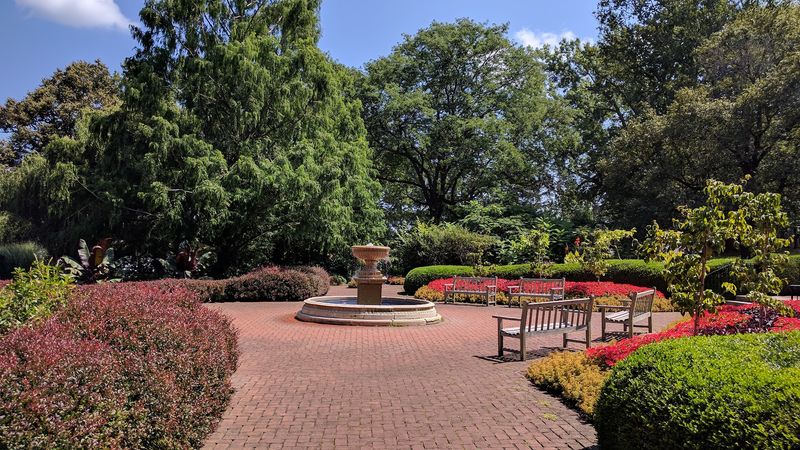
Elegance defines every corner of these Mansfield gardens where formal design meets horticultural expertise. The historic estate’s terraced landscapes cascade downhill in precisely planned arrangements that photograph beautifully from every angle.
Kingwood represents old-world garden sophistication adapted to Ohio’s climate and seasons.
Peony collections draw crowds during early summer bloom season. Hundreds of varieties showcase why these flowers earned the nickname “queen of the garden.” Formal beds maintain their structured beauty throughout growing seasons as different plants take center stage.
Spring bulbs announce the gardening year with coordinated color schemes. Summer perennials continue the show with sophisticated plant combinations.
The estate’s history adds cultural context to natural beauty, creating destinations that satisfy multiple interests. Interior spaces showcase floral arrangements and horticultural art.
Educational programs teach garden design principles and plant selection strategies. The mansion tour reveals how wealthy families once integrated gardens into daily life.
Wedding photography clients book sessions here regularly, drawn by romantic backdrops and professional maintenance. Kingwood’s commitment to excellence shows in every perfectly edged bed and properly pruned shrub.
Wegerzyn Gardens MetroPark (Dayton)
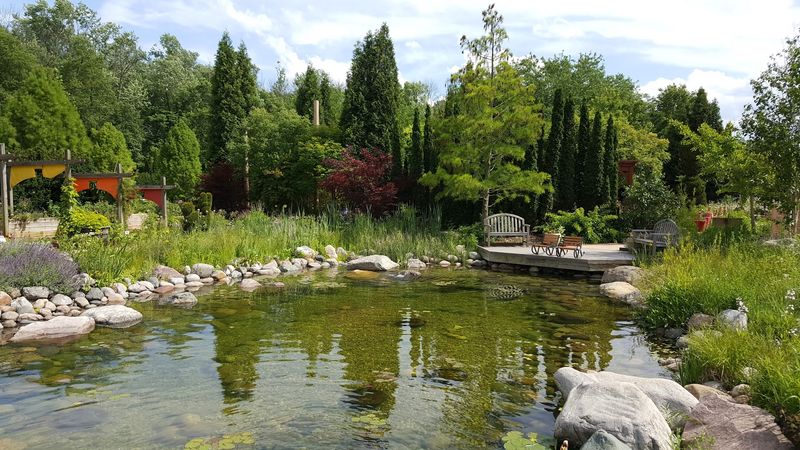
Dayton’s best-kept secret hides within its MetroParks system. Wegerzyn combines multiple garden themes into one accessible location where families discover nature’s diversity.
From manicured formal spaces to wild prairie plantings, these gardens demonstrate various landscaping approaches suitable for different purposes.
Themed areas let visitors compare Victorian, cottage, and modern garden styles. Children’s sections engage young minds with interactive plantings and educational features.
Native prairie gardens showcase Ohio’s original landscape before agricultural development.
Spring bulbs give way to summer’s pollinator gardens buzzing with beneficial insects. Late summer brings prairie wildflowers in full glory.
The variety ensures something interesting blooms from April through October. Educational programming emphasizes native plants and sustainable gardening practices.
Families enjoy picnic areas surrounded by seasonal beauty. The MetroPark setting means free parking and easy access for all ability levels.
What distinguishes Wegerzyn is its commitment to both beauty and ecological responsibility. Gardens demonstrate how landscaping can support local wildlife while pleasing human senses.
Monarch butterfly gardens provide critical habitat during migration seasons. This hidden gem rewards exploration with surprises around every bend.
The Dawes Arboretum (Newark)
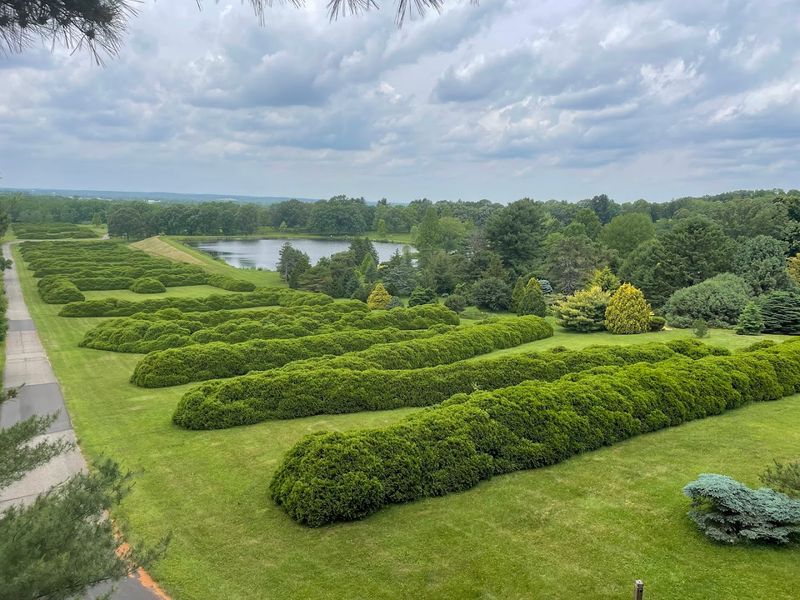
Nearly 2,000 acres make Dawes one of Ohio’s most extensive botanical collections. This Newark treasure houses thousands of tree species and flowering plants across landscapes that transition from formal gardens to natural forests.
Four-season interest keeps visitors returning throughout the year for completely different experiences.
Cherry blossom season transforms sections into pink and white wonderlands. Azalea collections rival botanical gardens much farther south.
Autumn foliage displays compete with any New England destination, featuring spectacular maples, oaks, and uncommon tree species.
The arboretum’s size allows specialized collections that smaller gardens cannot accommodate. Conifer collections demonstrate evergreen diversity beyond basic pines and spruces.
Holly varieties show unexpected range within single plant families. Educational trails teach tree identification and forest ecology.
Auto tours let less mobile visitors experience distant sections comfortably. Seasonal events celebrate spring ephemerals, summer blooms, and autumn colors.
Research programs advance understanding of climate adaptation and disease resistance. What makes Dawes exceptional is combining scientific research with public access.
Visitors benefit from expert knowledge while enjoying beautiful landscapes designed for exploration and discovery.
Stan Hywet Hall & Gardens (Akron)
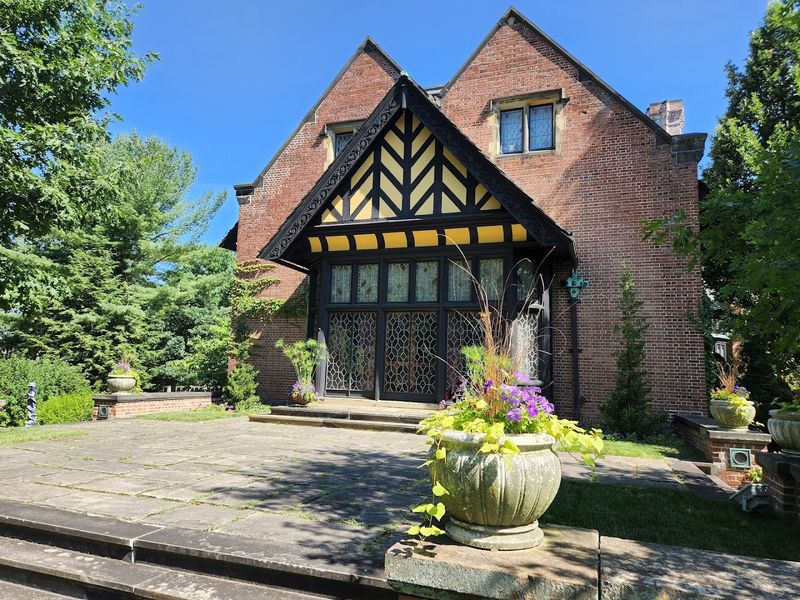
While technically a historic estate, Stan Hywet’s gardens rival dedicated botanical institutions in quality and scope. The Seiberling family created English-inspired landscapes that continue thrilling visitors a century later.
Meticulous maintenance preserves original design intentions while adapting plantings to modern horticultural standards.
Spring bulb displays carpet formal gardens in coordinated color waves. Summer rose gardens perfume the air while showcasing both antique and modern varieties.
The English Walled Garden creates intimate spaces where perennials bloom in carefully planned succession.
What separates Stan Hywet from typical tourist attractions is its horticultural authenticity. Gardens reflect serious plant collecting and landscape architecture from America’s Gilded Age.
Original design drawings guide restoration efforts, ensuring historical accuracy. Seasonal bedding plants maintain continuous color from spring through fall frost.
The mansion tour provides context for understanding how wealthy families integrated gardens into social life. Garden tours led by knowledgeable docents reveal design secrets and plant histories.
Photography workshops teach composition using garden backdrops. This combination of history, architecture, and horticulture creates rich experiences that satisfy diverse interests beyond simple flower viewing.