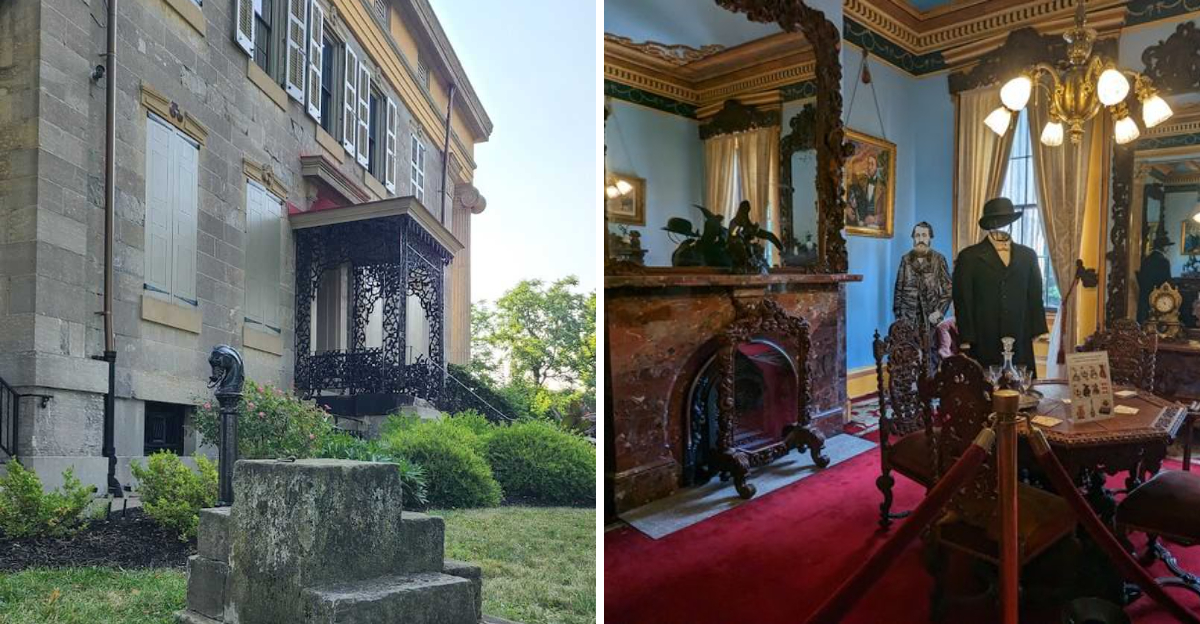
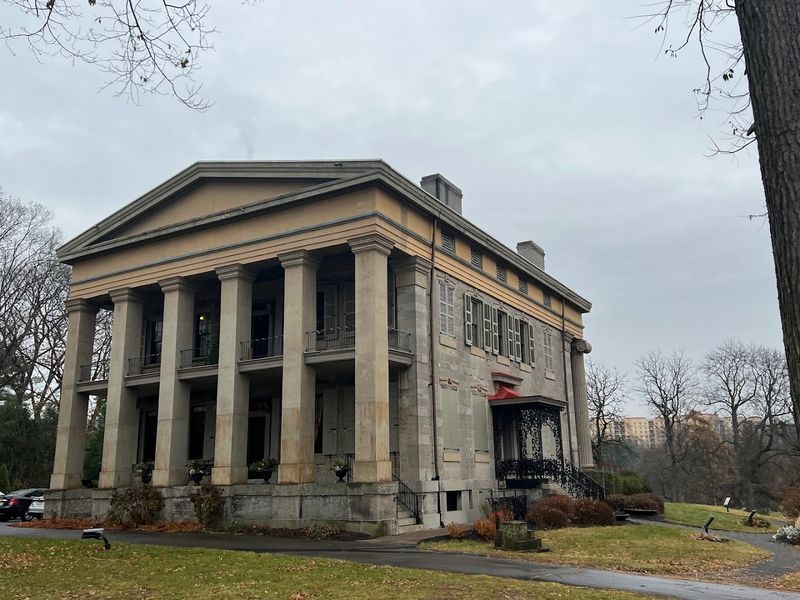
A stone mansion rises from the hills of Altoona like a frozen piece of the iron age.
Baker Mansion carries the weight of ambition, smoke, and fortune built in Pennsylvania’s booming 1800s iron industry.
Elias Baker, an ironmaster with a sharp eye for opportunity, turned molten ore into a powerful legacy. His success didn’t just build wealth—it shaped a home meant to impress anyone who walked through its doors.
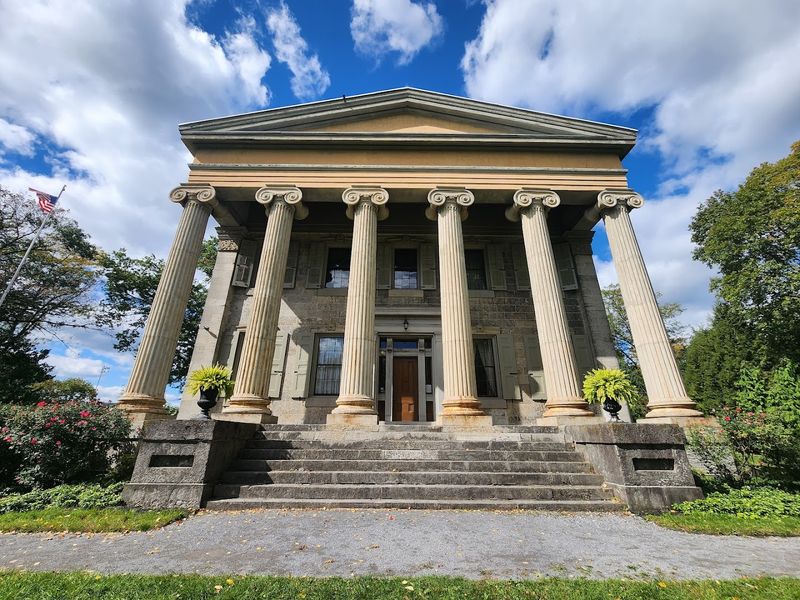
Towering columns, thick stone walls, and grand rooms still echo the era when iron ruled the region.
This wasn’t just a family residence—it was a statement carved in stone during America’s industrial rise.
Step inside today, and the past still lingers in the halls, where industry, family, and history still feel tightly bound together.
Ironmaking Roots of the Baker Family
Long before the mansion rose from the Pennsylvania hillside, Elias Baker was just another ambitious businessman chasing opportunity. Central Pennsylvania in the 1830s buzzed with industrial energy, and iron was the ticket to wealth.
The region had everything needed for success: rich iron ore deposits hidden in the mountains, endless forests for fuel, and new roads connecting markets.
Baker saw his chance when he got involved with the Allegheny Furnace near what would become Altoona. Back then, furnaces lit up the night sky with orange flames while workers transformed raw ore into valuable iron.
These operations were loud, hot, and dangerous, but they represented the future of American manufacturing.
Pennsylvania’s industrial corridor was expanding rapidly, and Baker positioned himself right in the middle of it. His timing couldn’t have been better.
The state was hungry for iron to build railroads, bridges, and buildings. What started as a risky business venture would eventually fund one of the most impressive homes in the region.
Purchase of Allegheny Furnace (1836)
Picture this: two businessmen shaking hands in 1836, making a deal that would change their lives forever. Elias Baker partnered with Roland Diller to buy ownership in the Allegheny Furnace, a bold move that required serious cash and even more courage.
Industrial ventures were risky business in those days, with prices swinging wildly and competition fierce.
The furnace wasn’t just some small operation. It represented cutting-edge technology for the time, with massive stone structures housing blazing fires hot enough to melt rock into liquid metal.
Owning such a facility instantly elevated Baker’s status among Pennsylvania’s growing class of industrial entrepreneurs.
This purchase became the financial foundation for everything that followed. The furnace churned out iron products that found buyers across the expanding nation.
As profits rolled in, Baker’s vision grew larger. He began dreaming of a home that would reflect his newfound position among the industrial elite, a mansion worthy of an ironmaster’s success and ambition.
Expansion During Pennsylvania’s Industrial Boom
The 1830s and 1840s were Pennsylvania’s golden age of industrial growth, and timing was everything. New canals carved through the landscape like liquid highways, while early railroads started laying track across the state.
For iron producers like Baker, these transportation improvements were absolute game-changers.
Before canals and railroads, getting heavy iron products to distant markets was nearly impossible. Wagons could only carry so much, and rough roads made travel slow and expensive.
But suddenly, barges could haul tons of iron down waterways, and trains promised even faster delivery.
Baker’s operations flourished as Pennsylvania became America’s iron powerhouse. His furnace products could now reach Philadelphia, Baltimore, and beyond.
The Juniata Valley region transformed from quiet farmland into an industrial hub, with smoke from multiple furnaces rising above the trees. Competition increased too, but so did demand.
America was building itself from the ground up, and Pennsylvania iron was literally the foundation of that growth, making fortunes for those smart enough to capitalize on it.
Decision to Build a Grand Ironmaster’s Home
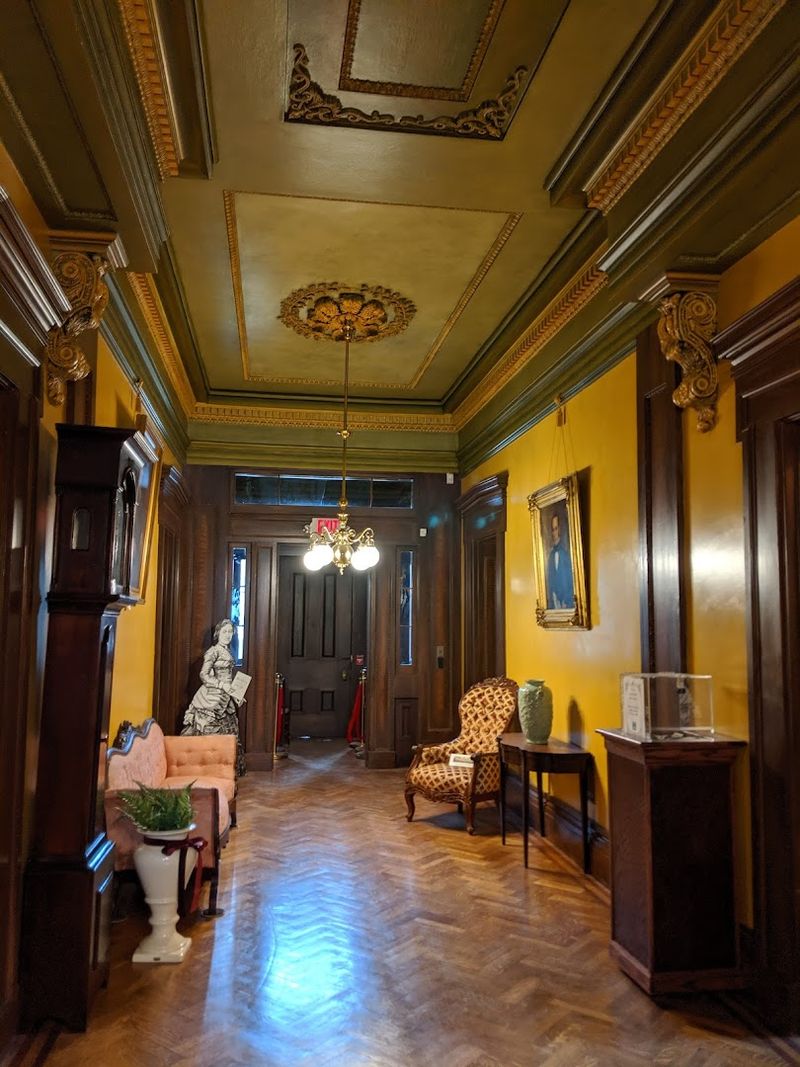
Success demanded a statement, and Baker knew it. By the early 1840s, his iron business had made him wealthy beyond his early dreams, but he still lacked the one thing that would cement his status: a magnificent home.
Other industrial barons were building impressive estates, and Baker refused to be outdone.
The mansion wasn’t just about showing off, though that certainly played a part. It represented everything Baker had achieved through hard work and smart business decisions.
In an era when your home reflected your place in society, a grand residence told the world you had arrived among the elite.
Baker chose a prominent location in the Juniata Valley where his mansion would be visible and admired. The house would serve multiple purposes: a comfortable family residence, a symbol of industrial success, and a testament to what American entrepreneurship could achieve.
He wanted visitors to gasp when they first saw it, understanding immediately that the owner was someone important, someone who had mastered the iron economy.
Construction of Baker Mansion (1844–1849)
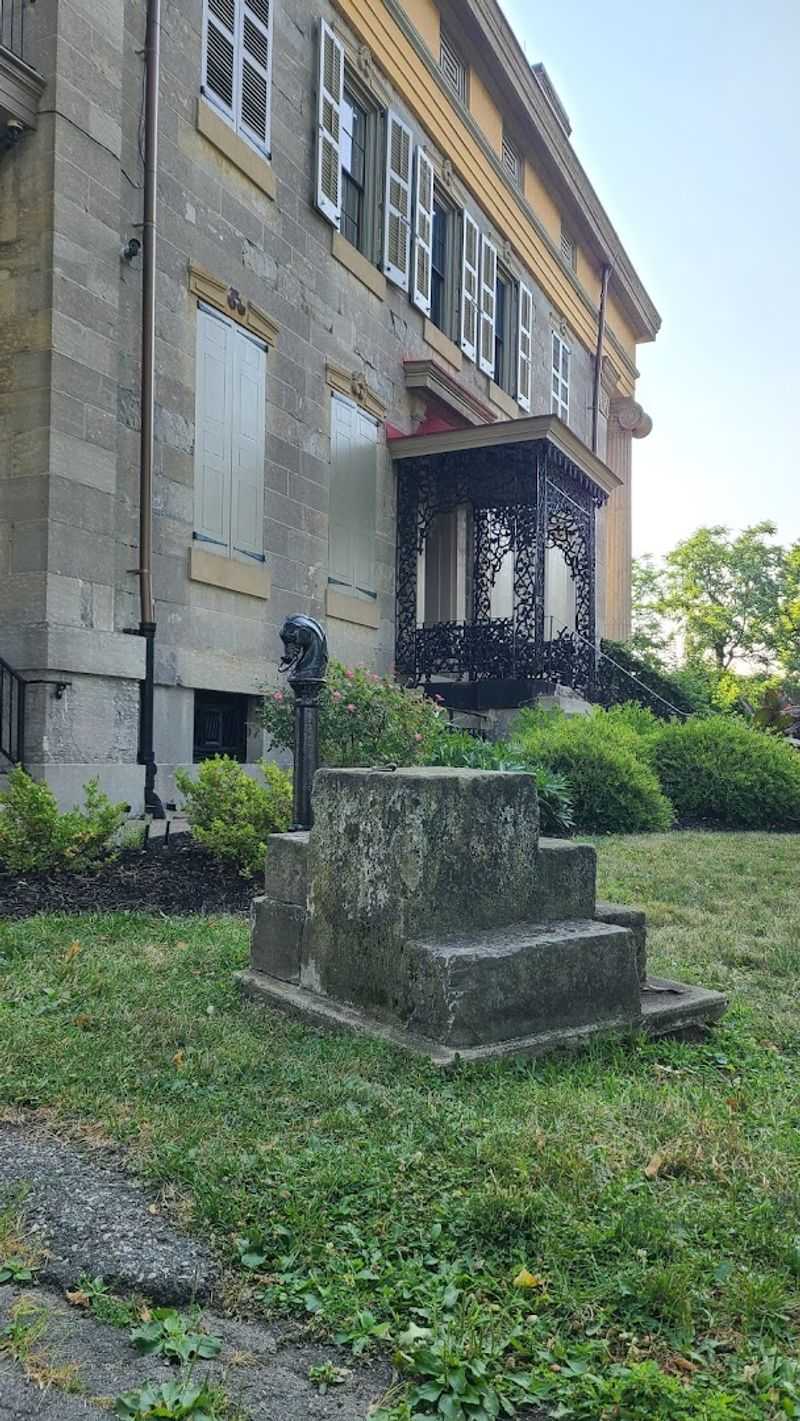
Five years. That’s how long it took to transform Baker’s vision into reality, from 1844 to 1849.
He hired Robert Cary Long Jr., a respected Baltimore architect known for designing impressive public buildings and elegant homes. Long specialized in Greek Revival style, which was wildly popular among wealthy Americans who admired ancient Greek democracy and architecture.
The mansion rose slowly but spectacularly. Massive Ionic columns were carved and positioned to create a grand entrance that mimicked ancient Greek temples.
Dressed stone was carefully cut and fitted, creating walls that would stand for centuries. Every detail mattered, from the proportions of the rooms to the placement of windows.
Greek Revival wasn’t just fashionable; it represented republican values and classical learning that wealthy Americans wanted to associate with their success. Baker’s mansion featured all the style’s hallmarks: symmetrical design, prominent columns, and noble proportions.
As construction progressed year after year, locals watched in amazement as the most impressive residence in the region took shape on the hillside.
Financial Pressure and Construction Delays
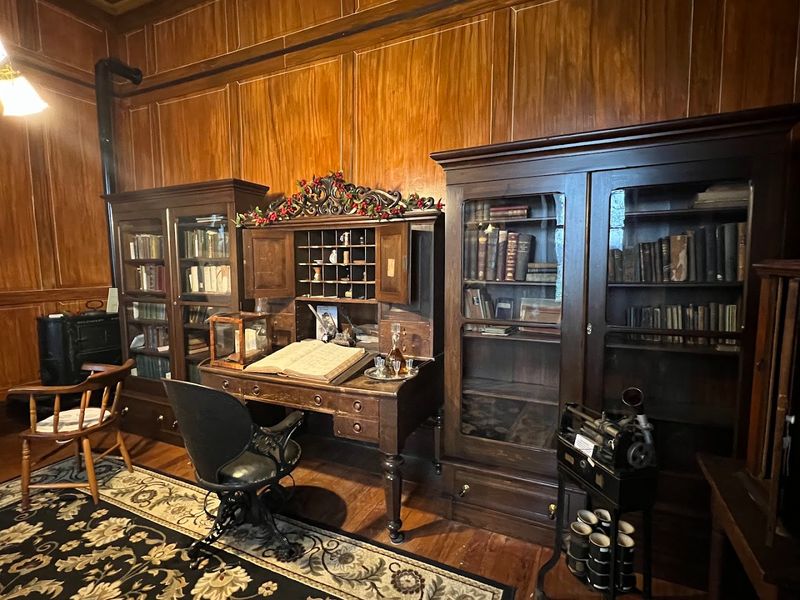
Dreams don’t always come cheap, and Baker nearly paid the ultimate price. Building such an elaborate mansion stretched his finances dangerously thin, especially when iron prices started falling during construction.
The mid-1800s iron market was unpredictable, with boom and bust cycles that could make or break fortunes overnight.
Imagine investing everything in building your dream home while your business income drops. Baker faced exactly that nightmare scenario.
Construction costs kept climbing while his furnace profits shrank. Friends and business associates likely warned him to stop building, but Baker was committed.
The partially finished mansion stood as both promise and threat.
Economic instability plagued mid-19th century America, with financial panics disrupting commerce regularly. Iron entrepreneurs faced particular risks since their product’s value fluctuated with construction demand and competition.
Baker’s near-financial ruin during the building years shows how even successful businessmen gambled their fortunes. That he managed to complete the mansion despite these pressures makes the achievement even more impressive.
The house became a testament to both his success and his stubbornness.
Family Life at the Mansion
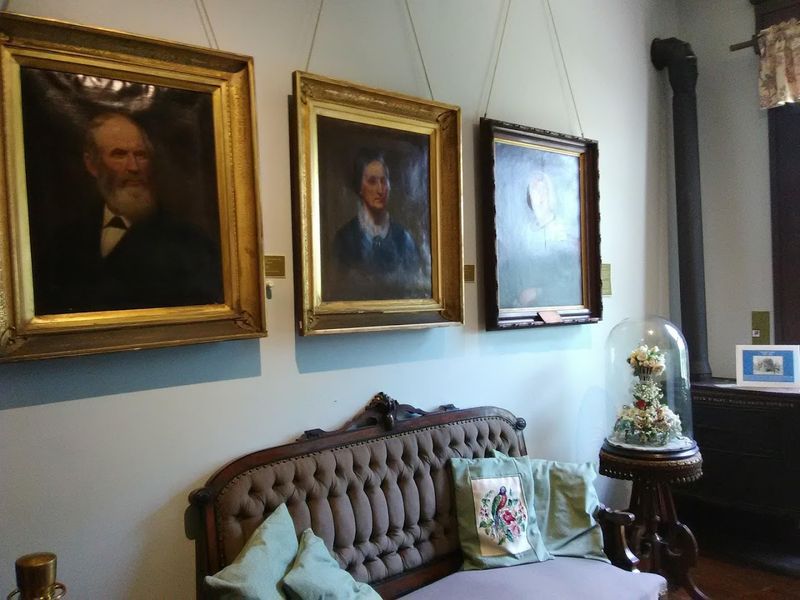
Once completed, the mansion filled with life, laughter, and heartbreak. Elias Baker moved in with his wife Hetty and their children, including their daughter Anna who would become the mansion’s most famous resident.
Grand rooms that had existed only in architectural drawings now hosted family dinners, celebrations, and quiet evenings.
But prosperity couldn’t shield the Bakers from tragedy. Some of their children died young, as was tragically common in the 1800s before modern medicine.
These losses left permanent shadows in the beautiful home, reminding the family that wealth couldn’t protect them from life’s cruelest blows.
Anna Baker never married, living in the mansion for decades and becoming deeply attached to the house her father built. Family stories, furniture choices, and daily routines created layers of history within those stone walls.
The mansion witnessed births and deaths, achievements and disappointments, ordinary moments and extraordinary events. It was never just a showpiece; it was genuinely home to people who loved, grieved, and lived complete lives there.
Decline of the Furnace and Transition of the Estate
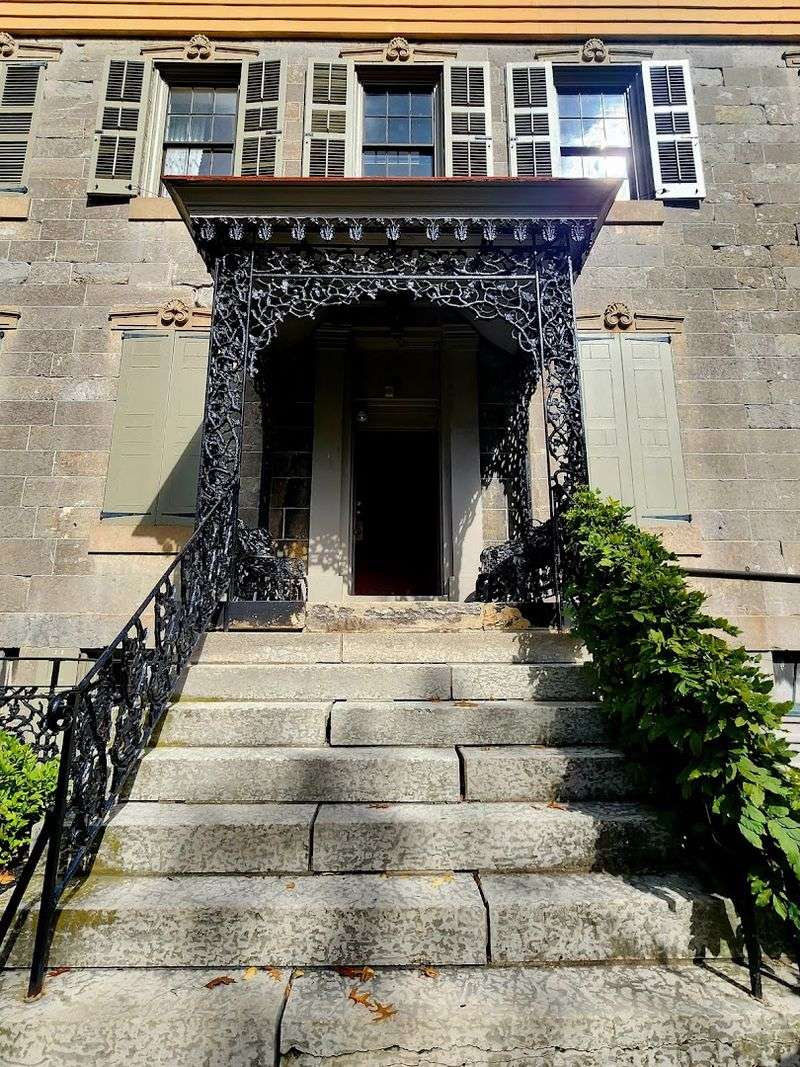
All empires eventually crumble, even those built on iron. When Elias Baker died in 1864, the foundation of the family fortune began weakening.
The Allegheny Furnace continued operating for a while, but the industrial world was changing rapidly. Newer, more efficient production methods elsewhere made older furnaces obsolete.
By the late 19th century, the furnace had gone cold permanently, its fires extinguished after decades of blazing. The roar of production fell silent, and what had once been the source of the Baker family’s wealth became just another abandoned industrial site.
Pennsylvania’s iron industry was shifting to steel and consolidating in larger cities like Pittsburgh.
Remarkably, the Baker family continued living in the mansion until 1914, long after the business that built it had closed. The house outlasted the furnace by decades, sheltering the family even as their industrial fortune faded into history.
This transition from active industrial wealth to genteel but declining circumstances reflected changes happening across Pennsylvania as old fortunes gave way to new industries.
Museum Era, Preservation, and Visitor Information
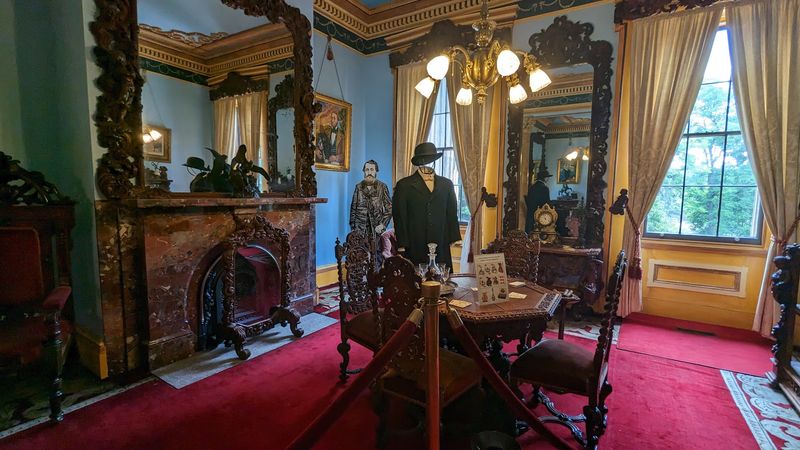
After Anna Baker’s death in 1914, the mansion’s story could have ended with demolition or decay. Instead, something wonderful happened.
The Blair County Historical Society recognized the building’s importance and reopened it as a museum in 1922, ensuring future generations could experience this piece of Pennsylvania’s industrial heritage.
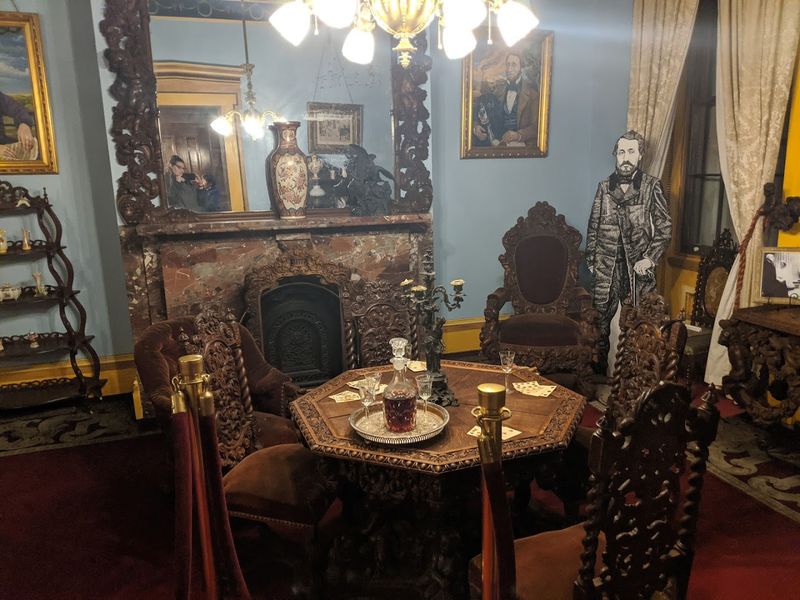
Today, visitors walking through Baker Mansion encounter the past in remarkably preserved detail. Original furnishings remain exactly where the family placed them.
Industrial-era artifacts tell stories about iron production and 19th-century life. Each room offers glimpses into how wealthy industrial families lived during Pennsylvania’s boom years.
The mansion sits at 3500 Baker Boulevard in Altoona, welcoming visitors who want to understand Pennsylvania’s industrial history through the eyes of one successful family. Tours are offered seasonally, with hours varying throughout the year, so calling ahead is smart.
Walking through those grand rooms with their towering ceilings and period furnishings, you can almost hear echoes of the Baker family and feel the weight of the industrial revolution that made it all possible.