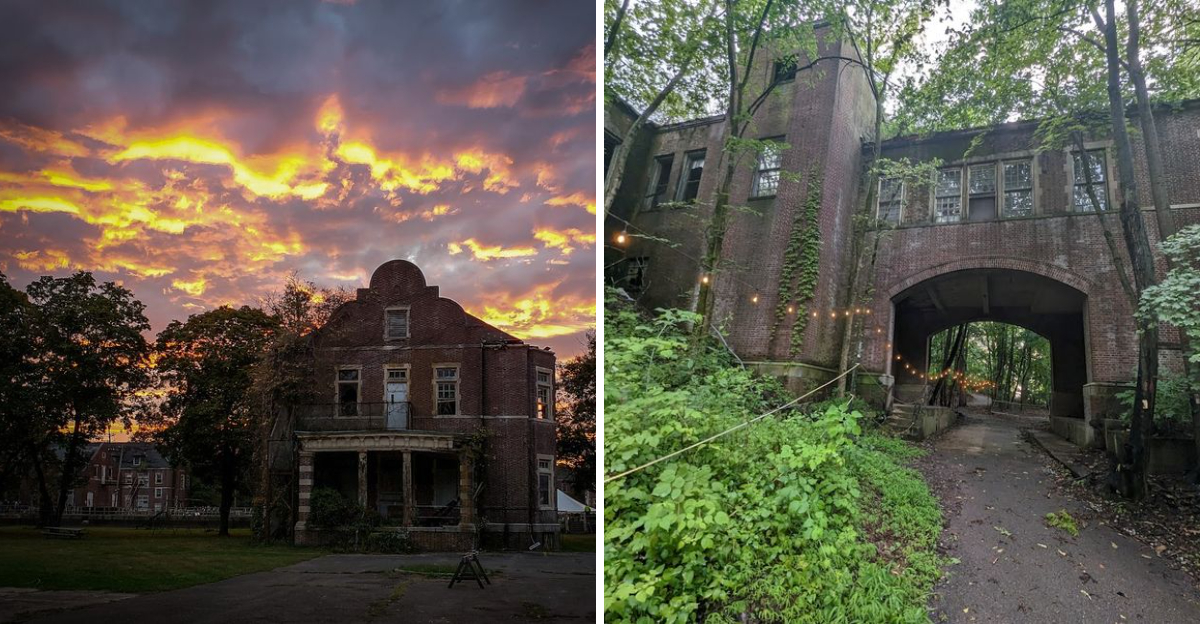
Pennhurst is not the kind of place you forget. Its crumbling buildings, dark corridors, and unsettling history have made it one of Pennsylvania’s most fascinating abandoned landmarks.
Hidden in Chester County, the former asylum housed thousands of people over nearly eight decades.
Behind its walls were stories of hardship and neglect that eventually sparked major changes in disability rights across the United States.
Today, visitors come to explore the abandoned campus, learn about its complex past, and experience the eerie atmosphere that surrounds it.
From historic court battles to chilling ghost stories, Pennhurst offers a rare glimpse into a chapter of history that continues to captivate and haunt those who visit.
From State Institution to Pennhurst
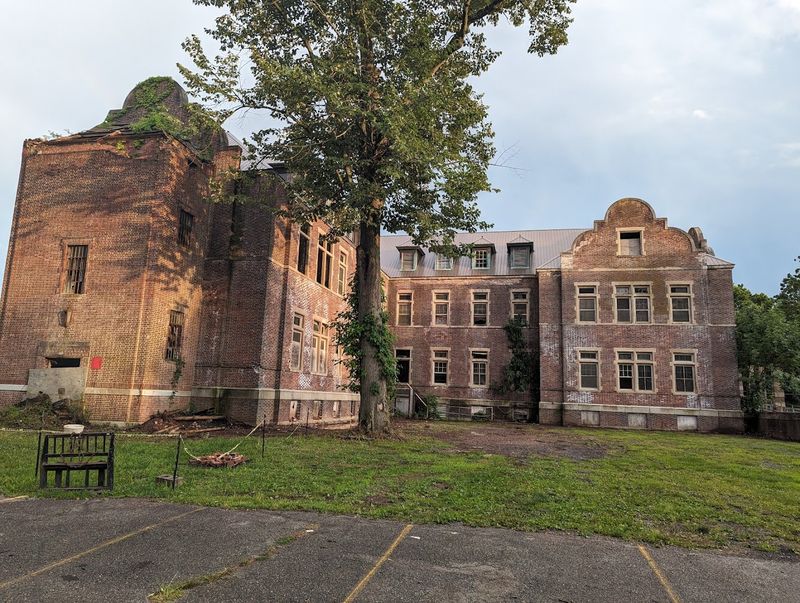
Back in 1908, Pennsylvania opened a facility with an incredibly long name: the Eastern Pennsylvania State Institution for the Feeble-Minded and Epileptic. Officials believed they were doing something good by creating a place where people with mental disabilities and epilepsy could receive care away from overcrowded city hospitals.
The location in Spring City seemed perfect, with plenty of farmland and fresh country air.
Over the decades, the facility became known simply as Pennhurst State School and Hospital. The original mission focused on education and basic care for children and adults who couldn’t live independently.
Doctors and administrators truly thought separating people from society would help them thrive.
However, as years passed and thousands arrived, the institution’s purpose shifted dramatically. What started with hopeful intentions transformed into something much darker.
By the time Pennhurst closed in 1987, nearly 80 years of operation had left a complicated legacy that still sparks debates about disability rights, institutional care, and human dignity today.
The Massive Campus Hidden in Chester County
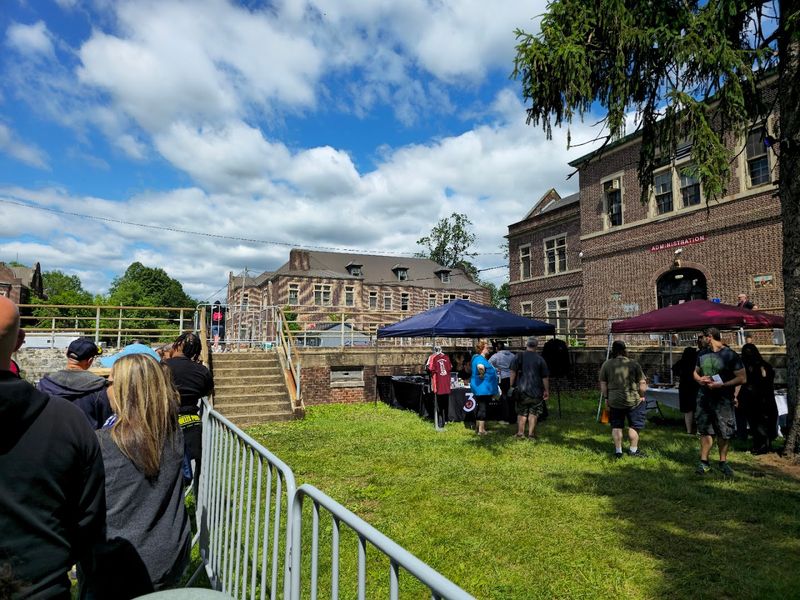
Imagine a small town built just for one purpose—that’s what Pennhurst looked like at its peak. The campus stretched across hundreds of acres with over 20 major buildings connected by pathways and underground tunnels.
Massive brick structures housed different departments, from residential halls to kitchens, laundries, and administrative offices.
Walking through these buildings today feels overwhelming because of their size. Some structures stand four or five stories tall with endless hallways branching in every direction.
The tunnels beneath allowed staff to move between buildings during harsh Pennsylvania winters without going outside.
At its largest, Pennhurst could hold more than 3,000 residents, making it one of Pennsylvania’s biggest institutions. The architecture followed typical early 1900s institutional design—functional, imposing, and built to last.
Red brick walls, high ceilings, and small windows characterized most buildings.
Many structures remain standing today, though nature has begun reclaiming them. Trees grow through broken windows, and ivy creeps up walls.
Visitors can still sense the scale of operations that once happened here daily.
Life Inside the Institution
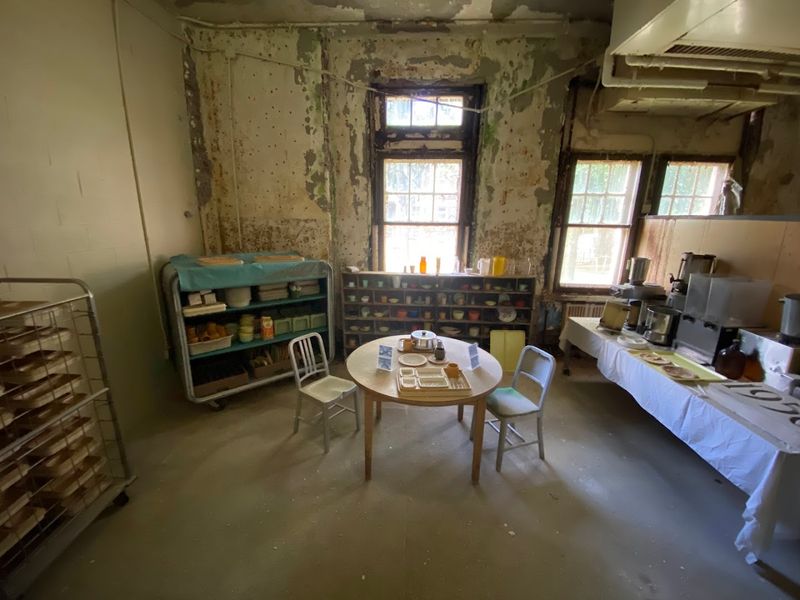
During Pennhurst’s early years, staff tried creating structured daily routines for residents. Mornings began with breakfast in large dining halls where hundreds ate together.
Children attended simple classes learning basic reading, writing, and life skills. Adults participated in vocational training programs like farming, sewing, or laundry work that kept the institution running.
Residents lived in wards separated by age and ability level. Some higher-functioning individuals enjoyed more freedom and responsibility, while others needed constant supervision.
Nurses, attendants, and teachers formed the backbone of daily operations, though they were often severely understaffed.
Recreation included outdoor time in courtyards, holiday celebrations, and occasional entertainment like movies or music performances. The institution even had its own farm where residents helped grow food.
Many families rarely visited, especially those living far away or feeling ashamed about having relatives in such facilities.
Despite good intentions from some caregivers, institutional life meant limited personal freedom, strict schedules, and little privacy. Most residents spent years or even entire lifetimes within these walls.
Overcrowding, Neglect, and Growing Controversy
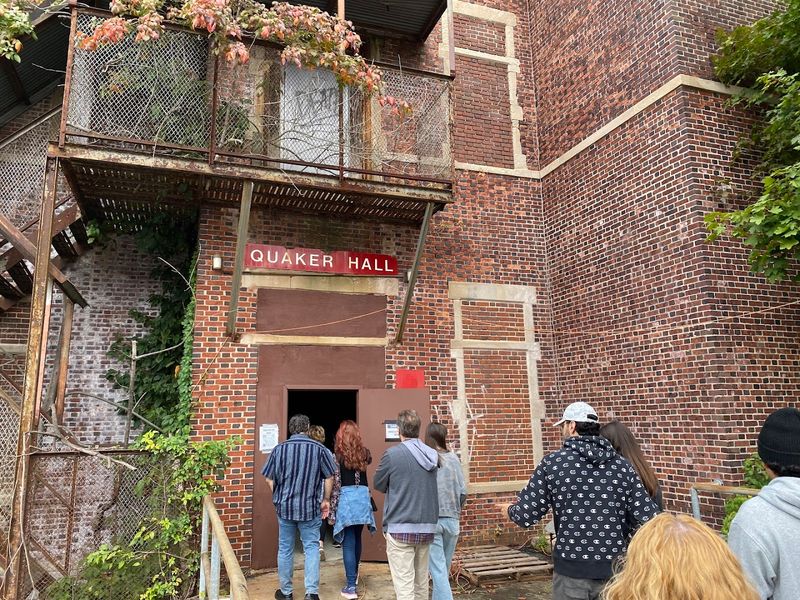
Problems at Pennhurst exploded after World War II when admissions skyrocketed. Buildings designed for 2,500 people eventually held over 3,500 residents, creating impossible conditions.
Hallways became makeshift dormitories, and bathrooms couldn’t handle the demand. Staff struggled to provide even basic care.
Reports emerged of residents left in their own filth for hours, physical restraints used excessively, and inadequate medical attention. Many people went without proper clothing or blankets.
Food quality declined as budgets stretched thin across too many mouths to feed.
Investigations in the 1960s revealed shocking truths. Visitors described horrible smells, residents rocking endlessly in corners, and staff too overwhelmed to do their jobs properly.
Some workers genuinely cared but lacked resources, while others became abusive from burnout and frustration.
Local newspapers began publishing exposés that horrified the public. Families who placed loved ones there decades earlier had no idea conditions had deteriorated so badly.
Pennsylvania officials faced mounting pressure to address what had become a humanitarian crisis hidden in plain sight.
The Landmark Pennhurst Court Case
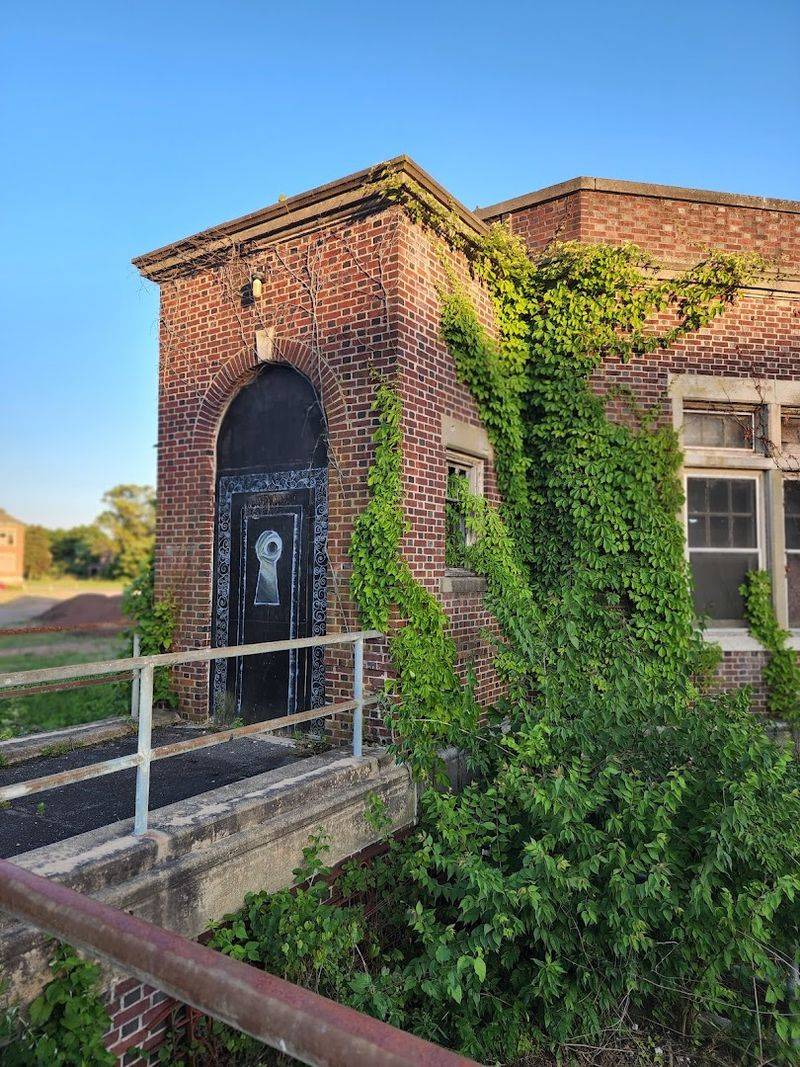
Everything changed in 1974 when a young woman named Terri Lee Halderman filed a federal lawsuit against Pennhurst. Her parents argued that conditions violated constitutional rights, specifically the right to appropriate treatment and humane care.
This case became known as Halderman v. Pennhurst State School and Hospital.
Lawyers presented devastating testimony from former residents, staff members, and investigators. Judges toured the facility themselves and witnessed the deplorable conditions firsthand.
Evidence showed residents living in dangerous, unsanitary environments that caused harm rather than providing help.
The court eventually ruled that Pennhurst violated constitutional protections. More importantly, judges determined that large institutions weren’t appropriate for caring for people with disabilities.
This decision supported the growing movement toward community-based care and independent living.
The Pennhurst case set legal precedent across America, influencing disability rights nationwide. It proved that people with disabilities deserved dignity, proper treatment, and the least restrictive environment possible.
This landmark decision helped close similar institutions throughout the country and transformed how society approaches disability services today.
Closure and the End of an Era
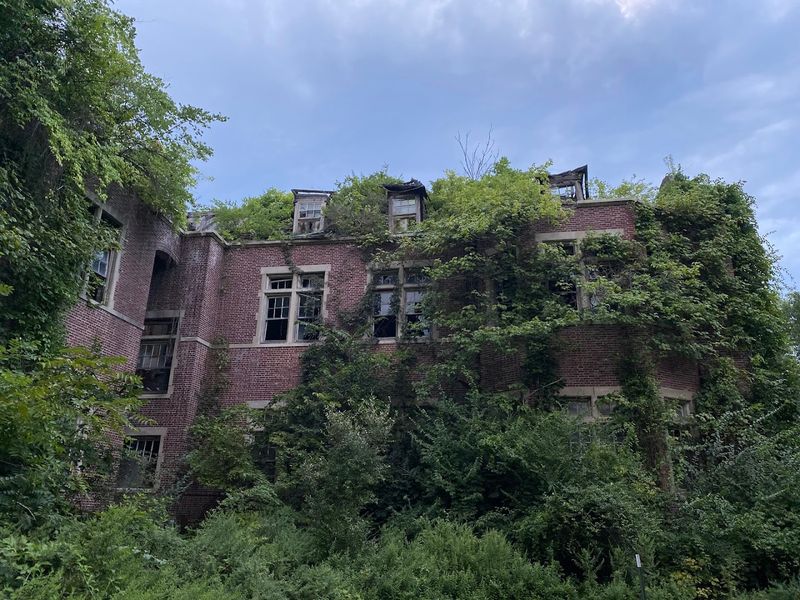
After years of legal battles and public outcry, Pennsylvania finally began closing Pennhurst permanently in the mid-1980s. The process took several years as officials relocated over 1,000 remaining residents to community homes, group facilities, and smaller care centers.
Families faced difficult decisions about where their loved ones would go next.
On December 9, 1987, Pennhurst officially closed its doors after 79 years of operation. Staff members experienced mixed emotions—relieved the nightmare ended but worried about their jobs.
Some residents struggled adapting to new environments after spending decades in institutional settings.
The state initially planned to demolish everything and sell the valuable land. However, preservation groups argued the site held important historical significance that shouldn’t disappear.
Eventually, officials agreed to maintain certain buildings while allowing others to decay naturally.
Across Pennsylvania, Pennhurst’s closure symbolized a fundamental shift in disability services. The era of massive institutions ended, replaced by smaller community-based programs emphasizing individual rights and integration.
Former residents began rebuilding lives outside walls that had confined them for so long.
Exploring the Abandoned Buildings Today
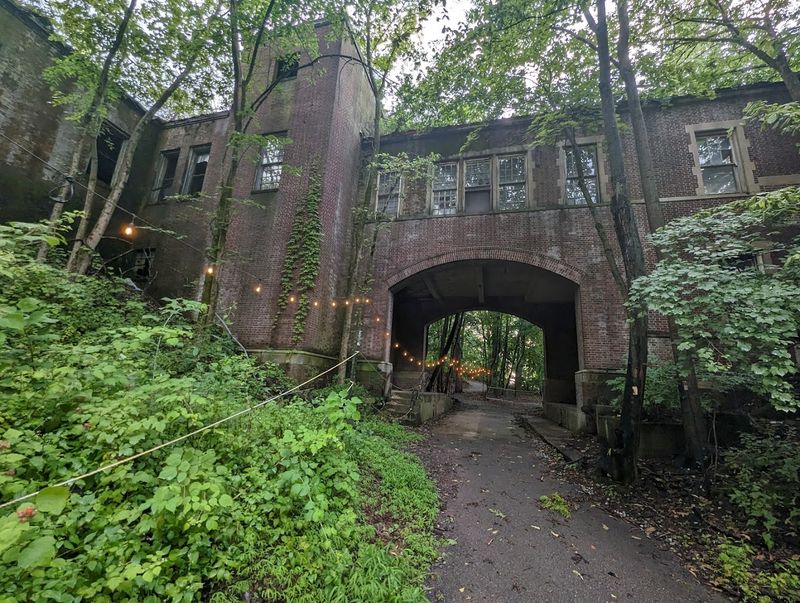
Walking through Pennhurst today feels like stepping into a frozen moment from the past. Preserved sections allow visitors to see where residents slept, ate, and spent their days.
Peeling paint reveals multiple color layers from different decades. Old wheelchairs sit abandoned in corners, and empty medicine cabinets line hallway walls.
The Administration Building remains one of the most intact structures, featuring offices frozen in time with scattered paperwork and vintage furniture. Mayflower Hall, a residential building, shows rows of small rooms where people lived with minimal personal space.
Some walls still display faded artwork created by former residents.
Underground tunnels connect various buildings, creating an eerie maze beneath the campus. These passages once allowed staff to transport food, supplies, and residents during winter months.
Now they’re dark, damp corridors that echo with dripping water.
Preservation efforts maintain certain areas for educational tours while other buildings remain off-limits due to safety hazards. Collapsed ceilings, unstable floors, and broken glass make unguided exploration dangerous.
Still, the visible decay powerfully illustrates how quickly nature reclaims abandoned human spaces.
Paranormal Legends and Ghost Stories
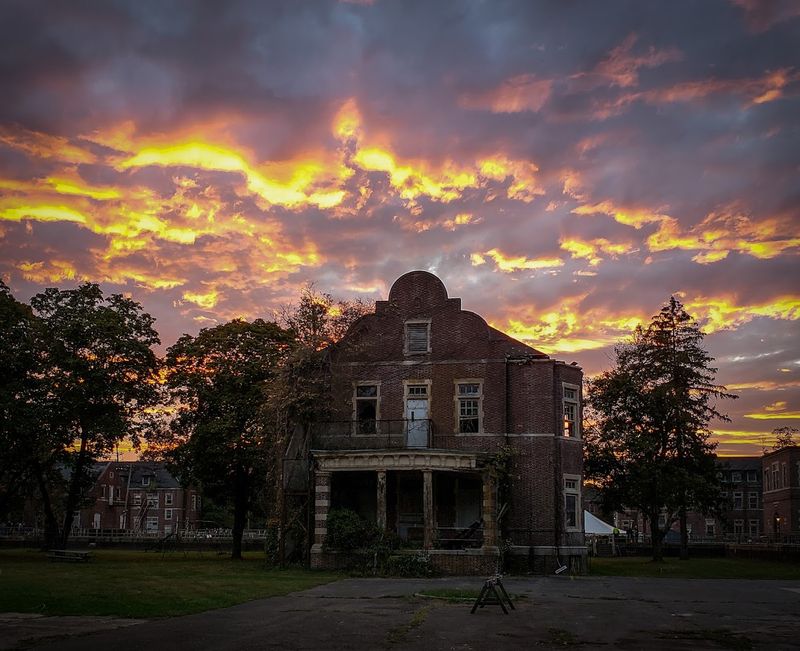
Ask anyone familiar with haunted locations, and Pennhurst consistently ranks among America’s most paranormally active sites. Ghost hunters report countless unexplained experiences—disembodied voices, shadow figures darting through hallways, and the sounds of children crying or laughing when nobody’s there.
Equipment malfunctions mysteriously, and cameras capture strange light anomalies.
Many stories center around specific buildings. Mayflower Hall allegedly hosts the spirits of children who suffered there, with visitors reporting toys moving independently and small handprints appearing on dusty surfaces.
The tunnels supposedly echo with phantom footsteps and whispered conversations.
Some witnesses describe feeling suddenly overwhelmed by sadness or anger in certain rooms, experiencing what paranormal investigators call residual energy from past trauma. Others report being touched by invisible hands or hearing their names called when alone.
Television shows featuring ghost investigations have filmed at Pennhurst multiple times, documenting various phenomena. Skeptics argue these experiences result from suggestion, environmental factors, or natural building noises.
Believers insist the suffering that occurred here left permanent spiritual imprints.
Whatever your perspective, Pennhurst’s haunted reputation continues attracting thousands seeking supernatural encounters.
The Haunted Attraction and Public Debate
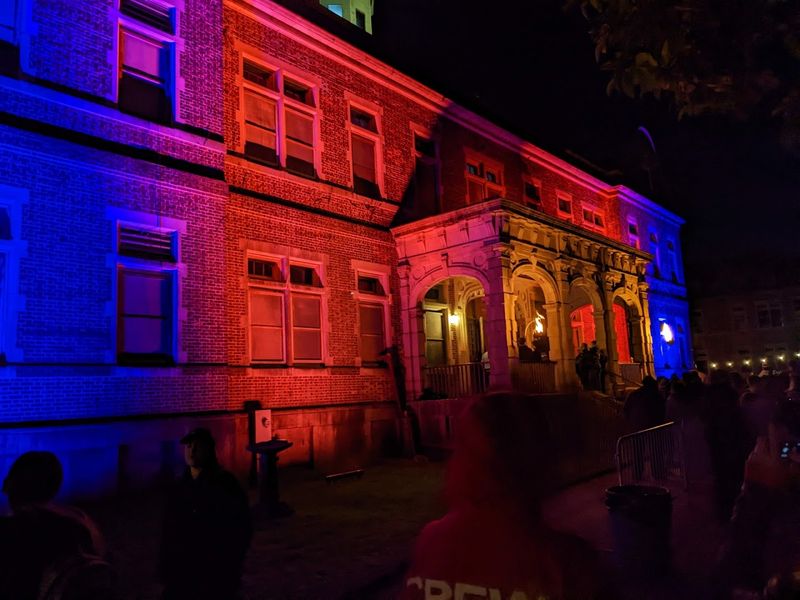
Since 2010, portions of Pennhurst have operated as a seasonal haunted attraction each fall. The commercial venture transforms buildings into elaborate horror experiences with actors, special effects, and theatrical scares.
It’s become one of Pennsylvania’s most popular Halloween destinations, drawing tens of thousands of thrill-seekers annually.
This entertainment use sparks heated controversy. Critics argue that profiting from a place where real people suffered feels deeply disrespectful to victims and their families.
Disability rights advocates particularly oppose using actual patient areas for entertainment, believing it trivializes serious human rights violations.
Supporters counter that the haunted attraction funds preservation efforts and keeps the property maintained. They note that historical tours operate separately from entertainment events, allowing both education and recreation.
Revenue helps prevent demolition that would erase this important historical site forever.
The debate highlights difficult questions about historical memory. Can we appropriately remember tragedy while also allowing contemporary uses?
Where’s the line between preservation and exploitation? These discussions continue as Pennhurst balances multiple purposes—memorial, museum, and yes, Halloween destination.
No easy answers exist for such complex ethical territory.
Planning a Visit to Pennhurst
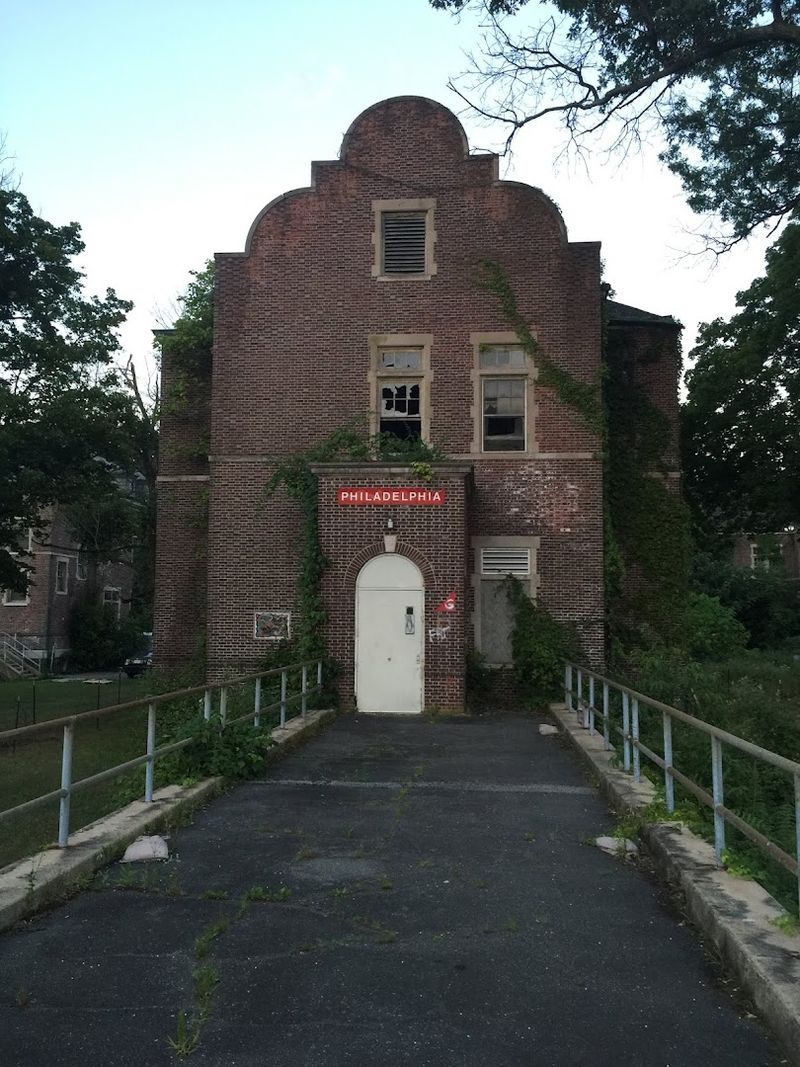
A visit to Pennhurst offers far more than a typical haunted attraction experience. Located at 601 N.
Church Street, Spring City, PA 19475, the historic campus welcomes guests interested in local history, architecture, paranormal investigations, and the complex legacy of one of Pennsylvania’s most controversial institutions. The site occupies part of the former Pennhurst State School and Hospital, which operated from 1908 until its closure in 1987.
Today, visitors can choose from a variety of experiences, including daytime history tours, museum exhibits, seasonal haunted attractions, paranormal investigations, and special events held throughout the year. Guided tours provide access to select historic buildings while exploring the stories of former residents, staff, and the institution’s impact on disability rights reform in America.
Because tour schedules and event offerings vary by season, it’s a good idea to check availability before traveling. Comfortable walking shoes are recommended, as much of the property covers extensive grounds and older structures.
Whether you’re drawn by history, architecture, or tales of the paranormal, Pennhurst remains one of Pennsylvania’s most fascinating and thought-provoking destinations.