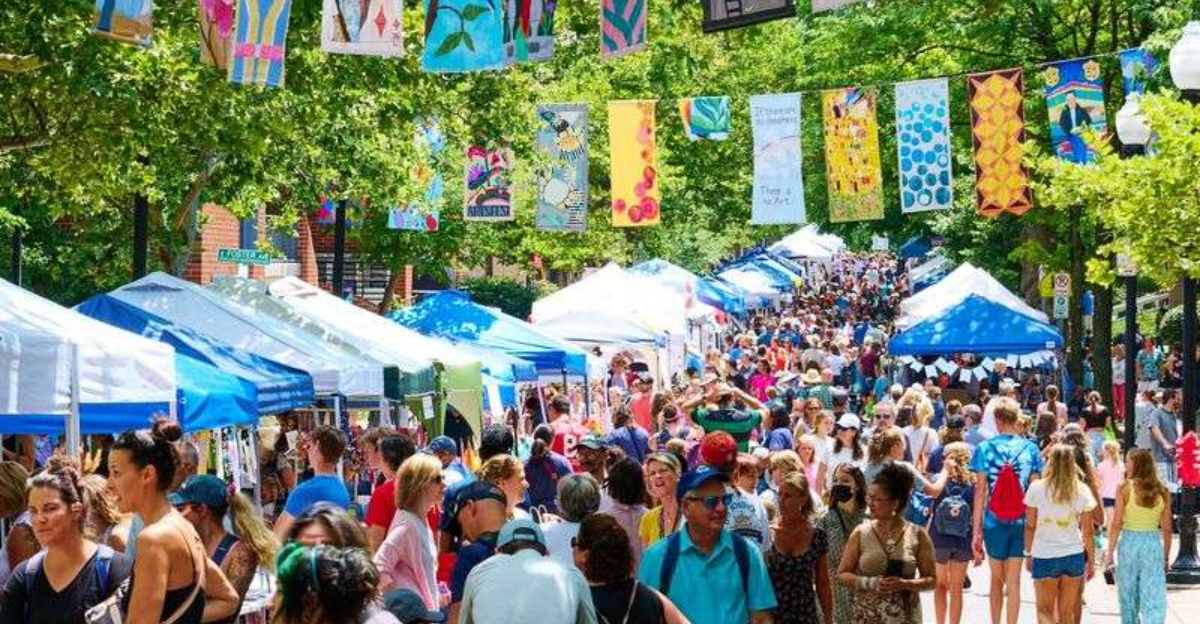
One of the best ways to experience the spirit of summer in Pennsylvania is through its festivals, community celebrations, and outdoor gatherings.
As warm weather arrives, town squares, fairgrounds, and public spaces across the state transform into lively venues where live music, traditional crafts, and regional food bring together past and present.
Some festivals attract nationally recognized performers and acclaimed artists, while others preserve local traditions, cultural heritage, and agricultural knowledge that have been passed down through generations.
These events represent far more than weekend entertainment.
They serve as living expressions of how communities celebrate their history, creativity, and identity in shared public spaces.
The following guide highlights 12 summer festivals in Pennsylvania that make every weekend feel like a holiday.
Whether the goal is to enjoy professional theater under the stars, explore traditional crafts, listen to live music, or learn about regional culture, these festivals offer a memorable break from everyday routines.
Musikfest – Bethlehem
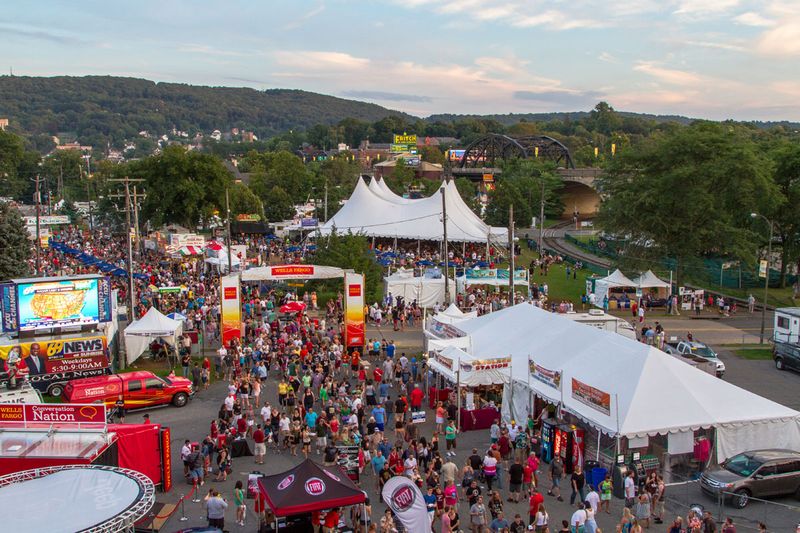
Founded in 1984, this ten-day event grew into one of the country’s largest free music festivals.
More than a dozen stages spread across former industrial ground and the historic downtown, giving brass bands, rock acts, singer-songwriters, and family performers equal visibility.
That scale matters because it lets audiences move between genres rather than staying inside one musical niche.
Local food is not a side feature here.
Vendors sell regional favorites, including the festival’s well known mug and dessert traditions, turning walks between sets into part of the social ritual.
Streets fill with residents, day trippers, and returning alumni, so the atmosphere feels civic as much as commercial.
Equally important is the way the festival reshaped a postindustrial city.
Performances on the SteelStacks campus connect contemporary culture with the steelmaking landscape that defined local life for generations.
By placing music inside that setting, the event helps explain how Bethlehem recast heritage, public space, and identity through the arts.
Three Rivers Arts Festival – Pittsburgh
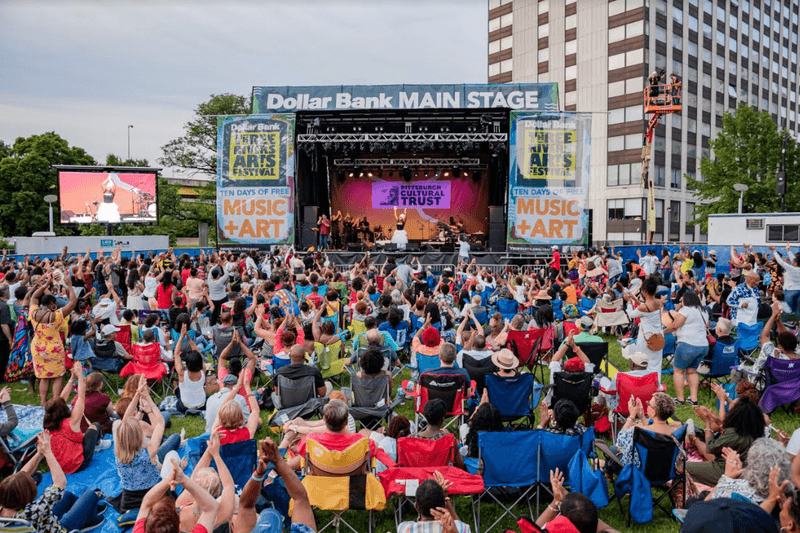
Since 1960, this downtown gathering has treated art as a public activity rather than a private luxury.
Juried artists line the streets with ceramics, prints, jewelry, paintings, and mixed media, while temporary installations and free performances pull passersby into the same conversation.
That open format matters because it lowers the threshold for encountering serious creative work.
Music, dance, spoken word, and family programs broaden the experience beyond a standard art fair. Visitors can watch artists discuss process, see work in progress, and move from visual display to live performance within a few blocks.
Such proximity makes creative labor visible, which is an educational value many museums cannot provide as directly.
The festival also reflects a city that repeatedly uses cultural programming to animate shared space.
By placing artists in the center of daily movement, it encourages informal exchange between makers and audiences who might not enter a gallery.
Community engagement here is not a slogan. It is built into the streetscape, schedule, and free access model.
Kutztown Folk Festival – Kutztown
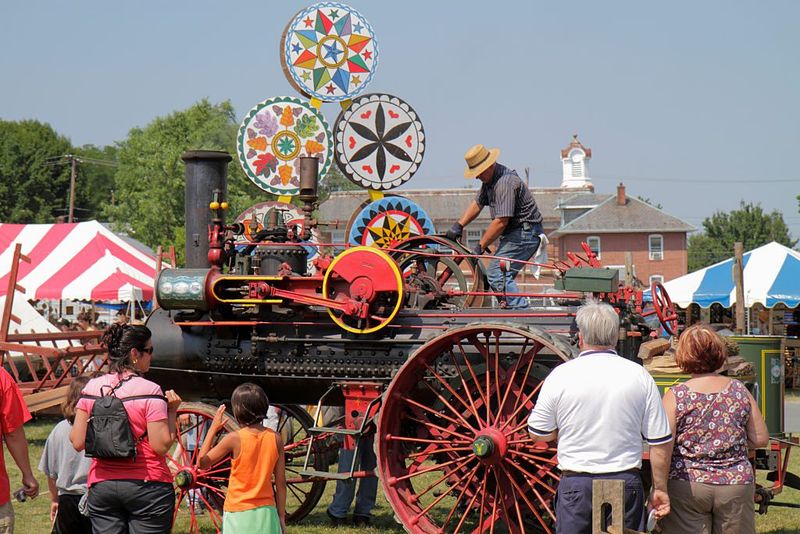
Established in 1950 by folklorist Alfred and Pat Shoemaker, this long-running event became a major showcase for Pennsylvania Dutch life.
Demonstrations of quilting, weaving, pottery, canning, and decorative arts place everyday skill at the center of interpretation.
That approach is important because heritage survives best when people can see how work was actually done.
Food carries the same educational weight.
Shoofly pie, sausages, chow-chow, breads, and other regional dishes reveal how language, farming, preservation methods, and family custom are tied together.
Alongside those tastes, dialect presentations, music, and domestic demonstrations help visitors understand a living culture rather than a costume display.
Craft vendors and folk artists also show how tradition changes without disappearing.
Some practices remain close to older forms, while others adapt materials and patterns for contemporary use.
By presenting both continuity and change, the festival avoids freezing culture in the past.
It teaches that preservation is not simply about keeping objects. It is about passing along knowledge, values, and regional memory.
Gettysburg Bluegrass Festival – Gettysburg
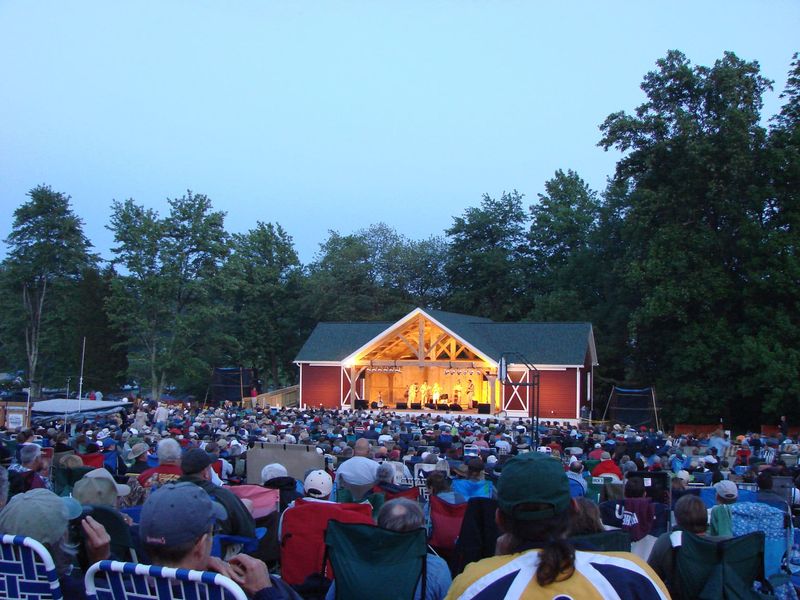
Bluegrass here is heard in its natural setting, outdoors and over several days, with camping as part of the social structure.
Held at Granite Hill Camping Resort, the program has long mixed nationally known acts with respected regional performers.
That format matters because roots music often depends on repeated listening, late conversations, and informal exchange as much as headline sets.
Many attendees return year after year, bringing instruments, lawn chairs, and routines that shape a temporary neighborhood.
Jam sessions outside the main stage schedule reinforce the participatory side of the genre, where songs circulate person to person and technique is learned by watching others closely.
In that sense, the campground functions almost like an open classroom in American vernacular music.
The endurance of the festival says something broader about cultural appetite in Pennsylvania.
Even as entertainment habits have fragmented, audiences still gather for acoustic traditions grounded in harmony singing, instrumental virtuosity, and repertory passed across generations.
Its staying power rests not on novelty, but on the strength of communal listening and the durable appeal of American roots music.
Mount Gretna Outdoor Art Show – Mount Gretna
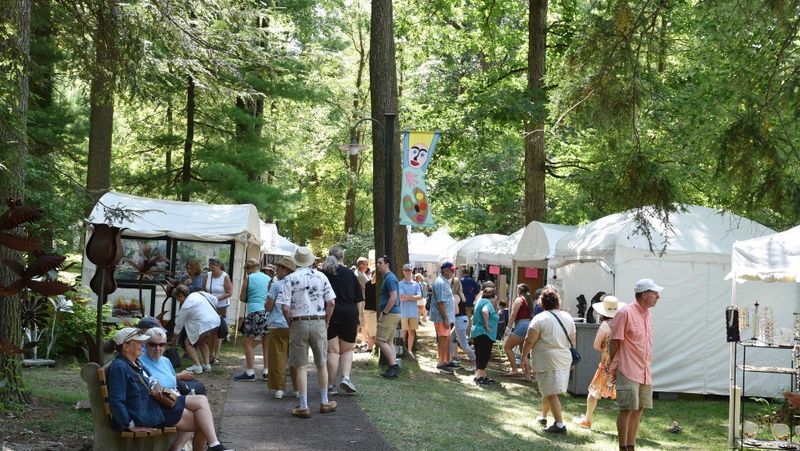
Fine art takes center stage at this juried outdoor show, where painters, photographers, sculptors, woodworkers, and other makers present work in a wooded village setting.
Organized by the Pennsylvania Chautauqua, it has developed a reputation for serious standards and careful selection.
That matters because juried exhibitions can support artistic credibility while still remaining accessible to broad public audiences.
The physical layout contributes as much as the roster. Instead of isolated gallery rooms, visitors encounter pieces in open air, under trees, and along walkable paths that invite slower looking.
Outdoor display changes how art is received, making texture, scale, and craftsmanship part of an embodied experience rather than a purely interior one.
Support for visual arts communities is another important thread.
Purchasing from artists, speaking with them directly, and seeing varied media side by side helps audiences understand the labor behind creative practice.
Small festivals often do this better than large institutions because the exchange feels immediate.
Here, the setting encourages attention, conversation, and practical support for working artists whose careers depend on public engagement.
Philadelphia Folk Festival – Upper Salford Township
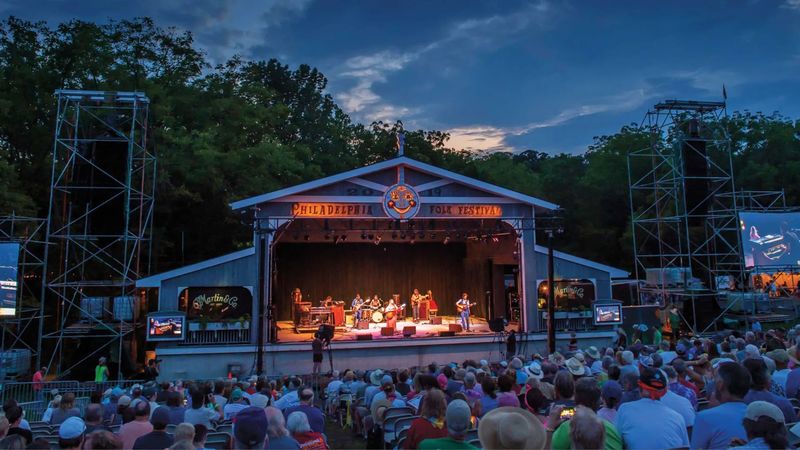
Dating to 1962, this gathering is one of the country’s longest-running continuously held outdoor music festivals.
The event combines concerts with workshops, craft areas, camping, and late-night community activity, creating a setting where folk music is studied as well as enjoyed.
That educational structure is central to its identity and explains why musicians and listeners return across generations.
Workshops have long been one of its strongest features.
Artists discuss ballads, blues forms, instrumental styles, political song, dance traditions, and songwriting in formats that let audiences hear connections across genres.
Instead of treating folk as a narrow category, the program shows it as a network of living traditions shaped by migration, labor, protest, and family memory.
Camping deepens that lesson.
Shared meals, informal picking circles, and all-day proximity make the festival feel like a temporary village organized around participatory culture.
Volunteers and long-time attendees help sustain customs that newcomers quickly notice, from collective routines to etiquette around performance spaces.
Its historical importance lies not simply in longevity. It lies in preserving a social model where music, learning, and community remain inseparable.
Pennsylvania Shakespeare Festival – Center Valley
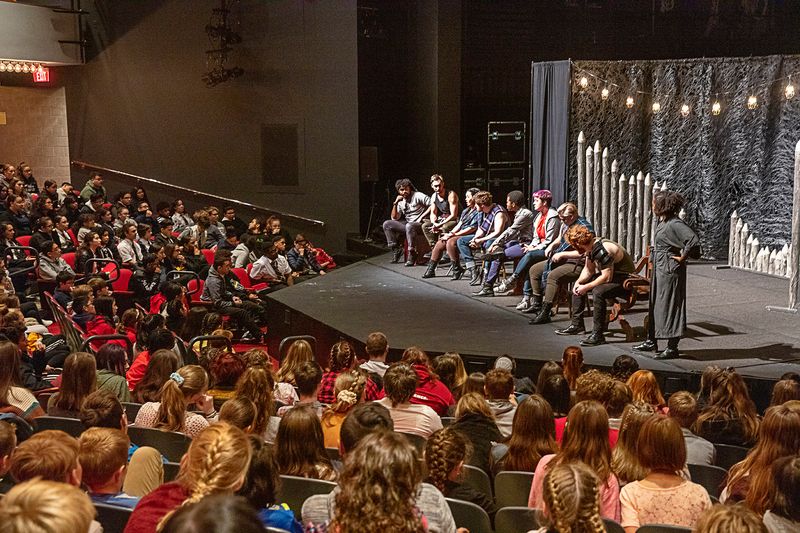
Professional summer theater gives this event its distinct role in the state’s festival calendar.
Founded in 1991 and based at DeSales University, it presents Shakespeare alongside other classic and contemporary works in repertory-style summer seasons.
That combination matters because it positions the playwright within a broader performance tradition instead of isolating him as academic obligation.
Educational outreach is equally significant.
Student matinees, talkbacks, internships, and training opportunities connect professional productions to younger audiences and emerging artists.
Live theater carries a different cultural value than recorded entertainment because audiences witness language, gesture, and interpretation being made in real time before them.
Season programming often balances well-known tragedies or comedies with family titles and related plays, which broadens the audience without abandoning artistic standards.
Costumes, staging, and actorly craft become tools for explaining why centuries-old texts still invite debate about power, love, ambition, and public life.
In summer, when many communities turn toward outdoor recreation, this festival argues for performance as civic enrichment.
It reminds audiences that the performing arts can be communal, rigorous, and accessible at once.
Pittsburgh Folk Music Festival – Pittsburgh
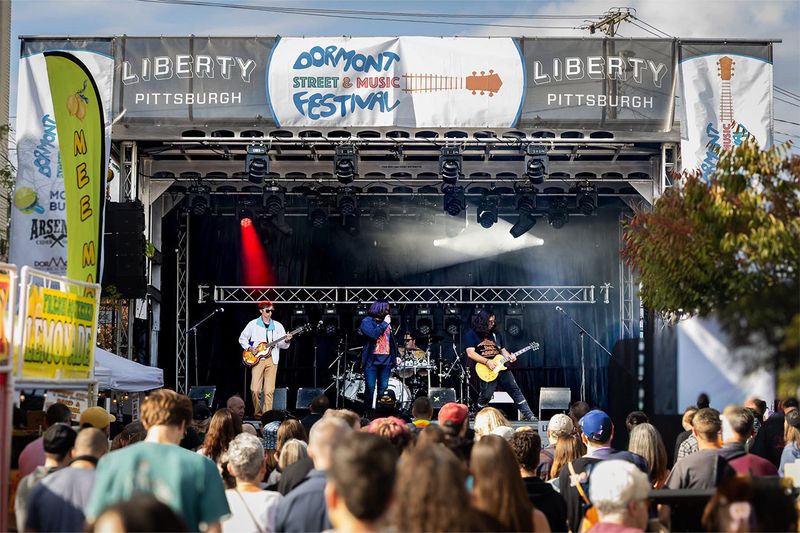
Multicultural celebration defines this long-running festival more than any single genre does.
Organized by the city’s international folk arts community, it brings together music, dance, costume, and culinary traditions representing immigrant and ethnic groups from many parts of the world.
That breadth is important because it presents heritage as something practiced publicly, not stored only in archives or family albums.
Stage performances are usually paired with educational context, allowing audiences to understand where a dance form comes from, how costumes signify region, or why certain instruments matter in ceremonial and social life.
Food booths extend that learning in another register, since recipes often carry migration stories, religious customs, and household memory.
Festivals like this make cultural transmission visible across generations.
Community groups also gain a rare platform for self-representation.
Rather than being interpreted solely by institutions, participants can explain their own traditions through performance and conversation.
In a city shaped by successive waves of migration, that matters deeply.
The event shows how folk culture helps people maintain continuity while adapting to new surroundings.
It turns multicultural education into a lived encounter instead of an abstract ideal.
Mifflin County Youth Fair – Reedsville
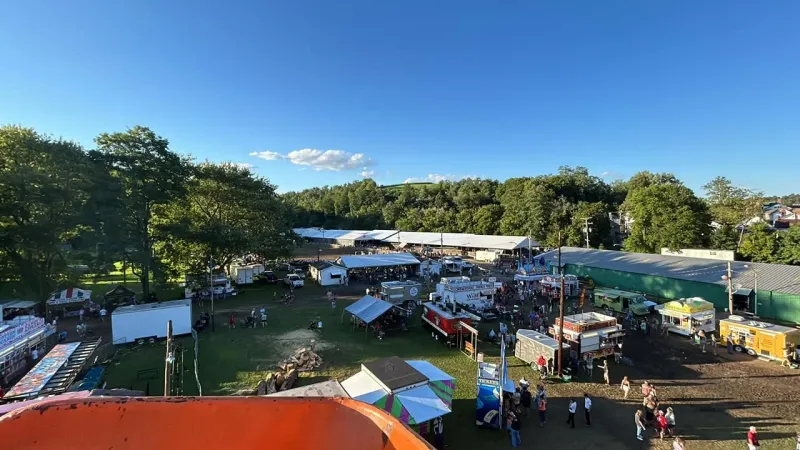
Agricultural fairs reveal how rural knowledge is taught, evaluated, and celebrated, and this one centers that process through youth participation.
Livestock shows, home economics exhibits, competitions, and educational displays place children and teenagers in visible leadership roles.
That focus matters because agriculture continues through mentoring, skill building, and public accountability rather than through nostalgia alone.
Show rings and barns function as classrooms.
Young exhibitors learn animal care, record keeping, presentation, and the discipline required to prepare projects for judging.
Nearby displays in baking, gardening, crafts, and other categories widen the definition of farm life, showing that rural households depend on many forms of practical expertise.
The fair also preserves social ties in a county where agricultural rhythms still shape community identity. Families return annually not only for rides and food, but to measure progress, renew relationships, and recognize local effort.
In an era when fewer residents work directly in farming, events like this help the public understand what agricultural labor involves.
They keep rural traditions legible by letting younger generations demonstrate them in public.
Arts Festival – State College
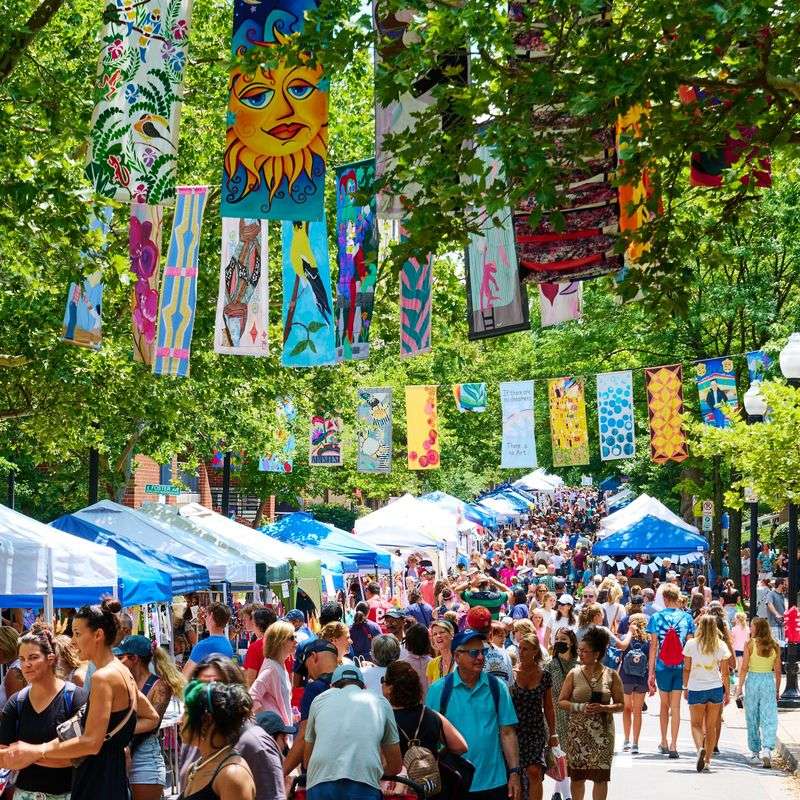
Downtown streets become a cultural commons during this midsummer gathering, where local artists, craftspeople, musicians, and food vendors share space with neighborhood crowds.
The setting matters because art is folded into ordinary civic life rather than separated from it behind institutional walls.
People encounter handmade work while walking familiar blocks, which changes how public culture is experienced.
Community involvement gives the event its strongest identity.
School groups, local performers, regional makers, and volunteers contribute to a program that feels grounded in place, not imported for a weekend.
That local emphasis supports small creative businesses and helps audiences connect artistic production to the everyday economy of the town.
Food and performance also play an interpretive role.
Street music, dance, and vendor traditions create an atmosphere where browsing, listening, and conversation happen together, allowing the festival to function as a social meeting point as much as an arts marketplace.
For a university community that changes with the academic calendar, summer gatherings like this reinforce continuity.
They show how a town sustains cultural life through recurring public rituals shaped by resident participation.
Central Pennsylvania Arts Festival – State College
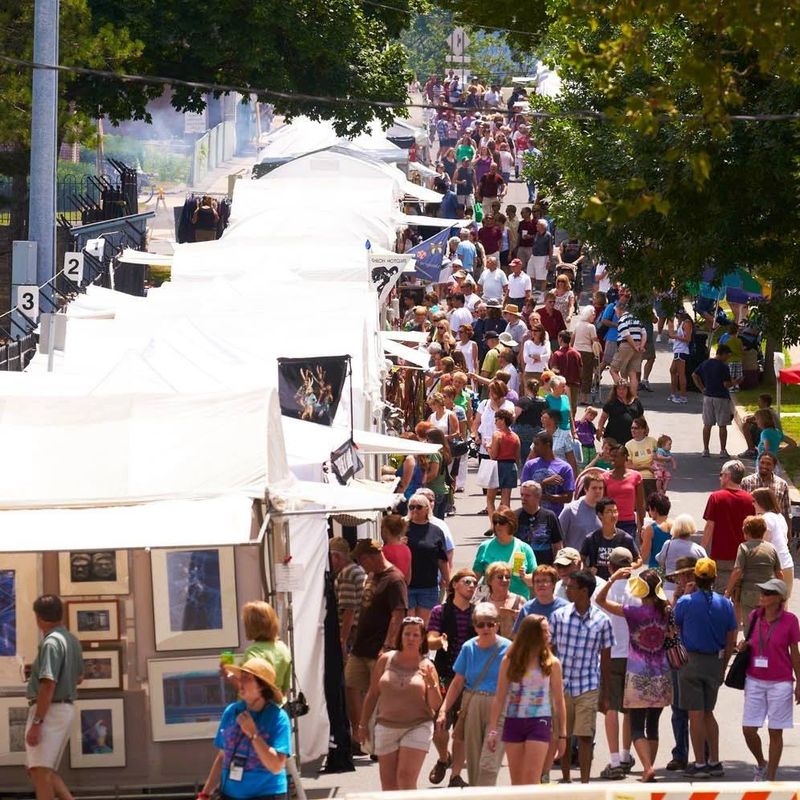
National recognition distinguishes this long-established event within the state’s summer arts landscape. Founded in 1967, it grew into one of the region’s best-known juried festivals, attracting artists from across the country for outdoor exhibitions in painting, photography, ceramics, fiber, and other media.
That scale is important because it creates a meeting ground between local audiences and broader professional art networks.
Public art and live entertainment expand the experience beyond booth browsing.
Side stages, installations, and demonstrations let viewers shift from purchasing objects to thinking about performance, process, and collective use of urban space. In practical terms, the festival also strengthens the broader arts community by directing attention toward galleries, campus resources, and regional cultural organizations.
Its relationship with the surrounding town and university environment is especially significant.
Academic energy, civic volunteerism, and established arts infrastructure help sustain a program large enough to draw national talent while still feeling locally anchored.
That balance is difficult to achieve.
Here, it explains why the event functions both as a marketplace and as a public statement that visual culture deserves central, highly visible space in summer community life.
Pennsylvania Dutch Festival – Schaefferstown
Regional history is interpreted here through practical skill, seasonal labor, and domestic tradition rather than through static display alone.
Demonstrations commonly highlight open-hearth cooking, blacksmithing, weaving, farming methods, and other tasks associated with Pennsylvania Dutch life.
That hands-on approach matters because it explains how communities actually organized work, foodways, and household production.
Historical setting adds depth to the program.
Schaefferstown’s preservation landscape, including the nearby Alexander Schaeffer Farm, helps visitors connect festival activities to the architecture and agricultural patterns that shaped local experience. Traditional dishes and baking are especially important, since food often preserves language, religious custom, and family memory more reliably than formal records do.
Preservation efforts for future generations depend on this kind of public interpretation.
When children can watch tools being used, ask questions about old techniques, and taste recipes tied to regional agriculture, history becomes concrete instead of distant.
The festival therefore serves more than commemorative purposes.
It supports historical literacy about a distinctive culture that influenced southeastern Pennsylvania for centuries.
Through demonstration, conversation, and shared meals, regional heritage remains understandable and usable.