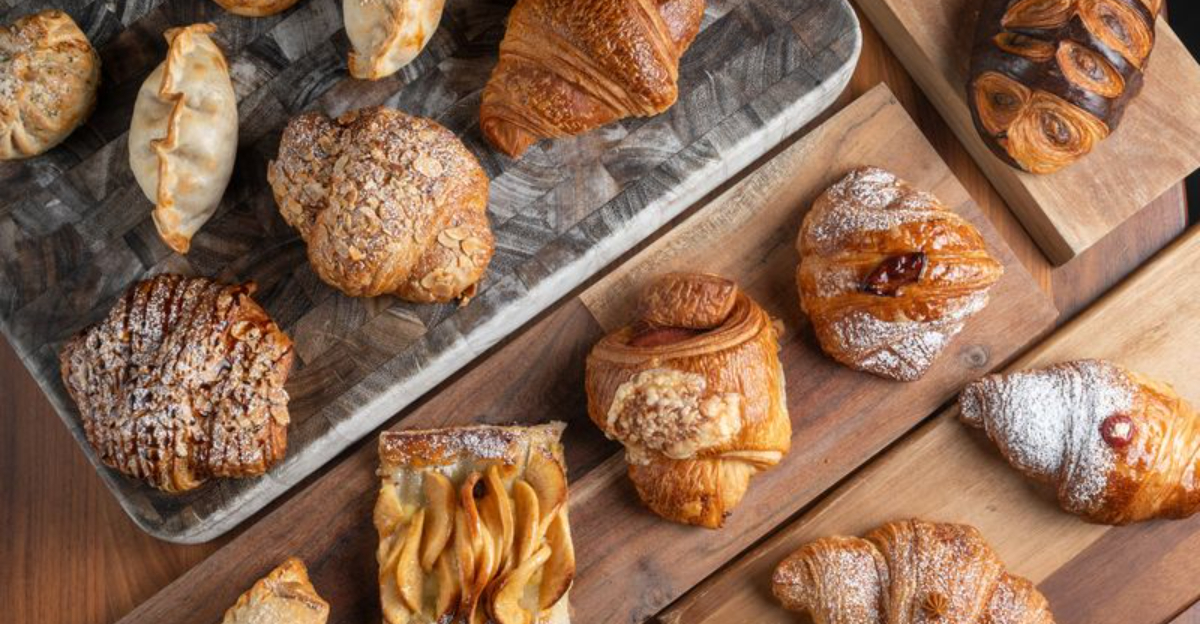
Creating a perfect croissant is arguably one of the greatest challenges in modern baking.
The process leaves little room for shortcuts, requiring hours of labor-intensive work, precise dough lamination, careful temperature control, and patient proofing to achieve the signature combination of crisp layers and a light interior.
Independent artisan bakeries and refined cafés increasingly reject mass production in favor of techniques that prioritize freshness, structure, and craftsmanship.
That commitment to detail helps explain why croissants have become a benchmark for quality within local food communities.
The following guide highlights 14 exceptional bakeries across Florida where croissants are often in such high demand that they sell out quickly.
These are places where skill, technique, and attention to detail become evident from the very first bite.
L’ Boulanger Maison du Croissant – Miami
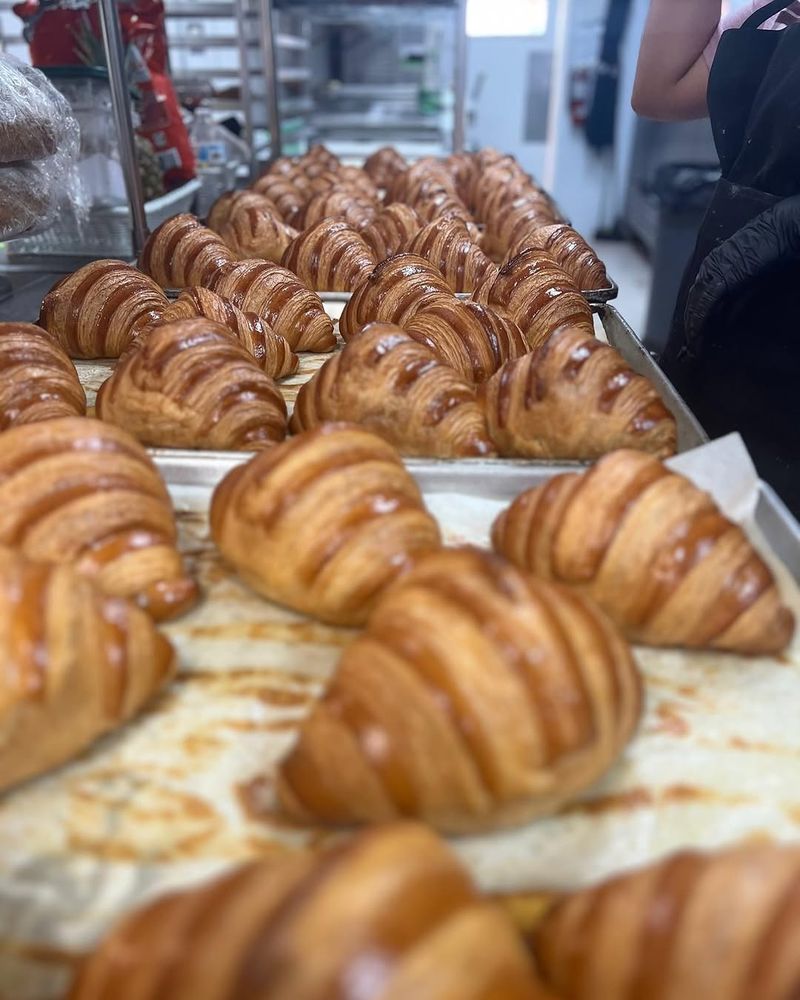
Rooted in French boulangerie habits, this bakery treats croissants as a technical craft rather than a simple breakfast item.
Bakers rely on classic lamination, where butter and dough are folded repeatedly to create the thin sheets that later expand into a crisp shell.
Because temperature control affects every layer, the process demands patience, and that discipline shows in pastries with sharp definition, light honeycombing, and a rich but balanced finish.
Elsewhere in Miami, many pastry programs reflect the city’s global dining energy, yet this one leans firmly into traditional method.
Counter displays often highlight plain butter versions beside chocolate and almond styles, letting technique stay at the center instead of novelty fillings.
Watching demand build in the morning makes sense, since croissants at their best offer a brief window when the crust still crackles and the interior remains delicately soft.
That timing reflects the standard French-trained bakers work to protect every day.
Freshness remains central to the experience, making early visits especially rewarding for pastry lovers.
Croissants de Paris Miami – Miami
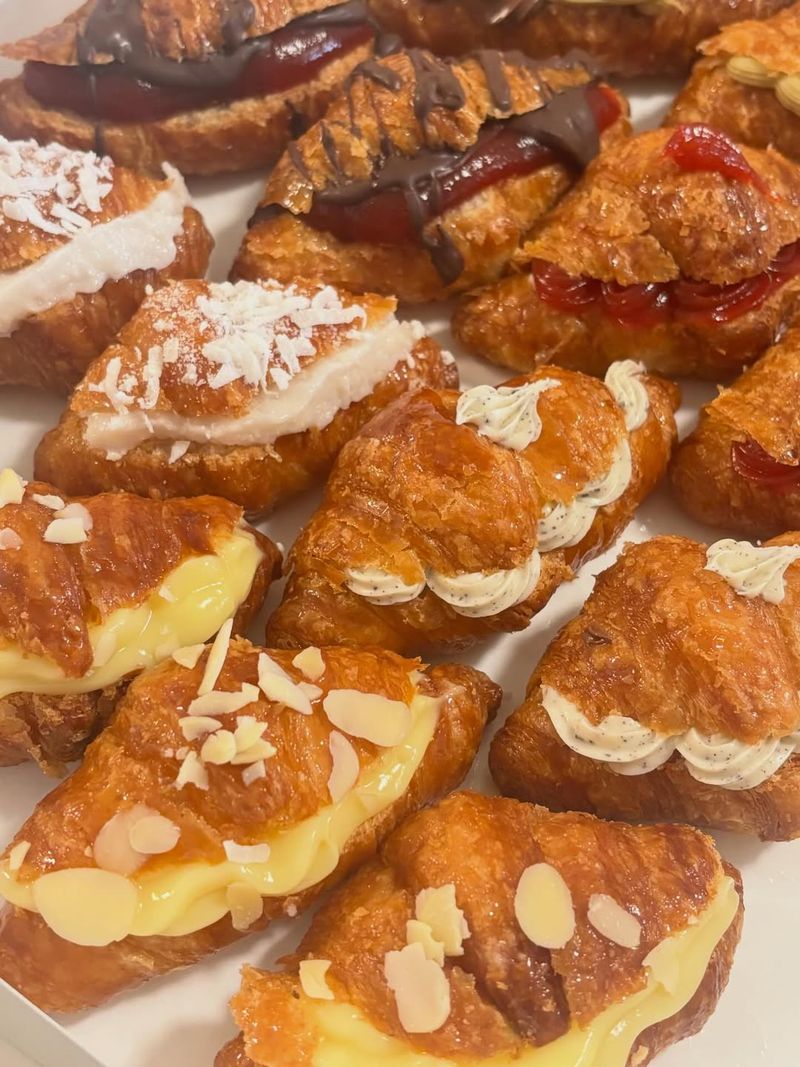
Small batch baking defines the appeal here, where croissants feel shaped by routine, restraint, and close attention to dough behavior.
Traditional French preparation usually means mixing, resting, laminating, and proofing on a schedule that cannot be rushed without sacrificing lift or texture.
Since each batch is limited, sellouts happen naturally when neighborhood regulars know exactly when the freshest trays reach the case.
Inside a compact setting, specialty versions can share space with classic butter forms, yet the strongest impression comes from consistency.
Layering matters because flaky shards on the outside should give way to an interior that stretches slightly before it tears, signaling careful fermentation and proper moisture balance.
Nearby residents often support bakeries like this for the same reason travelers seek them out.
A croissant made in modest volume usually carries more character, clearer butter flavor, and fewer signs of mass production.
As a result, an everyday morning stop becomes a meaningful reflection of local food identity.
Croissant & Co – Venice
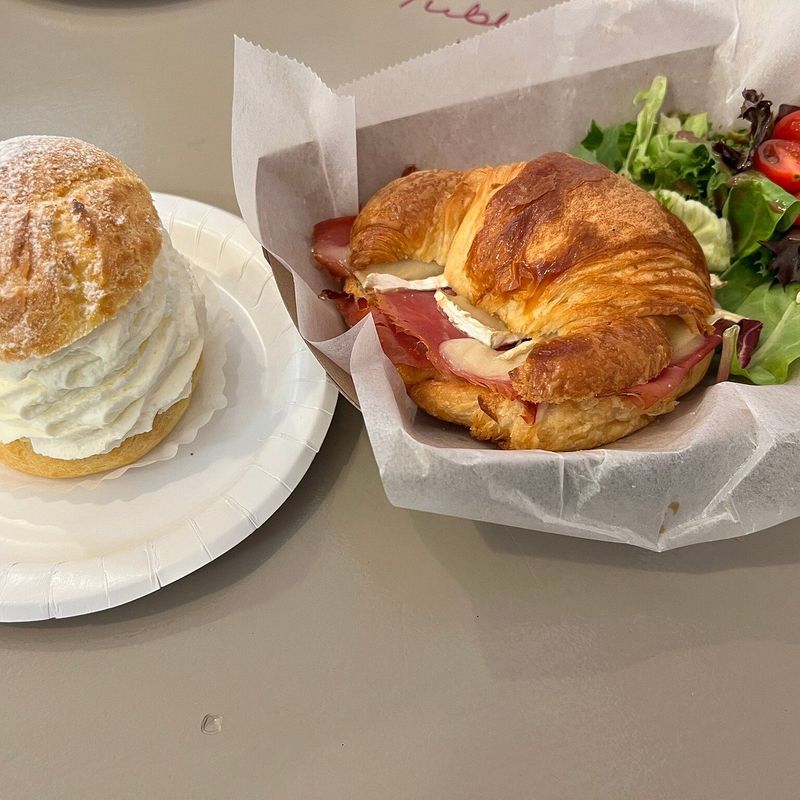
Handmade production shapes the reputation of this cafe, where croissants anchor the morning menu and set the tone for breakfast.
Fresh baking schedules matter in places like this because laminated dough changes quickly after it leaves the oven, losing some contrast between crisp exterior and soft inner structure.
When ingredients are handled carefully, butter flavor stays clear, and the crumb keeps a supple texture instead of turning bready or heavy.
Morning cafe culture also influences how people experience the pastry, since coffee, conversation, and timing all play a role.
Rather than relying on oversized fillings, the focus stays on dough quality, which is often the best sign that a bakery respects the craft behind every fold.
Visitors looking for a strong breakfast stop tend to notice the practical details too, including display turnover and the sense that pastries were baked for that service, not held too long, and that freshness is a major reason trays can empty before late arrivals reach the counter.
Chez David – Clearwater
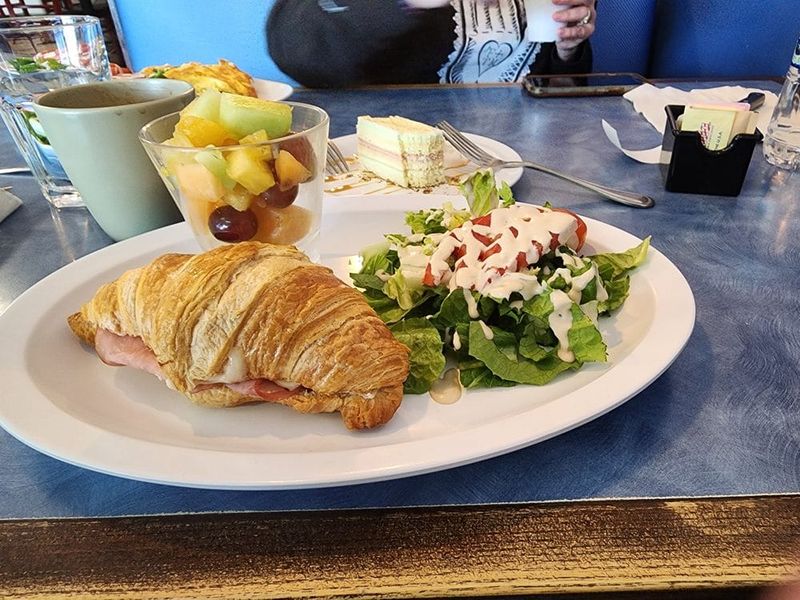
French baking heritage comes through in the made from scratch approach, where croissants reflect training, repetition, and respect for foundational pastry work.
European style bakeries often build trust through a few essentials done well, and laminated dough is one of the clearest examples because mistakes show immediately in density, leaking butter, or weak layers.
Here, specialty croissants matter not just as menu variety but as evidence that the base dough is strong enough to support additions without losing structure.
Craftsmanship becomes visible in details many customers feel before they can name them, such as the audible crack of the crust and the feathered interior.
Unlike generic pastry counters, this kind of operation suggests a baker’s hand in each stage, from shaping to proofing to baking color.
Florida’s food landscape has long absorbed European influence through chefs and family businesses.
This bakery reflects that tradition by showing how old-world methods remain relevant in a coastal market. Many customers increasingly recognize the difference between buttery richness and genuinely well-developed laminated dough.
Le Merle Bakery – Belleair Bluffs
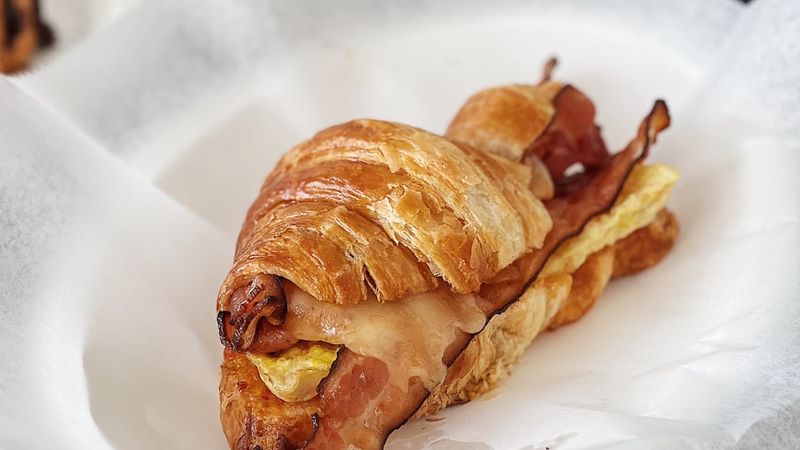
Small batch production gives this bakery a clear identity, especially when croissants are treated as limited work rather than endless inventory.
Attention to detail matters more in laminated pastry than in many baked goods because each fold affects height, flake, and the open pattern inside.
Independent bakers often accept lower volume in exchange for closer control, which helps explain why pastries can disappear quickly once a morning crowd forms.
Seasonal offerings add another layer of interest without pushing the classic version aside, and that balance is important.
Instead of using novelty alone to create excitement, artisan pastry making here seems tied to technique first, with ingredients and flavors changing around a dependable dough program.
For travelers, bakeries like this show why independent shops remain central to local food culture.
They preserve a direct relationship between the person making the pastry and the customer enjoying it. That connection often leads to better handling, better timing, and a stronger sense of craftsmanship than large-scale production can provide.
The French Bakery & Pastry Shop – Ormond Beach
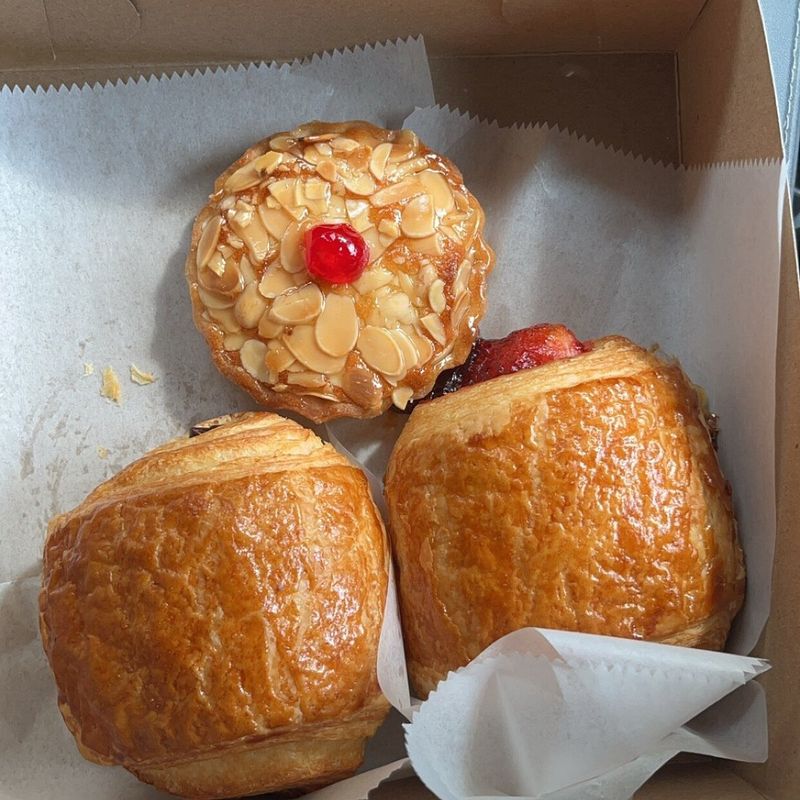
Traditional dough preparation sits at the center here, where croissants reflect the quiet discipline of an old style pastry routine.
Every stage in that process has a purpose, from resting the dough so gluten relaxes to proofing it enough for lift without losing shape in the oven.
Breakfast pastries become more meaningful when they reveal that kind of method, because texture then tells the story better than any sign or slogan could.
Classic forms remain important in a bakery devoted to preserving European techniques, especially in a region where convenience often dominates morning eating.
Butter croissants, pain au chocolat, and similar staples serve as benchmarks, allowing customers to judge lamination, color, and crumb with surprising clarity.
Along the coast, shops like this help keep French baking culture visible by treating everyday pastry as a practiced tradition rather than a trend.
That approach matters because techniques such as hand shaping, careful folding, and precise bake timing are central to quality.
Without them, a croissant may still look familiar while losing the crisp tenderness that makes it memorable.
Zak the Baker – Miami
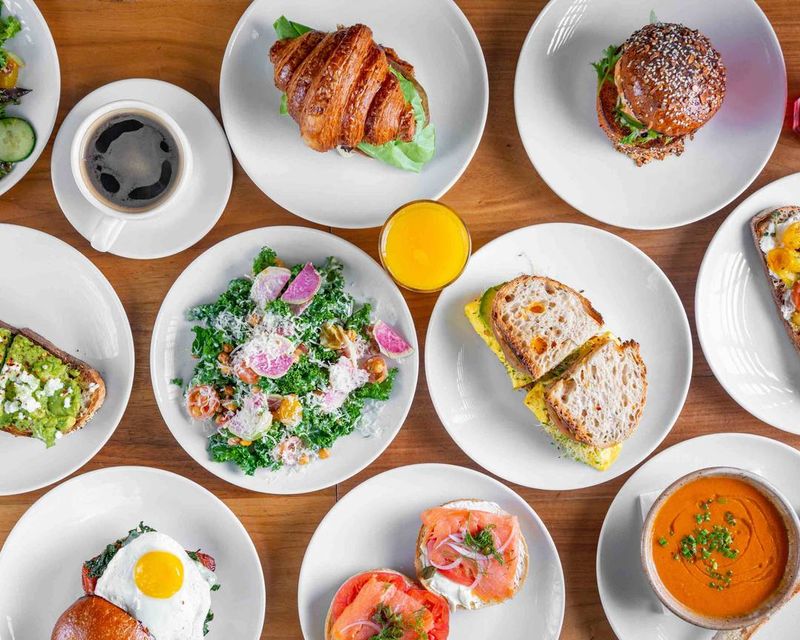
Artisanal baking here extends beyond pastry, and that broader bread culture helps explain why the croissants attract serious attention.
Fermentation knowledge improves a bakery’s overall sense of timing, dough strength, and flavor development, even when laminated products follow a different path than loaves.
Strong pastry programs usually grow in places where bakers already respect process, and that connection gives the croissants a place within a larger craft driven operation rather than as a decorative add on.
South Florida’s food culture has increasingly embraced bakeries that combine technical skill with recognizable local presence, and this one fits squarely in that shift.
Local reputation matters because high demand builds quickly when customers trust both the breads and the viennoiserie, especially during peak morning service.
Beyond the pastry case, the bigger significance lies in how a bakery like this raises expectations across the region.
Customers who become familiar with properly fermented doughs, careful lamination, and intentional preparation often start expecting more from everyday baked goods.
That shift helps explain why the croissant is frequently one of the first items to sell out.
Rosetta Bakery – Miami
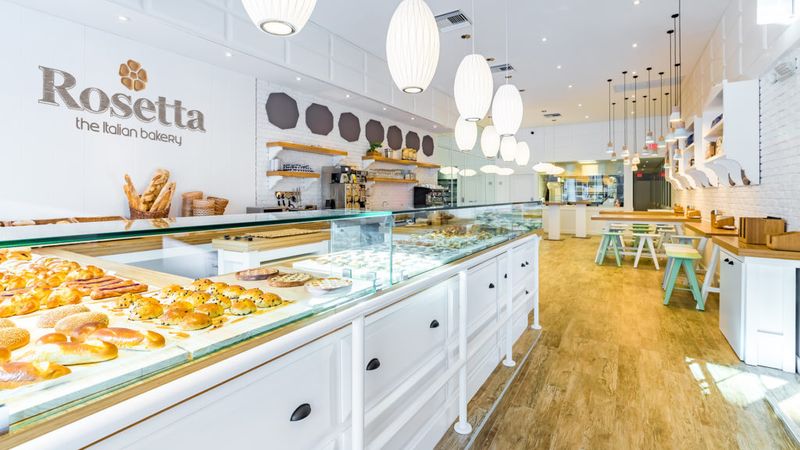
European baking influence takes a slightly different shape here, where Italian pastry traditions meet the demand for croissants in a fast moving cafe setting.
That perspective matters because the broader family of laminated breakfast pastries includes forms with distinct textures, sweetness levels, and serving customs, especially alongside espresso culture.
Multiple locations can sometimes dilute quality, yet they also show how strongly customers now seek artisanal bakery products across the city.
Italian cafe habits help frame the experience, with pastry and coffee treated as part of daily rhythm rather than a special occasion.
Croissants remain central because they bridge familiar French technique and the lighter, espresso friendly pastry culture that many urban customers want during the morning rush.
Throughout Miami, expanding bakery groups like this illustrate a larger change in taste.
People increasingly notice details such as lamination, freshness, and shaping, even in a quick counter-service environment.
That awareness encourages bakeries to maintain high standards if they want flaky exteriors, structured interiors, and dependable turnover before midday demand begins to slow.
Atelier Monnier – Miami
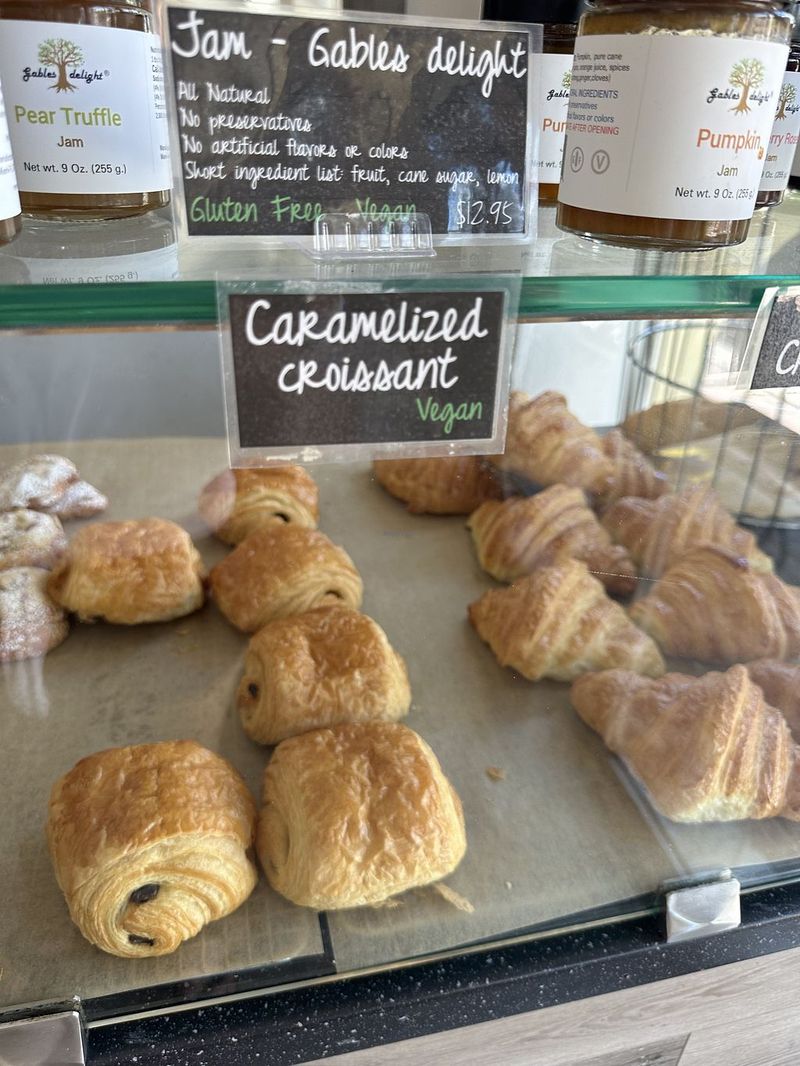
French culinary tradition shapes this bakery cafe from breakfast service onward, making croissants part of a larger cafe culture rather than a standalone pastry item.
Laminated dough production requires organization behind the scenes, since mixing, folding, chilling, shaping, and baking must align with service while preserving texture.
Skilled pastry work becomes visible at the table when the crust shatters lightly and the center stays airy enough to pull apart in strands.
Breakfast here reflects the classic French idea that a simple pastry still deserves technical precision and proper presentation.
Connection between baker and cafe guest matters because croissants are at their best when timed closely to service, not hidden in storage too long after baking.
Within Miami’s international dining landscape, places built around this kind of pastry expertise help preserve the social side of French café culture.
Coffee, pastry, and conversation carry equal importance in that tradition.
That context helps explain why morning demand often centers on familiar laminated staples rather than flashy desserts that photograph well but reveal less about the discipline and rhythm of professional baking.
Nanou French Bakery & Café – Miami
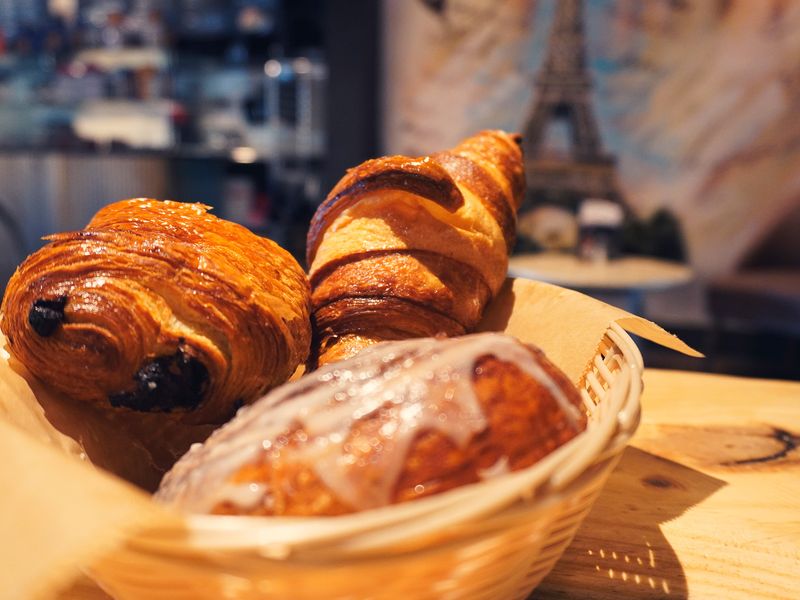
Neighborhood bakery culture gives this spot much of its identity, and croissants play a practical role in that daily rhythm.
French pastry techniques matter here not only for flavor but for consistency, since regular customers notice quickly when lamination, bake color, or proofing drift from the usual standard.
Consistency is one of the hardest achievements in artisanal baking because dough reacts to weather, handling, and timing in ways casual diners rarely see.
Cafe experience adds to the appeal, especially when a pastry case supports both quick stops and slower morning meals.
Specialty croissants can draw attention, but their value depends on a reliable base dough that remains crisp outside and tender within, even when filled or topped.
Around a neighborhood setting, that reliability builds trust over time.
Regular customers return not only for variety but also for the confidence that the pastry will consistently meet expectations.
In a city full of options, that kind of steady execution often matters more than dramatic reinvention.
Giselle Miami – Miami

Modern pastry programs increasingly appear inside restaurants, and this one shows how croissants can support a broader brunch identity.
Contemporary baking trends often emphasize presentation, but the essential question remains whether the laminated dough has enough structure and flavor to stand on its own.
Restaurant settings add pressure because pastries must complement a full dining experience while still meeting the technical standards expected from a dedicated bakery.
Brunch culture helps explain the appeal, since guests now expect more than basic bread baskets or generic sweets with coffee.
Specialty pastries work best in that context when they feel purposeful, linking the kitchen’s style to careful dough production rather than simply adding luxury signals to the table.
Across Miami, more dining rooms are investing in high-quality pastry craft because laminated items provide a visible sign of skill and range.
When executed well, a croissant can bridge breakfast habits, plated service, and modern hospitality.
That versatility helps turn a restaurant meal into a stronger reflection of contemporary urban food culture.
Pascal’s Coffeehouse – St. Petersburg
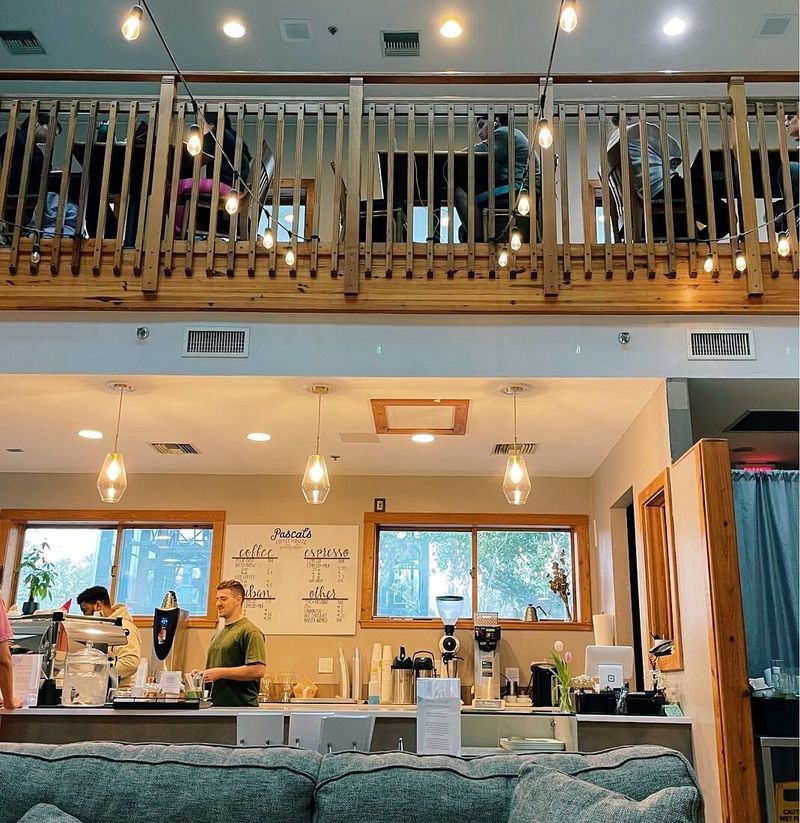
Coffeehouse culture shapes the role of croissants here, where baked goods help define the pace and mood of the morning.
In specialty coffee settings, pastries are not secondary if the business understands how flavor, texture, and freshness affect the overall experience at the table.
A flaky croissant beside a carefully prepared espresso or filter coffee creates contrast and balance, which is why good cafes pay close attention to their bakery case.
Locally supported businesses often succeed by becoming part of everyday routine, and that routine depends on dependable baked offerings as much as drink quality.
Morning crowds tend to move quickly, so pastries that hold visual appeal and clear craftsmanship can sell out before later customers arrive.
Within a coffee environment, the croissant serves another important purpose.
It often reveals whether the shop values thoughtful sourcing and curation across the menu.
A weak pastry can undercut even excellent coffee, while a well-made one reinforces the sense that the space is built around care, community habits, and repeat visits.
La Boulangerie Boul’Mich – Miami
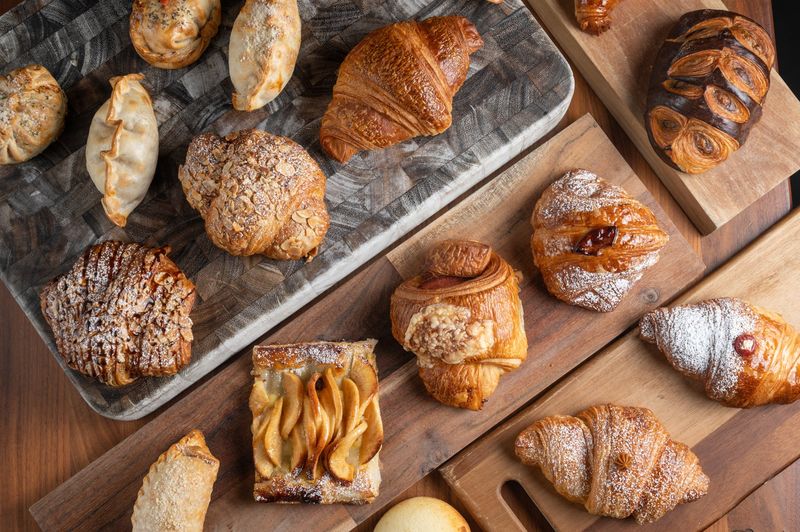
French baking inspiration meets Latin American influence in a way that feels especially natural for South Florida.
Croissants fit into that blend because laminated dough can carry both classic French restraint and the richer flavors often found in Latin cafe culture.
Breakfast becomes the key setting for this exchange, with pastries acting as a bridge between culinary traditions rather than a strict expression of one national style.
South Florida diners often respond to bakeries that reflect the region’s multilingual, multicultural habits, and this one captures that pattern clearly.
Baked goods production matters here because volume and variety must coexist with enough technique to preserve the croissant’s essential qualities, especially flake, lift, and butter distribution.
Through that lens, the bakery’s significance extends beyond a single pastry case.
It demonstrates how borrowed traditions evolve when they meet local tastes, daily coffee rituals, and broader expectations for casual breakfast.
That blend helps explain why strong laminated items become repeat purchases for customers who appreciate both classic French techniques and regional flavor influences.
Alessi Bakery – Tampa
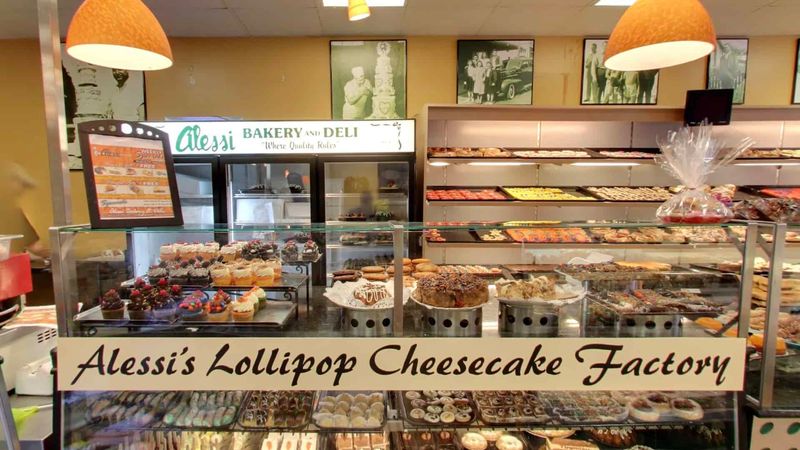
Historic baking traditions give this long standing business a different kind of relevance within Florida’s pastry landscape.
Generational bakeries show how community taste changes over time, yet they also preserve production habits that newer shops sometimes rediscover under the label of craft.
When croissants appear in that environment, they connect modern demand for laminated pastry with a much older story about neighborhood bakeries, display cases, and morning routines.
Longevity alone does not guarantee quality, but it does provide context for understanding how Florida bakers have evolved across decades.
Community presence matters because regular customers help shape what a bakery continues to make, refine, and prioritize, especially in a city with deep local loyalty.
Seen through that history, croissants are more than a trend item. They illustrate how established bakeries adapt without abandoning their roots.
That balance matters in a state where food culture is often described as new or transient, despite many trusted businesses spending generations teaching customers what fresh baked goods should look, feel, and taste like each morning.