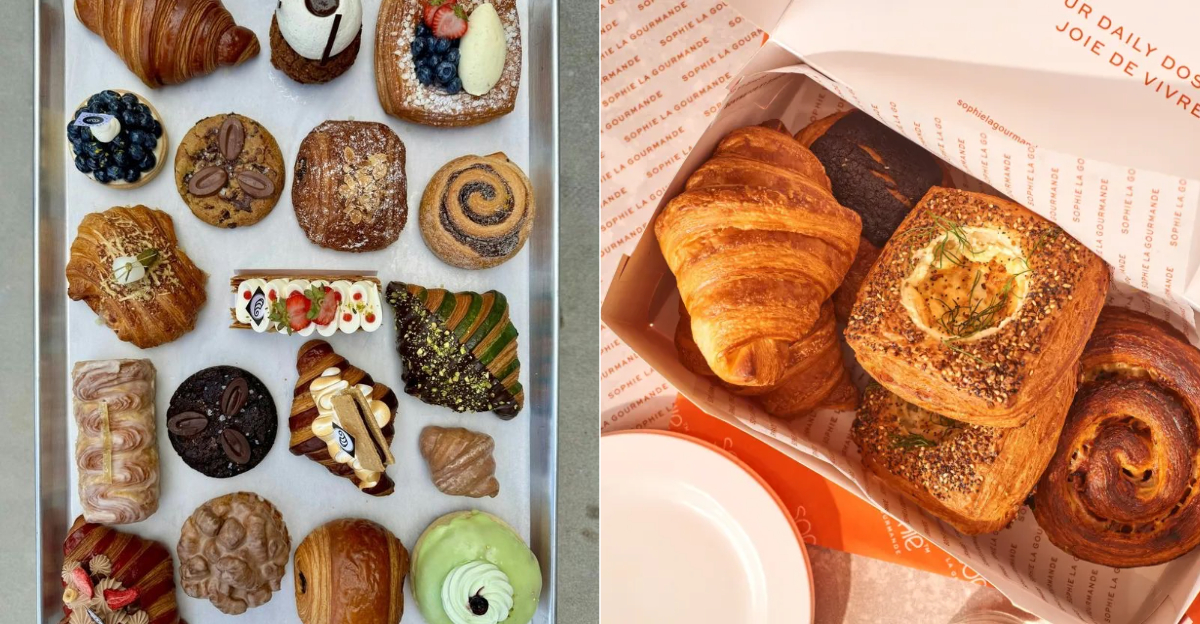
When a truly exceptional croissant is cut open, the interior should reveal a light, airy structure resembling a honeycomb.
That visual detail serves as one of the clearest indicators that the baker relied on patience, skill, and careful technique rather than industrial shortcuts, transforming butter and dough into a highly refined pastry.
Across Ohio, food enthusiasts have increasingly moved beyond average mass-produced baked goods in favor of artisan products that depend on precise timing, technical expertise, and high-quality ingredients.
Independent bakeries and cafés throughout the state have embraced that standard, demonstrating how every crisp layer reflects a deep respect for traditional baking methods.
The following guide highlights 15 outstanding destinations in Ohio where croissants are considered well worth the drive.
Think of it as a map to the places that have transformed an everyday breakfast pastry into a food experience worthy of a dedicated journey.
La Chatelaine French Bakery and Bistro – Columbus
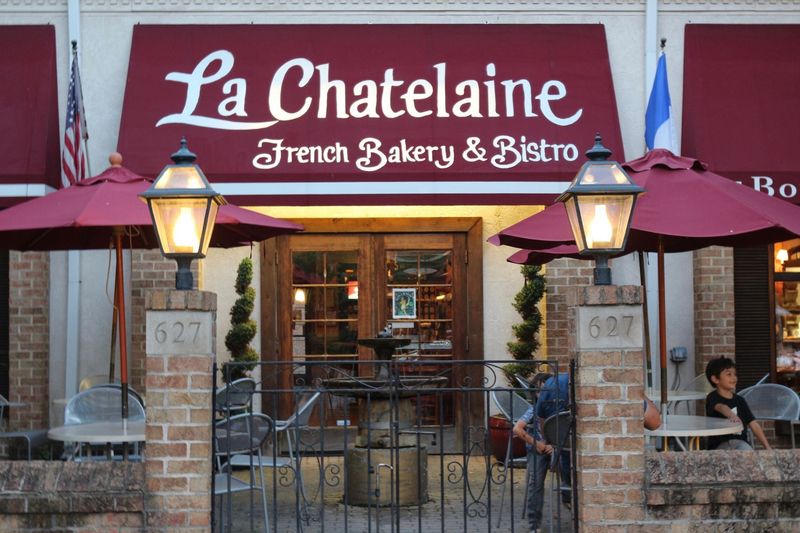
Columbus has long treated this bakery as a reference point for French cafe culture, not just a place to grab breakfast.
You can see that in the way the pastry case balances restraint and abundance, with classic croissants sitting beside tarts, breads, and other staples of a working patisserie.
That broader context matters because croissants make the most sense when they belong to a daily baking tradition shaped by repetition, timing, and high standards.
Inside, the appeal comes from continuity.
The room encourages you to slow down with coffee, and the pastry itself reflects that same confidence.
A proper croissant depends on evenly distributed butter layers, controlled proofing, and a bake hot enough to lift the honeycomb interior without drying the center.
Here, the result fits the old French model: crisp edges, a tender middle, and enough structure to hold together at the table.
In Columbus, that consistency has helped define what many diners expect from laminated dough in a neighborhood setting.
Croquant Gourmet Bakery – Columbus
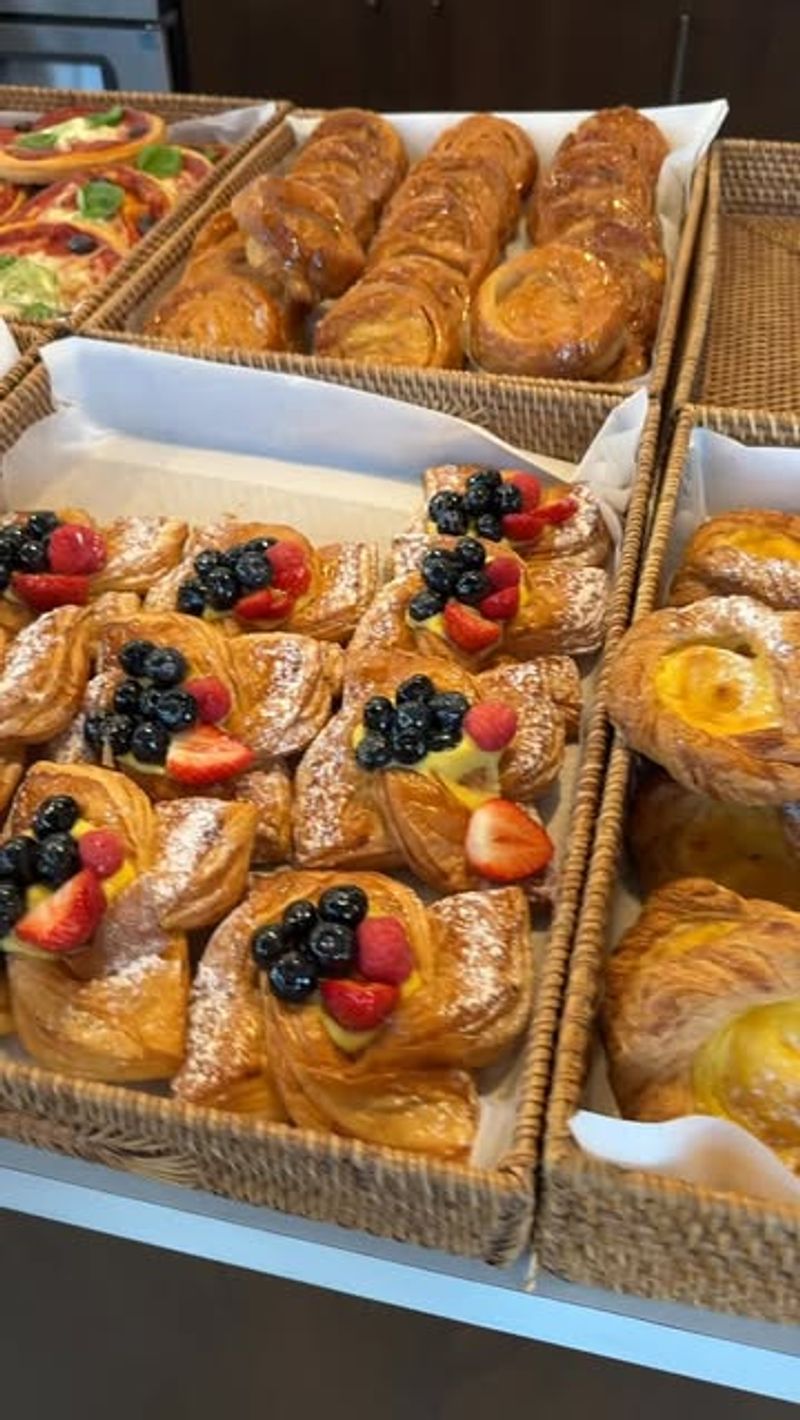
French pastry is easiest to respect when you watch how much labor hides behind something that looks simple.
At this Columbus bakery, the emphasis on artisanal production and small batches suggests a shop built around control rather than volume.
That matters for croissants because lamination breaks down quickly when schedules get rushed, butter warms too fast, or dough loses its tension before proofing is complete.
What stands out in a place like this is the preservation of European technique as a daily habit. You are not only tasting flour, butter, and yeast.
You are tasting the discipline of repeated folds, resting intervals, and careful handling that protects the layers from compression.
Small-batch baking also gives bakers more room to respond to humidity, dough temperature, and fermentation speed, all of which can alter texture by a lot.
The payoff is usually a croissant with a defined shell, distinct internal webbing, and a cleaner finish than pastries produced on an industrial timetable, which is exactly why destinations like this are worth the drive.
Maison Skalli – Columbus
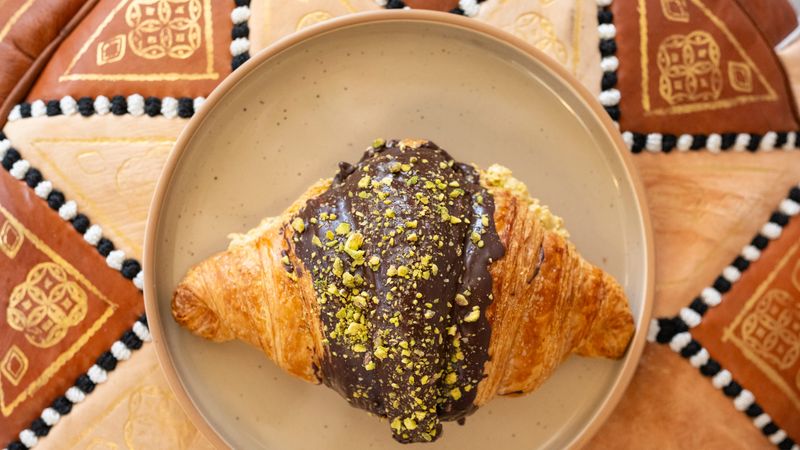
Not every croissant destination is defined only by classic French repetition.
This Columbus bakery is interesting because French pastry craft meets North African culinary influence, creating a broader conversation about how tradition travels and adapts.
When you walk into a place shaped by more than one heritage, you notice details differently, from spice choices to supporting pastries that frame the croissant as part of a larger cultural language.
The technical side still matters.
Laminated dough does not become easier just because the menu feels modern or cross-cultural. It still asks for cool butter, strong but extensible dough, patient fermentation, and exact proofing before the oven sets the layers.
What changes is the context around that work.
Specialty baked goods and regional influences can sharpen your understanding of texture, aroma, and balance, especially when sweetness and spice are used thoughtfully. In that sense, the croissant here becomes more than a standard breakfast item.
It acts as evidence that old techniques remain flexible enough to support new ideas without losing the precision that makes professional pastry worth seeking out in the first place.
Sebastian Bakehouse – Cincinnati
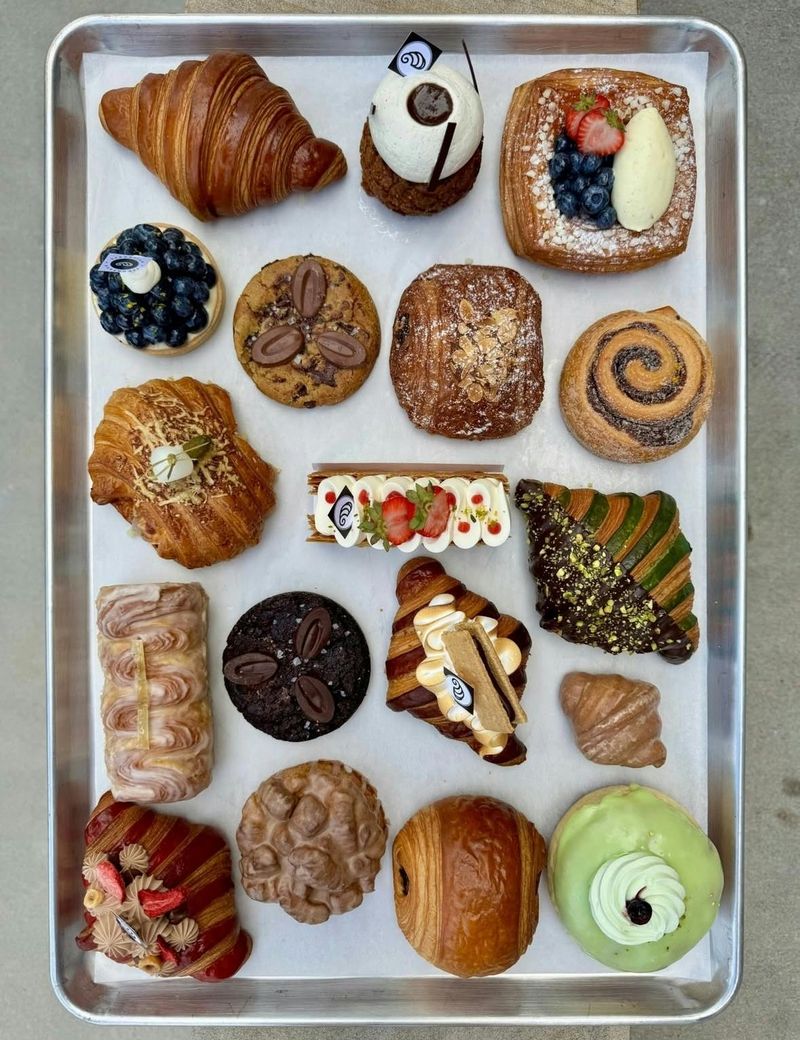
Modern bakeries often reveal their priorities through fermentation, and that is especially true in Cincinnati’s stronger bread and pastry circles.
Here, naturally leavened doughs and a seasonal dessert program suggest a bakehouse that thinks about flavor development from the beginning, not just surface appearance at the end.
For croissants, that mindset is important because depth comes from dough character as much as butter quality or exterior color.
You can usually feel the difference when ingredient sourcing is taken seriously.
Better flour affects strength and extensibility. Good butter changes aroma, melting behavior, and the final fragility of the layers.
Seasonal pastry work also tends to sharpen discipline, since bakers must keep adapting fillings and finishes without letting core technique slip.
In a city whose food scene has grown through independent makers, places like this help move expectations forward.
They make laminated dough part of a larger craft conversation that includes bread, produce, and precise daily execution.
If you care about how contemporary American bakeries reinterpret French methods, this kind of stop matters because it shows how croissants can belong comfortably inside a very current, ingredient-driven baking philosophy.
Boosalis Baking – Cincinnati
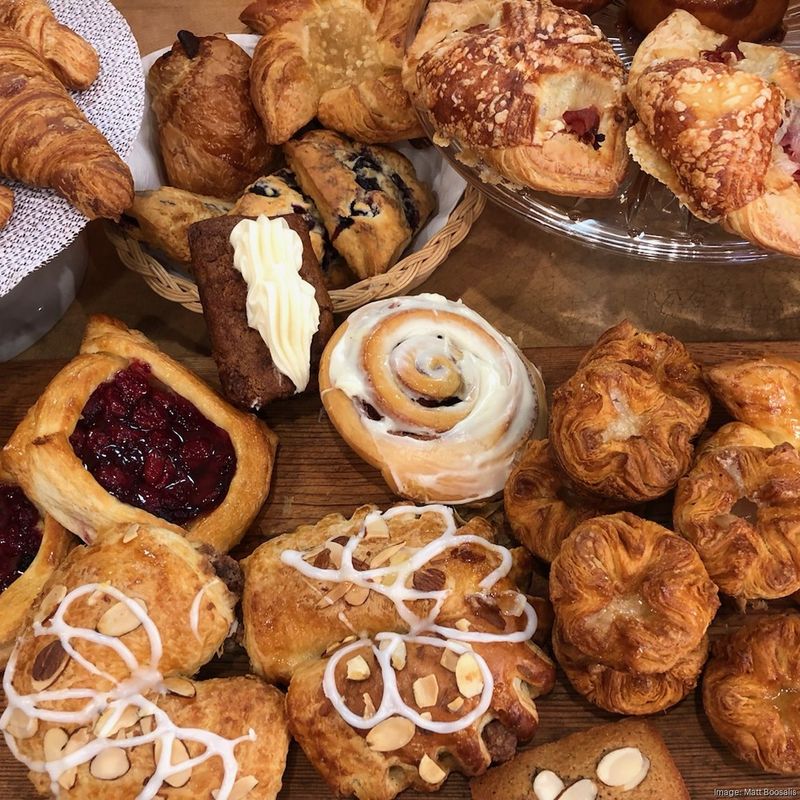
Bread-first bakeries often produce some of the most convincing croissants because they already understand dough as a living material.
In Cincinnati, this shop’s reputation for making things from scratch and leaning on traditional baking methods creates a strong foundation for laminated pastry.
You cannot fake that connection. The same awareness that shapes a good loaf – mixing, fermentation, structure, and timing, carries directly into croissant work.
That relationship between bread culture and pastry craft is worth paying attention to.
A baker who respects gluten development and fermentation control is better equipped to keep laminated dough strong without turning it tough.
Scratch production also matters because every stage stays visible and adjustable, from the détrempe to the final proof.
When that process is handled well, the croissant gains more than flake.
It gets balance, with a crisp shell, an elastic honeycomb, and a clean buttery finish that does not feel greasy.
For travelers interested in technique, this kind of bakery tells an important story about Ohio.
The state’s best croissants do not always come from dessert specialists alone.
Sometimes they come from serious bread bakers who understand that pastry begins with dough literacy.
Mon Petit Choux – Dayton
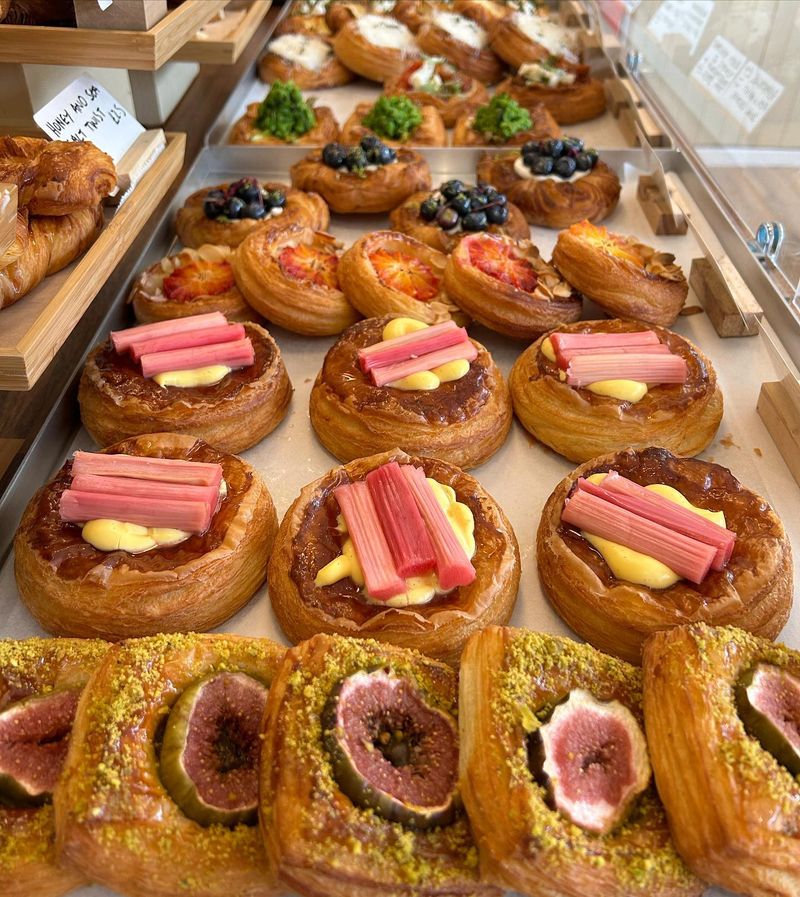
Dayton’s pastry scene feels more precise when viewed through a classic French lens, and this shop embodies that approach.
The focus is not only on sweets that look polished in the case.
It is on dessert craftsmanship as a whole, where croissant making sits beside other exacting forms of pastry work that demand measured hands and a strong understanding of texture.
That wider discipline gives laminated dough a more serious home.
French baking tradition rewards consistency, and croissants may be the clearest test of it.
A baker must lock butter into the dough without smearing it, rest the layers enough to prevent shrinkage, and proof the shaped pieces until they are airy but not weak.
Every stage is vulnerable to error.
If the room is too warm, the butter softens.
If the dough is underproofed, the interior turns dense.
If the oven is misjudged, color arrives before lift.
In a pastry shop grounded in classic methods, you taste the value of technical precision rather than novelty. That makes the trip worthwhile for anyone who wants to understand why French pastry still sets such a demanding standard for bakers across Ohio.
Blackbird Baking Company – Lakewood
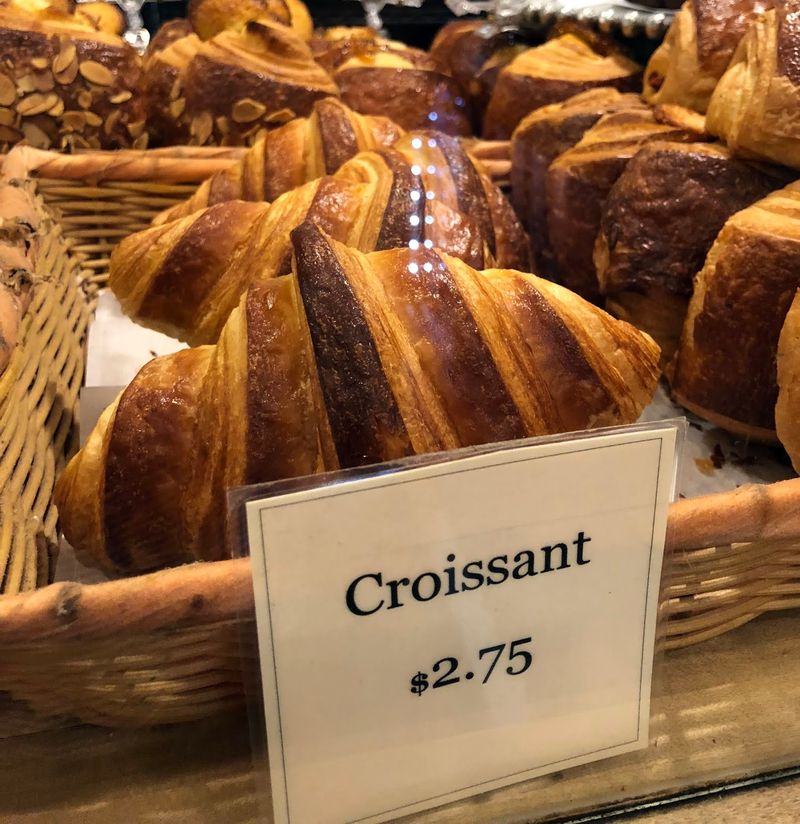
Lakewood’s independent food culture gives bakeries room to build identity through philosophy, and that shows clearly here.
Known for artisan bread programs and naturally fermented products, the shop approaches baking as a process of patience rather than quick turnover.
When croissants come from that environment, they often carry the same values: careful fermentation, respect for flour, and a willingness to let technique speak more loudly than decoration.
What makes a bread-focused bakery especially interesting is how dessert offerings fit into the larger production rhythm.
Croissants are not isolated stars.
They are part of a system built around dough development, schedule management, and close attention to texture.
A baker who works deeply with sourdough understands hydration, elasticity, and oven behavior in ways that support better laminated pastry.
That does not mean the croissant tastes sour. It means the craft behind it is informed by a mature dough sensibility.
In local food culture, independent bakers play a vital role because they set standards through repetition, not advertising.
For you as a traveler, that translates into pastries that reflect place, labor, and method. Those details matter more than trendiness when the goal is a croissant worth driving for.
Sophie La Gourmande – Cleveland
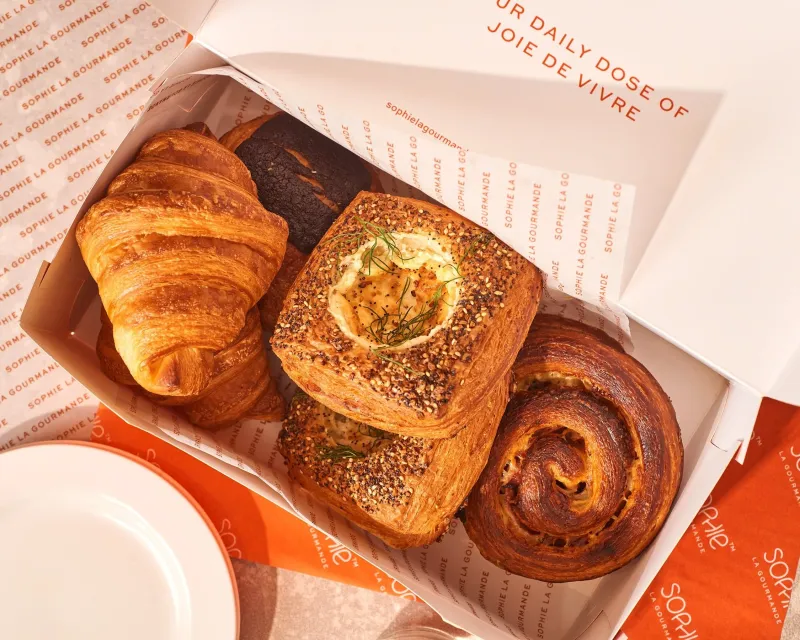
Some bakeries win you over through scale, while others do it through intimacy. Ž
This Cleveland shop fits the second model, where small-batch baking and French culinary tradition shape the experience more than a large menu ever could.
That is especially relevant for croissants because smaller production often protects the careful timing needed for lamination, proofing, and baking.
It gives the pastry room to remain a craft object rather than a rushed staple.
Authentic European influence matters most when it shows up in technique, not just decor.
The benchmark is simple but demanding: layers that separate cleanly, a center that stays tender, and butter flavor that feels integrated instead of heavy.
In a small operation, that kind of result depends on strict routine and close observation.
Dough temperature, resting intervals, and final proof all need constant attention.
You can sense that precision in the finished pastry, which often feels lighter and more composed than versions driven by convenience.
Cleveland’s best croissant stops are compelling because they preserve practical knowledge that has been passed through generations of pastry culture.
This one belongs on the list for showing how modest scale can support serious craftsmanship.
Rising: Artisan Breads – Cleveland
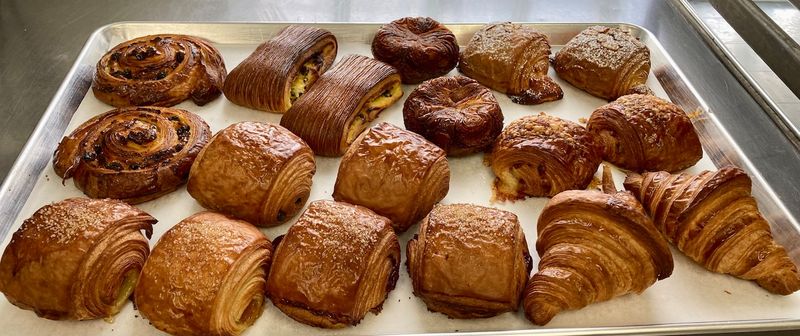
Croissants become more interesting when they come from a bakery that thinks deeply about fermentation across the whole operation.
In Cleveland, this bread-centered shop has built its reputation around naturally fermented baking, and that background changes how you read the pastry case.
The croissant is no longer an isolated luxury item. It becomes part of a broader study in dough development, timing, and controlled transformation under heat.
Operational discipline matters here as much as flavor.
Bakers working with long fermentation schedules must manage labor, proofing space, temperature shifts, and production flow with precision.
That experience supports better laminated goods because croissants also depend on planning at every step.
The dough must be developed enough to trap steam, relaxed enough to roll cleanly, and protected enough to keep butter layers distinct.
When a bakery understands those mechanics at scale, quality can stay consistent even during busy service.
For travelers, this stop offers a practical lesson in how bread expertise strengthens pastry.
It shows that artisan technique is not just romance.
It is an organized system of decisions that allows delicate baked goods to emerge from a demanding production environment with texture, lift, and balance intact.
Farkas Bakery – Cleveland
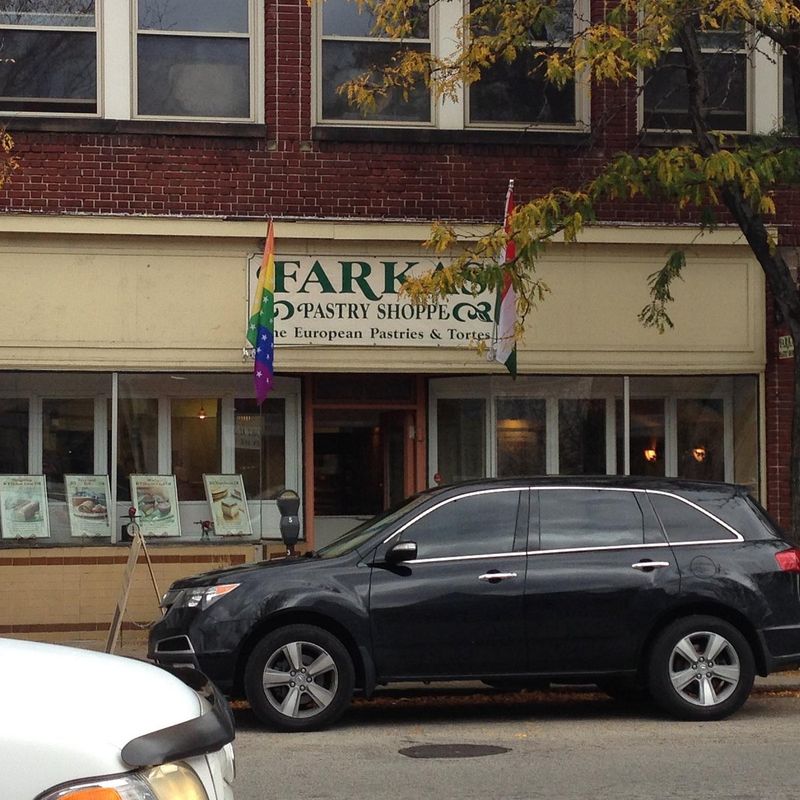
Longevity tells you something important about a bakery, especially when trends in pastry keep changing around it.
This family-run Cleveland institution reflects the staying power of European baking heritage, where consistency is treated as a value in itself.
For croissants, that matters because reliable quality usually comes from deeply ingrained routines.
Bakers repeat the same motions, monitor the same cues, and protect methods that have already proved they work.
Traditional baking practices can seem ordinary until you compare them with shortcuts.
A croissant made with patience has better internal structure, cleaner flavor, and a more controlled crumb than one pushed through a rushed schedule.
Family businesses often preserve those habits because knowledge moves person to person, not just recipe to recipe.
That continuity helps maintain standards even when equipment or demand changes over time. In an era of constant reinvention, places like this remind you that preservation is its own achievement.
The point is not nostalgia for its own sake.
It is the practical value of knowing exactly how a dough should feel, how proofing should look, and when a pastry is truly ready for the oven.
Cleveland’s baking history remains legible through shops that still respect those fundamentals.
Pistacia Vera – Columbus
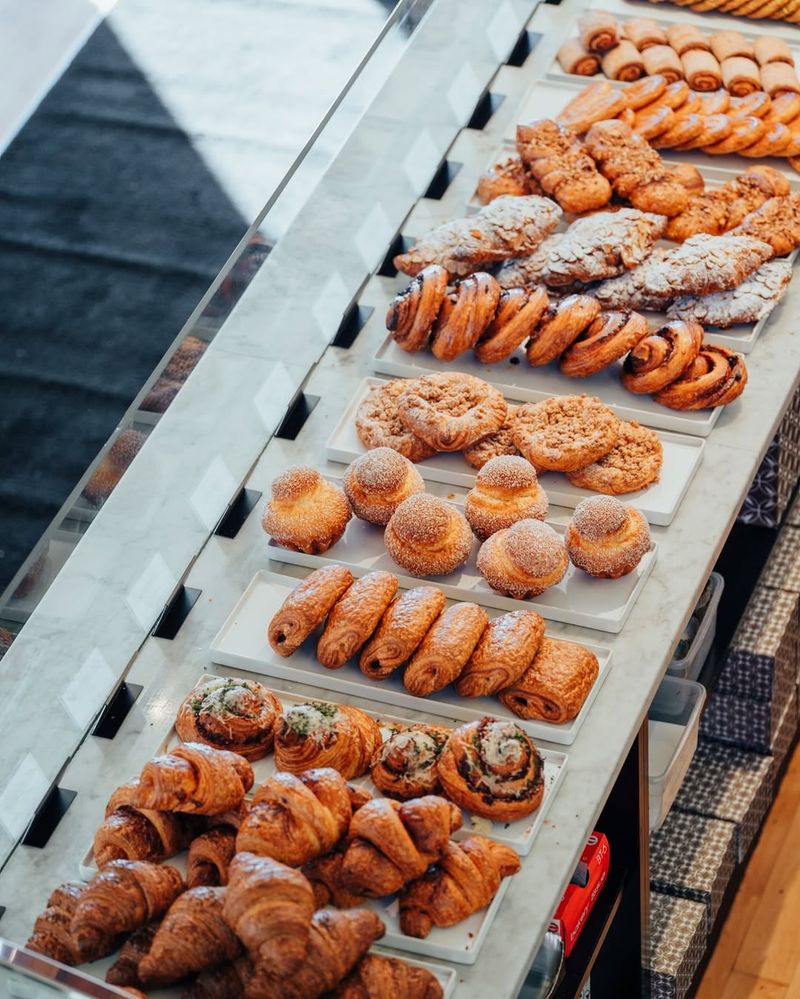
Columbus has no shortage of ambitious pastry, but few places are discussed as often in connection with dessert craft and cafe culture.
This bakery stands out because innovation happens within a disciplined artisanal framework rather than through novelty alone.
That distinction is crucial for croissants.
Laminated dough can support creative flavors, yet it only works when the base pastry is technically sound and the structure survives fillings, glazes, or seasonal variations.
What you notice here is a polished understanding of how a pastry shop functions as both production space and social space.
Cafe seating encourages people to linger, which changes the role of the croissant from quick fuel to something worth observing and tasting carefully.
Behind that experience sits a demanding method: repeated folds, close butter management, controlled proofing, and a bake calibrated for lift and deep caramelization.
The bakery’s reputation in Ohio pastry circles comes from making those details feel seamless.
Seasonal programs and dessert expertise add range, but the underlying achievement is technical consistency.
If you want to understand how a modern pastry destination can be inventive without losing respect for core French methods, this is one of the state’s clearest examples.
Paris 75 – Dublin
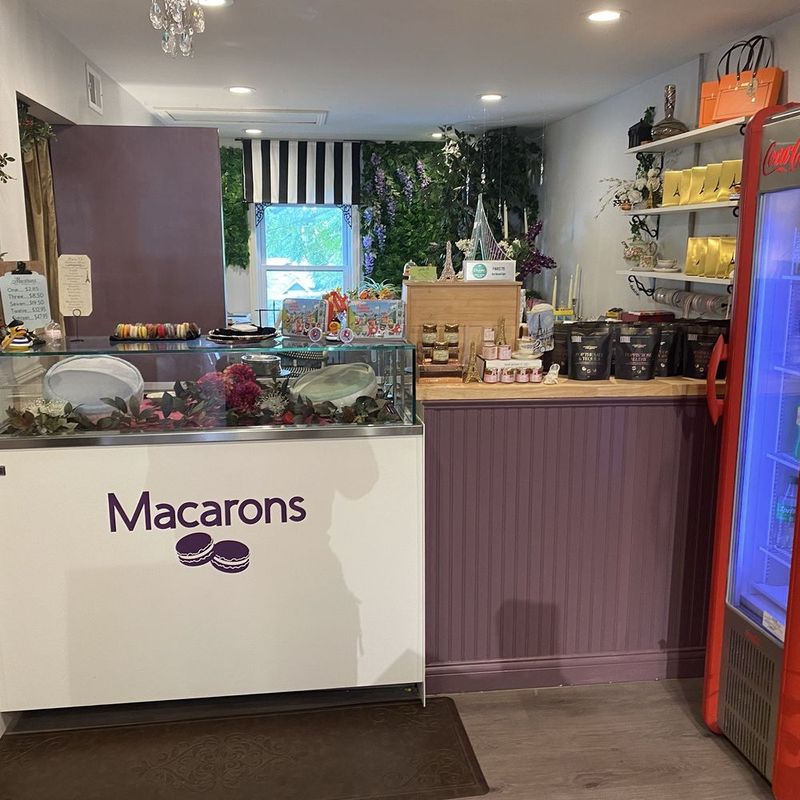
Breakfast rituals tell you a lot about how a bakery wants to be used, and this Dublin cafe leans into the French model of coffee, pastry, and unhurried routine.
That framing gives croissants a natural place at the center of the morning rather than as an afterthought in a larger menu.
It also helps explain why European-style bakeries keep gaining popularity in Ohio.
People increasingly want everyday experiences built around craft and atmosphere.
The croissant’s importance in that setting is both practical and symbolic.
Practically, it is one of the hardest breakfast pastries to execute well because lamination leaves no room for careless handling.
Symbolically, it represents a standard of refinement that many cafes aim for but not all achieve.
A proper version should feel light in the hand, audibly crisp on the outside, and richly layered within.
Those qualities depend on disciplined proofing, even sheeting, and precise oven control.
In a cafe shaped by French pastry culture, that level of care anchors the whole breakfast program.
When you stop here, you are not only eating a pastry.
You are stepping into a style of daily dining that values repetition, balance, and the quiet pleasures of a well-made morning meal.
Paris Baguette – Columbus
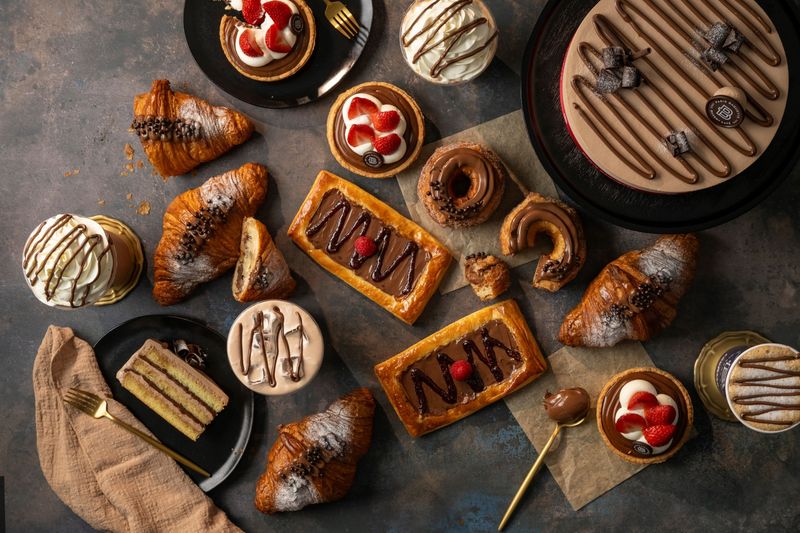
Global bakery culture has changed what American diners expect, and this Columbus cafe is a good example of that shift.
French-inspired baked goods appear here within a modern international format, where polished displays, broad pastry variety, and cafe convenience all work together.
For croissants, that creates an interesting contrast.
The pastry remains rooted in classic French technique, yet it now circulates through a wider, more contemporary retail experience.
Variety is part of the appeal.
Plain croissants, filled versions, and other laminated forms show how adaptable the style has become without losing its visual identity.
Still, the core standard does not change.
A good croissant needs defined layers, proper expansion, and enough butter flavor to read clearly without becoming oily.
In a modern pastry program, consistency across many products becomes the challenge.
Bakers must maintain dough quality, temperature control, and bake precision even when the menu is large and customer flow is constant.
That operational demand helps explain the global appeal of French-style pastry.
The croissant works because it is both familiar and technically respected.
Sur Le Pouce – Cincinnati
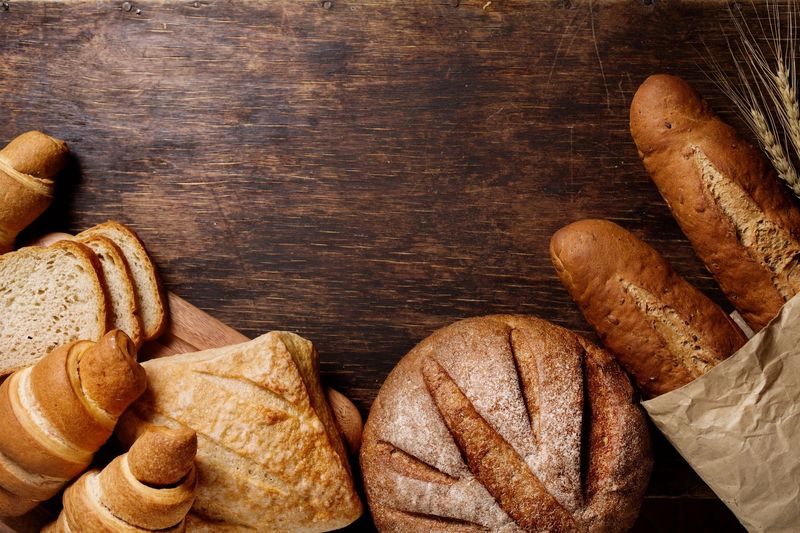
Neighborhood bakeries succeed when regulars trust them to be dependable, and that trust is hard earned with pastry.
This Cincinnati spot reflects authentic French bakery culture through handmade goods and a scale that feels personal rather than industrial.
Croissants benefit from that setting because consistency depends on close attention every day.
The dough must be mixed, rested, folded, shaped, proofed, and baked with very little room for casual error.
What gives a neighborhood place real importance is repetition.
You are not judging a single perfect batch made for a special occasion.
You are seeing whether traditional technique can hold steady across weekdays, weather changes, and morning rushes.
Handmade pastries reveal that discipline more clearly than almost anything else in the case.
A well-made croissant should break into shards, show a visible honeycomb inside, and taste of cultured butter and toasted flour rather than excess sweetness.
When that happens reliably, the bakery becomes part of local life in a meaningful way.
It supports the idea that artisanal baking is not only for destination dining.
It can also live on an ordinary street, serving people who know exactly how a proper French pastry should feel in the hand and on the palate.
Brown Hands Bakery – Columbus
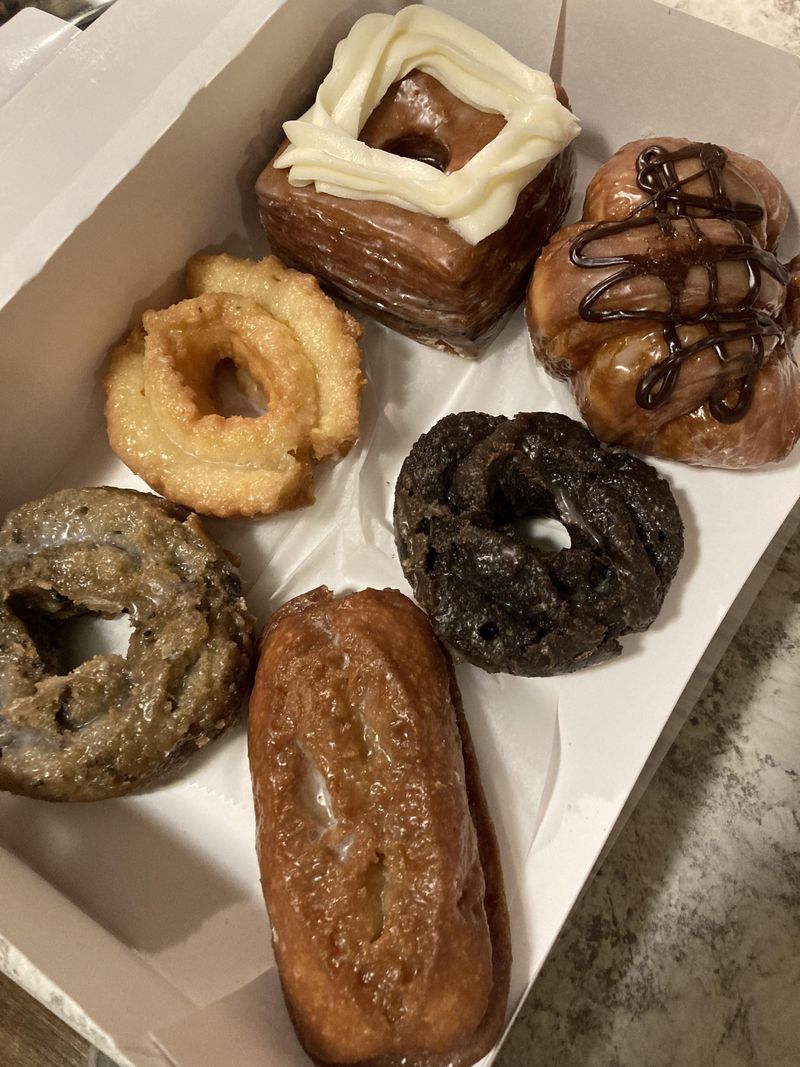
Small-scale production often creates the strongest link between baker and customer, and that relationship shapes how pastry is valued.
In Columbus, this independent bakery stands out for community connection and a creative approach that still respects craft.
That balance is important with croissants.
Creativity means little if the lamination is weak, the fermentation is rushed, or the final texture collapses under too much ambition.
Independent bakers play a major role in local food systems because they work close to demand, seasonality, and neighborhood feedback.
You can often taste that immediacy in the pastry case, where ideas feel specific rather than standardized. For croissants, small-scale work allows more careful adjustments to dough feel, butter temperature, and proofing pace.
Those technical decisions matter more than branding ever will.
A good pastry from a community-rooted bakery reflects both skill and responsiveness.
It belongs to a network of regular customers, local supply choices, and daily production realities.
That context gives the croissant more meaning than a simple breakfast label suggests.
It becomes evidence that independent baking still matters in city life, especially when a shop can combine creativity with the demanding precision required to produce laminated dough that is crisp, airy, and structurally sound.