Pisgah National Forest has a way of making every mile feel like part of the adventure. Just outside Brevard, winding mountain roads pass beneath towering trees, alongside rushing streams, and toward overlooks where layers of blue-green ridges stretch across the horizon.
The scenery unfolds at an easy pace, inviting travelers to slow down and take it all in.
In May, fresh leaves brighten the forest canopy, wildflowers dot the trails, and waterfalls flow with renewed energy from spring rains. Whether you are following a scenic byway, stopping at a quiet picnic spot, or setting out on a wooded hike, the landscape feels both peaceful and endlessly rewarding.
This corner of the Appalachian Mountains offers countless ways to connect with nature, from gentle walks to unforgettable viewpoints. Here are some of the experiences that make Pisgah National Forest such a beloved destination.
Blue Ridge Parkway Mountain Vistas
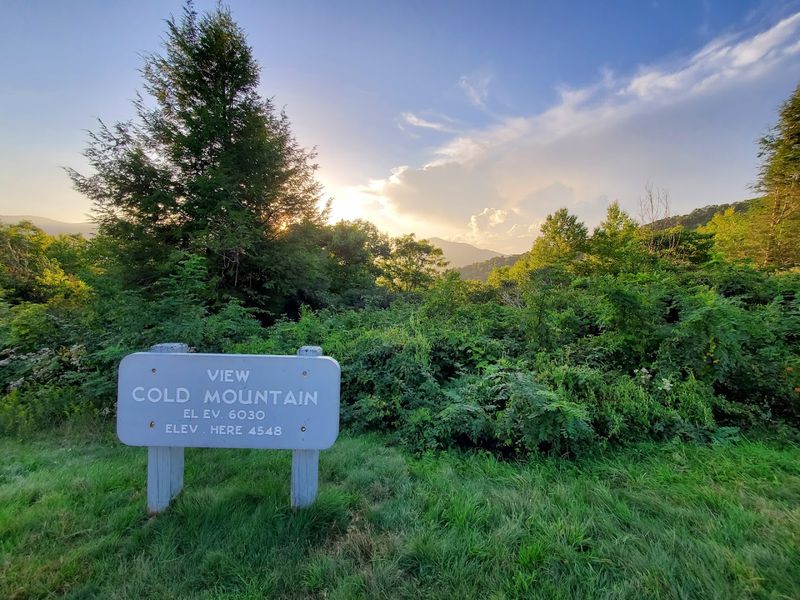
Winding ribbons of pavement curve through cloud-kissed peaks, revealing vista after stunning vista along America’s favorite scenic highway. The Blue Ridge Parkway sections threading through Pisgah National Forest showcase some of the most dramatic mountain scenery in the eastern United States.
Here, elevation meets elevation as the road climbs above 5,000 feet, offering travelers front-row seats to nature’s grandest theater.
Multiple overlooks dot this stretch, each providing unique perspectives on the folded ridges stretching to distant horizons. Morning fog often fills valleys below, creating ethereal seas of white that lap against green mountainsides.
Autumn transforms the landscape into a painter’s dream with brilliant reds, oranges, and golds.
Popular pullouts include Devil’s Courthouse and Graveyard Fields Overlook, where short walks lead to breathtaking panoramas. Spring wildflowers carpet roadside meadows while summer brings cool relief from lowland heat.
Wildlife sightings are common, with deer, turkeys, and black bears occasionally appearing near the roadway.
Photographers cherish golden hour opportunities when slanting sunlight illuminates ridge after ridge in layers of purple and blue. Pack a picnic and plan for frequent stops because rushing past these views would be criminal.
Looking Glass Falls Waterfall Experience
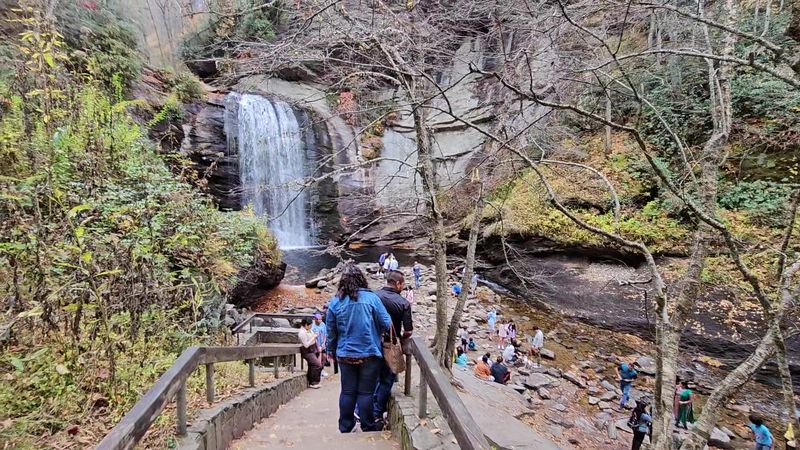
Thundering water plunges sixty feet into a crystalline pool, creating a constant mist that rainbows through on sunny afternoons. Looking Glass Falls ranks among North Carolina’s most accessible and photographed waterfalls, visible directly from the roadside yet magical enough to inspire awe in every visitor.
The falls get their name from the way ice forms a mirror-like surface across the rock face during winter months.
A short paved path leads to a viewing platform offering perfect angles for photos and moments of contemplation. The constant roar drowns out everyday worries while cool spray refreshes sun-warmed faces.
Visitors can carefully descend to the base where the pool invites wading, though swimming isn’t officially permitted.
Spring runoff creates the most powerful displays when snowmelt swells the cascade into a churning spectacle. Summer crowds gather here to escape heat, so arriving early morning guarantees more solitude and better lighting.
The surrounding forest frames the falls beautifully with mountain laurel and rhododendron blooming pink in late spring.
Parking fills quickly on weekends, requiring patience or midweek visits. Despite its popularity, the waterfall never disappoints, delivering natural beauty that cameras struggle to fully capture.
Sliding Rock Natural Water Attraction
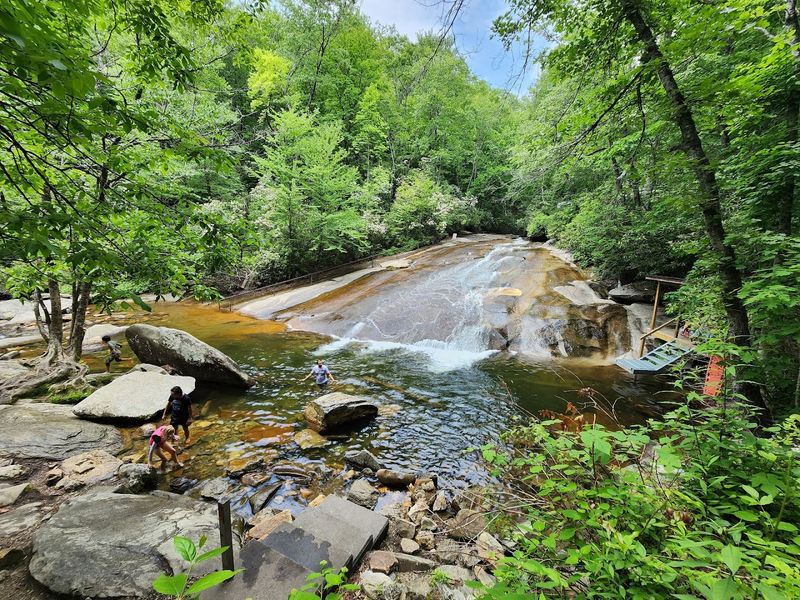
Smooth granite becomes nature’s playground where thousands of gallons per minute create the Southeast’s most thrilling natural water slide. Sliding Rock transforms a geological formation into pure summertime joy, sending riders sixty feet down slick stone into a chilly eight-foot-deep pool below.
Generations of families have screamed with delight while shooting down this iconic attraction nestled in the forest.
Water temperatures hover around a bracing 50-60 degrees even in July, guaranteeing shrieks and laughter from brave sliders. Lifeguards patrol during peak season, and bathhouse facilities make the experience comfortable for day-trippers.
The smooth rock surface worn by centuries of flowing water provides surprisingly gentle passage despite the thrilling speed.
Most visitors make multiple runs, climbing back up carved stone steps for another rush. Wearing sturdy shorts protects against the rock’s friction while water shoes provide grip on wet surfaces.
Spring and early summer offer the best flow rates before late-season drought reduces water volume.
Admission fees are minimal, making this an affordable family adventure. Arrive early on hot weekends to claim parking and avoid waiting in line.
The experience combines adventure with natural beauty in ways theme parks simply cannot replicate.
Mount Pisgah Summit Trail Adventure
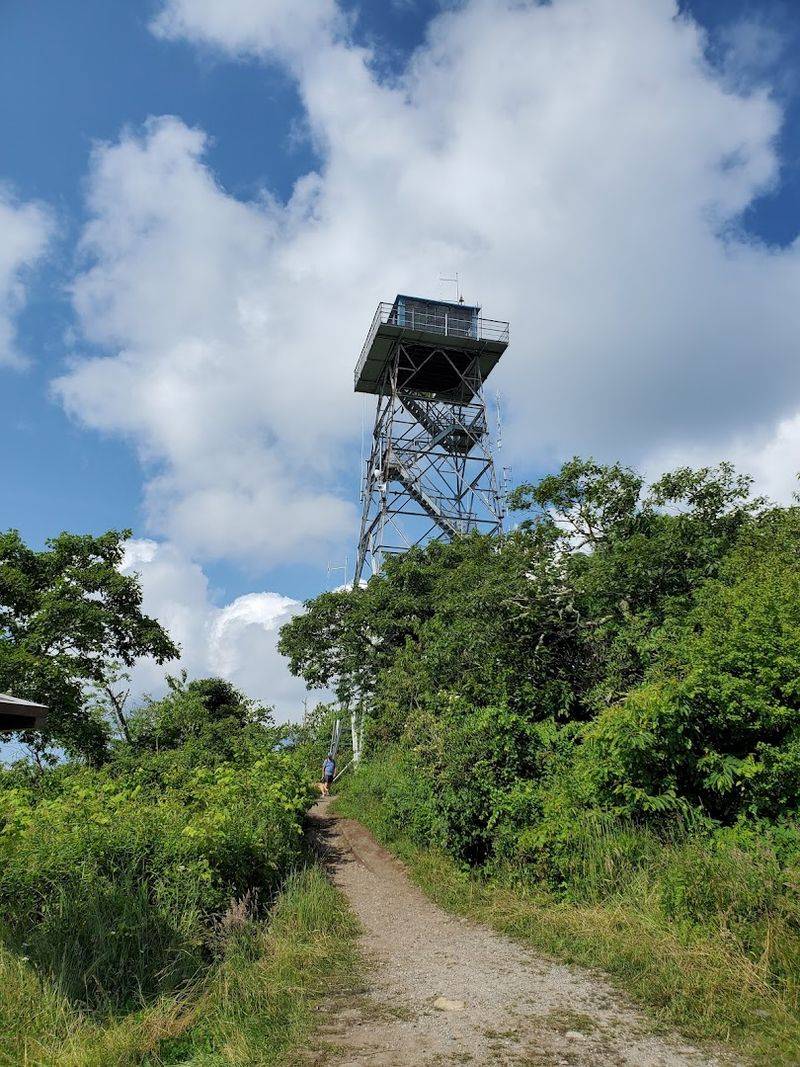
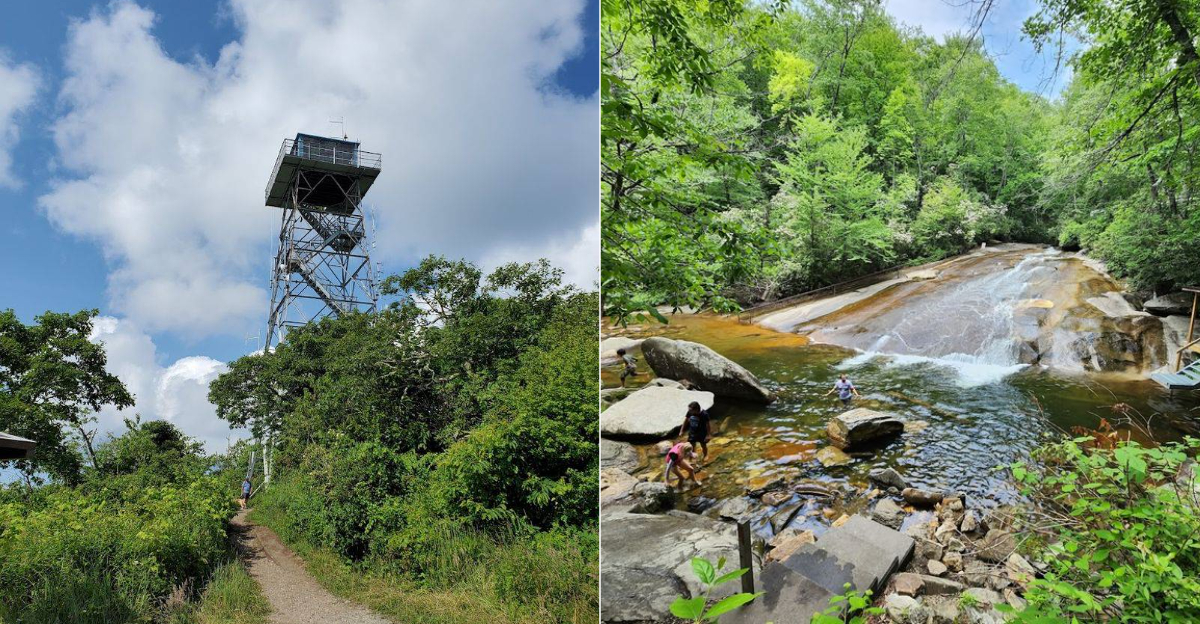
Standing atop a fire tower at 5,721 feet, you can see forever across endless Appalachian ridges that fade into blue infinity. Mount Pisgah serves as the forest’s namesake peak, offering one of the most rewarding short hikes in the region.
The 2.6-mile round trip climbs steadily through spruce-fir forest before emerging onto an observation platform commanding panoramic views.
Trail conditions vary from gentle grades to steeper sections requiring moderate fitness levels. Root-crossed paths wind through aromatic evergreens where birdsong provides natural soundtrack to steady footfalls.
The final push brings you to the historic tower where 360-degree vistas justify every upward step.
On clear days, visibility stretches seventy miles in all directions, revealing distant peaks in Tennessee, South Carolina, and Georgia. Identifying nearby landmarks becomes an enjoyable challenge as you pick out familiar formations from this lofty perch.
Summer wildflowers dot the summit meadow while autumn foliage creates spectacular tapestries below.
Winter conditions demand micro-spikes and extra layers as ice and snow transform the trail. Spring offers the quietest hiking with migrating birds passing through the high-elevation forest.
The campground near the trailhead provides convenient basecamp for multi-day forest explorations.
Graveyard Fields Loop Trail System
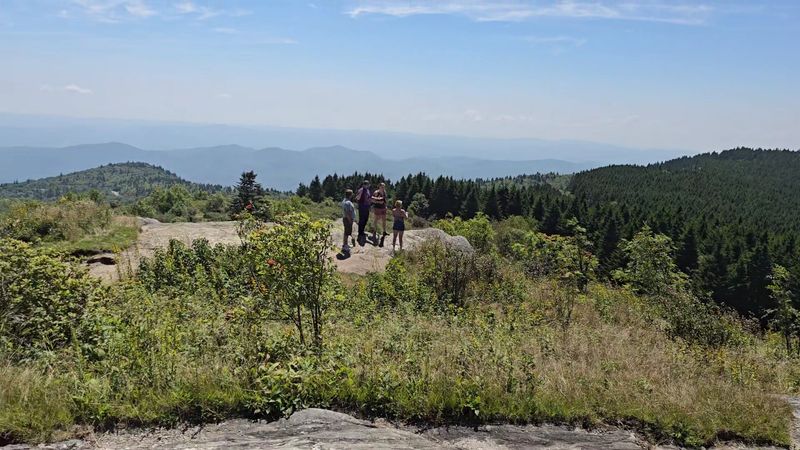
Open meadows sprawl across high-elevation terrain where ancient stumps once resembled tombstones, giving this stunning area its haunting name. Graveyard Fields contradicts its ominous title with vibrant life, offering easy trails through blueberry-filled meadows alongside tumbling mountain streams.
Two waterfalls reward hikers willing to explore side paths branching from the main loop.
The 3.2-mile circuit provides gentle grades suitable for families, though rocky creek crossings require careful footing. Wild blueberries ripen in late summer, creating natural snacking opportunities that locals guard as seasonal secrets.
Yellow birch groves contrast beautifully against evergreen ridges surrounding the basin.
Second Falls and Yellowstone Falls each deserve detours, with the latter requiring a steeper descent to viewing areas. Creek wading offers refreshing breaks during warm hikes while fall colors transform meadows into golden seas.
Winter ice formations create crystalline wonderlands though trails become challenging without proper footwear.
Parking along the Blue Ridge Parkway fills early on perfect weather days, requiring overflow areas or alternative timing. The area’s popularity stems from accessibility combined with genuine beauty that photographs magnificently.
Sunrise visits provide magical lighting as mist rises from the streams threading through mountain grasses.
Black Balsam Knob Balds Exploration
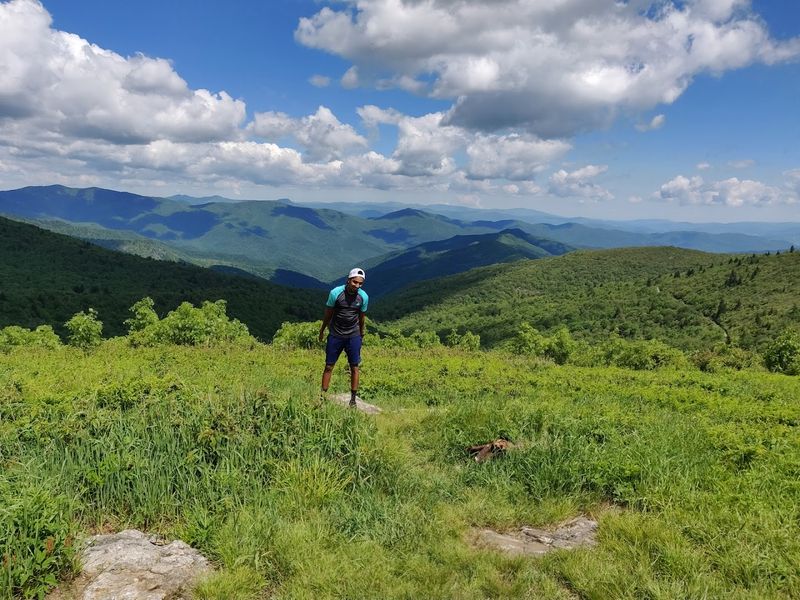
Treeless summits crown ridges above 6,000 feet where grass and wildflowers replace forest, creating otherworldly landscapes rare in eastern mountains. Black Balsam Knob presents the most accessible balds in the Southern Appalachians, reached via short trails from high-elevation parking.
These mystical clearings offer unobstructed views typically reserved for western peaks.
Several interconnected paths wind through the balds, allowing custom hikes from one to five miles depending on ambition and weather. Wind sweeps constantly across exposed ridges, carrying sounds and scents across vast distances.
June brings rhododendron blooms painting hillsides purple while wild blueberries feed August hikers.
The Art Loeb Trail crosses through, connecting to longer backpacking routes for adventurous souls. Photographers worship sunrise and sunset opportunities when golden light transforms the rolling terrain into dreamscapes.
Star gazing reaches legendary status here with minimal light pollution and elevation clearing atmospheric haze.
Weather changes rapidly at this altitude, demanding layered clothing and preparedness for sudden temperature drops. The parking area sits right along the Blue Ridge Parkway, eliminating extended approaches.
Camping nearby at various Forest Service sites enables early starts before day-trippers arrive. Few places in the East deliver such alpine-like experiences with such minimal effort required.
Cradle of Forestry Historic Site
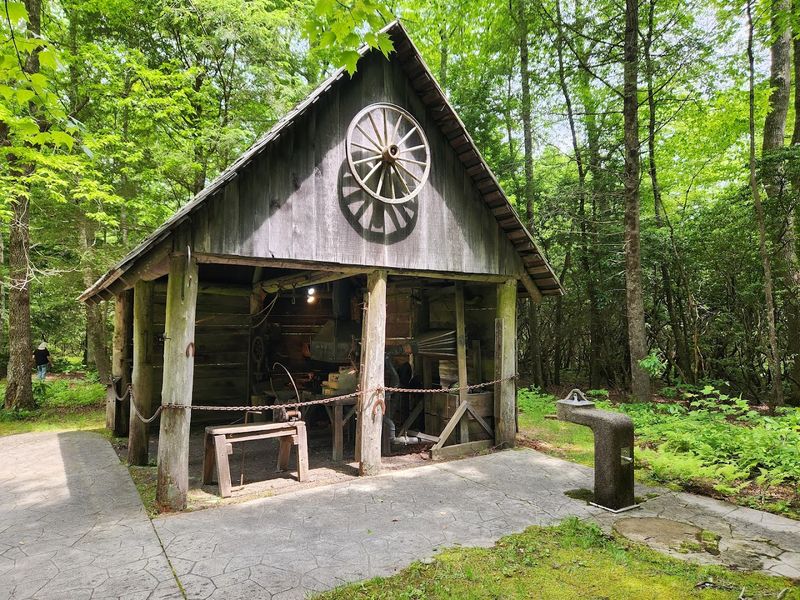
America’s first forestry school once stood in these quiet woods, training early conservationists who shaped how we manage wilderness today. The Cradle of Forestry preserves this birthplace of forest conservation, offering visitors a journey through environmental history via restored buildings and interpretive trails.
Interactive exhibits bring to life the pioneering work of Carl Schenck and George Vanderbilt.
Two paved loop trails wind through the historic campus, passing authentic structures where students learned sustainable timber practices in the early 1900s. Costumed interpreters demonstrate period tools and techniques during summer months, answering questions about early conservation efforts.
The visitor center houses fascinating displays explaining how revolutionary ideas developed here spread nationwide.
Kids especially enjoy the hands-on activities and scavenger hunts designed to teach forest ecology basics. The climbing tower and historic portable sawmill demonstrate technological ingenuity from simpler times.
Autumn colors provide stunning backdrops for exploring the campus grounds and surrounding trails.
Special events throughout the year include forestry demonstrations, guided walks, and educational programs for all ages. The site operates seasonally with modest admission fees supporting preservation efforts.
This unique attraction combines education with recreation, proving learning about nature enhances appreciation for the forests surrounding the facility.
Pink Beds Picnic and Trail Area
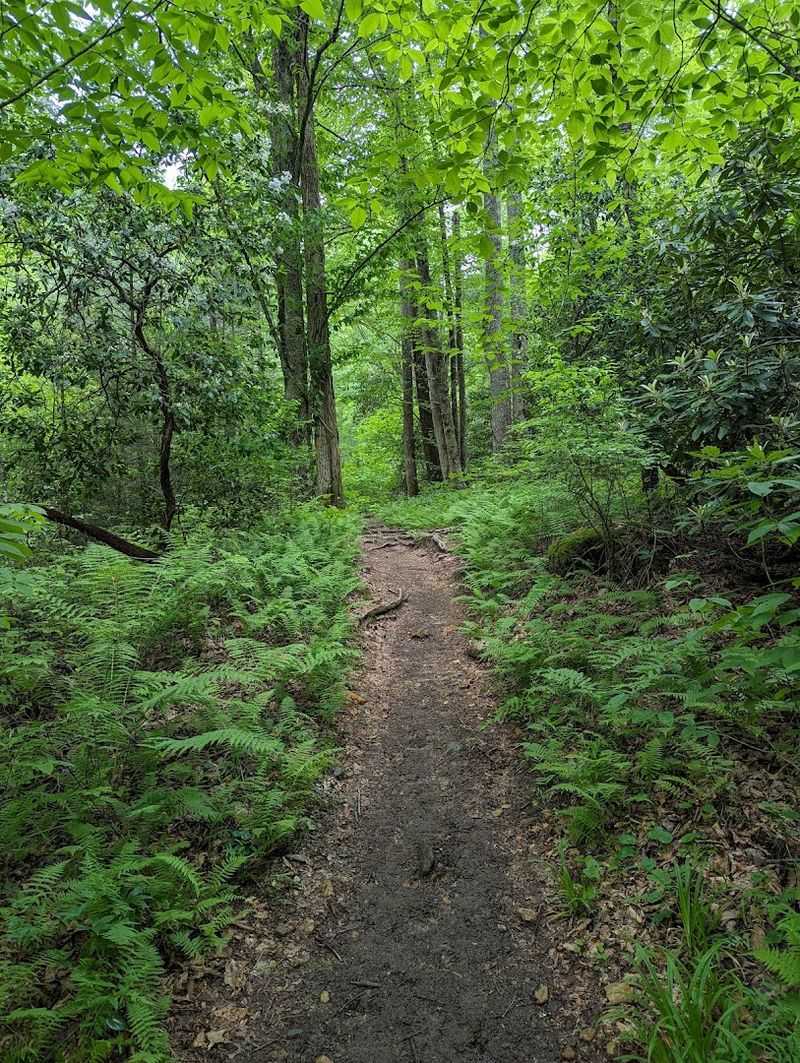
A flat valley floor cradles wetlands and wildflower meadows where mountain laurel blooms create pink clouds each spring, inspiring the area’s fitting name. Pink Beds offers rare level terrain in mountainous Pisgah, making it perfect for leisurely nature walks and family picnics.
The loop trail system winds 5.5 miles through diverse habitats supporting incredible biodiversity.
Wooden boardwalks cross boggy sections where carnivorous pitcher plants and sundews thrive in acidic soils. Interpretive signs explain the unique ecology of southern Appalachian wetlands and their importance to watershed health.
Bird watchers flock here during migration periods when warblers and other species pause to refuel.
Late May through early June showcases peak bloom times when rhododendron and mountain laurel transform trails into floral tunnels. The relatively flat terrain makes this accessible for young children and those seeking gentler outdoor experiences.
Creek crossings and beaver activity add interest throughout the circuit.
Picnic areas near the trailhead provide tables and grills under towering hemlocks beside babbling South Mills River. The combination of easy trails, beautiful scenery, and excellent facilities makes Pink Beds ideal for introducing newcomers to forest recreation.
Fishing opportunities exist in nearby streams for those carrying valid licenses and lightweight tackle.
Art Loeb Trail Backpacking Route
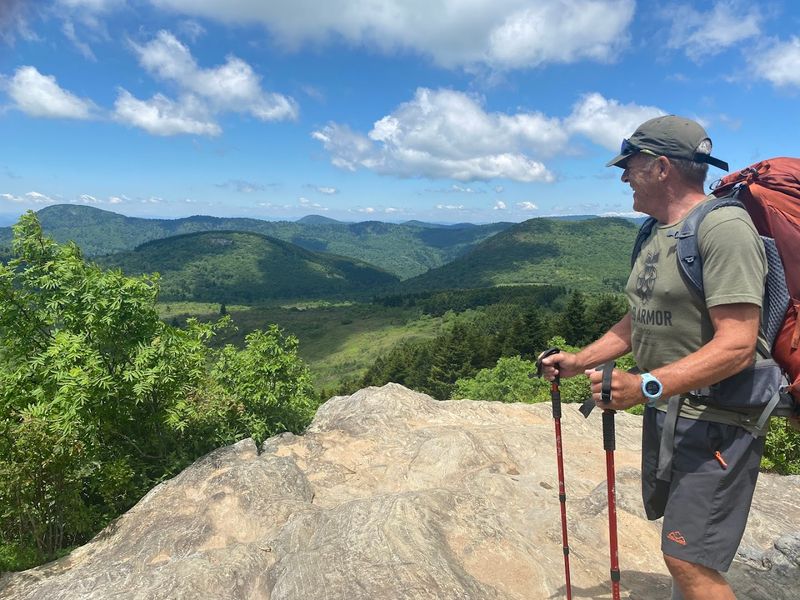
Thirty miles of challenging terrain test hikers’ mettle while rewarding them with some of the Southeast’s most stunning backcountry scenery. The Art Loeb Trail traverses Pisgah’s wildest sections, crossing grassy balds, rocky summits, and dense forest in an epic journey connecting multiple wilderness areas.
Serious backpackers revere this route for its difficulty and beauty combined.
The trail’s northern sections climb through Black Balsam and Shining Rock Wilderness, offering alpine-like conditions rare in eastern mountains. Southern portions descend through rhododendron thickets and hardwood forests before finishing near the Davidson River.
Elevation changes exceed 6,000 feet over the trail’s length, demanding excellent conditioning.
Most tackle the route over three to four days, utilizing established campsites near water sources. Spring and fall provide optimal conditions, avoiding summer heat and winter ice dangers.
The trail’s white blazes mark the way through occasionally confusing terrain where navigation skills prove essential.
Views from Tennent Mountain and Cold Mountain rival anything the Appalachian Trail offers with far fewer crowds. Water availability varies seasonally, requiring careful planning and purification systems.
This legendary route represents North Carolina backpacking at its finest, challenging adventurers while showcasing Pisgah’s remarkable diversity and unspoiled wilderness character.
Forest Heritage Scenic Byway Drive
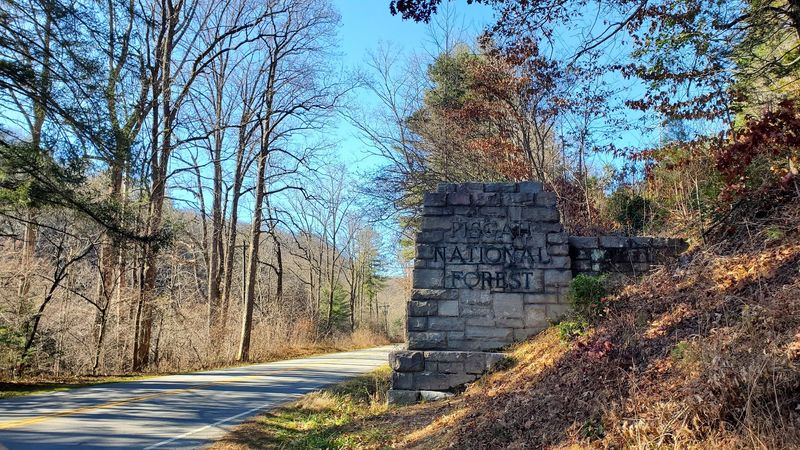
Seventy-nine miles of winding mountain roads connect countless natural and cultural treasures in a driving tour showcasing Pisgah’s best features. The Forest Heritage Scenic Byway links waterfalls, historic sites, and scenic overlooks in a journey celebrating both natural beauty and human heritage.
This route serves as the perfect introduction for first-time visitors or pleasant all-day excursion for return guests.
The byway passes Looking Glass Falls, Sliding Rock, and the Cradle of Forestry, allowing motorists to sample major attractions efficiently. Interpretive signs along the route explain logging history, forest ecology, and conservation milestones.
Small pullouts provide photo opportunities at streams, overlooks, and interesting geological formations.
Autumn transforms the drive into a color spectacular as hardwoods transition through brilliant hues. Spring wildflowers line roadsides while summer’s green canopy provides cooling shade over pavement.
The route requires several hours minimum, though full-day excursions including stops prove more rewarding.
Maps available at ranger stations highlight points of interest and suggest side trips to lesser-known gems. The byway connects to the Blue Ridge Parkway, allowing expanded exploration for those with extra time.
Driving this scenic corridor provides comprehensive overview of Pisgah’s diversity without requiring strenuous hiking or technical skills.