The Blue Ridge Parkway used to feel like America’s quietest highway, a ribbon of mist and silence cutting through endless mountains.
It’s the kind of road that made slow travel feel like freedom itself.
Every curve once promised foggy overlooks, sleepy pull-offs, and tiny towns that felt paused in time. Even the air seemed to move at a gentler pace.
But travel grew, traffic thickened, and some stops lost that soft mountain rhythm people came for. Some places turned louder, filled with traffic and quick weekend crowds passing through.
Still, pockets of the Blue Ridge and Appalachians hold on tight, where mornings stay quiet and roads wind without hurry, waiting to be rediscovered in this journey. These towns still feel like the Parkway before the world sped up again.
Blowing Rock, North Carolina
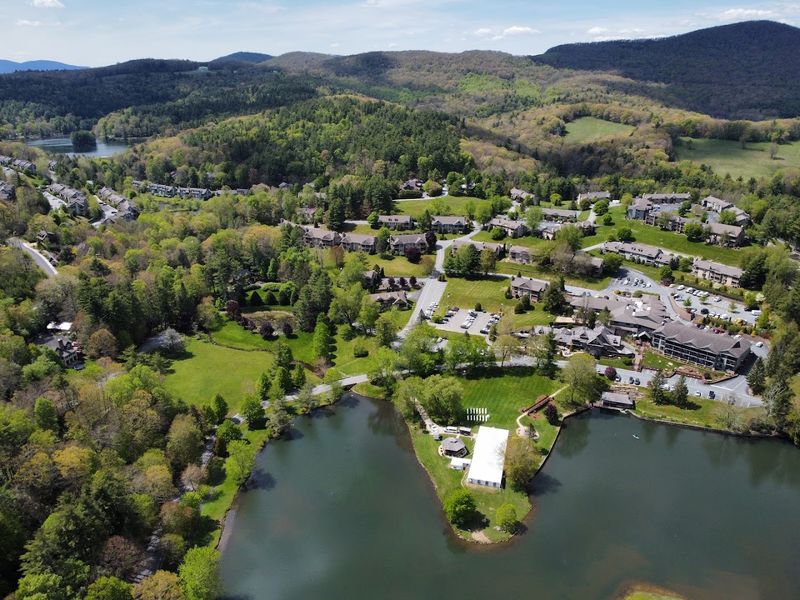
Walking through Blowing Rock feels like stepping into a mountain postcard from another era. The village center wraps around tree-lined streets where shopfronts still have rocking chairs out front and locals greet you by name after just one visit.
The entire town sits at over 3,500 feet, which means cool summer evenings and brilliant fall colors that blanket the ridges. Winding scenic roads connect you to Parkway overlooks in minutes, but once you’re back in town, the pace drops immediately.
Main Street shopping here means independent bookstores, local craft galleries, and cafes where breakfast runs slow on Saturday mornings. There’s no rush to anything, and that’s exactly the point.
Nearby trails lead to quiet forest walks, and the famous Blowing Rock formation offers views that stretch across three states. Lodges and inns still operate with old-fashioned hospitality, where conversation matters more than Wi-Fi speed.
If you’re looking for that classic Parkway town experience without the modern tourist crush, Blowing Rock delivers it naturally.
Boone, North Carolina
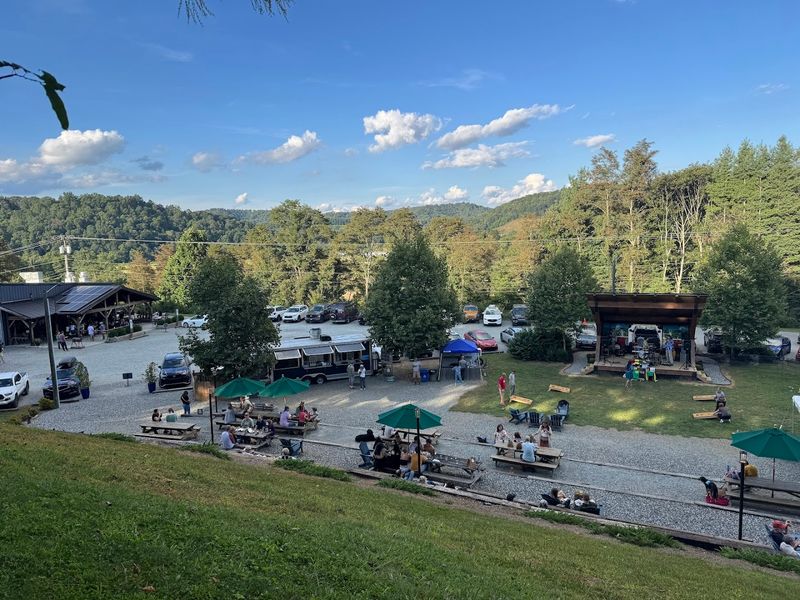
Even with a university campus at its heart, Boone manages to keep mountain life front and center. Students and locals share trailheads, farmers markets, and downtown coffee shops where Appalachian music still plays on weekends.
The town sits surrounded by forested peaks and valley ridges, with Parkway access just a short drive away. Drive five minutes in any direction and you’ll hit either hiking trails, scenic overlooks, or quiet backroads that wind through farmland and woodland.
Downtown Boone has kept its small-town bones intact despite growth. Brick storefronts house local outfitters, used bookstores, and family-run diners where biscuits come hot and conversation comes easy.
What makes Boone different is how it balances energy with stillness. The college crowd brings life without overwhelming the natural rhythm of mountain living.
Summer evenings feel cool enough for sweaters, and fall brings a flood of color that makes every drive feel cinematic.
For anyone seeking mountain living with just enough activity to stay interesting, Boone hits that balance perfectly.
Banner Elk, North Carolina
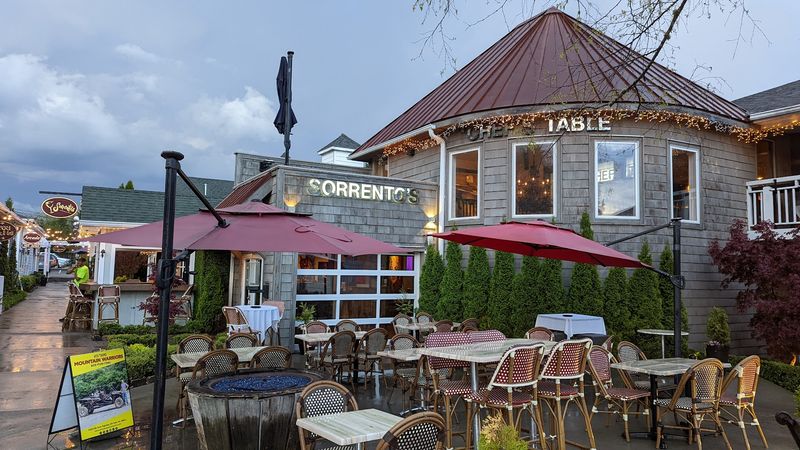
High in the North Carolina mountains, Banner Elk feels more like countryside than town. Rolling pastures meet steep ridgelines, and fog settles into valleys most mornings before burning off by midday.
This is a place where seasons dictate the pace of life. Ski resorts bring winter visitors, but the rest of the year moves slower, with farmers markets, quiet hiking trails, and family-owned restaurants that close when they feel like it.
The town itself is small enough to walk end to end in ten minutes, but the surrounding landscape stretches wide. Backroads wind through farmland dotted with old barns and split-rail fences, all framed by the high peaks of the Blue Ridge.
Local shops focus on outdoor gear and mountain crafts, not souvenir kitsch. Conversations happen at the general store, the post office, and along trailheads where locals and visitors cross paths naturally.
Banner Elk doesn’t try to be anything other than what it is: a mountain farming community that welcomes visitors without changing for them.
Little Switzerland, North Carolina
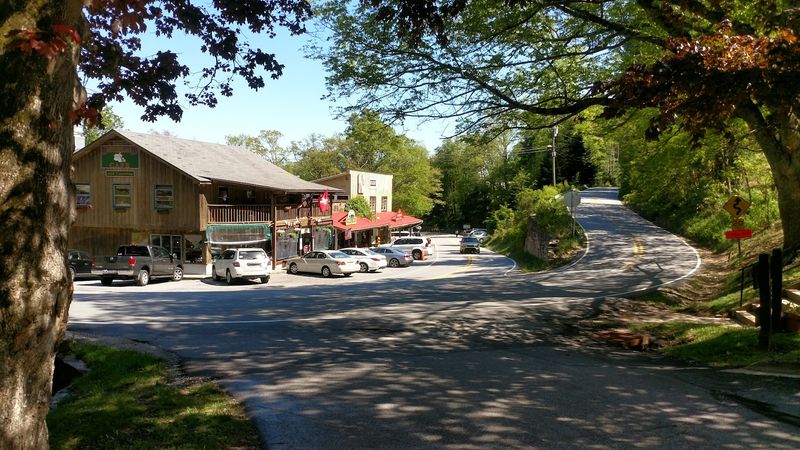
Perched directly along the Blue Ridge Parkway, Little Switzerland might be the closest thing left to time travel in the region. The village consists of a few historic lodges, a handful of shops, and overlooks that drop straight into forested valleys.
Built as a mountain resort in the early 1900s, it still operates on that original vision. Stone cottages, vintage inns, and a general store that looks unchanged since mid-century all contribute to the feeling that you’ve driven back fifty years.
The Parkway runs right through town, which means immediate access to some of the most dramatic scenery in the Blue Ridge. Waterfalls, high-elevation trails, and panoramic overlooks are all within minutes.
What Little Switzerland lacks in size, it makes up for in atmosphere. There’s no rush here, no modern development pushing in.
Just mountain air, historic lodging, and the kind of quiet that makes you want to sit on a porch and do absolutely nothing.
For anyone nostalgic for what Parkway travel used to feel like, this place delivers it authentically.
Linville, North Carolina
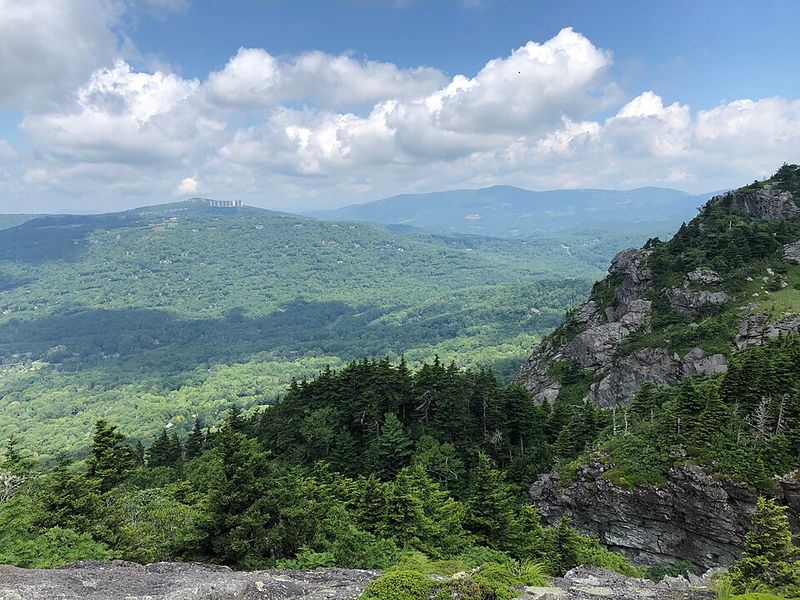
Linville is less a town and more a nature-centered gathering point. Known for Linville Falls and the dramatic Linville Gorge, this area exists almost entirely for people who come to hike, camp, and disappear into wilderness.
The surrounding terrain is some of the most rugged in the Blue Ridge. Steep gorge walls, rushing waterfalls, and dense forest cover create an environment that feels untouched by modern development.
A small cluster of lodges and cabins provides the only real infrastructure, but that’s exactly the appeal. There are no strip malls, no chain restaurants, no tourist traps trying to pull you off the trail.
Instead, life here revolves around sunrise hikes, waterfall photography, and campfire evenings. The Parkway runs nearby, connecting Linville to other mountain communities, but most visitors come specifically for the natural features and stay close to them.
If your version of slow-paced charm involves more forest than sidewalk, more trail time than shopping, Linville offers exactly that. It’s quiet because it’s wild, and it stays wild because it’s protected.
West Jefferson, North Carolina
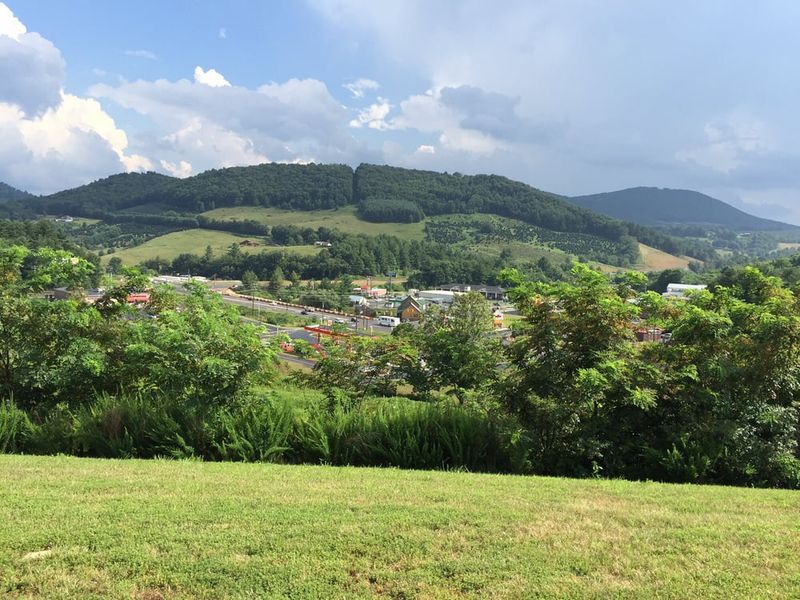
Art changes the energy of a place, and West Jefferson proves it. This small mountain town has become a quiet haven for artists, musicians, and makers who’ve chosen mountain life over city hustle.
The downtown core is compact and walkable, with galleries tucked between family-run cafes and hardware stores that have served locals for generations. Murals cover building walls, turning ordinary storefronts into outdoor galleries.
Despite the creative influence, West Jefferson hasn’t gentrified or lost its mountain roots. Farmers still come to town on market days, locals gather at the diner for breakfast, and everyone knows the rhythm of small-town living.
The surrounding countryside offers immediate access to the Parkway and its overlooks, but the town itself provides enough charm to keep you off the road. Craft beer, live bluegrass, and farm-to-table dining all happen here without pretension or tourist markup.
West Jefferson feels like what happens when mountain tradition meets creative spirit without either one overwhelming the other. It’s quiet but alive, simple but interesting, and perfectly positioned for anyone seeking that old Parkway pace.
Hot Springs, North Carolina
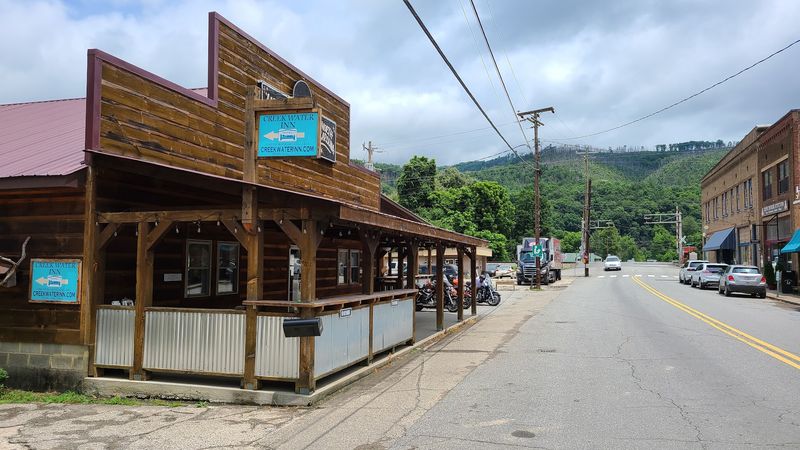
Hot Springs sits where the Appalachian Trail crosses the French Broad River, and that intersection defines everything about the place. Hikers pass through, river paddlers stop for lunch, and the natural hot springs draw people looking to soak away the miles.
The town itself is tiny, just a few blocks of historic buildings pressed between the river and steep hillsides. But the energy here is intentionally slow, shaped by the rhythm of through-hikers who arrive tired and leave rested.
Natural hot springs flow right in town, where soaking tubs sit beside the river under open sky. It’s the kind of simple pleasure that reminds you why people come to the mountains in the first place.
Local businesses cater to outdoor folks: hostels, gear shops, cafes that open early for hikers heading north. But there’s no tourism sprawl, no attempts to turn the trail into an attraction.
Hot Springs feels lived-in and authentic, a place where mountain culture still operates on its own terms. If you’re looking for simplicity and natural beauty without the crowds, this river town delivers both quietly.
Marion, North Carolina
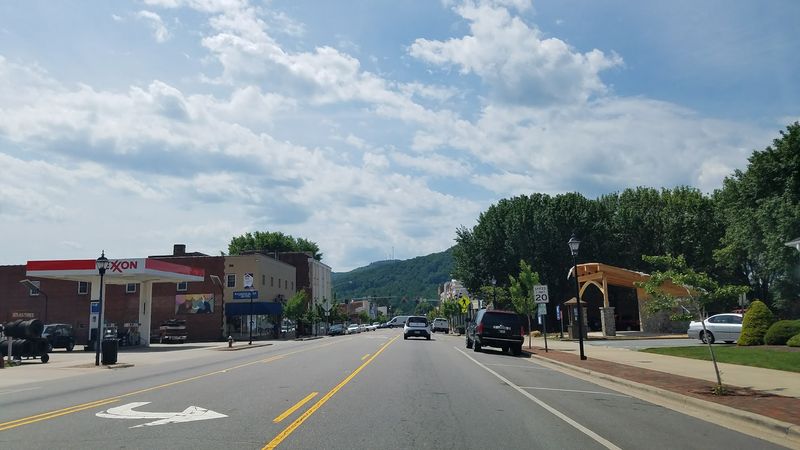
Marion doesn’t shout for attention, which is exactly why it still feels authentic. Sitting at the base of the Blue Ridge foothills, it serves as a quiet gateway to waterfalls, forests, and Parkway access without the tourist traffic.
The downtown historic district has kept its small-town structure intact. Locally owned shops, a classic courthouse square, and restaurants where regulars sit at the same tables every week all contribute to a sense of place that hasn’t been manufactured.
Just outside town, forest roads wind toward mountain waterfalls and hiking trails that see far fewer visitors than the popular stops. The landscape here is gentler than the high peaks but no less beautiful, with rolling hills and creek valleys that invite exploration.
Marion operates on a working-town rhythm. People live here year-round, not just seasonally, which means the community feels grounded and real.
There’s no performance of mountain life, just the actual living of it.
For anyone seeking an under-the-radar mountain experience close to Blue Ridge scenery, Marion offers exactly that: proximity without pressure, beauty without crowds.
Floyd, Virginia
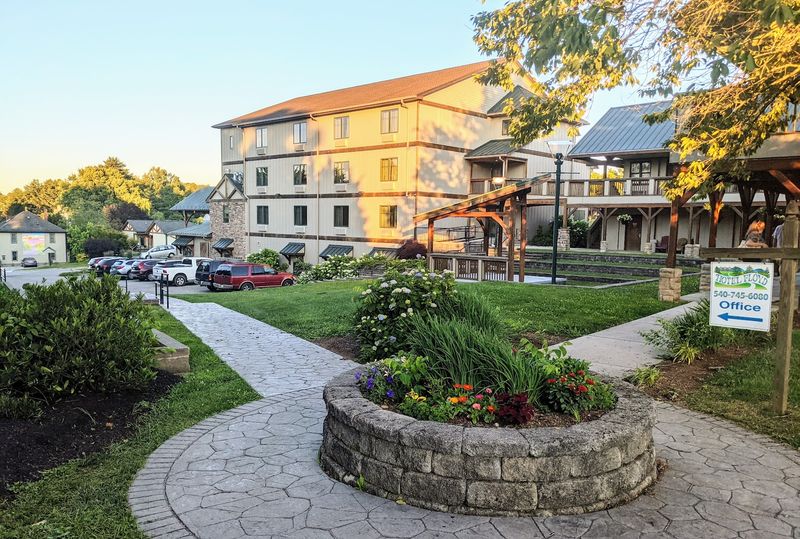
Friday nights in Floyd mean one thing: music. The general store fills with locals and visitors for jam sessions that have happened every week for decades, where old-time Appalachian tunes get passed down through generations.
This is a town where mountain music isn’t a tourist attraction but a living tradition. Fiddles, banjos, and guitars come out naturally, and dancing happens on worn wooden floors that have seen thousands of boot heels over the years.
Beyond the music, Floyd maintains a strong agricultural identity. Farmers markets run weekly, local food co-ops source from nearby farms, and the surrounding countryside is dotted with family homesteads that have worked the land for generations.
The town itself is small, just a few blocks of storefronts along a main road. But what it lacks in size, it makes up for in authenticity.
There’s no manufactured charm here, no attempts to recreate what already exists naturally.
Floyd feels like the real Appalachia, where culture gets lived rather than performed. If you’re looking for mountain life that runs deeper than scenery, this music town offers it genuinely.
Abingdon, Virginia
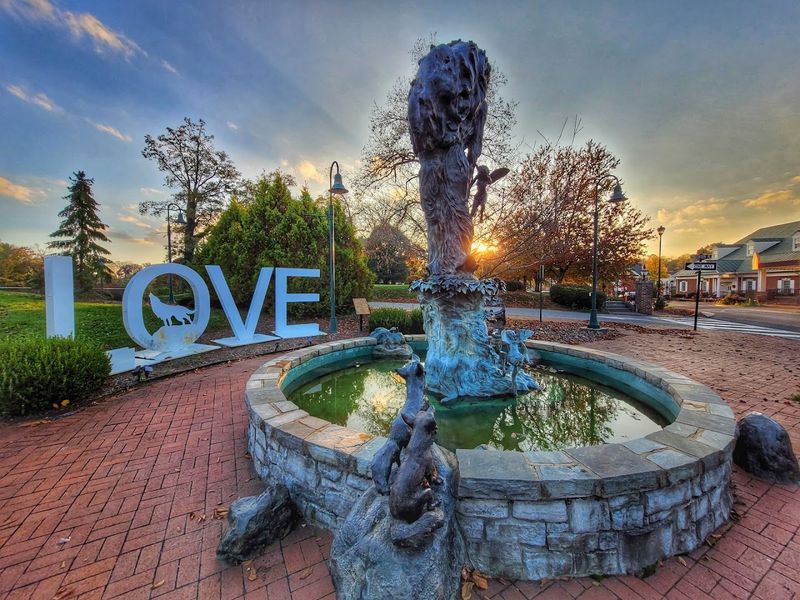
Abingdon’s historic downtown feels like walking through preserved architecture that was never abandoned. Brick buildings, original storefronts, and tree-lined sidewalks create a sense that this place has been maintained rather than renovated.
The town sits in a valley surrounded by ridgelines, giving it a protected, tucked-away feeling. Main Street shops offer local crafts, antiques, and independent bookstores where browsing happens slowly and conversation comes naturally.
What sets Abingdon apart is how it balances preservation with actual living. This isn’t a historic district turned tourist trap, but a working town that happens to have kept its past intact.
People live downtown, kids ride bikes to the ice cream shop, and neighbors chat on sidewalks.
Nearby access to mountain trails and the Virginia Creeper Trail makes it easy to combine small-town charm with outdoor exploration. But the town itself is worth staying in, with locally owned restaurants, a historic theater, and a pace that encourages lingering.
Abingdon offers that rare combination of history and livability, where old-world architecture meets everyday mountain living without feeling staged or artificial.
Damascus, Virginia
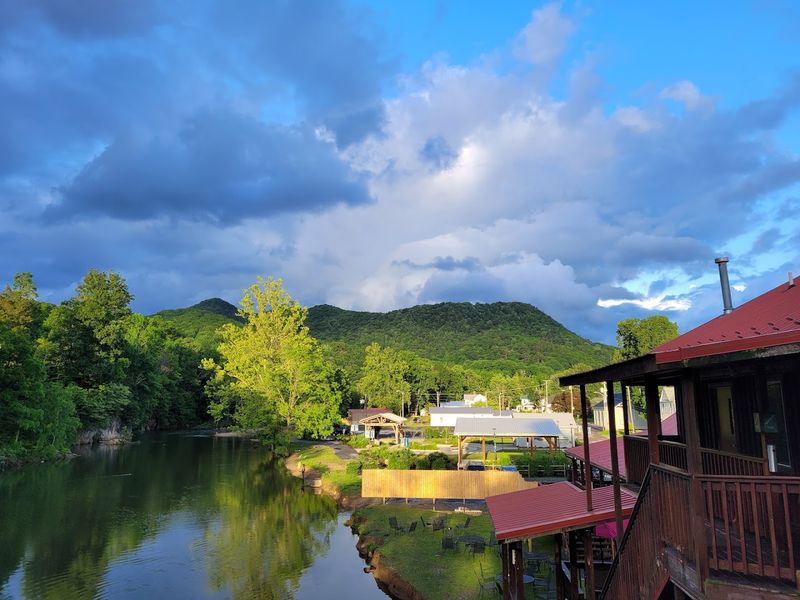
Damascus earned the nickname Trail Town USA honestly. The Appalachian Trail runs straight through main street, and multiple rail-trails converge here, making it a crossroads for hikers, bikers, and outdoor travelers from every direction.
The entire town exists to support trail users, but it does so without corporate influence. Hostels, outfitters, and cafes are all locally owned and operated with genuine hospitality that comes from understanding what tired travelers need.
Main Street is just a few blocks long, but every building serves a purpose. Gear repair, hot meals, cold drinks, and clean bunks are all available within walking distance of the trail.
The town operates with the efficiency of a resupply stop and the warmth of a community that actually cares.
Outside of trail season, Damascus is quieter but no less welcoming. The surrounding mountains offer endless exploration, and the small-town rhythm slows even further when fewer visitors pass through.
If you’ve ever wanted to experience mountain living shaped entirely by trails and the people who walk them, Damascus is that place. It’s simple, functional, and deeply rooted in outdoor culture.
Dahlonega, Georgia
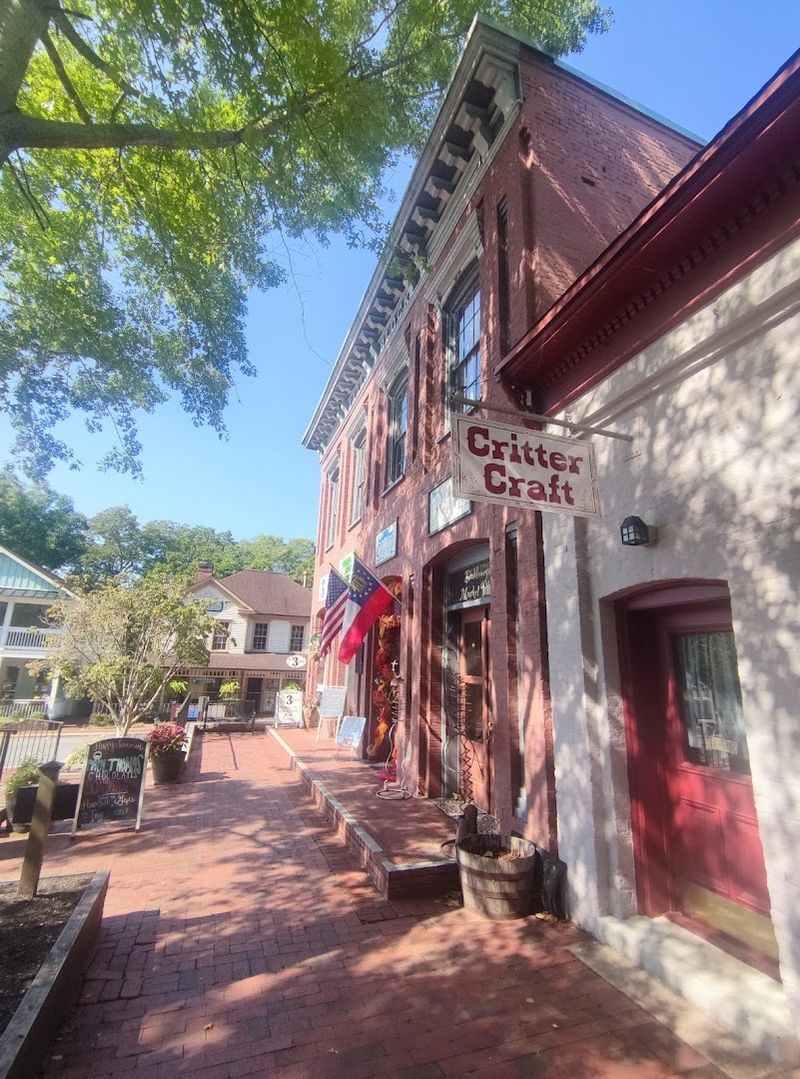
Gold brought the first settlers to Dahlonega in the 1800s, and traces of that history still mark the town square. But today, the treasure here is the slower pace and mountain beauty that define North Georgia living.
The historic square remains the heart of town, with shops, restaurants, and tasting rooms housed in buildings that predate the Civil War. Vineyards surround the area, taking advantage of the mountain climate to produce wines that have put North Georgia on the map.
What makes Dahlonega special is how it extends the Blue Ridge experience south. The mountains here are gentler, the valleys wider, but the same quiet charm remains.
Waterfalls cascade through nearby forests, and backroads wind through countryside that feels unhurried.
The town balances tourism with local life better than most. Weekend visitors come for wine tastings and waterfall hikes, but weekdays belong to residents who’ve chosen this place for its quality of life.
Dahlonega offers a softer, more accessible version of mountain living while still delivering that slow-paced charm the old Parkway towns perfected decades ago.