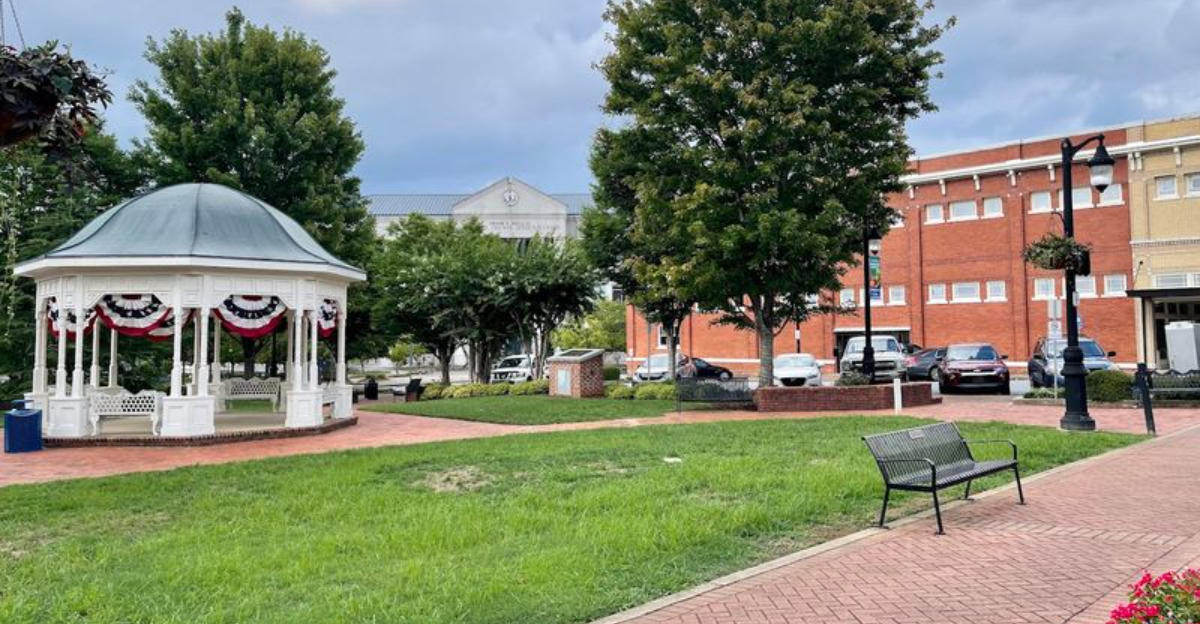
Georgia has a talent for turning quiet little towns into full-blown real estate crushes, and lately that charm has started showing up with a much bigger price tag.
Places that once felt like insider tips for weekend escapes, retirement dreams, or first homes now draw remote workers, investors, tourists, and house hunters who arrive with deeper pockets and very enthusiastic Zillow tabs.
If you have ever looked at a mountain cottage, a historic bungalow, or a beachy bungalow in Georgia and muttered, “Wait, it costs how much now?” you are absolutely not imagining things.
Come along and take a closer look at ten towns where the secret is officially out, the affordability has faded, and the old hidden-gem glow now comes with premium pricing, fierce demand, and just enough sticker shock to make sweet tea taste a little less sweet.
1. Blue Ridge
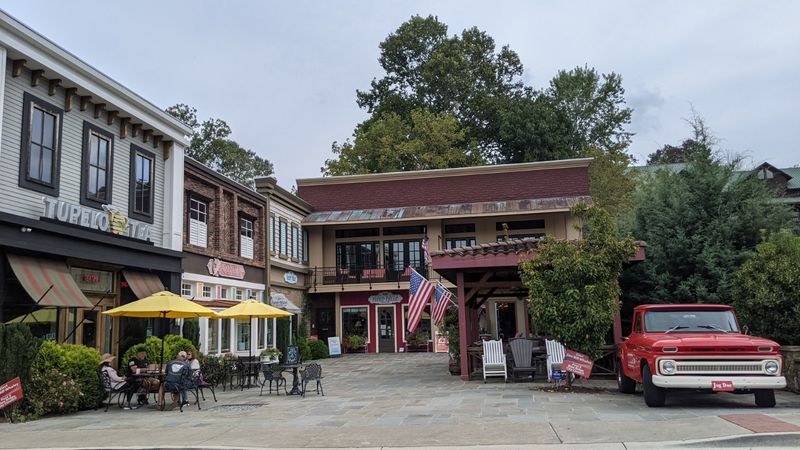
Misty mountain mornings still make Blue Ridge feel like a secret, but the housing prices tell a louder story.
You can stroll past cozy cafes and art galleries downtown and quickly see why buyers keep circling this once-sleepy mountain escape.
What used to be a relatively attainable cabin market has transformed into a high-demand playground for second-home shoppers and short-term rental investors.
Tourism helped write that script.
The Blue Ridge Scenic Railway, nearby hiking, trout streams, and postcard-worthy views gave the town a wider audience, and remote work only widened the net.
As demand rose, cabin values climbed, nightly rental income became a selling point, and many locals found themselves competing with buyers who viewed mountain property as both lifestyle and asset.
Even so, Blue Ridge remains undeniably appealing.
The downtown has polish without losing all its rustic charm, and the outdoor access is the kind people daydream about from office chairs across the Southeast.
If you are house hunting here now, though, bring a realistic budget, quick decision-making skills, and maybe a little emotional support, because Blue Ridge has traded hidden gem status for headline act pricing in a hurry.
2. Ellijay
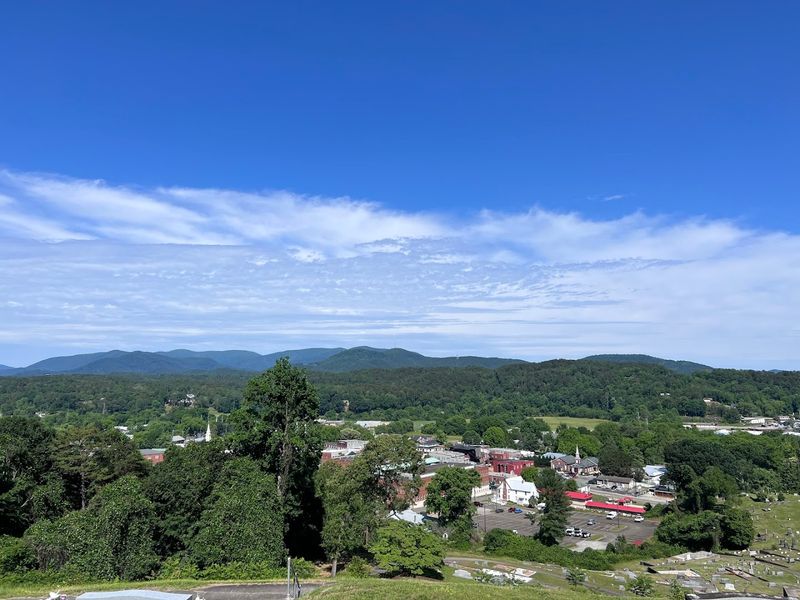
Crisp apple-scented air gives Ellijay an easygoing charm, yet its affordability has definitely left the orchard.
Long known for pick-your-own farms, mountain views, and a slower pace, this North Georgia town now attracts buyers who want scenery without feeling too remote.
That shift has pushed home values upward and turned many formerly modest properties into hot commodities.
Ellijay benefits from a powerful mix of appeal.
Apple festival traffic, weekend tourism, cabin rentals, and the broader surge in mountain-town popularity have all fed demand in Gilmer County.
Add in retirees, remote workers, and metro Atlantans searching for more land, and the market starts looking less like a bargain bin and more like a bidding arena.
There is still plenty to love here.
Downtown remains friendly, the surrounding countryside feels generous and green, and outdoor recreation gives everyday life a vacation tint.
But if you are hoping to score the kind of under-the-radar deal Ellijay once quietly offered, you may need to adjust expectations, because this town has ripened into a premium destination, and these days the sweetest apples are not the only things getting picked fast.
3. Woodstock
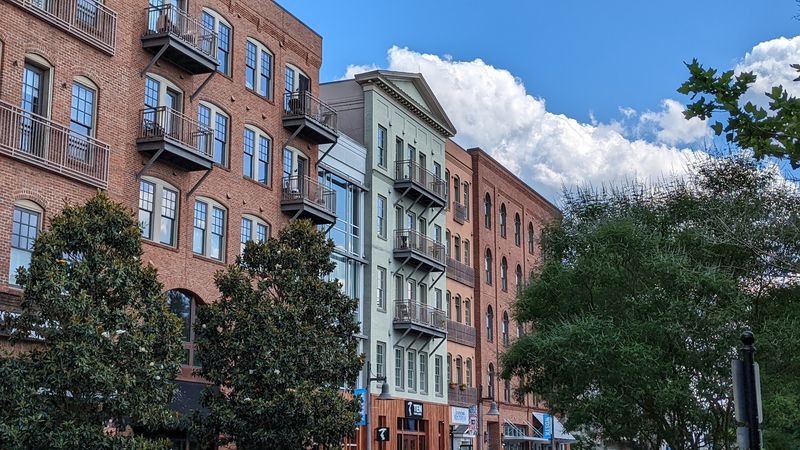
Woodstock has swagger now, and that confidence shows up clearly in the real estate listings.
Once seen as a quieter, more affordable suburban choice, it has evolved into one of metro Atlanta’s most sought-after communities.
With that popularity came rising home prices, denser development, and a cost of entry that keeps climbing.
The town’s walkable downtown deserves some of the blame, if you want to call excellent restaurants and lively public spaces a problem.
People love the trails, events, shopping, and polished atmosphere, and those quality-of-life perks have helped fuel intense buyer interest.
Commuters appreciate the location, families like the amenities, and developers have spent years turning Woodstock into a place people mention with a little sparkle in their voice.
That sparkle is not cheap.
Even as more housing has been added, demand has remained strong enough to keep pressure on prices, especially for homes near the action.
If you are looking here today, think less hidden bargain and more popular headliner, because Woodstock has fully graduated from overlooked suburb to high-demand address, and it now charges accordingly with all the confidence of a town that knows people are willing to pay.
4. Dahlonega
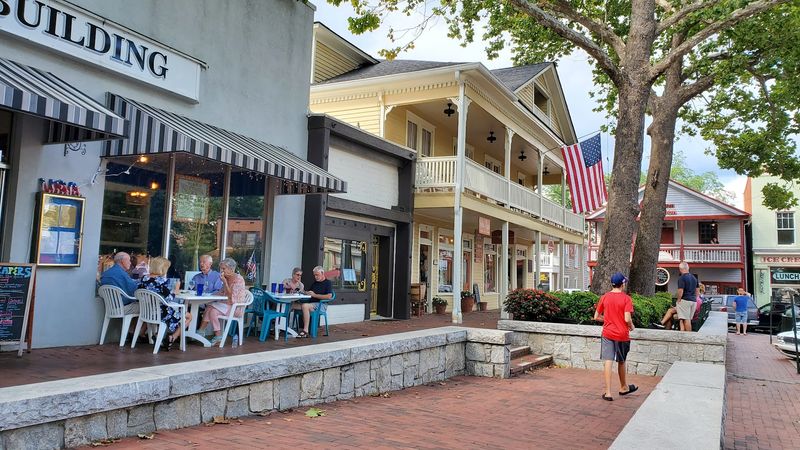
Gold brought people to Dahlonega long ago, and these days it is the lifestyle that strikes it rich.
This historic mountain town mixes a walkable square, wine country appeal, and scenic beauty in a package that buyers find hard to resist.
Not surprisingly, the affordability that once added to its appeal has become much harder to find.
Dahlonega’s draw goes beyond cute storefronts.
The University of North Georgia adds energy, wineries pull visitors year-round, and nearby trails keep outdoor lovers interested in staying longer than a weekend.
As tourism strengthened and second-home interest grew, real estate values followed, especially for homes with character, views, or easy access to the square.
You can still feel the charm everywhere.
Historic buildings, seasonal festivals, and mountain light give the town a storybook quality that makes people open their wallets faster than they planned.
That does not mean every property is unattainable, but it does mean the era of quietly snagging a Dahlonega home at hidden-gem prices is fading fast, because the town’s treasure is no longer buried, and the market has been mining its popularity very efficiently.
5. Canton
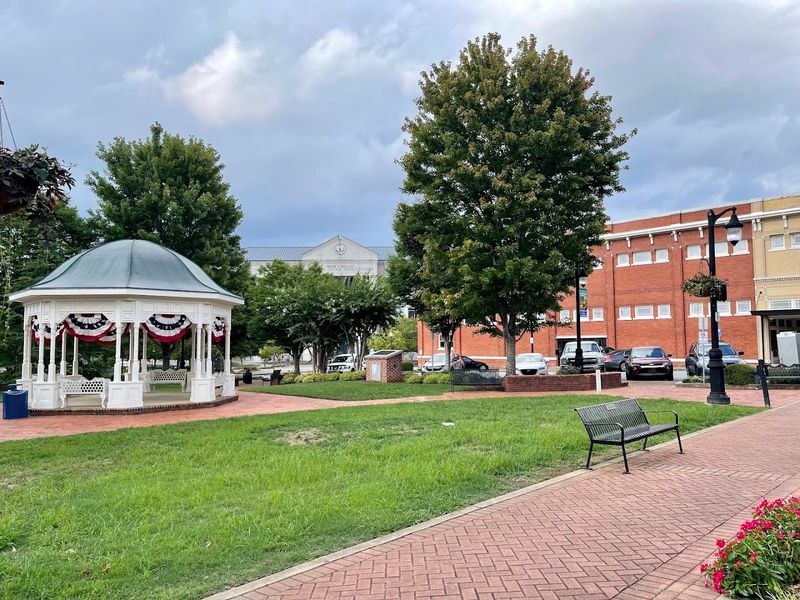
Drive through Canton today and you can feel the old small-town identity brushing shoulders with serious metro growth.
Its location within commuting reach of Atlanta turned what was once a more affordable option into a prime target for families and professionals seeking extra space.
The result is a market that no longer whispers value the way it used to.
Revitalization played a major role.
Downtown improvements, new dining spots, parks, and expanding amenities made Canton more than a practical move, making it a desirable one.
As Cherokee County grew, developers followed, and newer subdivisions, infrastructure upgrades, and steady population gains put upward pressure on prices across the board.
For buyers, Canton can still offer more room than some closer-in suburbs, but the gap has narrowed enough to surprise anyone relying on old assumptions.
The area balances convenience, schools, and a growing local scene in a way that keeps demand healthy.
So while it may still look like a smart alternative on paper, the days when Canton felt like a hidden gem for bargain hunters are mostly gone, replaced by a polished, competitive market that knows exactly what it has going for it.
6. Senoia
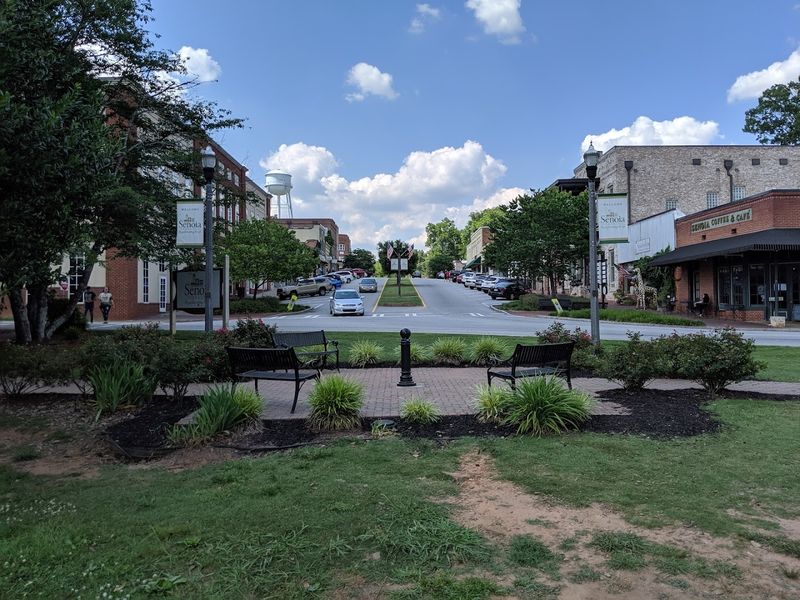
Cinematic charm changed everything for Senoia.
What was once a quieter small town in Coweta County gained national attention through film and television, and that exposure turned local real estate into something far more competitive.
When people fall in love with a place on screen, prices often start acting like they have their own agent.
Senoia’s historic downtown is a major reason buyers stay interested after the credits roll.
The streets are tidy, the shops are inviting, and the overall look feels carefully preserved without seeming frozen in time.
Add proximity to metro Atlanta and a reputation for charm, and you get a town where demand has persistently outrun its former budget-friendly identity.
There is still a warm, community feel here, which is part of the problem if you were hoping costs stayed low.
Limited inventory, strong appeal, and a constant stream of curious visitors have all supported higher values over time.
So yes, Senoia remains delightful, walkable, and photogenic enough to make your camera smug, but its hidden-gem days are mostly behind it, replaced by a housing market that knows starring roles come with bigger salaries.
7. Perry
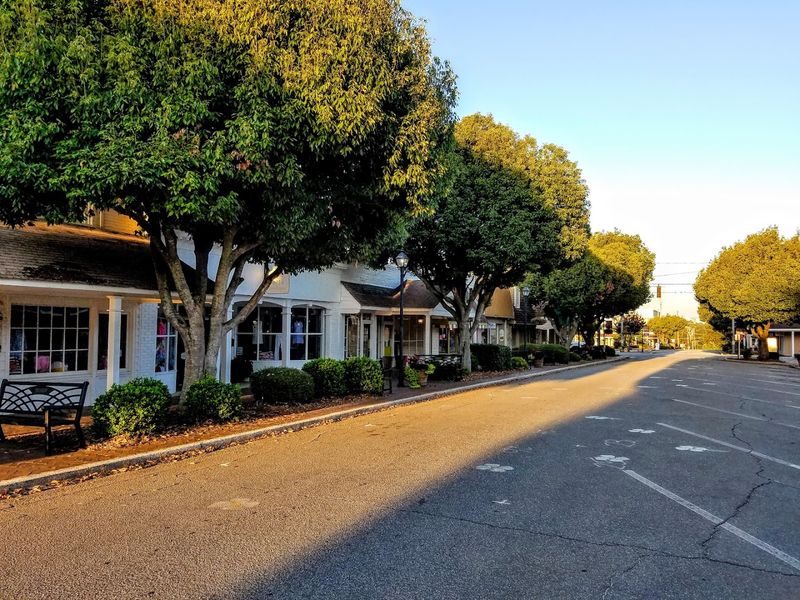
At first glance, Perry still feels like the kind of place where affordability should be easy to find.
Its tidy streets, welcoming downtown, and central Georgia location give it a grounded, approachable vibe.
But rising interest, population growth, and expanding recognition have made this former bargain more expensive than many people expect.
Perry benefits from a solid mix of strengths.
The Georgia National Fairgrounds and Agricenter bring regular activity, local businesses keep the town lively, and the area appeals to buyers who want a smaller community with practical access to jobs and services.
As more people notice that balance, housing demand has increased and prices have moved upward with surprising consistency.
The town still offers value compared with some of Georgia’s flashier destinations, but that is not the same as being a hidden gem anymore.
Newcomers are discovering the appeal faster, and that attention tends to narrow the affordability window for existing homes and new construction alike.
If Perry once sat quietly on your list of low-cost places to watch, it may be time to update the spreadsheet, because this steady central Georgia charmer has become far less sleepy and much less cheap.
8. St. Simons Island
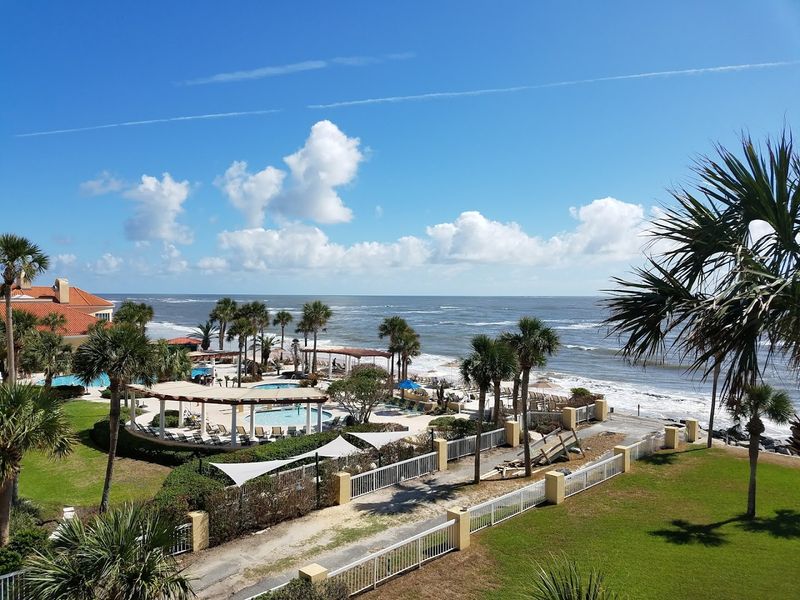
Salt air and live oaks make St. Simons Island feel dreamy, and dreaminess has a habit of getting expensive.
This coastal favorite has long balanced Southern elegance, beach access, and resort appeal, but the budget-friendly version of that equation is mostly history.
Today, many buyers encounter a market shaped by wealth, scarcity, and enduring demand.
Location does a lot of the heavy lifting.
Water views, golf, marinas, walkable village areas, and a polished vacation atmosphere keep interest high among second-home buyers, retirees, and people seeking a permanent coastal lifestyle.
Because island land is finite, limited supply has only amplified price growth, especially for homes near the shore or in especially charming pockets.
None of this makes St. Simons less lovely.
If anything, its beauty and strong identity explain exactly why affordability slipped away while everyone was admiring the scenery.
Still, if you are approaching it as a hidden gem, be prepared for a reality check with ocean breezes, because St. Simons now behaves less like a secret retreat and more like a premium coastal address where charm, convenience, and scarcity all arrive with very grown-up numbers.
9. Madison
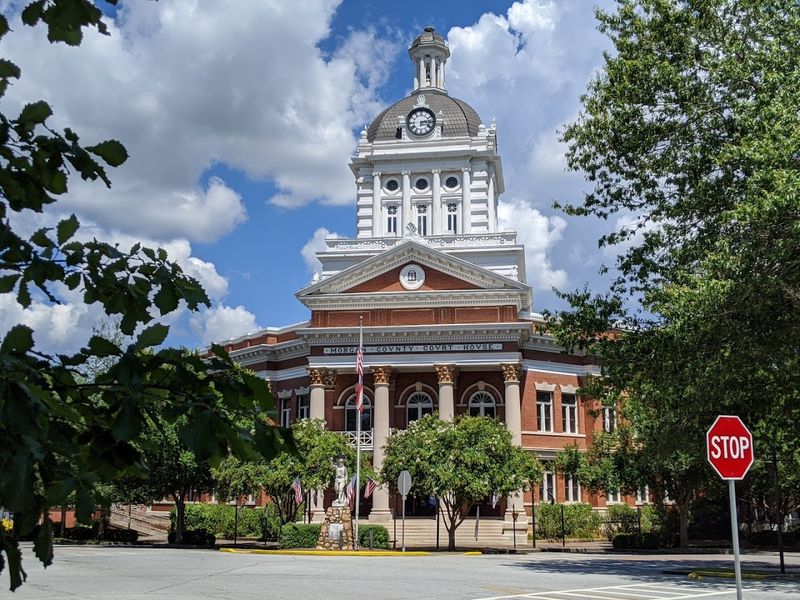
Elegant porches and shaded streets make Madison look like it stepped out of a Southern novel, and plenty of buyers want a chapter.
This beautifully preserved town has long been admired for its architecture and gracious atmosphere, but admiration eventually translated into pricier real estate.
What once felt like a smart historic bargain now often feels distinctly premium.
Madison’s preservation success is part of the reason.
Its historic district is one of the state’s standouts, downtown is full of charm, and the town offers a refined pace that appeals to retirees, weekenders, and anyone craving beauty with small-town scale.
As demand grew, well-kept historic homes and attractive in-town properties became less attainable for buyers expecting hidden-gem prices.
There is still authenticity here, which helps explain the staying power.
Madison has managed to remain picturesque without becoming a caricature, and that balance gives it lasting market strength.
So if you are drawn by the homes, the heritage, and the feeling that life might slow down just enough to enjoy your front porch, know this first: Madison still offers the romance, but the bargain element has largely checked out.
10. Tybee Island
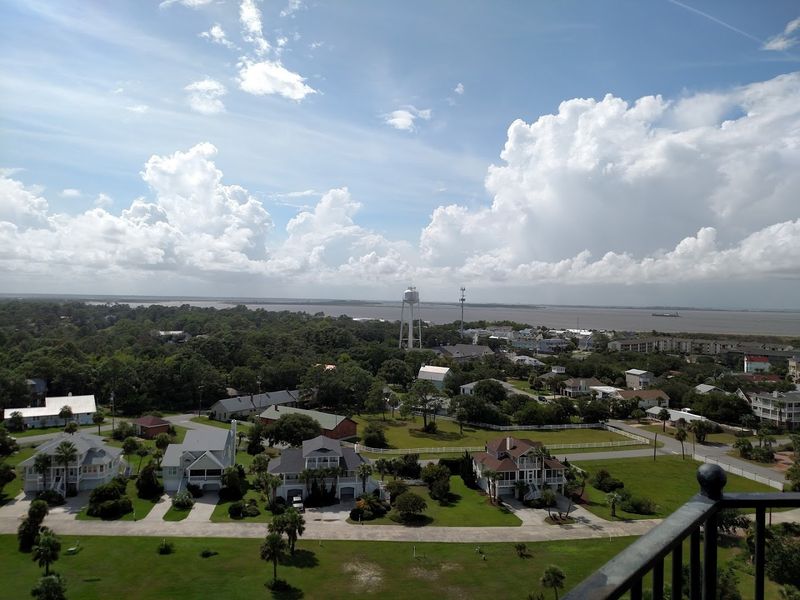
Waves, breezes, and beach cottages make Tybee Island look carefree, but its housing market is anything but relaxed.
For years, this quirky barrier island offered a more approachable coastal alternative, especially compared with flashier beach destinations.
Now, strong tourism and limited space have pushed prices up enough to end most hidden-gem talk.
Vacation rental demand changed the math.
Investors recognized Tybee’s draw, visitors kept coming, and homes that once served as modest beach getaways started carrying serious income potential.
That combination raised competition for buyers who simply wanted a place to live near the water, and the island’s compact footprint left little room for pressure to spread out.
Tybee still has its lovable personality.
The beach culture is casual, the scenery works year-round, and the proximity to Savannah adds another layer of appeal for both full-time residents and weekend escape artists.
But if you are remembering an older version of Tybee as a low-key bargain, you may need to rinse that memory off in the surf, because this beach town has moved firmly into the category of charming, popular, and noticeably pricier than its old reputation suggests.