Blink and you might miss it, because in several North Carolina towns, home prices have moved faster than sweet tea disappears on a July porch.
Buyers who once expected roomy budgets now face bidding wars, tighter inventory, and neighborhoods where values have climbed with remarkable speed, driven by job growth, universities, tech expansion, and plain old desirability.
From booming metros to polished small towns with storybook main streets, these places have turned into magnets for newcomers, investors, and locals hoping to plant roots before the next price jump lands.
To get a sharper sense of where the market has heated up most, and why these communities keep attracting attention, keep scrolling.
Each town on this list tells a slightly different story, with its own mix of opportunity, pressure, personality, and a few eyebrow-raising numbers that make you wonder whether the moving truck should have arrived yesterday.
1. Raleigh
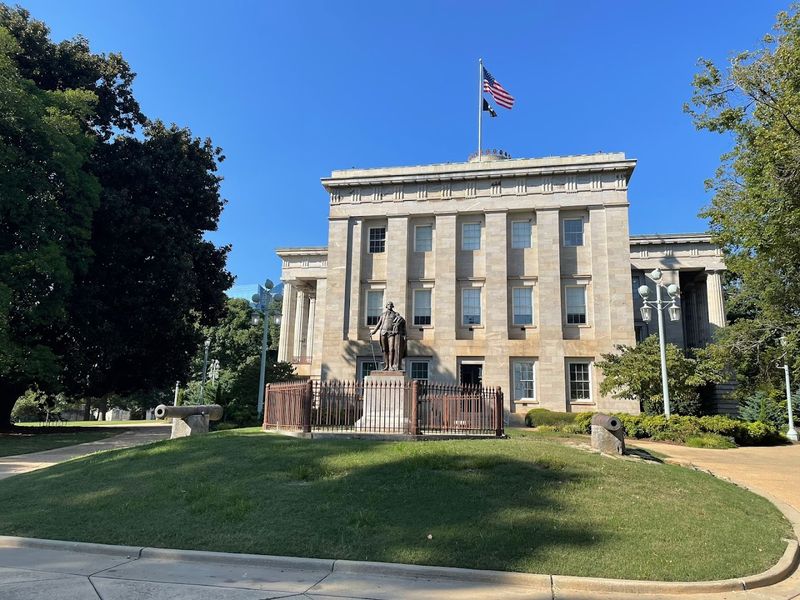
Cranes seem to multiply in Raleigh the way dogwoods bloom in spring.
This capital city has become one of North Carolina’s strongest housing markets, thanks to steady job creation, a growing tech presence, and a constant stream of new residents.
When demand keeps sprinting ahead of supply, prices rarely stay polite.
Raleigh also benefits from its position inside the Research Triangle, which gives buyers access to major employers, universities, and a lifestyle that feels both ambitious and livable.
Walkable pockets, greenways, and a lively food scene add extra fuel.
People are not just buying a house here, they are buying into momentum.
Neighborhoods near downtown, North Hills, and fast-growing suburban edges have seen especially sharp appreciation in recent years.
Even homes that need updates often attract intense attention.
That kind of competition can turn an open house into a contact sport.
If you are watching Raleigh, the big lesson is simple.
Strong fundamentals keep supporting higher values, even when the market cools elsewhere.
Affordability has taken a hit, but buyer interest remains remarkably resilient, which is exactly why this city keeps showing up in conversations about North Carolina’s biggest housing price jumps.
2. Charlotte
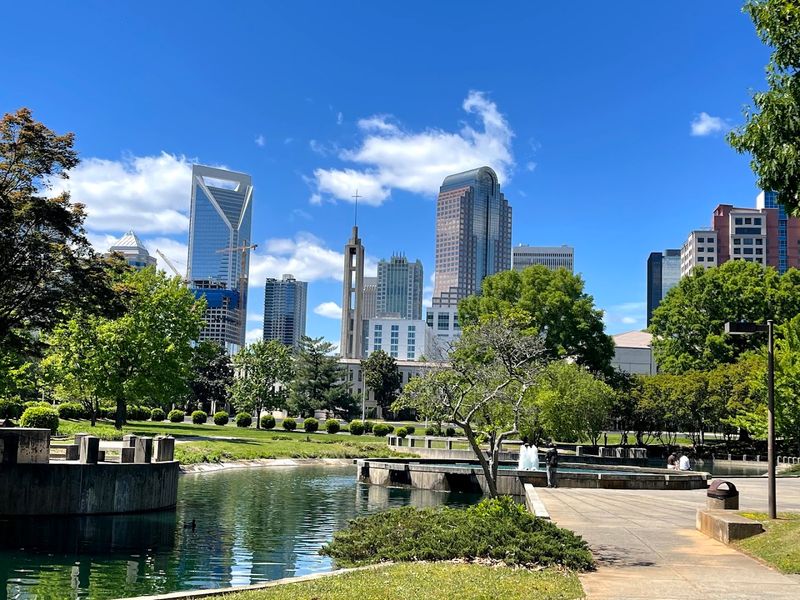
Charlotte has been playing in the big leagues, and its housing market knows it.
As Mecklenburg County’s economic engine keeps humming, this city continues drawing finance workers, transplants, and companies looking for a fast-growing Southern hub.
That expanding base has pushed housing prices upward across a wide range of neighborhoods.
Part of Charlotte’s appeal is variety.
You can find sleek condos near Uptown, charming older homes in established areas, and newer builds farther out, yet many of them now come with price tags that would have shocked buyers a few years ago.
Convenience and career opportunity have proven very persuasive.
Hot areas such as South End, Plaza Midwood, NoDa, and neighborhoods near light rail access have felt especially strong demand.
Even suburban sections of Mecklenburg County have benefited from spillover interest as buyers search for a little more space.
The result is a market where choices exist, but bargains often do not.
Charlotte’s long-term growth story helps explain why prices have climbed so quickly.
A broad job market, ongoing development, and national visibility keep pressure on supply.
For buyers, that means moving slowly can cost more than moving carefully, which is never the kind of math anyone enjoys during house hunting season.
3. Durham
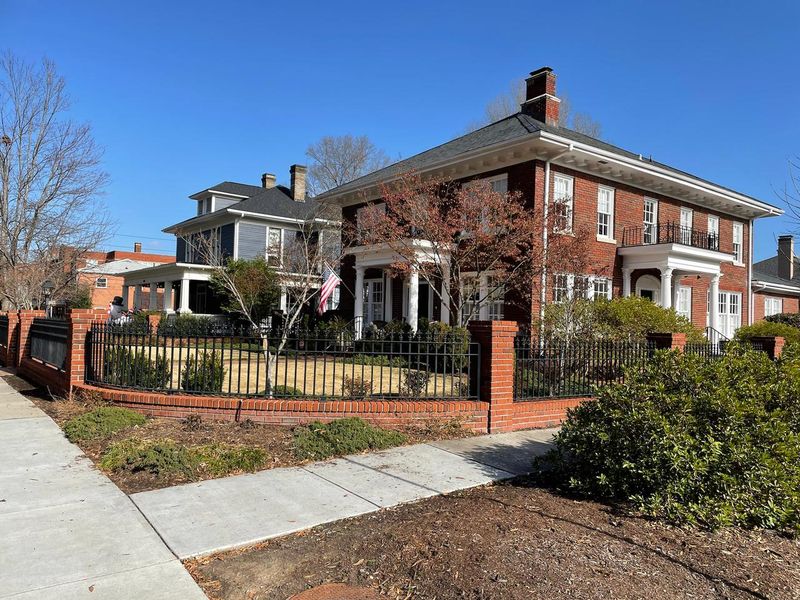
This North Carolina town has transformed from a well-kept secret into a market that makes buyers sit up straight.
Its blend of research jobs, startup energy, medical employment, and cultural buzz has made the city increasingly desirable.
When more people want in, home prices tend to rise with confidence.
Duke University and the broader Triangle economy have helped keep Durham firmly on the radar.
Buyers are drawn to neighborhoods with character, proximity to downtown, and easier commutes to major employers.
That mix of brains, brick, and business has been powerful for property values.
Areas around downtown, Trinity Park, and rapidly changing corridors have seen notable appreciation, while homes farther out have also gained as inventory tightened.
Renovated historic houses can command especially strong attention.
In Durham, charm often comes with a competitive offer deadline.
What makes Durham especially interesting is that its appeal is not one-dimensional.
It attracts academics, healthcare professionals, entrepreneurs, and people simply looking for a place with energy and soul.
That broad demand base has helped prices climb sharply in recent years, turning Durham into one of the clearest examples of how economic growth and local identity can reshape a housing market.
4. Chapel Hill
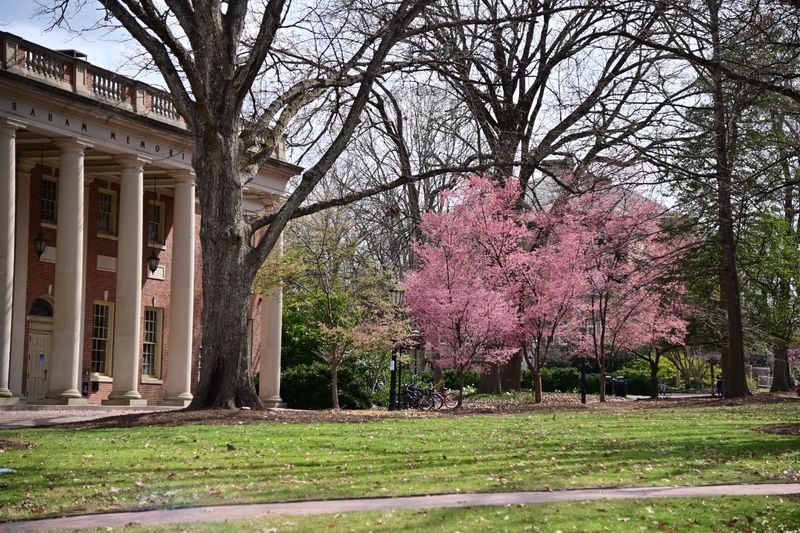
Chapel Hill has the polished confidence of a college town that knows exactly why people love it.
Anchored by the University of North Carolina, this Orange County favorite combines academic prestige, walkability, and an attractive quality of life.
That recipe has helped home prices rise at a pace that gets plenty of attention.
Many buyers come for the schools, the beauty, and the feeling that daily life can be both relaxed and intellectually lively.
Established neighborhoods with mature trees and classic homes tend to generate deep interest.
Limited inventory only sharpens the competition, especially in desirable pockets near campus and downtown.
Chapel Hill is not just competing with nearby towns.
It is competing with itself, because demand for its most appealing areas often outstrips what becomes available.
When even modest homes attract serious bids, the market sends a clear message.
Price growth here reflects more than simple scarcity.
It also reflects a town with enduring prestige, excellent amenities, and strong regional access to the rest of the Triangle.
For buyers, Chapel Hill can feel like a lovely place wrapped around a financial reality check, but that has not stopped values from climbing in recent years.
5. Cary
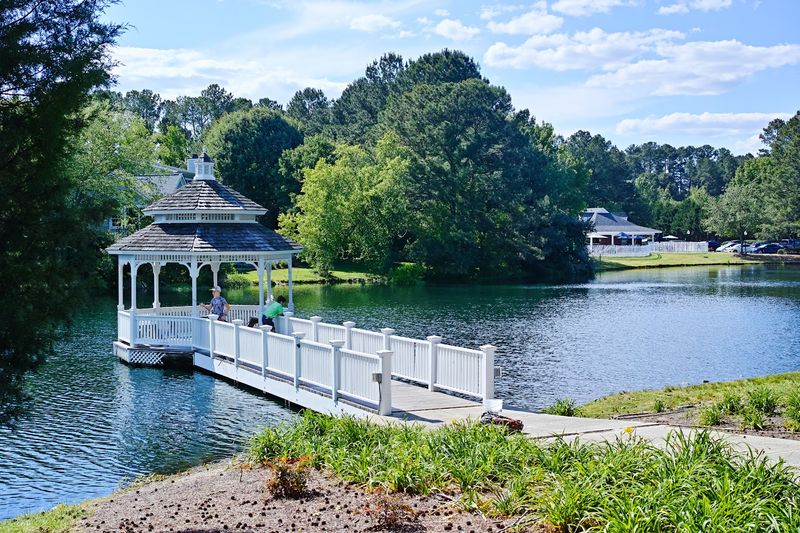
This town has long had a reputation for order, comfort, and neighborhoods that look ready for a magazine cover.
In recent years, that appeal has translated into rising home prices as buyers chase strong schools, polished amenities, and easy access to the Triangle’s employment centers.
This is suburban demand with serious horsepower.
Located in Wake County, Cary sits in a sweet spot for commuters who want convenience without giving up quality of life.
Parks, greenways, shopping, and newer housing stock add layers of attraction.
For many households, the town checks boxes before they even finish the list.
That popularity has created stiff competition across both established communities and newer developments.
Single-family homes, townhomes, and well-located properties often move quickly, especially when they combine updated interiors with good school assignments.
In Cary, the phrase move-in ready can sound a lot like bring your best offer.
Housing prices have climbed because demand remains broad and persistent.
Tech growth, regional migration, and limited inventory in top areas all keep pressure on the market.
Cary may feel tidy and calm on the surface, but underneath that neat landscaping is a housing scene that has been anything but sleepy.
6. Apex
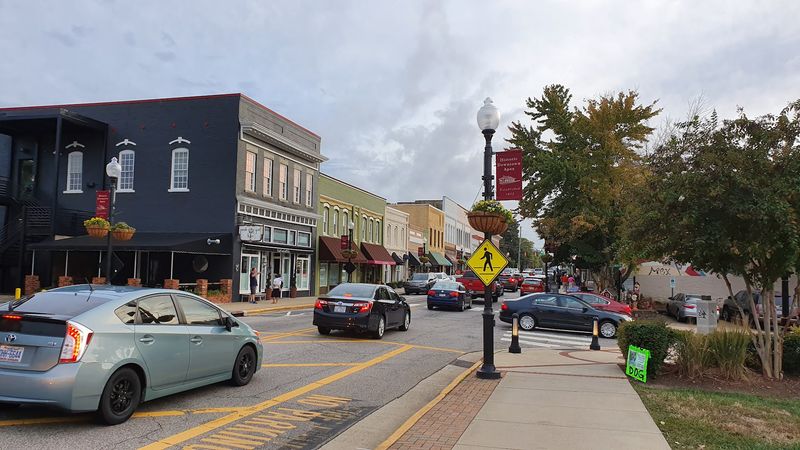
Apex has managed the rare trick of feeling quaint and booming at the same time.
Its charming downtown, strong schools, and convenient location in Wake County have made it a magnet for buyers priced out of nearby markets or simply captivated by its small-town polish.
That steady attention has helped send home values sharply upward.
People like Apex because it offers a balanced lifestyle.
You get a traditional main street vibe, newer subdivisions, and practical access to the larger Triangle job base.
For many buyers, it feels like a smart compromise that somehow still feels special.
As more households have discovered that formula, competition has intensified.
Homes with updated kitchens, flexible office space, or easy access to commuter routes tend to draw especially strong interest.
In a market like this, a cute front porch can practically start a bidding war.
The rise in prices reflects both demand and reputation.
Apex has become known as a place where people want to stay, not just land temporarily, which supports long-term value growth.
Even as affordability grows tougher, the town’s blend of charm, convenience, and community appeal keeps it firmly among North Carolina’s towns with the most striking recent housing increases.
7. Morrisville
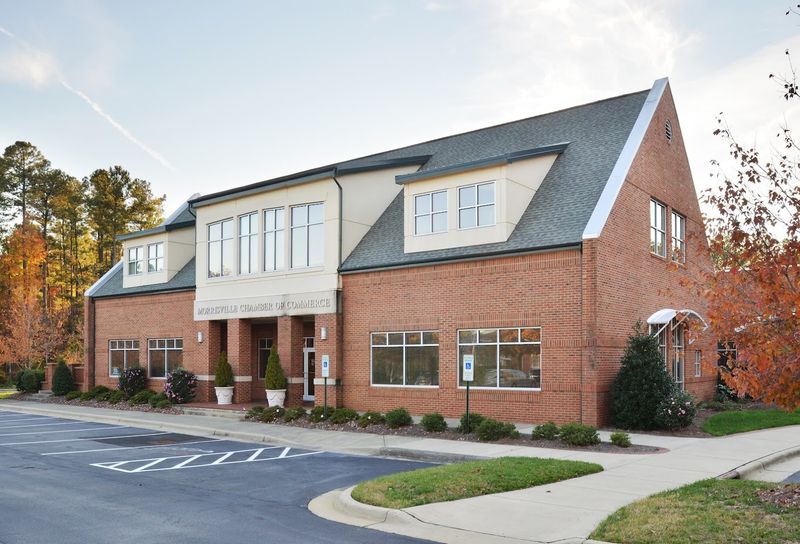
This Wake County town may not always grab the loudest headlines, but its housing market has certainly made noise.
Morrisville sits near Research Triangle Park and Raleigh-Durham International Airport, giving it exceptional access to jobs and travel.
That location advantage has helped drive some very noticeable home price growth.
Buyers are often drawn by practicality first, then stay for the broader lifestyle perks.
Commute-friendly geography, diverse neighborhoods, and proximity to major employers make Morrisville highly appealing for professionals and families.
When convenience becomes a premium feature, housing values usually follow.
Newer construction has added inventory over time, but demand has remained strong enough to keep pressure on pricing.
Townhomes and single-family properties alike have benefited, especially those near business hubs, parks, and everyday services.
Here, the phrase central location carries real financial weight.
Morrisville’s rise shows how smaller towns near major economic centers can heat up quickly.
It may not have the same old-town charm as some neighbors, yet its strategic position is hard to argue with.
For buyers focused on function, connectivity, and long-term value, Morrisville has become a place where rising prices feel less surprising and more like the cost of being exactly where everyone wants to be.
8. Davidson
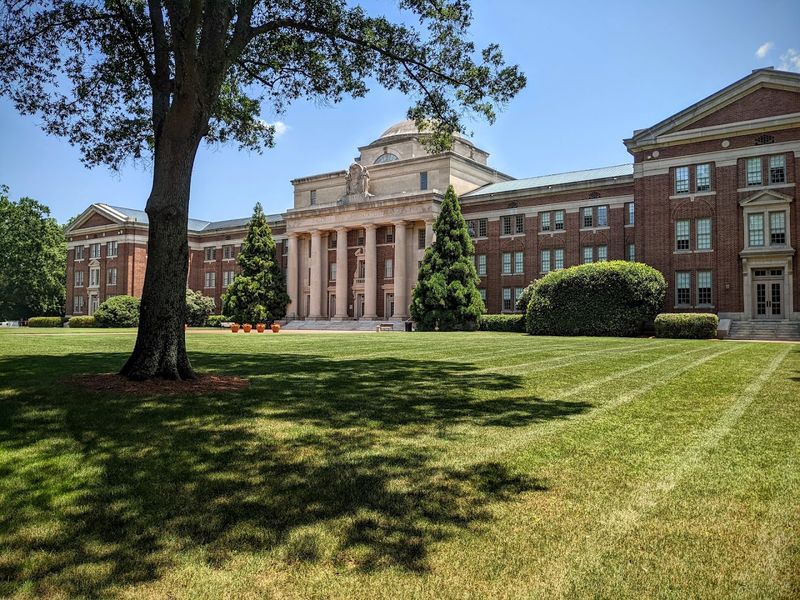
Davidson feels like a postcard that discovered real estate economics.
This Mecklenburg County town pairs a charming main street with Davidson College, lake proximity, and an upscale small-town atmosphere that buyers find hard to resist.
Unsurprisingly, housing prices have climbed with impressive speed.
Part of Davidson’s draw is its sense of place.
The town has character, walkability, and a refined feel that stands apart from faster-paced surrounding areas.
That distinct identity makes available homes especially attractive, particularly for buyers seeking community rather than just square footage.
Limited inventory has played a major role here.
When demand converges on a relatively small market with strong schools, attractive architecture, and access to Charlotte, appreciation can accelerate quickly.
In Davidson, the market often rewards patience, preparedness, and maybe a little luck.
Recent price growth reflects both prestige and scarcity.
People are not only paying for a house, they are paying for a lifestyle shaped by local events, a walkable core, and a polished residential environment.
That combination has kept Davidson firmly in the conversation about North Carolina towns where home values have soared, even if the front porches still make everything look calm and wonderfully unbothered.
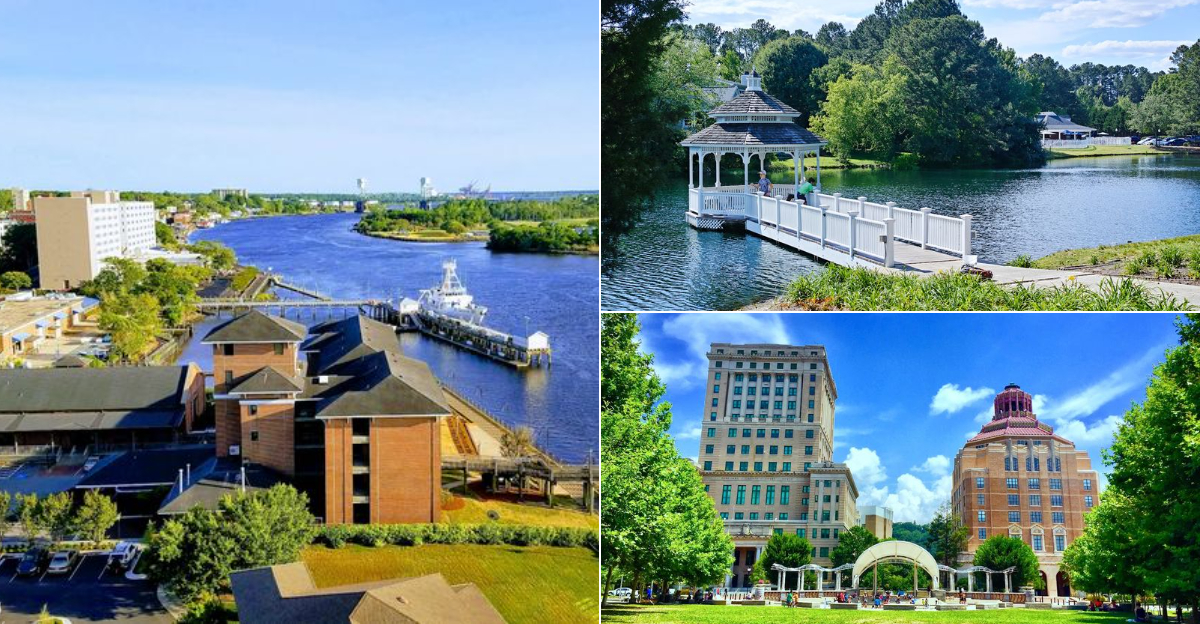
9. Wilmington
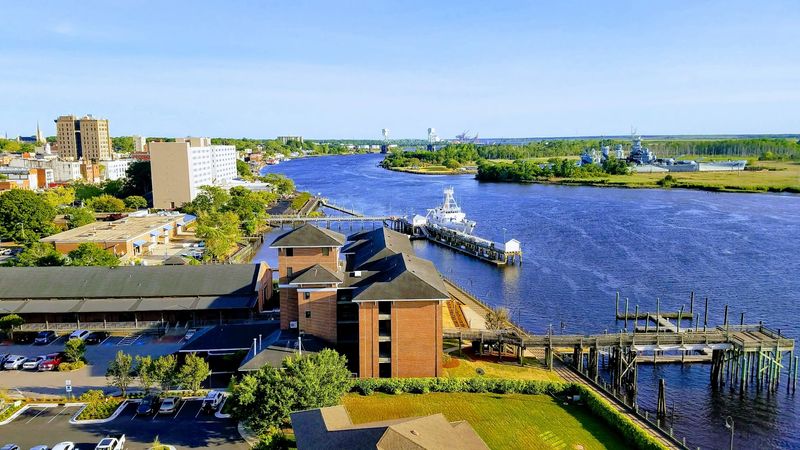
Salt air and rising prices have become quite the pair in Wilmington.
This New Hanover County city offers coastal appeal, a historic downtown, and access to beaches that keep both full-time residents and second-home buyers interested.
When lifestyle is this marketable, housing values tend to catch a strong tailwind.
Wilmington’s appeal reaches across several buyer groups.
Retirees, remote workers, investors, and people simply dreaming of living closer to the water all compete in the same market.
That broad demand can push prices upward quickly, especially when inventory stays limited in sought-after areas.
Neighborhoods near the riverfront, downtown, and beach routes have drawn heavy attention, while nearby suburban sections have also appreciated as buyers search for alternatives.
Even homes a bit farther from the shoreline can benefit from the coastal halo effect.
Apparently, ocean breezes are not included in the mortgage, but they still influence the asking price.
Wilmington’s recent growth reflects more than scenic charm.
Population gains, tourism-driven visibility, and the enduring power of waterfront living all support stronger home values.
For anyone tracking North Carolina’s hottest housing markets, Wilmington stands out as a place where beauty, demand, and limited supply have teamed up to make affordability increasingly slippery.
10. Asheville
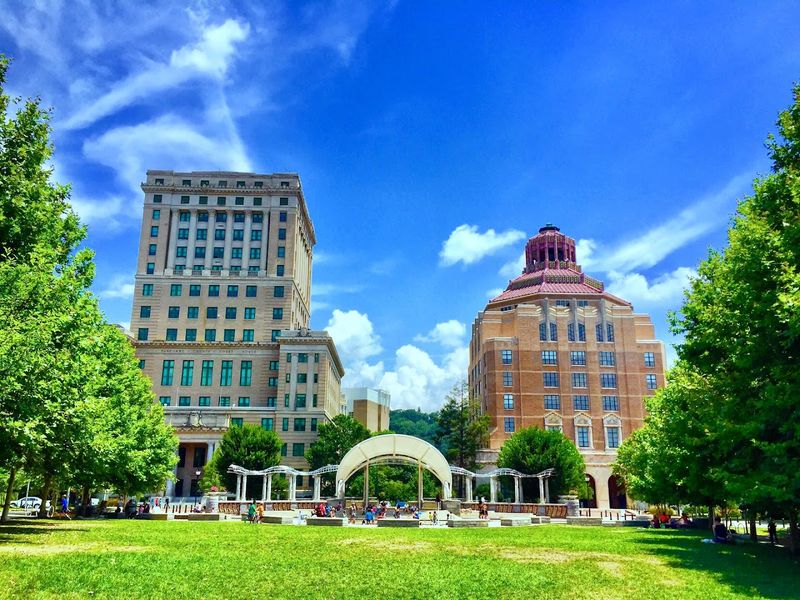
Asheville has mountain views, creative energy, and a housing market that rarely whispers.
Located in Buncombe County, this city attracts buyers with its arts scene, outdoor access, distinctive neighborhoods, and reputation as one of North Carolina’s most appealing places to live.
All that admiration has helped prices climb substantially in recent years.
The city’s personality is a major part of the equation.
People are drawn to historic homes, eclectic streetscapes, local restaurants, and the sense that daily life here comes with a little more texture.
When a place feels unique, buyers often accept higher costs to be part of it.
Inventory constraints have intensified those pressures.
Desirable neighborhoods near downtown, the River Arts District, and mountain-facing residential pockets often see firm demand, while surrounding areas absorb spillover buyers.
In Asheville, even a cabin daydream can come with a very real budget wake-up call.
Price growth has also been influenced by remote work and lifestyle migration, with more buyers prioritizing scenery and flexibility.
That shift has made Asheville even more competitive than it was before.
For house hunters, it remains an alluring mix of beauty and financial challenge, which is exactly why it ranks among North Carolina towns where home prices have surged so dramatically.
11. Wake Forest
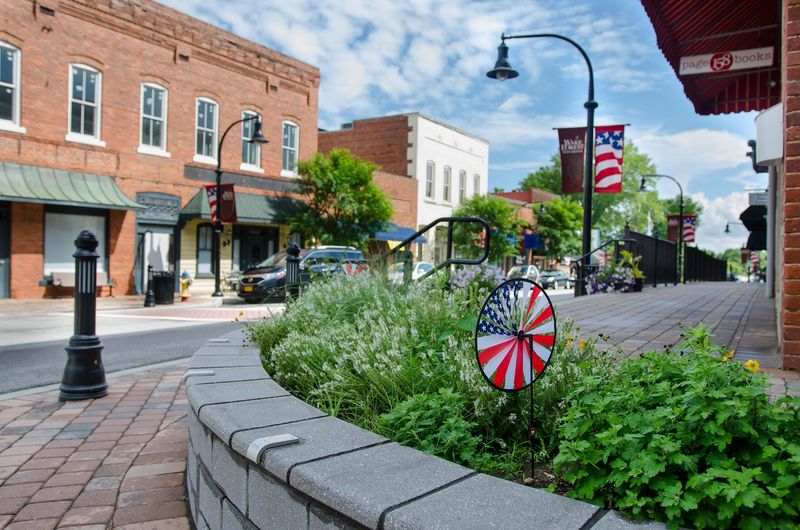
Wake Forest has been quietly turning heads, then quietly raising price tags.
This growing Wake County town blends historic character, suburban comfort, and easy access to the larger Raleigh area, making it increasingly attractive to buyers.
As demand has strengthened, home values have risen right along with it.
One reason buyers notice Wake Forest is its versatility.
The town offers newer communities, established neighborhoods, and a downtown area with genuine charm rather than factory-made charm.
That balance appeals to families, professionals, and anyone wanting a little breathing room without feeling disconnected.
As nearby markets became more expensive, Wake Forest benefited from spillover interest.
Buyers looking for relative value, more space, or a calmer setting have helped intensify competition across different price points.
A larger yard and a shorter drive to errands can suddenly look very persuasive.
The recent climb in prices reflects both local appeal and regional pressure.
Strong Wake County growth continues to lift towns that offer livability and access, and Wake Forest fits that description neatly.
For anyone studying where North Carolina housing has heated up fastest, this town deserves attention because it combines steady fundamentals with the kind of momentum that tends to keep real estate agents very busy.