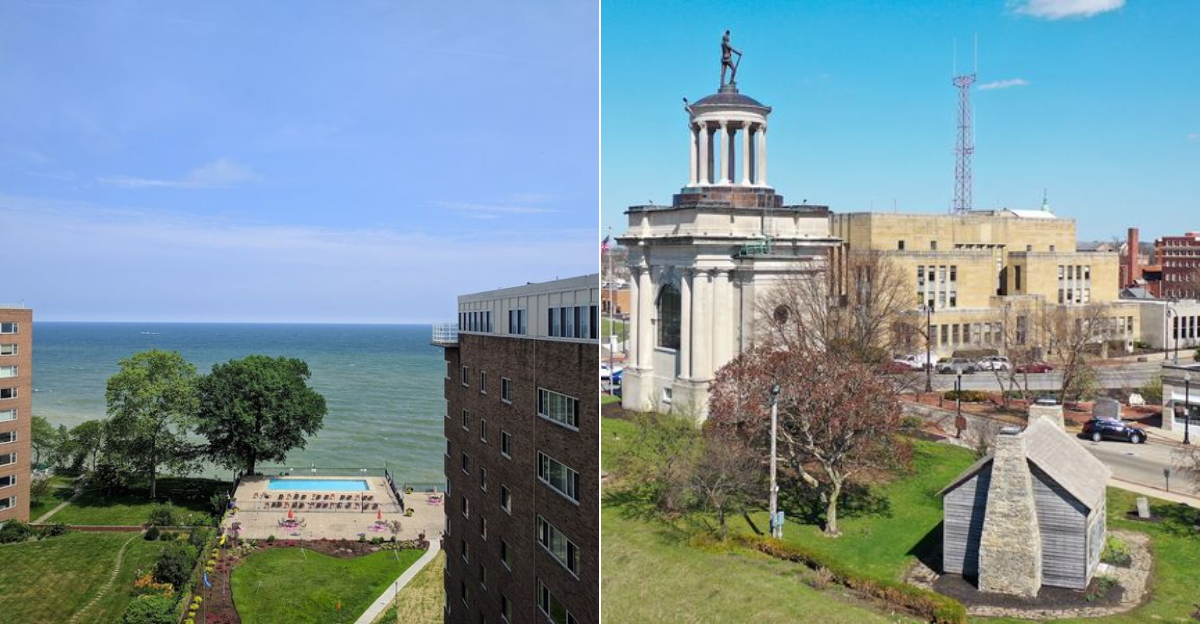
Ohio used to feel like the place where your paycheck could breathe, your rent stayed reasonable, and buying a home did not require Olympic level financial gymnastics.
That easygoing bargain is fading fast, and several towns that once looked like steals are now testing budgets with rising home prices, pricier rentals, and costlier everyday living.
From big city revival stories to suburbs that suddenly became the hot ticket, these places are changing in ways that can surprise longtime locals and newcomers alike.
If you want to know where affordability is slipping, where demand is heating up, and which Ohio towns are giving wallets a real workout, keep reading because this list maps the pressure points with facts, personality, and a few reality checks your bank account will definitely understand today.
1. Columbus

Blink and Columbus feels pricier than the version many people remember.
This capital city spent years building a reputation as Ohio’s sensible bargain, yet rising demand has pushed housing costs into a much less sleepy lane.
A strong job market, steady population growth, and major investments in tech, education, and healthcare have made Franklin County’s biggest city far more competitive.
Neighborhoods that once seemed like hidden values now attract buyers within hours, not weeks.
Short supply has kept pressure on both home prices and rents, especially near downtown, Clintonville, German Village, and other popular pockets.
Even areas farther from the core have felt the squeeze as buyers chase anything remotely move in ready.
You can still find relative value compared with larger coastal metros, but that old Columbus discount is shrinking.
Property taxes, insurance, and renovation costs add extra weight, so the monthly payment often lands higher than newcomers expect.
For renters, shiny new buildings have brought more options, though those amenities usually arrive with very unchill lease numbers.
Columbus still offers energy, opportunity, and plenty of appeal.
It just no longer plays the role of Ohio’s automatic budget hero.
If you are shopping here, speed, flexibility, and a realistic ceiling matter more than nostalgia.
2. Cincinnati

Cincinnati has been quietly leveling up, and the price tags noticed first.
For years, this river city offered character, walkability, and beautiful old housing stock without the sticker shock that hit trendier markets.
Now Hamilton County’s flagship city is drawing more buyers, renters, and investors who see charm, jobs, and momentum in the same frame.
Popular neighborhoods such as Over the Rhine, Hyde Park, Oakley, and Mount Lookout have seen values climb as redevelopment and demand continue to reshape the market.
Historic homes, once attainable fixer uppers, often command serious bids before the paint even dries on the listing photos.
Rents have also marched upward, especially near major employment centers, entertainment districts, and the urban core.
Part of Cincinnati’s appeal is that it still feels more affordable than some peer cities.
That relative value, though, can create its own problem because outsiders arrive thinking bargain and leave saying wait, how much.
Limited inventory, renovation costs, and competition for desirable school zones add more fuel to the fire.
Cincinnati remains a place with personality to spare, from skyline views to chili debates that never end.
But affordability is no longer its easiest selling point.
If you want in, expect a market with more bite than bargain.
3. Cleveland
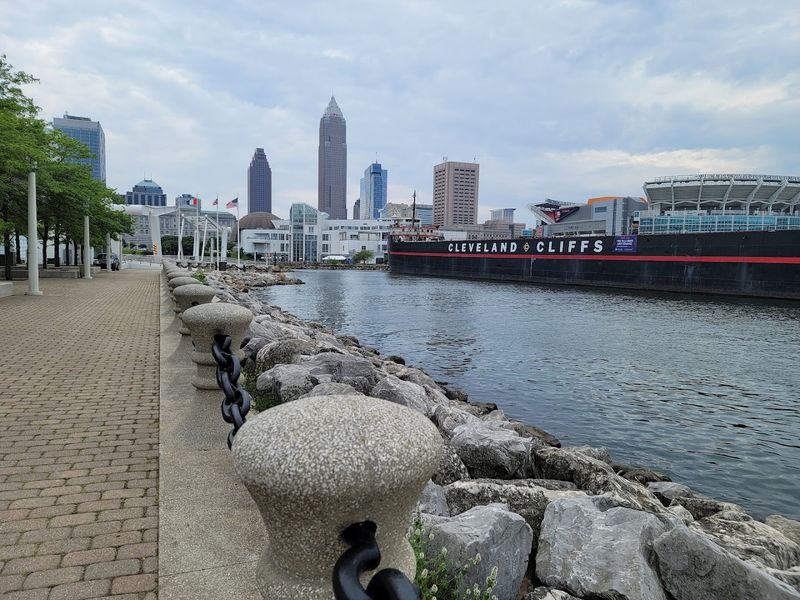
Lake breeze or not, Cleveland is not staying cheap everywhere.
The city long carried a reputation for low home prices, which made it appealing to first time buyers, remote workers, and anyone tired of inflated national markets.
Yet Cuyahoga County’s largest city has pockets where rising demand, renovation activity, and neighborhood revival are changing the math.
Areas like Ohio City, Tremont, Detroit Shoreway, and parts of the near west side have seen especially sharp movement.
Once modest properties now attract buyers willing to pay for location, character, and proximity to restaurants, hospitals, and downtown employers.
That interest has helped lift values, while renters have felt steeper asking prices in revitalized buildings and newer developments.
Cleveland still offers cheaper entry points than many major metros, but averages can be misleading.
A bargain in one block can sit beside a fully transformed corridor where prices have sprinted ahead.
Maintenance on older homes, insurance, and taxes can also surprise buyers who only focus on the listing price.
What makes Cleveland tricky is that affordability remains real, just uneven.
The city rewards careful neighborhood research more than broad assumptions.
4. Dayton

Dayton has entered the chat, and affordability is no longer guaranteed.
For a long time, this city looked like one of Ohio’s safer bets for buyers who wanted space without financial whiplash.
Lately, though, Montgomery County’s housing market has become tighter as revitalization, employer stability, and renewed interest bring more competition.
Downtown improvements, historic district appeal, and investment in local amenities have helped boost Dayton’s profile.
As more people notice the mix of architecture, access, and relative value, homes in sought after areas do not linger like they once did.
That shift has also pushed up rents, especially in newer buildings or updated units near active corridors.
Dayton still undercuts flashier Ohio markets on many listings.
The catch is that lower headline prices do not always translate to easy monthly budgets once interest rates, repairs, and taxes enter the room.
Older homes can require meaningful upkeep, which turns a seeming deal into a marathon with receipts.
There is still opportunity here, and that is exactly why prices are creeping upward.
People see room for growth, and markets love a comeback story.
If Dayton is on your shortlist, move with fresh eyes instead of old assumptions about what cheap should mean.
5. Akron

Akron used to fly under the radar, and that helped keep costs comfortably grounded.
Today, Summit County’s longtime value play is getting more attention from buyers seeking affordability within reach of jobs, highways, and Northeast Ohio amenities.
That extra attention has nudged prices upward in a market that once felt almost stubbornly modest.
Neighborhood differences matter a lot here, but the overall pattern is clear.
Well kept homes in desirable pockets, especially those with easy access to parks, schools, and commuter routes, are drawing faster offers and fewer markdowns.
Renters are seeing pressure too, particularly where renovated apartments and limited supply overlap.
Akron remains less expensive than some nearby markets, which is part of the reason demand keeps building.
When people compare monthly costs with larger cities, Akron can still look inviting, yet the margin is thinning.
Insurance, utilities, and work needed on older properties can quietly inflate ownership costs beyond the listing itself.
What makes Akron notable is not runaway luxury fever.
It is the steady erosion of the old bargain narrative that once defined the city.
6. Toledo

Lucas County’s biggest city has long been the kind of market that made bargain hunters grin.
In recent years, however, Toledo has seen enough demand and investor interest to make that grin a little more cautious.
Housing is still comparatively affordable, but the gap between cheap and costly is narrowing faster than many locals expected.
Certain neighborhoods and close in suburbs have become especially competitive as buyers search for character, convenience, and value.
Updated homes, low inventory, and more attention from out of area purchasers have helped push prices higher on well maintained listings.
Rent increases have followed, especially where landlords upgraded units or capitalized on stronger demand.
Toledo’s appeal is understandable.
You get lake access, a manageable urban scale, established neighborhoods, and housing stock that often looks underpriced next to national norms.
But that perception can spark bidding pressure, and older homes may carry maintenance surprises that turn a low sticker price into a more expensive reality.
The city is not suddenly unattainable.
It is simply less sleepy, less ignored, and less consistently cheap than before.
If you want Toledo value, you may need quicker decisions, sharper inspection skills, and fewer fantasies about scoring a masterpiece for pocket change.
7. Dublin
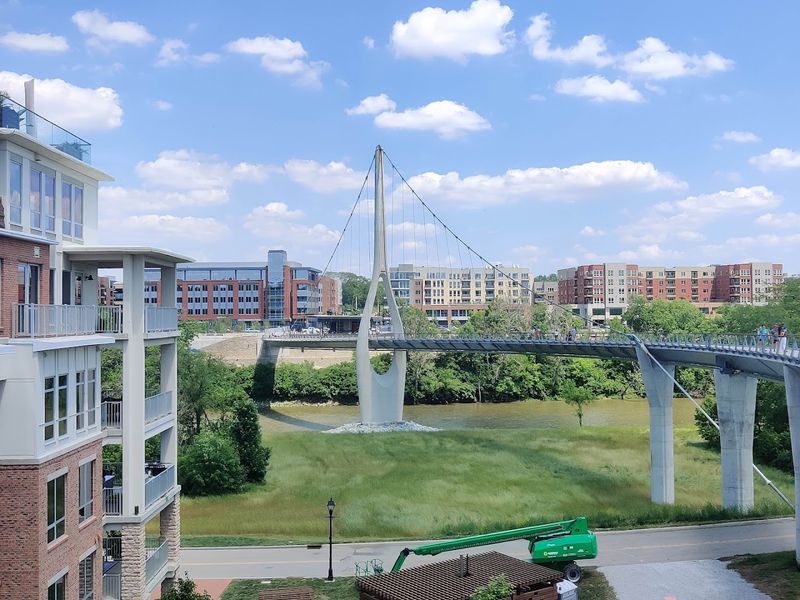
Polished sidewalks and polished price tags go hand in hand in Dublin.
This Franklin County suburb has not been dirt cheap for a while, but it once felt more attainable for families who wanted strong schools and a tidy suburban setup.
Now demand, development, and reputation have pushed it firmly into the costly conversation.
Dublin benefits from proximity to Columbus, a strong employment base, and a carefully maintained image that buyers love.
Newer homes, attractive neighborhoods, and abundant amenities keep competition elevated, especially for properties in desirable school zones.
That desirability has lifted both purchase prices and rents, leaving fewer easy entry points for middle budget households.
Even when the sticker price seems manageable, the full cost can rise quickly.
Property taxes, association fees in some communities, and premium pricing for updated homes all add layers to the monthly bill.
The result is a suburb that still delivers quality of life, but rarely at the bargain rates people may remember from earlier years.
Dublin remains deeply appealing.
Parks are lovely, shopping is convenient, and the housing stock often looks postcard ready.
Still, if you are moving here expecting a suburban steal, your wallet may respond with the emotional range of a very disappointed golf clap.
8. Westerville
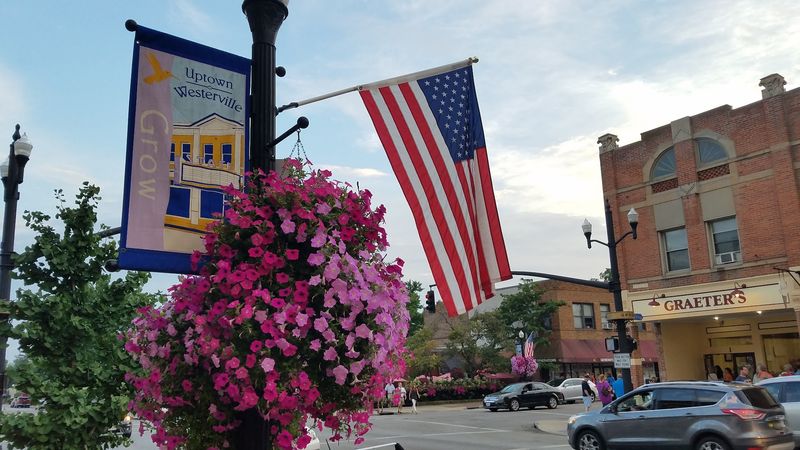
Westerville has that neat, welcoming look that tends to charm buyers very quickly.
What used to feel like a relatively accessible Franklin County suburb now carries noticeably higher costs thanks to strong demand and limited desirable inventory.
Its blend of community feel, schools, and location has made affordability harder to hold onto.
The city’s appeal is broad.
Historic Uptown adds character, neighborhoods feel established, and access to Columbus keeps the commute conversation practical for many households.
When you pair that with family friendly amenities and a polished local reputation, price growth starts to look less surprising.
Homes in sought after sections can attract multiple offers, particularly if they are updated and move in ready.
Renters are not immune either, since newer apartment communities and constrained supply have helped raise monthly rates.
Buyers who expect sleepy suburb pricing often discover that Westerville has moved into a more premium lane.
The tricky part is that Westerville still feels comfortable rather than flashy.
That low drama appeal can disguise how competitive the market has become.
9. Hamilton
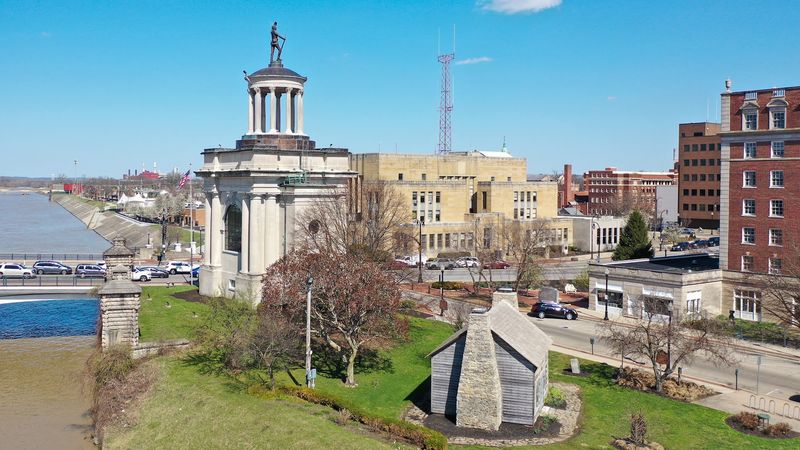
This Butler County’s river city is proof that comeback energy can raise prices too.
For years, Hamilton offered a clear affordability advantage, especially for buyers willing to look beyond flashier markets nearby.
As redevelopment gains traction and more people discover its charm, the old value equation is getting harder to preserve.
Downtown improvements, arts investment, and adaptive reuse projects have helped shift Hamilton’s image.
That renewed attention brings visitors first, then buyers, then the very familiar moment when asking prices start acting bolder.
Homes with character and good locations now draw stronger interest, while rental costs have also edged upward in attractive areas.
Hamilton still has options that look affordable on paper.
Yet competition has increased, and older housing often comes with repair needs that can surprise budget minded shoppers.
The city’s growing popularity within commuting distance of Cincinnati adds another layer of demand that supports higher prices.
What makes Hamilton interesting is that it still feels like a place in transition.
That means value exists, but it is no longer sitting on the porch waiting patiently.
If you want to buy here, paying attention early matters, because the market is becoming less overlooked and much less forgiving to hesitation.
10. Lakewood
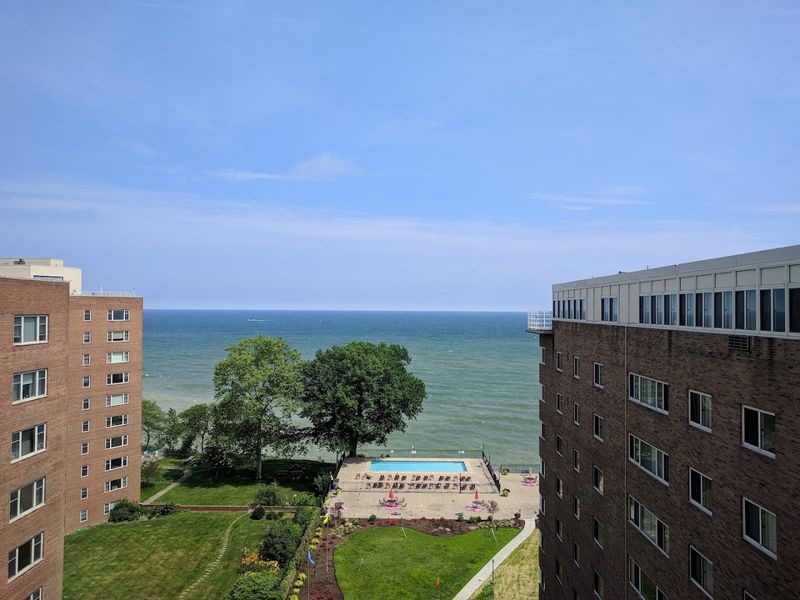
Lakewood has charm for days, and increasingly, a price tag to match.
This inner ring suburb in Cuyahoga County built its reputation on walkability, character, and relative affordability near Cleveland.
Those same strengths now attract so much demand that buying or renting here feels far less casual than it once did.
Lakewood’s housing stock is full of older homes, duplexes, and apartment buildings that appeal to buyers who want personality over bland sameness.
Add restaurants, lake proximity, and easy access to downtown Cleveland, and you have a recipe for sustained competition.
Well maintained properties, especially updated ones, rarely sit around waiting for indecisive shoppers to have a think.
Prices have climbed as inventory stays tight and the suburb’s popularity holds steady.
Renters face pressure too, particularly in renovated units and desirable buildings where convenience comes with a stronger monthly bite.
Even when a home’s list price seems manageable, taxes, maintenance, and older structure issues can quickly pad the real cost.
Lakewood is still deeply lovable.
That is exactly the problem if you are hunting for a bargain.
In a town where charm practically strolls the sidewalk, affordability is no longer the easy companion it used to be.