Florida’s greatest trick is convincing visitors that the whole state can be summed up by theme parks, crowded beaches, and neon cocktail menus.
Slip a little farther off the tourist trail, though, and you find sinkholes draped in ferny drama, springs so blue they look edited, barrier islands with more shells than people, and prairies where the night sky steals the show.
This list rounds up 14 natural wonders that feel like local secrets, even though they are very real, very visitable, and gloriously unbothered by souvenir shop chaos.
If you’re ready to trade long lines for boardwalks, manatees, river rapids, and a few brag-worthy discoveries, keep going and start planning the kind of Florida trip that makes people say, “Wait, that was in Florida?”
1. Devil’s Millhopper Geological State Park
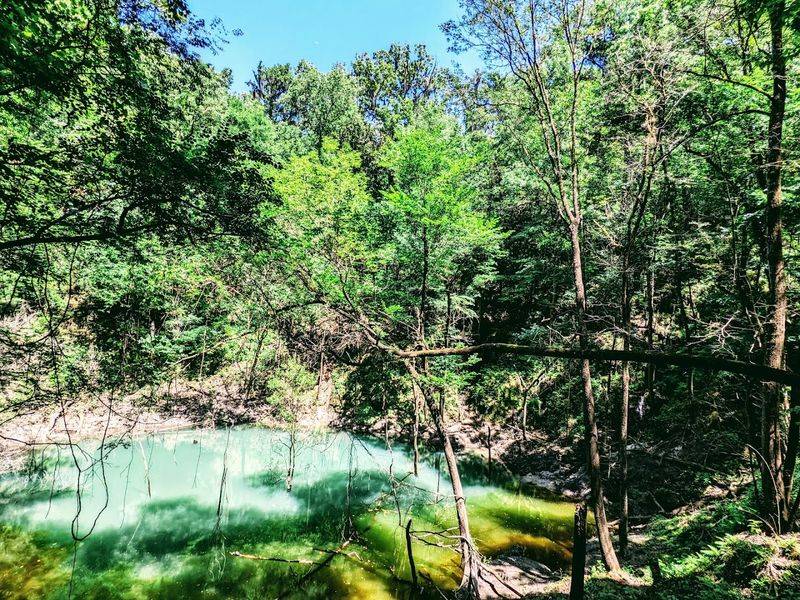
One wrong turn from Gainesville traffic, and suddenly you’re staring into a giant sinkhole that looks like Florida borrowed a scene from a rainforest.
Devil’s Millhopper Geological State Park centers on a massive limestone depression about 120 feet deep, where tiny springs seep from the walls and feed a misty miniature ecosystem.
A wooden boardwalk and staircase lead you down through layers of geologic history, past ferns, vines, and dripping rock that make every step feel deliciously dramatic.
The cool air at the bottom is a welcome surprise, especially when North Florida decides to behave like a sauna with ambitions.
Interpretive signs explain the fossils and sediments found here, including marine shells that hint at ancient seas, while the surrounding upland forest adds shaded hiking and wildlife spotting above ground.
Because the park is compact and easy to visit, it works beautifully as a short adventure, but it leaves a big impression, especially if you love unusual landscapes that prove Florida has far more depth than its postcard beaches.
2. Fakahatchee Strand Preserve State Park
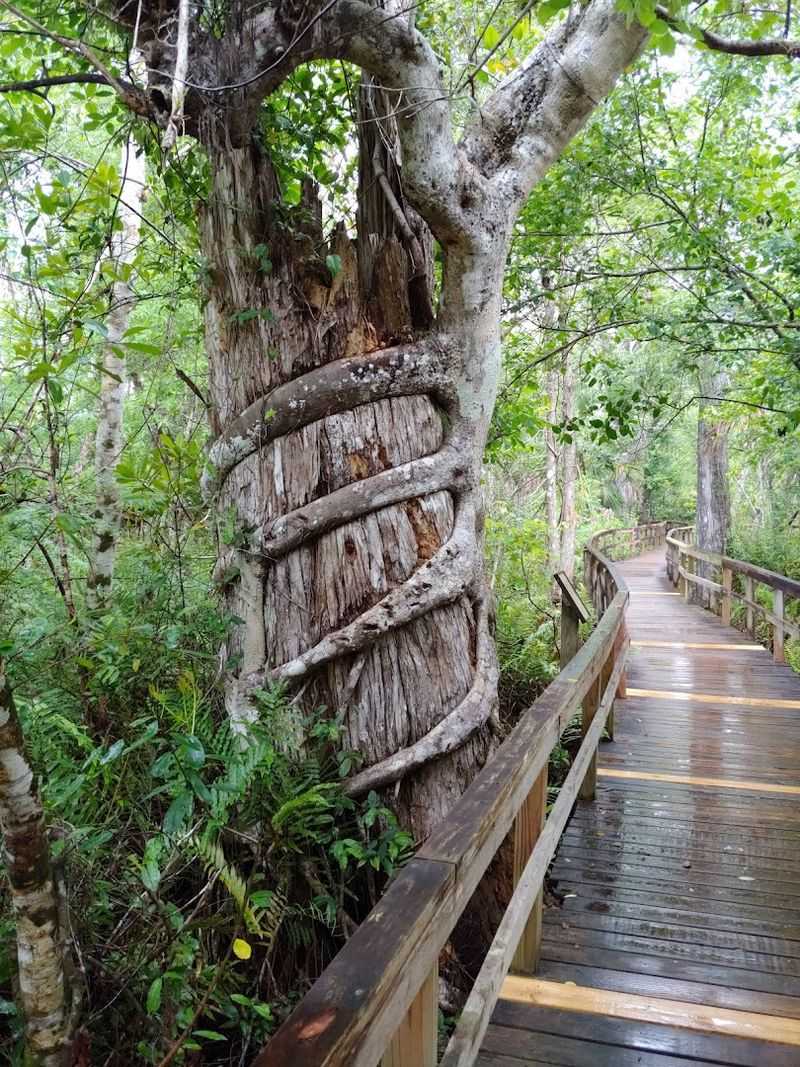
If Florida had a secret jungle level, it would be hiding in Fakahatchee Strand Preserve State Park near tiny Copeland.
This vast swamp forest is famous for rare orchids, towering bald cypress, air plants, and the legendary ghost orchid, which gives the place a slightly mystical reputation it absolutely earns.
Boardwalks and trails, especially along the Big Cypress Bend Boardwalk, let you slip into this watery wilderness without needing superhero balance or a deep personal relationship with mud.
Birders come for wood storks, herons, and barred owls, while patient visitors may spot alligators, deer, or even signs of the Florida panther in remote areas.
The preserve protects the largest strand swamp in the state, and that scale matters because every shaded pool, root tangle, and epiphyte-covered branch feels like part of an older, wilder Florida.
Go slowly, bring binoculars, and embrace the humidity, because this is one of those places where the stillness becomes the attraction, and every rustle in the trees feels like nature leaning in to tell you a secret.
3. Peacock Springs State Park
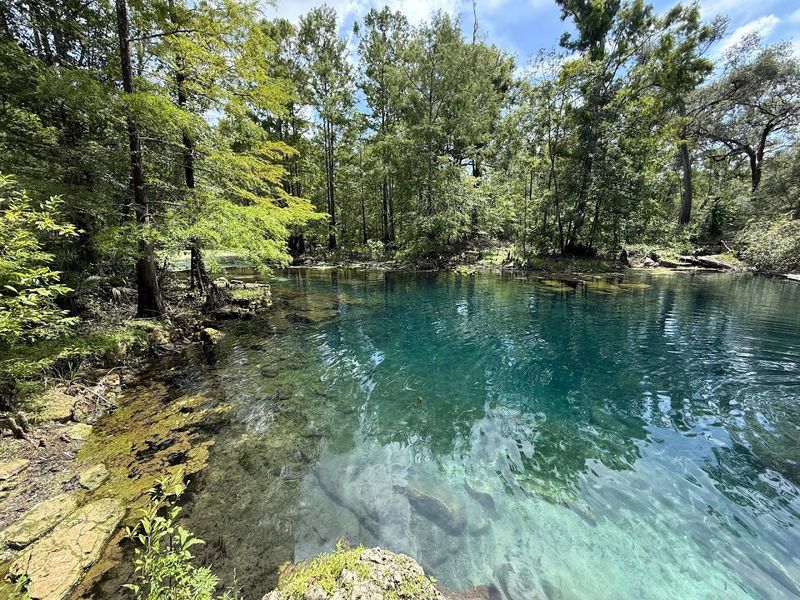
Crystal water and cave-country mystery collide at Peacock Springs State Park in Luraville, where the surface beauty barely hints at what lies below.
The park is internationally known for one of the longest underwater cave systems in the continental United States, making it a magnet for highly trained cave divers.
Even if you are not gearing up like an underwater astronaut, the spring run and shaded woods offer a peaceful, low-key setting that feels wonderfully removed from mainstream Florida sightseeing.
The water is clear enough to make you stop and stare, and the surrounding karst landscape tells a bigger story about the aquifer that feeds much of the region.
Because cave diving here is serious business, casual visitors should stick to the designated areas, enjoy the scenery, and respect the hazards that come with deep limestone passages.
That balance of accessibility and mystery is exactly what makes Peacock memorable, because you can appreciate the calm blue pools from above while knowing an enormous hidden world stretches beneath your feet like Florida’s coolest unfinished sentence.
4. Gilchrist Blue Springs State Park
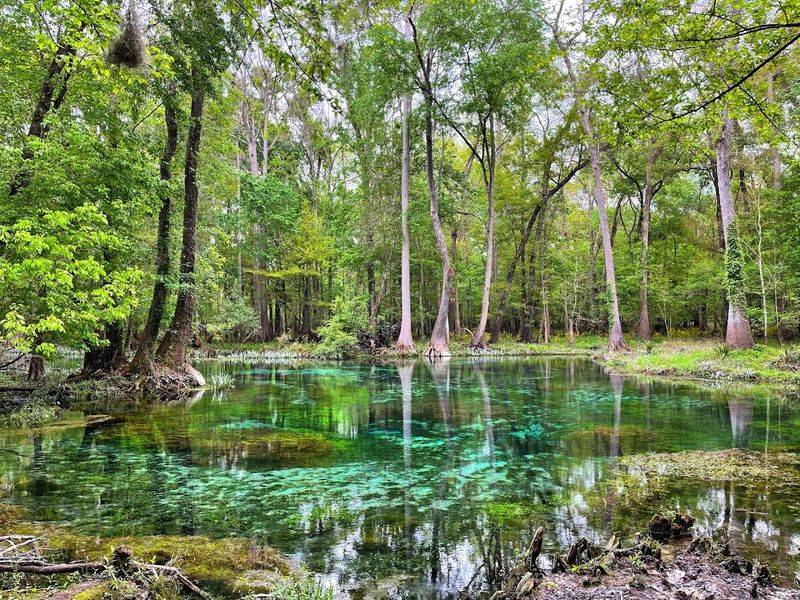
Some water is blue, and then there is Gilchrist Blue Springs State Park in High Springs, where the color looks almost suspiciously perfect.
This first-magnitude spring pumps out a tremendous flow of clear freshwater, creating a swimming hole so bright and clean it can make nearby hotel pools feel deeply unambitious.
The main spring is the star, but the park also includes additional springs, forest trails, and paddling access on the Santa Fe River, giving your day more range than a simple swim stop.
Families love the gentle entry and picnic-friendly layout, while snorkelers appreciate visibility that often turns every fish into a tiny celebrity cameo.
Because the park can get busy on warm weekends, arriving early is the smartest move if you want easier parking, a calmer atmosphere, and photos without half the county floating behind you.
What makes this place special is not only the postcard-worthy water, but the way it introduces you to North Florida spring country in such an easy, joyful, and instantly refreshing form that you will probably start plotting a return before leaving.
5. Rock Springs Run State Reserve
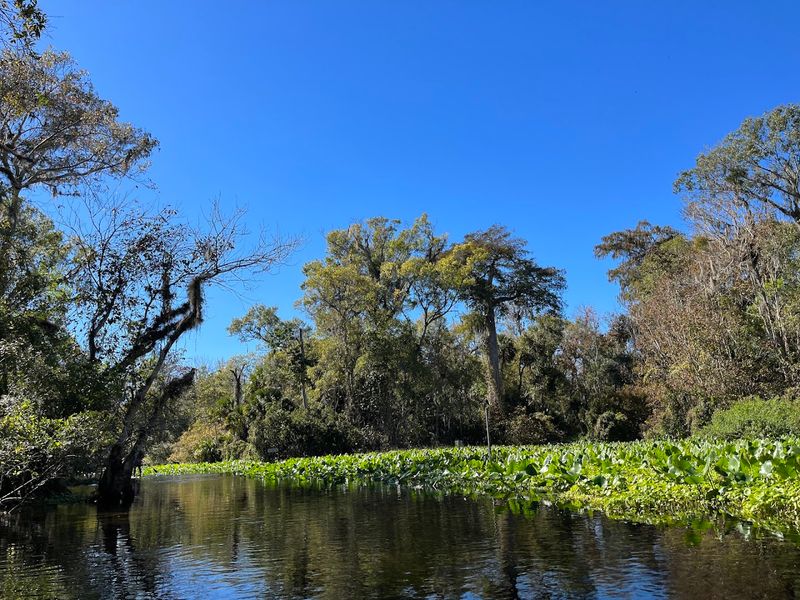
For a taste of Florida that feels untamed in the best possible way, head to Rock Springs Run State Reserve near Sorrento.
This large preserve protects thousands of acres of pine flatwoods, hammocks, and river floodplain, creating a backcountry escape where paddling and hiking feel more exploratory than recreational.
The reserve connects with the famous emerald water of nearby Kelly Park’s Rock Springs Run, but farther out, the crowds thin and the landscape starts showing off its quieter, wilder personality.
Paddlers often launch from authorized points to drift through clear, winding water bordered by palms, oaks, and the occasional alligator who seems equally committed to personal space.
On land, equestrian trails and hiking routes cut through habitats where black bears, deer, and wading birds still have room to move, which gives the whole area a genuinely expansive feel.
If you like your nature with fewer snack bars and more birdsong, this reserve delivers a refreshing reminder that Central Florida still holds places where the loudest thing around is your own delighted reaction to the scenery.
6. Salt Springs Recreation Area
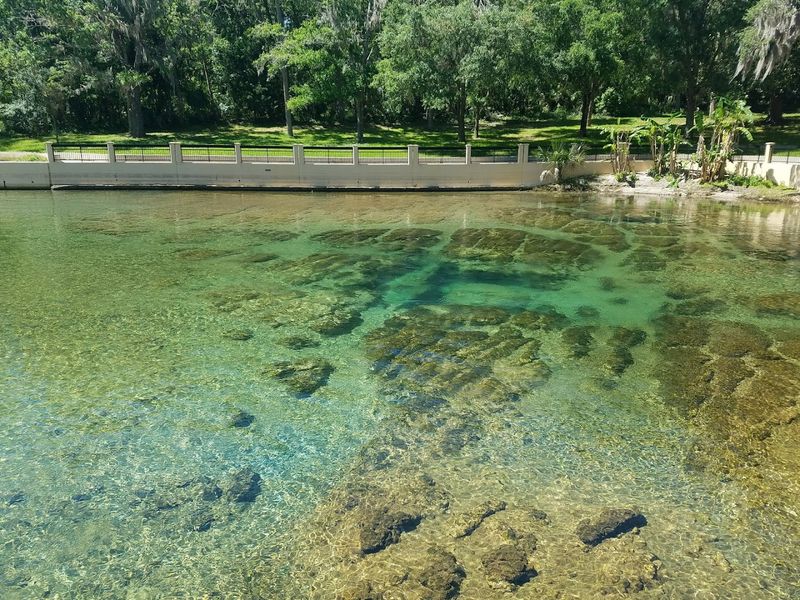
A spring with a hint of minerals and a whole lot of charm, Salt Springs Recreation Area near Fort McCoy offers a different flavor of Florida freshwater.
Set within Ocala National Forest, this large spring feeds a wide basin and run that shimmer in shades of blue and green, with a distinctive mineral content that includes traces of salt.
The result is water that feels clear, buoyant, and oddly memorable, especially when sunlight turns the limestone bottom into a glowing underwater stage.
You can swim, snorkel, launch a kayak, or simply enjoy the forested setting, where palms and hardwoods create a relaxed backdrop without too much commercial fuss.
Boaters also use Salt Springs as a gateway to Lake George and the St. Johns River system, so it works nicely for both a quick dip and a longer aquatic ramble.
What keeps this spot from feeling overexposed is its blend of accessibility and wild surroundings, since one minute you are floating in gorgeous spring water and the next you are watching the Ocala forest quietly remind you who the real host is.
7. Kissimmee Prairie Preserve State Park
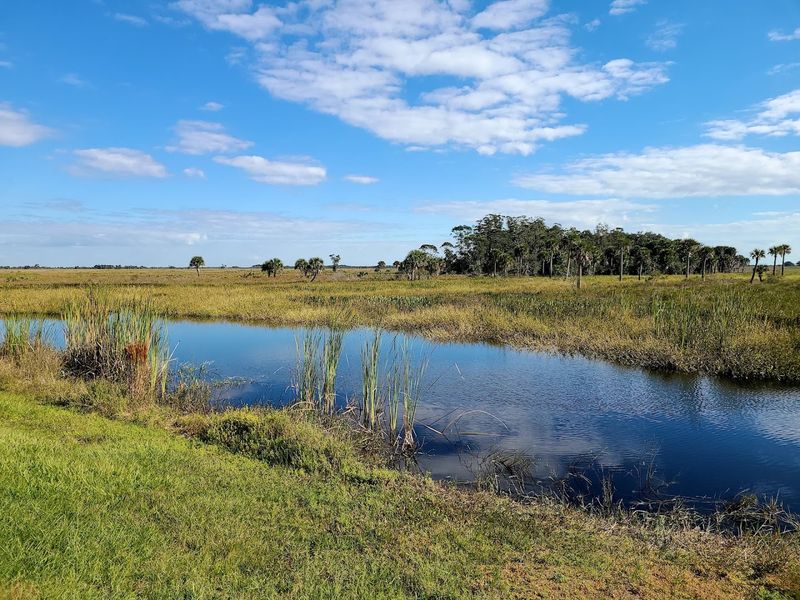
Florida without palm-lined crowds looks gloriously different at Kissimmee Prairie Preserve State Park, where the horizon stretches out like the state finally took a deep breath.
Located west of Okeechobee, this immense prairie protects one of the largest remaining tracts of dry prairie habitat, a rare ecosystem once widespread across south-central Florida.
By day, you can spot crested caracaras, burrowing owls, deer, and wildflower displays, while the open landscape gives every cloud formation its own dramatic entrance.
By night, the park becomes one of Florida’s premier stargazing spots and an officially designated Dark Sky Place, which means the Milky Way can appear with downright showoff energy.
Cycling, hiking, and camping here all feel refreshingly spacious, and the quiet is so complete that even small sounds seem to arrive with subtitles.
This is not the Florida of roller coasters or beach bars, and that is precisely the point, because the preserve lets you experience a subtler grandeur built from grass, sky, wildlife, and the kind of silence that politely rearranges your priorities.
8. Cayo Costa State Park
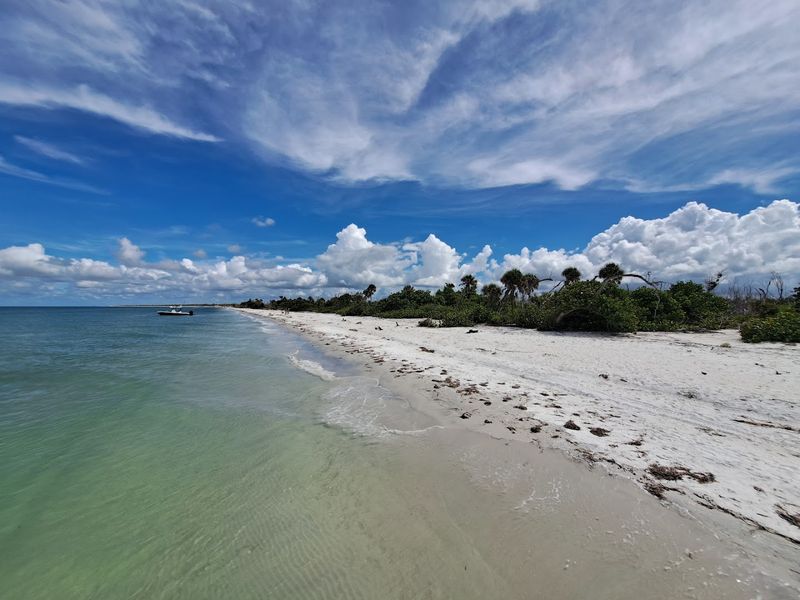
If your ideal beach includes fewer umbrellas and more shells than you can reasonably carry, Cayo Costa State Park is your kind of paradise.
This barrier island off Florida’s Gulf Coast is reachable only by boat, ferry, or private watercraft, which immediately filters out the drive-up beach crowd and raises the tranquility level.
Once you arrive, you get miles of undeveloped shoreline, dunes, pine forests, mangroves, and a sense that the Gulf still knows how to keep a secret.
Swimming, shelling, fishing, kayaking, and wildlife watching are the main events here, with dolphins, manatees, and shorebirds frequently stealing scenes from your beach day.
The lack of urban development is the magic ingredient, because every stretch of sand feels cleaner, quieter, and more cinematic than the average coastal stop.
Bring water, sun protection, and realistic expectations about roughing it a little, because Cayo Costa rewards prepared visitors with the kind of raw coastal beauty that makes ordinary beach towns seem like they are trying way too hard.
9. Washington Oaks Gardens State Park
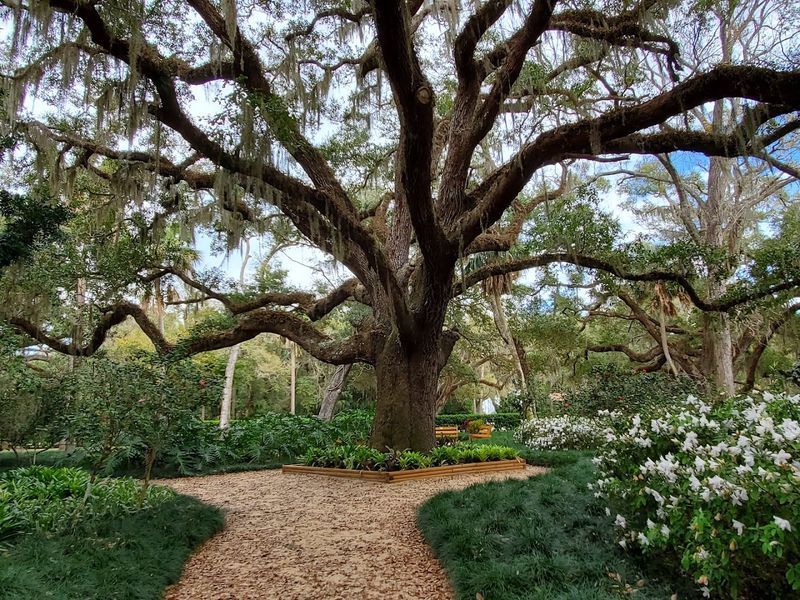
Most Florida Atlantic beaches are all soft sand and rolling waves, which is exactly why Washington Oaks Gardens State Park near Palm Coast feels like such a glorious plot twist.
Its shoreline features rare coquina rock formations that create a rugged, sculpted edge along the water, especially striking at low tide or during a bright sunrise.
Across the road, formal gardens filled with oaks, ponds, and seasonal blooms add another layer of beauty, making this park an unusually elegant blend of wild coast and curated landscape.
Photographers love the texture here, and casual walkers appreciate that every few steps reveal another tide pool, rock ledge, or dramatic splash worthy of a slow clap.
The park also offers picnic areas and trails, so you can easily pair beachcombing with a quieter stroll under old trees draped in shade.
Because it delivers both botanical grace and geologic personality in one compact stop, Washington Oaks feels like a two-for-one special where nature somehow managed to hire an excellent landscape designer and a very moody sculptor.
10. Alexander Springs Recreation Area
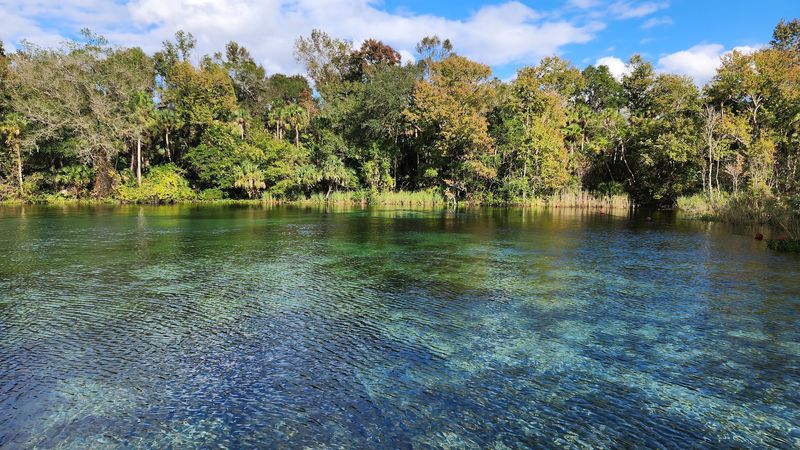
First glance at Alexander Springs near Altoona, and you may wonder whether someone quietly turned the saturation up on real life.
Located in Ocala National Forest, this first-magnitude spring sends clear water through a broad, sandy basin that is ideal for swimming, snorkeling, and easy paddling.
The gentle slope into the water makes it especially approachable, while the surrounding palms, cypress, and hardwoods frame the scene with classic old-Florida charm.
A short paddle down Alexander Run reveals fish, turtles, and dense vegetation mirrored on calm water, offering a softer, more intimate adventure than many larger spring systems.
Camping and hiking options nearby let you turn a simple day trip into a slower forest retreat, which feels increasingly valuable in a state that often rushes its visitors from one attraction to the next.
Alexander Springs stands out because it is both beautiful and easygoing, the kind of place where you can swim, float, and watch sunlight dance on the bottom while your brain finally stops trying to multitask for a minute.
11. Wakulla Springs State Park
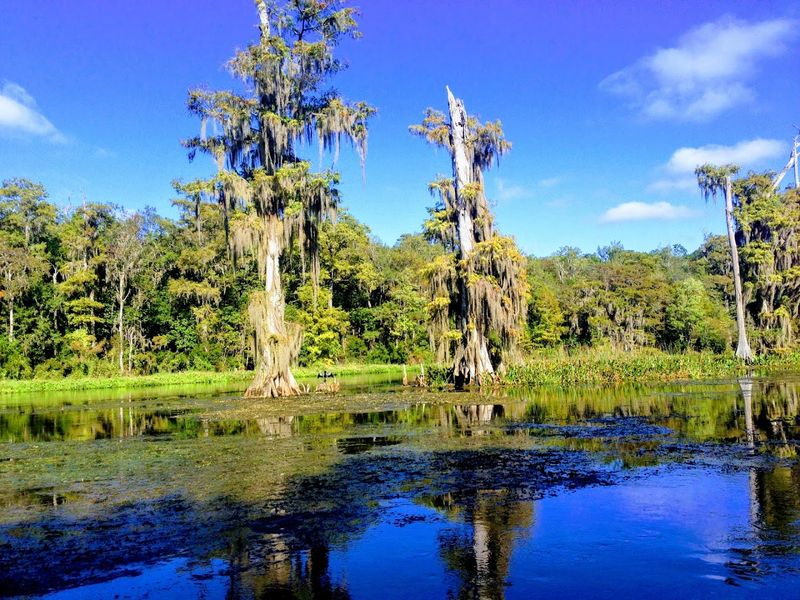
Big, bold, and surprisingly cinematic, Wakulla Springs State Park south of Tallahassee delivers old Florida on a truly grand scale.
Its spring is one of the largest and deepest freshwater springs in the world, feeding the Wakulla River with astonishing clarity and enough visual drama to earn appearances in classic films.
A historic lodge overlooks the water, adding a touch of vintage charm before you step onto a riverboat tour where manatees, alligators, turtles, and birds often make excellent unscripted guests.
The surrounding park protects rich forest and wetland habitat, and the contrast between the calm water and the abundance of wildlife keeps every visit lively without feeling hectic.
Swimming is possible in designated areas when conditions allow, but even staying dry feels rewarding because the scenery does plenty of heavy lifting.
Wakulla succeeds as both a natural wonder and a time capsule, inviting you to slow down, look closer, and appreciate a corner of Florida where giant springs, Spanish moss, and unapologetic wildlife still run the show.
12. Three Sisters Springs
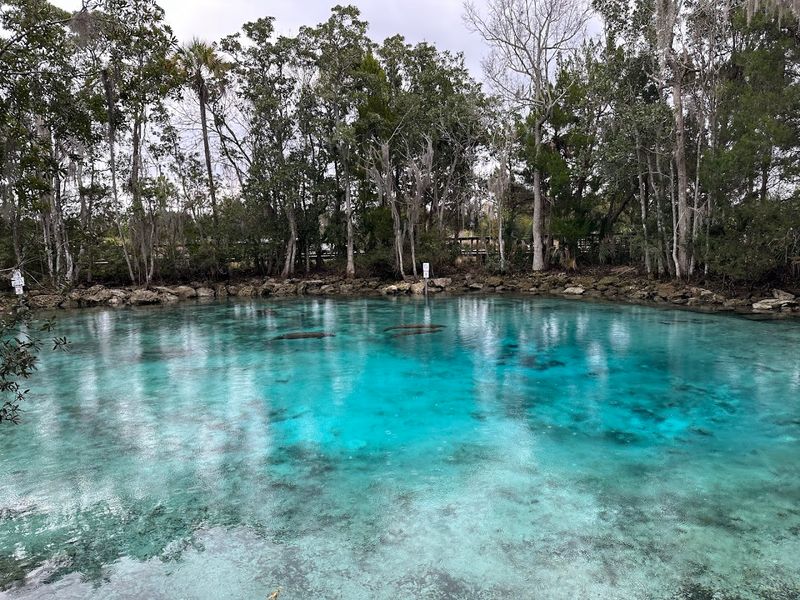
Winter in Florida gets wonderfully weird at Three Sisters Springs in Crystal River, where the seasonal headliners are not snowbirds but actual manatees.
This spring complex, tucked within the Crystal River National Wildlife Refuge, is famous for its clear turquoise water and the large numbers of manatees that gather here during colder months.
Boardwalks provide excellent viewing from above, and in certain seasons and conditions, guided paddling or swimming nearby can offer unforgettable encounters handled under careful wildlife protection rules.
The springs themselves are stunning even without a single whiskered visitor, with bright water, bubbling vents, and lush vegetation that give the whole scene an almost unreal glow.
Because access changes seasonally to protect the animals, checking current regulations before visiting is essential, and honestly, the manatees deserve that level of VIP treatment.
Three Sisters Springs is a reminder that Florida’s gentlest icons thrive in places of remarkable beauty, and seeing them drift through clear water feels less like sightseeing and more like being granted a very polite audience.
13. Big Shoals State Park
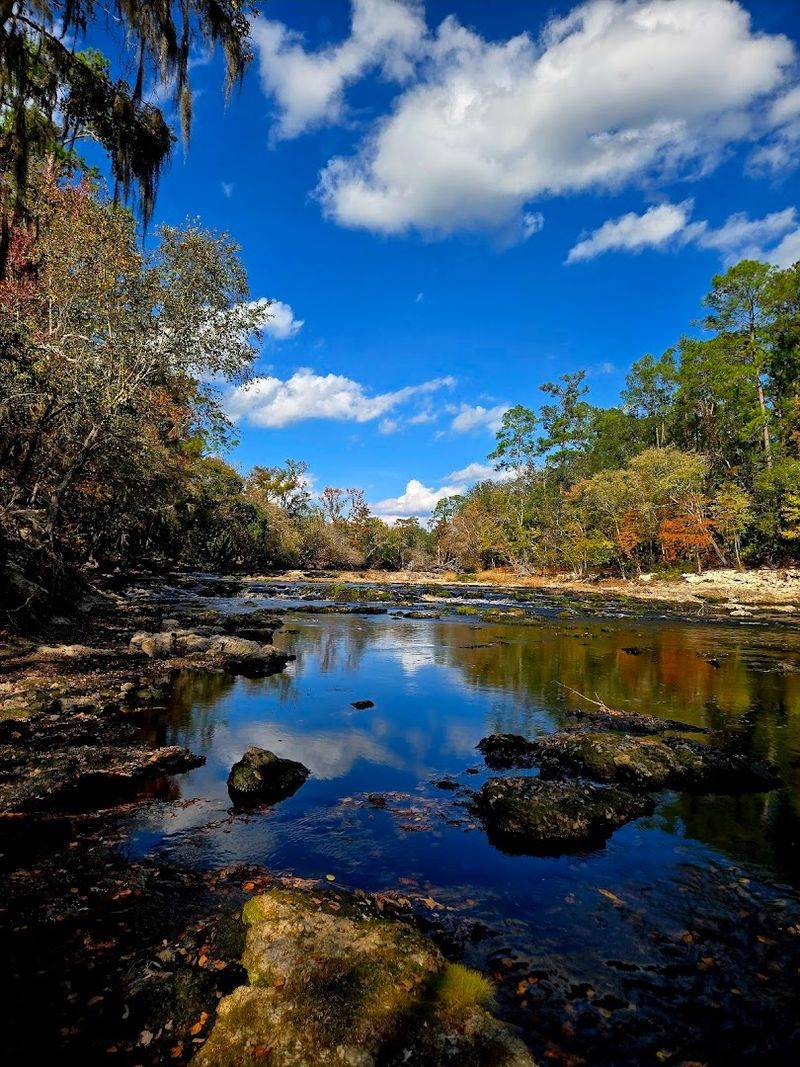
Rapids are not usually part of the Florida sales pitch, which makes Big Shoals State Park near White Springs such a delightful rule breaker.
Set along the Suwannee River, the park protects the largest whitewater rapids in the state, a rocky shoal system that becomes especially impressive when river levels are high.
The surrounding terrain feels surprisingly rugged for Florida, with bluffs, forest, and long-distance trails that invite hikers and cyclists to trade beach sandals for something sturdier.
An observation platform offers a strong view of the rushing water, while nearby sections of the Florida Trail add even more reason to linger if you like your scenery with a side of effort.
This is also a good place to appreciate seasonal variation, since the shoals can look very different depending on rainfall and river conditions.
Big Shoals stands out because it reveals a muscular, less expected side of the state, one where the Suwannee moves with swagger and the landscape politely reminds you that Florida is capable of much more than flat, sleepy stereotypes.
14. Hillsborough River State Park
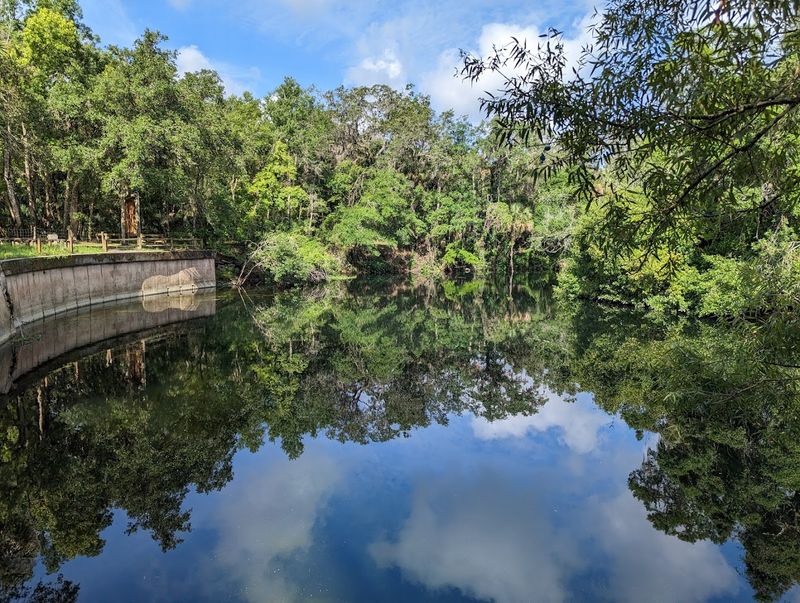
Just outside Tampa’s orbit, Hillsborough River State Park in Thonotosassa offers a nature escape with enough texture to make the city feel very far away.
The river here slips over limestone outcrops to form rare Class II rapids, a geological oddity in Florida and a fun surprise for anyone who assumes the state does not do moving water with personality.
Boardwalks, trails, and paddling routes wind through hammocks and riverfront scenery, while the reconstructed Fort Foster adds a historical layer if you want your fresh air with context.
Wildlife sightings can include turtles, wading birds, deer, and the occasional alligator, because Florida never misses a chance to keep things interesting.
The park is especially good for a mixed itinerary, since you can hike, picnic, kayak, and still be back in civilization by dinner without feeling rushed.
What makes it memorable is the contrast, as one moment you are close to one of the state’s busiest metro areas and the next you are listening to river sounds, watching sunlight through cypress, and wondering why more visitors are not here.