Pennsylvania doesn’t just have small towns — it has places that look like they slipped out of a fairy tale and landed in real life.
Think gaslit streets, stone cottages, towering church steeples, and mountain villages where time seems to stand perfectly still. These are the kinds of places where every corner feels made for postcards, and every old building seems to hold a secret.
Across the state, hidden between rolling hills, riverbanks, and quiet farmland, you’ll find towns packed with old-world charm and a little bit of magic. Some glow with Victorian elegance.
Others feel frozen in the age of horse-drawn buggies and hand-built homes.
If you’ve ever wanted to wander through a place that feels almost too charming to be real, these ten Pennsylvania villages are ready to steal your heart.
Jim Thorpe
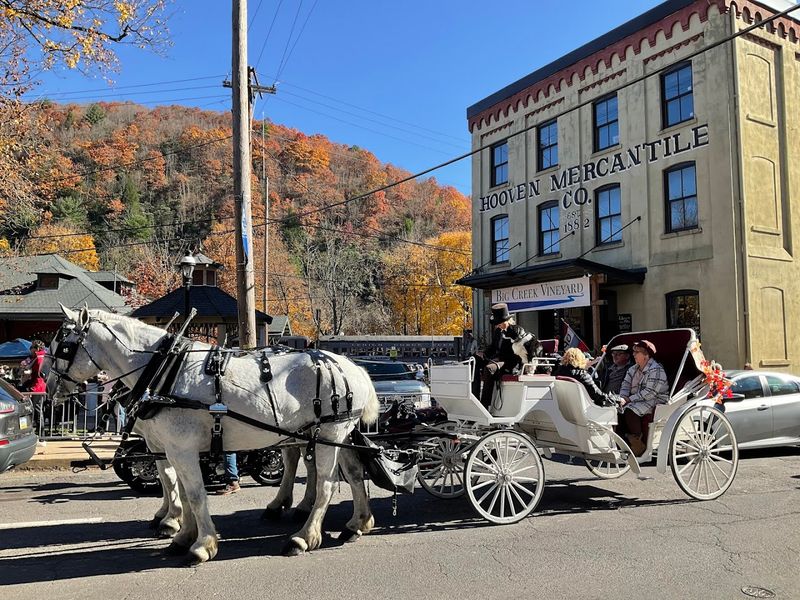
Perched dramatically in the Lehigh Gorge, this mountain village looks like something a storybook illustrator dreamed up. Steep hillside streets climb past rows of brightly painted Victorian mansions, each one more elaborate than the last.
The surrounding forested peaks create a natural amphitheater that makes every view feel theatrical and magical.
Downtown buzzes with energy from the restored railroad station that once brought thousands of visitors to this coal country gem. The historic Mauch Chunk Opera House still hosts performances, while galleries and quirky shops line the narrow sidewalks.
Walking these streets feels like traveling back to the Gilded Age when this was one of Pennsylvania’s wealthiest towns.
Outdoor adventurers flock here for whitewater rafting and rail trail biking, but the town itself steals the show. Every season paints Jim Thorpe differently, from spring blossoms to blazing autumn leaves.
The combination of architectural grandeur and wilderness setting creates an unforgettable storybook atmosphere that captivates everyone who visits.
New Hope
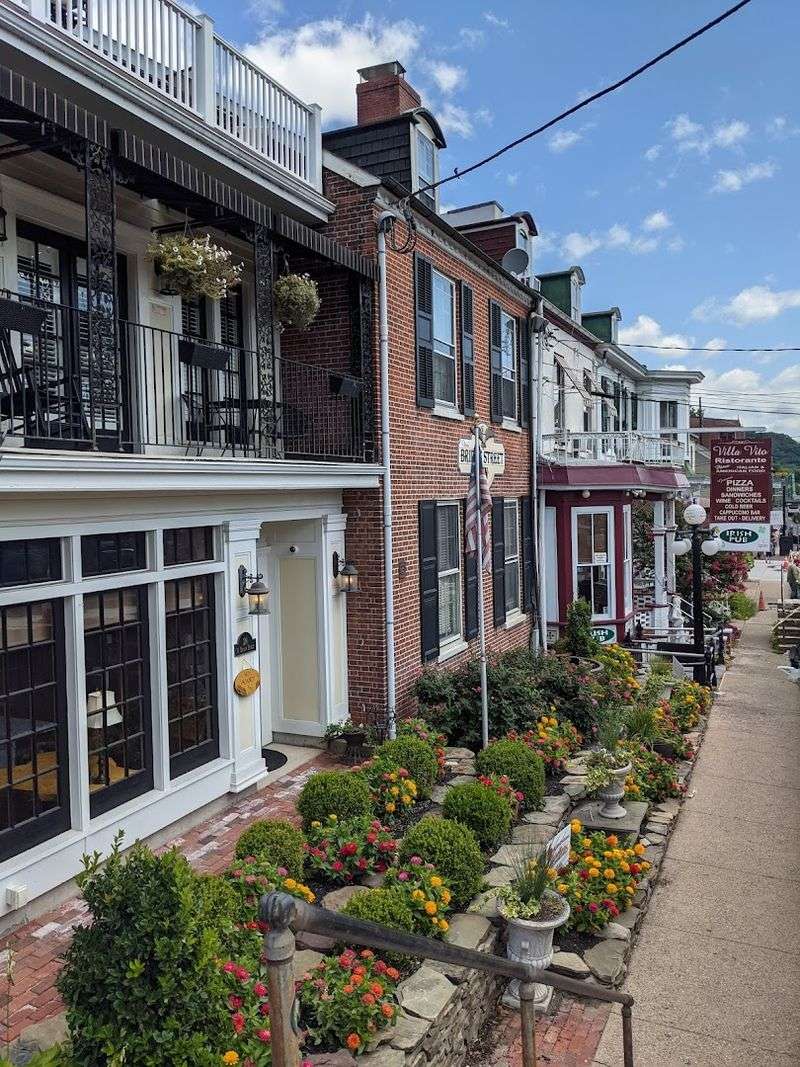
Along the Delaware River sits a village where colonial history meets bohemian creativity in the most delightful way. Stone buildings from the 1700s now house art galleries, intimate restaurants, and antique shops overflowing with treasures.
The whole place radiates romantic energy that draws couples, artists, and dreamers year-round.
River breezes drift through narrow streets lined with flowering window boxes and vintage lampposts. You can hop aboard a mule-drawn barge for a leisurely canal ride or browse handmade crafts at outdoor markets.
Cozy inns with names like the Wedgwood and Logan offer rooms filled with period furniture and canopy beds that complete the fairytale experience.
What makes New Hope truly special is how it preserves its historic bones while embracing creative energy. Live theater thrives at the Bucks County Playhouse, and you’ll find local musicians performing at riverside cafes.
The blend of old-world architecture and artistic spirit creates a timeless village atmosphere where every corner reveals something enchanting and unexpected.
Lititz
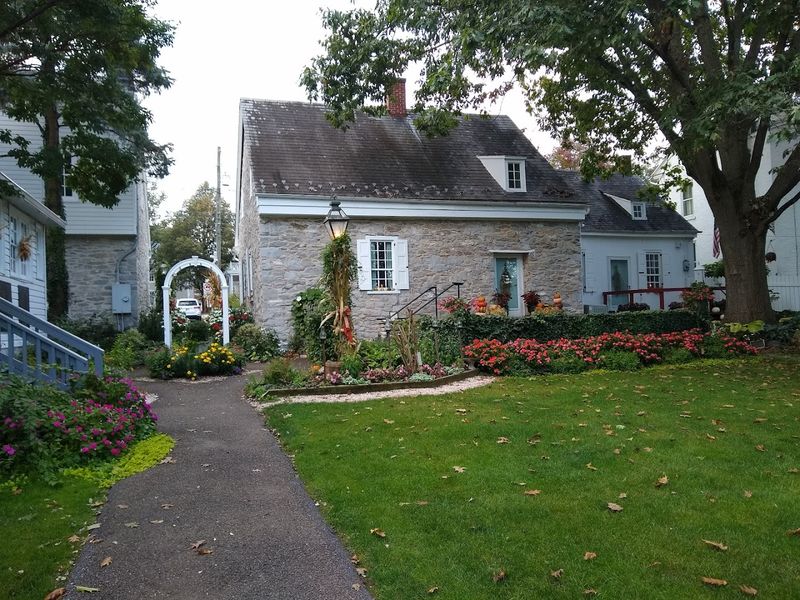
Walking through Lititz feels like opening a beautifully illustrated history book. Brick sidewalks guide you past perfectly preserved Moravian buildings dating back to the 1700s, when German settlers created this peaceful community.
The town square, shaded by mature trees, serves as the heart where neighbors still gather just as they did centuries ago.
Chocolate lovers recognize Lititz as the birthplace of the Wilbur Chocolate Company, and that sweet heritage perfumes the air around downtown. Family-run cafes serve homemade pretzels and pastries using recipes passed down through generations.
Every storefront maintains the town’s historic character, with hand-painted signs and window displays that could grace any vintage postcard.
The Moravian Church steeple rises gracefully above the rooftops, a constant reminder of the town’s spiritual roots. Spring brings blooming gardens to every corner, while December transforms Main Street into a candlelit wonderland during the annual celebration.
This gentle, walkable village rewards slow exploration, revealing layer after layer of authentic Pennsylvania Dutch charm and warmth.
Wellsboro
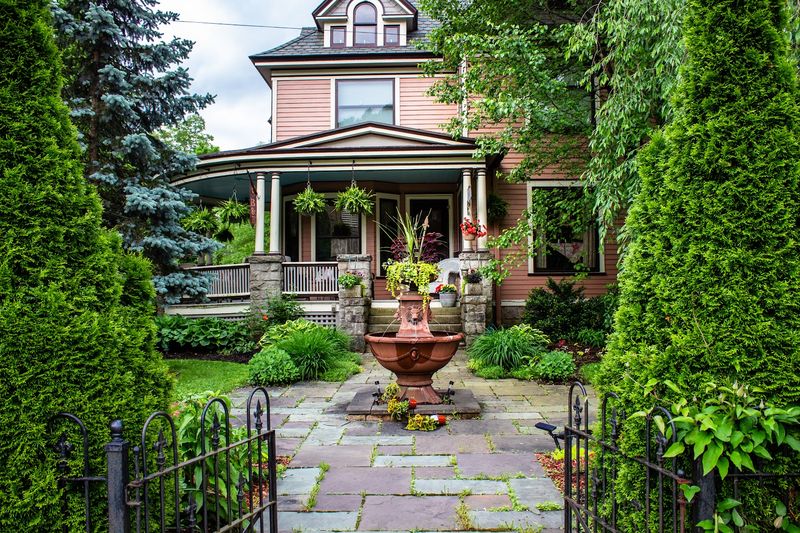
When evening falls and antique gas lamps flicker to life, Wellsboro transforms into one of Pennsylvania’s most nostalgic settings. Main Street could be a movie set from the 1950s, with its perfectly preserved storefronts and wide sidewalks welcoming strollers.
The soft glow from those historic lamps creates shadows that dance across building facades, making every evening walk feel magical.
Surrounding hills roll gently toward the horizon, providing a peaceful backdrop to this classic small town. Just a short drive away, the Pennsylvania Grand Canyon offers breathtaking vistas and hiking trails.
But many visitors find themselves drawn back to Main Street, where independent bookshops, ice cream parlors, and family diners serve up generous portions of both food and friendliness.
Local traditions run deep here, from summer concerts in the park to holiday parades that bring the whole community together. The architectural consistency throughout downtown creates a cohesive storybook quality rarely found in modern America.
Wellsboro proves that authentic small-town charm still exists, offering both outdoor adventure and timeless village beauty in one remarkable package.
Ligonier
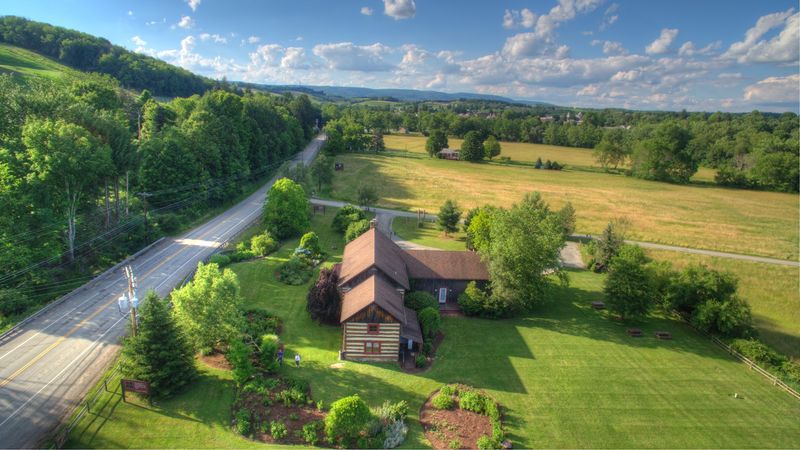
Picture a diamond-shaped town square surrounded by historic brick buildings, and you’ve captured the essence of Ligonier. This geometric layout creates a focal point where community life revolves around a central bandstand and fountain.
Mountain views frame every street, adding natural drama to the already charming architecture.
Boutique shops occupy buildings that once served Civil War-era travelers, their original details lovingly maintained. The Ligonier Tavern has welcomed guests since the 1800s, offering rooms with antique furnishings and stories whispered through the walls.
During holidays, the entire diamond gets decorated with lights and garlands that make it look like a greeting card come to life.
Fort Ligonier, a reconstructed French and Indian War outpost, sits just beyond downtown and adds historical depth to your visit. But the real magic happens simply wandering the square, popping into galleries showcasing local artists and sampling homemade fudge from century-old candy shops.
Seasonal festivals fill the calendar, each one celebrating this mountain village’s proud heritage and tight-knit community spirit that makes strangers feel instantly welcome.
Bellefonte
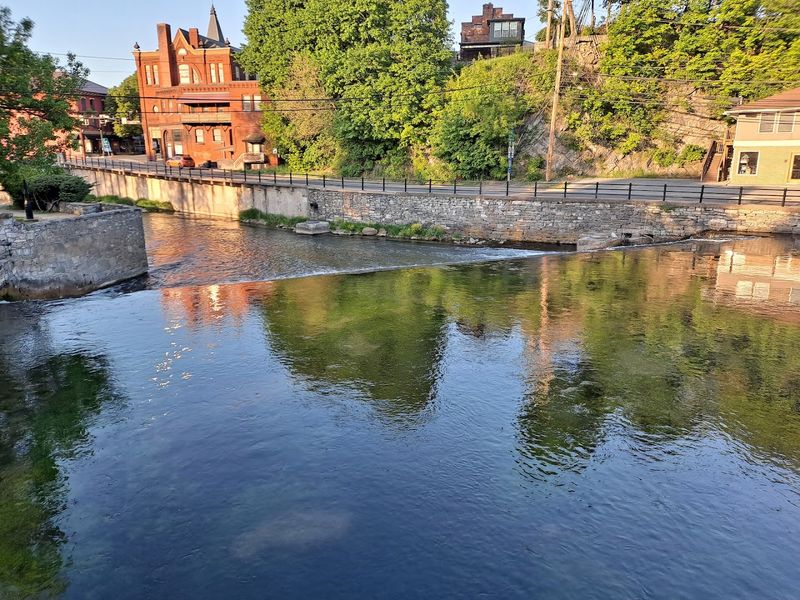
Ornate Victorian mansions line every street in Bellefonte, their elaborate trim work and bold color schemes creating a feast for the eyes. Built during the town’s iron boom days, these architectural showpieces demonstrate what happens when wealth meets craftsmanship.
Iron bridges arch gracefully over Spring Creek, connecting neighborhoods and adding to the town’s distinctive character.
The waterfront downtown area buzzes with locally-owned restaurants and specialty shops housed in beautifully restored buildings. Talleyrand Park provides a green oasis where families picnic beside the creek and couples stroll under towering trees.
Every December, Bellefonte hosts Victorian Christmas celebrations that fill the streets with carolers in period costumes and horse-drawn carriage rides.
What sets this village apart is how completely it has preserved its 19th-century elegance without feeling frozen in time. Modern cafes serve lattes in historic storefronts, and art galleries occupy former mansion parlors.
The combination of architectural splendor, natural beauty from the surrounding water, and vibrant community life makes Bellefonte one of Pennsylvania’s best-kept secrets and prettiest hidden treasures worth discovering.
Harmony
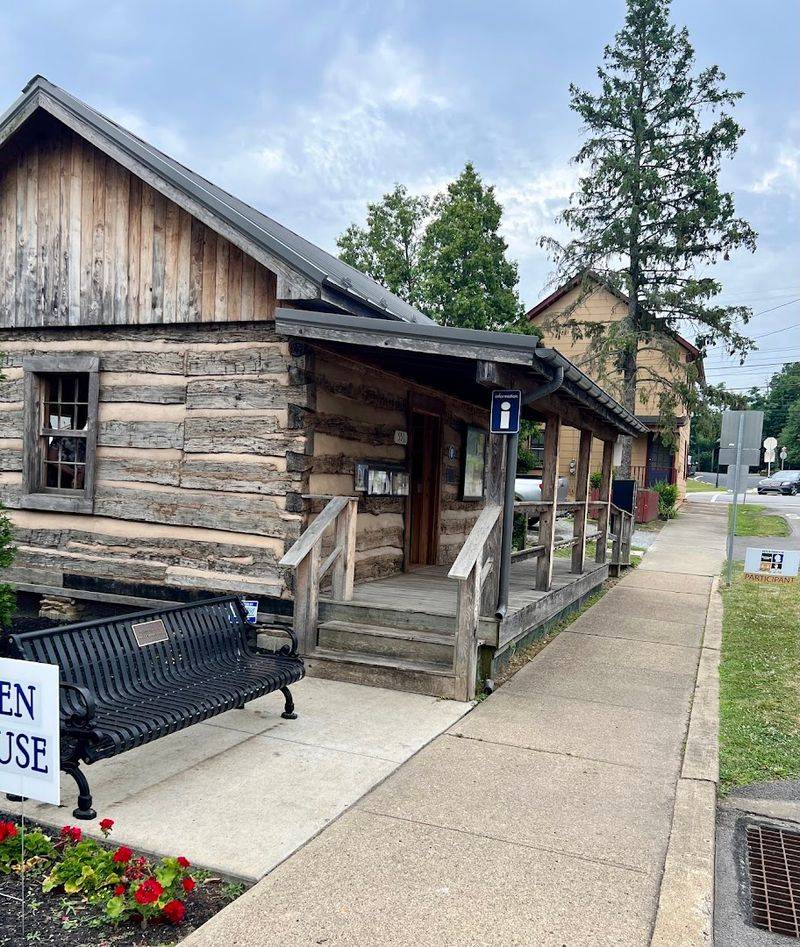
Few Pennsylvania villages can claim a history as unique as Harmony’s. Founded in 1804 by German Harmonists seeking religious freedom, this community still radiates the peaceful simplicity its founders valued.
Stone houses built by those original settlers line quiet lanes, their solid construction proving that craftsmanship from two centuries ago still stands strong.
The Harmony Museum preserves artifacts and stories from the Harmonist era, including their innovative approach to communal living. Hand-hewn log structures and carefully maintained historic buildings transport visitors to early American frontier life.
Unlike busier tourist destinations, Harmony maintains an authentic quietness that lets you truly absorb its old-world atmosphere.
Strolling these streets feels like stepping into another century, where time moves slower and modern distractions fade away. Local guides share fascinating tales about the Harmonists’ short but impactful stay before they moved on to establish other communities.
The village’s commitment to preservation means every building, fence post, and garden plot reflects genuine historical character. This hidden gem offers a rare glimpse into Pennsylvania’s religious settlement history within an impossibly charming and peaceful setting.
Smicksburg
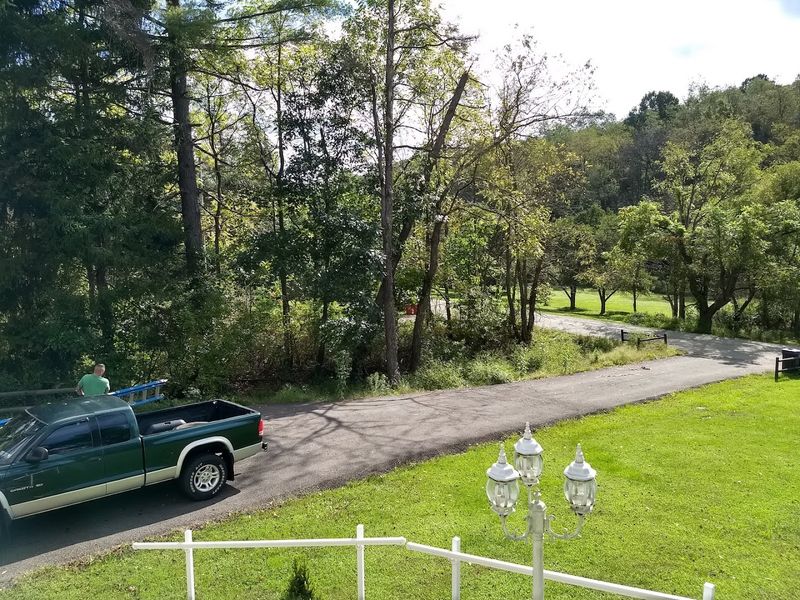
Horse hooves clip-clopping on pavement announce your arrival in Smicksburg, where Amish traditions shape daily life. Buggies outnumber cars on these country roads, and fields stretch toward the horizon in neat patchwork patterns.
The pace here moves according to seasons and sunlight rather than clocks and calendars, offering visitors a chance to experience genuine agricultural simplicity.
Small shops sell handcrafted quilts, wooden furniture, and baked goods made fresh that morning without electricity. Friendly Amish families run most businesses, happy to explain their crafts and way of life to curious visitors.
The surrounding farmland produces everything from cheese to preserves, all available at modest roadside stands operating on the honor system.
What makes Smicksburg remarkable is its authenticity. This isn’t a theme park version of Amish life but a real working community welcoming respectful guests.
Rolling hills dotted with barns and silos create postcard-perfect scenes in every direction. Visiting here means slowing down, appreciating handmade quality, and understanding how some communities choose tradition over technology while remaining warm and welcoming to outsiders seeking peace.
Milford
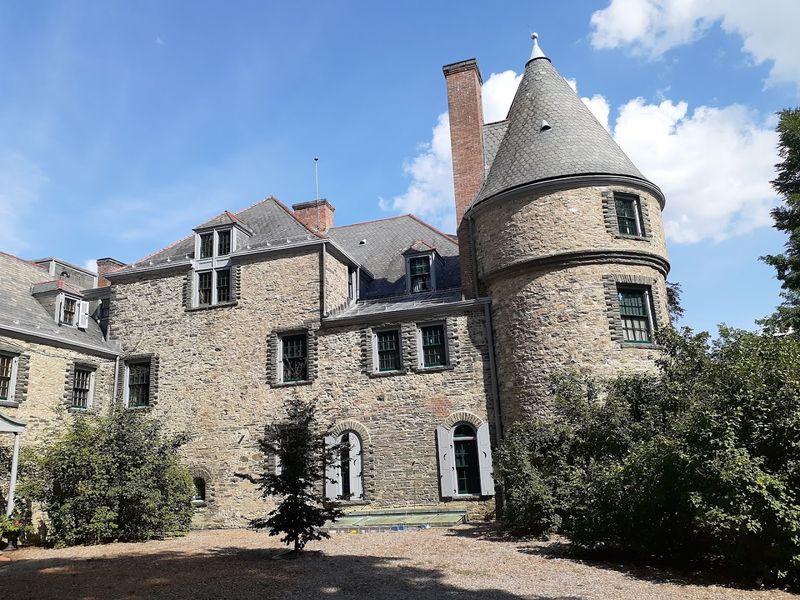
Surrounded by waterfalls and deep forests, Milford occupies one of Pennsylvania’s most enchanting natural settings. Elegant Victorian homes with wraparound porches dot tree-lined residential streets, while downtown galleries and cafes occupy buildings that have served the community since the 1800s.
The Pocono Mountains provide a dramatic backdrop that makes every photograph look like professional landscape photography.
Main Street maintains a walkable charm where you can browse art galleries, antique shops, and bookstores within a few blocks. Outdoor dining lets you enjoy mountain breezes while sampling locally-sourced cuisine.
Nearby hiking trails lead to cascading waterfalls and scenic overlooks, making Milford perfect for those who want village charm with wilderness access.
The town’s secluded location has helped it avoid overdevelopment and chain stores. Instead, independent businesses thrive, each one adding personality to the downtown fabric.
Summer brings outdoor concerts and farmers markets, while fall transforms the surrounding forests into a blaze of color. Milford proves that storybook villages can exist in mountain settings, where natural beauty and architectural elegance combine to create something truly special and memorable.
Gettysburg
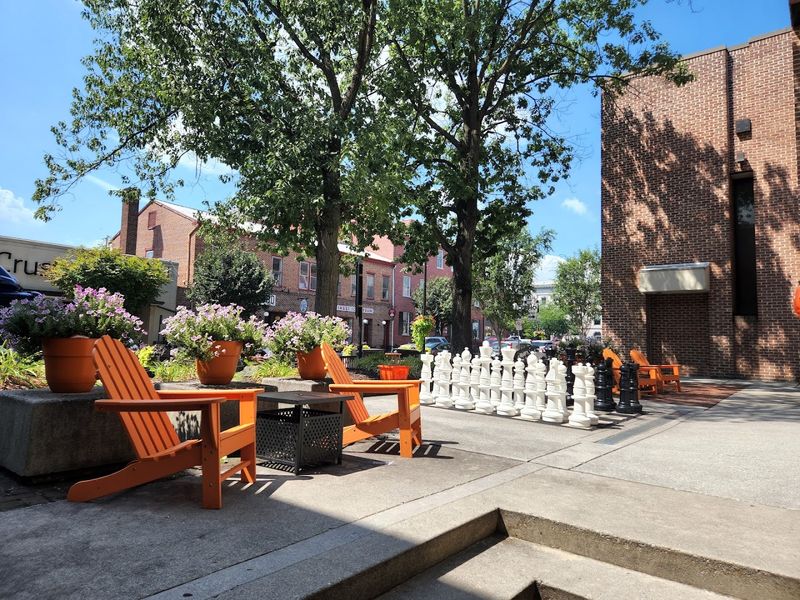
Beyond the famous battlefield lies a village whose brick-lined streets and historic architecture tell their own compelling story. Gettysburg’s downtown preserves buildings that witnessed the Civil War firsthand, their bullet-scarred walls and period details creating tangible connections to the past.
Walking these sidewalks means stepping into layers of American history that extend far beyond three days in July 1863.
Historic inns like the Gettysburg Hotel offer rooms where soldiers once recovered and generals planned strategy. Independent shops occupy storefronts that have served the community for over 150 years.
Church steeples pierce the skyline just as they did when the town became an unlikely battlefield, their bells still ringing out over unchanged streets below.
The town balances its historical significance with living community needs beautifully. Modern restaurants serve contemporary cuisine in buildings dating to the 1700s.
Local families still gather in the town square for festivals and celebrations. This combination of preserved architecture, profound history, and active community life creates a storybook atmosphere unlike anywhere else.
Gettysburg reminds us that the most enchanting villages are those where past and present coexist gracefully.