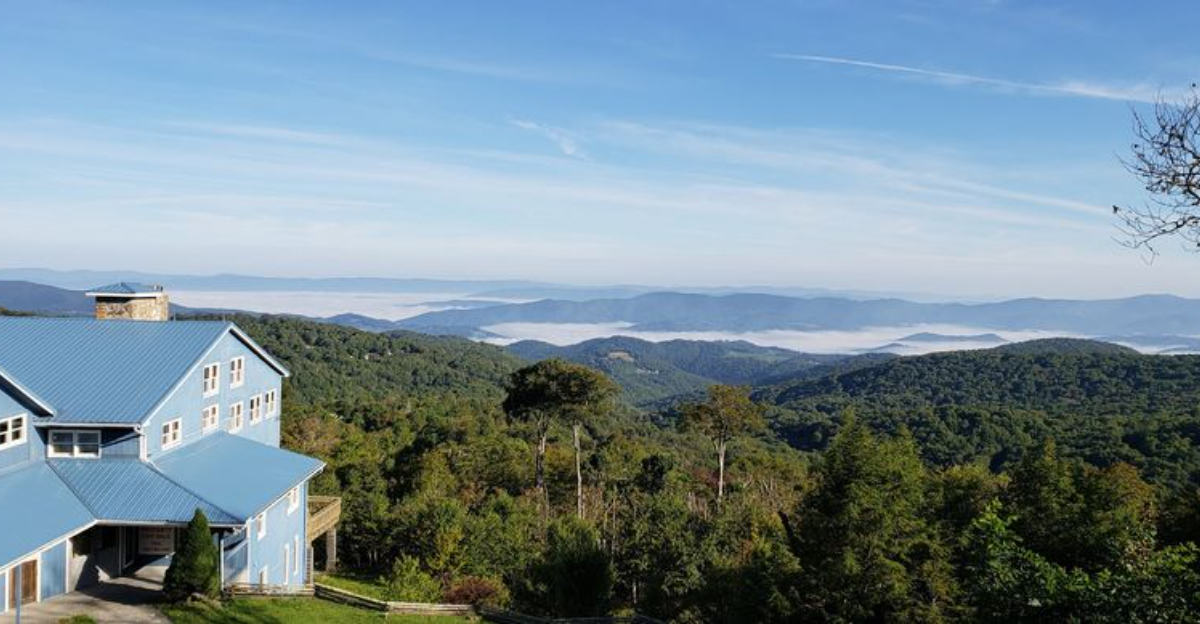
North Carolina’s mountains have a quiet way of shaping the places tucked within them. Small villages settle into river bends and valley floors, where morning mist lifts slowly from the trees and winding roads open to long views of ridgelines in the distance.
In spring, wildflowers begin to dot the trails, creeks run clear and cold, and the air carries that fresh, green feeling that makes every stop along the way feel worth it.
These are not places you pass through quickly. They invite slower drives, unplanned pauses, and moments where the landscape becomes the main attraction.
From Blue Ridge foothill communities to Smoky Mountain hideaways, each one offers its own rhythm and sense of calm.
Here are 11 North Carolina villages surrounded by mountains and natural beauty.
Dillsboro
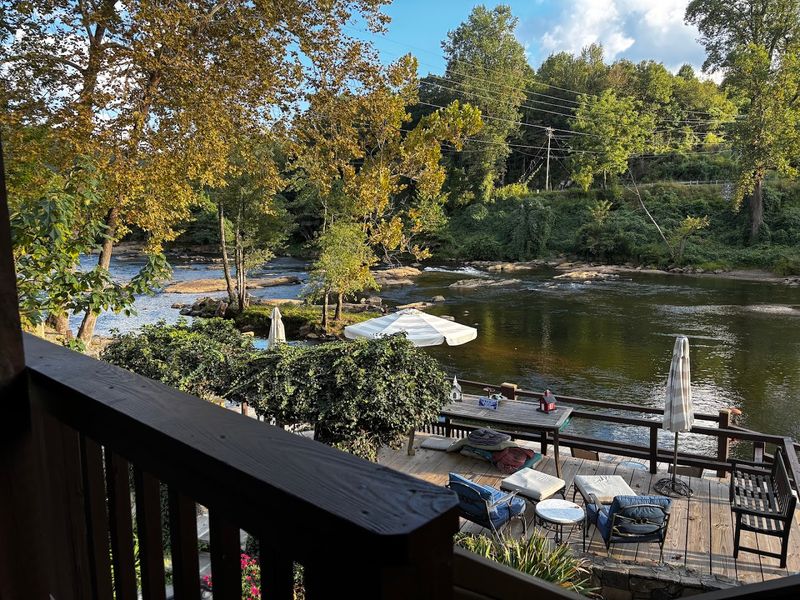
The sound of water and the hum of a passing train give this mountain stop an easy, nostalgic rhythm. Tucked along the Tuckasegee River, Dillsboro feels like the kind of place where you wander without a plan and still find exactly what you hoped for.
Its compact streets invite you to slow down, browse, and notice the little details that larger destinations often lose.
In Jackson County, this village is especially known for its creative spirit, with galleries, studios, and artisan shops adding color to historic buildings. You can pair a river view with handmade pottery, local crafts, or seasonal events that make the whole community feel welcoming.
The nearby Great Smoky Mountains Railroad presence adds another layer of classic mountain-town character.
What makes Dillsboro stand out is how naturally beauty and heritage sit side by side. Forested slopes rise beyond town, giving every stroll a mountain backdrop, while the river keeps the setting lively and peaceful at once.
If you enjoy places that feel personal instead of polished, you will probably connect with it quickly.
Come for an afternoon, and you may end up lingering through dinner just to keep the atmosphere going. Dillsboro is small, scenic, and full of texture, which makes it one of western North Carolina’s most appealing village escapes.
Little Switzerland
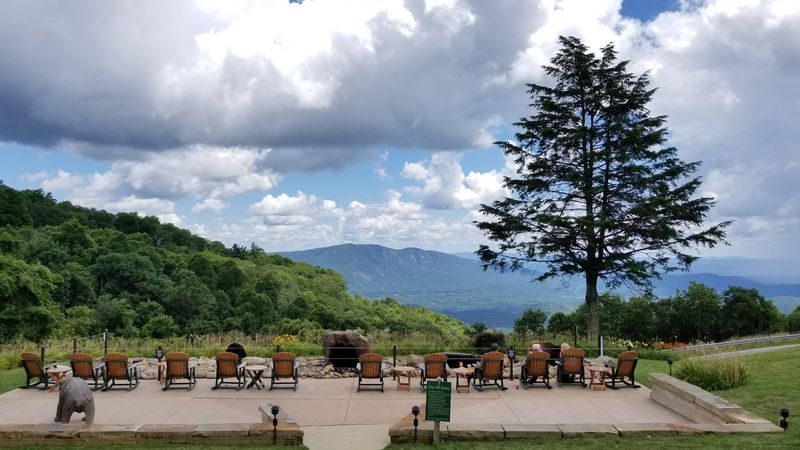
Perched high along a famously scenic roadway, this tiny community feels like a mountain postcard come to life. Curving roads, layered ridges, and chalet-inspired buildings create an atmosphere that feels a little whimsical and entirely memorable.
When you arrive in Little Switzerland, the Blue Ridge seems to wrap around the village from every direction.
Located in Mitchell County near the Blue Ridge Parkway, this small destination has long drawn travelers looking for cooler air and sweeping views. Its Swiss-inspired architecture gives it a distinct look, but the setting is what truly steals the show.
You can expect dramatic overlooks, winding drives, and easy access to hiking and scenic stops nearby.
There is also a timeless quality here that makes a brief visit feel special. Instead of rushing from attraction to attraction, you are encouraged to pause, admire the ridgelines, and enjoy the village’s relaxed mountain pace.
Shops, inns, and roadside viewpoints all add to that sense of quiet escape.
Little Switzerland may be small, but it leaves a strong impression because the natural beauty feels constant and close. If your ideal village combines charm, altitude, and unforgettable panoramas, this one deserves a place high on your list.
Cashiers
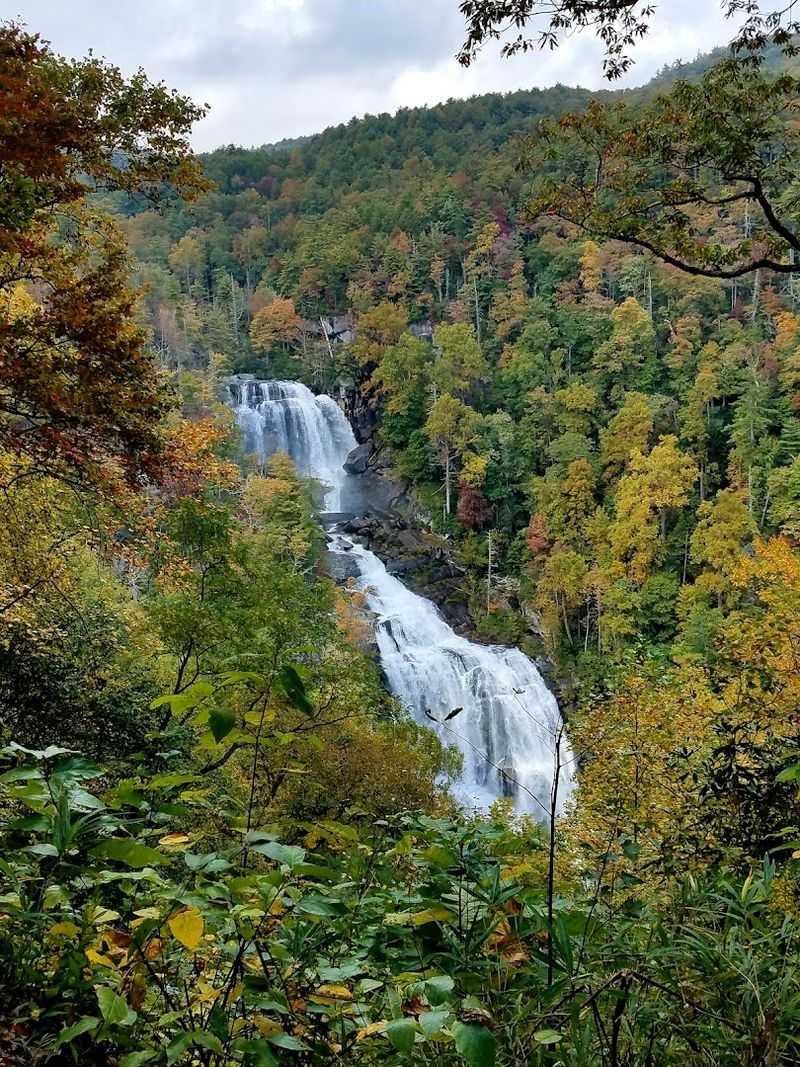
There is something instantly refreshing about a village where summer air stays cool and mountain roads lead toward waterfalls. Surrounded by high ridges and lush forests, this plateau community feels both refined and deeply rooted in the landscape.
Cashiers has a quiet confidence that makes it easy to understand why so many visitors return year after year.
Set in Jackson County, Cashiers is known for its elevated setting, attractive village center, and proximity to some of the region’s most beloved natural spots. Scenic drives branch toward waterfalls, hiking areas, and overlooks, while luxury cabins and inns give the area a comfortable, tucked-away feel.
Even with its popularity, the village still holds onto a sense of mountain calm.
What I find compelling here is the contrast between elegance and rugged beauty. One moment you are browsing shops or settling into a good meal, and the next you are headed toward a trailhead or a roadside cascade.
That combination gives Cashiers a distinct personality within western North Carolina.
If you want a village that pairs outdoor adventure with a more elevated mountain atmosphere, Cashiers stands out beautifully. The cool climate, scenic surroundings, and polished charm make it one of the state’s most attractive high-country escapes.
Highlands
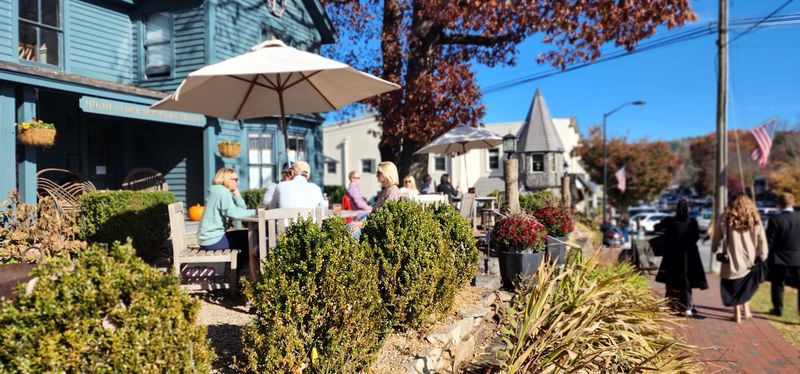
Misty mornings, winding roads, and a polished village center give this mountain destination a storybook feel. Surrounded by dense forest and dramatic elevation changes, it offers natural beauty with a touch of old-world grace.
Highlands feels like the kind of place where every scenic drive ends with something worth remembering.
Located in Macon County on the southern Appalachians, this village is especially famous for its concentration of nearby waterfalls and its long-standing appeal as a high-country retreat. The downtown area is inviting and walkable, filled with shops, restaurants, and historic touches that add character without overwhelming the landscape.
Outside town, the mountains quickly reclaim the view.
That balance is what makes Highlands so appealing to many travelers. You can enjoy a meal, browse local businesses, and still be minutes away from a thundering cascade or a quiet overlook.
The village has sophistication, but it never feels disconnected from the wild terrain that surrounds it.
For anyone drawn to mountain places with both elegance and easy outdoor access, Highlands delivers. Its waterfalls, cool temperatures, and distinctive charm make it one of North Carolina’s most beloved villages, especially if you want beauty to feel effortless and close.
Boone Fork / Foscoe
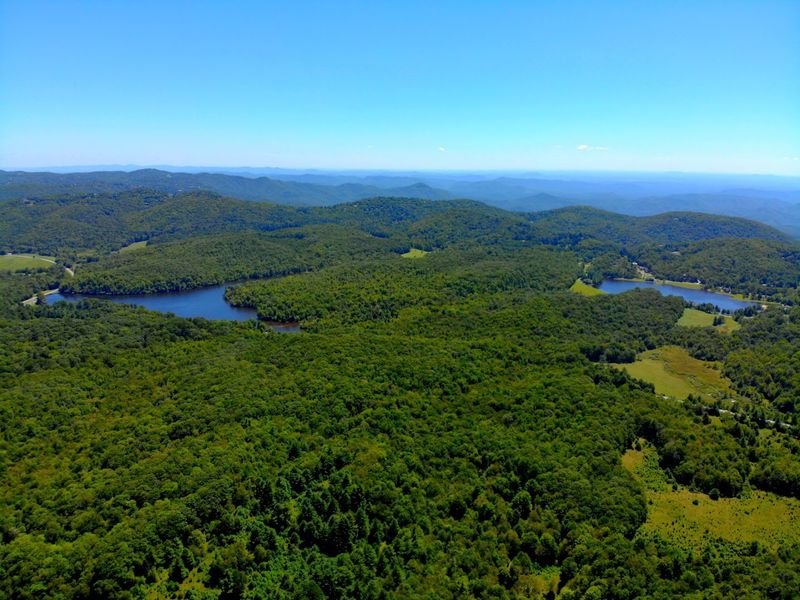
Open valley views, winding water, and a quieter pace set this mountain community apart from busier nearby hubs. Here, farmland meets forest, and the landscape feels broad enough to breathe in fully.
Around Boone Fork and Foscoe, the beauty is less about spectacle and more about the steady comfort of river, trail, and ridge.
In Watauga County, this small area sits near Grandfather Mountain and offers easy access to outdoor recreation without sacrificing its rural feel. The valley setting brings together creeks, meadows, and mountain slopes in a way that feels especially scenic from the road.
You are also close to hiking, fishing, and the Blue Ridge destinations that make this region so loved.
Foscoe works well for travelers who want nature close at hand but do not necessarily want a crowded town center. The community has cabins, local businesses, and a relaxed rhythm that makes it easy to settle in.
It also serves as a practical base for exploring Boone Fork trails and nearby high-country landmarks.
If pastoral scenery speaks to you as much as dramatic overlooks, this area is worth noticing. Boone Fork and Foscoe show a softer side of mountain beauty, where rivers, farms, and wooded peaks create a setting that feels grounded and genuinely peaceful.
Valle Crucis
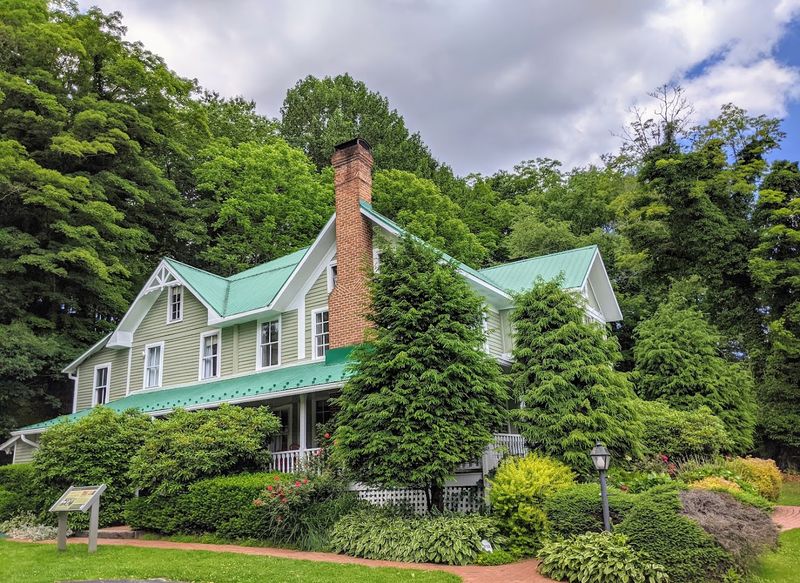
Wide pastoral fields and surrounding ridgelines give this historic valley an almost timeless presence. Instead of flashy attractions, you get quiet beauty, old buildings, and a landscape that feels deeply settled into the Blue Ridge.
Valle Crucis has the kind of atmosphere that encourages you to linger and notice how peaceful a village can be.
One of the oldest settlements in the region, this Watauga County community is known for its historic church, rural scenery, and cherished landmarks like the Mast General Store. The valley itself is central to the appeal, opening up broad views framed by mountains and crossed by country roads.
That combination of heritage and setting makes the place feel especially authentic.
I think Valle Crucis stands out because it feels rooted rather than curated. You are not just visiting a scenic stop, you are stepping into a living mountain landscape where history still shapes the experience.
Churches, farms, and fields all contribute to a strong sense of continuity.
If your ideal village leans quiet, pastoral, and rich with regional character, Valle Crucis deserves your attention. Its beauty is gentle rather than dramatic, but that softness is exactly what makes it memorable among North Carolina’s mountain communities.
Beech Mountain Resort Area
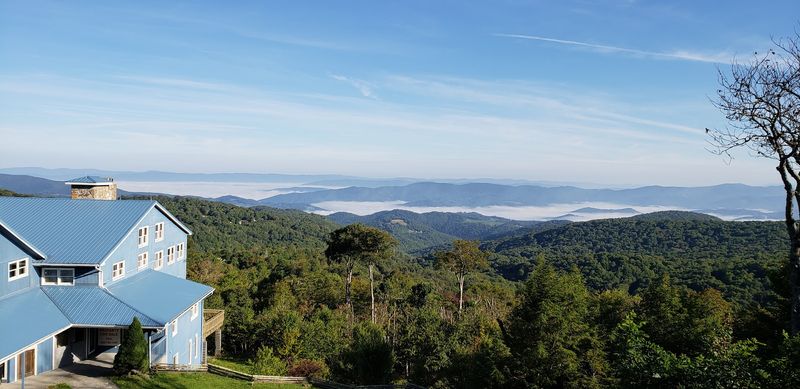
At one of the highest elevations in the eastern United States, the air feels cooler, the forests feel deeper, and the seasons arrive with extra drama. This mountain resort area combines adventure and scenery in a way that keeps the landscape at center stage.
Around Beech Mountain, nature shapes everything from the views to the climate.
Straddling the Watauga and Caldwell area, this village destination is best known for winter sports, but its appeal goes far beyond ski season. Hiking trails, mountain biking routes, cool summer temperatures, and long-range vistas make it attractive throughout the year.
The elevated setting creates a distinct atmosphere that feels a little removed from everyday life.
If you enjoy active mountain trips, this place delivers plenty to do without losing its small-community feel. Even when visitors arrive for recreation, the surrounding beauty remains the real draw, with evergreen slopes and cloud-swept ridges framing the experience.
In warmer months, the village feels especially refreshing.
Beech Mountain stands out because it offers genuine high-country character along with practical access to outdoor fun. Whether you come for snow, trails, or simply the chance to escape the heat, the combination of altitude and scenery makes this resort area easy to love.
Linville
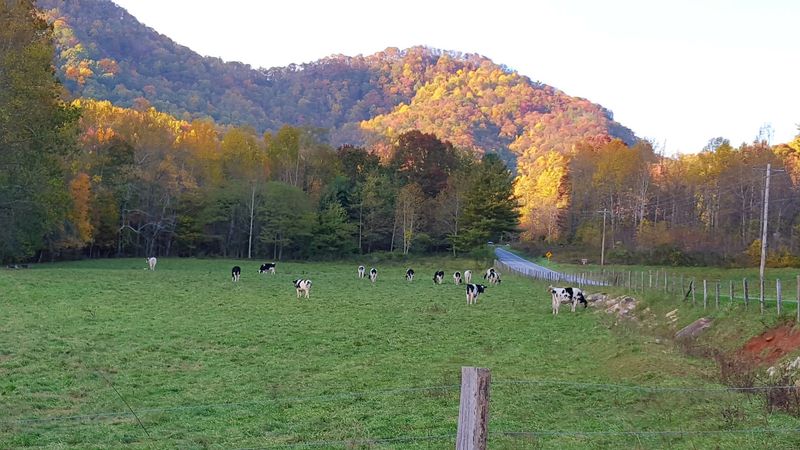
Rugged cliffs, deep forests, and one of the East’s most dramatic gorges define the landscape around this high-country community. The scenery has a wilder edge here, with steep terrain and powerful natural landmarks shaping the mood.
Linville feels less like a typical village stop and more like a gateway to some of North Carolina’s boldest mountain beauty.
In Avery County, the community sits near Linville Gorge and Linville Falls, two destinations that have long made the area famous among hikers, photographers, and scenic-drive enthusiasts. The surrounding forests and elevated roads create a sense of immersion in the mountains even before you reach a trail or overlook.
It is a small place, but it sits beside outsized natural drama.
That setting gives Linville a memorable identity. You can appreciate the quiet of the community itself, then quickly move into landscapes marked by rushing water, rocky walls, and expansive woodland.
For travelers who want access to iconic scenery without staying in a larger town, that is a real advantage.
Linville is ideal if you are drawn to mountain villages with immediate proximity to big, awe-inspiring terrain. Between the gorge, the falls, and the forested highlands, it offers a striking reminder of just how varied North Carolina’s mountain landscapes can be.
Banner Elk
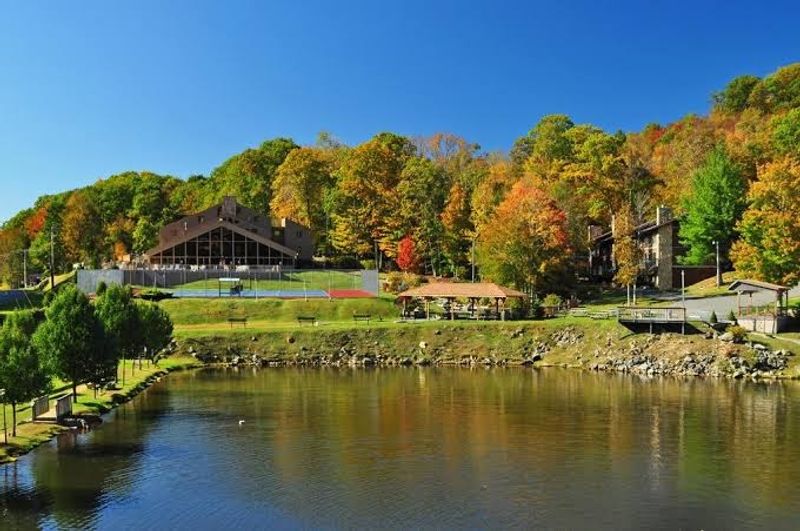
Fresh mountain air, walkable streets, and easy access to adventure make this village hub especially inviting. It has enough activity to feel lively, yet the surrounding peaks keep it grounded in the landscape.
Banner Elk manages to be both convenient and scenic, which is a combination many travelers are after.
Positioned near the edge of Avery and Watauga counties, the town serves as a gateway to ski areas, hiking trails, and some of the most visited high-country attractions in the region. Its village feel comes from a compact center, welcoming places to stay, and a strong connection to the outdoors.
In every season, the mountains remain part of the experience rather than just a backdrop.
What stands out here is versatility. You can use Banner Elk as a base for winter slopes, summer trails, fall foliage drives, or relaxed weekends spent browsing local shops and dining out.
That flexibility helps it appeal to both first-time visitors and people who already know the North Carolina high country well.
If you want a mountain village with energy, scenery, and practical access to recreation, Banner Elk is an easy choice. It captures the spirit of a small alpine town while keeping some of the region’s best outdoor opportunities close at hand.
Robbinsville
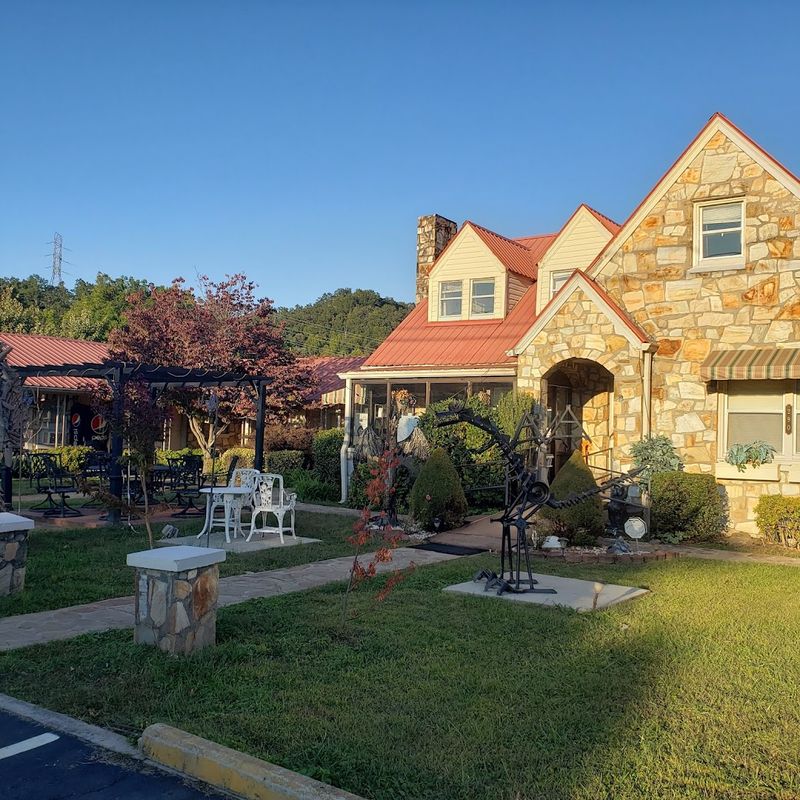
Remoteness is part of the magic in this mountain community, where ridges seem to stack endlessly and forested roads lead toward big adventures. The setting feels expansive, rugged, and refreshingly uncrowded.
Robbinsville is the kind of place that appeals to you if distance from the ordinary is exactly what you want.
Set in Graham County, it is surrounded by the Nantahala National Forest and sits near the scenic Cherohala Skyway, one of the region’s most rewarding drives. Outdoor enthusiasts are drawn by access to hiking, paddling, fishing, and mountain roads that reveal sweeping views.
Even with those attractions, the town retains a humble, small-community identity.
What makes Robbinsville memorable is how fully the landscape defines it. Forest, water, and mountain corridors are not side trips here, they are the central experience.
If you enjoy places where natural beauty feels powerful and uninterrupted, this area has a lot to offer.
Robbinsville works especially well for travelers who want North Carolina mountains with a wilder, more remote character. Between the national forest, scenic byways, and strong sense of seclusion, it delivers a village escape that feels adventurous from the moment you arrive.
Hot Springs
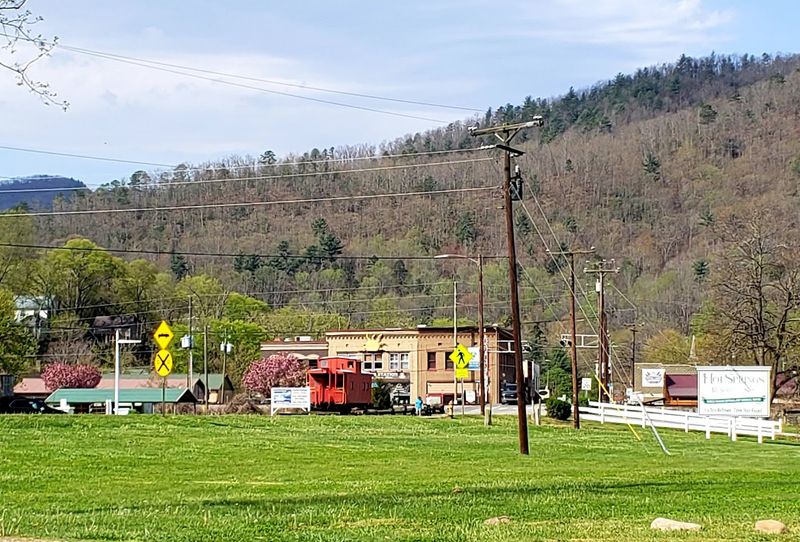
Steam, river air, and mountain stillness come together in one of the state’s most distinctive village settings. This is a place where relaxation and Appalachian landscape feel closely intertwined.
Hot Springs offers a memorable mix of natural healing, trail culture, and mountain-town simplicity.
In Madison County, the village is built around its natural hot mineral springs and sits directly on the Appalachian Trail, giving it a personality unlike almost anywhere else in North Carolina. Hikers pass through, river views add movement to the scene, and surrounding ridges keep the setting intimate and scenic.
The French Broad River only deepens the sense of place.
There is something especially appealing about a village where outdoor adventure and restorative calm exist side by side. You can imagine soaking in warm mineral water after a long day on the trail, then walking through a community that still feels small and grounded.
That balance gives Hot Springs real character.
If you are looking for a mountain village with a strong identity and unforgettable natural assets, Hot Springs is an easy recommendation. Between the springs, the trail, and the surrounding beauty, it delivers a North Carolina experience that feels both peaceful and deeply connected to the landscape.