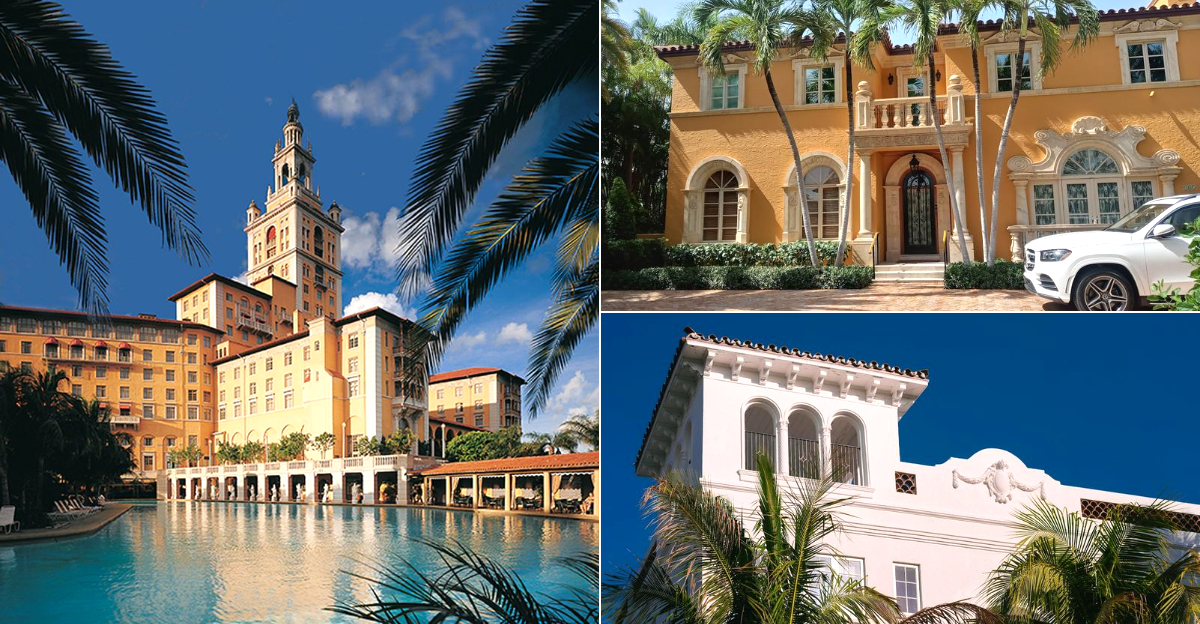
Florida has long attracted travelers who expect more than sunshine, and its historic hotels are proof of just how high that standard was set.
Built during the Gilded Age and the boom years of the early twentieth century, these properties were designed to impress, with grand lobbies, ocean-facing terraces, and a level of detail that still stops guests in their tracks.
From the iconic pink towers of St. Pete Beach to the Mediterranean Revival architecture of Coral Gables, the range of styles here is genuinely impressive.
Some have hosted royalty, world leaders, and Hollywood legends, while others quietly anchored small coastal communities for generations.
These fourteen historic hotels are more than places to stay, they are reminders of how Florida once imagined itself and how much of that vision still holds up today.
1. The Don CeSar (St. Pete Beach, Pinellas)
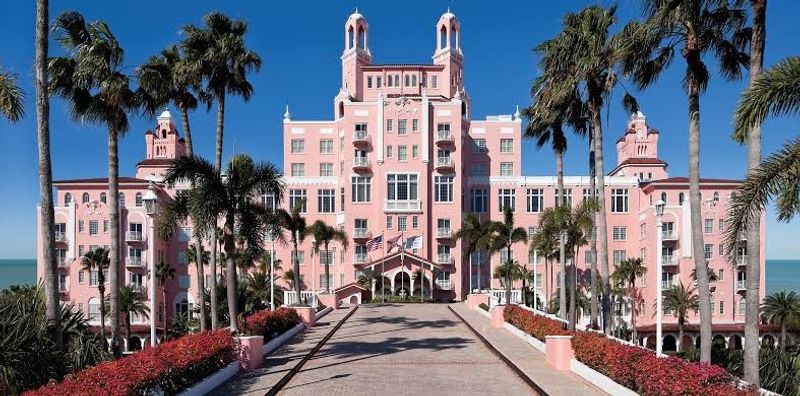
Against the bright Gulf shoreline, few sights feel more theatrical than a pink palace rising above the sand, which is exactly the spell cast by The Don CeSar.
Opened in 1928 during Florida’s glamorous boom years, the hotel quickly became a playground for celebrities, socialites, and winter guests chasing sun with style.
Its color, silhouette, and beachfront setting still make it one of the most photogenic historic hotels anywhere in the state.
Designed in a Mediterranean Revival mode with Moorish accents, the building balances fantasy and elegance through arcades, domes, and a profile that feels part castle, part dream.
Over the decades, it has served many roles, including military and convalescent uses, before eventually returning to hospitality and reclaiming its legendary status.
That layered past gives the hotel depth beyond the postcard beauty, especially if you appreciate places that survived changing eras without losing personality.
What visitors respond to most is the way old world romance meets direct beach access and wide Gulf views in one unforgettable package.
The Don CeSar remains a defining icon of Florida coastal luxury, where history and seaside drama still arrive hand in hand.
2. Colony Hotel (Delray Beach, Palm Beach)
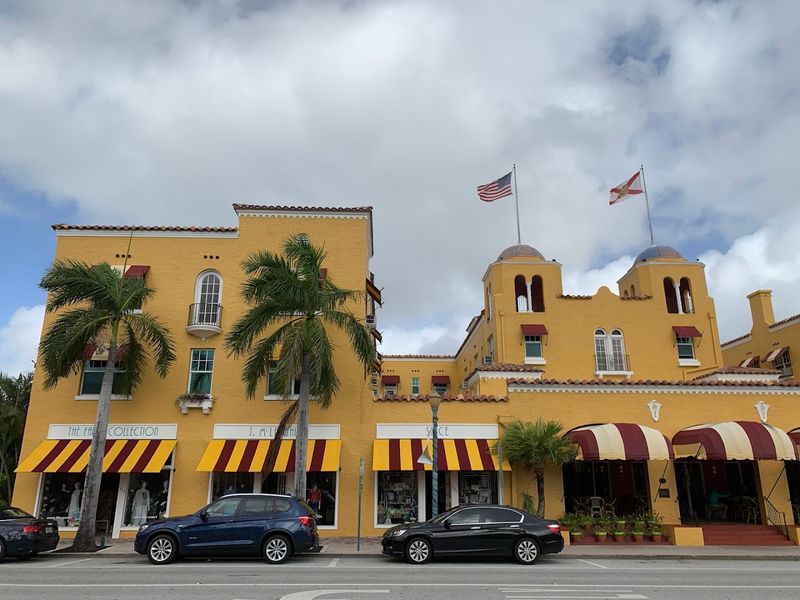
Sun washed sidewalks, flowering tropical landscaping, and a cheerful vintage spirit make this smaller landmark feel intimate rather than monumental, which is part of its charm.
The Colony Hotel in Delray Beach carries the personality of old Florida resort life, where social ease mattered as much as architecture and location.
Instead of overwhelming you with scale, it draws you in through color, walkability, and a warm sense of place near the heart of town.
Dating to 1926, the property emerged during a period when Delray was refining its identity as a stylish coastal escape for seasonal visitors.
Its architecture is less palace like than some grander rivals, yet that understatement works beautifully, especially if you appreciate heritage expressed through livability and atmosphere.
The hotel’s long connection to Atlantic Avenue gives it a uniquely local relevance within the broader story of Florida hospitality.
What makes it memorable is the balance between history and accessibility – you can experience a nearly century old hotel without feeling separated from the rhythm of contemporary Delray.
There is a breezy sociability here that suits the city perfectly, blending nostalgia, convenience, and understated elegance.
3. Casa Monica Resort and Spa (St. Augustine, St. Johns)
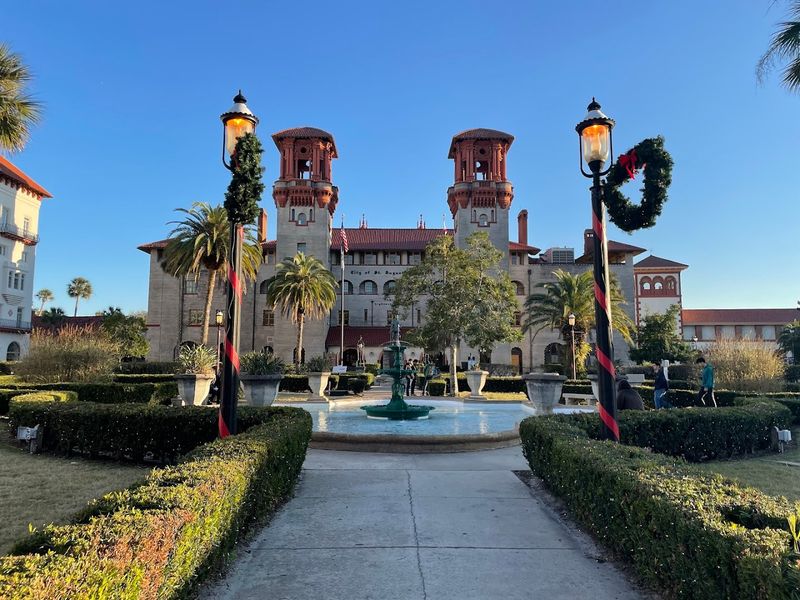
Cobblestone streets, church bells, and the layered atmosphere of America’s oldest city create the perfect backdrop for one of Florida’s most distinctive historic hotels.
Casa Monica Resort and Spa stands in St. Augustine like a romantic fantasy, wrapped in Moorish Revival styling that immediately separates it from standard coastal luxury.
From the outside alone, it feels like part palace, part storybook, and entirely rooted in the city’s fascination with old world imagery.
Built in 1888 by Franklin W. Smith, the hotel was part of an era when St. Augustine promoted itself through dramatic architecture and elite winter tourism.
Its horseshoe arches, decorative stonework, and richly atmospheric interiors make history feel immersive rather than distant, especially in a city already dense with heritage.
The property also reflects the rivalry and ambition of the period, including its relationship to Henry Flagler’s transformation of local hospitality.
What makes Casa Monica especially appealing is the fusion of urban history and resort indulgence within walking distance of major landmarks.
You can spend the day wandering colonial streets, then return to a hotel that deepens the mood instead of interrupting it.
4. The Vinoy Renaissance St. Petersburg Resort (St. Petersburg, Pinellas)
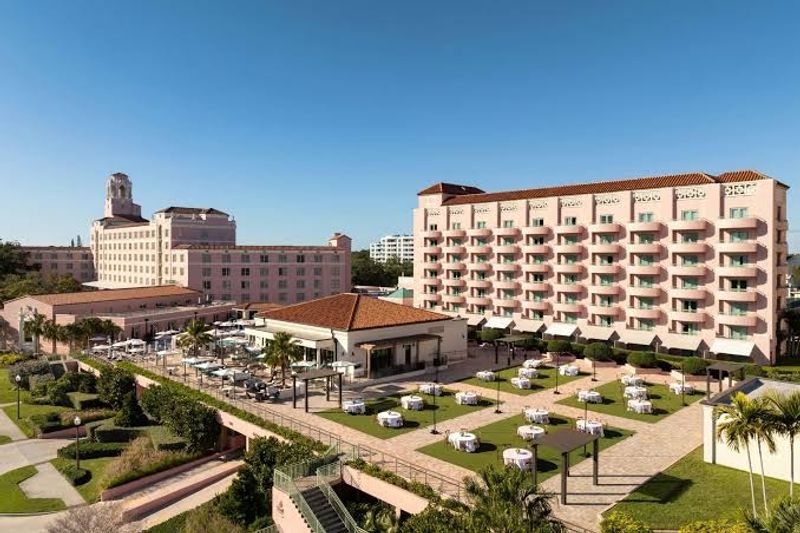
Across the downtown waterfront, a rosy Mediterranean silhouette and broad sense of occasion make this resort feel like a civic landmark as much as a hotel.
The Vinoy Renaissance St. Petersburg Resort opened in 1925, giving the city a glamorous anchor during the years when Florida resort culture was defining itself.
Its location on Tampa Bay still gives every arrival a sense of openness, breeze, and polished coastal ritual.
Built in the Mediterranean Revival style, the Vinoy features arcades, a commanding tower, and public spaces that capture the social optimism of the Jazz Age.
Like many historic hotels, it experienced decline and reinvention before an ambitious restoration returned it to prominence in the late twentieth century.
That comeback matters because it preserved not only a building, but also a major piece of St. Petersburg’s urban identity.
What makes the Vinoy so satisfying is the way it bridges city energy and resort luxury without sacrificing historic atmosphere.
One can walk to museums, parks, and restaurants, then step back into a setting that still feels ceremonious and timeless.
5. The Raleigh Hotel (Miami Beach, Miami-Dade)
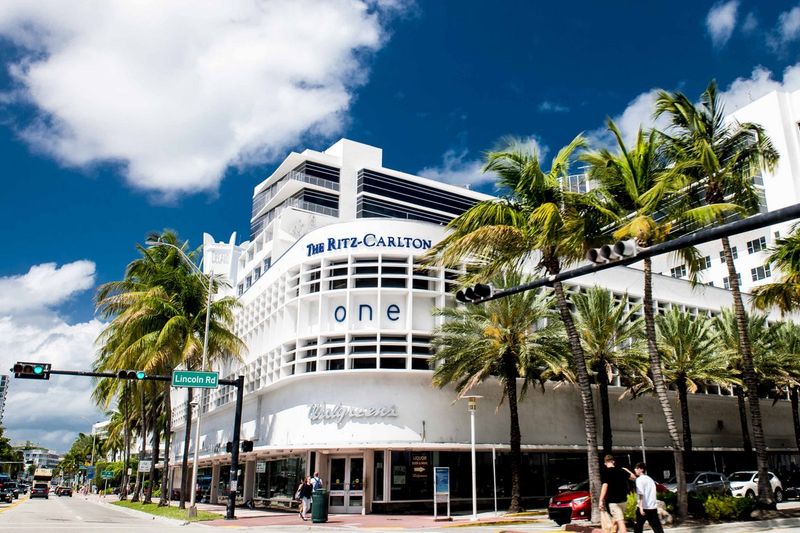
Few places capture South Beach glamour with such immediate confidence as an oceanfront hotel where design, fashion, and poolside mythology all converge.
The Raleigh Hotel in Miami Beach became famous not only for its architecture, but also for the lifestyle image it projected during the golden years of Miami tourism.
Even when closed or changing hands, it remains deeply embedded in the cultural memory of the beachfront.
Completed in 1940 and designed by L. Murray Dixon, the hotel stands as a polished expression of late Art Deco and streamlined Miami sophistication.
Its most celebrated feature, the curving pool, helped define an entire visual language of tropical chic that still influences hospitality design today.
Unlike the medieval or Mediterranean fantasies found elsewhere in Florida, the Raleigh’s old world appeal comes through restraint, proportion, and cinematic confidence.
What makes it historically important is how clearly it represents Miami Beach’s transformation into an international symbol of leisure and style.
For a different angle on coastal luxury – one rooted in Deco elegance rather than grand resort classicism – the Raleigh is absolutely essential.
6. The Gasparilla Inn and Club (Boca Grande, Lee)
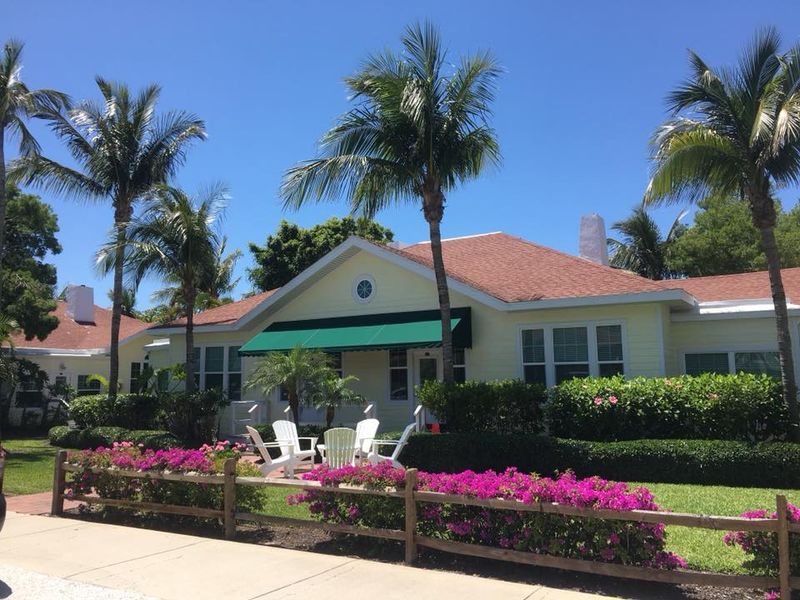
On a barrier island where the pace still feels deliberately slowed, understated elegance matters more than spectacle, and that is exactly the mood here.
The Gasparilla Inn and Club in Boca Grande has long represented a quieter kind of Florida luxury, rooted in tradition, privacy, and seasonal social life.
Instead of dazzling you with excess, it wins through poise, continuity, and an atmosphere that feels almost preserved outside of time.
Established in 1913, the inn developed as wealthy visitors discovered Boca Grande’s fishing, climate, and beautifully restrained island character.
Its architecture reflects classic old Florida resort sensibilities, with broad porches, light colored facades, and interiors designed for comfort, conversation, and warm weather refinement.
Over more than a century, it has maintained a reputation for exclusivity while still embodying the relaxed grace that defines the best historic coastal properties.
What sets the Gasparilla apart is the combination of social heritage and geographic remove – you truly feel that you have arrived somewhere distinctive.
Golf carts, banyan trees, and Gulf breezes reinforce the sense that luxury here is lived softly rather than announced loudly.
The Gasparilla remains one of Florida’s most enduring and elegant retreats.
7. The Biltmore Hotel (Coral Gables, Miami-Dade)
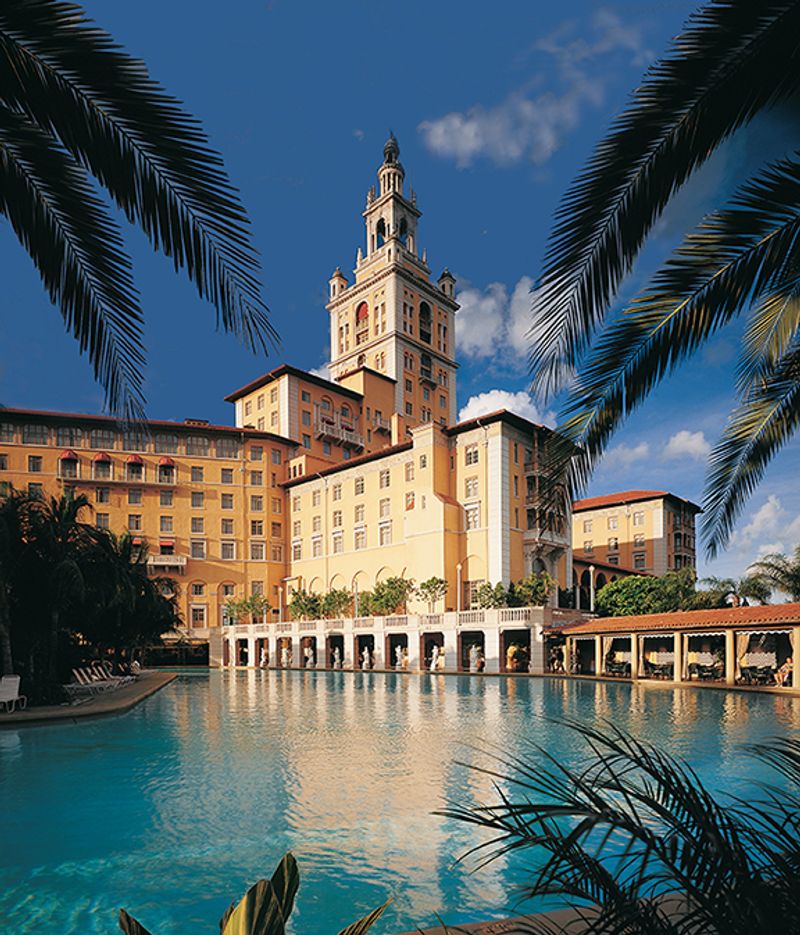
A long driveway, lush landscaping, and a soaring tower inspired by Mediterranean and Spanish precedents announce a place built to impress long before check in.
The Biltmore Hotel in Coral Gables opened in 1926 and quickly became one of South Florida’s great statements of architectural ambition and social prestige.
Even today, its dramatic profile dominates the skyline with the confidence of a landmark that knows exactly what it is.
Developed during the region’s roaring land boom, the hotel combined resort life with golf, glamour, and a scale of public luxury that felt almost cinematic.
Its interiors and public spaces still suggest a European grand hotel transplanted into tropical light, especially when you notice the courtyards, arcades, and rich historic detailing.
The building’s later wartime and medical uses add complexity to its biography, making its present elegance feel all the more hard won.
What stands out most is the way the Biltmore anchors Coral Gables itself, reinforcing the city’s planned beauty and refined identity.
Among Florida’s historic hotels, the Biltmore offers one of the clearest examples of old world luxury adapted brilliantly to a subtropical setting.
8. The Breakers Palm Beach (Palm Beach, Palm Beach)
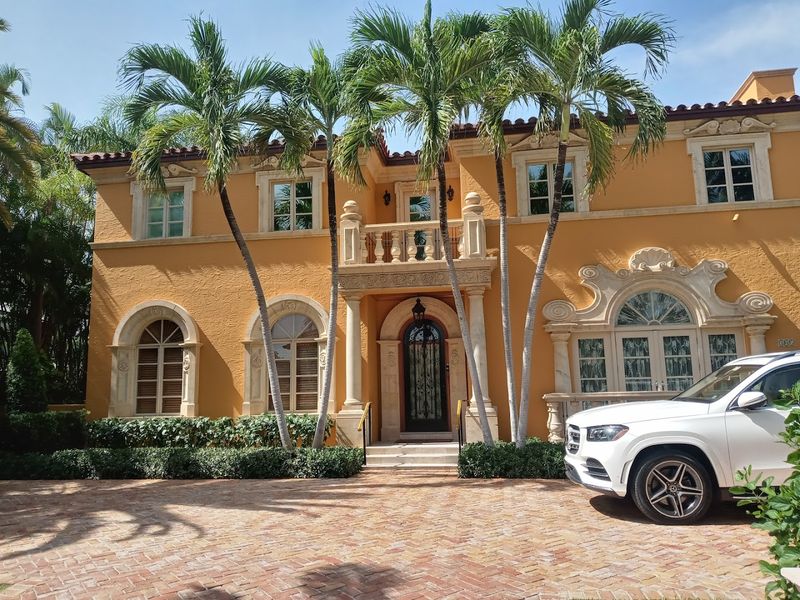
Ocean breezes, manicured lawns, and a sense of unapologetic grandeur set the tone before you even see the famous twin towers of The Breakers Palm Beach.
Originally developed by railroad magnate Henry Flagler in the late nineteenth century, the resort rose again after fires and became one of Florida’s defining symbols of elite coastal leisure.
Today, you can still feel that Gilded Age ambition in the painted ceilings, formal gardens, and perfectly choreographed oceanfront arrival.
The current structure, completed in 1926, drew heavily from Italian Renaissance precedents, giving Palm Beach a palace-like centerpiece with loggias, fountains, and soaring public rooms.
Inside, hand painted details, marble finishes, and carefully preserved decorative schemes keep the atmosphere richly historic without making the experience feel stiff or museum like.
Its private beachfront, legendary service culture, and polished social energy continue to attract travelers who want old money glamour with modern resort ease.
What makes this property especially compelling is how completely it defines its setting, pairing Atlantic light and tropical landscaping with a European sense of ceremony.
You are not just booking a room here – you are stepping into one of the state’s most recognizable luxury traditions.
9. Alcazar Hotel now Lightner Museum (St. Augustine, St. Johns)
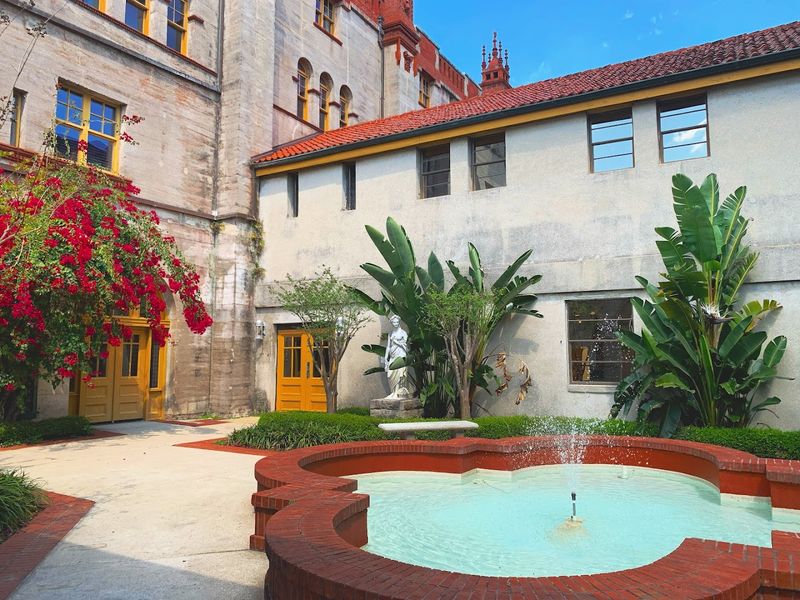
There is something especially haunting and beautiful about a luxury hotel that no longer operates as one, yet still radiates its original ambition.
The former Alcazar Hotel in St. Augustine, now home to the Lightner Museum, remains one of the most important surviving pieces of Florida’s gilded tourism history.
Walking through it, you can easily imagine the era when wealthy winter visitors expected novelty, splendor, and cultural performance under one roof.
Commissioned by Henry Flagler and opened in 1888, the Alcazar complemented his nearby Ponce de Leon Hotel while broadening St. Augustine’s appeal to elite travelers.
The building’s Spanish Renaissance Revival design, grand courtyards, and lavish amenities once included one of the nation’s most remarkable indoor swimming pools.
Although it no longer functions as a hotel, its preserved scale and ornament still communicate the extravagance that defined early luxury hospitality in Florida.
What makes this site so valuable is that you experience hotel history through architecture, circulation, and atmosphere rather than through restored guest rooms.
Visitors are essentially visiting a monument to the idea of winter resort luxury at the end of the nineteenth century.
10. Tampa Bay Hotel (Tampa, Hillsborough)
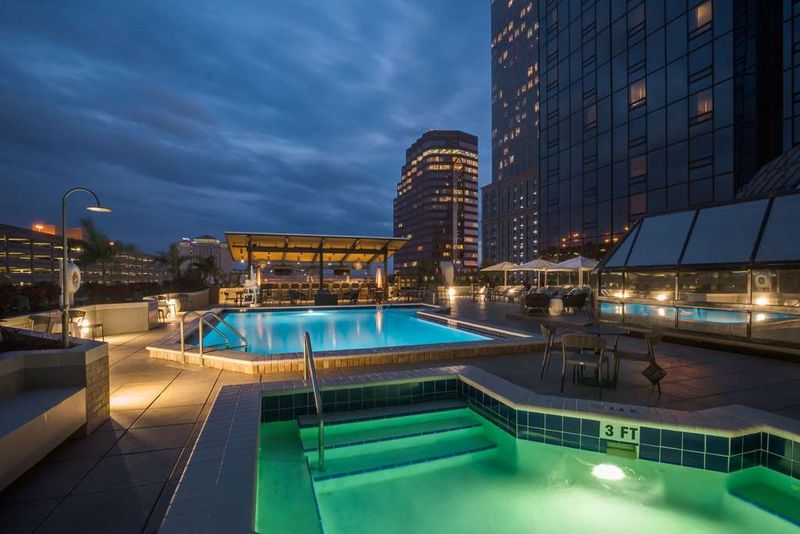
By the river, a skyline of silver minarets and red domes creates one of the most unexpected visions in Florida, part fantasy resort and part architectural proclamation.
The former Tampa Bay Hotel, now incorporated into the University of Tampa, was Henry Plant’s extravagant answer to the age of rail travel and winter tourism.
Even as an academic setting today, the building still delivers a thrilling sense of arrival and historical imagination.
Opened in 1891, the resort reflected Moorish and eclectic influences that made it feel exotic, luxurious, and unmistakably grand to visitors of its time.
Its immense verandas, richly appointed interiors, and strategic location near transportation networks helped place Tampa firmly on the map for affluent northern travelers.
The building later served military purposes during the Spanish American War, adding another layer to an already dramatic biography.
What makes this landmark so compelling is how visibly it preserves the theatrical side of Florida’s early resort era.
You may not check in overnight anymore, but the architecture still communicates the fantasy of escape, status, and subtropical spectacle.
The Tampa Bay Hotel stands as one of the state’s boldest and most unforgettable achievements.
11. The Historic Lakeland Terrace Hotel (Lakeland, Polk)
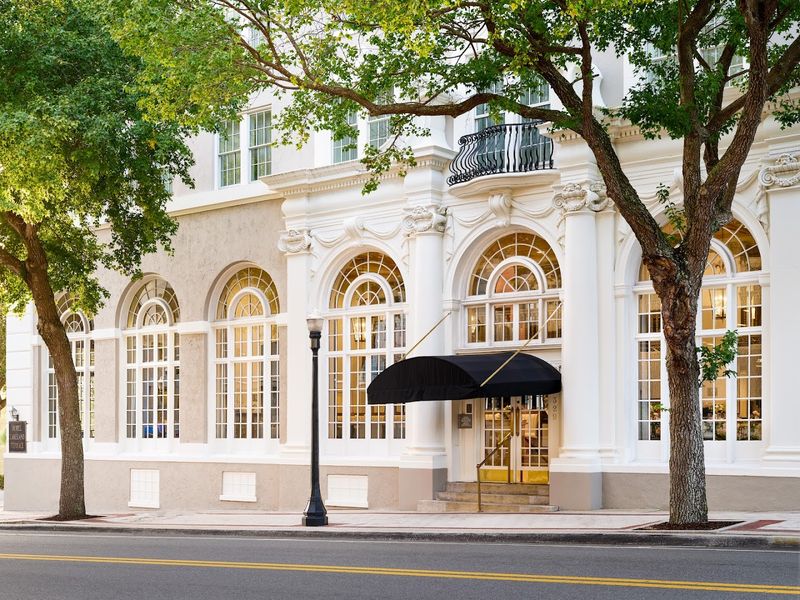
In the heart of downtown rather than directly on the shore, this landmark shows that old Florida luxury also flourished around rail lines, commerce, and winter social life.
The Historic Lakeland Terrace Hotel brings a more intimate urban chapter to the state’s hospitality story, balancing elegance with a strong sense of local identity.
Its setting makes it feel connected to daily civic life in a way larger resort compounds sometimes do not.
Opened in 1924, the hotel emerged during Lakeland’s growth years and offered refined accommodations to travelers moving through central Florida’s developing networks.
The architecture reflects Mediterranean Revival influences, while the scale remains approachable enough to preserve a boutique feeling rather than overwhelming grandeur.
That combination gives the property a distinctive place within Florida history, especially for readers interested in how luxury spread beyond the best known beach enclaves.
What stands out here is the sincerity of the experience – you are engaging with a historic hotel that feels woven into its town, not isolated from it.
Restoration and adaptive care have helped maintain the atmosphere of a classic downtown hostelry with period character and regional pride.
The Lakeland Terrace proves that Florida’s historic luxury tradition includes sophisticated inland gems as well.
12. Chesterfield Hotel (Palm Beach, Palm Beach)
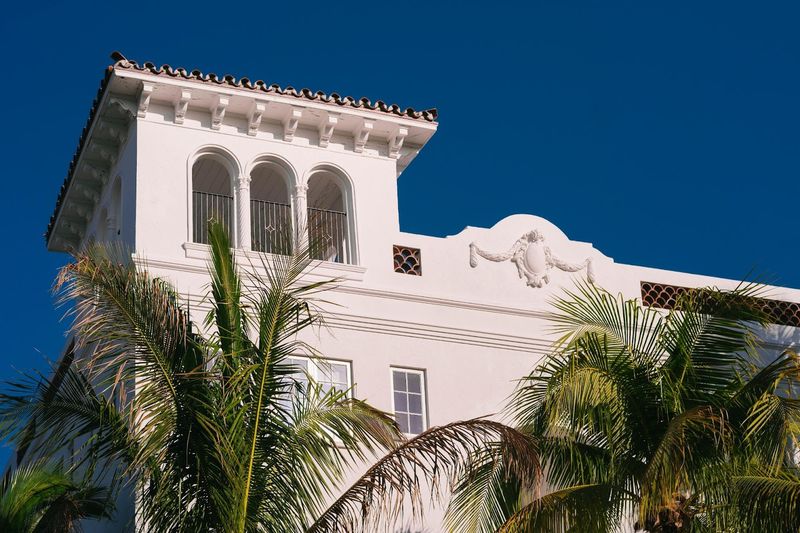
Tucked into one of the country’s most polished resort communities, this hotel offers a smaller, more club like take on Palm Beach luxury.
The Chesterfield Hotel may not dominate the skyline, but it captures the social grace and refined intimacy that define the town’s historic hospitality culture.
Its appeal lies in scale, discretion, and the feeling that elegance can whisper rather than shout.
Located near Worth Avenue, the property fits naturally within Palm Beach’s long tradition of winter glamour, garden courtyards, and carefully curated style.
Its design and decor lean into classic Anglo inspired sophistication, giving guests an atmosphere that feels residential, tailored, and pleasantly removed from generic resort trends.
What makes the Chesterfield interesting in this roundup is the way it represents another side of old world coastal luxury – one centered on boutique charm and social polish.
You can move easily between beach, shopping, and dining, then return to a setting that feels cozy yet unmistakably upscale.
Travelers who want historic Palm Beach ambiance without the scale of a mega resort, the Chesterfield delivers character, heritage, and quietly enduring sophistication.
13. The Ringling (Sarasota, Sarasota)
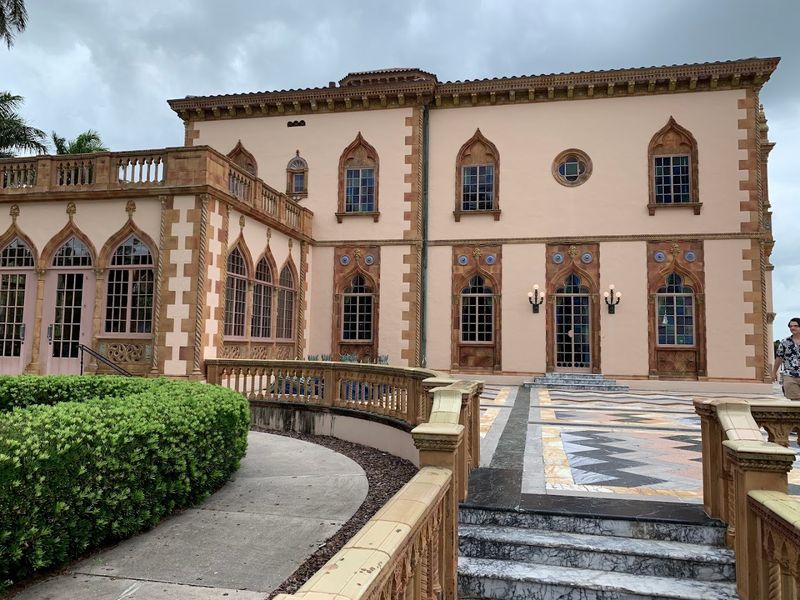
A revived downtown address with jazz age roots can tell you just as much about Florida glamour as any beachfront grande dame, especially in a city shaped by arts and winter wealth.
The Ringling in Sarasota reflects that urban sophistication, drawing energy from the period when the region was becoming a cultural destination as well as a resort landscape.
Its story connects naturally to the Ringling era spirit that helped define Sarasota’s public image.
Originally opened in 1926 as the Hotel Dixie, the building later became associated with the Ringling name and the city’s broader heritage of performance, style, and ambition.
Its scale is more metropolitan than palatial, which makes it useful for understanding how historic luxury adapted to a walkable downtown setting.
Renovation efforts have aimed to preserve that sense of vintage character while giving the property renewed relevance for contemporary visitors.
What makes this hotel notable is the blend of cultural context and architectural nostalgia – you are experiencing Sarasota through a building that echoes its formative decades.
Nearby theaters, galleries, and bayfront attractions reinforce the idea that luxury here was always tied to civic identity and social life.
The Ringling offers history, personality, and a strong sense of place.
14. Hotel Ormond (Ormond Beach, Volusia)
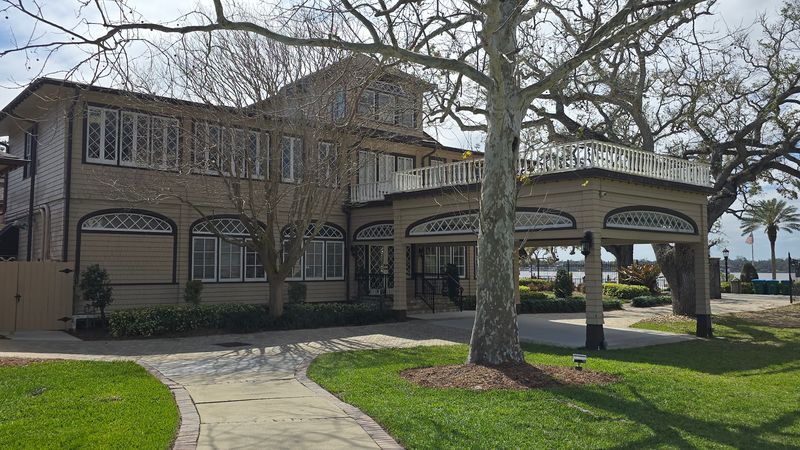
Sometimes the most powerful historic hotel stories are attached to places that survive more through memory and documentation than through active hospitality.
Hotel Ormond in Ormond Beach was once among Florida’s significant winter resorts, attracting prominent guests and helping shape the region’s early tourist identity.
Although the original building is gone, its legacy still belongs in any serious conversation about old world luxury in the state.
The hotel developed in the late nineteenth century along the Halifax River and benefited from the same expanding railroad and resort culture that transformed eastern Florida.
It became known for gracious grounds, elite clientele, and the sort of seasonal sociability that helped establish Ormond as a refined coastal destination.
John D. Rockefeller famously stayed there, a detail that reinforces just how central the property once was to the upper tier of winter travel.
What makes Hotel Ormond important today is its role as a historical reference point – it reminds you that Florida’s grand hotel tradition extended far beyond the survivors still welcoming guests.
Learning about it adds depth, loss, and perspective to the romance of the state’s preserved landmarks.
Hotel Ormond deserves remembrance as one of the vanished giants that helped create the dream.