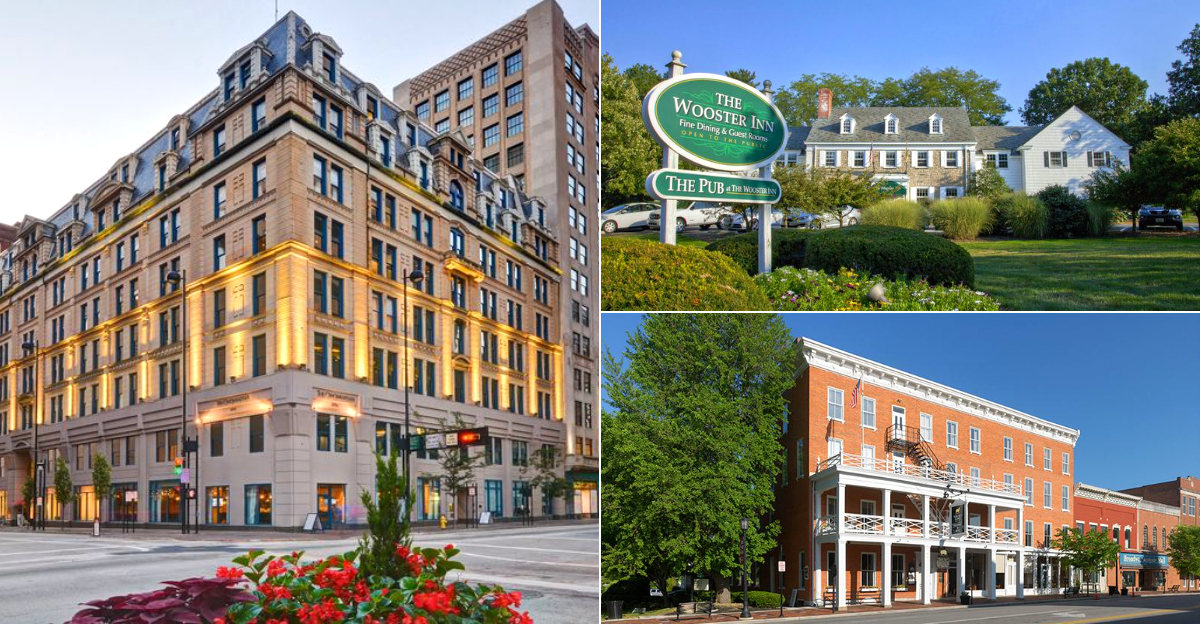
Ohio might not be the first state that comes to mind when you think of historic hotels, but it absolutely should be.
From the ornate Art Deco towers of Cincinnati to the riverside inns of Marietta, the state has preserved a remarkable range of landmark properties that tell its architectural and cultural story.
These hotels were built during an era when grand lobbies, detailed stonework, and crafted interiors were considered essential, not optional.
Some sit in small college towns, others anchor the downtowns of mid-sized cities, and a few are tucked into the forested hills and river valleys that define Ohio’s quieter landscapes.
What they share is a genuine sense of place that you cannot replicate by building something new.
These fifteen Ohio hotels are worth a detour on their own, each one offering a stay that feels connected to something larger than just a comfortable night away from home.
1. Hilton Cincinnati Netherland Plaza – Cincinnati, Hamilton County, Ohio
Few hotel interiors make your jaw drop before you even reach the front desk, but this one absolutely does.
Gleaming surfaces, dramatic lighting, and lavish decorative detail create the kind of arrival that instantly slows your pace.
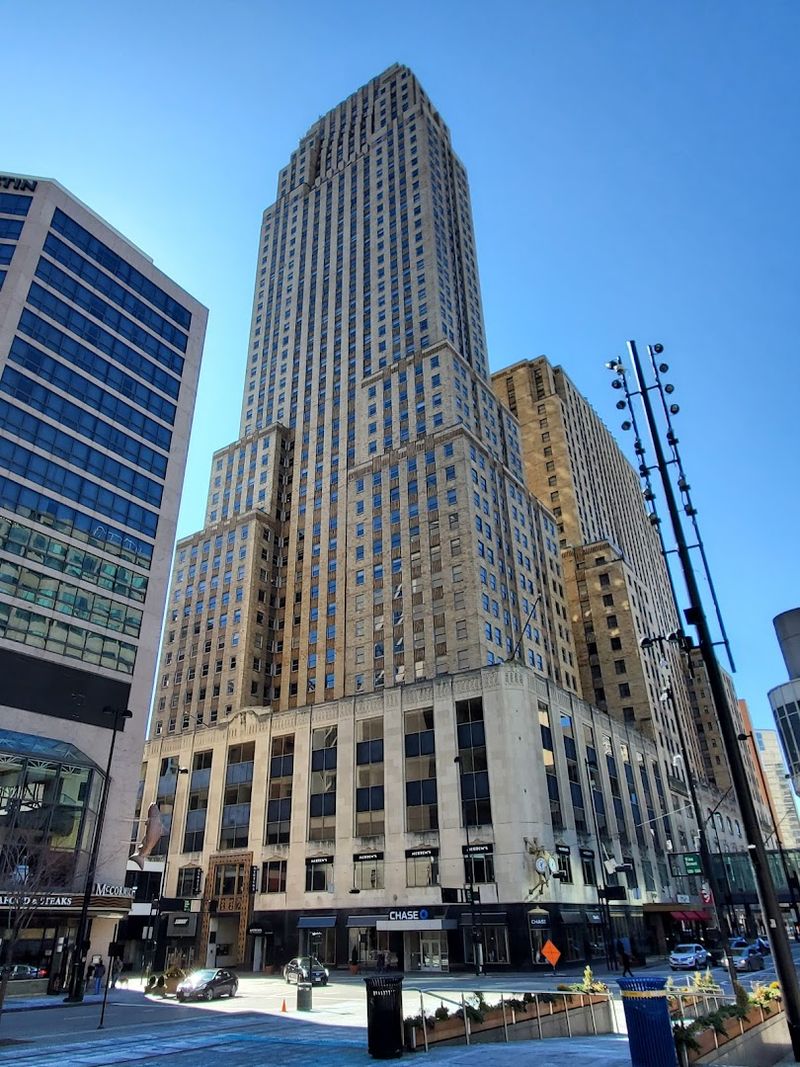
That unforgettable first impression belongs to the Hilton Cincinnati Netherland Plaza, one of Ohio’s finest surviving Art Deco masterpieces.
Opened in 1931 within the Carew Tower complex, the hotel captures the streamlined optimism and glamour of early twentieth century urban design.
Its public rooms are especially memorable, from rich metalwork and muraled surfaces to geometric ornament that feels theatrical without becoming overdone.
If you care about preservation, you will appreciate how the space still communicates the ambition of a major American city at its peak.
This is the sort of place where architecture shapes your entire stay.
Even casual moments, like waiting for an elevator or crossing the lobby, feel elevated by symmetry, craftsmanship, and period atmosphere.
Rather than treating history as a theme, the hotel lets original style remain the main event.
I would place it high on any Ohio architecture itinerary because the design is both accessible and genuinely transportive.
You get the convenience of a central downtown hotel while standing inside one of the state’s most celebrated historic interiors.
2. The Lafayette Hotel – Marietta, Washington County, Ohio
River towns often preserve history in a softer, more lived in way, and that feeling is strong here from the start.
You notice the pace change, the views widen, and the architecture begins telling stories tied to water, trade, and arrival.
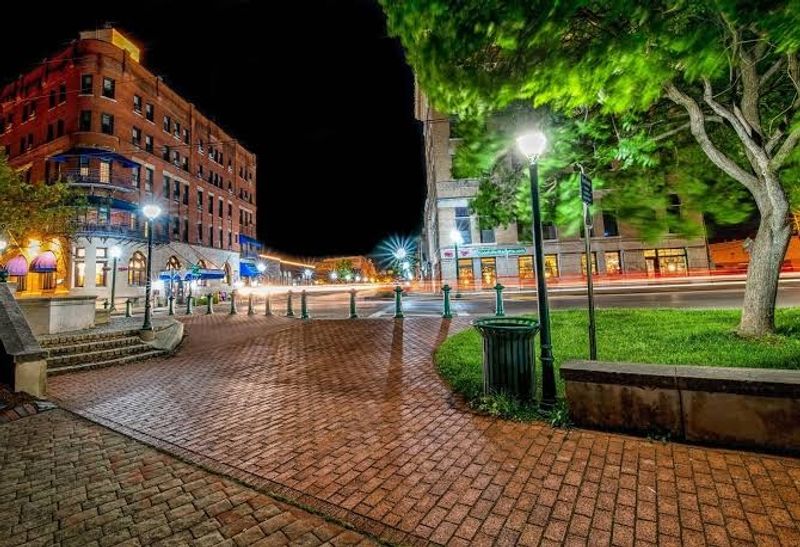
The Lafayette Hotel in Marietta captures that spirit beautifully along the Ohio River.
Dating to 1918, the hotel reflects the enduring importance of Marietta as one of Ohio’s oldest communities.
Its classical lines, inviting porches, and riverfront setting create a sense of continuity that feels deeply connected to the town around it.
While not as flashy as some big city landmarks, its preservation feels intimate, grounded, and genuinely place specific.
Inside, the atmosphere leans nostalgic without feeling frozen in time.
You can imagine generations of travelers, families, and event guests passing through spaces that still honor the building’s original character.
That continuity matters, because historic hotels work best when architecture remains woven into daily life instead of isolated behind ropes.
If you are drawn to river history and early twentieth century hospitality, this property is especially rewarding.
It serves as both a comfortable stay and a reminder that Ohio’s architectural heritage extends far beyond its largest cities.
3. The Buxton Inn – Granville, Licking County, Ohio
There is something irresistible about a village inn that feels stitched into the oldest part of town life.Brick pathways, quiet streets, and low lit rooms create a mood that is less about spectacle and more about continuity.
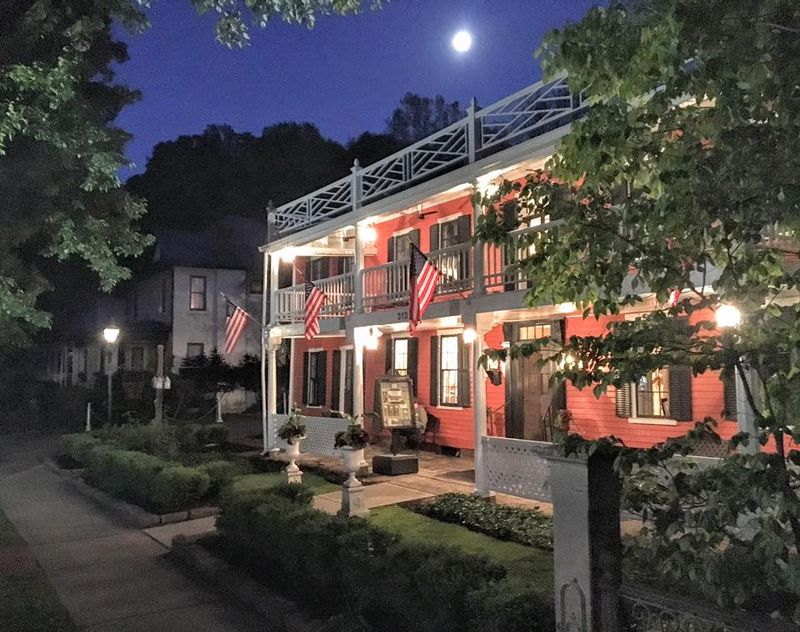
That is exactly why The Buxton Inn in Granville remains one of Ohio’s most beloved historic stays.
With origins reaching back to 1812, this inn is among the oldest operating lodging properties in the state.Its Federal era roots and long history give it a scale that feels personal, almost domestic, while still carrying serious preservation value.
You are not looking at grandeur measured by size here, but by endurance, atmosphere, and the survival of early Ohio craftsmanship.
The surrounding village strengthens the effect.Granville’s historic core already feels unusually cohesive, and the inn sits within that setting as a natural extension of the streetscape rather than an isolated attraction.
That makes an overnight stay especially immersive, because the architecture continues from the sidewalks right into your room.
If you like historic hotels that feel intimate, layered, and a little storied, this one delivers.The Buxton Inn preserves not just a building, but a way of experiencing hospitality that reaches back to Ohio’s earliest decades.
For travelers who want age, charm, and authentic village character, it is an easy recommendation.
4. The Granville Inn – Granville, Licking County, Ohio
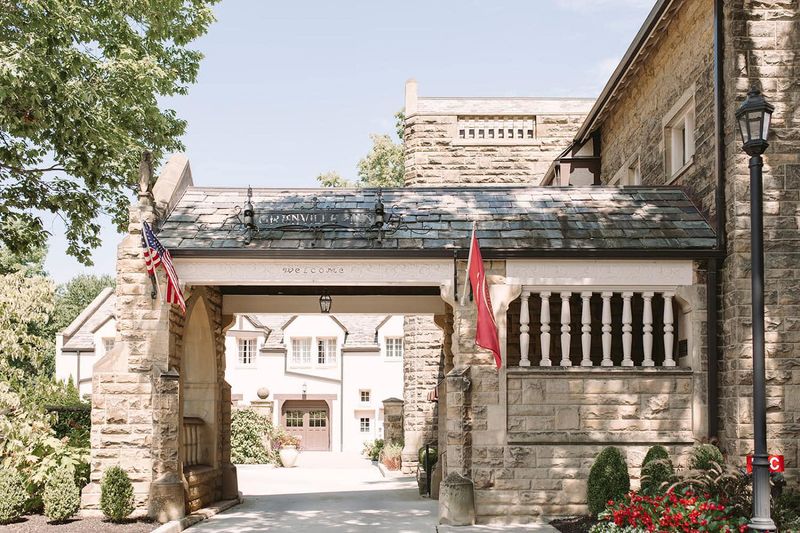
Set in a village known for polished historic charm, this inn introduces itself with confidence before you ever go inside.
Stone walls, steep gables, and a manor house presence give the building a distinctly old world character that feels rare in small town Ohio.
That architectural personality defines The Granville Inn, one of Granville’s most recognizable landmarks.
Completed in 1924, the inn reflects a romantic revival sensibility that borrowed from English country traditions while fitting gracefully into its Midwestern setting.
Its masonry, massing, and carefully composed public spaces create a sense of permanence that still feels refined rather than heavy.
You can appreciate it simply as a hotel, but it becomes even more compelling when viewed as part of Granville’s larger architectural identity.
What I like most is how the building feels ceremonial without becoming distant.
Guests are welcomed into rooms and gathering spaces that preserve historic detailing while remaining comfortable enough for weddings, weekends, and long conversations.
That practical beauty is often what keeps preservation alive, because people continue making memories inside the architecture.
If The Buxton Inn represents early Ohio intimacy, The Granville Inn offers a more formal kind of historic elegance.
Together they show how one small community can preserve very different chapters of design history.
5. The Cincinnatian Hotel – Cincinnati, Hamilton County, Ohio
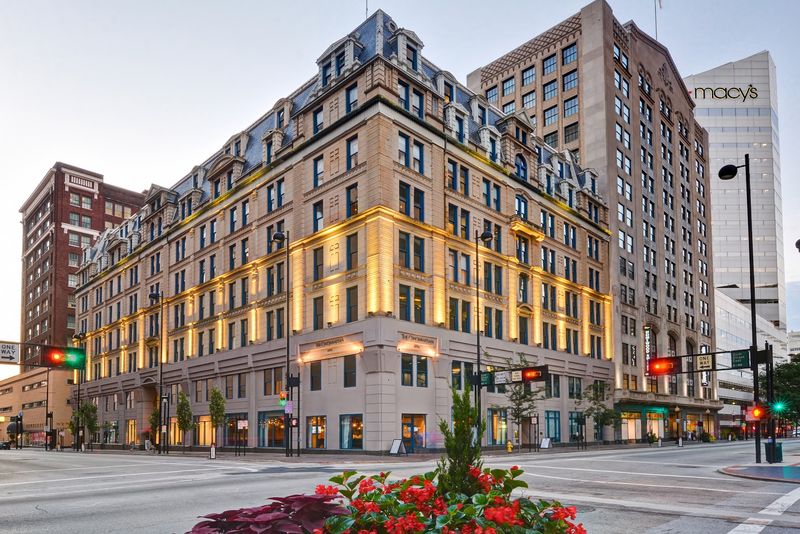
Stepping into a downtown landmark like this, you feel the city’s Gilded Age ambition still hanging in the air.
Rich woodwork, dramatic arches, and a polished sense of ceremony make the experience feel more cinematic than ordinary.
That mood belongs to The Cincinnatian Hotel, a late nineteenth century treasure that still gives Cincinnati one of its most character filled stays.
Originally opened in 1882, the building reflects the grandeur of an era when rail travel, commerce, and civic pride shaped urban design.
Its Romanesque Revival exterior introduces a hotel known for intricate stonework, high ceilings, and public spaces that still reward slow looking.
You can sense how carefully the historic bones have been maintained, even as modern comforts make the overnight experience easy.
What stands out most is the balance between heritage and livability.
You are not simply touring an old building here, because the textures, proportions, and decorative details remain part of an active hotel rhythm.
That makes every corridor and lounge feel less like a museum and more like a preserved chapter you can inhabit.
It anchors downtown with elegance while quietly reminding you how richly layered Cincinnati’s built history really is.
For travelers who want timeless design without sacrificing convenience, this hotel absolutely delivers.
6. Golden Lamb – Lebanon, Warren County, Ohio
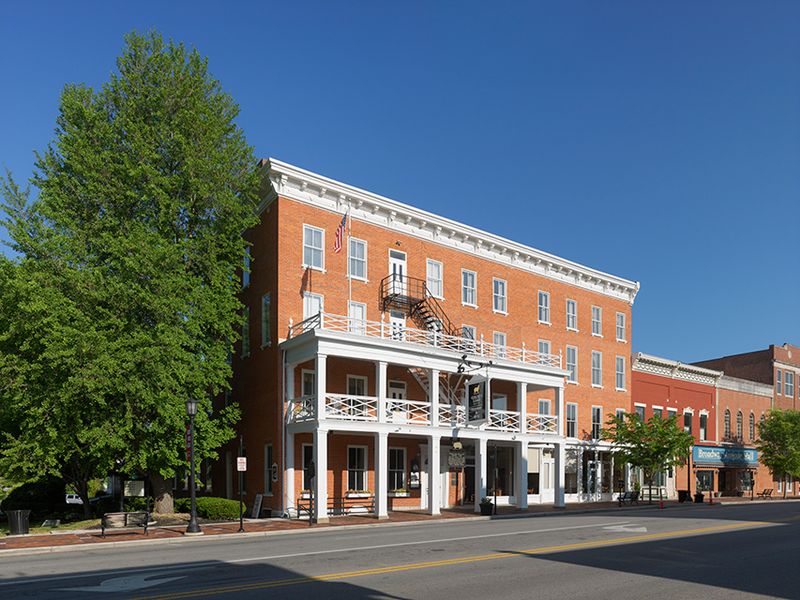
Some historic hotels carry significance far beyond their guest rooms, and this is one of those places.
The atmosphere feels rooted in early American travel, politics, and community life, with architecture that reflects generations of careful stewardship.
That enduring legacy belongs to the Golden Lamb in Lebanon, Ohio’s oldest continually operating inn.
Established in 1803, the property has welcomed presidents, public figures, and ordinary travelers for more than two centuries.
Its historic buildings, traditional rooms, and layered interiors preserve a sense of early republic hospitality that very few places in the region can still offer.
You feel that longevity in the materials, the scale, and the way the inn remains inseparable from Lebanon’s historic downtown streetscape.
What makes it memorable is not just age, but cultural continuity.
The Golden Lamb still functions as a lively destination for lodging, dining, and celebration, which helps its architecture stay active instead of symbolic.
That lived in quality gives the preservation real warmth, especially if you prefer historic spaces that still buzz with everyday use.
This is a must for anyone building an Ohio heritage itinerary.
Visitors are getting a place that connects architecture, state history, and hospitality in one unusually complete experience.
7. Glidden House Inn – Cleveland, Cuyahoga County, Ohio
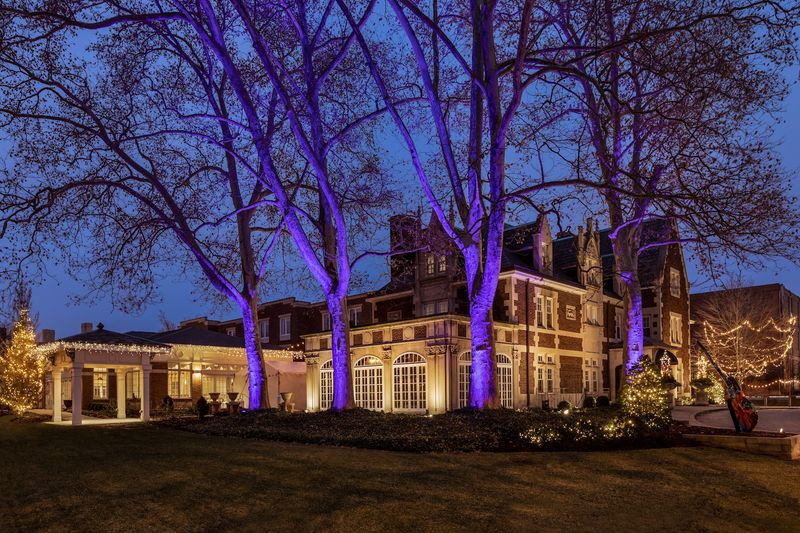
Tucked into one of Cleveland’s most culturally rich neighborhoods, this stay begins with the quiet confidence of an old mansion.
The scale feels residential, the detailing feels cultivated, and the setting encourages you to notice architecture with a slower eye.
That refined experience is exactly what the Glidden House Inn offers in University Circle.
Built in 1910 as a mansion for the Glidden family, the property reflects the upper class domestic architecture of early twentieth century Cleveland.
Its brick exterior, elegant proportions, and preserved interior elements create a boutique atmosphere that differs from grand downtown hotels while remaining historically significant.
You can feel the transition from private residence to inn, which adds another layer of architectural interest.
Because it sits near major museums and institutions, the building also works as part of a larger cultural landscape.
A stay here lets you connect art, history, and architecture without needing to force the experience.
That context makes the preservation especially meaningful, since the house still contributes to the character of the district around it.
If you appreciate historic lodging on a more intimate scale, Glidden House stands out.
This place preserves Cleveland’s mansion era in a way that is elegant, approachable, and easy to enjoy over a weekend.
8. The Tudor Arms Hotel – Cleveland, Cuyahoga County, Ohio
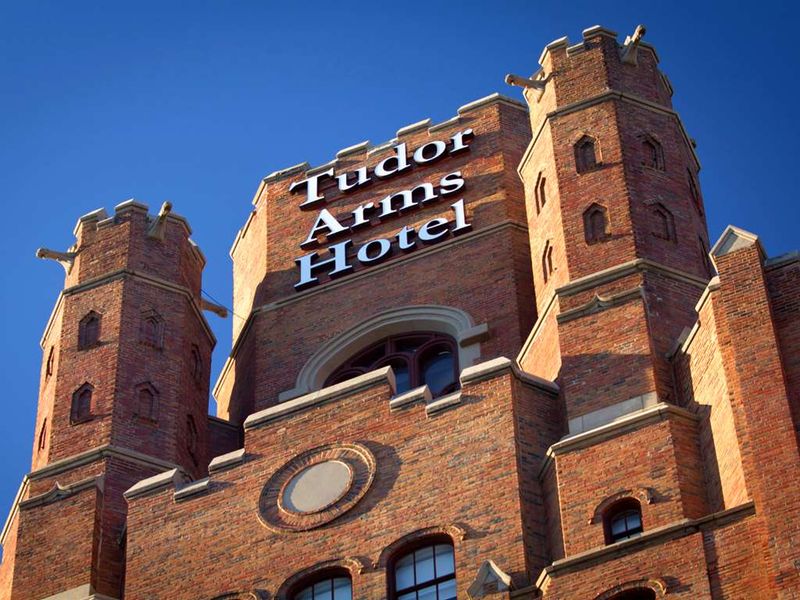
Dark wood, dramatic lines, and a touch of old world formality can make a hotel feel instantly transporting.
That mood arrives quickly here, where the architecture channels a romantic, almost collegiate grandeur in the heart of Cleveland.
The Tudor Arms Hotel preserves that atmosphere with striking confidence.
Opened in 1933 and designed in a Tudor Gothic style, the building stands out for its pointed detailing, rich materials, and commanding presence.
It reflects a moment when hotel architecture aimed to impress through character as much as scale, creating memorable public spaces with strong visual identity.
Even after adaptive updates, the property still carries enough historic texture to communicate its original ambition clearly.
What makes this place compelling is its distinct personality.
Some historic hotels win you over with polish, but this one leans into mood, giving guests a stay that feels atmospheric, layered, and tied to a specific design vocabulary.
If you are the kind of traveler who notices ceiling height, window shapes, and lobby drama, you will understand its appeal immediately.
Its location near Cleveland’s cultural institutions only strengthens the case for staying here.
The hotel offers a useful bridge between architectural appreciation and city exploration, letting one enrich the other naturally.
9. The Inn at Cedar Falls – Logan, Hocking County, Ohio
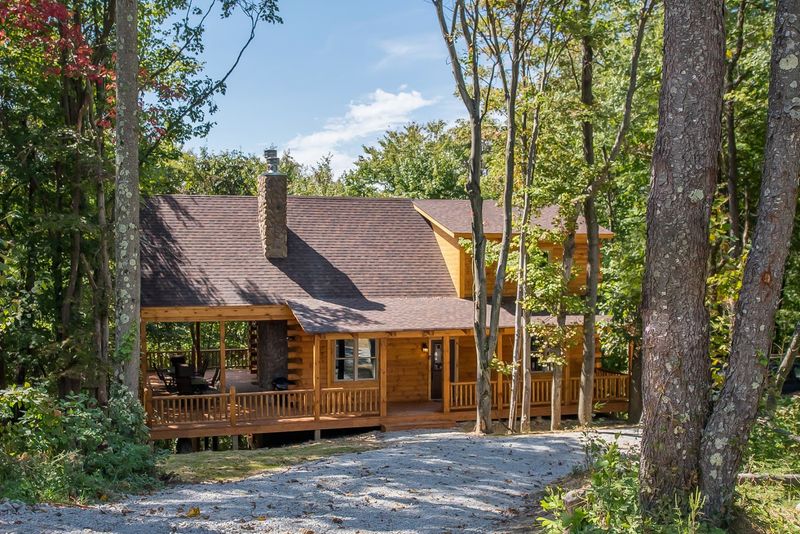
Not every memorable heritage stay in Ohio is urban or overtly grand.
Sometimes the strongest sense of place comes from architecture that responds to forest, stone, weather, and the slower rhythms of a rural landscape.
That is the appeal of The Inn at Cedar Falls near Logan and the Hocking Hills region.
While the property is better known for rustic character than for a single monumental historic structure, it reflects an older tradition of regionally rooted hospitality.
The buildings draw on vernacular forms, natural materials, and lodge like warmth that feel deeply compatible with southeastern Ohio’s landscape.
You come here for the way architecture and setting reinforce each other, creating a preservation story tied to atmosphere as much as age.
That distinction matters.
Historic travel is not only about ornate facades, because places that honor local building traditions also preserve cultural memory in meaningful ways.
At this inn, timber, stone, and handcrafted details help you feel connected to a broader Appalachian influenced design language.
If your version of timeless architecture includes retreat spaces that seem grown from their surroundings, this property belongs on your list.
For travelers exploring Ohio’s architectural story beyond downtown landmarks, The Inn at Cedar Falls adds welcome range and texture.
10. The White Oak Inn – Danville, Knox County, Ohio
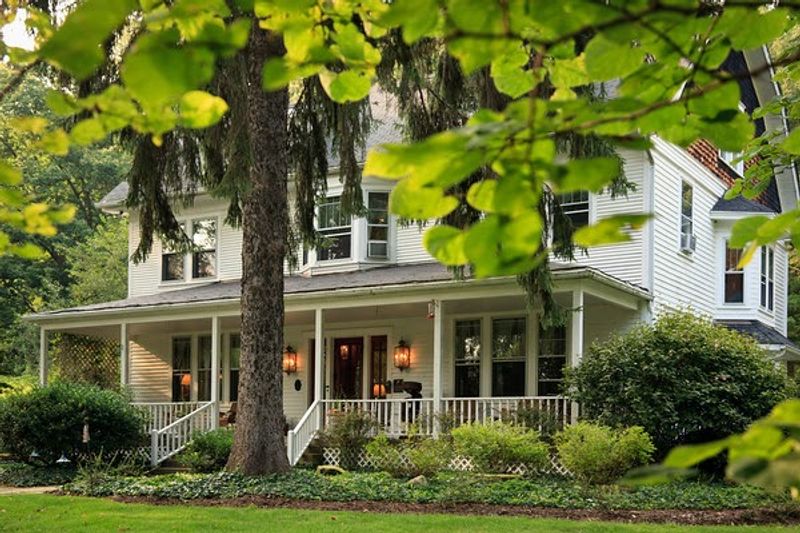
Country inns preserve a different side of architectural history, one shaped by simplicity, proportion, and an unhurried relationship with the land.Here, the atmosphere feels peaceful first, historic second, which can be exactly what makes the preservation so convincing.
That quiet charm defines The White Oak Inn in Danville.
The property is not known for metropolitan grandeur, yet it earns attention through its rural character and traditional inn setting.Its appeal comes from the way the buildings and grounds evoke older patterns of travel, rest, and regional hospitality in central Ohio.
You experience history here through mood, materials, and the sense that the inn belongs naturally to its countryside context.
That can be incredibly refreshing if your idea of architectural significance includes vernacular beauty.Rather than overwhelming you with ornament, the inn invites appreciation for scale, warmth, and the lived in qualities that often disappear when heritage is reduced to spectacle.
This is preservation that feels personal and restorative.
I would recommend it to travelers who want a gentler historic experience paired with scenic calm.The White Oak Inn expands the definition of what an Ohio architectural getaway can be, especially beyond major tourism corridors.
For anyone interested in how hospitality history survives in rural form, it offers a meaningful and memorable stop.
11. Inn at Brandywine Falls – Sagamore Hills, Summit County, Ohio
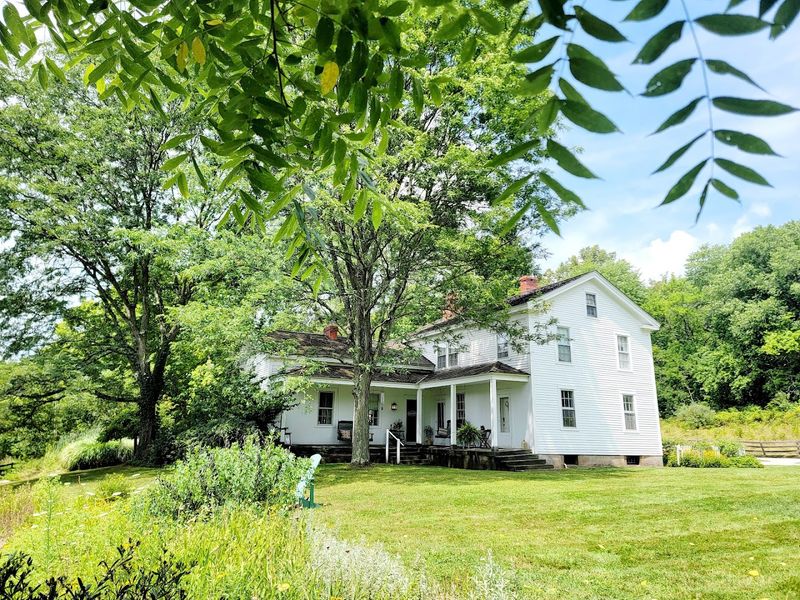
When a historic inn sits beside one of Ohio’s most scenic natural landmarks, the setting becomes part of the architecture’s magic.
You arrive expecting beauty outdoors, then realize the building itself carries a quieter kind of historical resonance.
That interplay is what makes the Inn at Brandywine Falls so memorable.
Located in Cuyahoga Valley, the inn occupies a restored nineteenth century house that feels intimate, romantic, and deeply connected to its landscape.
Its preservation does not depend on monumental scale, but on the successful continuation of a domestic structure into a welcoming guest experience.
That makes every porch view and interior detail feel more personal than performative.
The surrounding national park setting heightens your awareness of time.
Historic lodging works especially well here because the building becomes part of a broader story about conservation, memory, and the value of keeping places intact.
If you enjoy architecture that reveals itself gradually, this inn rewards careful attention.
It is an excellent choice for travelers who want history paired with nature rather than city bustle.
The inn preserves an older residential character while benefiting from one of the most beloved landscapes in northeastern Ohio.
12. The Brownstone Inn – Wooster, Wayne County, Ohio
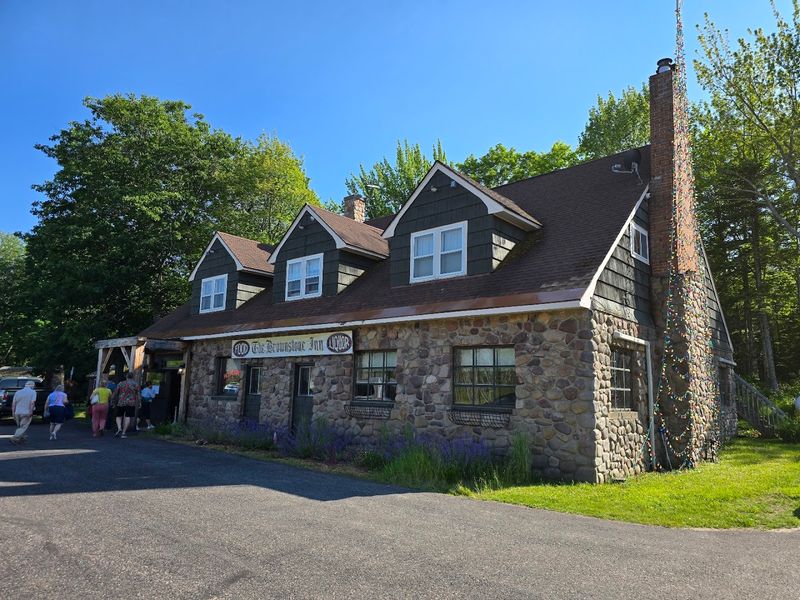
In a town where historic character still shapes the streetscape, small inns can reveal just as much as bigger landmarks.
This one draws you in through neighborhood scale, preserved detail, and a sense that the building has settled comfortably into local memory.
That understated appeal belongs to The Brownstone Inn in Wooster.
Housed in a historic residence, the inn offers a more personal encounter with architectural preservation than a large commercial hotel usually can.
Its character comes through in period styling, domestic proportions, and the kind of craftsmanship that rewards close looking instead of quick impressions.
You feel connected not only to a building, but to the older residential fabric of Wooster itself.
That connection is part of why smaller historic properties matter.
They preserve everyday elegance, showing how design history lived at the scale of porches, stairways, parlors, and guest chambers rather than grand ballrooms alone.
For travelers who value intimacy, that can be far more memorable than spectacle.
The Brownstone Inn fits nicely into a broader Wayne County heritage trip.
It offers a charming base for exploring local architecture while giving you a stay that feels rooted, calm, and distinctly place specific.
13. Landolls Mohican Castle – Loudonville, Ashland County, Ohio
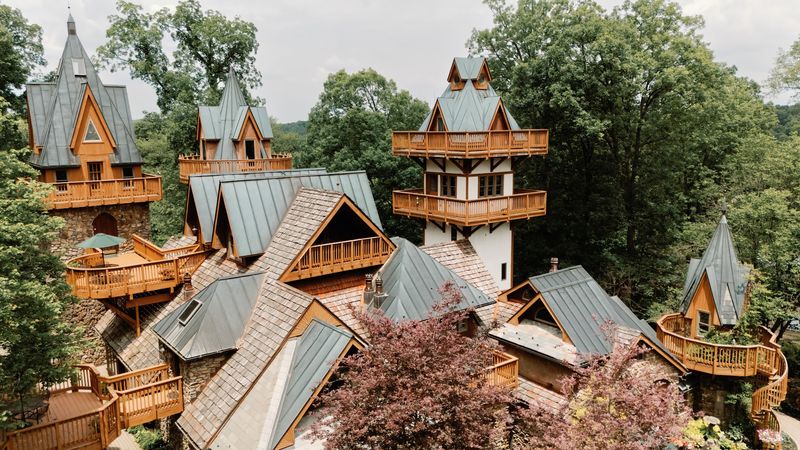
Not every property on a historic themed itinerary is historic in the strictest sense, but some earn inclusion through architectural imagination and regional impact.
Here, towers, stonework, and a dramatic wooded setting create an experience that feels lifted from an older European storybook.
That theatrical atmosphere defines Landolls Mohican Castle near Loudonville.
Unlike Ohio’s nineteenth century inns and early twentieth century city hotels, this property is a later construction inspired by castle architecture rather than a preserved period landmark.
Still, it contributes to the conversation by showing how timeless design languages continue to shape travel experiences in memorable ways.
If you approach it with that understanding, the appeal becomes less about documentary age and more about immersive architectural fantasy.
The wooded Mohican region strengthens the effect considerably.
A building with turrets and heavy masonry can feel contrived in the wrong place, but here the landscape gives the architecture mood, scale, and narrative energy.
That makes the stay feel escapist without becoming disconnected from Ohio’s broader tradition of destination lodging.
It broadens the list by showing how travelers respond not only to authenticity, but also to atmosphere and architectural storytelling.
For anyone craving a memorable overnight setting with unmistakable visual drama, Landolls Mohican Castle certainly delivers.
14. The Wooster Inn – Wooster, Wayne County, Ohio
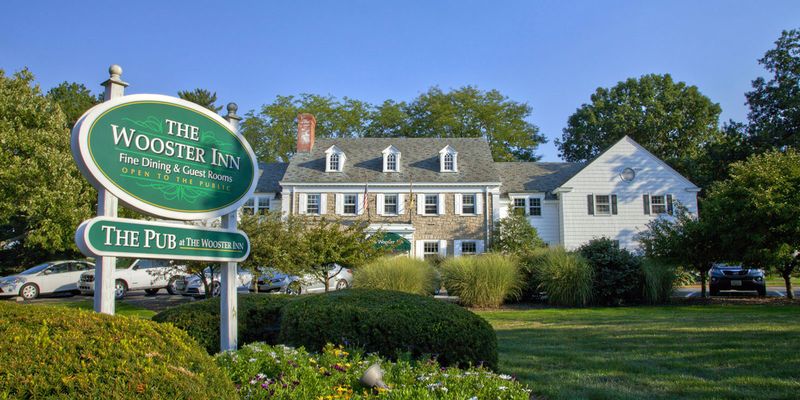
There is a special pleasure in finding a historic inn that feels woven into the civic and social life of its town.
This one welcomes you with a familiar, enduring presence that suggests weddings, reunions, visiting families, and decades of local memory.
That sense of continuity makes The Wooster Inn an important part of Wooster’s architectural story.
Opened in 1959, it is younger than many properties on this list, yet it still represents a meaningful chapter in Ohio hospitality design.
Its traditional styling, established reputation, and longstanding role in community life give it heritage value beyond strict age alone.
You are seeing how mid century lodging in smaller cities could adopt timeless forms while remaining practical and regionally grounded.
That perspective matters because preservation should include more than the oldest surviving buildings.
Places like this document how architectural taste evolved after the grand hotel era, while still aiming for warmth, formality, and a sense of occasion.
The result feels approachable, especially if you enjoy history that remains visibly in use.
As part of a Wayne County stay, The Wooster Inn complements older residential inns and downtown architecture nicely.
After all, it broadens the timeline and reminds you that not all meaningful heritage properties need nineteenth century origins.
15. Renaissance Columbus Downtown Hotel – Columbus, Franklin County, Ohio

Big city hotels often survive by changing with the times, and that process can reveal as much as original design itself.
Here, the appeal lies in seeing a long standing downtown property continue adapting while remaining part of Columbus’s architectural fabric.
That layered identity shapes the Renaissance Columbus Downtown Hotel.
The site traces its hospitality history to one of the city’s established hotel traditions, linking present day visitors to an older era of downtown travel and gathering.
While the current branding is contemporary, the building’s legacy and retained classic urban hotel character still matter in understanding Columbus’s evolving skyline.
You are looking at continuity through reinvention, which is often how historic hospitality survives in active business districts.
What makes this property worth noting is its role within the broader story of downtown preservation.
Historic architecture in capital cities is rarely static, and hotels especially must balance event demand, modernization, and public expectations without losing identity.
That tension can actually deepen your appreciation, because survival itself becomes part of the history.
If you are exploring Columbus with an eye for architectural change over time, this hotel adds useful context.
It may not deliver the same period purity as a preserved inn, but it reflects the endurance of classic downtown hospitality.
Travelers who enjoy seeing how urban heritage continues through adaptation, will see how this hotel remains a compelling inclusion.