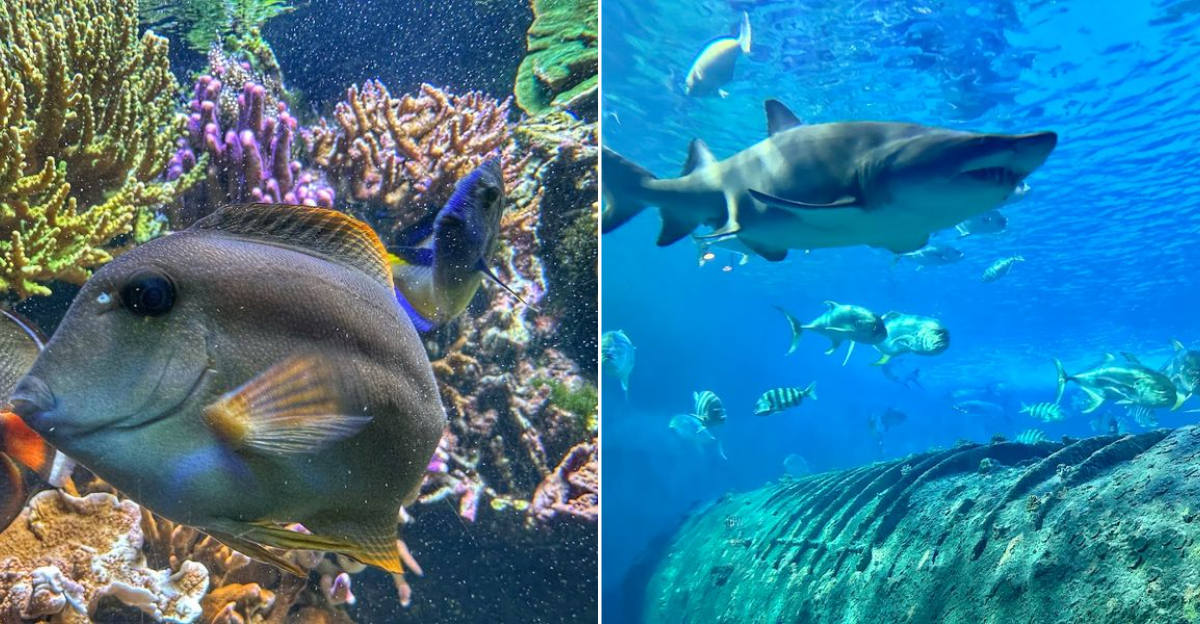
Salt air, glowing tanks, and the sudden realization that a jellyfish can outdress everyone in the room – North Carolina knows how to make marine life unforgettable.
From Outer Banks icons to inland surprises, these aquariums and coastal wildlife centers turn casual sightseeing into a full-on undersea daydream, with sea turtles, sharks, estuary creatures, and maritime stories waiting around every corner.
You will find family favorites, smart rainy-day stops, and places that quietly teach you more about the coast than any brochure ever could, all while keeping the fun level high and the boredom level somewhere below the seafloor.
If you are planning a road trip, beach week, or spontaneous weekend adventure, this lineup will help you pick the best spots to see North Carolina’s wild blue side up close, so grab your curiosity and let’s go meet the locals with fins, flippers, and excellent side-eye.
1. North Carolina Aquarium on Roanoke Island
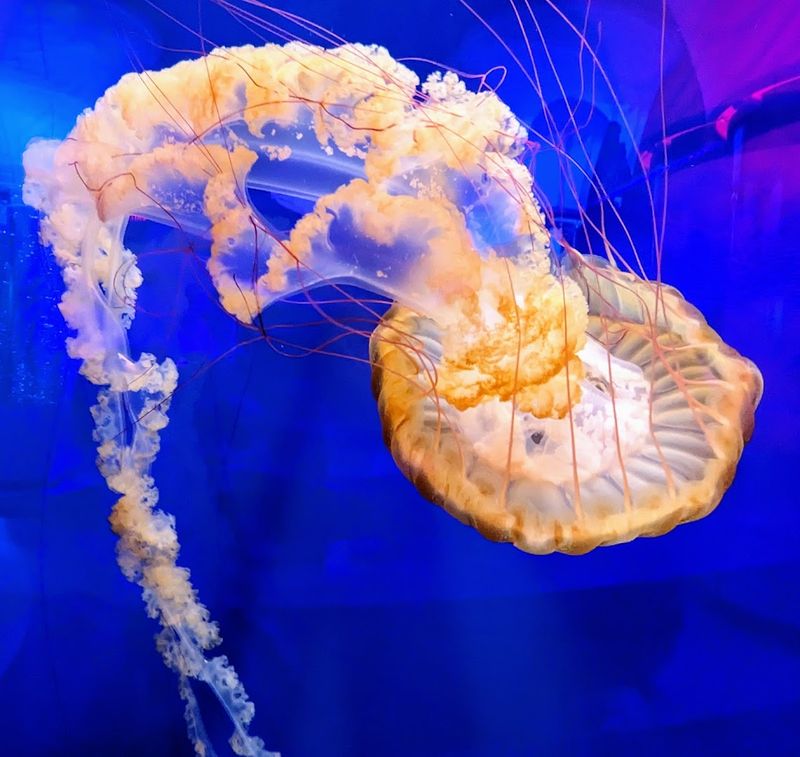
History buffs come to Manteo for Roanoke Island legends, but this aquarium proves the local wildlife deserves equal billing.
The North Carolina Aquarium on Roanoke Island pairs Outer Banks atmosphere with strong exhibits that celebrate estuaries, marshes, and the Atlantic beyond.
It is the kind of place where a quick stop turns into a happily derailed afternoon.
The Graveyard of the Atlantic exhibit gives the visit real personality, connecting marine life with the shipwreck-rich waters off the coast.
You will see sharks, rays, sea turtles, and schools of fish, but the storytelling around the habitats is what makes the displays stick in your memory.
Touch experiences and kid-friendly stations keep younger visitors engaged, while adults get plenty of substance too.
Its location in Manteo makes it a natural addition to any Outer Banks itinerary, especially if you are also exploring the waterfront, Festival Park, or nearby beaches.
The building feels inviting rather than overwhelming, which is ideal on busy vacation days when patience can be running on beach-time math.
If you want an aquarium that captures the spirit of the coast, teaches you something useful, and still leaves room for simple wide-eyed wonder, this one delivers with polished exhibits, local flavor, and a refreshingly smart sense of place.
2. Jennette’s Pier
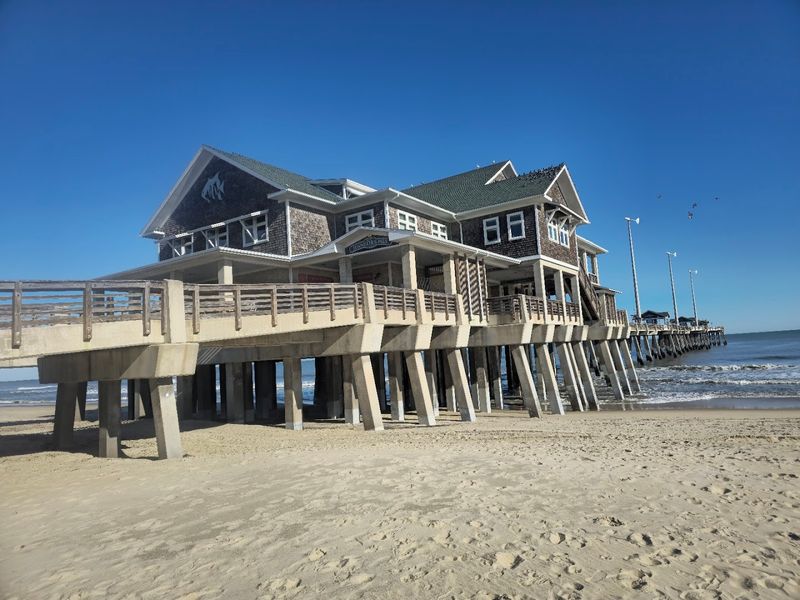
Technically, Jennette’s Pier is not a traditional aquarium, but dismissing it would be a rookie coastal mistake.
Located in Nags Head on the Outer Banks, this LEED-certified pier combines ocean access, engaging exhibits, and marine education in a way that feels hands-on and refreshingly unscripted.
You do not just observe the coast here – you stand right over it.
Inside, the educational displays introduce local fish species, ocean processes, and conservation topics with an easygoing style that suits families and curious travelers alike.
The real magic happens when you move from the exhibit space onto the pier, where pelicans glide past, anglers reel in catches, and the Atlantic puts on its own live show.
That transition from information to experience gives Jennette’s a special energy many larger attractions cannot fake.
Because it sits right on the beach in Nags Head, it works as both a learning stop and a scenic break during an Outer Banks drive.
Programs, camps, and public events deepen the value if you have extra time, and the staff often make complicated marine topics feel surprisingly accessible.
If you like your wildlife experiences with fresh air, salty hair, and a side of real-world context, Jennette’s Pier is a smart, memorable detour that earns its spot on this list.
3. SEA LIFE Charlotte-Concord Aquarium
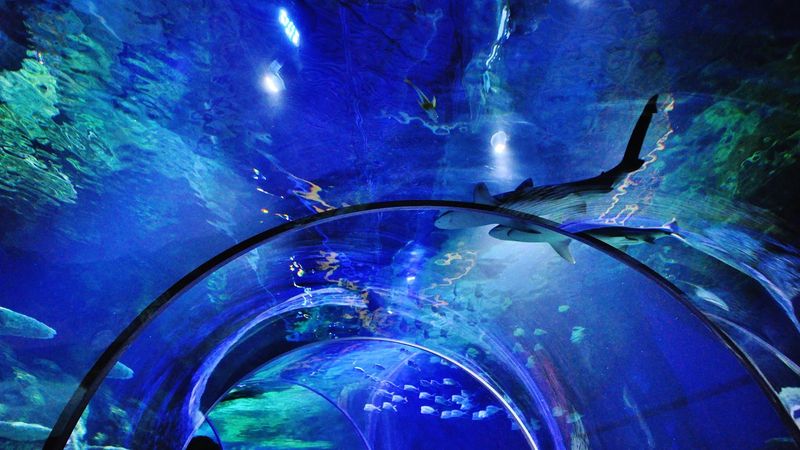
Right beside the shopping buzz of Concord Mills, SEA LIFE Charlotte-Concord Aquarium feels like a portal to calmer, bluer territory.
This inland attraction is not focused solely on North Carolina habitats, yet it absolutely earns attention for the way it brings marine life close and keeps the mood playful.
You can arrive expecting a mall-side diversion and leave pleasantly hooked.
The ocean tunnel is the obvious crowd-pleaser, with sharks and rays gliding overhead in a scene that makes everyone walk slower.
Interactive stations, themed zones, and kid-friendly interpretation make the experience easy for first-time aquarium visitors, while colorful tanks and creature spotlights keep it visually lively.
It leans broader than coastal Carolina, but that variety gives families plenty to explore in one compact visit.
Because it is in Concord near Charlotte Motor Speedway and major shopping, SEA LIFE works especially well on rainy days, travel layovers, or mixed-interest family outings.
The format is polished, accessible, and designed for steady engagement, so younger visitors rarely hit that dangerous phrase, I am bored.
If you want a convenient aquarium with strong visual appeal, smooth logistics, and enough underwater charm to distract everyone from their phones for a while, this is a reliable choice that adds marine magic to the Piedmont.
4. North Carolina Aquarium at Pine Knoll Shores
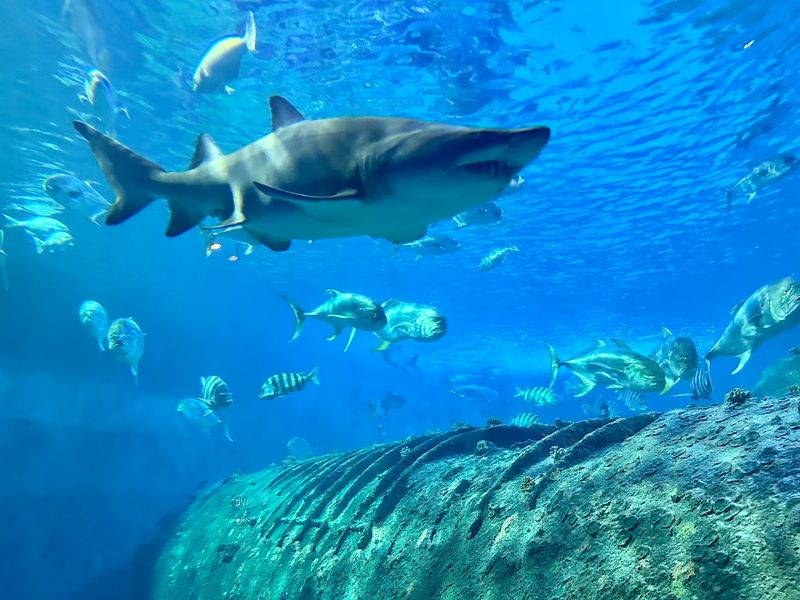
Some places whisper coastal charm, and North Carolina Aquarium at Pine Knoll Shores practically swims in it.
Tucked along Bogue Banks in Pine Knoll Shores, this aquarium feels close to the habitats it interprets, which gives every exhibit extra credibility.
You can sense the nearby ocean influence even before the first tank pulls you in.
The experience moves from mountain streams to offshore waters, showing how connected North Carolina’s ecosystems really are.
Otters add comic timing, touch pools invite careful interaction, and large habitats filled with sharks and rays deliver that classic aquarium thrill without feeling overdone.
The exhibits are thoughtfully paced, so families, couples, and solo wanderers all get room to linger.
What stands out most is how approachable the science feels.
Interpretive signs, live programs, and animal encounters teach you plenty without sounding like a textbook that learned to scold.
Because it sits near Atlantic Beach, Emerald Isle, and the wider Crystal Coast, this stop fits perfectly into a vacation itinerary, especially if you want a break from sunburn and sand while still staying immersed in coastal wildlife, local ecology, and the sort of serene underwater beauty that makes everyone suddenly speak in aquarium voice.
5. North Carolina Estuarium
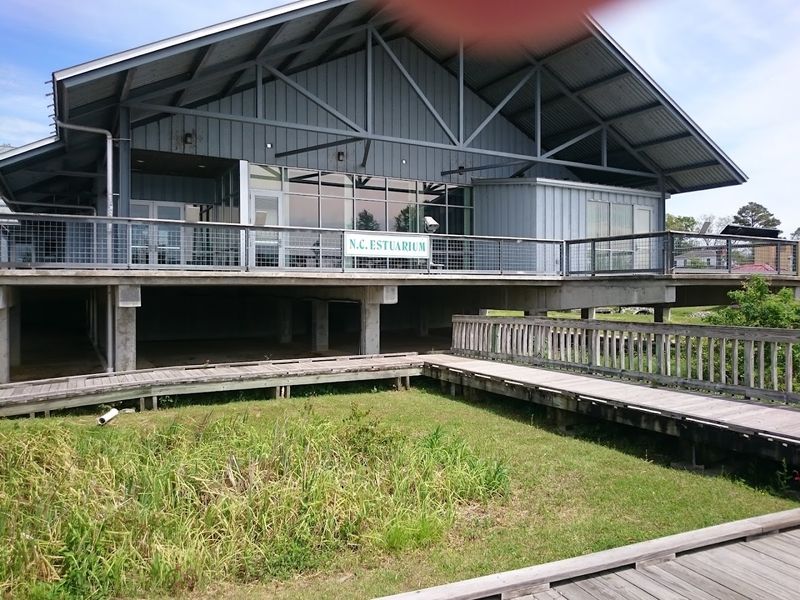
Not every memorable marine stop needs giant tanks or dramatic soundtrack energy.
The North Carolina Estuarium in Aurora offers something quieter and, honestly, more distinctive: a focused look at the state’s vast estuarine systems, where fresh and salt water mingle and life gets wonderfully complicated.
It is small, thoughtful, and full of coastal context you might miss elsewhere.
Exhibits explain the ecology of the Pamlico-Tar River region, introducing fish, crabs, shellfish, marsh habitats, and the environmental forces that shape them.
You are encouraged to connect the dots between waterways, wildlife, and everyday coastal life, which makes the experience especially rewarding for curious travelers.
There is a gentle educational charm here that feels sincere rather than flashy.
Aurora is also known for fossil hunting and access to the western Pamlico Sound region, so the Estuarium pairs well with a broader nature-focused day trip.
Because the attraction is more intimate than a major aquarium, you can move at your own pace and actually absorb what you are seeing instead of speed-running past tanks.
If your idea of a great visit includes local science, regional identity, and the chance to understand why estuaries matter so much to North Carolina’s coast, this under-the-radar stop is a quietly excellent find.
6. North Carolina Maritime Museum
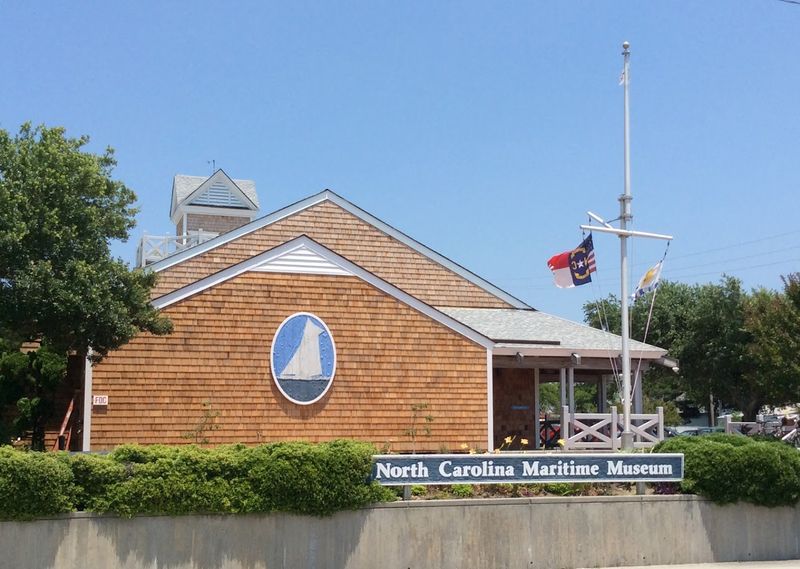
Beaufort already feels like a postcard with sea spray, and the North Carolina Maritime Museum gives that scenery real substance.
While it is not a traditional aquarium, it belongs in this conversation because coastal wildlife and maritime history are deeply intertwined along this stretch of shore.
You come for the boats and artifacts, then stay for the bigger picture of life by the water.
Exhibits often connect visitors to the ecology of the coast through fishing traditions, watercraft, the working waterfront, and the famous shipwreck history of Blackbeard’s flagship, Queen Anne’s Revenge.
The museum helps explain how people have relied on, navigated, and shaped these waters for centuries.
That human angle adds depth to any wildlife-focused trip, especially if you want more than a parade of pretty fish.
Located in downtown Beaufort near the harbor, shops, and waterfront boardwalk, it fits seamlessly into one of the prettiest coastal towns in the state.
You can pair your visit with ferry excursions, island views, or even wild horse lore nearby, which makes the day feel deliciously salty and layered.
For those who enjoy marine life best when it comes wrapped in local history, seafaring drama, and a sense of place strong enough to smell the tide, this museum is a rewarding stop.
7. North Carolina Aquarium at Fort Fisher
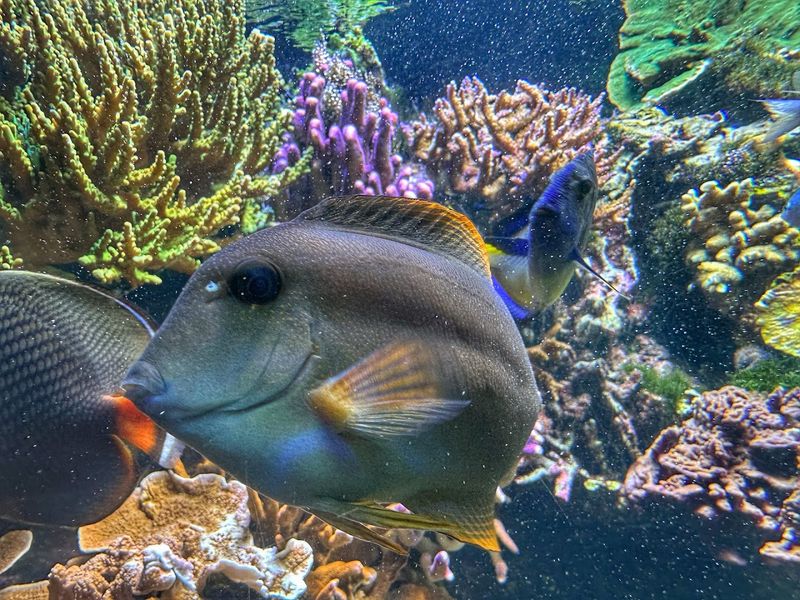
Waves may be crashing nearby, but the first real splash happens inside North Carolina Aquarium at Fort Fisher in Kure Beach.
This place blends polished exhibits with a strong sense of purpose, especially around sea turtle rescue and coastal conservation.
You are not just looking at fish here – you are stepping into the story of the Cape Fear coast.
The two-story Cape Fear Shoals habitat is the star attraction, and it earns the spotlight with sharks, rays, and schools of fish moving like a living storm cloud.
Smaller exhibits keep the pace lively, from glowing jellyfish to curious alligators and hands-on spaces that make younger visitors feel like junior marine biologists.
I also love that the layout feels easy to navigate, so you spend more time gawking and less time wandering in circles.
Set just minutes from Fort Fisher State Recreation Area and the ferry terminal, it works beautifully as part of a full beach day.
The aquarium’s education programs and rehabilitation focus give the visit real depth without becoming preachy.
If you want one stop that captures North Carolina’s wild coast with heart, science, and just enough wow factor to make your phone storage nervous, this is an excellent pick.
8. Greensboro Science Center Aquarium
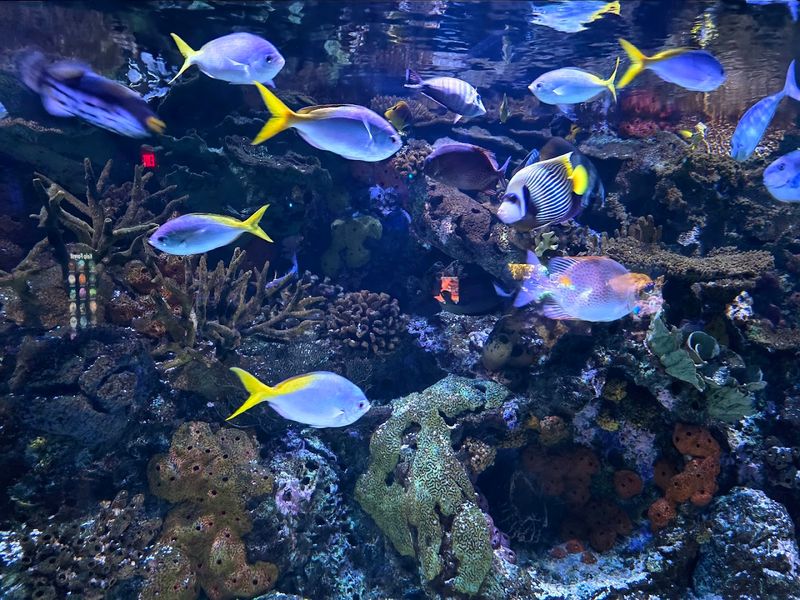
Inland Greensboro might seem an unlikely place to chase coastal vibes, yet the Greensboro Science Center Aquarium pulls it off with confidence.
Part zoo, part museum, part aquarium, this multi-attraction campus creates an energetic experience where marine exhibits feel integrated into a bigger day of discovery.
If your travel group likes variety, this place is a crowd-pleasing cheat code.
The aquarium section features sharks, reef species, and thoughtfully designed habitats that keep the visual momentum strong.
You can move from colorful tanks to other science and animal exhibits without losing the thread, which makes it especially handy for families with different attention spans and wildly different snack schedules.
The interpretation is accessible, upbeat, and designed to spark curiosity rather than overload visitors.
Because it is located in Greensboro, this stop is ideal for Piedmont residents or travelers who want marine life without committing to a coastal drive.
The broader campus adds value, giving you more to do if weather shifts or younger visitors need a change of scenery after one too many fish puns.
For an aquarium experience with flexibility, solid exhibit design, and enough educational substance to justify the outing while still feeling genuinely fun, the Greensboro Science Center is an easy recommendation that overdelivers for its inland setting.
9. North Carolina Museum of Natural Sciences

Raleigh’s flagship science museum does not pretend to be a full aquarium, but it still deserves a spot for coastal wildlife fans.
The North Carolina Museum of Natural Sciences excels at connecting ocean life to bigger environmental systems, turning marine science into something vivid, local, and surprisingly approachable.
You walk in expecting broad natural history and leave with a sharper understanding of the coast.
Exhibits related to marine ecosystems, estuaries, climate, and biodiversity help explain how North Carolina’s waters support an enormous range of species.
Live animal displays and rotating programming often reinforce those themes, giving visitors a chance to see science in motion rather than frozen behind labels.
The museum’s biggest strength is context, and context is what makes wildlife truly memorable.
Situated in downtown Raleigh, this museum is easy to combine with other city attractions, restaurants, and family-friendly stops.
It is especially useful if you want a smart indoor option that still feeds a coastal travel mood before or after a beach trip.
If your favorite kind of marine experience includes asking better questions, noticing deeper connections, and getting just enough wonder mixed with evidence, this museum delivers a thoughtful, energizing visit that complements traditional aquariums beautifully and proves that good science can absolutely have star power.
10. Discovery Place Nature Aquarium
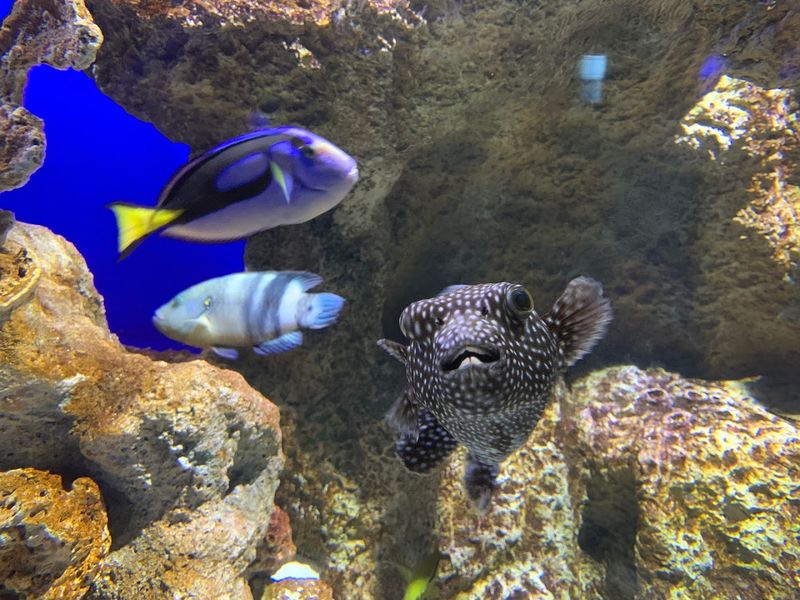
Charlotte may be far from the surf, but Discovery Place Nature proves aquatic curiosity does not require a beach pass.
This nature-focused museum and aquarium experience leans regional, family-friendly, and interactive, offering a gentler alternative to larger commercial marine attractions.
It is the sort of place where children press close to the glass and adults quietly do the same.
The aquarium exhibits highlight fish, amphibians, reptiles, and ecosystems that help explain how waterways connect across the broader Southeast.
While the focus is not exclusively coastal, the environmental storytelling gives useful context for understanding the habitats that eventually feed into North Carolina’s sounds and ocean systems.
That broader lens makes the visit feel grounded and smart.
Located in Charlotte, Discovery Place Nature is especially convenient for urban families, weekend explorers, or anyone trying to mix wildlife learning with an easy city outing.
The scale is approachable, the tone stays welcoming, and the exhibits encourage observation rather than rushing, which is a blessing when you want your day to feel curious instead of chaotic.
If you enjoy aquariums most when they invite questions, connect local nature to bigger patterns, and keep the atmosphere lively without trying too hard, this Charlotte stop offers a thoughtful, kid-friendly experience that rounds out the state’s aquatic attractions nicely.