There is something special about a place where history feels close enough to touch. At Columbia State Historic Park, dusty streets, wooden storefronts, and preserved Gold Rush-era buildings create the feeling of stepping into another century, all while surrounded by the rolling foothills of California’s Sierra Nevada.
Summer is an especially inviting time to visit. Warm sunshine settles over the historic town, stagecoaches rumble along the streets, and families wander between old shops, museums, and shaded porches at an easy pace.
The setting encourages you to slow down, look around, and imagine the lives of the people who once came here chasing opportunity and adventure.
With its authentic character and welcoming atmosphere, Columbia offers more than a history lesson—it provides a memorable day of discovery. Let’s explore the experiences and landmarks that make this remarkable historic park worth visiting.
Gold Panning Adventure
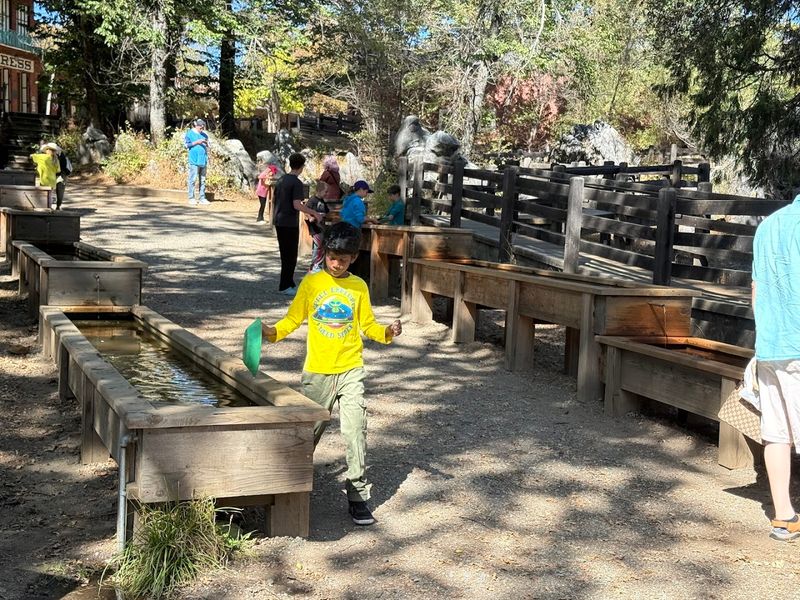
Swirling muddy water in a metal pan sounds simple until you try it yourself. Gold panning turns even calm adults into obsessed treasure hunters who refuse to quit until they find something shiny.
Kids love getting their hands dirty while learning how forty-niners searched for fortune in California’s streams.
The panning area provides all the equipment you need, plus patient instructors who show you the proper technique. You’ll learn to shake the pan in circular motions, washing away lighter sediment while heavier gold settles to the bottom.
It takes practice, but finding even tiny flakes feels like striking it rich.
Most visitors plan to spend thirty minutes but end up staying for hours. One reviewer admitted becoming a “full-time prospector” who couldn’t stop swirling dirt “like it was fine art.” The experience costs just a small fee, and you get to keep whatever gold you find.
Bring sunscreen and prepare to get wet because nobody wants to leave once they start. The thrill of spotting your first golden speck makes you understand why people traveled thousands of miles during the Gold Rush.
This hands-on activity beats reading about history in any textbook.
Authentic Stagecoach Rides
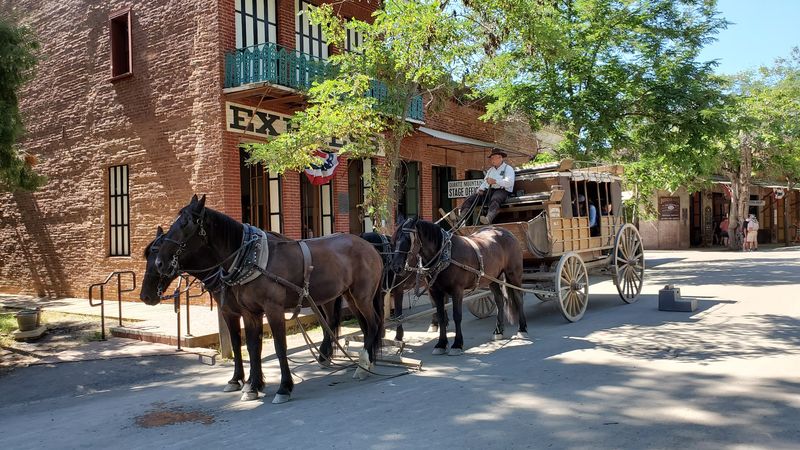
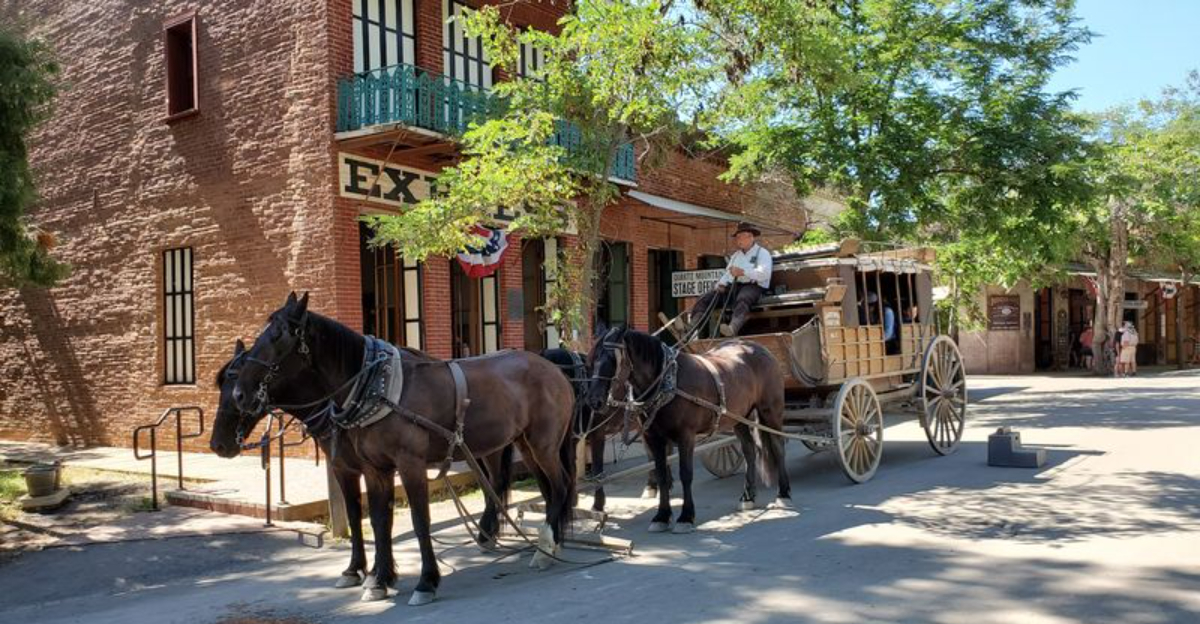
Creaking wooden wheels and jingling harnesses fill the air as powerful horses pull an actual 1800s-style stagecoach down Main Street. This isn’t some plastic replica—it’s the real deal, built the same way transportation worked during the Gold Rush era.
Two beautiful horses do all the work while passengers bounce along dusty roads just like travelers did 170 years ago.
Tickets cost around seventeen dollars per person for a ride lasting several minutes. The driver shares stories while you clip-clop past historic buildings, though some visitors wish the tour included more commentary about landmarks.
Watch out for the “bandits” who might playfully stop your coach during certain events.
Families absolutely love this experience, with grandparents bringing multiple generations to share the tradition. The horses are gentle and gorgeous, often standing patiently for photos before or after rides.
You can even pet them if the handlers give permission.
Book your spot early on busy weekends because these rides fill up quickly. The stagecoach operates during park hours when weather permits.
Sitting inside that historic coach, feeling every bump in the road, connects you to California’s frontier past in a way that photographs never could.
Perfectly Preserved Main Street
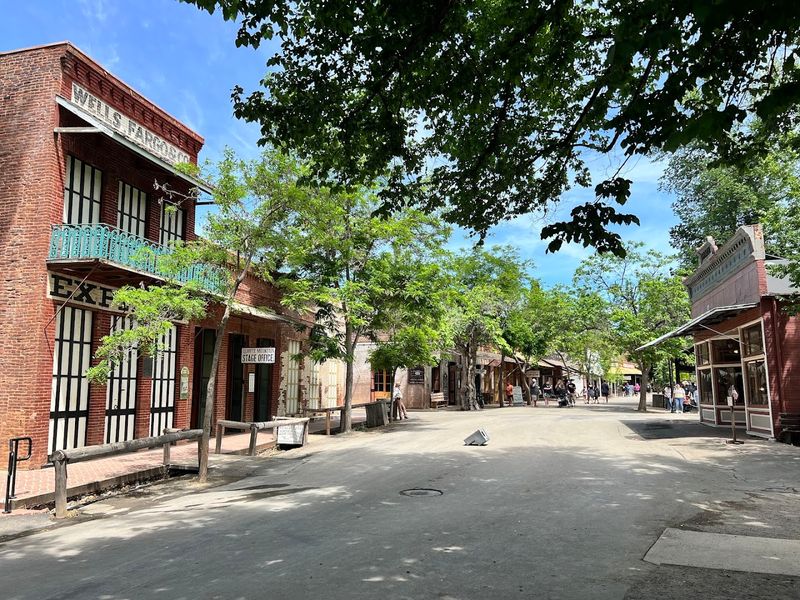
Walking onto this street feels like stepping through an invisible doorway into 1852. No modern cars clutter the view—just wooden sidewalks, hitching posts, and buildings that actually housed miners, merchants, and dreamers during the Gold Rush.
Nearly thirty original structures still stand exactly where they were built almost two centuries ago.
The entire downtown area is closed to vehicle traffic, creating a safe zone where kids can run freely. Parents appreciate not worrying about cars while children explore every corner.
The authentic architecture isn’t recreated or rebuilt; these are genuine survivor buildings that witnessed California’s wildest era.
Each structure tells its own story through weathered wood and hand-forged details. You’ll find everything from tiny shops to grand hotels, all maintained to show how a booming mining town actually looked.
Unlike theme parks that fake history, this place earned its authenticity through survival.
Plan to spend at least two hours wandering these streets, though most families stay much longer. Free walking tours help you understand what you’re seeing, or you can explore independently.
The best part? Entry to the park itself costs nothing, making this incredible historical experience accessible to everyone who visits.
Working Blacksmith Shop
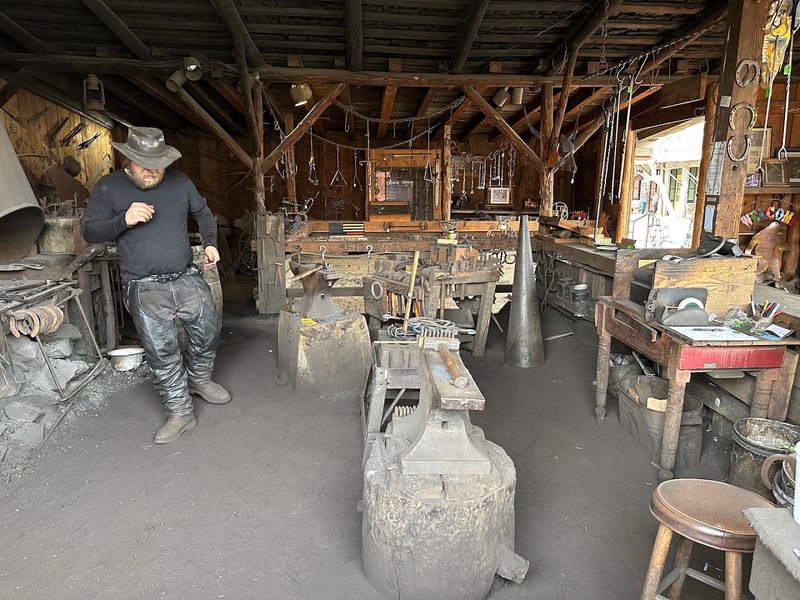
Sparks fly and metal rings against anvil as a skilled craftsperson shapes glowing iron using centuries-old techniques. The blacksmith shop operates just like it did during the Gold Rush, when miners needed everything from horseshoes to door hinges forged by hand.
Watching red-hot metal bend under hammer strikes mesmerizes visitors of all ages.
This isn’t a demonstration done once daily—it’s a functioning workshop where actual items get created and sold. You can purchase handmade horseshoes, mini swords, or other iron goods crafted right before your eyes.
Kids particularly love seeing something useful emerge from formless metal through heat and muscle.
The blacksmith answers questions while working, explaining how frontier towns depended on this essential trade. Without someone who could work iron, a settlement couldn’t survive.
Every tool, every nail, every piece of hardware required this kind of skilled labor.
The shop stays delightfully cool even on hot days thanks to thick walls and strategic ventilation. Visitors can stand close enough to feel the forge’s heat without being uncomfortable.
One family bought a horseshoe as a souvenir, something actually made during their visit rather than mass-produced elsewhere. That personal connection makes the purchase meaningful beyond typical tourist trinkets.
Old-Fashioned Candy Kitchen
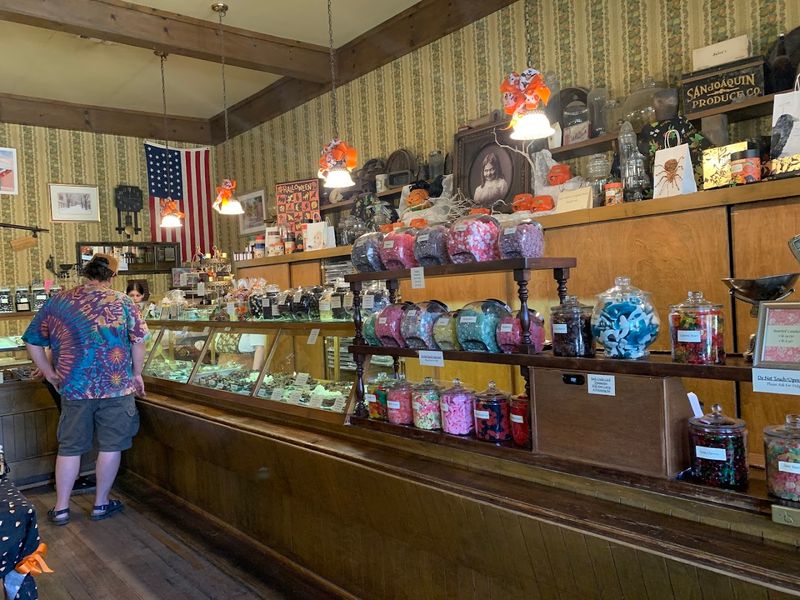
Sweet aromas hit you the moment you walk through the door—peppermint, chocolate, butterscotch, and a dozen other sugary scents mixing together. Glass jars line wooden shelves from floor to ceiling, each filled with candies that miners might have bought as special treats.
This isn’t regular store candy; it’s old-fashioned confections made using traditional recipes and methods.
Children press their noses against display cases, trying to choose between licorice whips, rock candy, saltwater taffy, and countless other options. Parents often find themselves just as excited, remembering candies from their own childhoods.
The store recreates the experience of visiting a mercantile when sweets were precious luxuries rather than everyday snacks.
Everything inside maintains the 1850s atmosphere, from the vintage cash register to the period-appropriate jars and scoops. Staff members dress in historical clothing, completing the time-travel illusion.
You can buy single pieces or fill entire bags with your selections.
Multiple reviews specifically mention this shop as a must-visit destination within the park. One visitor claimed to stop here “all the time” during repeated visits.
The candy makes perfect souvenirs because it’s consumable, affordable, and genuinely connected to the location’s history rather than generic gift shop merchandise.
Historic Wells Fargo Express Office
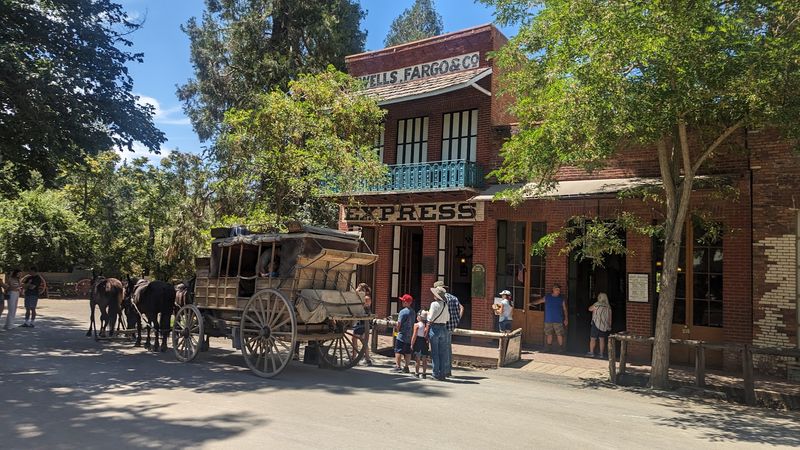
Before banks looked like modern glass towers, they were simple wooden buildings where nervous miners brought hard-won gold for safekeeping. The Wells Fargo Express Office stands as a reminder of when this company served as lifeline for frontier communities.
Miners trusted Wells Fargo to transport their gold, deliver mail, and provide financial services in lawless territory.
The building itself represents authentic frontier architecture—practical, sturdy, and built quickly to serve a booming population. Original features remain intact, showing how business operated when California was still wild and barely governed.
Walking inside feels like interrupting a transaction from 1855.
Wells Fargo became legendary for reliable service even in dangerous conditions. Their green strongboxes and armed guards became symbols of security during uncertain times.
This office processed fortunes in gold dust and nuggets, transforming raw findings into transferable wealth.
Informational displays explain the company’s crucial role in Gold Rush economy and society. You’ll learn how stagecoaches carried not just passengers but also valuable cargo under constant threat of bandits.
The stories of Wells Fargo shotgun messengers protecting shipments sound like movie plots but actually happened on these very roads. This building witnessed California’s transformation from sleepy territory to economic powerhouse, all because people kept digging for gold and needed someone trustworthy to handle it.
Gold Rush Museum and Artifacts
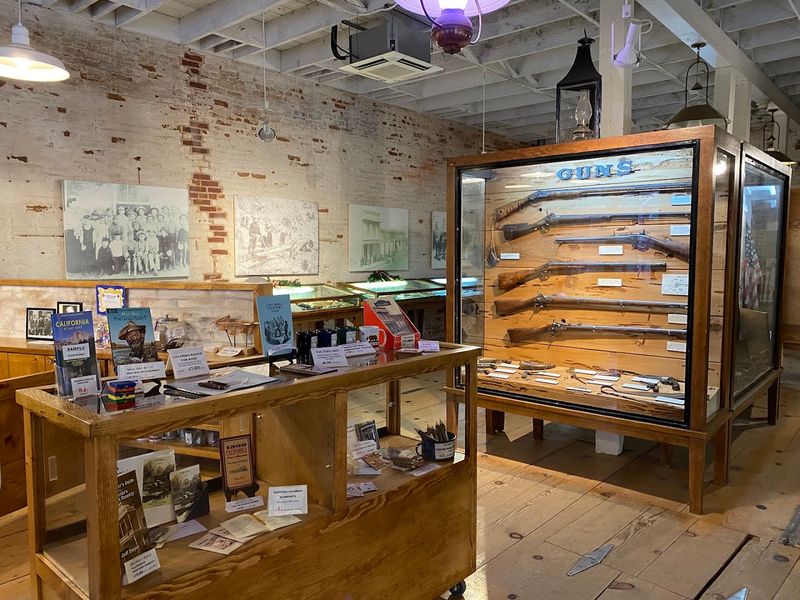
Yellowed photographs stare back at you—actual faces of people who lived through the Gold Rush, not actors or models. The museum houses authentic artifacts that miners, merchants, and families used daily during the 1850s.
Every object tells a story about survival, ambition, and life in a town that exploded from nothing into one of California’s richest communities.
Mining tools show the backbreaking work required to extract gold from stubborn earth. You’ll see picks, shovels, pans, and more sophisticated equipment that evolved as techniques improved.
Personal items reveal the human side of the Gold Rush—clothing, dishes, letters, and belongings that crossed the continent in wagons.
The information center provides helpful context, answering questions about what life was really like. Docents offer expert knowledge about specific items and time periods.
Some visitors wish more history was shared, wanting deeper dives into particular topics that fascinate them.
Entry to the museum costs nothing, making it an incredible value for families on budgets. Spend as much or as little time as you want examining displays.
The museum works perfectly as an introduction before exploring the town, giving you context that makes the historic buildings more meaningful. Understanding what you’re seeing transforms a pleasant walk into a genuine connection with California’s most colorful era.
Period-Authentic Saloons and Eateries
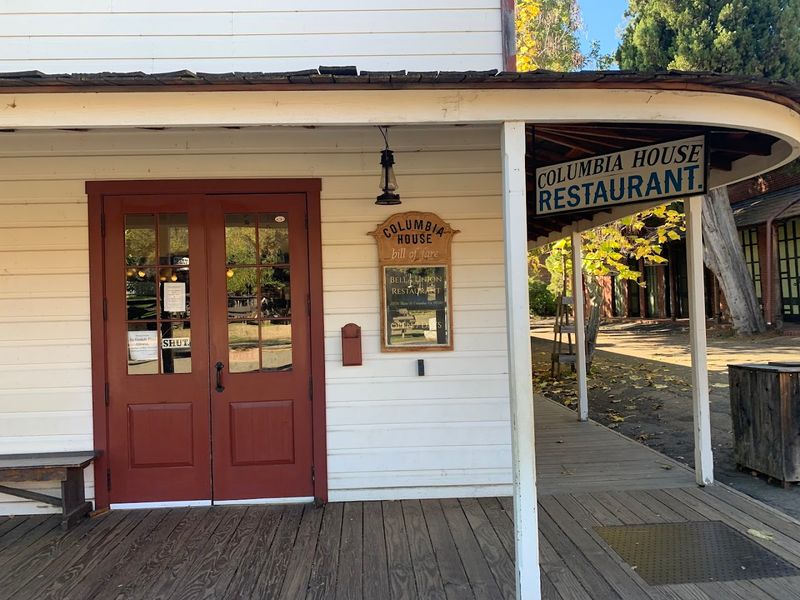
Pushing through swinging doors into a genuine Gold Rush saloon feels wonderfully surreal, especially when you can order pizza alongside your beer. The What Cheer Saloon and other eateries blend historical authenticity with modern appetites, serving food inside buildings that actually hosted rowdy miners celebrating their strikes.
Original bars, fixtures, and architectural details remain while menus adapt to what today’s visitors want.
Pizza gets rave reviews, particularly the personal-sized pies perfect for hungry explorers. You’ll also find pulled pork belly nachos, hamburgers, French onion dip sandwiches, and other creative options.
One reviewer called the food “amazing” and declared it “a must try.”
The atmosphere makes meals memorable beyond just taste. Sitting at tables where fortunes were won and lost in card games adds flavor no restaurant chain can replicate.
Wooden floors creak underfoot, and rustic decor surrounds you completely.
A tea parlor offers gentler refreshments for those wanting something besides saloon fare. Fresh-baked bread from the mercantile comes highly recommended, especially sourdough with local wildflower honey.
Hot apple cider tastes perfect while wandering the streets. The candy store sells Irish buttery shortbread that pairs beautifully with coffee.
Between all these options, nobody goes hungry at Columbia, and every bite happens surrounded by authentic history rather than manufactured theme park nonsense.
Costumed Historical Interpreters
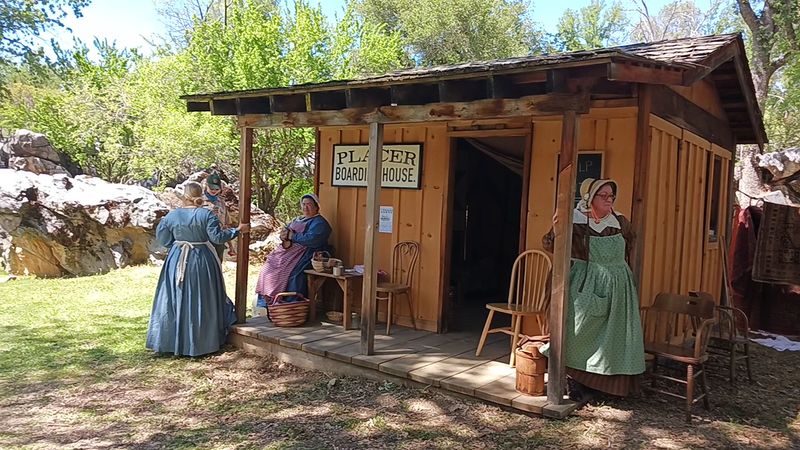
People dressed in bonnets, vests, and period-accurate clothing aren’t just wandering around for decoration—they’re knowledgeable guides who bring history to life through stories and demonstrations. These docents work in shops, give tours, and answer questions while staying in character.
Their dedication transforms the park from a static exhibit into a living museum where the past breathes.
Free guided tours happen regularly, led by interpreters who genuinely love sharing Gold Rush history. They explain daily life details that plaques can’t convey—how people cooked, what they wore, why certain customs existed.
Their enthusiasm proves contagious, making even reluctant learners curious about frontier experiences.
Gold Rush Days on the second Saturday of each month brings extra programming with militia demonstrations, flag ceremonies, and period activities. The volunteers who participate are “just amazing, nice and super helpful” according to multiple reviews.
They stay after presentations to answer questions, creating personal connections between visitors and history.
This isn’t scripted entertainment like theme parks offer—it’s educational programming done by people who actually study this era. You can have real conversations about historical topics instead of just watching performances.
Children particularly benefit from seeing history as something real people experienced rather than abstract dates in textbooks. The interpreters’ commitment to authenticity and education makes Columbia stand out from other tourist attractions claiming historical significance.