When cold winds from the Great Lakes bring long winters and dark evenings, food becomes more than a meal. It becomes a source of warmth and comfort during the coldest months of the year.
In Michigan, that role is often filled by generous plates of pasta, where rich cheeses, creamy sauces, and slow-cooked meats create the kind of hearty dishes that suit the season.
Local Italian-American dining traditions and neighborhood restaurants continue to value fresh pasta and time-intensive preparation methods over convenience, producing meals with the texture, flavor, and substance that colder weather seems to demand.
These dishes illustrate how culinary traditions and regional culture often intersect, particularly in places where comfort food has long been part of everyday life.
The following guide highlights 12 exceptional pasta dishes in Michigan that are especially well suited to cold nights and strong cravings for something warm and satisfying.
Consider it a collection of destinations and recipes that continue to provide comfort throughout the state’s harshest winter months.
Lobster Ravioli – Andiamo Italia, Warren
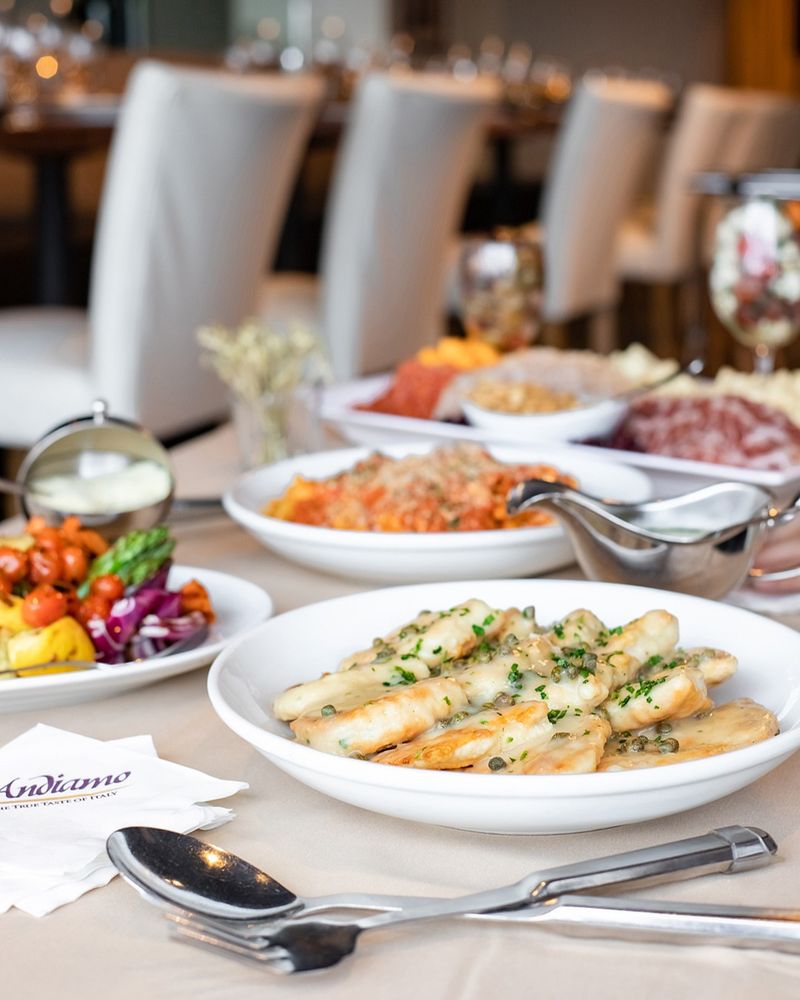
Stuffed pasta has always made more sense when the weather turns sharp, because a filled shape carries warmth in every layer.
Here, tender parcels reflect the old Italian habit of turning dough into a vessel for richer ingredients that feel substantial at dinner.
Seafood adds a softer, sweeter note than beef or pork, which matters when cream or butter enters the sauce.
Homemade ravioli also changes the eating experience.
Fresh sheets stay delicate, yet they still provide enough structure to hold a luxurious filling without turning gummy.
That balance is important in winter, since heavier sauces can flatten a dish if the pasta lacks elasticity and bite.
Italian-American kitchens have long embraced this style of abundance.
A richer sauce, often built from cream, stock, aromatics, and finishing cheese, wraps the pasta with steady warmth rather than sharp acidity.
On a cold Michigan night, that combination works because it feels celebratory, but still deeply familiar, like a special-occasion format applied to comfort food you already understand and crave.
Pappardelle Bolognese – Cantoro Italian Market & Trattoria, Plymouth
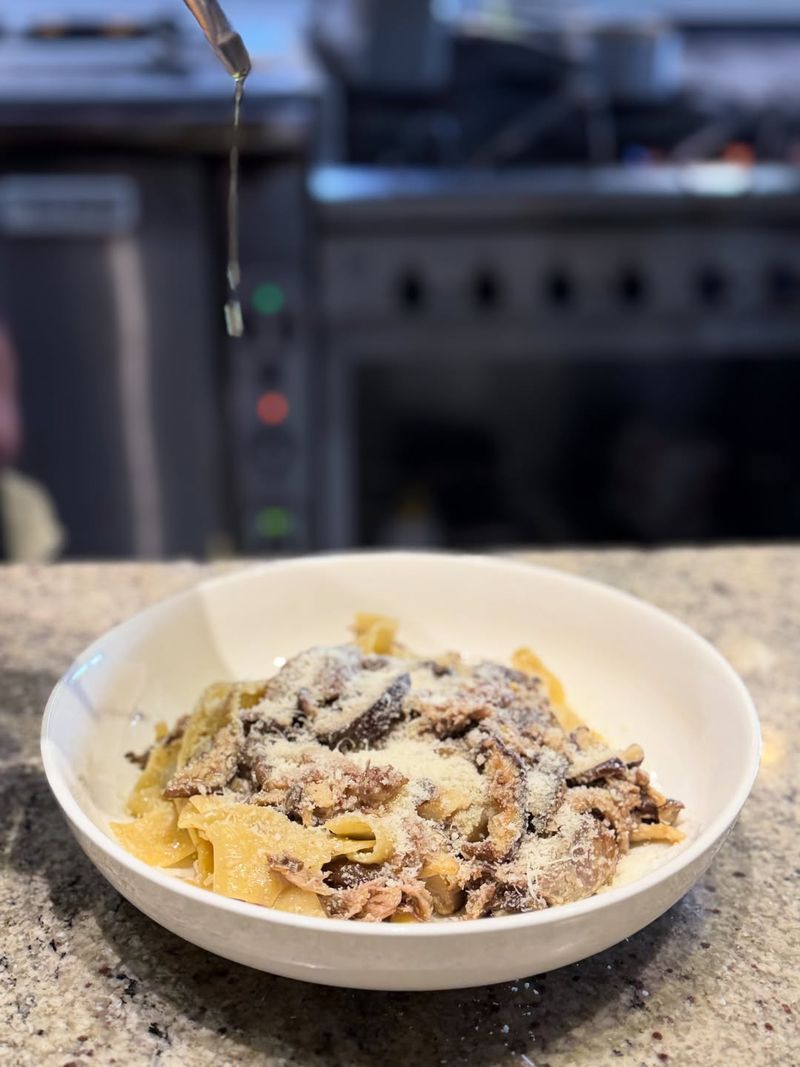
Wide ribbon pasta exists for a reason, and cold-weather meals explain it beautifully.
Broad strands catch slow-cooked meat sauce across their surface, giving each forkful more body than thinner noodles usually can.
That extra width also helps a long-simmered ragù feel integrated instead of merely spooned on top.
Traditional bolognese is less about tomato than patience.
Classic methods rely on soffritto, ground meat, fat, wine, milk, and restrained tomato, then hours of gentle heat until the sauce becomes cohesive and deep rather than bright and sharp.
Flavor develops slowly because water evaporates, collagen softens, and the ingredients stop tasting separate.
Quality matters at every stage. Good flour gives the pasta resilience, while careful cooking keeps the ribbons supple enough to absorb sauce without falling apart.
During a Michigan winter, that relationship between noodle and ragù feels especially satisfying, because the dish rewards time, steadiness, and technique.
You taste the value of restraint in every bite, which is why this style has remained such an enduring standard.
Veal Tortellini alla Panna – Cafe Cortina, Farmington Hills
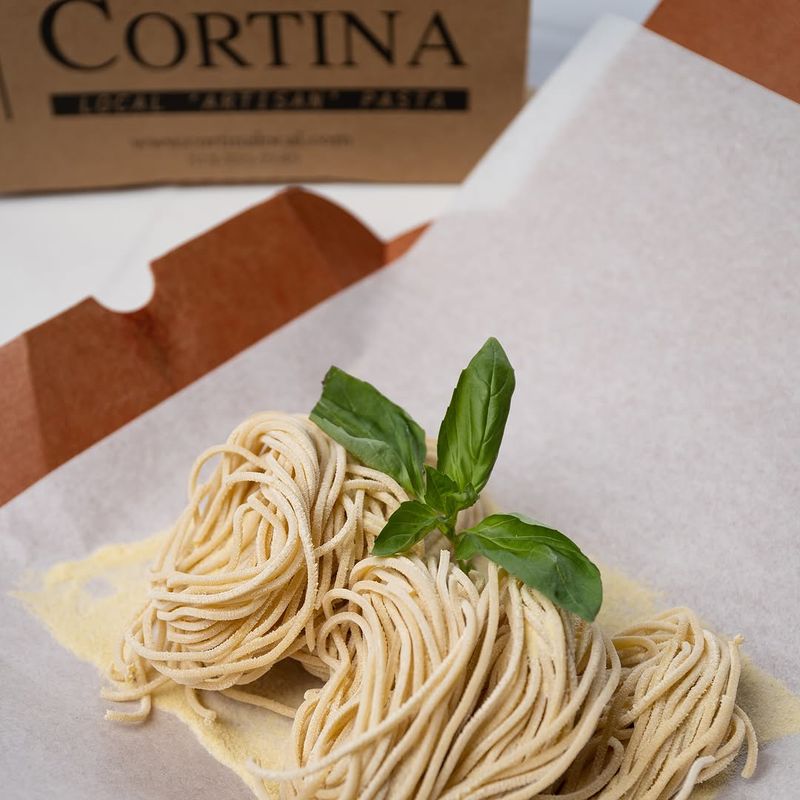
Few pasta forms feel more tailored to winter than tortellini.
Their folded shape traps filling, heat, and sauce in a compact bite, making the dish feel composed rather than loose.
Veal brings a gentle richness that suits cream especially well, because its flavor is subtle enough to stay balanced under dairy.
Northern Italian influence shows clearly in this approach.
Butter, cream, filled pasta, and careful finishing often matter more than aggressive tomato, creating a softer and more luxurious profile.
Skill becomes visible in the details, from thin dough that still holds its seal to a sauce reduced enough to coat without becoming heavy.
That precision matters because stuffed pasta can go wrong quickly.
If the dough is thick, the filling disappears; if the cream is loose, the plate turns slack and bland.
On a cold evening, though, when everything is executed properly, the result is deeply comforting in a very specific way.
You get warmth, richness, and craft at once, which explains why this Northern style continues to feel so persuasive during the hardest months.
Rigatoni Bolognese – Bigalora Wood Furred Cucina
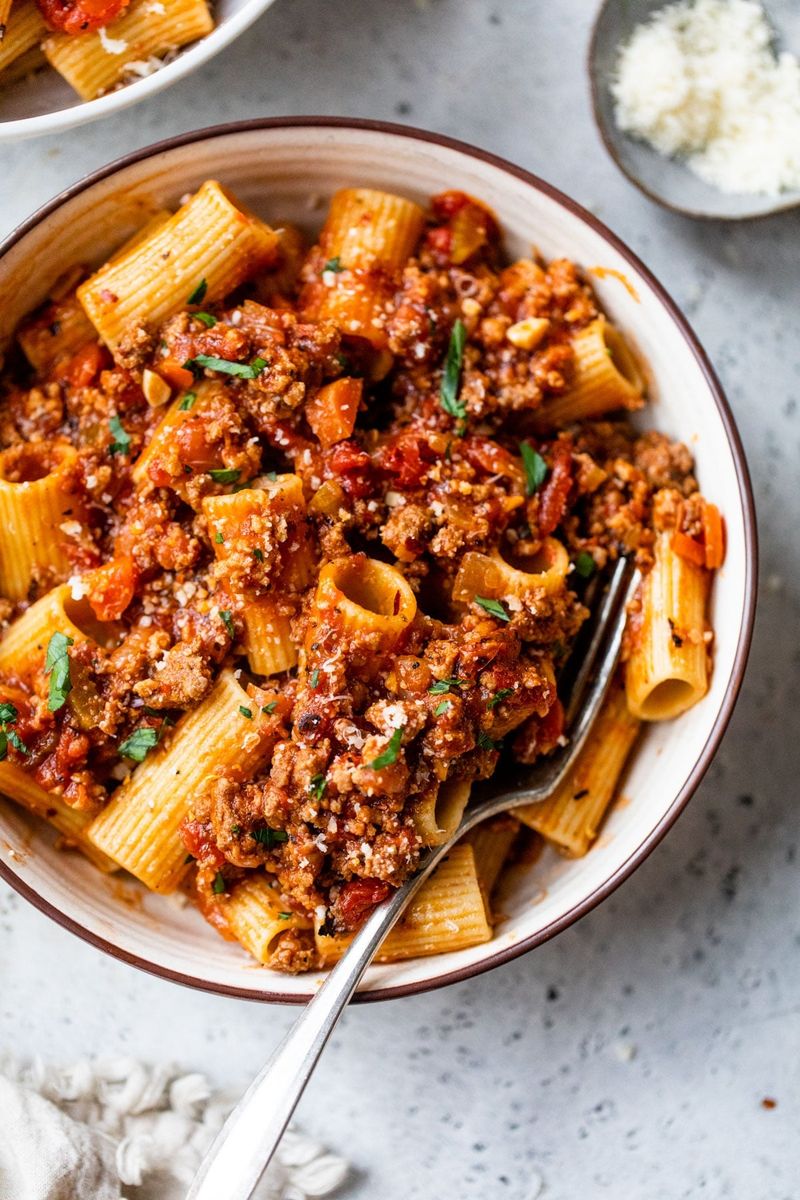
Rigatoni works because shape is never a trivial decision in pasta.
Those ridges and hollow centers capture meat ragout in a way that creates texture with every bite, rather than delivering a smooth, uniform mouthfeel.
On cold nights, that sturdier structure feels grounding and practical, which is exactly what comfort food should do.
Meat sauce in this style depends on layering.
Aromatics build the base, browning adds savory depth, and slow simmering lets fat, stock, and tomato settle into something rounder and more cohesive.
Unlike delicate sauces that highlight freshness, ragout is about endurance, patience, and the value of cooking beyond the point of simple doneness.
Family-style Italian dining traditions also help explain the dish’s staying power.
Tubular pasta is easy to portion, easy to serve, and substantial enough to satisfy a table looking for warmth rather than ceremony.
Because the noodle keeps its bite under a robust sauce, texture remains distinct from first forkful to last. That durability gives the meal an honest appeal, especially in a season when softer foods can start to feel monotonous.
Pappardelle with Braised Short Rib Ragout – Bacco Ristorante, Southfield
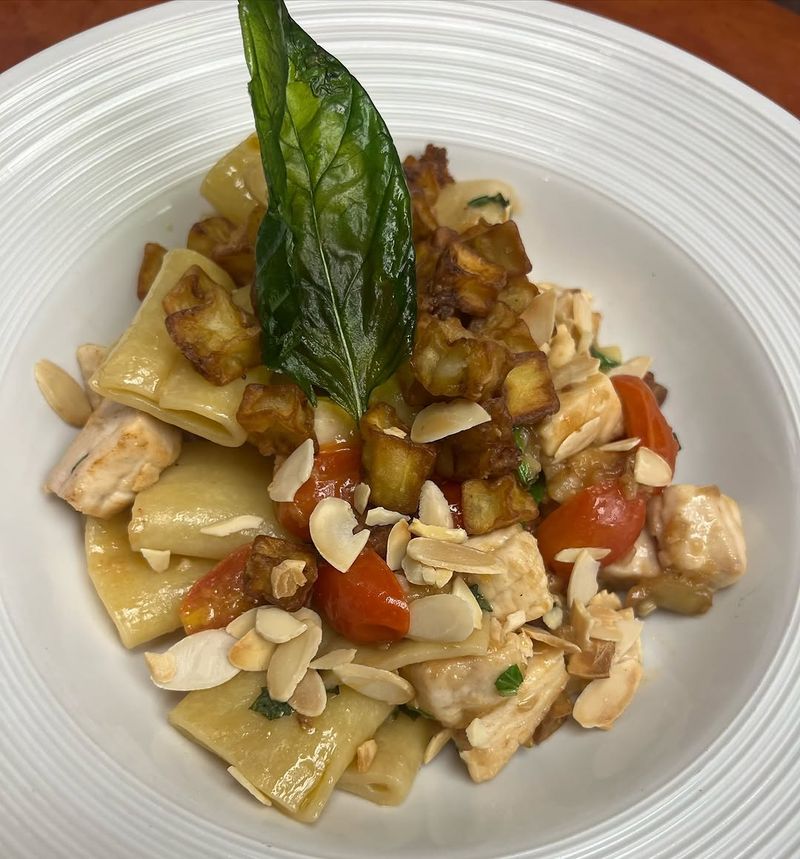
Braising is one of the most convincing cold-weather techniques because it transforms tough cuts into something spoon-tender and deeply flavored.
Short rib responds especially well, releasing collagen and fat slowly until the sauce gains body without relying entirely on cream.
That kind of richness feels earned rather than added, which makes the dish more compelling.
Handmade pappardelle plays a practical role here.
Broad noodles stand up to shredded meat and dense ragout, while their porous surface helps the sauce cling instead of sliding away.
Fresh pasta also cooks with a supple texture that keeps the meal from becoming too heavy, even when the flavors are intense.
Long-cooked dishes have anchored Italian cuisine for generations because they make thrift, patience, and flavor work together.
A braise starts with discipline, not drama: searing, aromatics, wine, stock, then time. By the end, every element tastes integrated.
During a Michigan winter, that slow development matters because it mirrors what diners often want from dinner itself: steadiness, warmth, and the sense that care has been built into the meal long before it reached the table.
Gnocchi alla Sorrentina – La Dolce Vita, Detroit
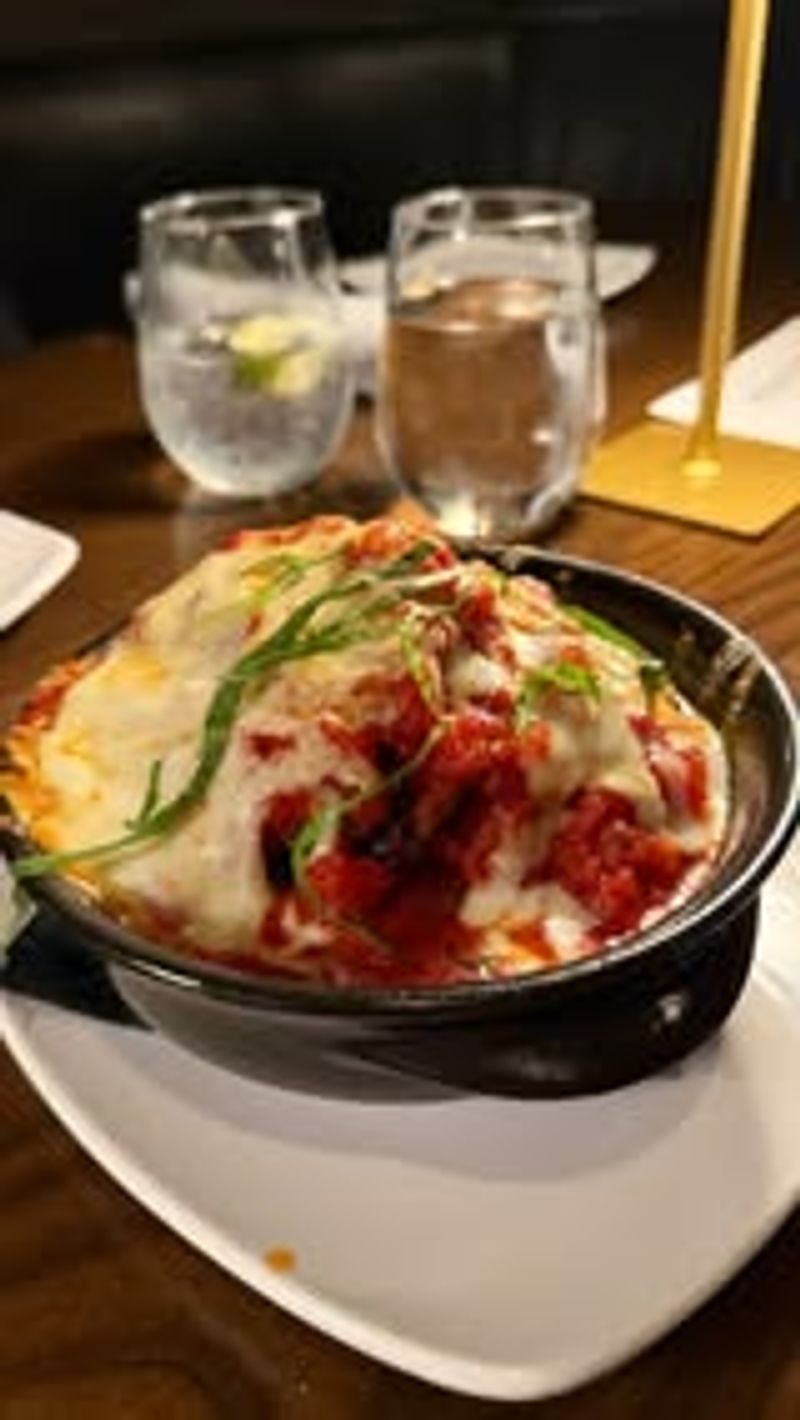
Potato gnocchi delivers comfort differently than flour pasta.
Instead of chew and stretch, you get softness, a gentle interior, and a shape that welcomes sauce without much resistance.
In colder months, that tenderness can feel especially soothing, almost like the savory equivalent of a warm blanket.
The Sorrento style keeps the ingredients straightforward: tomato, mozzarella, basil, and often a final bake that merges everything into a cohesive whole.
Southern Italian cooking often depends on that kind of clarity, where a few essentials do the work and technique protects their flavor.
Melted cheese adds fullness, while tomato keeps the dish from becoming dull or overly rich.
Baked pasta traditions matter because they create layers of texture.
The top takes on browned edges, the center stays soft, and the sauce settles into every pocket.
Simplicity is the point, not a limitation.
When simple ingredients are treated seriously, they become memorable because each one remains recognizable.
On a cold Michigan evening, that balance of acidity, dairy, starch, and heat explains why this dish feels restorative without needing excessive complexity or decoration.
Homemade Tagliatelle Bolognese – Palio, Ann Arbor
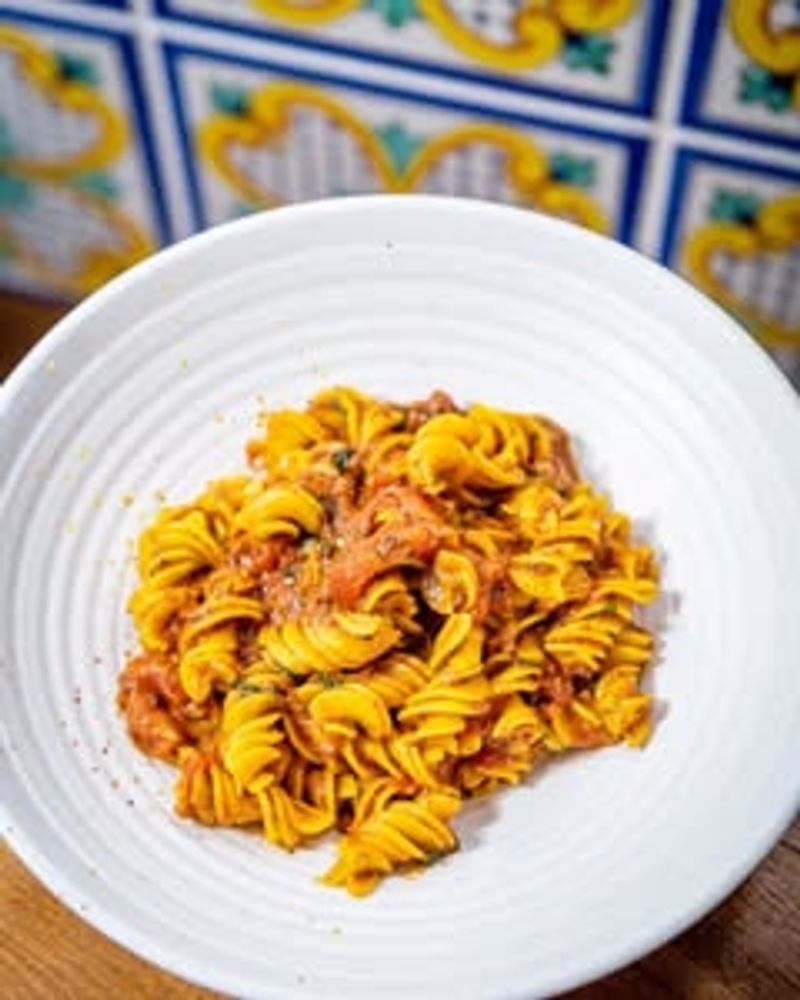
Fresh tagliatelle changes a meat sauce because the noodle itself participates in the final flavor.
Egg-rich dough has a tender texture and a lightly porous surface, so it absorbs fat and moisture more effectively than many dried shapes.
That means the sauce does not simply coat the pasta, it binds with it.
Traditional preparation methods matter here.
When dough is mixed carefully, rested, rolled thin, and cut evenly, the strands cook consistently and keep a clean bite.
Regional Italian influences, especially from Emilia-Romagna, support this pairing because bolognese was designed for flat egg pasta rather than spaghetti or other less suitable forms.
Absorption is not just a technical detail.
It determines whether each bite tastes integrated or divided between noodle and topping.
Fresh ribbons pull in the savory depth of slow-cooked meat, dairy, wine, and aromatics, giving the dish a more unified character.
In winter, that unity feels especially satisfying because it creates a dense, warming impression without requiring excess heaviness.
You taste the handwork in the structure of the meal, not only in the story surrounding it.
Fettuccine Alfredo – Moro’s Dining, Allen Park
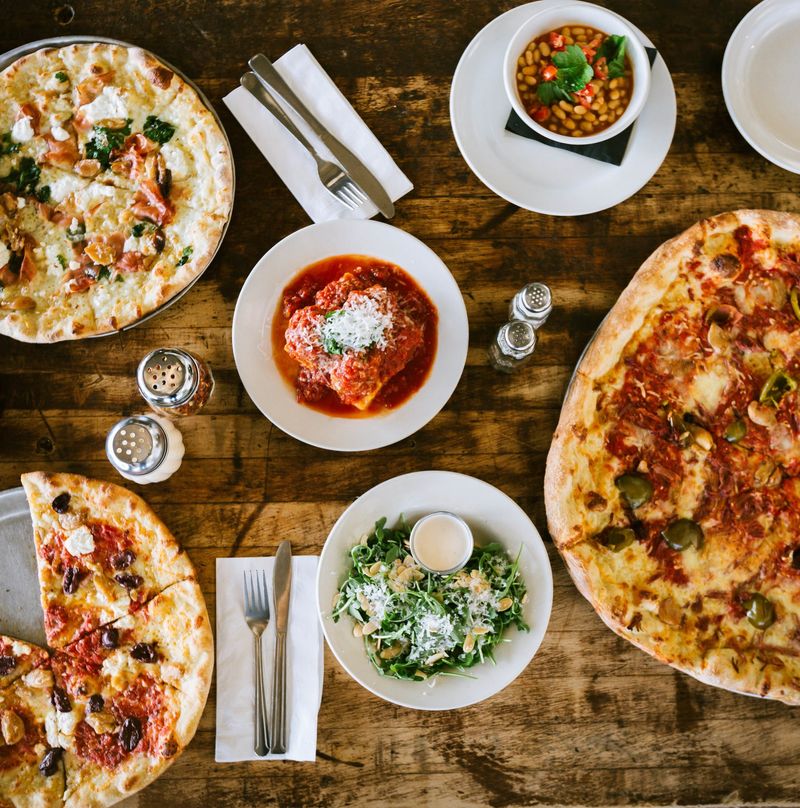
Classic Italian-American dining rooms helped turn Alfredo into a permanent comfort-food language.
The dish is familiar, but its staying power comes from texture more than novelty.
Fettuccine offers enough width to carry a creamy coating evenly, creating a smooth and consistent bite that feels reassuring in cold weather.
Restaurant history matters with dishes like this because repetition builds trust.
Over decades, certain dining rooms became places where families expected generous portions, attentive service, and sauces made to satisfy rather than challenge.
Alfredo fits that culture perfectly, since it rewards control, timing, and emulsification instead of elaborate garnish or intense acidity.
Butter, cream, and cheese can seem simple, yet the sauce needs care.
If heat is too high, it separates; if reduced too far, it turns pasty.
When properly handled, it clings to the ribbons with a glossy finish and mellow richness that explains why the dish endures across generations.
On Michigan’s colder nights, its appeal is easy to understand. You are not chasing complexity here.
You are leaning into a style of restaurant comfort built on consistency, familiarity, and warmth.
Cavatelli with Sausage and Broccoli Rabe – Ottava Via, Detroit
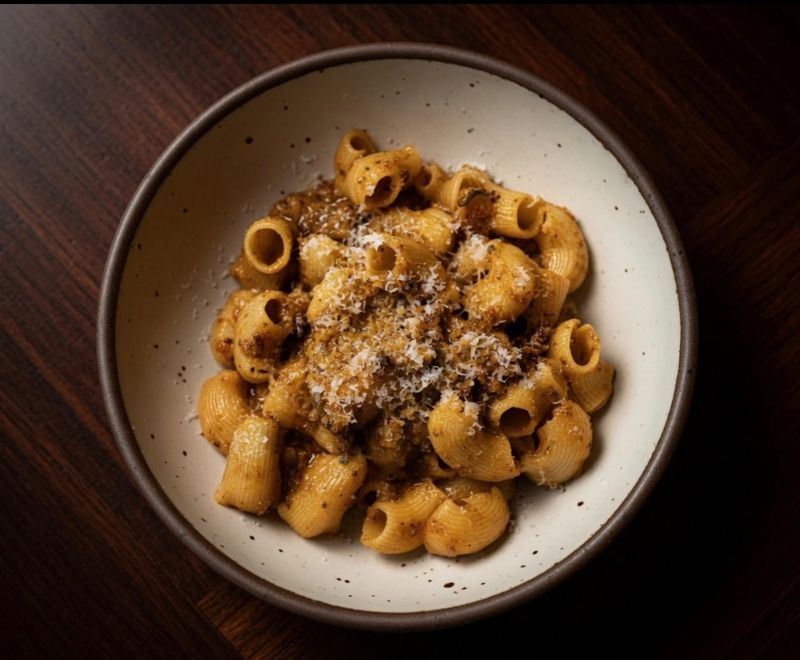
Southern Italian cooking often relies on contrast, and this pairing shows why that approach lasts.
Cavatelli brings chew and grip, sausage adds fat and spice, and broccoli rabe contributes bitterness that keeps the dish from feeling one-dimensional.
On a cold evening, those opposing flavors create energy rather than simple heaviness.
Handmade pasta matters because the small shell-like shape catches oil, crumbled meat, and chopped greens in its curves.
Texture becomes the central pleasure.
Each bite offers resistance from the noodle, tenderness from the sausage, and leafy bite from the vegetable, which is important in winter meals that can otherwise feel too soft.
Regional traditions from the Italian South often grew from necessity and seasonality.
Bitter greens, semolina-based pastas, olive oil, garlic, and preserved heat made humble ingredients taste complete without expensive additions.
Balance is the lesson here.
Fat needs bitterness, starch needs spice, and savory depth needs freshness from greens.
That logic is why the dish remains so compelling. It satisfies craving while still feeling structured and purposeful, giving you comfort without collapsing into excess.
Spaghetti and Meatballs – Pop’s For Italian, Ferndale
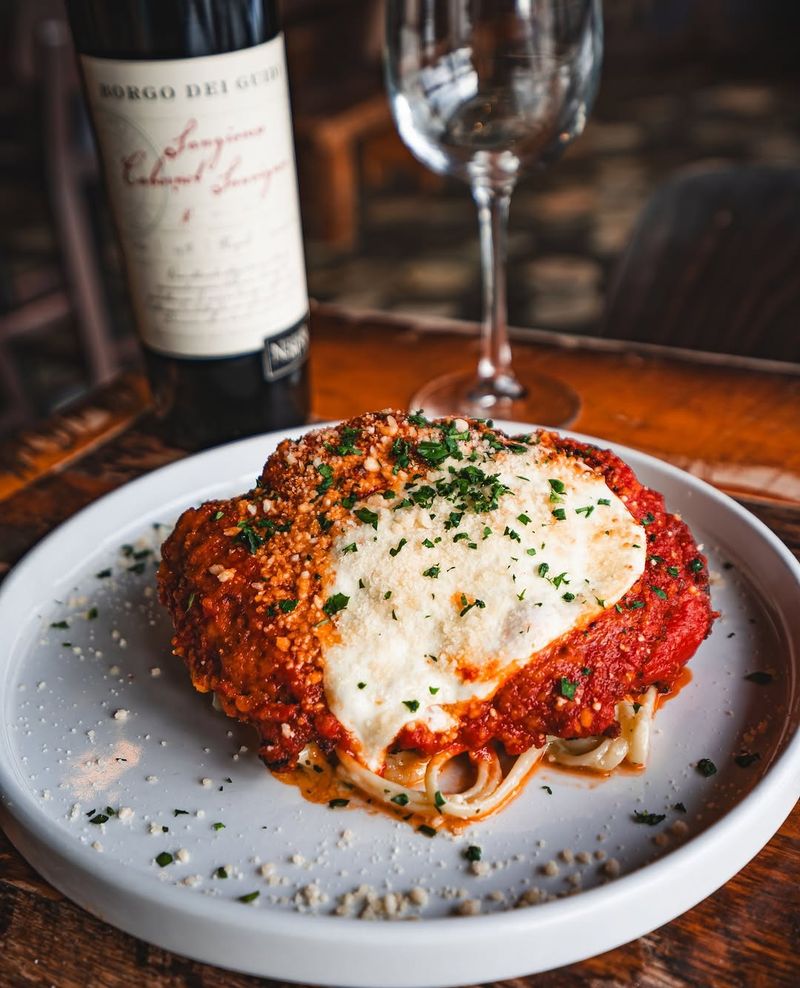
Few dishes say Italian-American comfort more clearly than spaghetti and meatballs.
Its importance is cultural as much as culinary, because it represents the red-sauce restaurant tradition that shaped family dining across the Midwest.
In Michigan, that matters during winter, when familiar food often carries more emotional weight than novelty.
Homemade meatballs are central to the experience.
A good version depends on tenderness from breadcrumbs, moisture from milk or eggs, seasoning that reaches beyond salt, and careful cooking that keeps the interior soft.
Tomato sauce then serves more than one purpose: it coats the pasta, glazes the meat, and ties the whole plate into a single warming dish.
Spaghetti itself is not the most absorbent noodle, yet that is part of the appeal.
The strands stay distinct, creating contrast against the softness of the meatballs and the smooth acidity of red sauce.
Family dining traditions also reinforce its staying power, since the dish is easy to share, easy to understand, and deeply linked to gathering around a table.
On cold nights, that straightforward comfort still resonates.
Seafood Linguine – Biga Pizza & Pasta, Traverse City
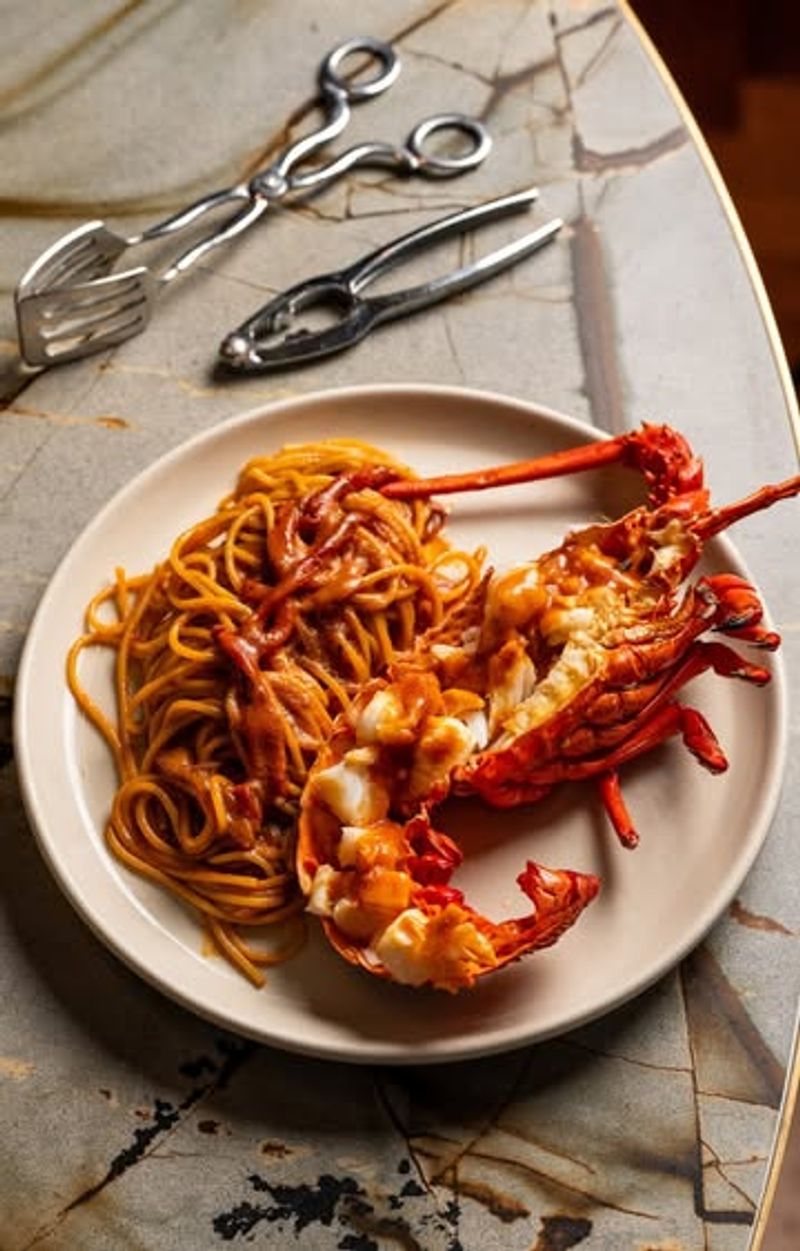
Seafood linguine brings a coastal idea into a state better known for cold lakes than ocean harbors, yet the connection is not as distant as it seems.
Traverse City’s food culture has long paid attention to water, seasonality, and regional sourcing.
That makes a seafood pasta feel grounded in place, even when its roots are unmistakably Italian.
Linguine is well suited to this style because it is flatter than spaghetti and holds sauces with more control. Whether the base leans toward olive oil, garlic, wine, and shellfish liquor or includes a lighter tomato component, the noodle keeps the dish cohesive without overwhelming delicate ingredients.
Proper seafood cookery matters especially here, since overcooking erases sweetness and changes texture fast.
Coastal Italian traditions often depend on restraint.
The goal is to highlight salinity, freshness, and the natural character of fish or shellfish, not bury them under heavy sauce.
In winter, that lighter structure can still satisfy because pasta provides warmth while the seafood keeps the plate lively.
You get comfort with brightness, which is a valuable alternative to meat-heavy cold-weather meals.
Penne – Toscanini, Grosse Pointe Woods
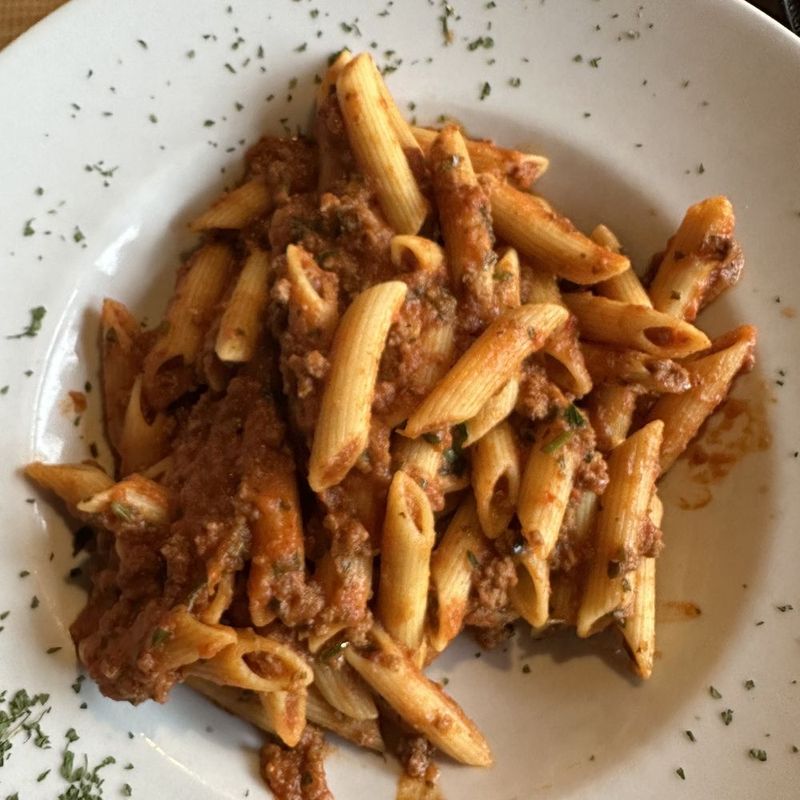
Penne succeeds because it sits between tomato sauce and cream sauce without fully becoming either one.
That middle ground gives it broad appeal, especially in cold weather, when diners often want richness but still need enough acidity to keep the meal lively.
The result is familiar, yet more nuanced than its popularity sometimes suggests.
Penne is a practical choice, not an incidental one.
The tube shape traps sauce inside, while exterior ridges help the creamy tomato mixture cling to the surface.
Restaurant traditions helped make this dish a staple across generations of Italian-American dining.
It is approachable, dependable, and easy to understand, yet it still rewards careful technique.
If the sauce is reduced properly, it tastes silky rather than soupy; if the pasta is cooked correctly, the texture keeps the richness in check.
On Michigan winter nights, that balance of comfort, tang, and structure explains why the dish remains firmly in circulation.