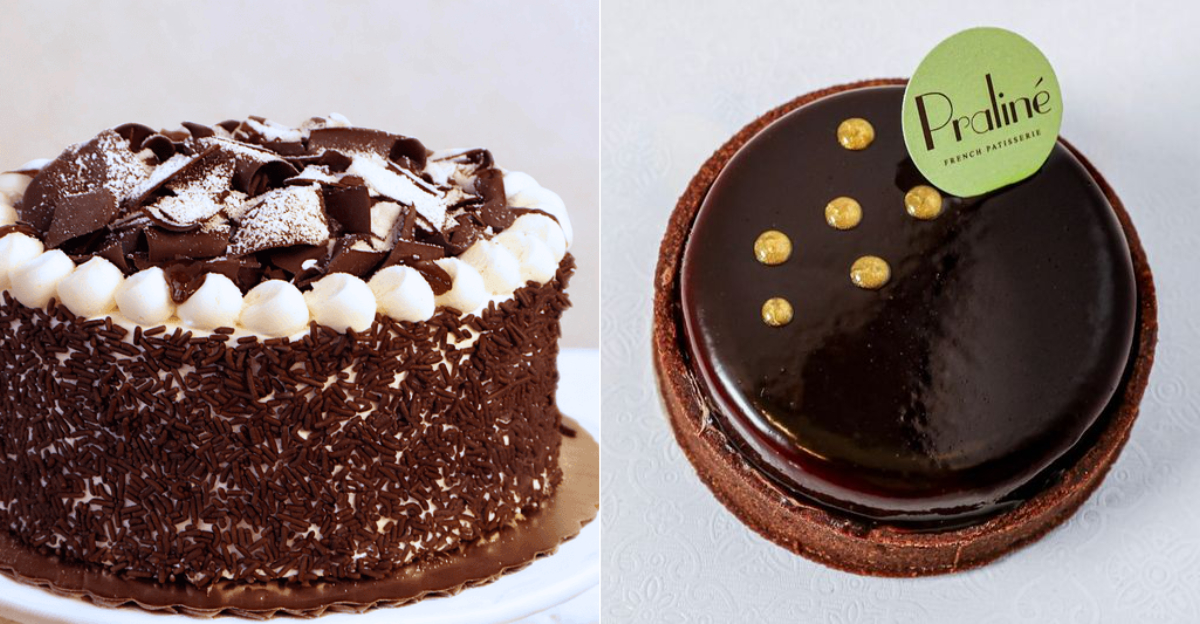
There is no longer any need to cross the Atlantic in search of a truly exceptional European-style dessert.
Massachusetts has become home to artisan bakeries that bring French techniques and Central European baking traditions to local communities without compromise.
Their chocolate cakes serve as a test of pastry mastery, where cocoa intensity and moist texture come together in careful balance.
Chocolate, however, is only part of the story.
These well-regarded destinations also offer distinctive pastries, custom desserts, and expertly crafted breads that reflect a broader commitment to baking excellence.
This guide explores 13 locations across Massachusetts whose chocolate cakes rival those found in some of Europe’s finest pastry shops while offering much more beyond a single dessert.
Discover the places that can transform an ordinary afternoon into a memorable culinary experience.
Chocolate Cake – Flour Bakery + Café, Boston
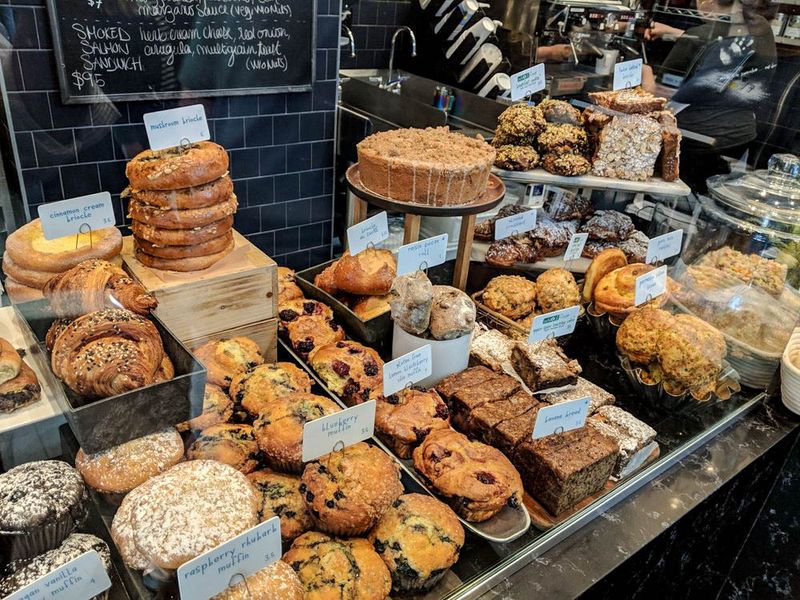
Scratch baking matters most when chocolate cake depends on structure rather than decoration.
Here, the crumb suggests careful mixing, proper aeration, and enough fat to stay tender without collapsing under frosting.
Balanced sweetness lets the cocoa speak clearly, which is harder than it sounds because too much sugar can flatten both aroma and finish.
Instead of chasing density alone, this style values a measured lift that keeps each bite light yet complete. Fine layers reveal attention to oven control, pan preparation, and timing, since even slight overbaking would mute the deep chocolate notes.
Gentle frosting coverage also tells you something important: confidence in the cake itself, not a need to hide flaws.
That restraint reflects a broader pastry discipline often associated with polished European baking rooms. Clean slices depend on even cooling, stable filling, and a crumb strong enough to cut neatly while remaining soft.
What stands out most is how intensity arrives through technique, not heaviness, making the whole cake feel composed, deliberate, and genuinely skilled.
Chocolate Mousse Cake – Tatte Bakery & Café, Boston
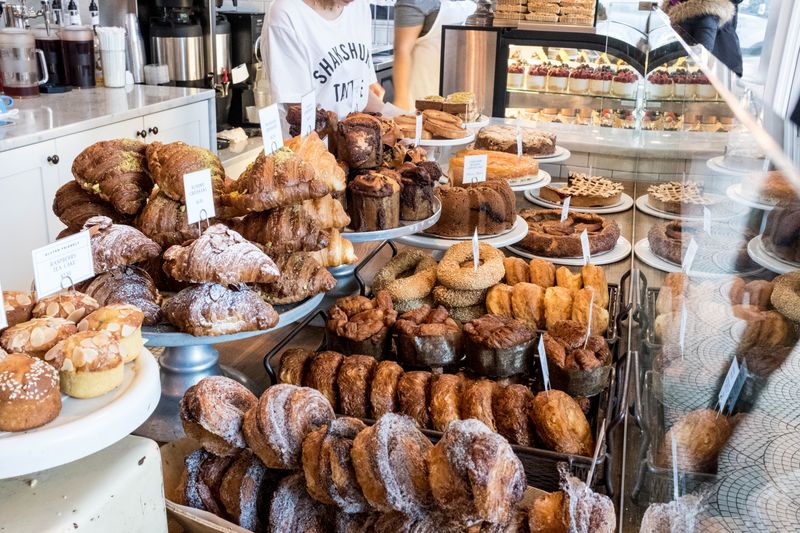
Mousse cakes demand a different kind of pastry intelligence because texture becomes the main argument. Air must be folded in without deflating volume, while chocolate needs enough body to hold shape after chilling.
Beneath that soft center, a firmer base creates contrast, giving the fork a clear path through several sensations at once.
Layered desserts like this owe much to European café traditions where elegance depends on precision more than abundance.
Silky mousse can seem effortless, yet it relies on temperature control, gelatin judgment, and timing during assembly.
Between the creamy upper layers and the more grounded lower ones, the palate reads both richness and lift.
Another challenge comes from sweetness management, since mousse easily becomes heavy when sugar overpowers cocoa bitterness.
Clean edges suggest patient setting and confident slicing, both signs of disciplined preparation rather than casual baking.
What makes this cake memorable is the way softness, structure, and chocolate depth stay in tension, producing a dessert that feels technical, modern, and remarkably composed.
French Chocolate Cake – Cafe Madeleine, Boston
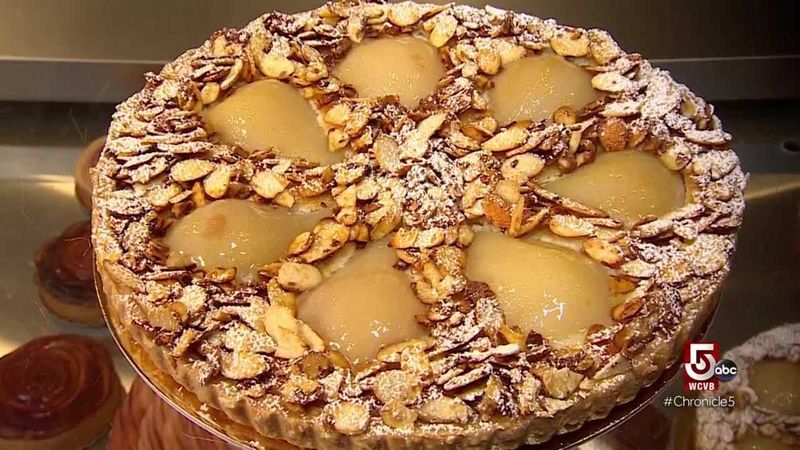
French chocolate cake often proves that simplicity can be the hardest form of control.
Without towering layers or dramatic garnish, every decision becomes visible, especially cocoa selection, mixing method, and bake time. A cake in this tradition usually leans on concentration, where the flavor develops through restraint rather than excess sweetness.
Classic café baking has long treated chocolate as something to refine, not just intensify. That approach favors a smooth crumb, a moist interior, and a finish that lingers with gentle bitterness instead of frosting weight.
Because decoration stays minimal, the baker cannot hide imbalance, dryness, or a muddled chocolate profile.
Equally important is the relationship between butter, eggs, and chocolate, which shapes both texture and aroma. Precision here feels almost old-fashioned in the best sense, echoing patisserie habits that value repetition and exactness.
What this style teaches you is that a seemingly plain slice can carry enormous technical meaning, especially when flavor unfolds gradually, cleanly, and with unmistakable discipline.
Chocolate Entremet – Jonquils Café & Bakery, Boston
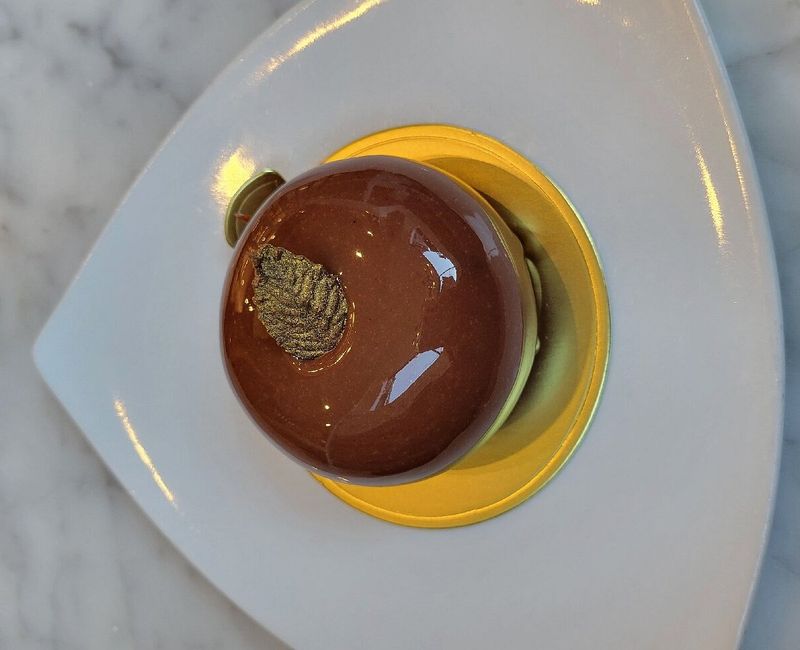
Modern entremets turn chocolate cake into an exercise in architecture as much as baking.
Multiple layers must align exactly, with mousse, sponge, glaze, and possibly crunch each performing a separate role.
Sharp edges and a smooth exterior show that freezing, unmolding, and finishing were handled with serious technical care.
Contemporary French pastry often favors contrast, so one bite should move from airy to dense to crisp without confusion.
That means moisture levels need close calibration, since a wet insert can ruin definition while a dry sponge interrupts the flow.
Glazing also matters beyond looks because thickness changes sweetness, shine, and how the fork breaks the surface.
Underneath the polished presentation, this kind of cake lives or dies by sequence and timing.
Components are usually prepared individually, matured, assembled cold, then finished with exact temperature control.
What makes an entremet compelling is not just beauty but orchestration: chocolate appears in layered tones, textures remain distinct, and the finished slice reads like a precise contemporary dessert rather than a simple frosted cake.
Chocolate Cake – White Flour Bread, Brookline
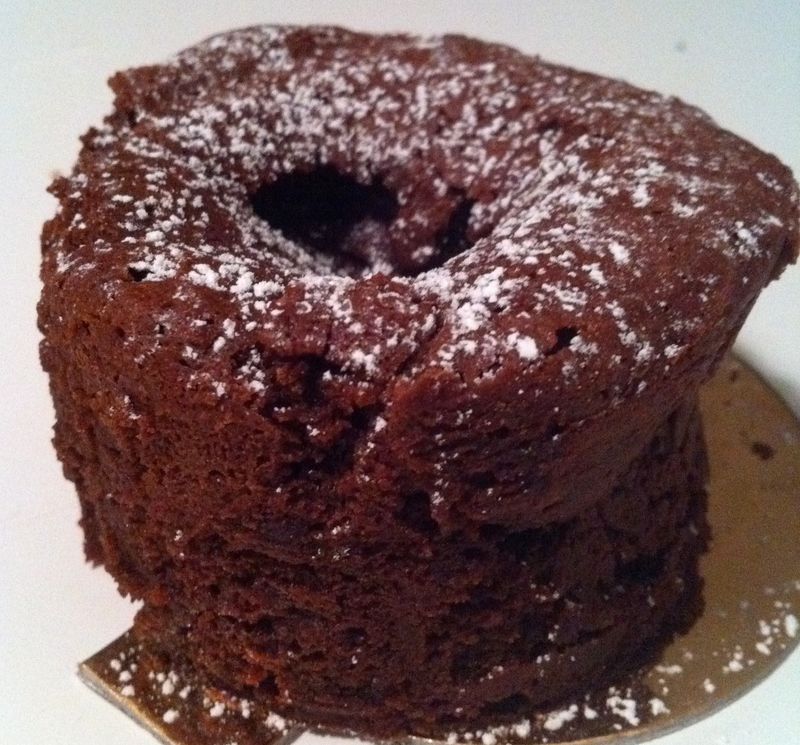
Traditional European baking influences often show up less in decoration than in discipline.
A chocolate cake shaped by that mindset starts with ingredient quality, especially butter, flour, eggs, and cocoa chosen for function as much as flavor.
From there, scratch preparation becomes essential because consistency depends on understanding how each component behaves in the bowl and oven.
Careful technique gives the crumb its identity.
Proper creaming or emulsification builds tenderness, while measured mixing prevents toughness and keeps the structure even from edge to center.
Rather than relying on extreme sweetness, this style usually lets chocolate emerge through balance, producing depth that feels natural and steady.
There is also a quiet rigor to cakes like this that mirrors old bread and pastry traditions.
Temperature, scaling, and timing matter because small deviations can shift moisture, rise, and finish.
What feels most distinctive is the sense of order in the final result: nothing excessive, nothing hidden, just a composed chocolate cake whose quality comes from practiced method and respect for foundational baking skills.
Chocolate Layer Cake – L.A. Burdick Chocolates, Cambridge
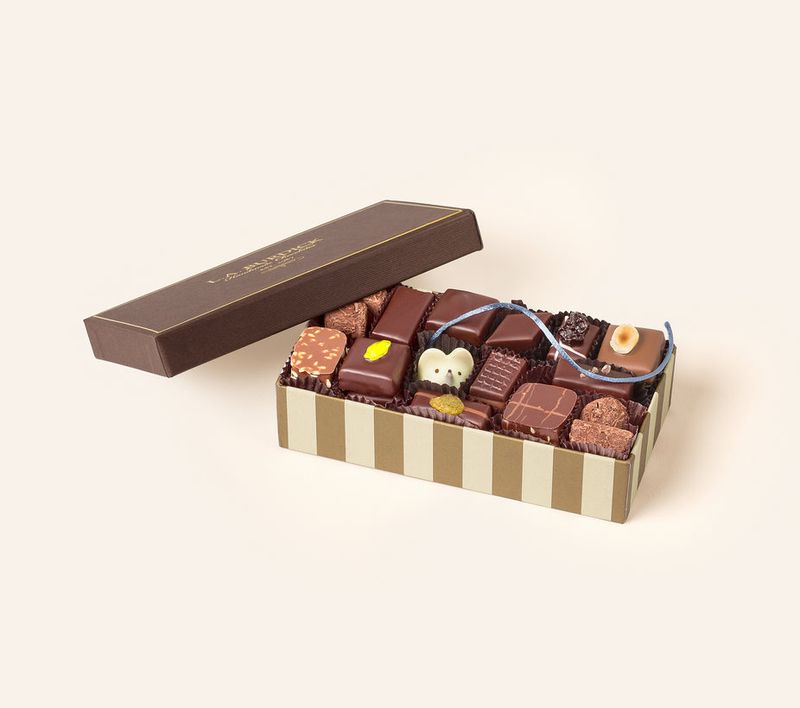
Premium chocolate changes a layer cake long before frosting enters the picture. Bean sourcing, roast profile, and cocoa percentage all influence bitterness, fruit notes, and how the crumb carries flavor across the palate.
When the chocolate itself has definition, the baker can build complexity through layers instead of compensating with sugar.
Thin, even strata matter here because they regulate the ratio between cake and filling in every forkful. Ganache or frosting must support the chocolate rather than blur it, which requires attention to viscosity, temperature, and spread.
Layer cakes built around confectionery expertise often feel more polished because each component is calibrated to honor the cocoa’s character.
Craftsmanship also appears in the finish, especially when the texture stays smooth without becoming overly rich.
A clean slice suggests stable stacking, level trimming, and enough resting time for flavors to settle together. What makes this kind of chocolate cake convincing is the direct link between fine chocolate work and pastry technique, creating a dessert where sourcing and skill reinforce each other instead of competing.
Chocolate Cake with Chocolate Drizzle – Quebrada Baking Co., Arlington
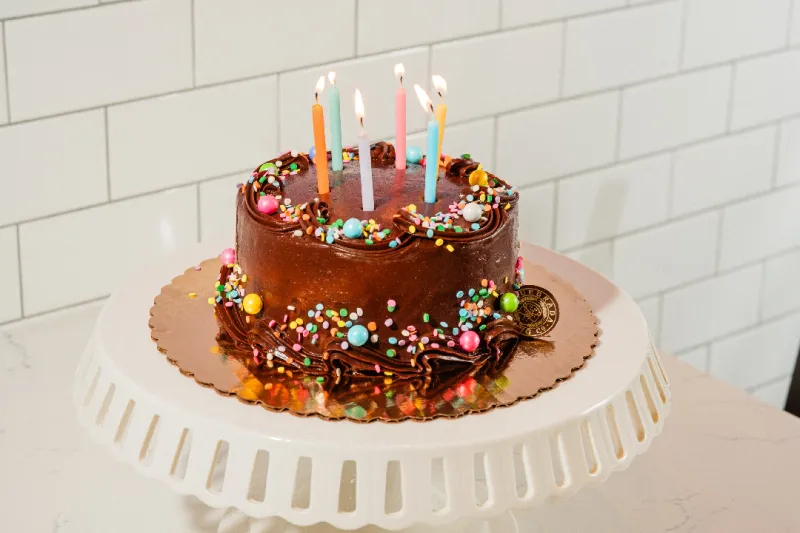
Chocolate drizzle can seem decorative, yet on the right cake it changes the entire eating experience.
That extra layer adds concentrated cocoa flavor, a smoother mouthfeel, and a slight contrast against a tender interior.
When the base stays moist enough to absorb richness without turning heavy, the result feels rooted in classic dessert logic.
Old-world baking traditions often value this kind of straightforward pleasure, where familiar forms are executed with care instead of reinvented.
Moisture becomes the central test because chocolate cakes dry out quickly when flour, sugar, and bake time drift even slightly.
A good drizzle also needs balance, landing somewhere between glaze and sauce so it clings rather than disappears.
What matters most is how the topping sharpens the chocolate profile instead of merely sweetening it. Slight intensity on the surface can make the crumb taste deeper, almost as if the cake contains more cocoa than it does.
This style endures because it respects comfort while still demanding accuracy, proving that classic chocolate desserts remain compelling when texture and concentration are handled with real intent.
Chocolate Layer Cake – Lyndell’s Bakery, Somerville
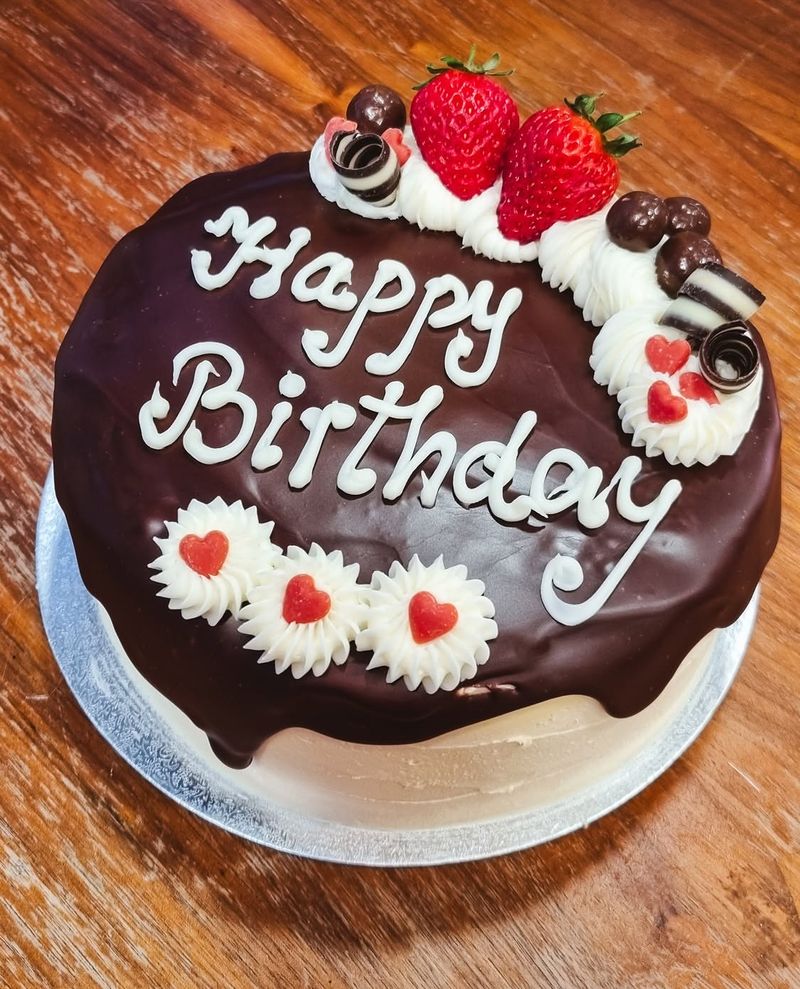
Bakery heritage often reveals itself through consistency, and chocolate layer cake is where that reliability becomes visible.
Every repeat bake needs the same rise, same crumb, and same frosting coverage, even when demand changes.
That steadiness comes from preserved methods, careful scaling, and an understanding that regular customers notice the smallest shift immediately.
Long-standing family baking traditions usually favor durable formulas that survive decades because they work.
Layers tend to be sturdy enough for clean slicing, yet soft enough to avoid the stiff dryness common in older cakes.
Frosting in this context is less about fashion and more about continuity, delivering the familiar finish people expect from a neighborhood classic.
Community loyalty matters because it rewards cakes that stay true to their original style rather than chasing novelty.
Repetition, when done well, becomes a technical achievement, not a limitation, since consistency requires control over ingredients, ovens, and timing.
What gives this cake weight is its preservation of traditional method, showing how a dependable layer cake can carry local memory while still meeting serious standards of texture and chocolate balance.
Chocolate Mousse Cake – Modern Pastry Shop, Boston
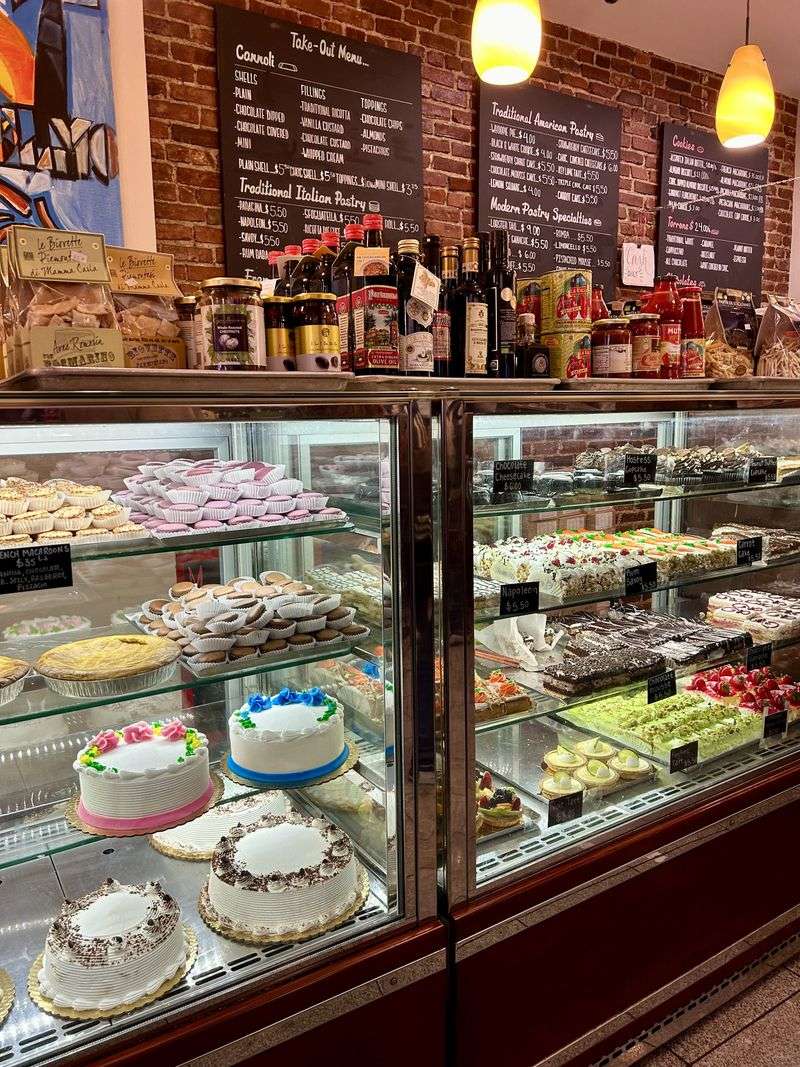
Italian-American pastry culture approaches chocolate mousse cake with a distinct sense of richness and finish.
Creaminess matters, but so does shape, because the mousse must feel lush while still holding a clean slice. That balance depends on stable aeration, careful chilling, and a base layer strong enough to support the softer upper portion.
Across Boston’s historic pastry scene, European influence often arrives through adaptation rather than strict imitation.
Mousse work here tends to emphasize generosity, yet the technique still requires restraint so the texture remains smooth instead of overly dense.
Chocolate flavor usually lands in a rounded, crowd-pleasing register, where bitterness stays present but never harsh.
Skilled dessert craftsmanship shows in the transitions between layers and in the mousse’s surface finish.
If the interior looks even and the cut remains tidy, the preparation likely involved well-timed assembly and proper setting periods.
What makes this cake notable is the marriage of old pastry shop sensibility with technical mousse control, producing a dessert that feels substantial, polished, and deeply connected to the city’s enduring European baking conversation.
Chocolate cake – Mike’s Pastry, Boston
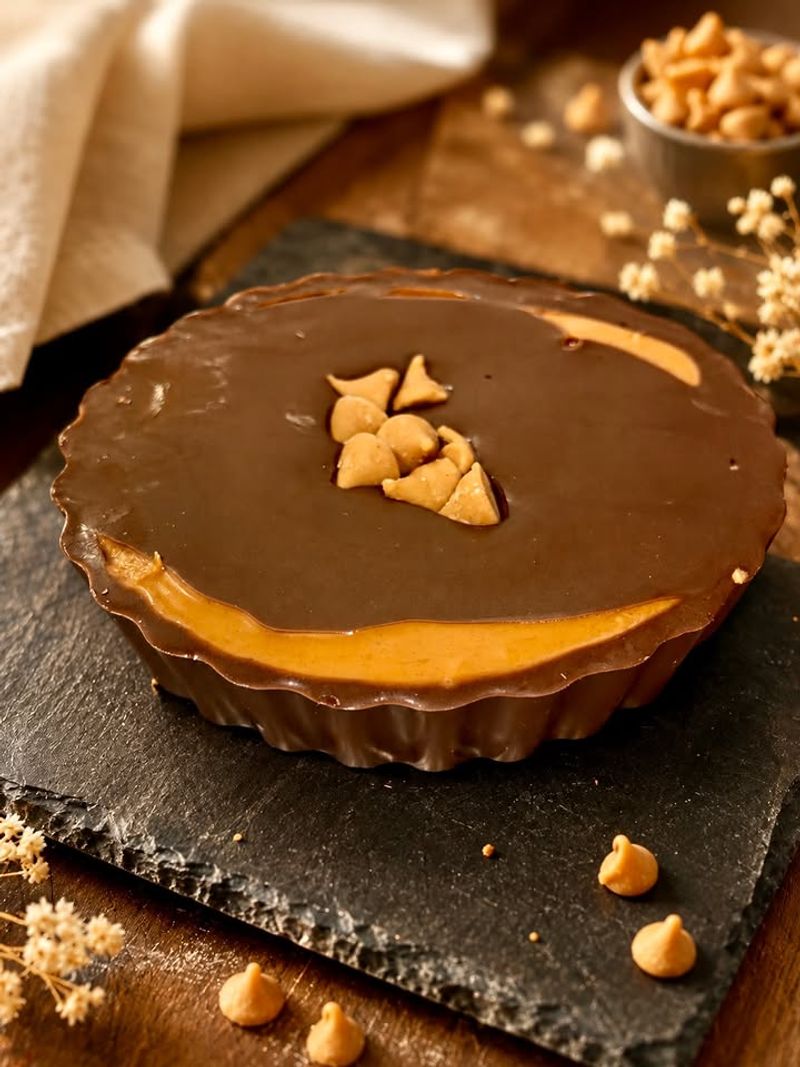
Historic pastry districts shape customer expectations, and chocolate cake in that setting carries unusual pressure.
People want familiarity, fullness, and the assurance that a classic slice will deliver the pleasure they imagine.
Meeting that expectation takes more than reputation because preparation still determines whether the crumb stays moist and the chocolate flavor stays clear.
Traditional patisserie culture tends to value recognizable forms that can hold their own in a busy display case.
That often means a sturdier build, confident frosting, and a flavor profile broad enough to satisfy many tastes without becoming generic.
Chocolate cake prepared for this environment must be practical as well as appealing, slicing cleanly and remaining stable through service.
Within historic neighborhoods, classic bakeries also act as custodians of dessert memory, which raises the stakes for familiar cakes.
Texture cannot feel careless, and sweetness cannot bury the cocoa, since regulars know exactly how a dependable slice should eat.
What stands out here is the role of chocolate cake as a cultural staple, connecting pastry craft, public expectation, and the daily rhythm of an established dessert tradition.
European Chocolate Cake – Swissbäkers, Allston
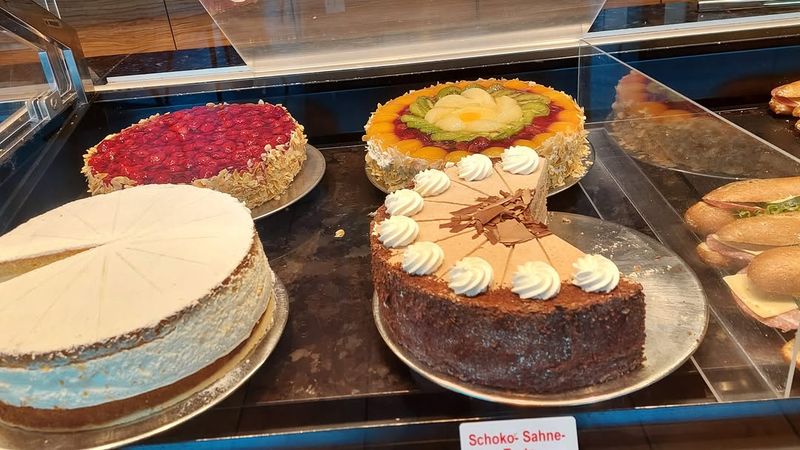
Swiss baking traditions bring a particular respect for precision, and chocolate cake benefits from that exacting mindset.
Ingredient quality is usually central, especially chocolate with a clean profile and dairy that supports smooth texture.
Even the simplest finished slice can reflect disciplined scaling, measured mixing, and careful temperature control throughout production.
Central European cake methods often emphasize clarity over excess, so structure and flavor need to feel orderly.
Layers may be modest, but they should align neatly, cut sharply, and maintain an even crumb from top to bottom.
That sense of control echoes broader dough and pastry practices where precision is treated as the basis of pleasure.
Another defining trait is the way chocolate is integrated rather than overloaded.
Instead of chasing maximum richness, this style seeks refinement, allowing cocoa notes to develop with balance and a clean finish.
What makes a European chocolate cake compelling in this tradition is the calm confidence of its construction.
Exact technique and quality ingredients work together to create a dessert built on precision rather than excess.
French Chocolate Cake – Praliné French Patisserie, Belmont
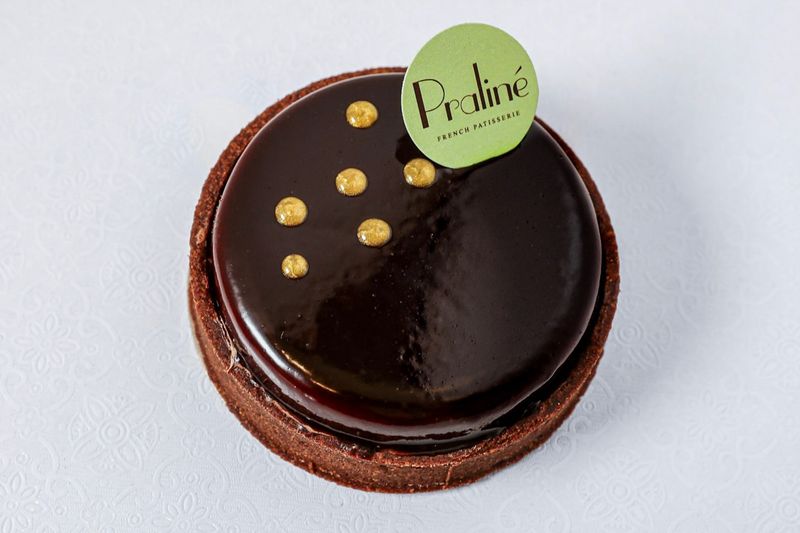
Authentic French baking methods ask chocolate cake to demonstrate discipline at every stage.
Batter texture, oven spring, layer thickness, and finishing all need close attention because elegance depends on precision.
A refined result usually avoids cloying sweetness, letting the chocolate express bitterness, aroma, and length with greater clarity.
Layered desserts in the French tradition also treat composition as an art of proportion.
Filling should complement the cake, not drown it, and each stratum must contribute a distinct texture or flavor cue.
Technical discipline becomes especially visible in smooth edges, level layers, and a finish that looks effortless even when the process clearly was not.
French pastry values repetition because refinement is rarely accidental.
Small differences in cooling, trimming, or frosting pressure can alter the final bite, which is why training matters so much in this style.
What makes this kind of chocolate cake persuasive is its controlled complexity.
Each layer contributes its own texture and flavor while allowing the chocolate to remain refined rather than overpowering.
Chocolate Cake – Danish Patisserie, Medford
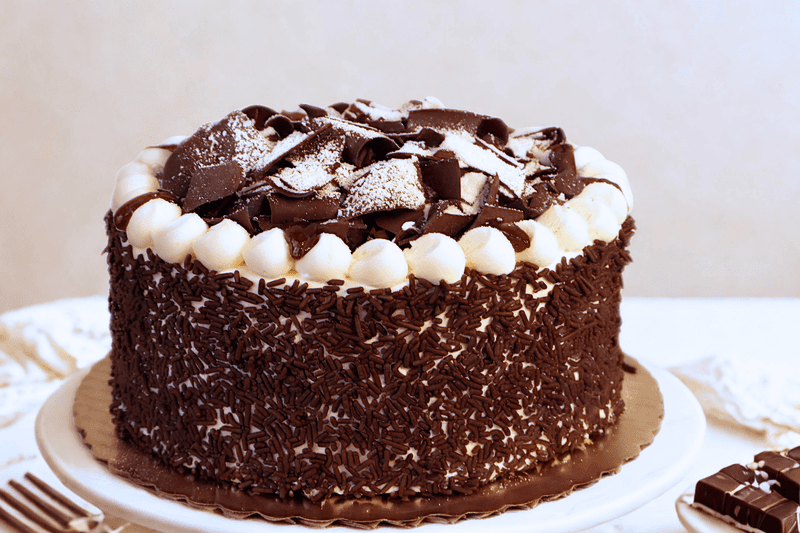
Scandinavian baking influences often favor balance, and chocolate cake benefits from that measured approach.
Rather than pushing sweetness or density to extremes, this tradition looks for a cleaner expression of cocoa, dairy, and crumb.
The result can feel lighter on the palate while still delivering enough richness to satisfy a serious chocolate craving.
Danish pastry craft has long valued technique, especially where texture depends on exact ratios and patient handling.
Applied to cake, that mindset encourages even baking, controlled moisture, and a finish that feels neat instead of overloaded.
Chocolate flavors tend to stay well defined because the supporting ingredients are calibrated to frame them, not compete with them.
Adaptation within American baking culture adds another layer of interest, since local expectations often call for more abundance than Nordic restraint.
Successful versions bridge those styles by keeping the cake accessible while preserving clarity and balance.
What makes this slice distinctive is the conversation between traditions: Scandinavian discipline shapes the structure, American bakery habits expand the comfort, and the chocolate lands with poise rather than sheer intensity.