Summer settles gently over Milledgeville, where shaded streets, towering oaks, and stately historic homes create the kind of atmosphere that invites unhurried exploration. As cicadas hum in the background and sunlight filters through leafy canopies, this former Georgia capital reveals a side of the South that feels both timeless and deeply personal.
Grand antebellum architecture stands alongside quiet gardens, historic landmarks, and stories that have lingered for generations. Some are rooted in politics and culture, while others drift into the realm of local legends and ghostly whispers that continue to fascinate visitors.
Whether you’re drawn by history, architecture, or a touch of mystery, Milledgeville offers a memorable journey through Georgia’s past. Let’s wander through the places that make this charming town such a captivating destination.
The Grand Antebellum Mansion That Housed Georgia’s Leaders
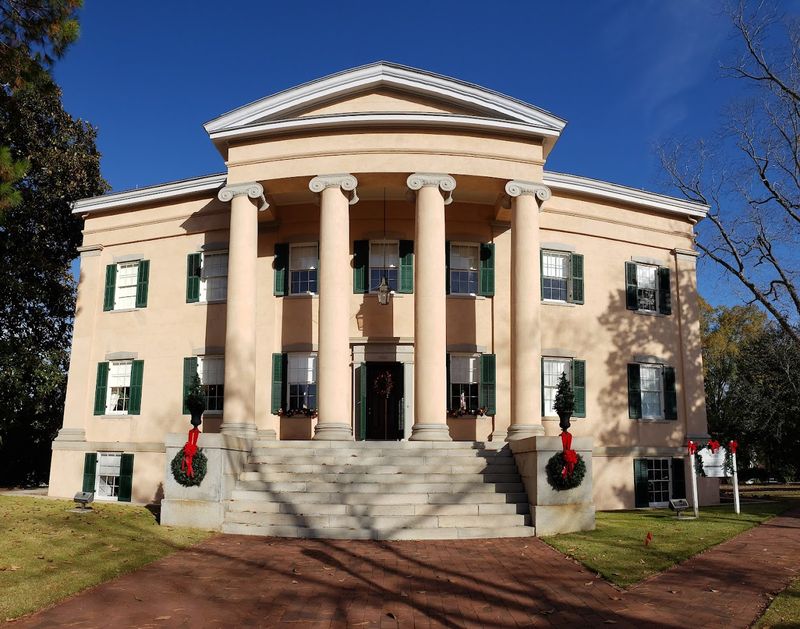
Imagine walking up to a gleaming white palace with towering columns that reach toward the sky like ancient temple pillars. Built in 1839, the Old Governor’s Mansion stands as one of the finest examples of Greek Revival architecture in the entire country.
Its elegant design served as home to Georgia’s governors during the state’s most turbulent years, including the Civil War period.
Visitors today can tour the meticulously restored rooms where important decisions shaped Georgia’s history. Each space tells stories through original furnishings, period artwork, and architectural details that transport you back nearly two centuries.
The spiral staircase alone is a masterpiece of craftsmanship that leaves people amazed.
What makes this mansion truly special is how it survived Sherman’s March to the Sea. Union troops occupied the building but left it standing, unlike many other Southern landmarks.
Some say ghostly footsteps still echo through the halls at night.
The mansion now operates as a museum where knowledgeable guides share fascinating tales about the families who lived there. Tour groups learn about daily life in antebellum Georgia, political intrigue, and the mansion’s role during Reconstruction.
Photography enthusiasts absolutely love capturing the stunning exterior surrounded by ancient oak trees.
The Peaceful Gardens Where Nature and History Intertwine
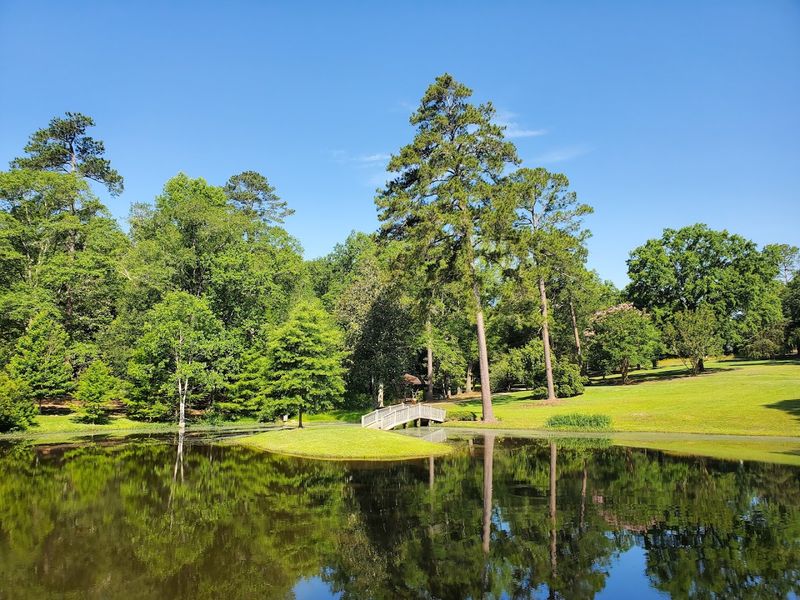
Strolling through fifty acres of carefully curated gardens feels like discovering a secret paradise hidden in plain sight. The Lockerly Arboretum offers visitors a tranquil escape where colorful blooms, towering trees, and winding trails create a natural sanctuary.
This special place combines conservation efforts with stunning beauty that changes with every season.
Founded on the historic estate of a prominent Milledgeville family, the arboretum preserves both natural wonders and cultural heritage. The property includes the original 1852 Greek Revival cottage that once served as the family’s summer retreat.
Visitors can explore themed gardens showcasing native Georgia plants, rare species, and educational displays.
Birdwatchers flock here to spot dozens of species that call the arboretum home throughout the year. The peaceful woodland trails wind past streams, meadows, and specialized gardens designed to attract butterflies and hummingbirds.
Kids especially enjoy the interactive nature programs and scavenger hunts.
Educational programs teach visitors about plant conservation and sustainable gardening practices perfect for Georgia’s climate. The arboretum hosts seasonal events like plant sales, workshops, and outdoor concerts that bring the community together.
Whether you’re a serious gardener or just seeking a quiet place to unwind, these grounds offer something magical for everyone.
The Abandoned Asylum With Chilling Tales
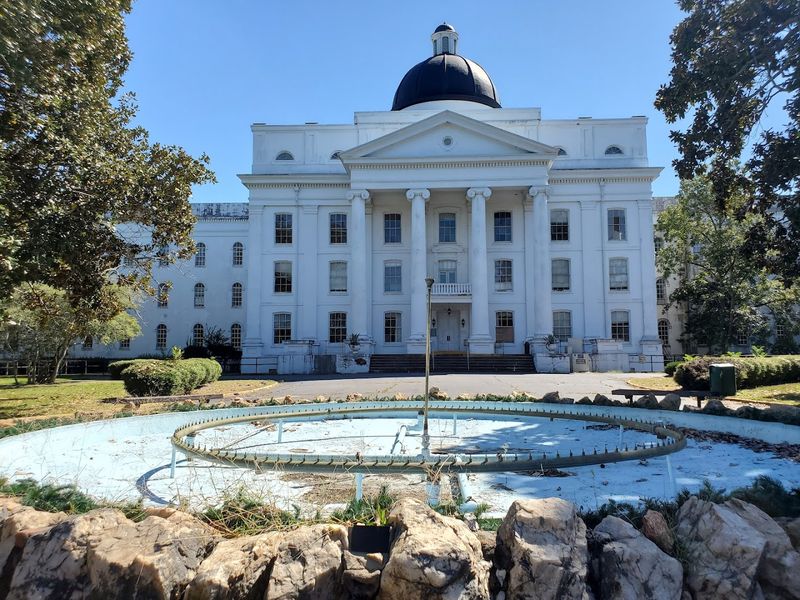
Few places send shivers down your spine quite like this sprawling complex of brick buildings with barred windows and overgrown grounds. Central State Hospital opened in 1842 as one of America’s first psychiatric facilities and grew into the largest mental institution in the world.
Its haunting presence dominates the landscape with over two hundred buildings spread across thousands of acres.
During its peak operation, more than twelve thousand patients lived within these walls under often questionable treatment methods. Stories of experimental procedures, neglect, and suffering have fueled countless ghost tales that paranormal investigators find irresistible.
Former employees and brave visitors report hearing unexplained screams, seeing shadowy figures, and experiencing overwhelming feelings of sadness.
The hospital cemetery contains thousands of graves marked only with numbered metal stakes instead of proper headstones. Patient remains were often buried without ceremony or family notification, creating what locals call one of Georgia’s most haunted grounds.
Walking among these forgotten souls leaves most people deeply moved.
Though much of the property remains off-limits due to safety concerns, preservation efforts aim to save significant buildings from complete decay. The facility’s dark history serves as an important reminder about mental health treatment evolution.
Ghost tour companies offer nighttime visits to accessible areas for those brave enough to explore after sunset.
The Literary Farm Where a Famous Author Found Inspiration
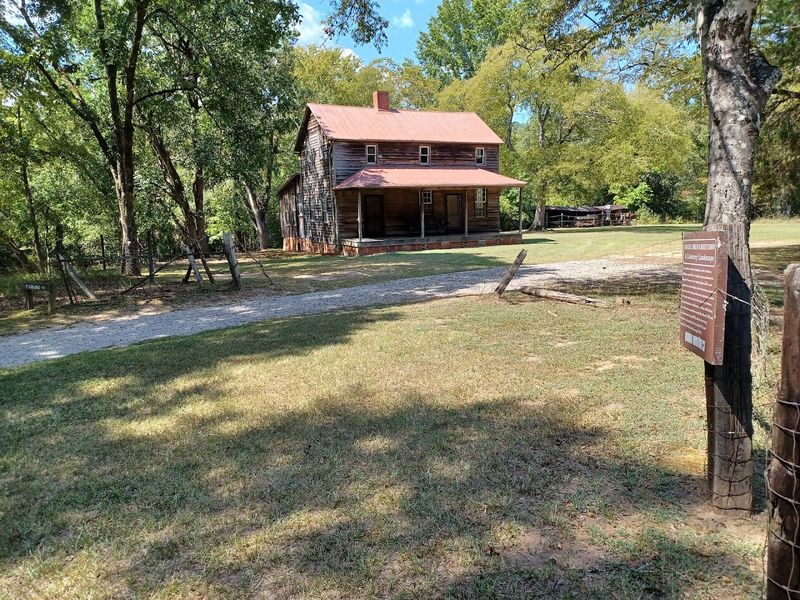
Peacocks strut across the lawn of a modest white farmhouse where one of America’s greatest writers crafted her most powerful stories. Andalusia Farm served as home to Flannery O’Connor from 1951 until her untimely death in 1964 at just thirty-nine years old.
The farm remains virtually unchanged, preserving the environment that shaped her darkly comic Southern Gothic masterpieces.
O’Connor raised peacocks and other birds on this working dairy farm while battling lupus, the same disease that killed her father. Despite her illness, she wrote daily from her bedroom, producing two novels and numerous short stories that earned her lasting literary fame.
Visitors can tour the house and see her writing room exactly as she left it.
The surrounding farmland stretches across five hundred acres of rolling Georgia countryside that appears frequently in her fiction. Oak trees draped with Spanish moss, red clay roads, and weathered barns create the quintessential Southern setting her readers recognize.
Walking these grounds helps fans understand the landscape that influenced her unique vision.
Tours led by knowledgeable guides explore O’Connor’s complex relationship with faith, illness, and the American South. The farm hosts readings, lectures, and educational programs celebrating her literary contributions.
Book lovers consider this pilgrimage essential for appreciating her genius and the world she inhabited.
The Charming Main Street Frozen in Time
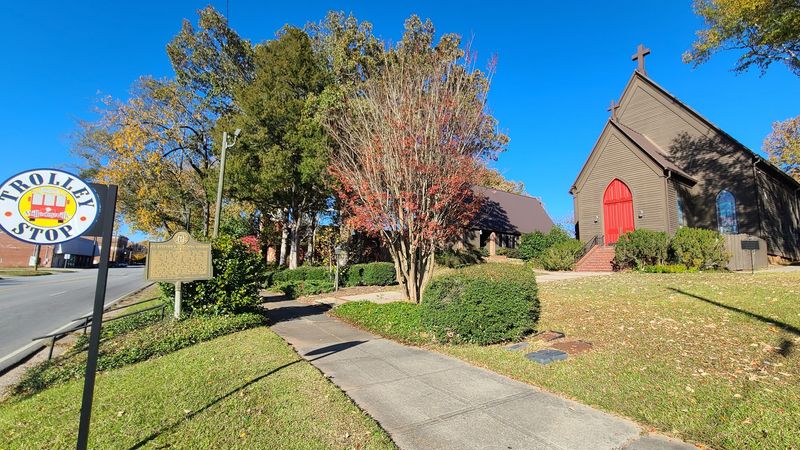
Brick storefronts line both sides of a tree-shaded street where time seems to move at a slower, more pleasant pace than modern life allows. Downtown Milledgeville’s historic district preserves authentic antebellum and Victorian architecture that survived the Civil War remarkably intact.
Walking these sidewalks feels like stepping onto a movie set designed to capture the Old South’s romantic charm.
Local businesses occupy buildings that have stood for over a century, housing everything from antique shops to cozy cafes serving traditional Southern comfort food. The county courthouse anchors the square with its imposing presence and classical design that speaks to Georgia’s legal heritage.
Street lamps, benches, and landscaping maintain the area’s vintage character while welcoming modern visitors.
Browse through shops offering unique treasures you won’t find in typical malls or chain stores. Art galleries showcase works by regional artists, boutiques sell handcrafted items, and bookstores stock rare volumes about local history.
Restaurant owners pride themselves on recipes passed down through generations.
Special events like farmers markets, festivals, and holiday celebrations bring the community together throughout the year. Historic walking tours point out architectural details and share stories about the people who built this remarkable downtown.
Photographers find endless opportunities capturing the timeless beauty that makes Milledgeville’s main street genuinely special.
This Historic Inn Offers A Taste Of Milledgeville’s Elegance
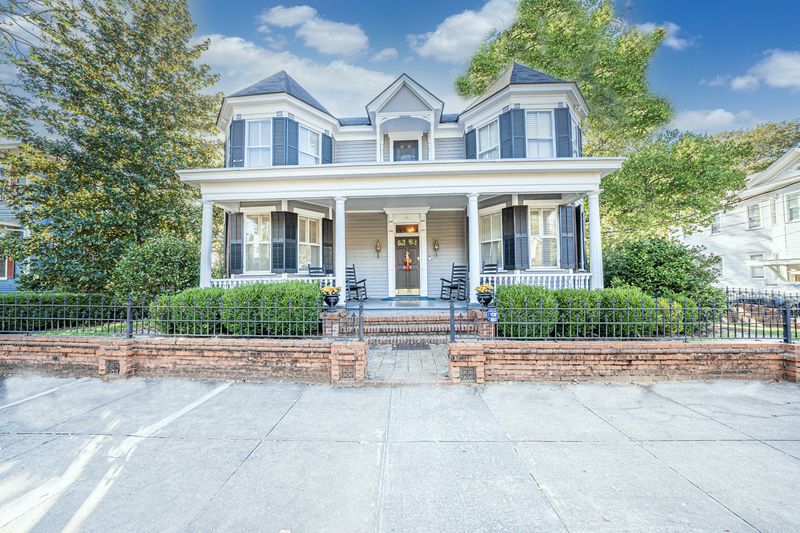
Nestled in the heart of downtown Milledgeville, The Inn on North Jefferson offers a memorable stay inside a beautifully preserved home dating back to 1820. Blending historic Southern charm with modern comforts, the inn gives guests the chance to experience one of Georgia’s most fascinating historic towns from an elegant and welcoming base.
The property sits within walking distance of downtown shops, restaurants, museums, and local attractions, making it easy to explore Milledgeville at a relaxed pace.
Inside, guests will find thoughtfully designed rooms that preserve the home’s historic character while providing contemporary amenities. Original architectural details, antique-inspired furnishings, inviting common areas, and spacious verandas create an atmosphere that feels both refined and comfortable.
Visitors can unwind in the formal parlor, lounge beside the pool, or enjoy a quiet evening on the veranda beneath Georgia’s warm summer skies.
One of the inn’s most distinctive perks is its complimentary breakfast partnership with the nearby Local Yolkal Cafe, where guests can enjoy favorites such as omelets, pancakes, eggs benedict, and French toast. Owned by hospitality professionals with experience in historic Southern cities like Charleston and Savannah, the inn was created to provide a boutique lodging experience that feels personal and welcoming.
Whether you’re visiting for history, a romantic getaway, a wedding, or simply a peaceful weekend escape, The Inn on North Jefferson captures the timeless beauty and hospitality that make Milledgeville so special.
The Sacred Church With Stunning Gothic Architecture
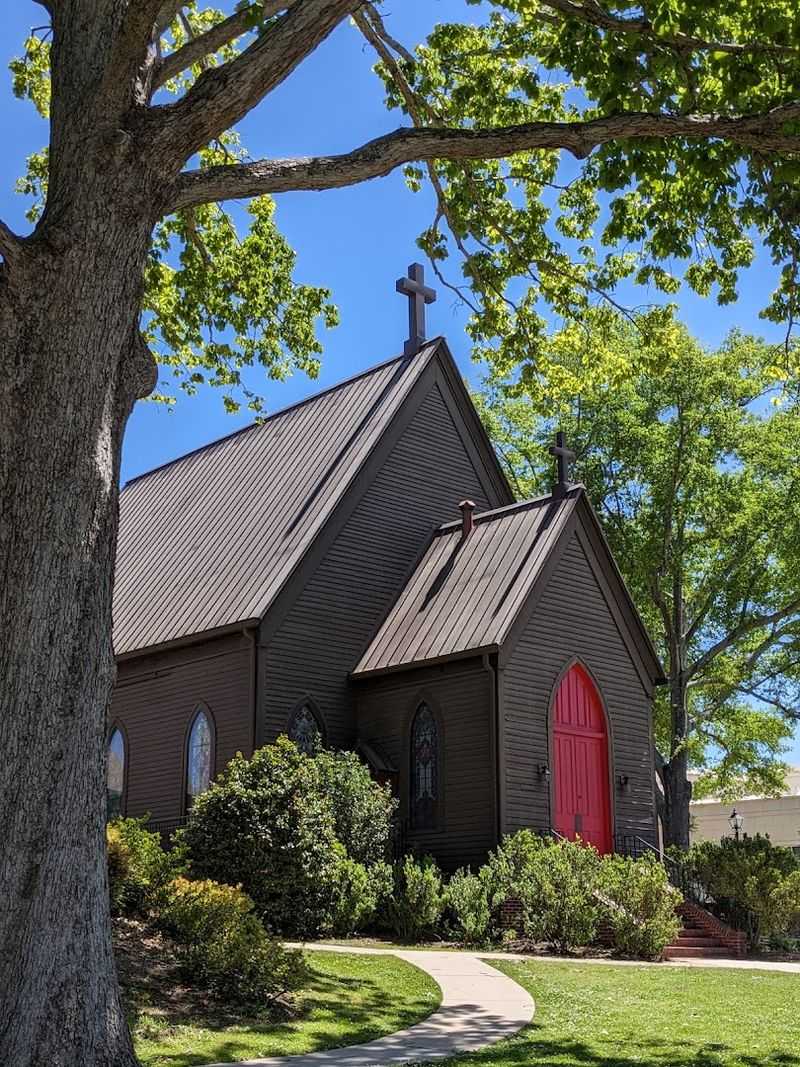
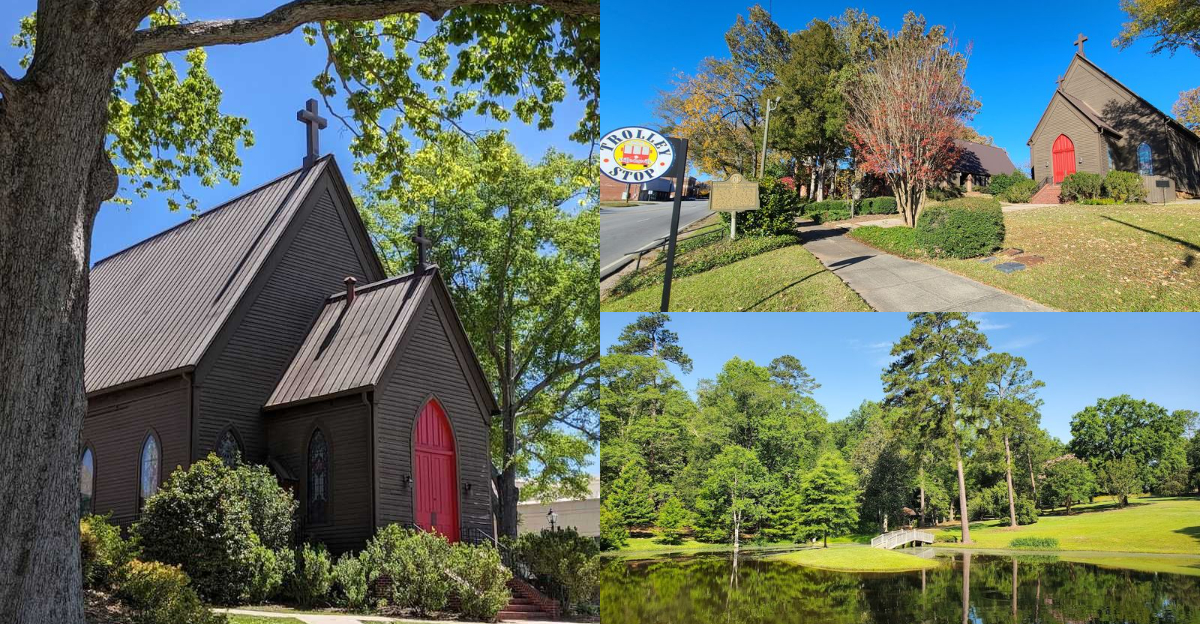
A soaring steeple reaches heavenward above intricate stonework and stunning stained glass windows that cast rainbow light across wooden pews. St. Stephen’s Episcopal Church has served Milledgeville’s faithful since 1841, making it one of Georgia’s oldest continuously active Episcopal congregations.
The church building itself represents a masterpiece of Gothic Revival design rarely seen in the Deep South.
Skilled craftsmen constructed the sanctuary using handmade bricks and imported materials to create an authentic European-inspired place of worship. Inside, hand-carved woodwork, brass fixtures, and beautiful stained glass create an atmosphere of reverence and peace.
The pipe organ’s rich tones fill the space during services, adding to the spiritual experience.
Historical significance runs deep here, as Confederate and Union soldiers both attended services during the Civil War when Milledgeville briefly fell under Northern occupation. The church survived Sherman’s troops without damage, unlike many other Southern religious buildings.
Original guest books from that period contain signatures of generals and common soldiers alike.
Today, the congregation welcomes visitors to experience their historic sanctuary and learn about the church’s role in community life across nearly two centuries. Regular services maintain traditions while embracing modern worshipers.
Architecture students and history lovers frequently visit to study the building’s exceptional design and craftsmanship that has endured through generations.
The Grand Estate That Survived Civil War Flames
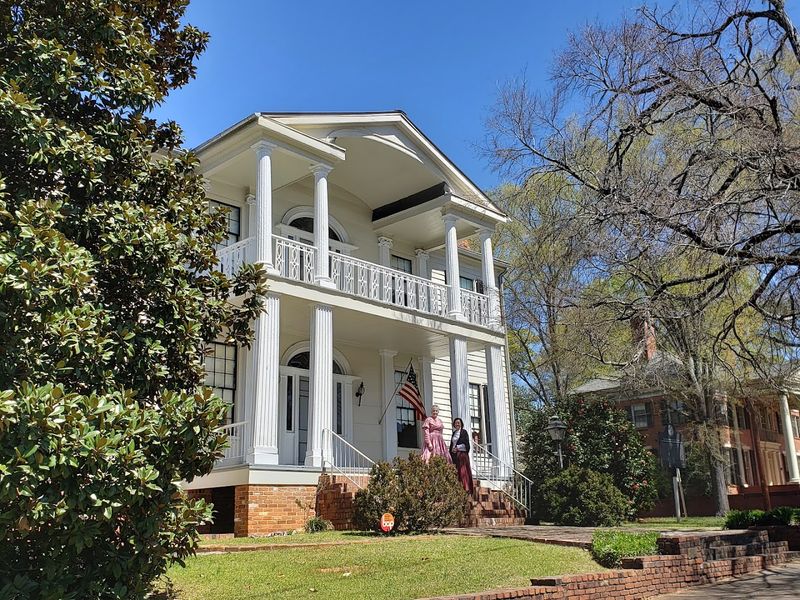
Massive white columns support a two-story portico that commands attention from everyone who passes this architectural gem. The Stetson-Sanford House exemplifies the wealth and refinement that characterized Georgia’s capital city during its antebellum golden age.
Built in 1825, this magnificent residence showcases the finest materials and most skilled construction available in the early nineteenth century.
Original owners spared no expense creating their dream home with imported chandeliers, marble mantels, and elaborate plasterwork throughout the spacious rooms. The mansion’s symmetrical design and classical proportions demonstrate why Greek Revival style dominated American architecture during this period.
Every detail reflects the aspirations of a society that valued beauty and permanence.
When Union forces occupied Milledgeville in 1864, they used this house as headquarters rather than burning it. Stories suggest a Northern officer admired the architecture so much he protected it from destruction.
Whatever the reason, its survival allows modern visitors to experience antebellum grandeur firsthand.
Careful restoration work has returned the house to its former glory while incorporating modern preservation techniques. Tours guide visitors through beautifully appointed rooms filled with period furnishings that illustrate how wealthy Georgians lived before the war.
The mansion hosts special events and educational programs that keep history alive for new generations discovering Milledgeville’s remarkable architectural heritage.
The Government Building Where History Was Made
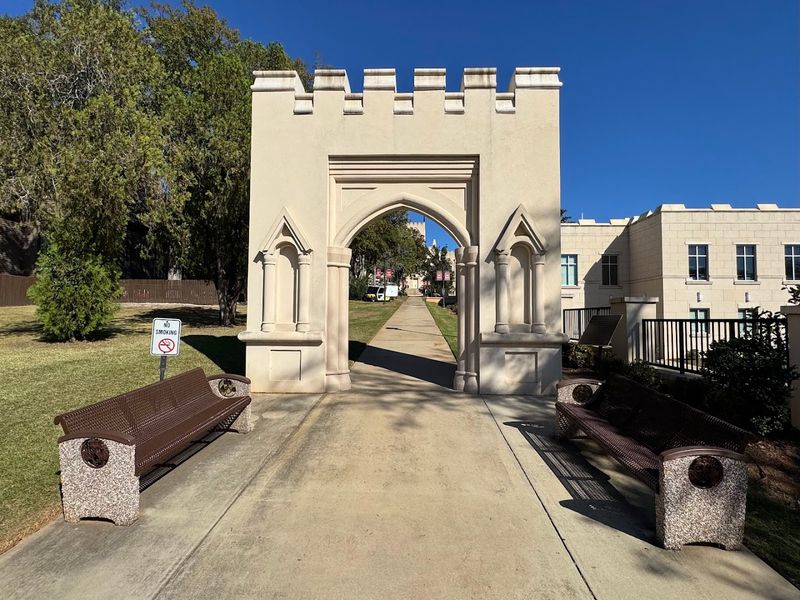
Brick walls that once rang with heated debates about secession now house a university’s administrative offices in a building that witnessed Georgia’s most dramatic political moments. The Old State Capitol served as the seat of Georgia’s government from 1807 until 1868 when Atlanta became the new capital.
Inside these halls, legislators voted to leave the Union, setting in motion events that would change the South forever.
The building’s Gothic Revival design makes it stand out from typical government architecture of that era with pointed arches, decorative brickwork, and a distinctive clock tower. Original features like the legislative chambers have been preserved, allowing visitors to stand where history unfolded.
You can almost hear the passionate speeches that once filled these rooms.
During Sherman’s occupation, Union soldiers ransacked the building and held mock legislative sessions where they symbolically repealed Georgia’s secession ordinance. Damage from this period serves as physical evidence of the war’s impact.
Restoration efforts have saved the structure while maintaining signs of its turbulent past.
Today, Georgia Military College uses the building while welcoming history enthusiasts who want to explore this significant landmark. Guided tours explain the capitol’s role in state history and point out architectural features that make it unique.
Standing in the actual chambers where momentous decisions were made creates a powerful connection to the past that textbooks simply cannot provide.