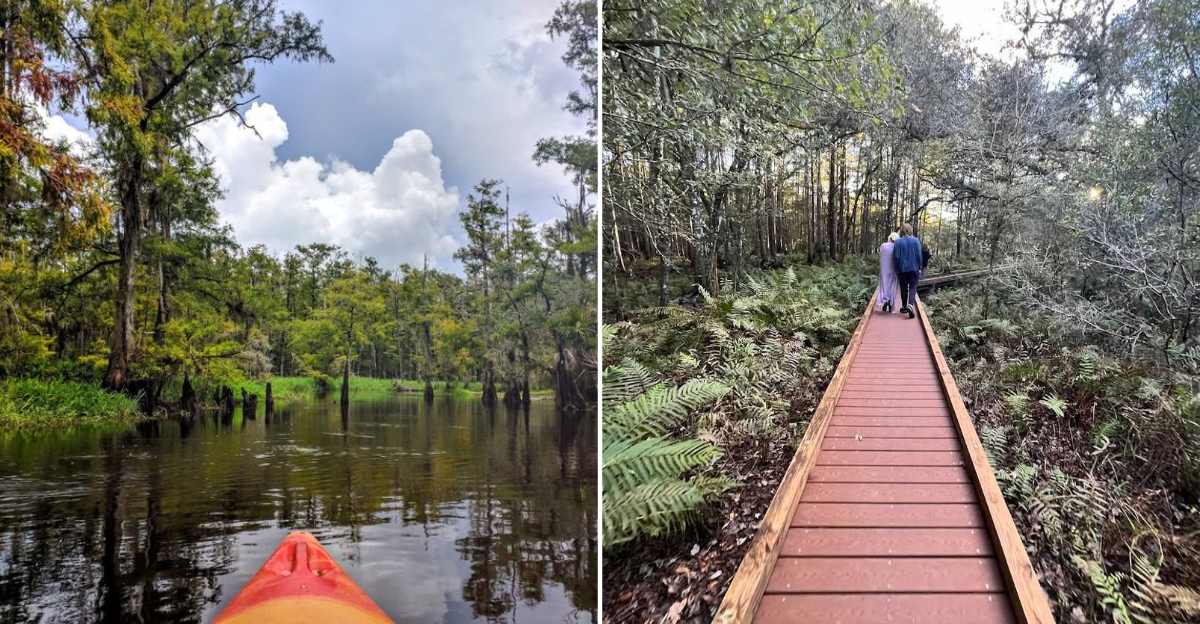
Summer in south-central Florida settles in slowly, warming the air over quiet wetlands and turning the waterways into long, reflective ribbons of light. It’s a season made for drifting, where time feels measured by the sound of paddles dipping in and out of calm water.
At Fisheating Creek Wildlife Management Area, cypress trees lean over winding channels draped in Spanish moss, and the stillness is broken only by birds calling from deep within the trees or the soft ripple of something moving just out of sight. Here, the prairie reveals itself differently—seen from water level, quiet and unhurried.
Each bend of the creek feels like a slow discovery, where shaded stretches open into bright sky and wild Florida feels close enough to touch.
This is where paddling becomes the journey itself, and every mile invites you deeper into the landscape ahead.
Meandering Through Untouched Waterways
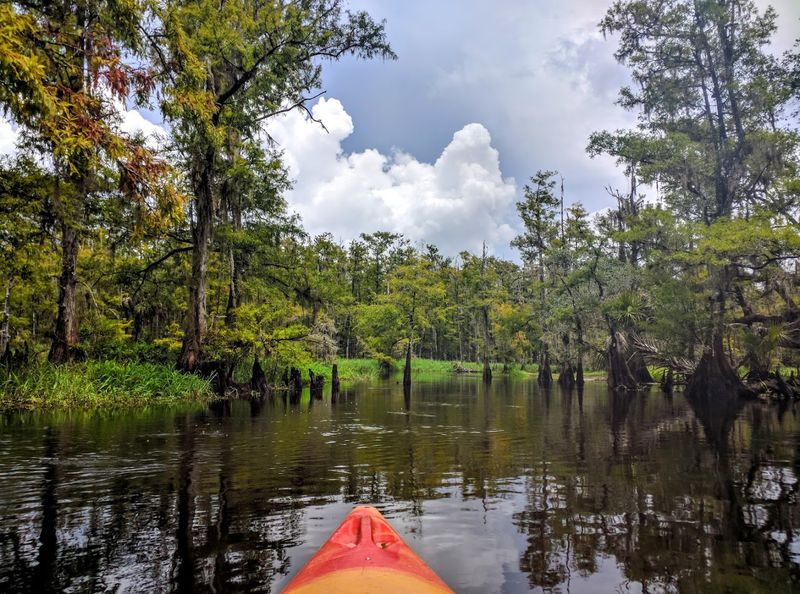
Imagine drifting along one of Florida’s last remaining free-flowing creeks, where human interference hasn’t tamed the wild currents. The waterway winds and connects at four different points, creating a natural maze that feels like discovering Eden all over again.
Each turn reveals something new—a hidden cove, a family of turtles sunbathing, or the prehistoric eyes of an alligator watching from the shallows.
Fisheating Creek offers paddlers an authentic glimpse into what Florida looked like centuries ago. The creek’s path meanders through wetland prairies and dense cypress forests, providing constantly changing scenery.
Water levels vary throughout the year, sometimes running low enough to reveal sandbars and sometimes deep enough for longer expeditions.
Rental options make it easy for visitors without their own equipment. Canoes and kayaks are available at reasonable prices, perfect for day trips or overnight adventures.
Some paddlers make it a multi-day journey, camping along the banks and waking to birdsong.
The creek’s gentle current suits beginners while still offering enough twists and turns to keep experienced paddlers engaged. Wildlife sightings are practically guaranteed, making every paddle stroke feel like part of a nature documentary unfolding in real time.
Elevated Perspectives From The Boardwalk
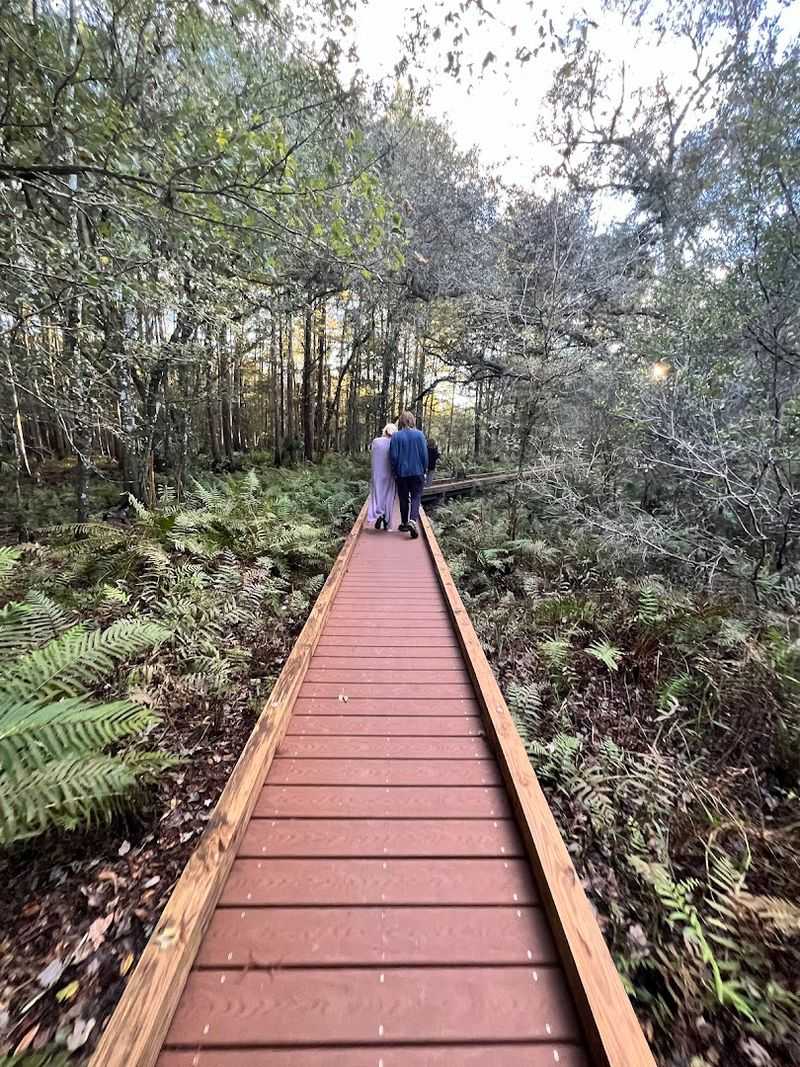
Moss hangs like curtains from ancient cypress trees, framing a peaceful elevated pathway that requires no muddy boots. The boardwalk stretches roughly a quarter to half mile through pristine wetlands, offering accessibility to everyone regardless of mobility.
Built from modern composite materials, it stays sturdy and safe while blending seamlessly into the natural landscape.
Ferns carpet the forest floor beneath your feet as you stroll above the swamp. The elevated position provides unique vantage points for spotting wildlife without disturbing their habitats.
Birds flit between branches overhead while turtles bask on logs below, creating a living diorama of Florida ecology.
What makes this trail special is its wheelchair-friendly design, ensuring that nature’s beauty isn’t limited to those who can hike rugged terrain. Families with strollers, elderly visitors, and anyone seeking a gentler nature experience can enjoy the same stunning views.
The shaded canopy provides relief from Florida’s intense sun.
Near the boardwalk’s end, an off-ramp connects to more challenging trails for adventurous hikers. Many visitors recommend bringing water and proper footwear if you plan to explore beyond the main path.
The boardwalk serves as both destination and gateway to deeper wilderness exploration.
Close Encounters With Prehistoric Residents
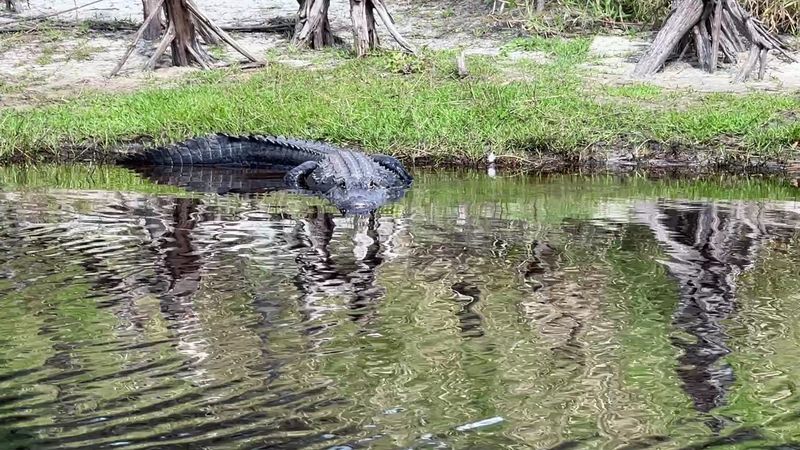
Did you know some of these toothy residents have been cruising these waters for decades, growing to impressive sizes? Alligator sightings aren’t just common here—they’re practically inevitable.
Visitors report seeing dozens during a single paddling trip, with some massive individuals approaching kayaks out of curiosity rather than aggression.
The creek provides ideal habitat for gators of all ages and sizes. Shallow banks offer perfect basking spots, while deeper channels provide hunting grounds.
Watching them in their natural environment, completely undisturbed by human development, offers insights into their behavior that zoo exhibits can’t match.
Safety comes from respect and awareness. These ancient reptiles generally ignore paddlers who maintain appropriate distance and avoid sudden movements.
Many kayakers report thrilling yet safe encounters where gators surface nearby, observe briefly, then continue their business. It’s nature at its most authentic.
Photography opportunities abound for patient observers. Early morning and late afternoon provide the best lighting and most active gator behavior.
Bring a zoom lens or waterproof camera to capture these incredible creatures without getting too close. Remember, they’re wild animals deserving respect, not attractions to be provoked or fed.
Camping Under Ancient Canopies
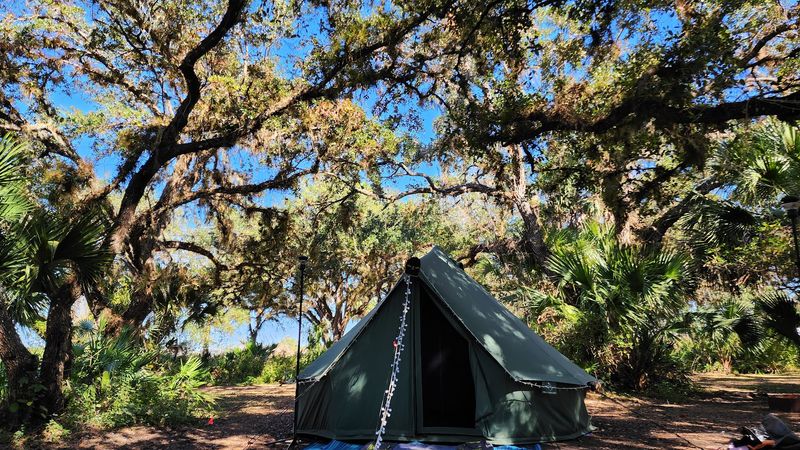
Fireflies dance at twilight while the gentle sound of flowing water lulls campers to sleep in spacious, tree-shaded sites. Fisheating Creek’s campground offers genuine old Florida camping without the crowds and commercialization of modern RV parks.
Sites right along the river’s edge provide front-row seats to nature’s ongoing show.
Families love the generous space each campsite offers. Large enough for two tents and a vehicle with room to spare, these spots provide privacy despite being part of a larger campground.
Children can fish directly from the bank or explore nearby trails, creating memories that last long after vacation ends.
The campground sits beneath a natural canopy that provides shade during hot days. Unlike treeless camping areas where tents become ovens, these shaded spots stay relatively comfortable even in summer months.
However, cooler seasons receive recommendations from frequent visitors who’ve learned Florida’s weather patterns.
Basic amenities include showers and restrooms, though individual sites lack hookups—perfect for those seeking authentic outdoor experiences. A small convenience store at the check-in area stocks necessities and refreshments.
Weekend reservations fill quickly, especially during pleasant weather, so planning ahead ensures you snag a riverside spot.
Birdwatching Paradise In The Sky
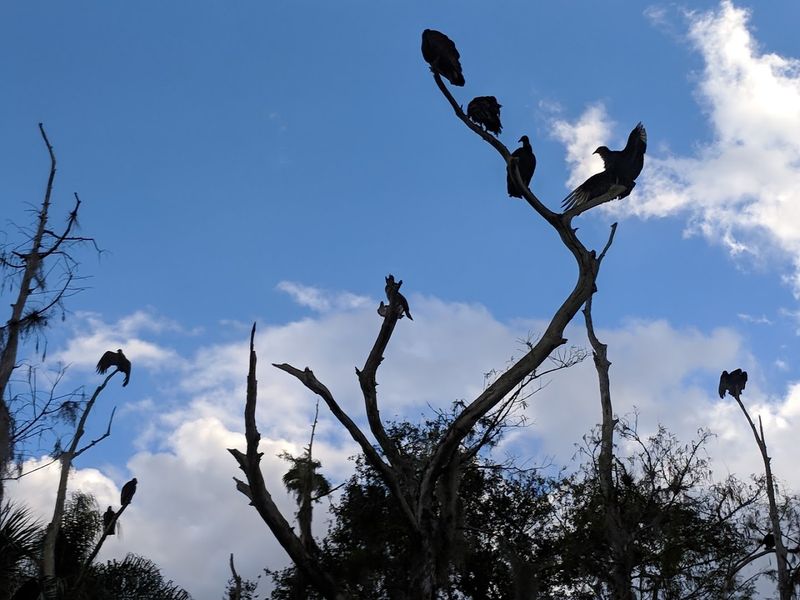
Wings slice through morning air as a swallow-tailed kite performs aerial acrobatics above the wetlands. Fisheating Creek attracts serious birders and casual observers alike with its incredible diversity of avian species.
From tiny warblers flitting through underbrush to majestic bald eagles soaring overhead, the area serves as both home and rest stop for countless bird species.
Crested caracaras—Florida’s signature raptors—hunt the prairies alongside kestrels and other birds of prey. Herons and egrets wade through shallows, stabbing at fish with lightning-quick precision.
Each habitat type within the management area supports different bird communities, making every trail and waterway a new opportunity for sightings.
Early morning hours provide optimal viewing conditions when birds are most active. Bring binoculars and a field guide, or download a bird identification app to enhance your experience.
Patient observers might witness feeding behaviors, courtship displays, or parent birds tending to young.
The variety changes with seasons as migratory species pass through. Spring and fall migrations bring waves of travelers, while summer and winter residents maintain year-round populations.
Photography enthusiasts find endless subjects, from colorful painted buntings to elegant wood storks. Keep a list—you might be surprised how many species you spot in a single visit.
Journey Back To Fort Center’s Ancient Past
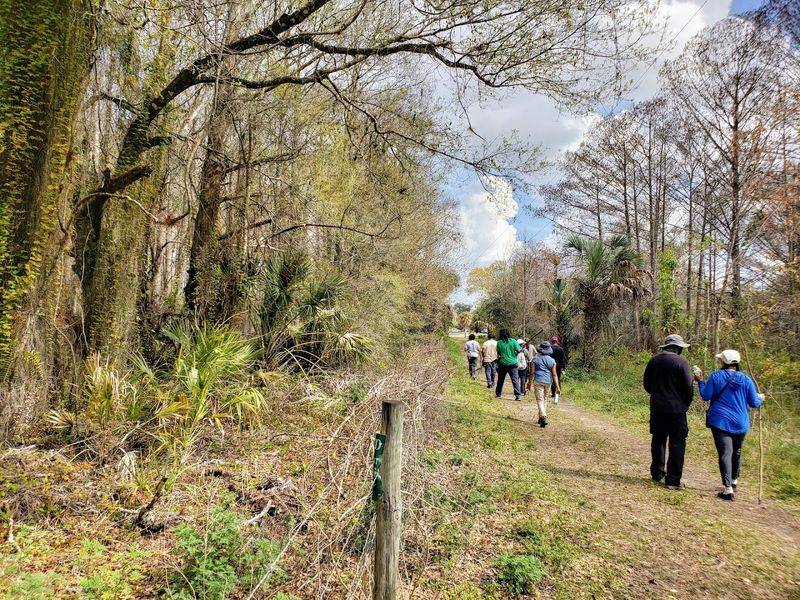
Orange trees planted by Spanish explorers centuries ago still bear fruit along trails leading to mysterious earthen mounds. Fort Center represents layers of human history, from Native American settlements to Spanish colonial outposts.
Walking these grounds connects you to people who lived, worked, and thrived here long before modern Florida existed.
The archaeological site offers educational opportunities alongside natural beauty. Interpretive markers explain the significance of various features, helping visitors understand the area’s cultural importance.
Ancient citrus groves provide shade and tangible links to early European settlers who brought Mediterranean agriculture to the New World.
Hiking to Fort Center makes a perfect addition to a paddling trip, offering historical context to the natural landscape. The trail crosses prairies where cattle sometimes graze, requiring patience when bovine residents block the path.
It’s not heavily shaded, so bring sun protection and plenty of water, especially during midday heat.
Combining natural and cultural history creates a richer understanding of the region. You’re not just observing wilderness—you’re walking through a landscape shaped by countless generations.
The site remains relatively undeveloped, preserving its quiet dignity and allowing visitors to imagine life in different eras without modern distractions interfering with the experience.
Best Time To Paddle
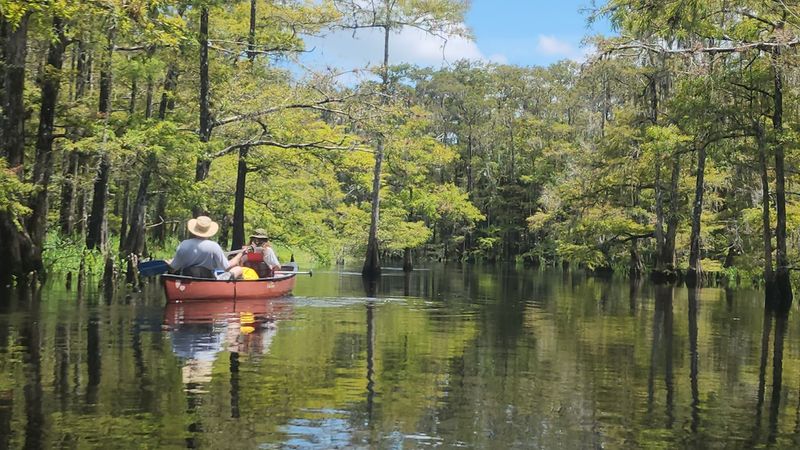
The best time to paddle at Fisheating Creek Wildlife Management Area is closely tied to Florida’s seasonal water levels, which change how the creek feels on the water—from calm, shaded floats to more challenging, shallow stretches.
According to Florida Fish and Wildlife guidance, paddling conditions are generally best during higher water levels, which typically occur in late summer—especially July, August, and September. After heavy seasonal rains, the creek becomes deeper and more navigable, making it easier to glide through long stretches of cypress-lined water with fewer portages.
That said, each season offers a different experience. In fall and winter (October through May), water levels can drop, revealing sandbars and slower-moving sections.
These conditions are often more scenic and peaceful, with clearer wildlife viewing, but they can require more effort and occasional dragging in shallow areas. Many paddlers actually prefer these cooler months for comfort and fewer insects, even if the paddle itself is a bit more technical.
Spring is also a beautiful shoulder season, when migrating birds and nesting wildlife make the creek especially lively. But for the smoothest, most effortless paddling experience, summer’s higher water levels tend to be the sweet spot.
In short: late summer for easiest paddling, cooler months for quieter beauty and wildlife encounters—each offering a different way to experience this wild Florida waterway.
Wildlife To Spot
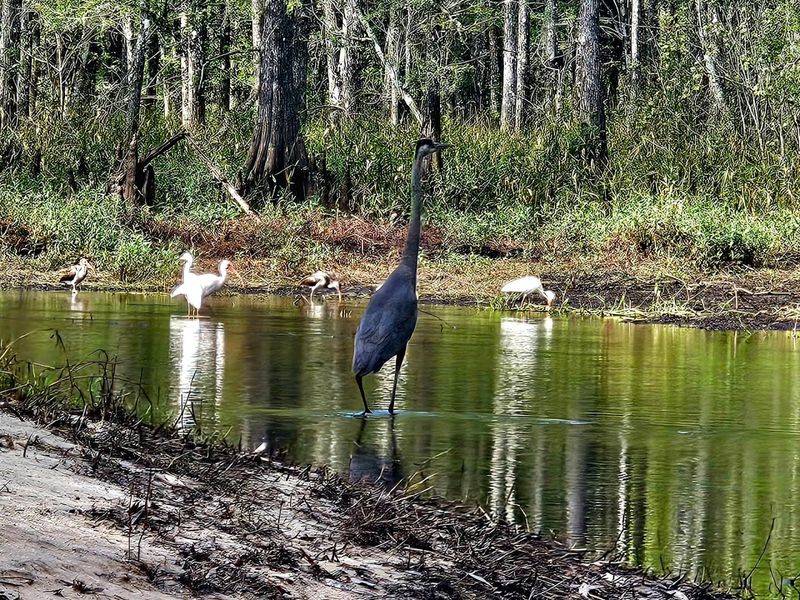
At Fisheating Creek Wildlife Management Area, wildlife viewing is one of the most rewarding parts of a paddle, and every bend in the creek can feel like a quiet surprise waiting in the water or trees above. This long, winding waterway flows through cypress swamps, prairies, and marshes, creating a rich habitat where Florida’s wild character is still very much alive.
One of the most iconic sights here is the American alligator, often seen resting along muddy banks or gliding slowly through the dark, tea-colored water. River otters also appear frequently, especially in the quieter stretches of the creek, where they dart and play near fallen logs.
Wading birds are everywhere—great blue herons, egrets, ibis, and wood storks move gracefully through shallow edges, especially during feeding hours.
Birdwatchers are especially drawn to the area for species like bald eagles, hawks, and seasonal warblers that pass through during spring and fall migrations. One of the most remarkable seasonal highlights is the swallow-tailed kite, which nests and gathers here in large numbers before migration, circling high above the treetops in elegant formations.
The creek is also home to more elusive wildlife, including black racers, sandhill cranes in nearby prairies, and even rare visitors like the Florida panther moving through the broader landscape.
Paddling here feels like moving through a living ecosystem—quiet, slow, and full of small, unforgettable encounters. Each trip brings something different, which is exactly what makes this stretch of Florida wilderness so special as we move through the list of places to explore.
Butterfly Gardens In The Wild
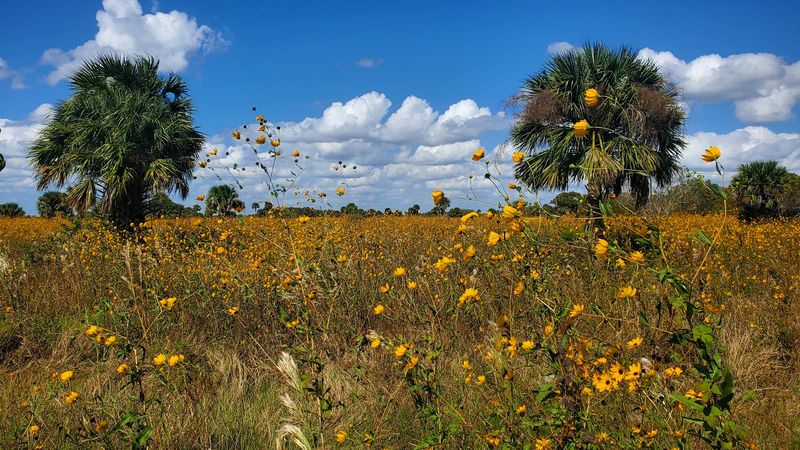
Monarchs, swallowtails, and dozens of other delicate species paint the air with living color. Fisheating Creek’s diverse plant communities create natural butterfly gardens that rival any cultivated display.
Recent visitors rave about the sheer numbers and variety of butterflies, especially during peak seasons when migrations and breeding cycles overlap.
The combination of wetlands, prairies, and forests provides ideal butterfly habitat. Different species prefer different environments, so walking various trails reveals constantly changing populations.
Native wildflowers supply nectar while host plants support caterpillars, completing the lifecycle needs that allow populations to thrive.
Photography enthusiasts find butterflies cooperative subjects on calm mornings before heat sends them soaring higher. Patient observers can watch feeding behaviors, courtship displays, and even egg-laying up close.
Bringing a macro lens or close-up camera setting captures details impossible to see with naked eyes.
Beyond butterflies, the area teems with fascinating insects from dragonflies to beetles. While some visitors focus on bigger wildlife like alligators and birds, the smaller residents deserve attention too.
They’re essential parts of the ecosystem, pollinating plants and feeding larger animals. Taking time to appreciate these tiny creatures adds another dimension to your wilderness experience, revealing the interconnected web of life that makes Fisheating Creek such a remarkable place.