Virginia’s skyline tells a story that feels far more daring than many travelers expect. Across the commonwealth, glassy towers, sculptural facades, and experimental silhouettes turn business districts into outdoor architecture galleries.
If you love buildings that mix ambition, utility, and a little visual drama, this lineup is worth your full attention. These 11 skyscrapers prove modern architecture in Virginia can be bold, elegant, strange, and unforgettable all at once.
Westin Virginia Beach Town Center
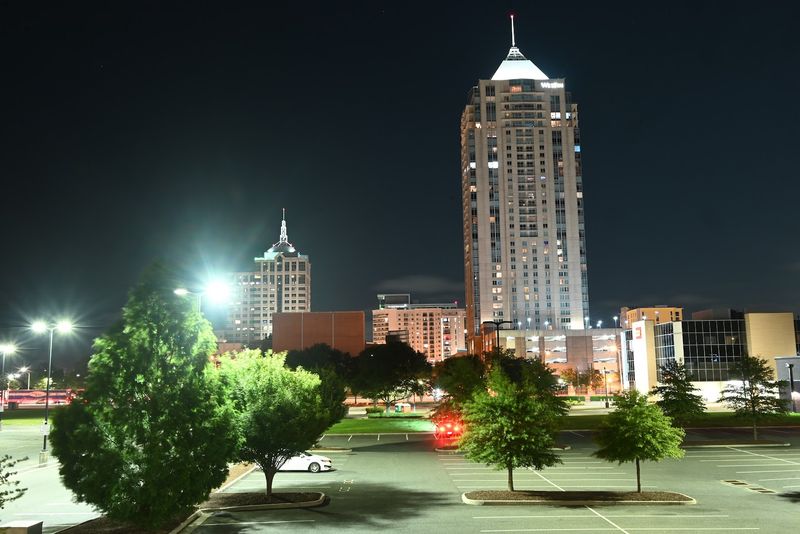
If you want to see Virginia’s skyline flex a little, this is where I would start. The Westin Virginia Beach Town Center rises 508 feet, and that height gives it instant authority over the surrounding city grid.
Its mix of hotel, residences, and urban energy makes the tower feel less like a solitary landmark and more like the centerpiece of a carefully staged modern district.
What really grabs you is its clean, upward thrust, helped by a sleek contemporary profile and the spire that sharpens its silhouette. I like how the design feels polished without becoming cold, especially when evening light reflects across the glass and the building starts to glow.
In a coastal city better known for the oceanfront than skyscrapers, this tower feels delightfully unexpected, like Virginia Beach decided to slip on formalwear after sunset.
It is bold, vertical, and just theatrical enough to be memorable.
Capital One Tower
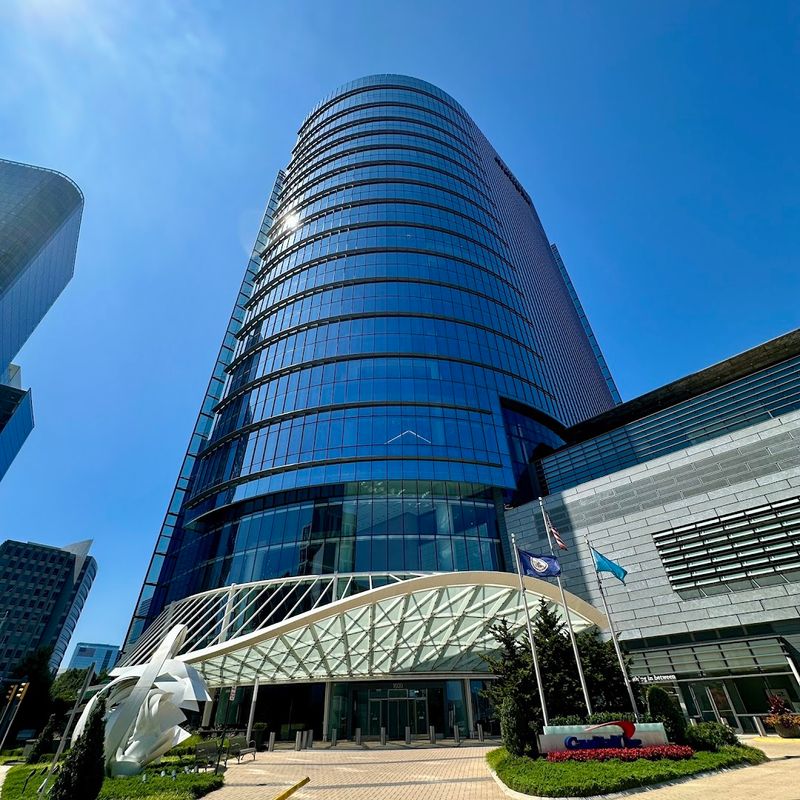
Capital One Tower in Tysons feels like a statement piece for a suburb that grew up fast and decided to dress sharper. At 470 feet, it dominates the local skyline with a calm confidence that comes from proportion, glass, and disciplined detailing.
You can tell it was designed to represent a major corporate identity, but it avoids the stiff, generic feeling that so many office towers never escape.
I think the best part is how it works both as a singular object and as the anchor of a larger mixed-use environment. The sleek exterior, refined massing, and metropolitan scale give Tysons the kind of visual punctuation that says this is no longer just a commuter crossroads.
There is ambition in the design, but also restraint, which is usually a winning combination in modern architecture. Instead of shouting for attention, the tower simply stands there and lets the skyline reorganize itself around it.
That kind of quiet power is hard to fake.
Central Place Tower
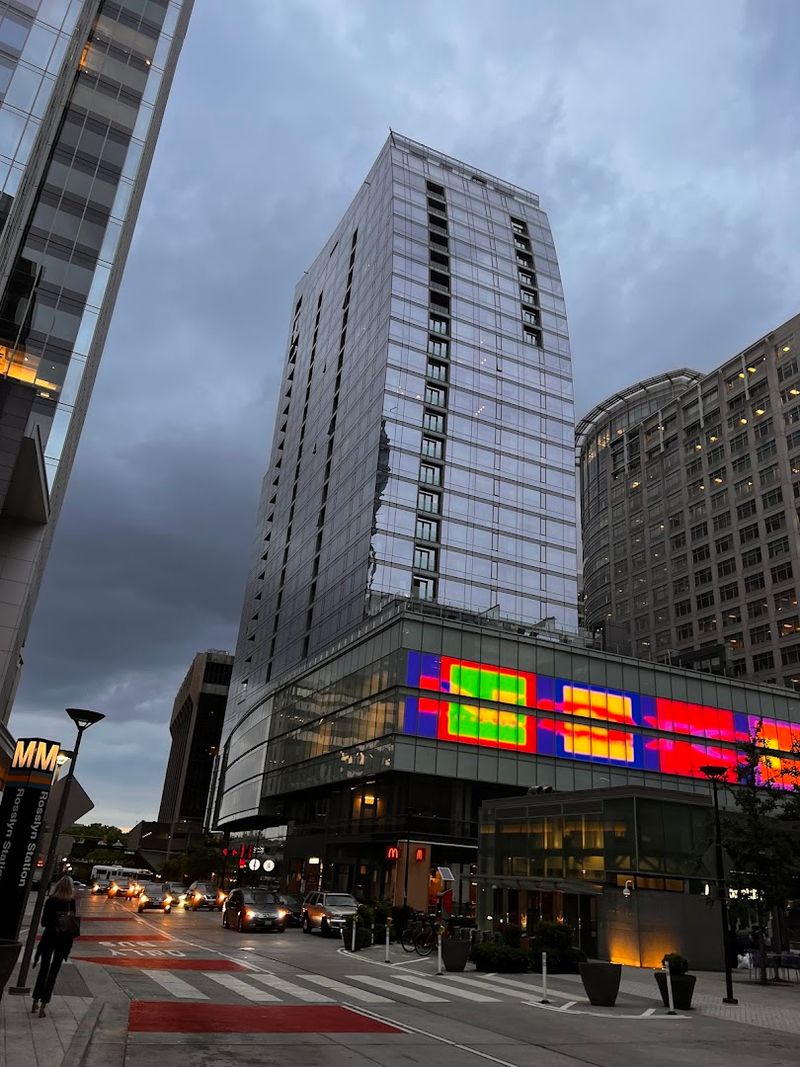
Central Place Tower gives Rosslyn the sort of architectural polish that makes a skyline feel intentional rather than accidental. Rising above Arlington’s dense urban fabric, it works as both a premier office address and a visual hinge between street life, transit, and the broader metropolitan view.
I like towers that understand their surroundings, and this one clearly does, using elegance instead of excess to make its point.
The design is associated with Beyer Blinder Belle, and that pedigree shows in the building’s controlled sophistication. Its glassy exterior and carefully tuned proportions help it stand out without disrupting the disciplined rhythm of Rosslyn’s high-rise cluster.
When you look at it from across the river or from a Metro platform, the tower feels like a kind of urban compass, orienting everything around it. That transit-centered relationship gives the architecture extra relevance, because modern design is more interesting when it shapes how a city actually works.
Here, beauty and usefulness genuinely seem to meet.
James Monroe Building
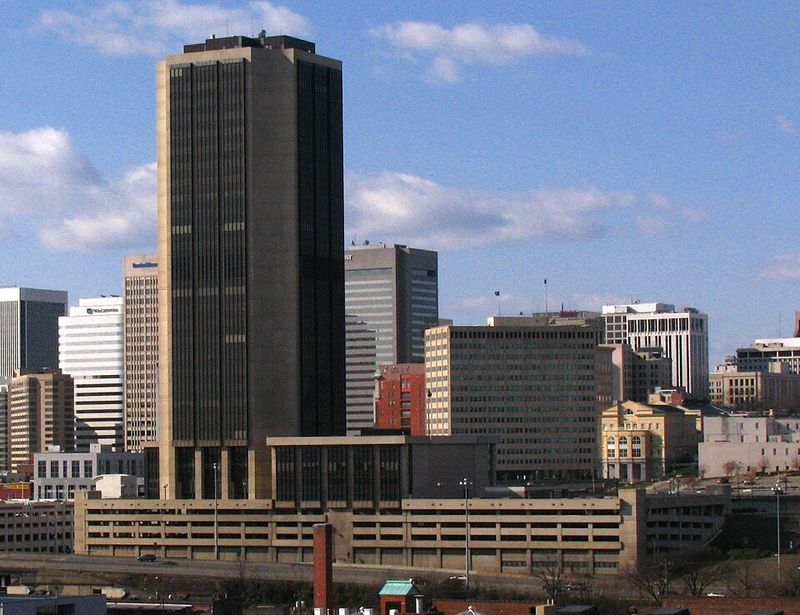
Image Credit: Alex Ford.
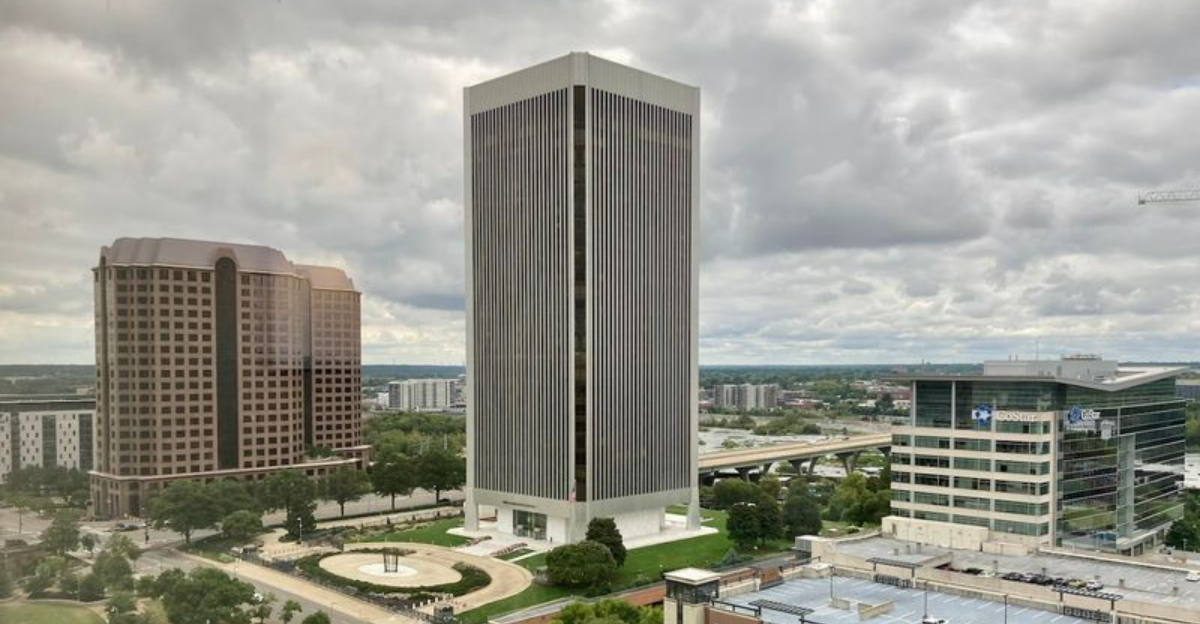
The James Monroe Building has the kind of presence that comes from years of owning a skyline. At 449 feet, this Richmond office tower held Virginia’s tallest-building title for more than two decades, and you can still feel that old heavyweight status when you see it.
Even with newer glass towers arriving nearby, it remains a defining downtown landmark with an unmistakably authoritative silhouette.
Completed in 1981 and designed in the International Style, the building leans on discipline rather than spectacle. I appreciate how its straightforward vertical form communicates confidence without relying on decorative tricks or flashy curves.
There is something almost cinematic about the way it rises from Richmond’s urban core, as if the city needed one clear exclamation point and found it here. For you as a skyline watcher, that matters, because modern architecture is not always about novelty.
Sometimes it is about endurance, and this tower has kept its visual influence through changing tastes, new neighbors, and shifting ideas of what downtown should look like.
CoStar Tower
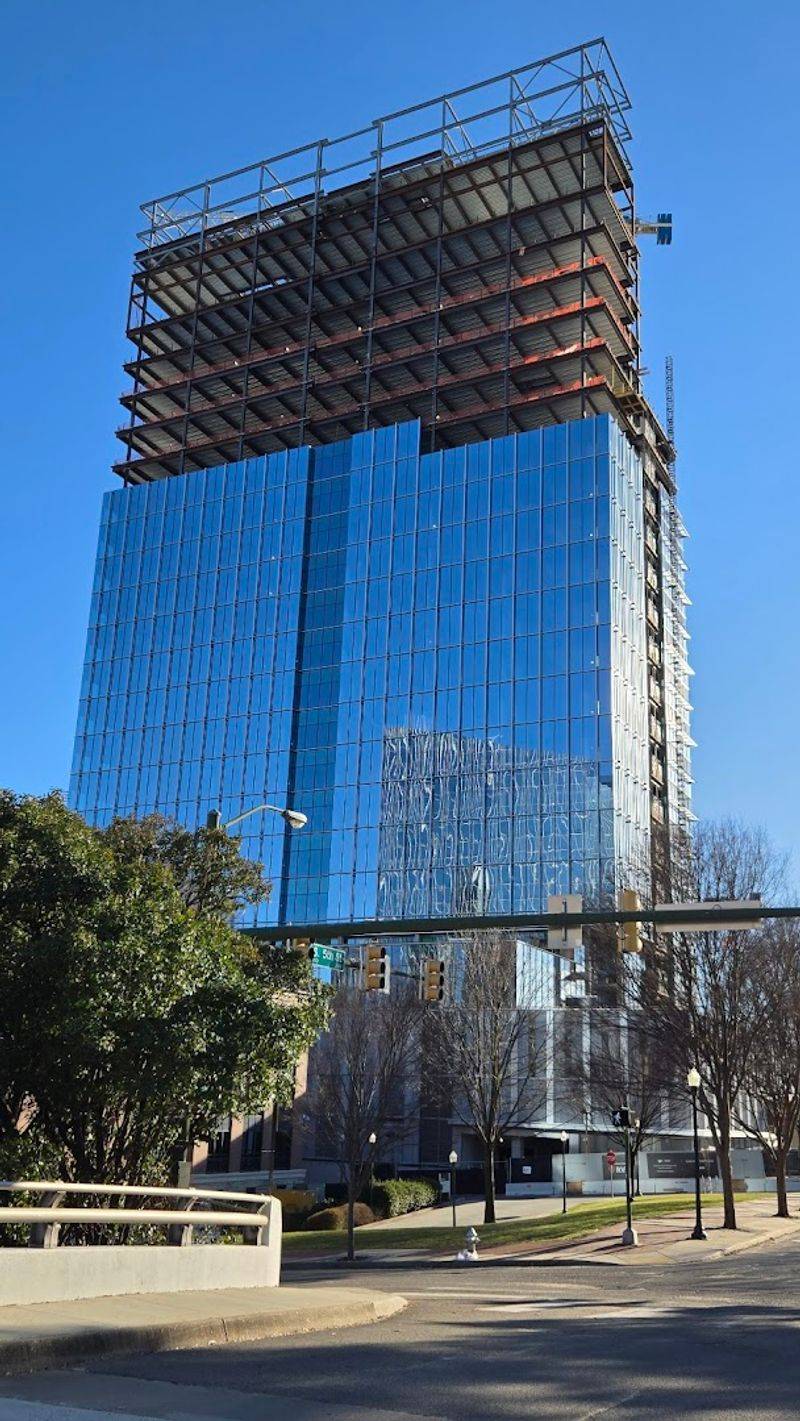
CoStar Tower feels like Richmond decided to redraw its skyline with a brighter pen. At 421 feet, this glass-heavy high-rise brings a fresh, contemporary profile to downtown, and its arrival changes the visual conversation almost immediately.
You do not need to know every development detail to sense that the building was meant to symbolize momentum, investment, and a more future-facing city center.
I am drawn to how the tower embraces transparency and sleekness without losing a sense of urban heft. Its reflective skin catches weather, light, and neighboring structures in a way that makes the whole building seem animated, almost as if the skyline is moving across it.
That kind of responsiveness gives modern architecture an emotional edge, because a tower starts feeling less static and more alive. In a city often associated with layered history and masonry character, CoStar Tower offers a strong counterpoint that still feels surprisingly at home.
It is not trying to imitate the old Richmond skyline. It is trying to challenge it, and honestly, that boldness works.
600 Canal Place / Dominion Energy Headquarters
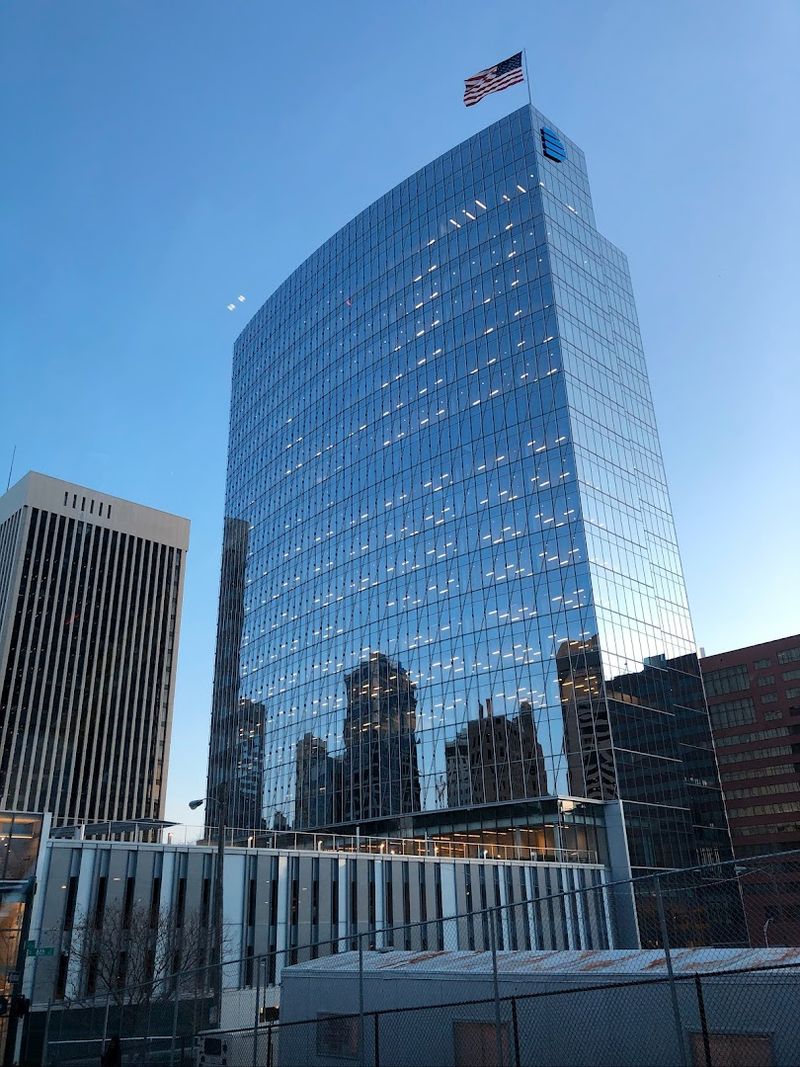
600 Canal Place, also known as Dominion Energy Headquarters, is one of those buildings that makes modern corporate architecture feel surprisingly graceful. Standing 417 feet tall, it stretches across a city block with a glass and steel presence that looks sleek from nearly every angle.
I especially like the sail-inspired curve, because it softens the tower’s scale and gives Richmond something more fluid than a standard rectangular office slab.
The sustainability story adds depth to the visual appeal, which matters more than people sometimes admit. Rainwater strategies, energy-efficient systems, and a refined contemporary envelope help the building feel aligned with a future-minded version of architecture rather than just a stylish one.
When you see it among Richmond’s older financial towers, the contrast becomes part of the experience. This is not a building that tries to overpower its neighbors through brute force.
Instead, it introduces elegance, efficiency, and composure, showing that modern design can still command attention while looking almost effortless. If skyscrapers could exhale calmly, this one probably would.
Truist Place
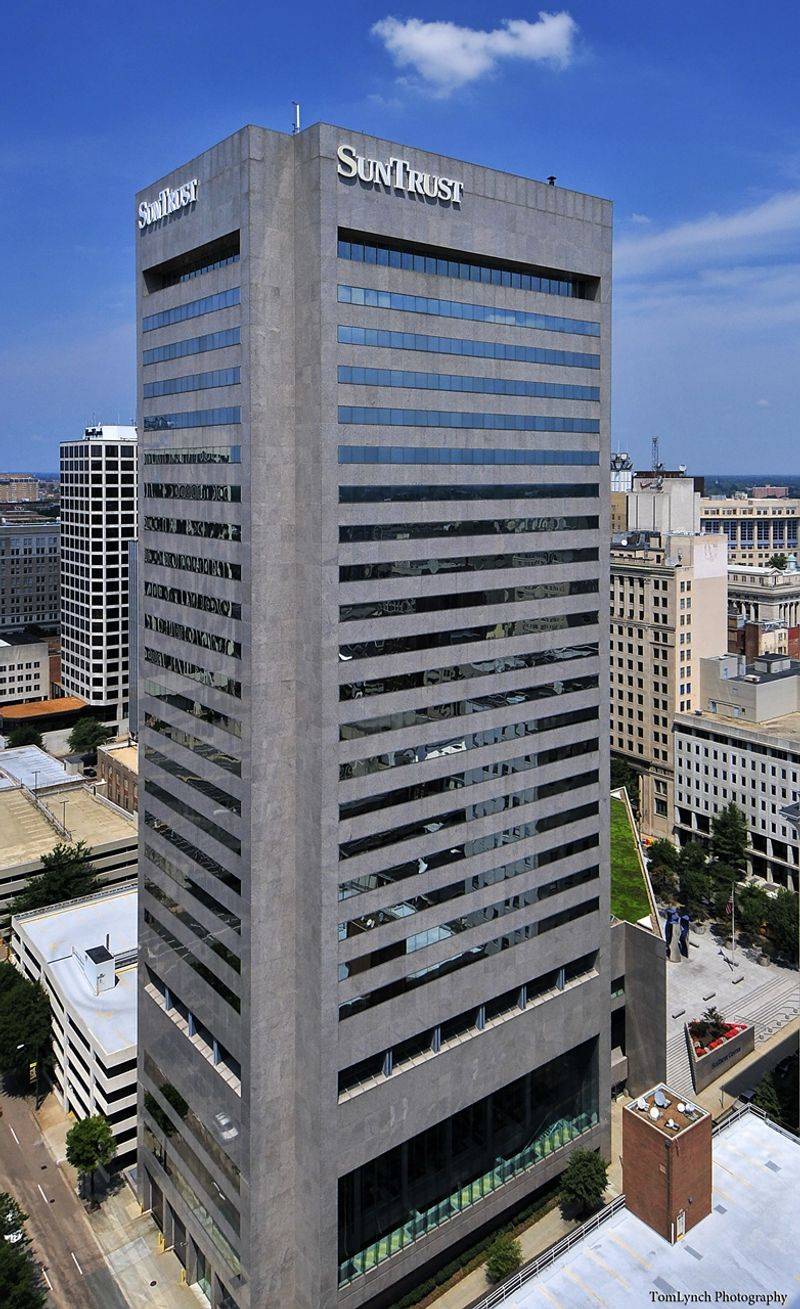
Image Credit: Fawful37.
Truist Place brings a different flavor to Richmond’s modern skyline because it feels less glassy and more sculpted. At 400 feet and 26 stories, the tower stands out through its strong geometry, darker cladding, and a profile that feels deliberately layered rather than purely streamlined.
If you are used to equating modern architecture with reflective blue glass, this building is a nice reminder that modern can also mean weight, texture, and carefully controlled drama.
Originally completed in 1983, the tower carries a postmodern edge, and I think that gives it personality many newer buildings lack. Its form has often been described as tiered or cascading, and that reading makes sense when you notice how the massing plays with setbacks and visual depth.
There is also something satisfying about a skyscraper that looks serious from afar but rewards closer attention with compositional nuance. Even the green roof and resident beehives add a small, unexpected layer of charm.
This is the kind of building that quietly becomes more interesting the longer you stare at it.
Federal Reserve Bank of Richmond
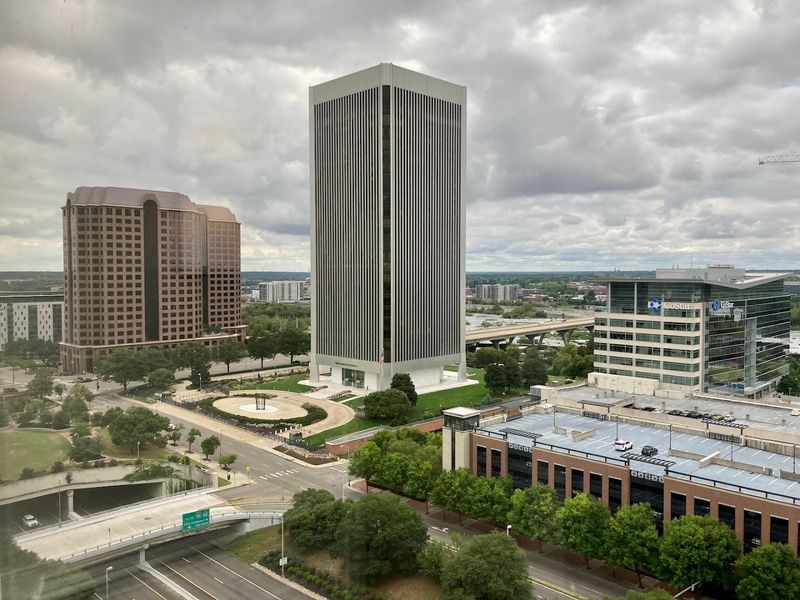
The Federal Reserve Bank of Richmond does not charm you in a soft, easy way. Instead, it projects strength, control, and a kind of modern seriousness that feels almost fortress-like, especially along the James River.
At 394 feet, the 26-story tower makes an immediate impression, and I think that tension between elegance and severity is exactly what makes it architecturally compelling.
Designed by Minoru Yamasaki, the building uses repetitive vertical bays to create a disciplined facade that recalls some of his other major work. There is a Brutalist-adjacent weight to its presence, yet the tower also carries the cleaner order of International Style thinking, which gives it a fascinating split personality.
Nearly half of its area sits underground, and somehow that hidden mass only adds to the building’s mystique above grade. If you appreciate skyscrapers that feel less like polished lifestyle branding and more like expressions of institutional power, this one delivers.
It is formidable without being clumsy, austere without being dull, and deeply memorable because it never tries too hard to be liked.
Markel Building
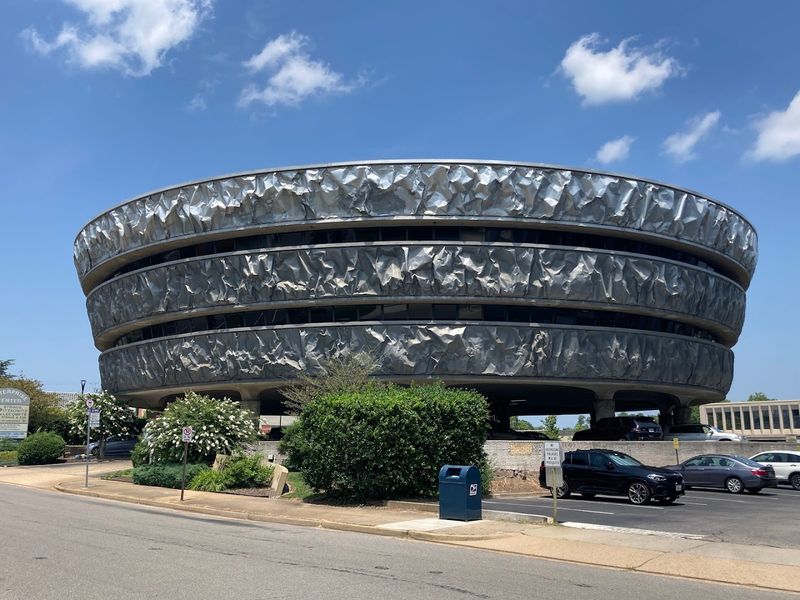
The Markel Building proves a skyscraper list gets better the moment it allows a little weirdness inside. At roughly 140 feet, it is not one of Virginia’s tallest structures, but it may be one of the most unforgettable.
You only need one look at its aluminum-clad, rounded form to understand why people compare it to a baked potato wrapped in foil, and honestly, that description undersells its charm.
Designed by Haig Jamgochian and completed in 1965, this mid-century modern oddity feels both playful and strangely elegant. I love that the hammered aluminum exterior was hand-worked to create its distinctive crinkled texture, because that detail turns the whole building into an oversized piece of sculpture.
In a world of safe office design, the Markel Building still feels gloriously unruly, as if someone gave a corporate headquarters a sense of humor and excellent tailoring. For you, that means modern architecture here is not limited to sheer height or glass facades.
It can also be experimental, tactile, and delightfully offbeat while still earning real design respect.
ChildSavers Building / WRVA Building
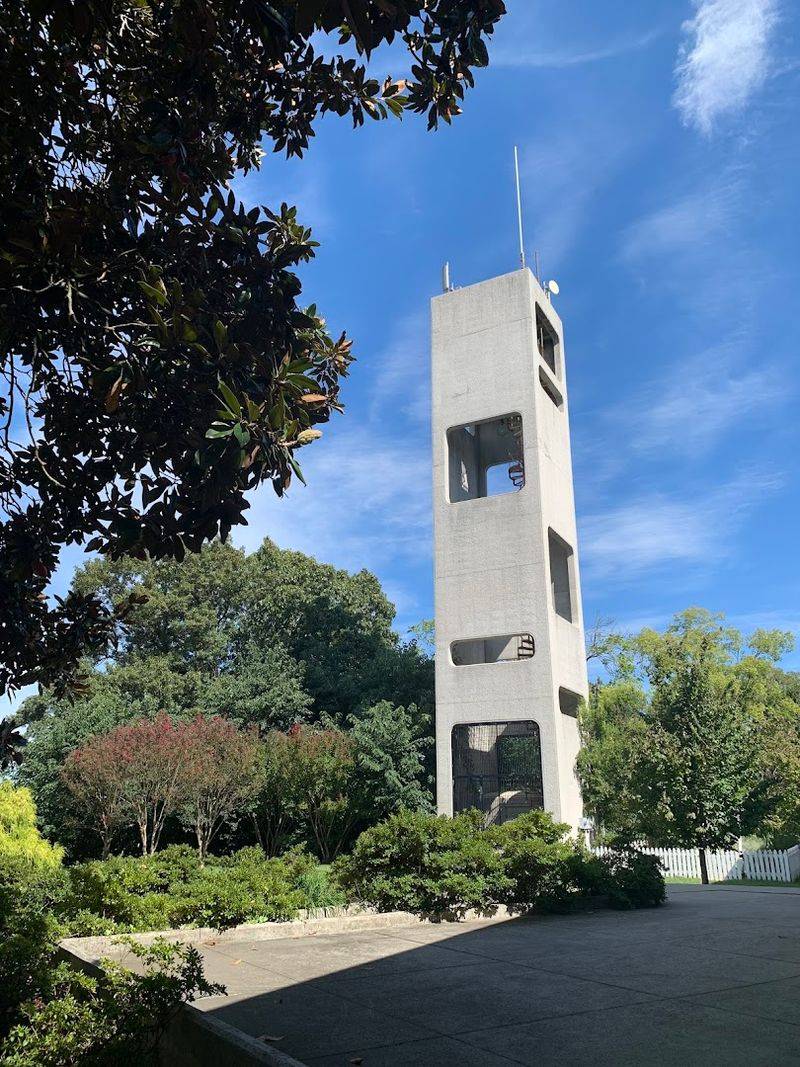
The ChildSavers Building, also known as the WRVA Building, has the kind of moody architectural personality that sneaks up on you. Rising to about 200 feet, it does not dominate Richmond by sheer size, but its concrete presence gives it a visual force that feels bigger than the numbers suggest.
If you enjoy modern buildings that look a little severe, a little sculptural, and completely uninterested in pleasing everyone, this one is easy to admire.
Often linked to Philip Johnson and dating to the late 1960s, the structure is known for its hewn, weighty facade and commanding perch above the skyline. I think that rougher material expression is what makes it so intriguing, because the building feels carved rather than assembled.
It has the stubborn charisma of architecture that trusts mass, shadow, and texture more than shine. In a list filled with curtain walls and polished towers, this building changes the mood entirely.
It reminds you that modernism in Virginia was never only sleek. Sometimes it was stern, tactile, and a bit dramatic in the best possible way.
Virginia Tech Academic Building One
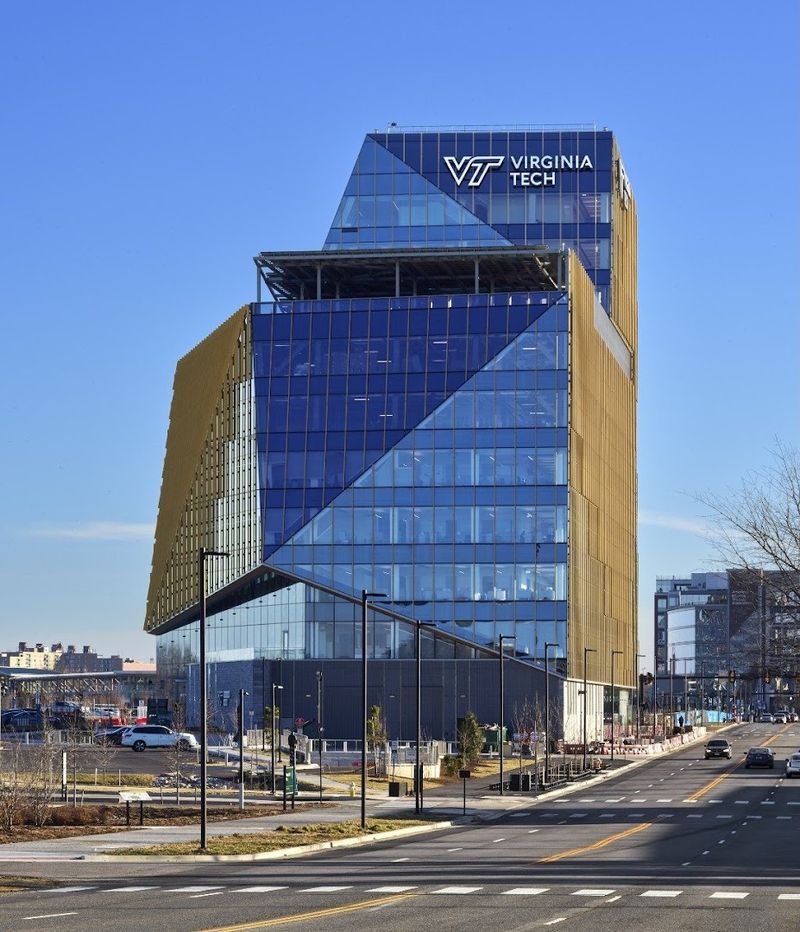
Virginia Tech Academic Building One might be the clearest proof that a high-rise can be both futuristic and genuinely useful. This 11-story vertical campus in Alexandria trades traditional office-tower expectations for something more experimental, educational, and environmentally ambitious.
When you see the multifaceted facade catching light and shifting in tone from cobalt blue to champagne gold, it feels like the building is actively participating in the day.
What excites me most is that the beauty here is tied directly to performance. Photovoltaic glass, solar fins, and other sustainability features are not hidden technical footnotes.
They shape the architecture itself, which gives the building an honesty that many eco-friendly projects never quite achieve. For you as an observer, that means the wow factor is not superficial.
It comes from seeing innovation made visible at full scale. Located in the Innovation Campus, the tower looks exactly like the kind of place where new ideas should live.
It is crisp, intelligent, and optimistic, showing that Virginia’s modern skyline can also be a testing ground for better design.