Pennsylvania has a way of turning meals into legends, and these restaurants prove it. Some are famous for giant sandwiches, some for polished tasting menus, and some for crowds that never seem to stop coming.
If you want the places people bring up again and again, this list serves the heavy hitters with a few fun twists along the way.
Reading Terminal Market
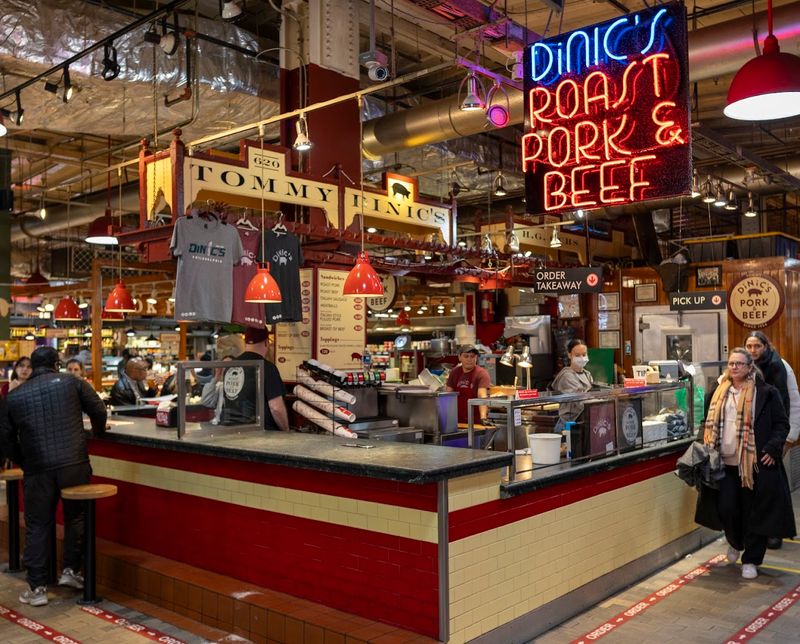
If you want a single Pennsylvania food stop that feels like a whole city compressed into one room, Reading Terminal Market is the place people mention first. Opened in a National Historic Landmark building in Center City Philadelphia, it has been feeding locals and visitors since the nineteenth century.
I love that it feels equally historic and chaotic, like a delicious indoor crossroads where every counter promises a different obsession.
You can chase the famous roast pork at Tommy DiNic’s, then pivot straight into Pennsylvania Dutch comfort food from the Dutch Eating Place without ever stepping outside. The market’s fame comes from variety, but it sticks in your memory because every aisle feels alive with sizzling grills, bakery scents, and the soundtrack of hungry people making up their minds.
If you only have one afternoon to understand why Pennsylvania’s food scene gets so much love, this giant, delicious maze makes a convincing argument all by itself.
Primanti Bros.
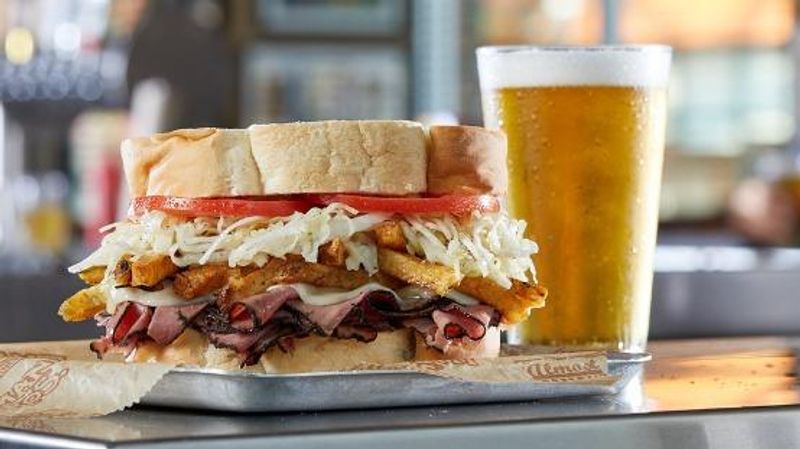
Primanti Bros. is one of those places that feels bigger than a restaurant because the sandwich has practically become a state symbol. At the original Strip District location in Pittsburgh, the signature move is gloriously overbuilt: grilled meat, melted provolone, tangy coleslaw, and thick-cut fries all stuffed between soft Italian bread.
You do not need a long explanation once that plate lands because the whole point is convenience, excess, and satisfaction in one hand.
Its story is tied to truck drivers and shift workers who needed a fast, filling meal, which makes the sandwich feel rooted in real Pittsburgh grit instead of hype. I think that working-class origin is exactly why it stays famous, even after James Beard recognition and endless tourist attention.
It is messy, a little ridiculous, and totally committed to its identity, which is probably why people who visit Pennsylvania love to say they finally tried the sandwich with the fries already inside.
Zahav
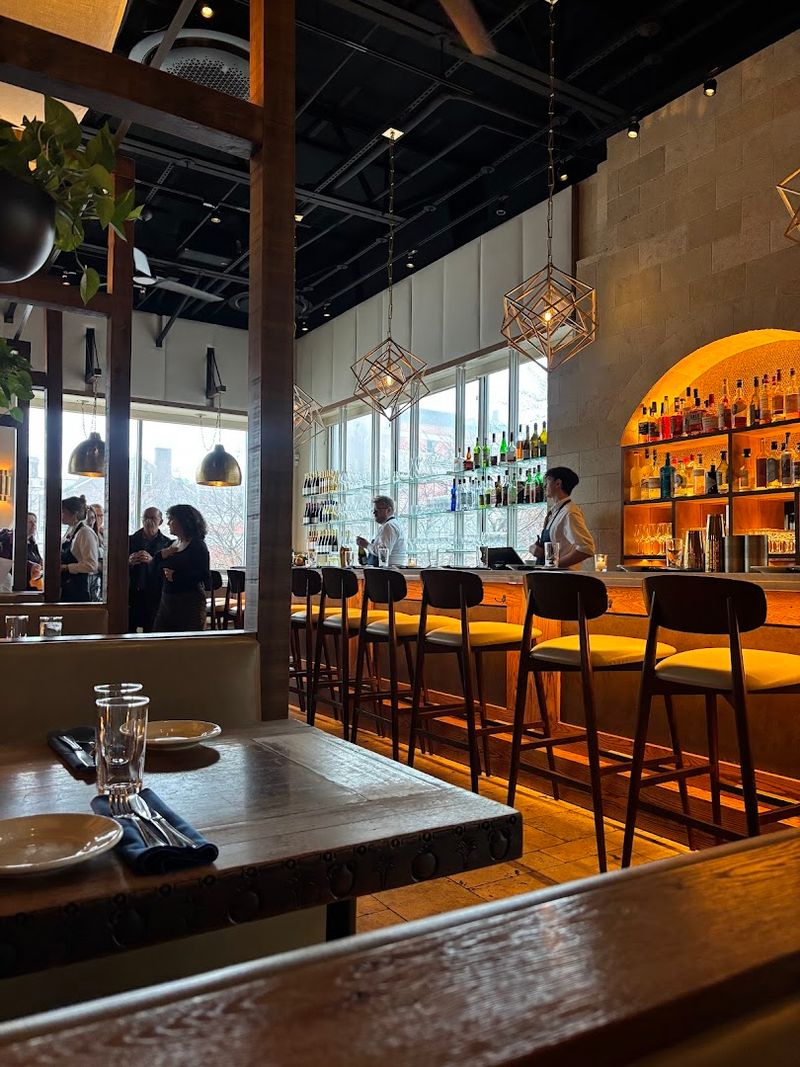
Zahav is the restaurant people bring up when they want to prove Pennsylvania can do world-class fine dining with real soul. Tucked on St. James Place in Philadelphia, this nationally acclaimed spot helped redefine the city’s culinary reputation through modern Israeli cooking that feels polished without losing warmth.
The room glows, the plates arrive like little events, and somehow the famous hummus still manages to exceed the built-up expectations.
The pomegranate lamb shoulder is the kind of dish that turns dinner into a memory you start describing before you even leave the table. Chef Michael Solomonov and Steve Cook built a place that earned major national recognition, including a James Beard Award for Outstanding Restaurant, and that level of acclaim is easy to understand once you taste the balance of comfort, spice, texture, and ceremony.
If some famous restaurants survive mostly on reputation, Zahav stays on the list because it still feels thrilling, generous, and worthy of all the reverent chatter.
Geno’s Steaks and Pat’s King of Steaks
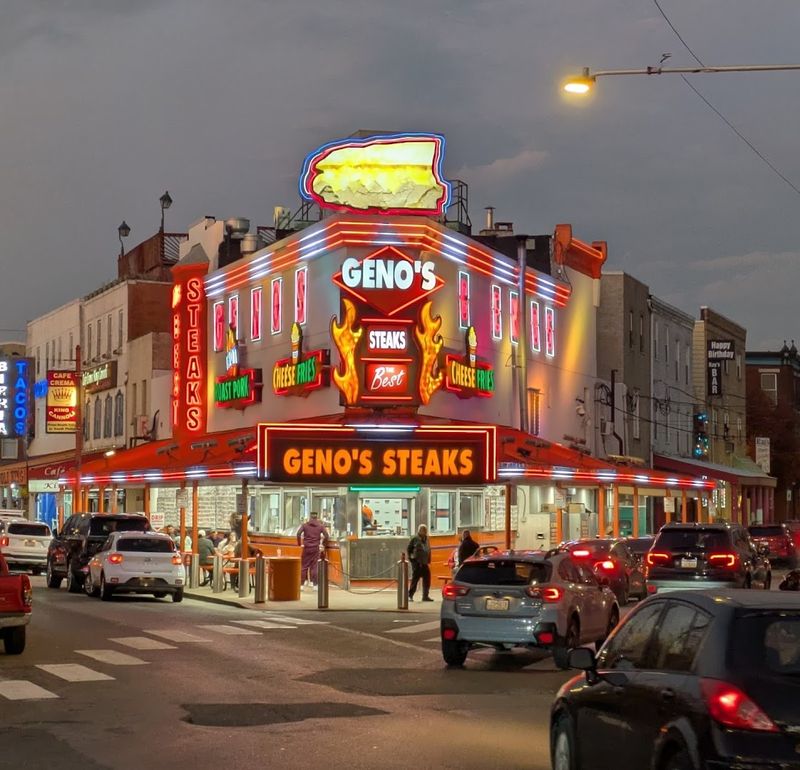
Some restaurants become famous for food, but Geno’s Steaks and Pat’s King of Steaks became famous for a rivalry that practically functions like live theater. Sitting across from each other at the South Philly intersection of 9th Street and Passyunk Avenue, both spots claim cheesesteak greatness and attract a constant stream of locals, tourists, and opinionated first-timers.
You can feel the debate in the air before you even order, which is part of the fun.
Pat’s traces its story to the original steak sandwich, while Geno’s built its own loyal following and lasting argument over who perfected the formula with cheese. Both are open around the clock, both move fast, and both understand that a cheesesteak is as much ritual as meal in Philadelphia.
I like that the experience asks you to pick a side, compare notes, and maybe change your mind after a second sandwich. Even if Pennsylvania had no other iconic food stop, this glowing corner alone would still qualify as essential pilgrimage material.
Pamela’s Diner
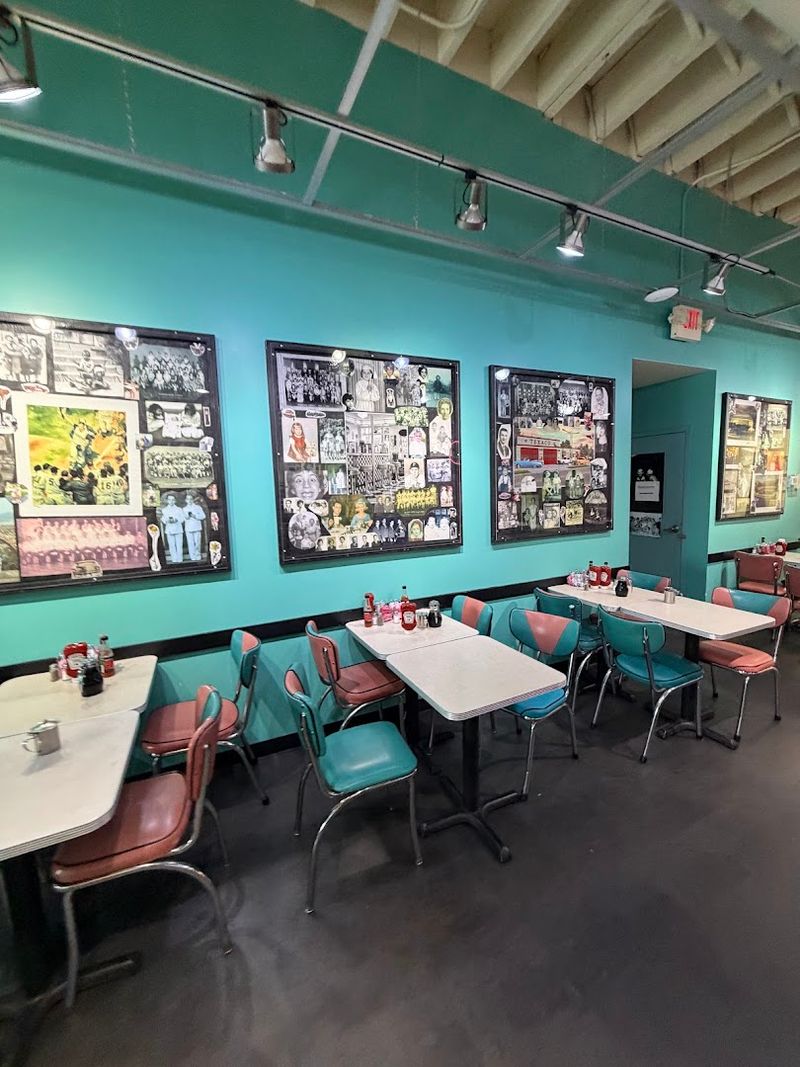
Pamela’s Diner has the kind of breakfast fame that makes people talk about pancakes as if they are a protected cultural treasure. At the Strip District location in Pittsburgh, the signature hotcakes come out ultra-thin with crisp lacy edges, more crepe-like than fluffy, and instantly recognizable to anyone who has ever craved breakfast for dinner.
The room carries that retro diner energy where coffee keeps moving, plates keep landing, and everyone looks a little too happy for early morning.
Its reputation has stretched far beyond locals, drawing presidents, celebrities, and first-time visitors who want to see whether the hype is real. I think the secret is not just novelty, but consistency, because these hotcakes feel simple until you realize almost nobody else makes them quite this way.
Add potatoes, eggs, and the humming soundtrack of a beloved neighborhood diner, and the whole experience becomes bigger than breakfast. In a state full of famous sandwiches and grand dining rooms, Pamela’s proves a plate of pancakes can still earn legendary status.
The Tavern Restaurant
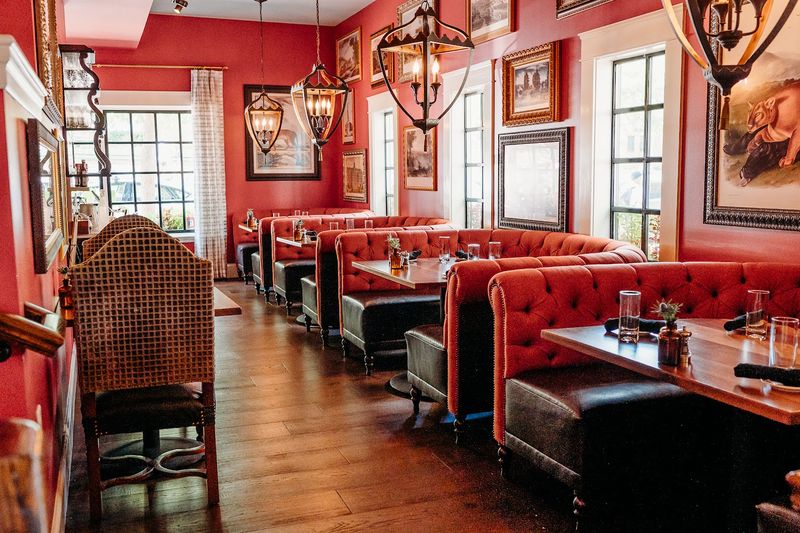
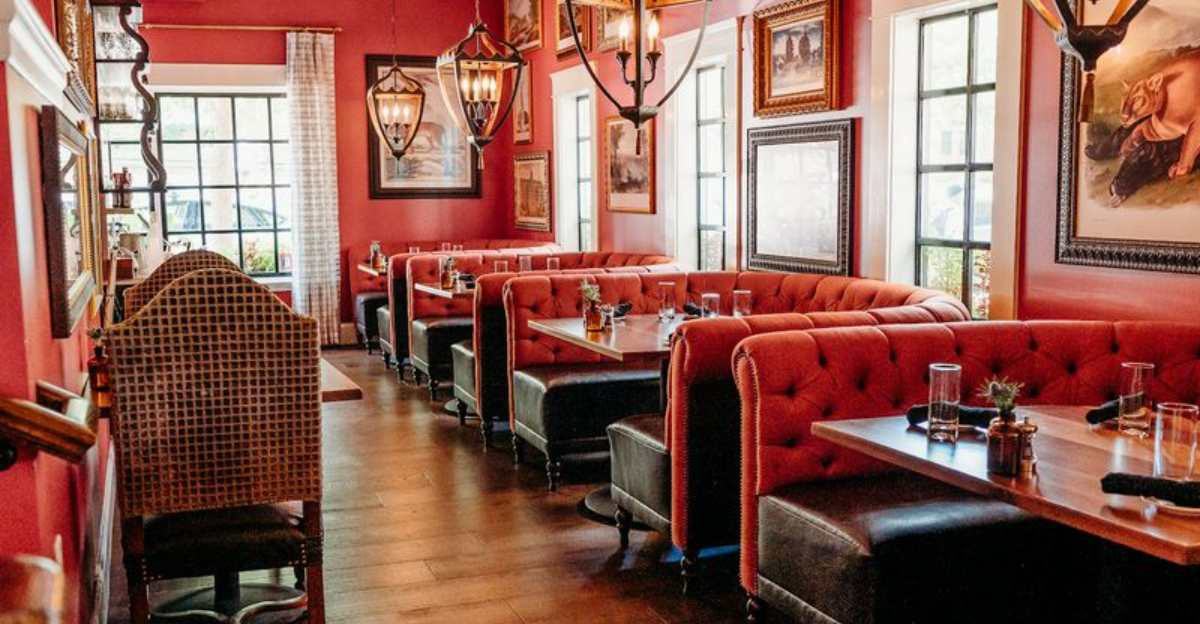
The Tavern Restaurant feels like the kind of place that has seen generations celebrate, reconnect, and order the same favorite thing without apology. Open since 1948 in State College, it has long been woven into Penn State tradition, drawing alumni, visitors, and locals who want elevated comfort food in a room that practically glows with memory.
Pine paneling, antiques, old photos, and that inn-style warmth make it feel instantly established in the best possible way.
I like that its fame is quieter than a flashy city restaurant, because it comes from endurance, atmosphere, and the comforting confidence of knowing exactly what it wants to be. You go for classic American fare and timeless cocktails, but you stay for the feeling that every booth has a story attached to it.
Near campus, plenty of places can feed you fast, yet few can deliver this level of nostalgia without feeling stale. The Tavern remains famous because it turns a meal into a tradition, and traditions are hard to compete with in Pennsylvania.
The Millworks
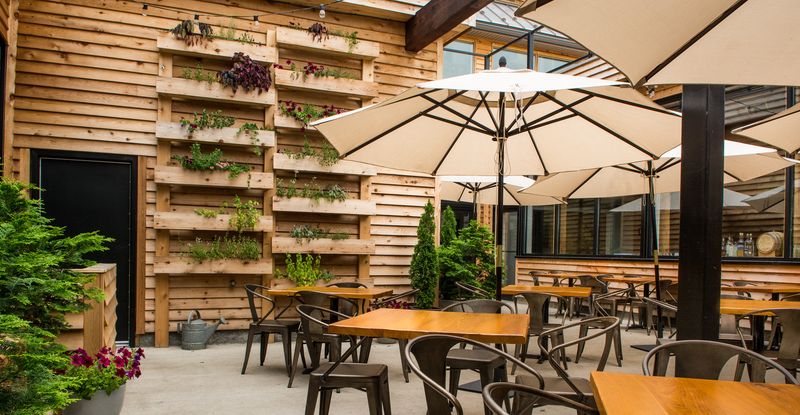
The Millworks earns its fame by refusing to be just one thing, which makes it feel especially memorable in Harrisburg. Set inside a rehabilitated historic building, it combines a farm-to-table restaurant, brewery, galleries, artist studios, courtyard, and rooftop biergarten into one sprawling creative ecosystem.
You can show up hungry and leave feeling like you also wandered through a mini arts district without ever changing addresses.
That mashup is exactly why people keep recommending it, because the meal comes with a side of discovery. I love places where local ingredients, local makers, and local personality all show up at once, and The Millworks leans hard into that idea without becoming precious about it.
One minute you are admiring artwork, the next you are planning your beer order and deciding whether to stretch dinner into a rooftop hang. Pennsylvania has plenty of famous old-school icons, but this one feels modern, community-minded, and a little unconventional.
For anyone who likes culture with their cocktails, it is easy to see why this Harrisburg staple keeps landing on must-visit lists.
Shady Maple Smorgasbord
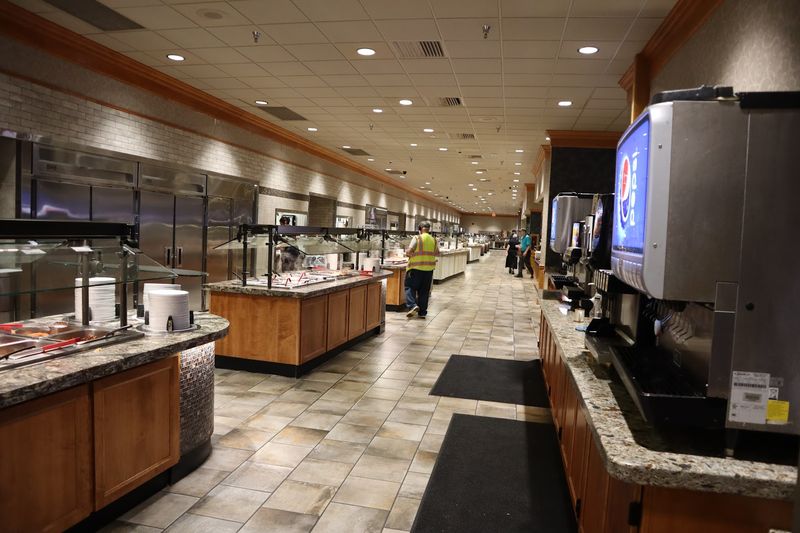
Shady Maple Smorgasbord is famous on a scale that feels almost mythic, because people do not just describe the food, they describe the sheer size of the experience. In East Earl, deep in Lancaster County, this Pennsylvania Dutch institution is recognized as the largest smorgasbord in the United States, with more than 200 feet of food.
That is the sort of detail that sounds exaggerated until you actually walk in and realize abundance is the whole point.
You will find traditional regional cooking, comfort dishes, desserts, and enough variety to make even decisive eaters pause in amazement. I think its lasting appeal comes from how unapologetically generous it feels, like hospitality turned into architecture.
There is something almost theatrical about scanning endless buffet lines while families, bus groups, and curious travelers all try to build the perfect plate. It is not trendy, and that is part of its charm.
Shady Maple stays famous because it offers a big, distinctly Pennsylvania experience that feels rooted in place, proudly old-school, and impossible to confuse with an ordinary buffet.
Max’s Allegheny Tavern
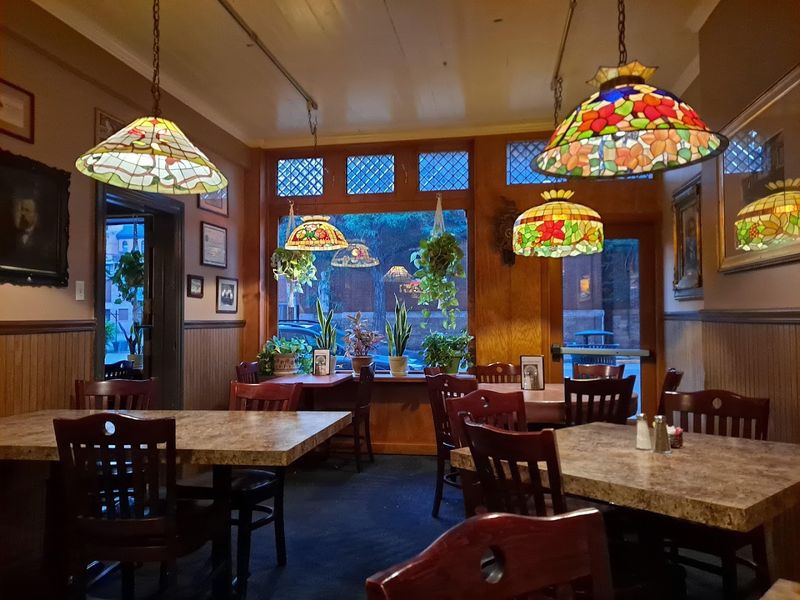
Max’s Allegheny Tavern feels like a place where Pittsburgh’s history and appetite sit down at the same table. In Deutschtown on the North Side, this long-running favorite is housed in a beautifully preserved historic building and serves authentic German cuisine in a setting full of old-world character.
The hand-carved bar, historic photos, and sturdy pub atmosphere make it easy to imagine decades of stories unfolding over beer and pretzels.
The menu leans into hearty classics like wursts, schnitzels, and traditional sides, but the giant soft pretzels are often what people rave about first. I appreciate that the restaurant does not water down its personality for trends, because its appeal comes from staying rooted in heritage while remaining welcoming to newcomers.
If you want a meal that feels substantial, a little festive, and deeply tied to a neighborhood identity, this is exactly the kind of place you hope to find. Pennsylvania’s famous restaurants are not all glossy or modern, and Max’s proves that history, comfort, and a very good pretzel can still create a destination worth talking about.
Lacroix at The Rittenhouse
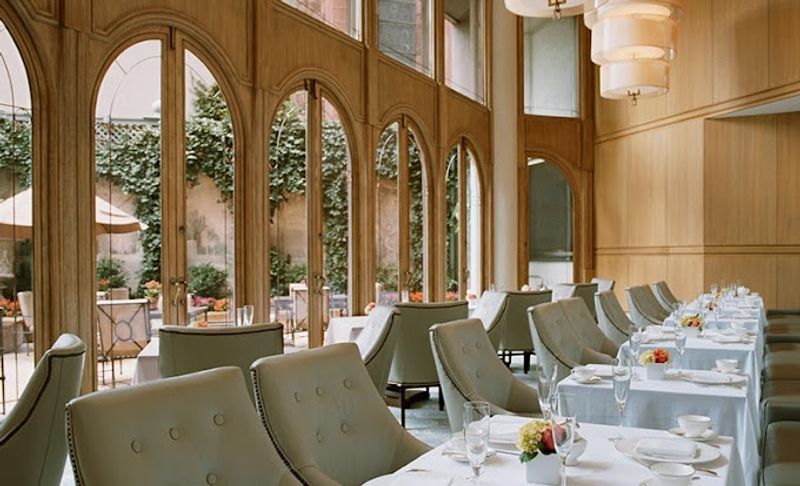
Lacroix at The Rittenhouse is the Pennsylvania restaurant you mention when the conversation shifts from beloved classics to polished luxury. Inside the Rittenhouse Hotel in Philadelphia, it pairs sweeping views of Rittenhouse Square with refined contemporary French-American cooking that feels precise, elegant, and quietly confident.
The setting already suggests occasion, but the food is what keeps the restaurant firmly in the state’s top tier.
What makes it especially famous is that it offers fine dining without feeling cold, whether you arrive for a celebratory dinner or the highly praised weekend brunch. I think the experience works because every detail, from service to plating to ingredient quality, reinforces the sense that you are somewhere exceptional.
Awards and four-star recognition matter, but the real draw is how complete the whole evening feels once the courses start rolling out. Pennsylvania is full of restaurants with strong personalities, and Lacroix stands out by making sophistication itself the personality.
If you want the kind of meal that turns the city outside the window into part of the presentation, this is the reservation people remember.