Pennsylvania knows how to do museums, but not always in the polite, whisper-and-shuffle way you might expect.
Across Philadelphia, Pittsburgh, Doylestown, Columbia, and Scranton, you can step into galleries filled with medical oddities, glowing folk art, bicycles stacked like chrome confetti, and stories powerful enough to stop you in your tracks.
This is the kind of museum trail that trades stiff labels for genuine surprise, where every stop gives you something memorable to laugh about, think about, or immediately text to a friend.
If your travel plans need more wonder, more character, and a lot less boredom, these eleven museums are ready to prove that the most unforgettable exhibits are often the ones you never saw coming.
1. The Mütter Museum — Philadelphia
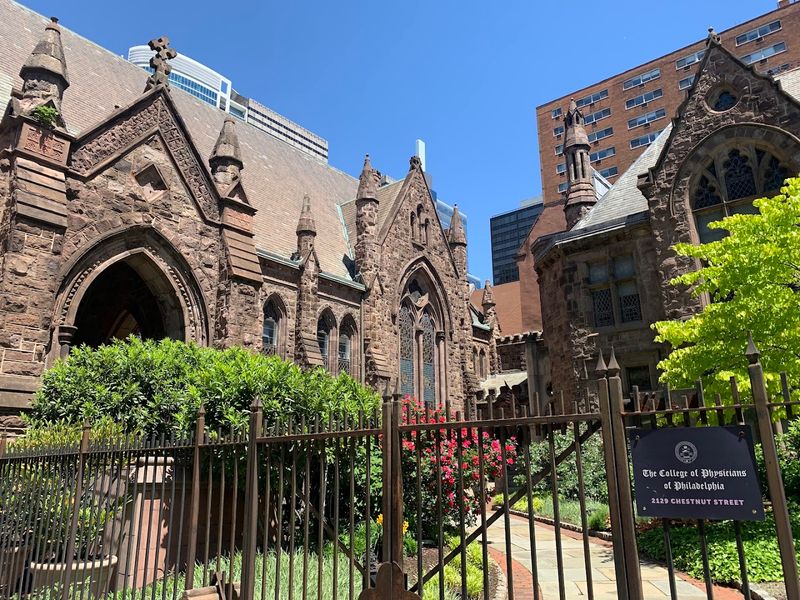
Nothing resets your idea of a museum faster than a room full of skulls staring back in perfect silence.
In Philadelphia, the Mütter Museum at The College of Physicians turns medical history into something fascinating, unsettling, and strangely beautiful.
You are not here for dusty timelines alone.
Its galleries hold anatomical specimens, vintage surgical tools, preserved tissues, and the famous soap lady, all displayed with a nineteenth century cabinet-of-curiosities mood.
The museum explains how doctors studied disease, injury, and the human body long before modern medicine looked anything like it does now.
That context matters, because the collection is never shock for shock’s sake.
One minute you are admiring intricate wax models, and the next you are reading about epidemics, medical ethics, and the people behind the specimens.
The best visits move slowly.
Labels here reward careful attention, and a quick lap misses the deeper story.
If you like museums that challenge, educate, and linger in your memory, this one absolutely delivers.
It is compact enough for a city itinerary, yet powerful enough to dominate the whole day.
Philadelphia offers plenty of landmarks, but few feel this unforgettable, or this gloriously, respectfully weird.
2. Bicycle Heaven — Pittsburgh
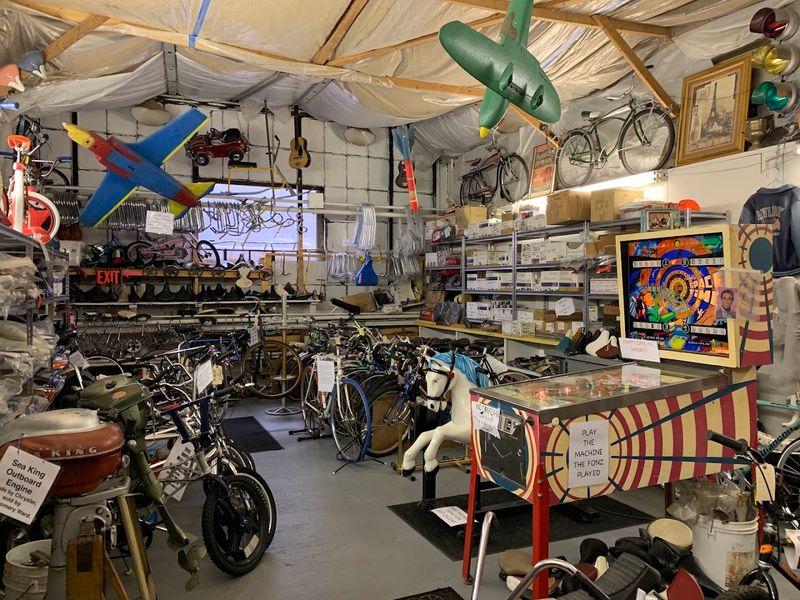
Chrome flashes, handlebars tangle, and suddenly you are inside what feels like a bicycle dream with no brakes.
Bicycle Heaven in Pittsburgh is part museum, part shop, part glorious avalanche of two-wheeled nostalgia.
Even people who have not ridden in years tend to grin almost immediately.
Founded from an enormous private collection, it claims one of the world’s largest assortments of bicycles and bike memorabilia.
You will spot vintage racing models, unusual prototypes, tiny bikes, pop culture oddities, and the famous bicycle linked to Pee-wee Herman lore.
Every corner seems determined to out-quirk the last.
The fun comes from abundance.
Bikes hang overhead, line aisles, and appear in themed clusters that make the whole place feel more like an enthusiast’s fever dream than a conventional institution.
Yet there is real history here too, from manufacturing changes to design evolution and cycling culture.
Because Bicycle Heaven sits on Pittsburgh’s North Side, it fits nicely with other city stops, but it has a personality all its own.
Come ready to wander, point, laugh, and say, I cannot believe that exists, at least five times.
For sheer unexpected joy, this place pedals far ahead of the pack.
3. The Mattress Factory — Pittsburgh
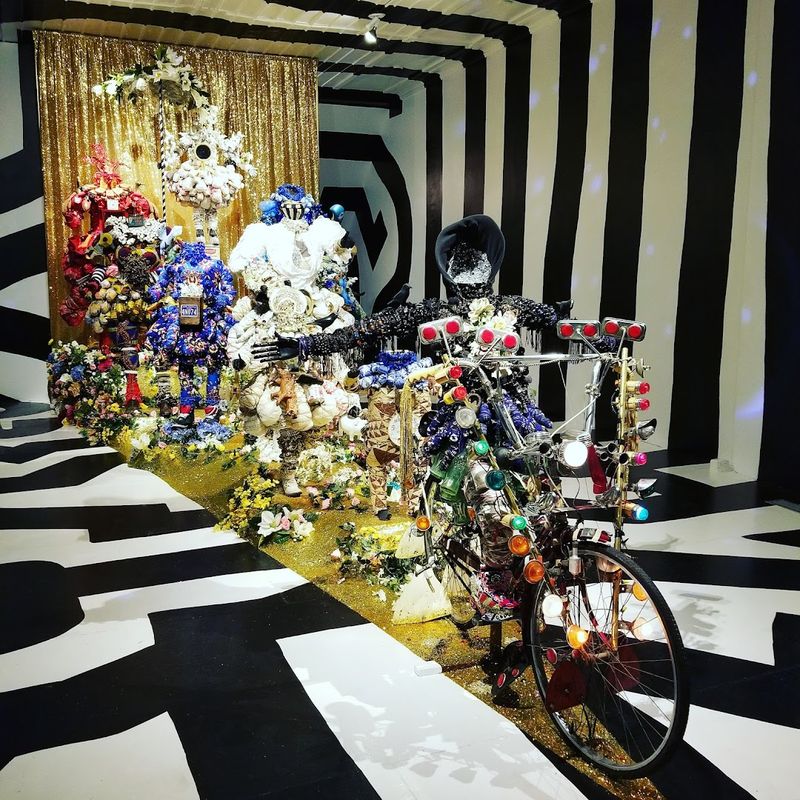
Step through the door in Pittsburgh’s North Side, and art stops behaving like something that politely stays on the wall.
The Mattress Factory specializes in room-sized installation art, which means you often enter the artwork rather than merely observe it.
That shift changes everything.
Founded in a former mattress warehouse, the museum has built a national reputation for immersive contemporary pieces that play with light, sound, scale, reflection, and perception.
Some rooms feel playful.
Others feel disorienting, meditative, or emotionally loaded in ways you do not expect until you are standing inside them.
This is a museum where your body becomes part of the experience.
You walk through color, peer into impossible spaces, and find yourself reconsidering how artists can shape attention, memory, and movement.
Even people who claim they do not get contemporary art often leave with a favorite installation and a strong opinion.
The campus includes multiple buildings, so give yourself time and wear comfortable shoes.
Part of the fun is not knowing what waits behind the next doorway.
If traditional galleries sometimes make you feel like you missed the point, the Mattress Factory offers a better deal: curiosity first, certainty later, and plenty of wonder in between.
4. Randyland — Pittsburgh
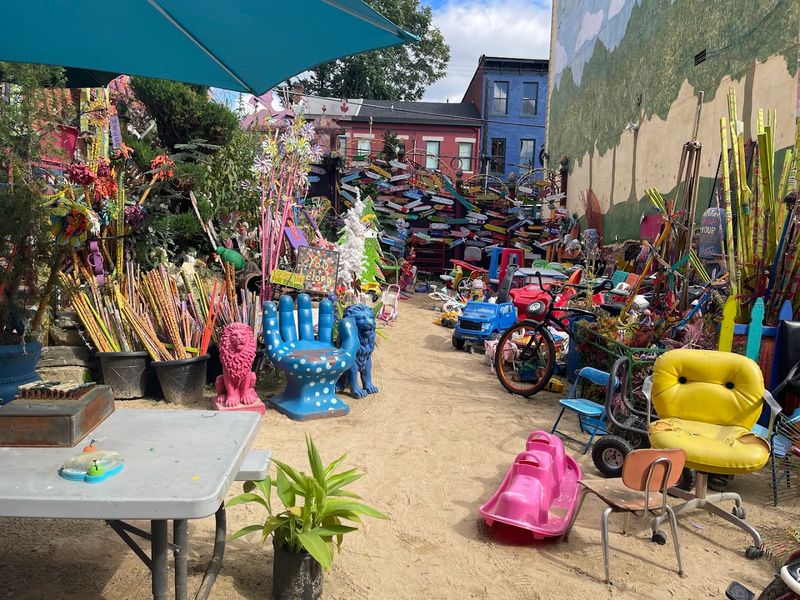
Yellow walls, painted faces, and joyful chaos announce Randyland before you even fully understand what you are looking at.
Perched in Pittsburgh’s Mexican War Streets neighborhood, this free folk-art environment feels like a pep talk delivered through color.
It is impossible to approach with a bad attitude for long.
Created by artist Randy Gilson, Randyland transforms a house and courtyard into a vibrant collage of murals, found objects, mannequins, toys, signs, and messages about kindness.
The space is small, but the personality is enormous.
Every surface seems to wink at you.
Unlike a formal museum, this place works through direct human energy.
Visitors often chat, take photos, laugh at unexpected details, and leave feeling oddly lighter than when they arrived.
That emotional effect is part of the art, and it explains why Randyland has become one of Pittsburgh’s most beloved creative landmarks.
Come for fifteen minutes, and you may stay much longer, simply because there is always one more funny corner to notice.
It pairs well with nearby museums, yet it refuses to behave like any of them.
Randyland proves that a museum can be heartfelt, handmade, and hilariously bright without losing an ounce of meaning.
5. The Houdini Museum — Scranton
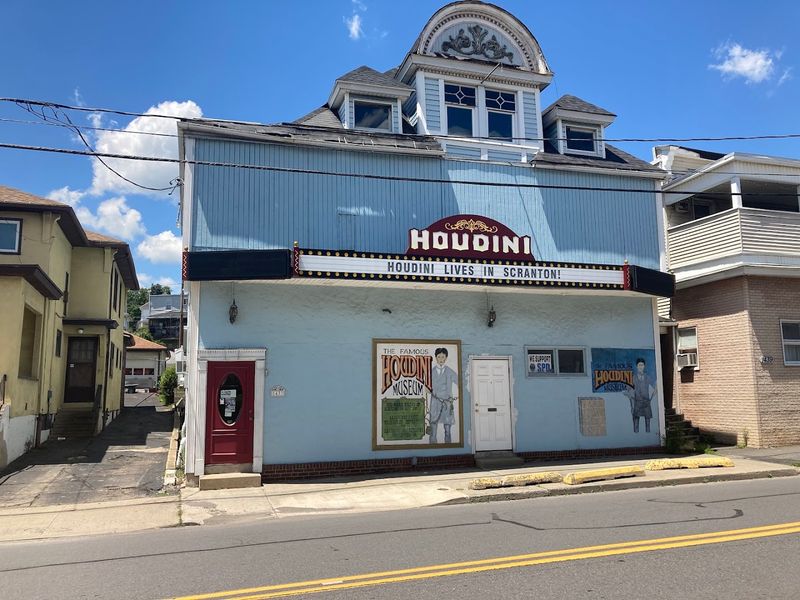
Some museums ask you to look closely.
This one practically dares you to look for the trapdoor.
In Scranton, the Houdini Museum celebrates Harry Houdini with memorabilia, stories, and live magic that keeps the experience lively rather than purely archival.
The collection includes posters, restraints, photographs, and artifacts tied to the legendary escape artist’s career and public image.
You learn how Houdini built fame through athletic skill, relentless self-promotion, and a knack for turning danger into theater.
That combination still feels modern.
What makes this place stand out is the performance element.
Visits often include a magic show, which gives the museum a pulse that many specialty collections lack.
Instead of reading about illusion in silence, you feel its timing, suspense, and showmanship in real time.
Scranton has several worthwhile museums, but this one brings an especially playful energy to the city’s cultural lineup.
It is compact, entertaining, and surprisingly informative about both Houdini’s life and the broader history of stage magic.
If you enjoy museums with personality, a little mystery, and the occasional urge to inspect the locks twice, this stop is a clever escape from the ordinary.
6. The National Watch & Clock Museum — Columbia
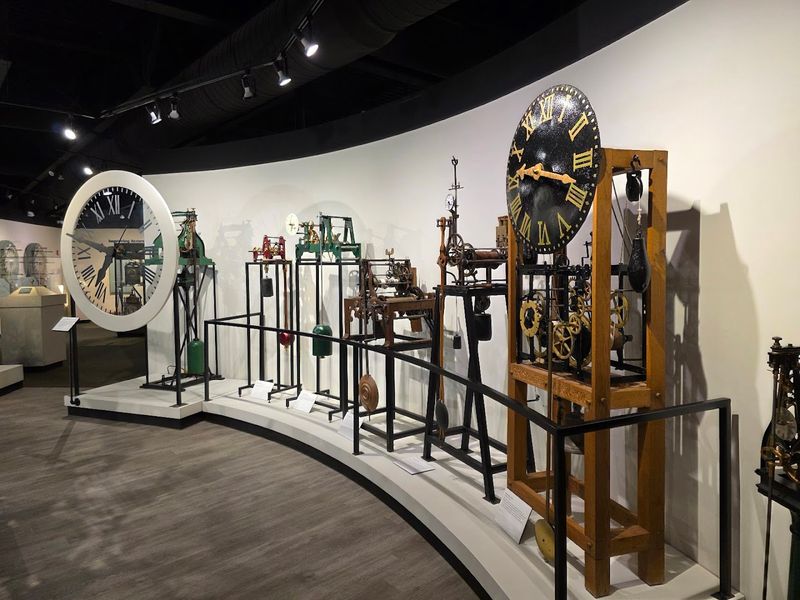
Ticking may be the soundtrack, but craftsmanship is the real drama at the National Watch and Clock Museum in Columbia.
This Lancaster County institution turns timekeeping into a story about invention, artistry, trade, and human obsession with measuring every passing second.
Suddenly, clocks seem far less ordinary.
The museum holds an impressive range of watches, towering case clocks, pocket watches, precision instruments, and decorative pieces from different eras and regions.
Some are beautifully ornate.
Others impress through ingenious mechanics that feel almost miraculous once you understand their complexity.
What surprises many visitors is how much social history appears between the gears.
Timepieces reveal changes in technology, household life, transportation, industry, and status.
A clock is never just a clock here.
Displays explain horology clearly, so you do not need specialist knowledge to enjoy the visit.
In fact, newcomers may have the most fun, because each gallery offers another why did no one tell me this was so interesting moment.
Columbia itself makes a pleasant stop, and the museum rewards a slower pace, letting you appreciate the tiny details that kept whole communities on schedule long before phones started bossing everyone around.
7. The Mercer Museum — Doylestown
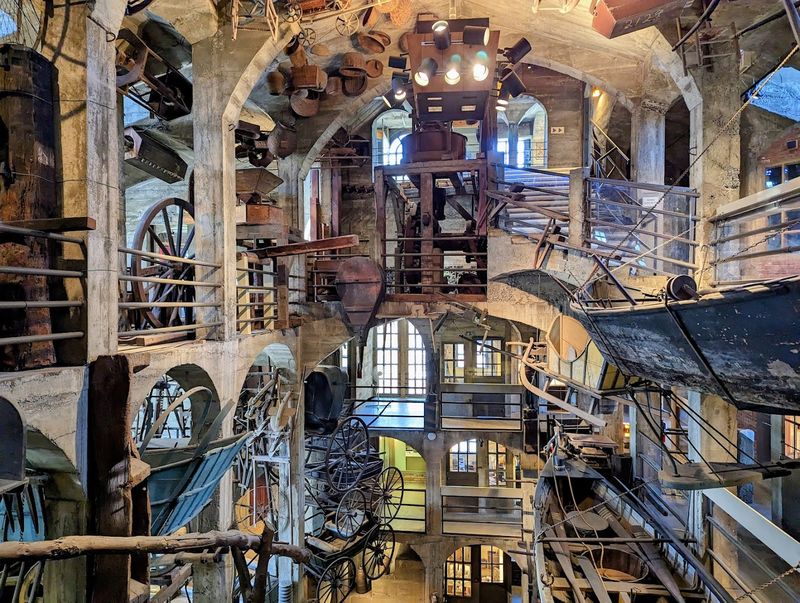
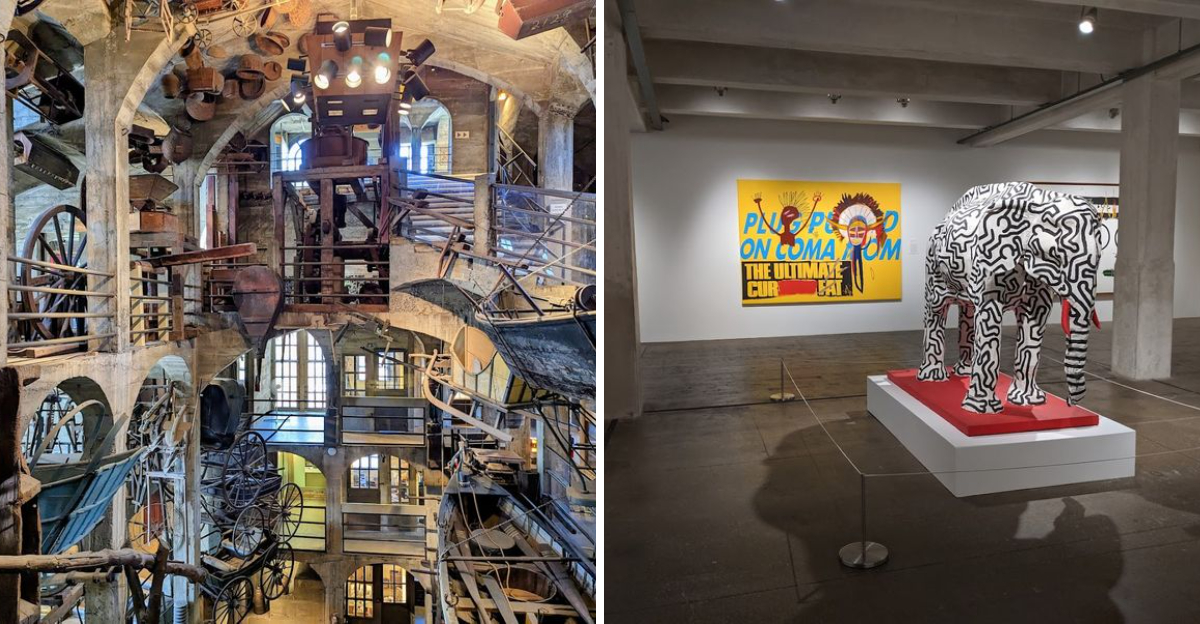
Walk into the Mercer Museum in Doylestown, and your eyes immediately start climbing.
Tools, carriages, and early American objects hang dramatically through a soaring central space, making the whole building feel like a history lesson staged by an eccentric genius.
That is not far from the truth.
Built by archaeologist and collector Henry Chapman Mercer, the concrete castle houses tens of thousands of objects connected to preindustrial American life.
You will find everything from whaling gear and farming tools to kitchen equipment, printers’ devices, and handmade objects whose purpose you may never guess correctly on the first try.
Curiosity gets a workout here.
Unlike many local history museums, this one goes big on scale and visual impact.
The open arrangement helps you see patterns across trades and daily life, while room displays add context about work, craft, and invention before mass production changed everything.
It is practical history presented with theatrical flair.
Doylestown offers a rich cultural day trip, and the Mercer is a centerpiece worth lingering in.
Give yourself time to look up, look closer, and ask questions.
This museum proves that ordinary objects become extraordinary once you understand the hands that used them and the world they helped build.
8. The International Slavery Museum (at the Heinz History Center) — Pittsburgh
Not every unexpected museum experience is quirky.
Sometimes the surprise comes from depth, honesty, and the force of history presented without soft edges.
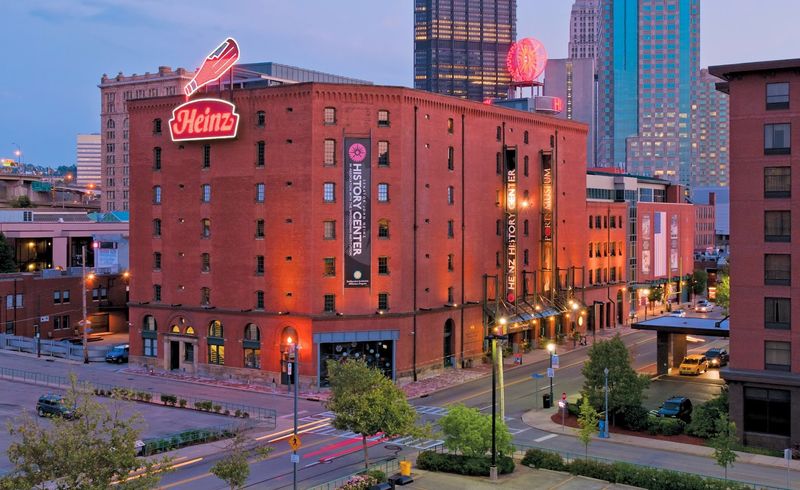
At the Senator John Heinz History Center in Pittsburgh, the International Slavery Museum broadens the city’s museum landscape with a subject that demands attention and care.
The exhibits connect transatlantic slavery to global systems of commerce, resistance, freedom movements, and lasting social consequences.
Artifacts, documents, and interpretation work together to show that this history is not distant or abstract.
It shaped economies, communities, identities, and inequalities that still matter now.
What makes the experience memorable is its combination of historical scope and human focus.
You encounter stories of suffering, resilience, activism, and cultural survival that resist simplification.
The museum asks visitors to think critically, and it rewards that effort.
Because it is housed within a larger history center, this stop can become part of a broader day exploring Pittsburgh’s past.
Still, this section deserves unhurried time and emotional space.
If you value museums that do more than display objects, this one stands out for its seriousness, relevance, and ability to turn reflection into something active, necessary, and deeply personal for visitors from any background.
9. The Andy Warhol Museum — Pittsburgh
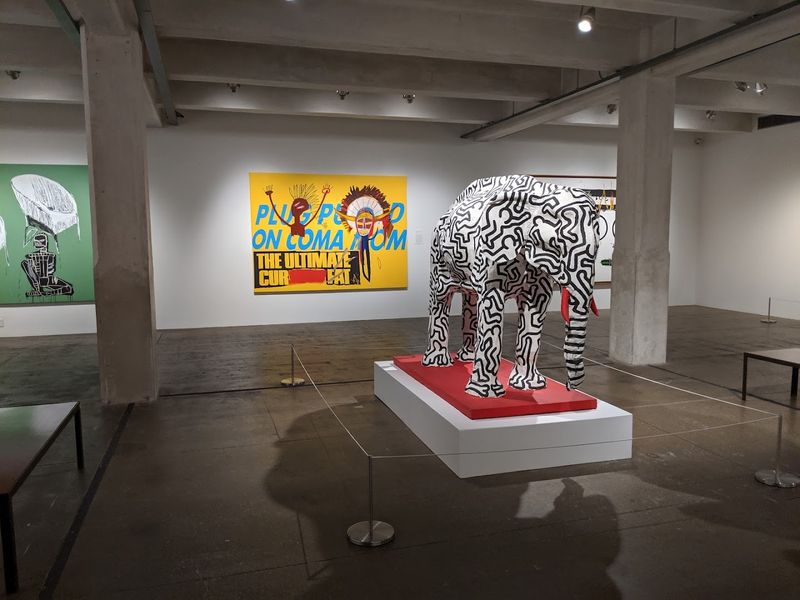
Pop art gets plenty of attention, but the Andy Warhol Museum in Pittsburgh goes beyond soup cans and celebrity shine.
Located in the city where Warhol was born, it explores the artist as painter, filmmaker, collector, provocateur, and master of turning repetition into a cultural mirror.
You may arrive knowing the icon and leave thinking about the human machine behind it.
As the largest museum in North America devoted to a single artist, it offers a deep look at Warhol’s career across multiple floors.
There are paintings, screen prints, films, photographs, time capsules, and installations that reveal his interests in fame, commerce, identity, religion, and media spectacle.
What keeps the visit lively is contrast.
One gallery feels cool and glossy.
Another feels intimate, strange, or unexpectedly vulnerable, reminding you that Warhol’s work was often more layered than its instantly recognizable surfaces suggest.
The museum’s Pittsburgh location matters too, grounding a global art figure in a specific regional story.
Even if modern art usually leaves you skeptical, this place offers enough context and variety to pull you in.
It is smart, stylish, and occasionally delightfully weird, which feels exactly right for a museum devoted to an artist who understood image-making before the internet ever started scrolling.
10. Everhart Museum — Scranton
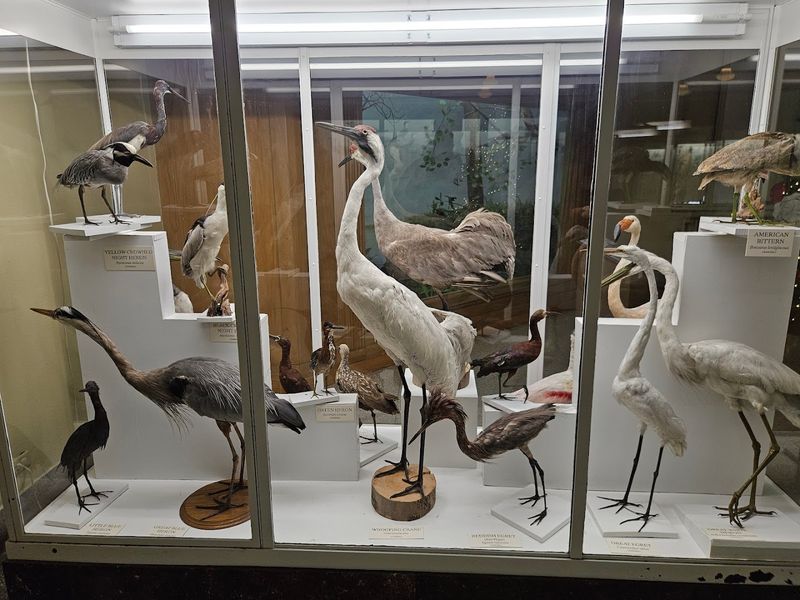
A museum that mixes fine art, natural history, and science has a built-in advantage: boredom has fewer places to hide.
The Everhart Museum in Scranton embraces that variety, offering collections that move comfortably between paintings, cultural artifacts, specimens, and educational exhibits.
It feels old-school in the best way.
Founded in the early twentieth century, it is one of Pennsylvania’s enduring regional museums, and its broad scope reflects a time when curiosity was allowed to roam widely.
That spirit still works.
You can shift from art to natural science without feeling like the visit has lost coherence.
Instead, the mix creates a richer experience.
Families appreciate the range, and adult visitors often enjoy the surprise of finding something that was not on their personal must-see list.
A smaller museum can sometimes deliver the most satisfying discovery-to-crowd ratio, and the Everhart proves the point nicely.
Set within Nay Aug Park in Scranton, the location adds another layer of appeal, especially if you want to combine culture with a walk outdoors.
Check current exhibitions before you go, since rotating shows help keep the museum fresh.
For travelers who like a little intellectual variety with their day trip, the Everhart offers a thoughtful, approachable stop that never feels locked into one lane.
11. The Pennsylvania Anthracite Heritage Museum — Scranton
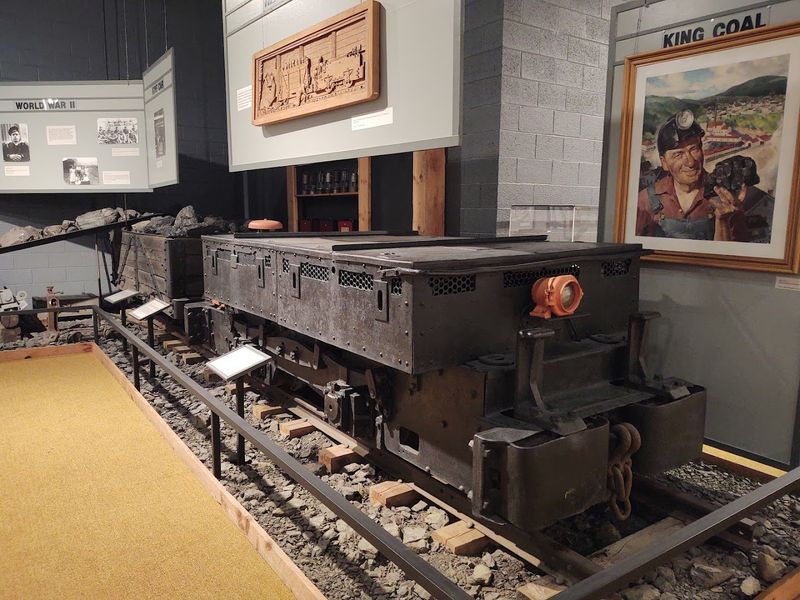
Coal dust built towns, fortunes, and fierce community identity, and the Pennsylvania Anthracite Heritage Museum in Scranton tells that story with clarity and heart.
If you want to understand northeastern Pennsylvania beyond postcards and old stereotypes, this is essential ground.
The region’s past comes into sharp focus here.
The museum explores anthracite mining and the lives shaped by it, including immigrant communities, labor struggles, family life, industry, and the environmental aftermath of extraction.
Artifacts, photographs, and interpretive displays make the story tangible.
You are reminded quickly that mining history is really people history.
What stands out is the balance.
The museum neither romanticizes the coal era nor reduces it to machinery and economics alone.
It highlights danger, resilience, organizing, culture, and the everyday routines that held communities together through hard conditions.
Located near McDade Park in Scranton, it pairs well with other regional history stops, but it carries a distinctive voice.
Visitors leave with a stronger sense of how work shapes place, language, food, politics, and memory across generations.
For anyone curious about Pennsylvania’s industrial backbone, this museum offers a grounded, human portrait of the anthracite region that is far more compelling than any textbook summary could ever hope to be.