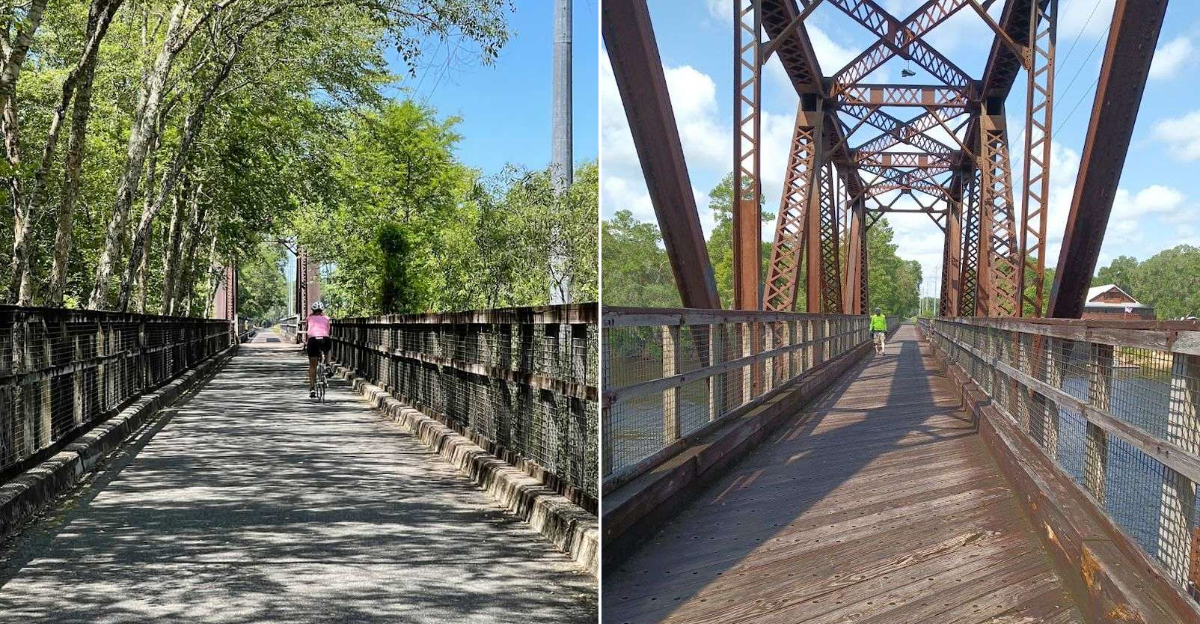
In Florida’s Nature Coast, summer settles in with bright mornings, warm breezes, and the steady hum of cicadas drifting through the pines. Along an old railroad corridor, the past still feels close enough to imagine—when trains once stitched together small towns across the Gulf Coast.
Today, that same path is the Florida’s Nature Coast State Trail, a 32-mile route that moves gently through pine forests, shaded wetlands, and quiet stretches of countryside. The pavement carries cyclists, walkers, and runners past open sky, wild greenery, and pockets of small-town life where time seems to slow down.
Each mile feels unhurried, shaped by nature and history in equal measure. It’s the kind of ride that invites you to linger, notice, and simply enjoy the journey.
Here’s a closer look at what makes this former railroad line such a memorable way to experience Florida’s quieter side.
The Railroad’s Second Life
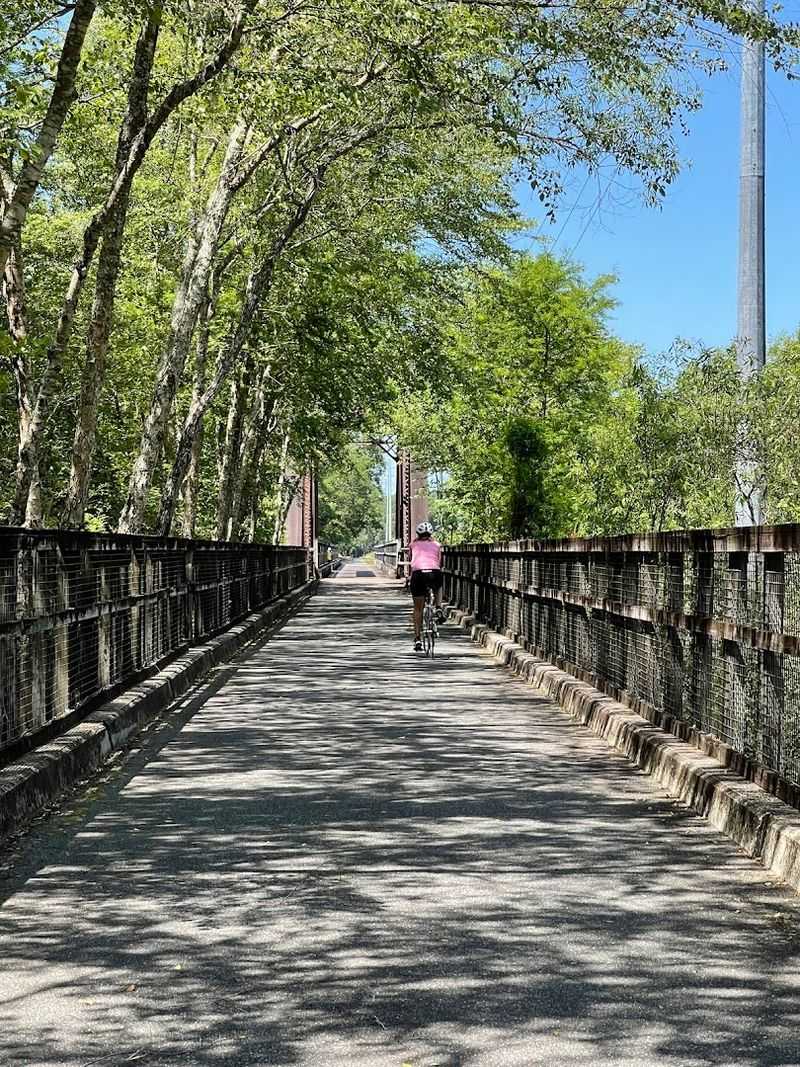
Back in the 1920s, locomotives hauled lumber, naval stores, and passengers through this region, connecting rural communities to larger markets. The Atlantic Coast Line Railroad built this route to serve the timber industry that thrived in Florida’s wilderness.
When the trains stopped running in the 1980s, the tracks sat abandoned until local visionaries saw potential for something new.
Converting old rail lines into recreational trails preserves history while creating outdoor spaces for modern communities. The Rails-to-Trails movement transformed this forgotten corridor into one of Florida’s premier long-distance trails.
Workers removed the old rails and ties, graded the pathway, and laid down smooth pavement perfect for bicycles.
Today’s riders follow the exact route those steam engines once traveled. The gentle grades that made this corridor ideal for trains now make it perfect for cyclists of all ages.
You’ll spot old railroad markers, crossing signs, and other remnants that whisper stories of Florida’s transportation past along your journey.
Southern Gateway: Chiefland’s Trail Access
Palmetto trees sway above a freshly paved trailhead where adventurers gather with their bikes, water bottles, and excitement for the journey ahead. Chiefland marks the southern entrance to this remarkable trail, offering riders a welcoming starting point complete with parking and facilities.
This agricultural community of about 2,200 residents has embraced its role as a trail town, with local businesses catering to hungry and thirsty cyclists.
The town sits in Levy County, an area known for cedar mills, cattle ranching, and natural springs. Downtown Chiefland provides convenient access to restaurants, shops, and services within easy walking distance of the trailhead.
Many riders fuel up here before tackling the northbound journey or celebrate their accomplishment with a meal after completing the route.
Local history runs deep in this community founded in the late 1800s. The name reportedly comes from a Seminole chief who once lived in the area.
Chiefland’s connection to the old railroad made it an important shipping point for timber and farm products, a heritage now celebrated through the trail that brings new visitors to discover this quiet corner of Florida.
Quiet Crossroads: Trenton Stop
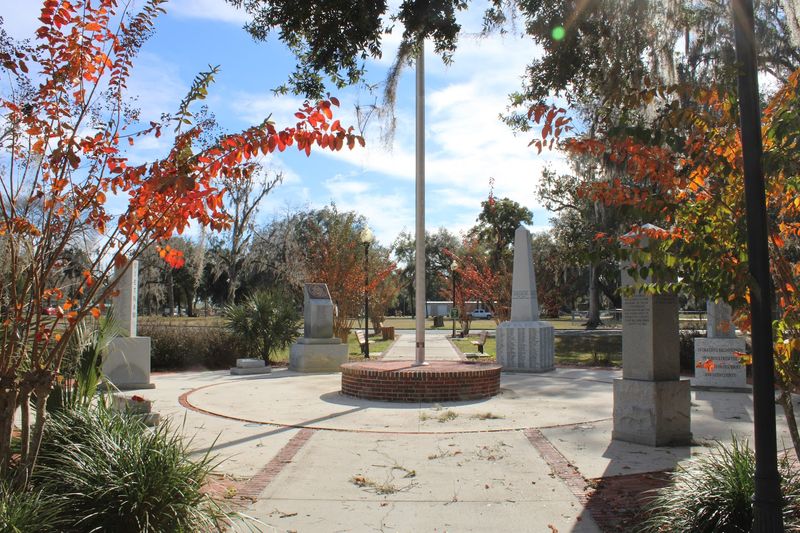
Red brick buildings and wide streets give this tiny town an old-fashioned charm that feels frozen in time. Trenton serves as the second stop along the Nature Coast Trail, positioned roughly eight miles north of Chiefland.
With fewer than 2,000 residents, this Gilchrist County community offers a peaceful pause for trail users seeking shade, refreshment, or just a break from pedaling.
The trail runs right through the heart of Trenton, making it easy to explore on foot. A historic downtown district features antique shops, local eateries, and friendly faces who wave at passing cyclists.
This farming community celebrates its agricultural roots with annual festivals and events that draw visitors from surrounding areas.
Trenton’s railroad heritage remains visible in the architecture and layout of the town. Buildings that once served train passengers now welcome bike riders, and the old depot area has been transformed into public space.
Local parks provide shaded benches where families can rest and enjoy packed lunches before continuing their adventure northward toward the springs and forests that make this region special.
Spring-Fed Paradise: Fanning Springs Connection
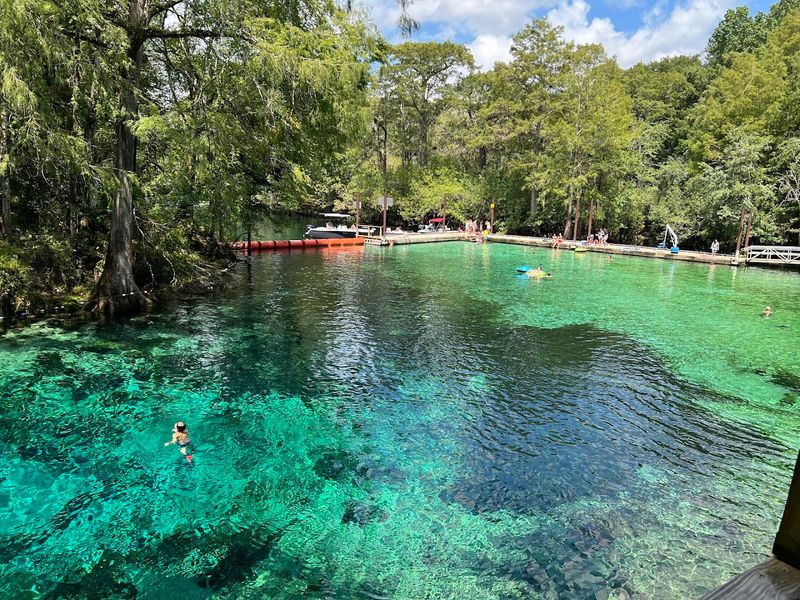
Crystal-clear water bubbles up from limestone caverns, creating a stunning turquoise pool that beckons tired cyclists with promises of cool refreshment. Fanning Springs State Park sits adjacent to the trail about halfway through your journey, offering one of the most spectacular natural features along the entire route.
This first-magnitude spring pumps out millions of gallons of 72-degree water daily, creating a paradise for swimmers, snorkelers, and wildlife watchers.
The spring flows directly into the legendary Suwannee River, famous from Stephen Foster’s song. Manatees often visit during winter months, seeking the warm spring water as a refuge from cold river temperatures.
Cyclists can lock their bikes and take a refreshing dip or simply enjoy the scenery from wooden boardwalks that wind through the park.
This third town along the trail provides picnic facilities, restrooms, and plenty of shade under towering cypress trees. The park charges a small entrance fee, but the chance to cool off in pristine spring water makes it worthwhile.
Many trail users plan their trips specifically to include time at Fanning Springs, turning a bike ride into a full-day nature adventure.
Northern Terminus: Cross City Arrival
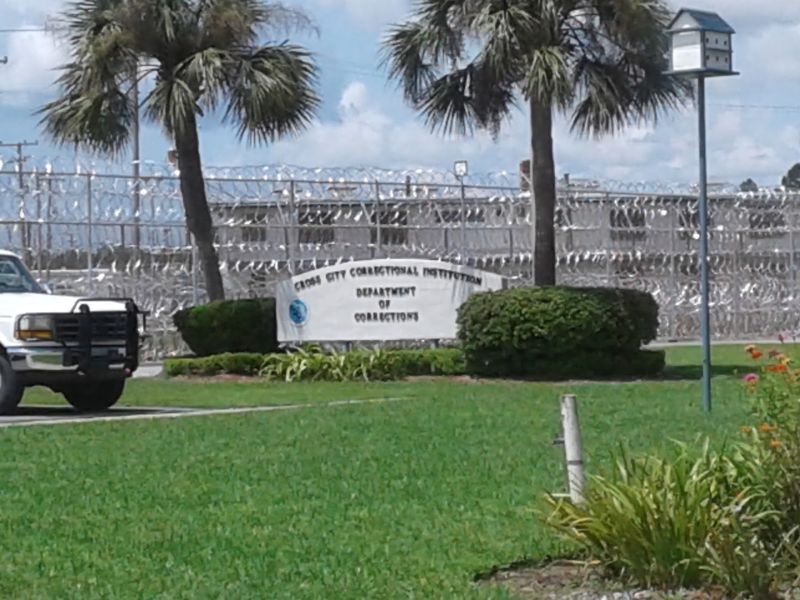
Pine forests give way to a small downtown where the pavement ends and riders celebrate completing their 32-mile journey across Florida’s nature coast. Cross City represents the northern terminus of the trail, serving as the final destination for southbound adventurers and the starting point for those heading toward Chiefland.
This Dixie County seat of about 1,700 people offers essential services and a sense of accomplishment to trail users.
The town earned its name from its position at the intersection of two major highways cutting through rural Florida. Before the railroad arrived, this was just a crossroads in the wilderness.
The trains brought growth and prosperity, transforming Cross City into a regional hub for the timber and turpentine industries that dominated the early 20th century economy.
Modern Cross City maintains its small-town atmosphere while welcoming outdoor enthusiasts. Local restaurants serve hearty Southern cooking perfect for refueling after a long ride.
The trailhead provides parking, information kiosks, and restrooms, making it a well-equipped endpoint for your adventure. Many cyclists arrange shuttles between the two termini, allowing for a one-way journey rather than retracing their path.
Wildlife Corridor Through Natural Florida
Morning mist rises from wetlands where a white-tailed deer pauses to watch cyclists pass before bounding into palmetto thickets. The Nature Coast Trail functions as more than just a recreational path—it’s a protected wildlife corridor through ecosystems that support incredible biodiversity.
Riders regularly spot deer, wild turkeys, armadillos, and countless bird species during their journeys along this route.
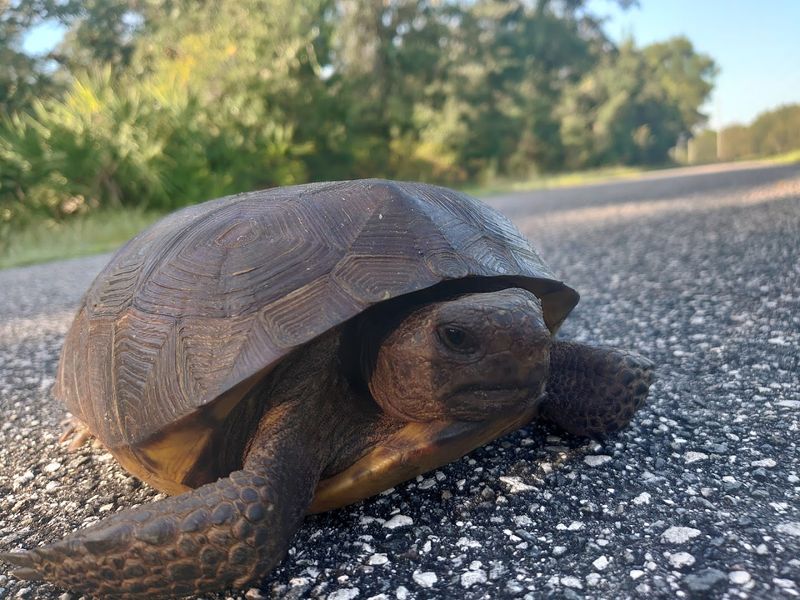
The trail passes through longleaf pine forests, cypress swamps, and oak hammocks that provide habitat for both common and endangered species. Gopher tortoises dig their burrows in sandy areas near the trail, while red-shouldered hawks circle overhead hunting for prey.
Early morning and late afternoon rides offer the best wildlife viewing opportunities when animals are most active.
Seasonal changes bring different wildlife experiences throughout the year. Spring migration brings colorful songbirds returning from winter grounds, while fall sees monarch butterflies streaming southward.
Patient observers might glimpse bobcats, river otters, or even black bears crossing between protected areas. The continuous green space created by the trail corridor helps wildlife move safely through an increasingly developed landscape, making this path valuable for conservation as well as recreation.
Smooth Pavement for Every Rider
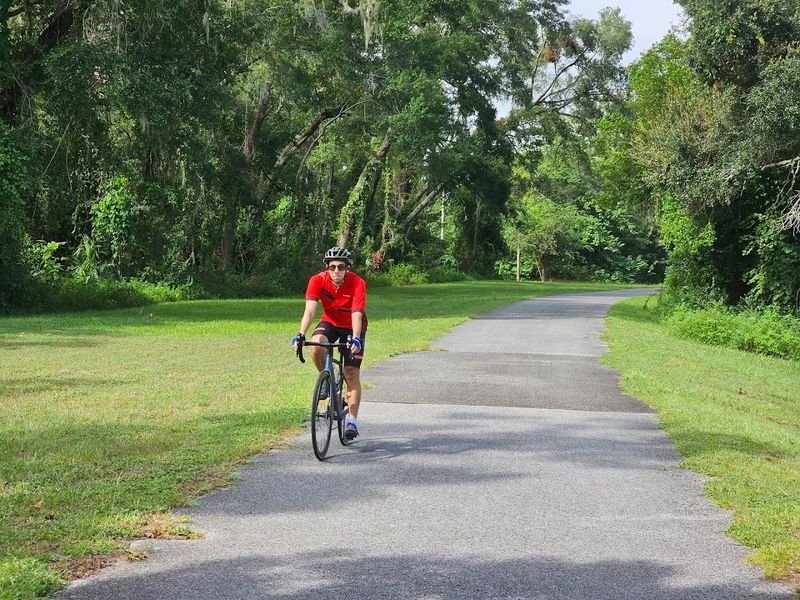
Your tires hum smoothly over well-maintained asphalt that stretches ahead like a ribbon through the forest. The Nature Coast Trail features a 12-foot-wide paved surface that accommodates cyclists, inline skaters, walkers, and wheelchair users with ease.
Engineers designed the trail with gentle grades never exceeding three percent, making it accessible for riders of all fitness levels and abilities.
The railroad heritage provides a significant advantage—trains required level, gradual routes, so the trail never includes steep climbs or dangerous descents. Families with young children can ride confidently knowing the path remains manageable throughout its entire length.
The smooth pavement also means road bikes work just as well as mountain bikes or cruisers for this adventure.
Regular maintenance keeps the surface in excellent condition despite Florida’s challenging climate. Occasional road crossings require brief stops, but most of the journey flows uninterrupted through peaceful natural settings.
The wide path allows faster cyclists to pass safely while leaving plenty of room for leisurely riders. Mile markers help track progress, and benches positioned at regular intervals provide rest spots with views of surrounding woodlands and wetlands.
Springs and Waterways En Route
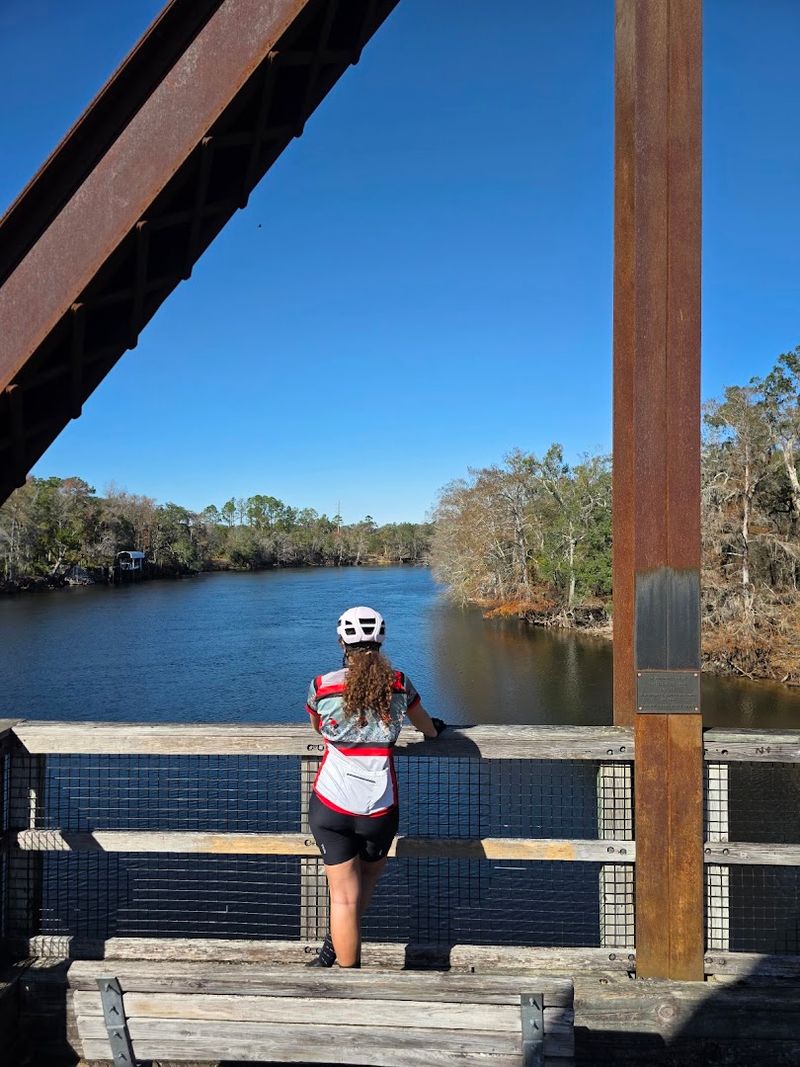
Sunlight filters through Spanish moss to illuminate clear water flowing from underground limestone aquifers that honeycomb North Florida. The Nature Coast Trail earns its name honestly—this region boasts some of Florida’s finest natural springs, and the trail provides access to several of these geological treasures.
Beyond Fanning Springs, riders encounter numerous smaller springs, creeks, and wetland areas that make this journey feel like a voyage through Old Florida.
The Suwannee River system dominates the hydrology of this region, with the trail crossing tributaries and skirting wetlands connected to this mighty waterway. These spring-fed systems maintain constant temperatures year-round and support unique ecosystems filled with aquatic plants, fish, and other wildlife.
Many riders bring swimsuits specifically to enjoy cooling dips at spring access points along the route.
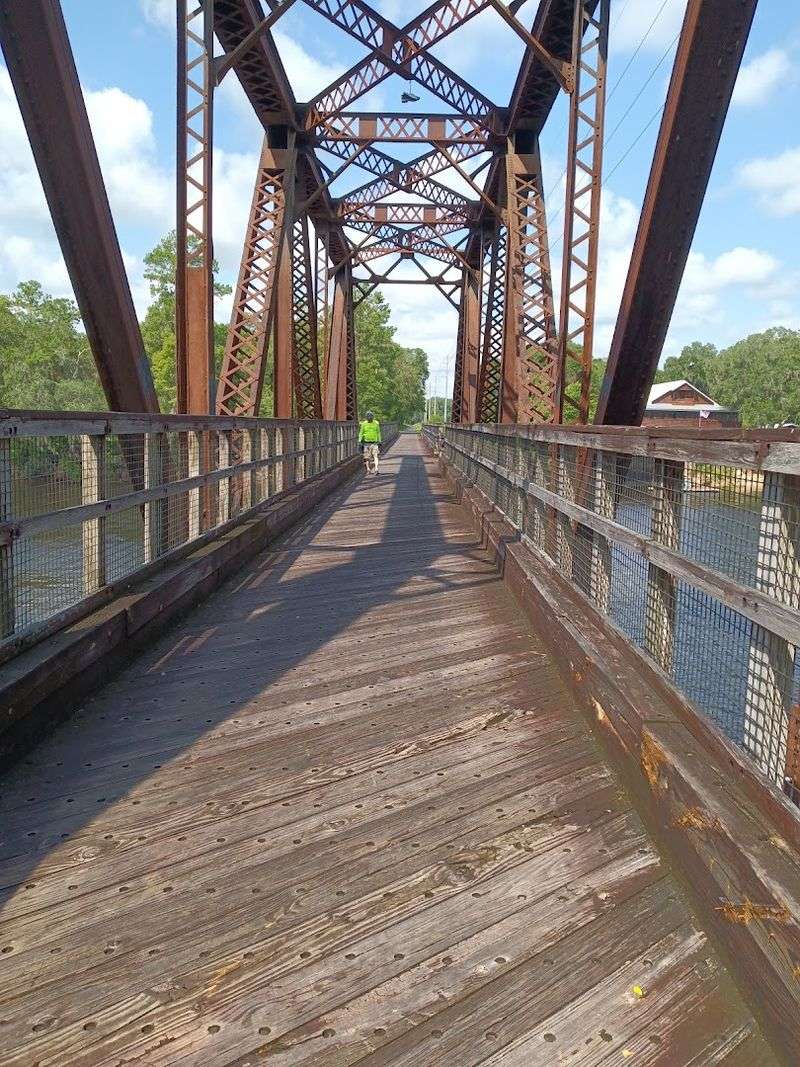
Water management structures dating to the railroad era still function along some sections. Wooden trestle bridges carry the trail over creeks where turtles sun themselves on logs and wading birds hunt for fish.
The abundant water features make this trail especially beautiful during hot summer months when other Florida trails bake under relentless sun, offering shade and refreshing scenery throughout your ride.
Echoes of the Rails
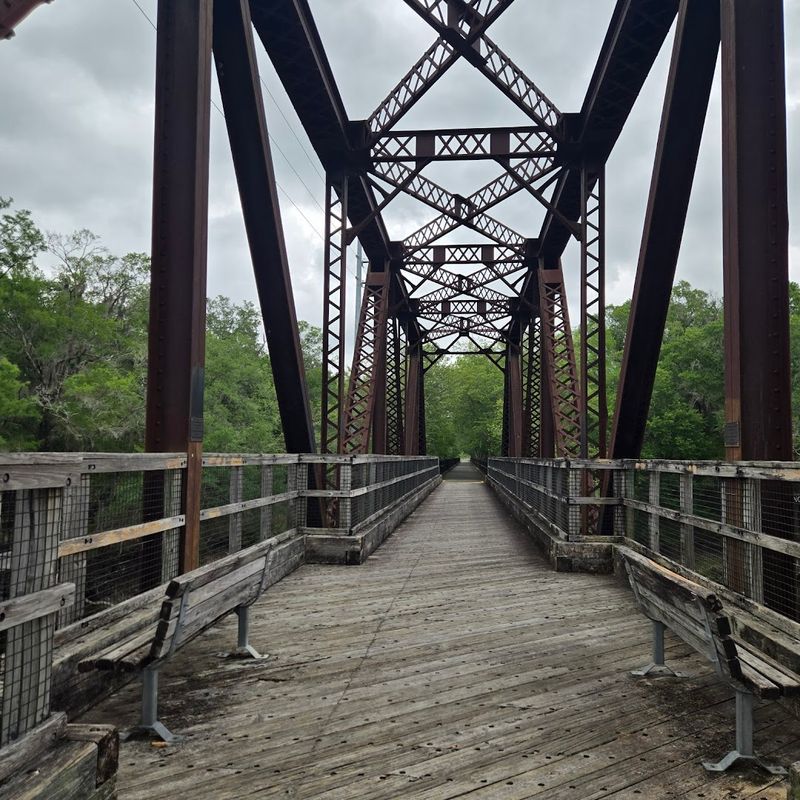
Weathered wooden posts bearing faded railroad crossing symbols stand as silent witnesses to a transportation era that shaped rural Florida. Throughout the Nature Coast Trail, attentive riders discover fascinating remnants of the railroad’s working past.
Old milepost markers, signal foundations, and crossing gates tell stories of the trains that once thundered along this route carrying timber, turpentine, and travelers.
Interpretive signs explain the railroad’s history and its importance to regional development. Black-and-white photographs show steam locomotives pulling long trains of freight cars through these same landscapes now reclaimed by nature.
The strategic placement of these historical markers turns a bike ride into an educational journey through Florida’s industrial heritage.
Some sections retain the original railroad right-of-way width, with cleared areas extending beyond the paved trail itself. These corridors prevented sparks from locomotives igniting surrounding forests—a serious concern in pine woodlands rich with flammable sap.
Modern riders benefit from this historic fire prevention strategy, enjoying open views and plentiful sunshine. Metal rails and wooden ties disappeared decades ago, but the bones of the railroad remain visible to those who look closely at the landscape.
Trail Facilities and Rider Amenities
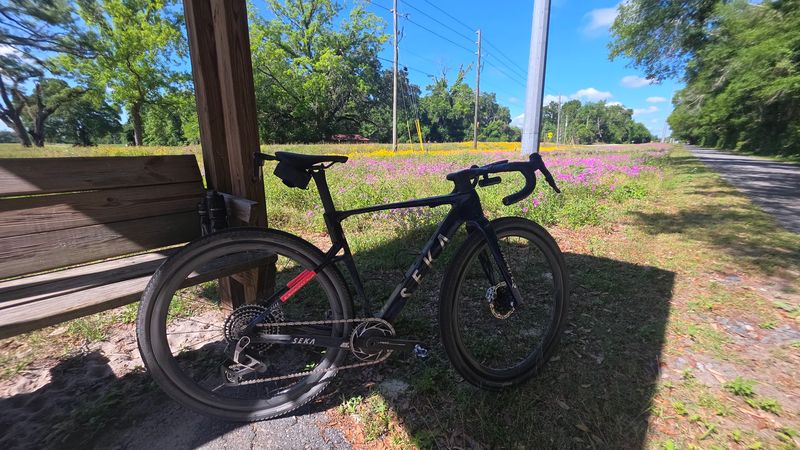
Shaded pavilions appear at strategic intervals, offering welcome respite where riders can rest, hydrate, and enjoy packed snacks before continuing their adventure. The Nature Coast Trail includes thoughtfully placed amenities that enhance safety and comfort for users tackling this 32-mile journey.
Trailheads at both ends provide ample parking, restrooms, and information kiosks with maps and safety guidelines.
Benches positioned every few miles give riders options for breaking up longer trips into manageable segments. Some rest areas include picnic tables perfect for family lunches surrounded by nature.
Water fountains exist at major access points, though smart riders carry adequate water for sections between facilities during hot Florida summers.
The trail towns themselves serve as extended amenities, with restaurants, convenience stores, and bike-friendly services within easy reach of the trail. Several local businesses cater specifically to trail users, offering everything from bike repairs to cold drinks and homemade ice cream.
Emergency call boxes exist at remote sections, and cell phone coverage remains generally reliable throughout the route. This infrastructure transforms a long bike path into a comfortable multi-day adventure or an achievable single-day challenge for determined cyclists seeking a full 64-mile round-trip experience.