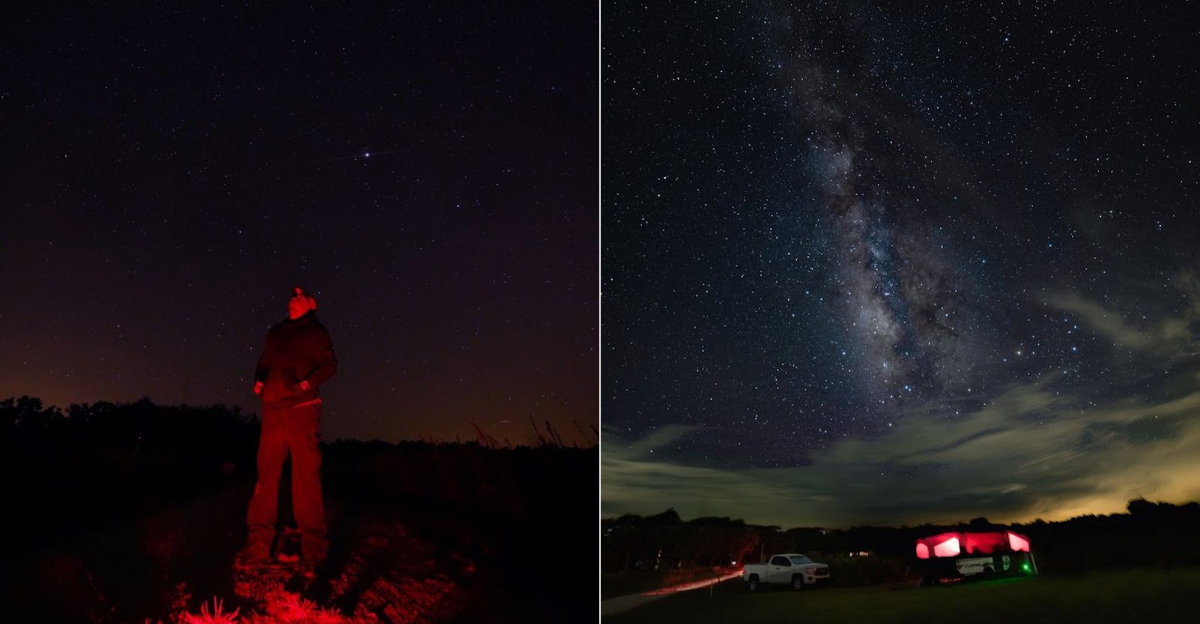
In the heart of Okeechobee County, where open prairie stretches endlessly beneath the sky, there’s a quiet place designed for one purpose: looking up. The Astronomy Viewing Pad at Kissimmee Prairie Preserve State Park feels simple at first glance—just an open, grounded space in the middle of wild Florida—but once night arrives, it becomes something entirely different.
As daylight fades, the surrounding grasslands fall into darkness with almost no artificial glow to interrupt them. This is one of the rare places in Florida where the night sky truly takes over, earning the park its designation as an International Dark Sky Park.
The viewing pad was created specifically for stargazing, giving visitors a stable, open platform to set up telescopes or simply lie back and watch the universe unfold overhead.
On clear nights, the Milky Way arcs across the sky in vivid detail, joined by countless stars that feel close enough to touch. It’s a calm, unhurried experience that turns a simple evening outdoors into something unforgettable.
Here’s what makes this astronomy viewing pad one of Florida’s most remarkable night-sky destinations.
Certified Dark Sky Paradise
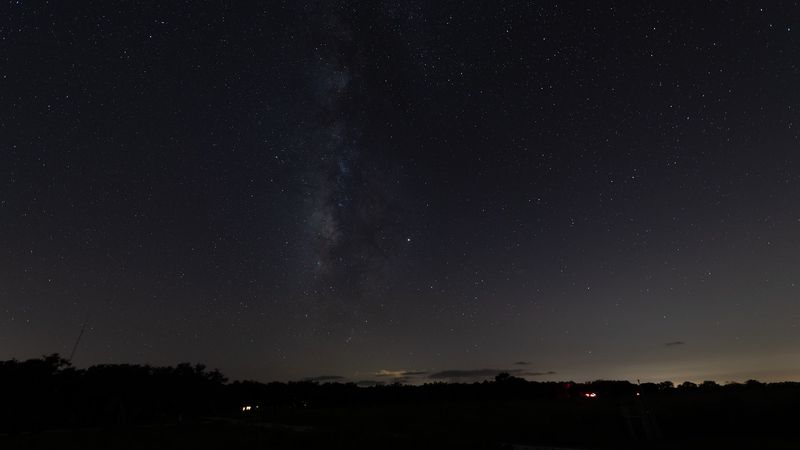
When artificial lights fade away and your eyes adjust to the darkness, something magical happens. Florida earned its first International Dark Sky Park designation right here, making this spot officially recognized for exceptional starry nights.
Very few places in the Sunshine State can claim this honor, and it means the park follows strict lighting rules to protect the natural darkness.
Park rangers work hard to maintain this special status by limiting outdoor lighting and educating visitors about light pollution. The nearest major city sits far enough away that its glow barely touches the horizon.
You’ll notice the difference immediately when you arrive after sunset.
This certification isn’t just a fancy title either. Astronomers from universities actually use this location for serious research because the conditions are so pristine.
Whether you’re a beginner with binoculars or an expert with expensive equipment, you’re sharing the same incredible viewing conditions that scientists depend on for their work.
Milky Way Magic on Display
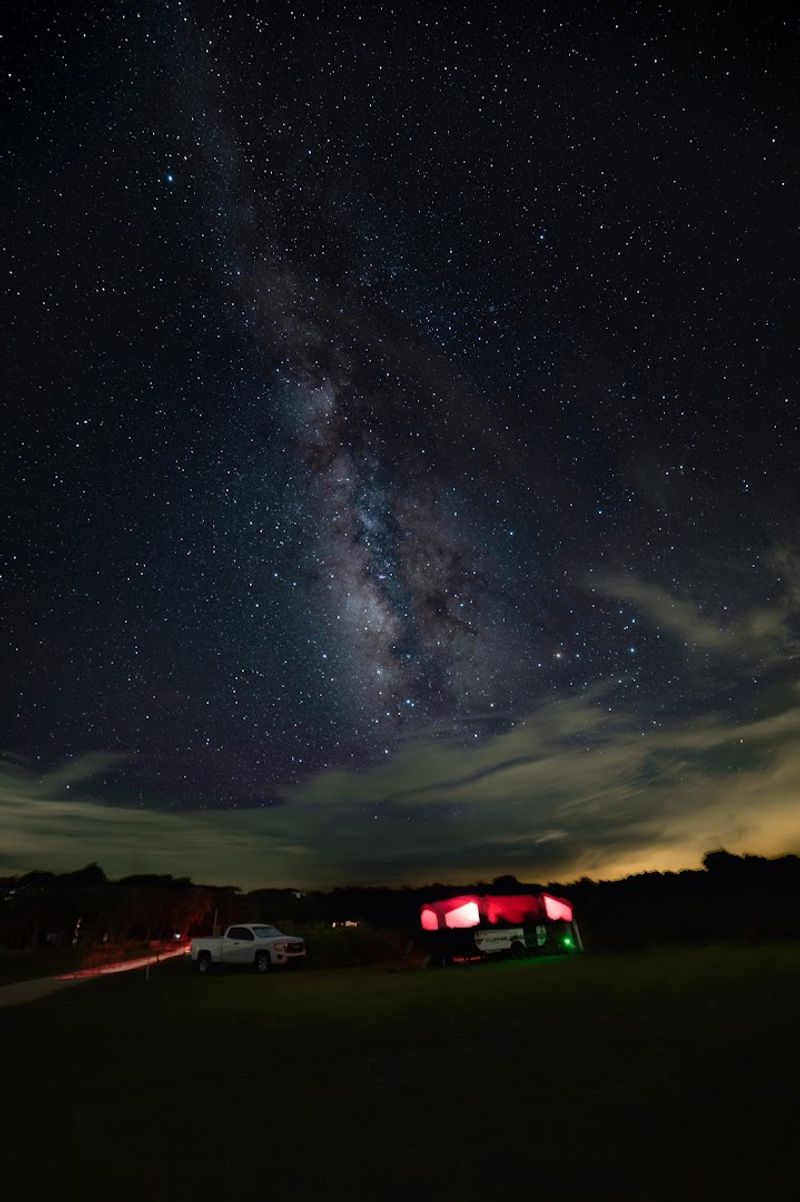
Picture our home galaxy stretched across the sky like a river of light, its dusty bands clearly visible to your naked eye. Most Floridians have never seen the Milky Way because city lights wash it out completely.
Here at the viewing pad, it appears so bright and detailed that first-time visitors often gasp when they spot it.
The best viewing happens during new moon phases when Earth’s natural satellite isn’t brightening the sky. Spring and summer offer the most dramatic views as the galactic core rises above the southern horizon.
You can actually see different colors in the gas clouds if you let your eyes fully adapt to the darkness.
Photographers love this spot because the Milky Way photographs beautifully without needing complicated editing. Long exposure shots reveal even more detail than your eyes can catch.
Many visitors report that seeing our galaxy for the first time here changes how they think about their place in the universe.
Elevated Platform Advantage
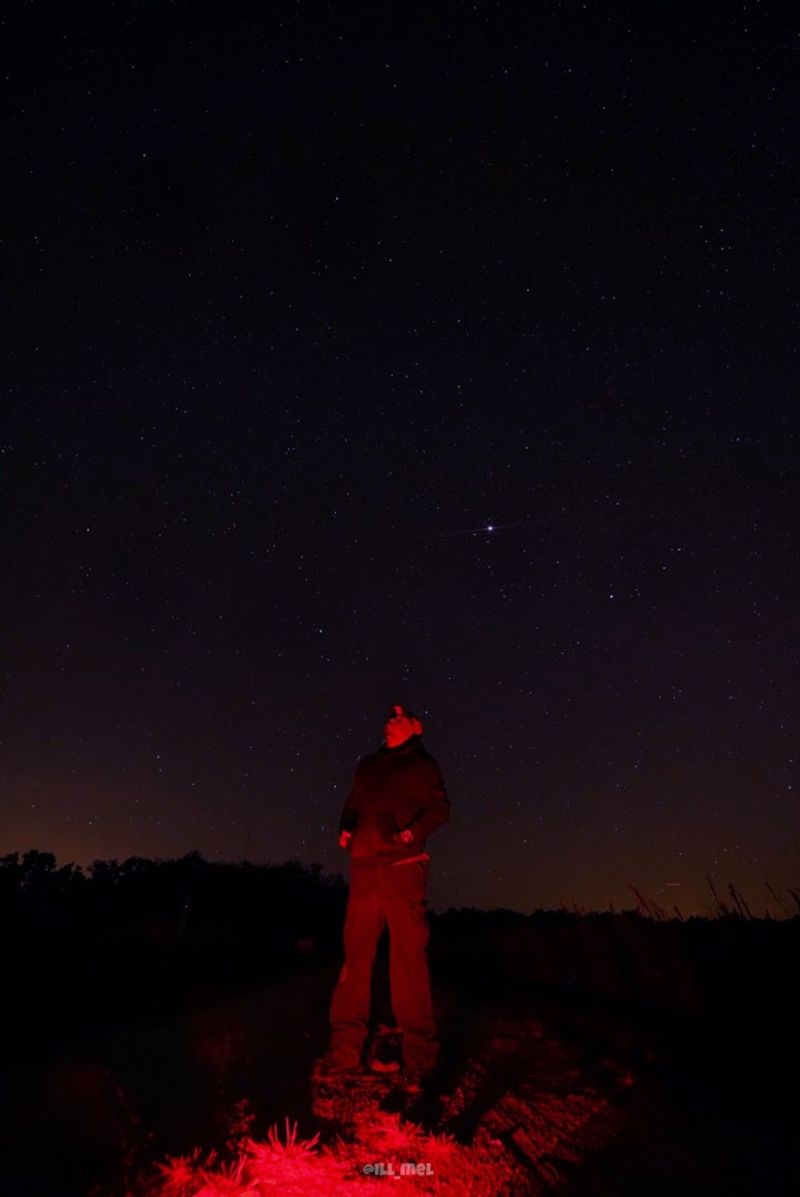
Smart design makes all the difference when you’re trying to catch distant celestial objects near the horizon. The astronomy viewing area sits slightly higher than the surrounding camping spots, giving you an unobstructed view in every direction.
This elevation might seem small, but it eliminates trees, vehicles, and tents from blocking your sightlines.
Each designated pad includes both a camping side and an astronomy side, separated by a gentle slope. You can set up your tent or RV on the lower section and keep all your stargazing equipment on the raised portion.
This arrangement keeps campsite clutter away from your telescopes and cameras.
The elevation also helps with dew control, which is a huge problem in humid Florida. Moisture settles in low-lying areas first, fogging up lenses and mirrors on expensive equipment.
Being just a few feet higher means your telescope stays clearer longer, saving you from constantly wiping down your optics throughout the night.
Power Under the Stars
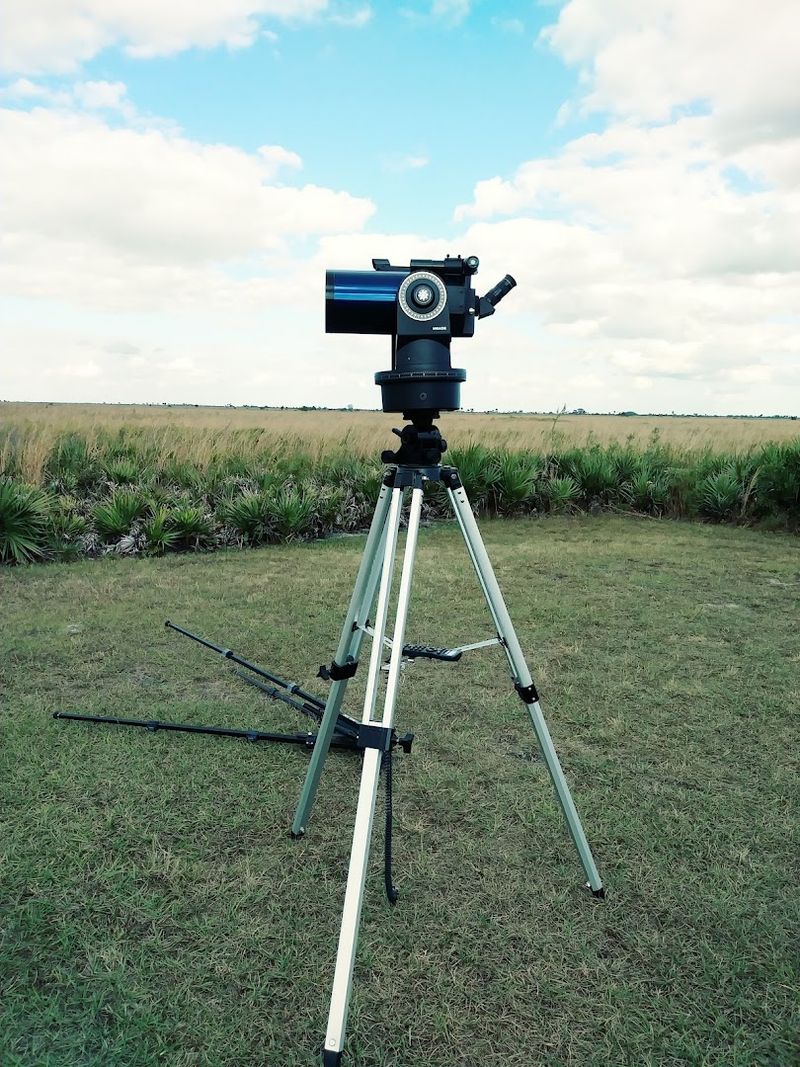
Running serious astronomy equipment usually means hauling heavy batteries to remote locations, but not here. Every astronomy viewing pad comes equipped with both 30-amp and 50-amp electrical hookups, which is practically unheard of at dark sky sites.
You can power computerized telescope mounts, camera equipment, laptops, and even small refrigerators without worrying about draining batteries.
These connections make multi-night stays much more comfortable for families camping in RVs. You’ll have air conditioning during hot afternoons and can charge all your devices between stargazing sessions.
The electricity also powers dew heaters that keep telescope lenses clear in Florida’s humid nights.
Serious astrophotographers especially appreciate this amenity because their cameras and tracking mounts need consistent power for hours-long exposures. Instead of limiting your sessions based on battery life, you can photograph all night.
Just remember that all outdoor lights must use red spectrum bulbs to preserve everyone’s night vision and maintain the dark sky environment.
Prairie Wildlife Encounters
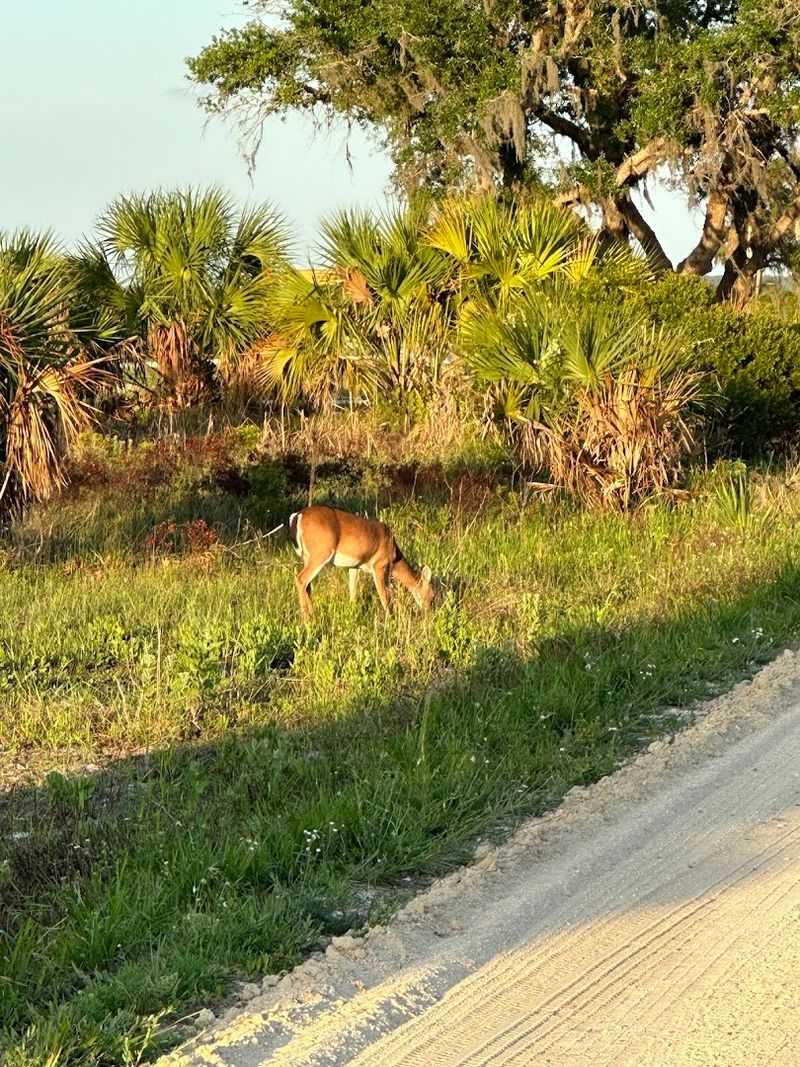
Rustling sounds in the darkness might startle you at first, but they’re just curious neighbors checking out the visitors. White-tailed deer wander through campsites regularly, often approaching within a few feet of telescopes.
Rabbits hop around fearlessly, and raccoons patrol for dropped snacks once the sun sets.
During daylight hours, the bird population puts on an impressive show with dozens of species calling the prairie home. You might spot caracaras, burrowing owls, or even the occasional bald eagle soaring overhead.
Butterflies dance through the wildflowers in warmer months, and gopher tortoises dig their burrows throughout the preserve.
The wildlife adds an extra dimension to your stargazing trip that you won’t find at many observatories. Kids especially love spotting animals between constellation viewing sessions.
Just remember to secure all food in your vehicle because raccoons and possums are incredibly clever at finding midnight snacks, and feeding wildlife is strictly prohibited for their safety and yours.
Remote Location Benefits
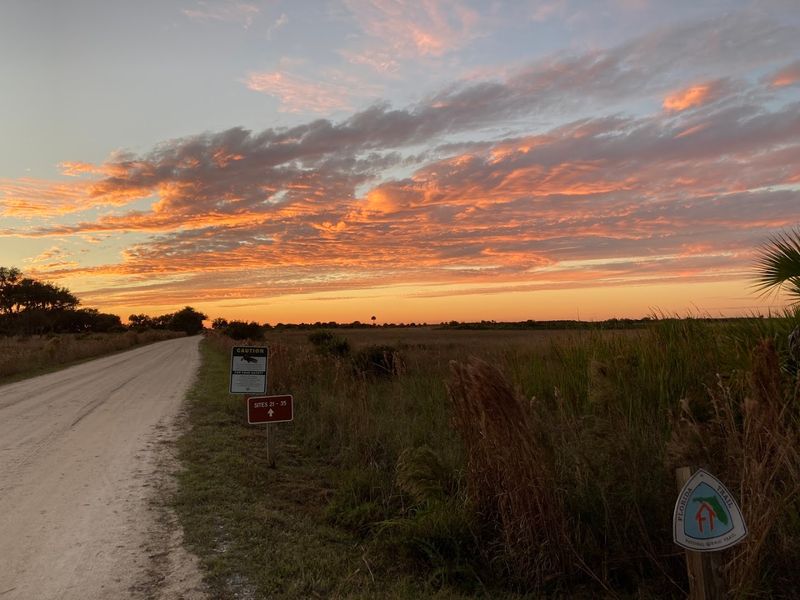
Getting here feels like driving to the edge of civilization, and that isolation is exactly what makes the stargazing so spectacular. The nearest town of Okeechobee sits more than thirty minutes away on mostly dirt roads.
That distance puts crucial miles between you and the nearest streetlights, shopping centers, and residential areas that generate light pollution.
The drive itself becomes part of the adventure, especially if you arrive near sunset. Endless prairie grasses stretch to the horizon on both sides of the dirt road.
Cell phone service disappears miles before you reach the park entrance, forcing everyone to disconnect from screens and focus on the natural world.
This remoteness does require planning ahead though. Stock up on groceries, ice, and any supplies in Okeechobee before driving to the park because making a supply run after arrival wastes time and gas.
The isolation also means emergencies take longer to address, so bring a well-stocked first aid kit and any medications you might need during your stay.
Overnight Camping Experience
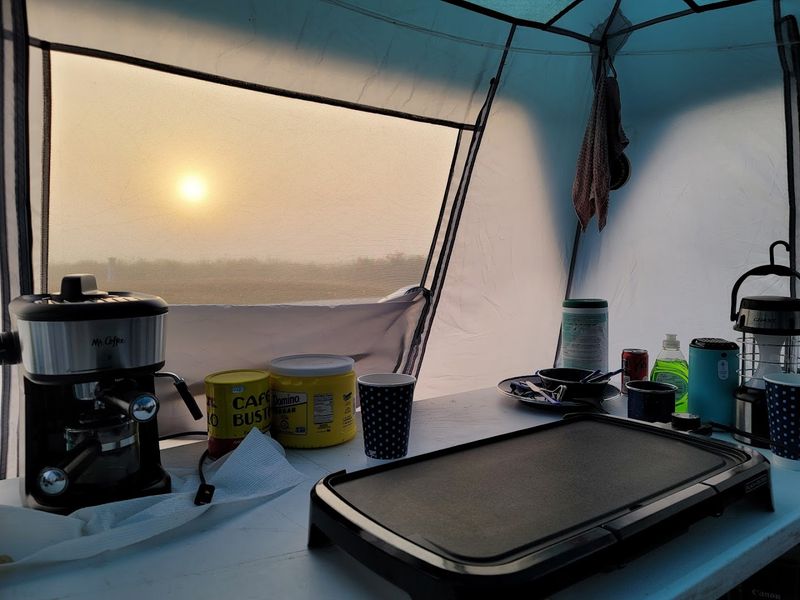
Spending the entire night under stars beats rushing home after a few hours of viewing. Both tent campers and RV owners find comfortable accommodations at the astronomy pads, with enough space for large family setups.
Waking up before dawn to catch planets rising in the east becomes easy when your bed sits right next to your telescope.
The camping areas provide level gravel pads that drain well even during Florida’s afternoon thunderstorms. Each site includes a picnic table, and the parking areas accommodate vehicles of various sizes.
Water spigots are conveniently located throughout the campground, though drinking water should be brought from home or filtered.
Camping here differs from typical Florida campgrounds because there’s no shade from oak trees or palms. The open prairie design maximizes your sky view but means daytime temperatures can soar.
Many experienced visitors arrive in late afternoon, set up quickly, and then retreat to air-conditioned vehicles until sunset when the real show begins and temperatures drop to comfortable levels.
Prairie Winds and Weather
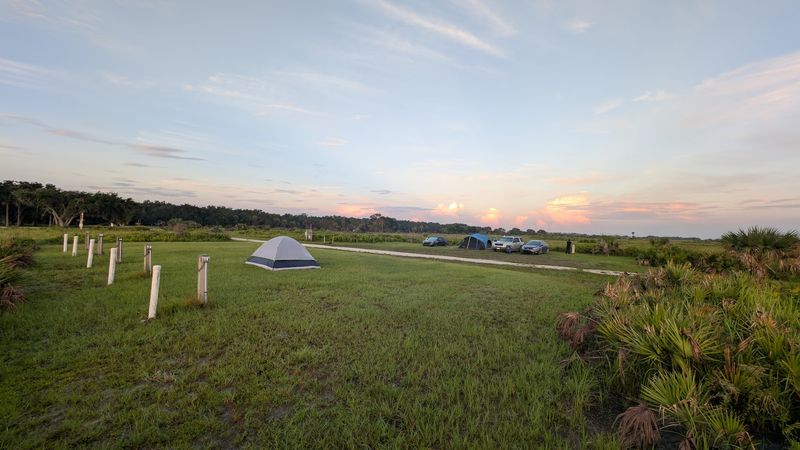
Nothing blocks the wind when it sweeps across thousands of acres of open grassland. Strong breezes are normal here, and they can turn into significant challenges for telescope users trying to steady their equipment.
Bringing extra stakes and guy lines for tents isn’t optional, it’s absolutely necessary to prevent your shelter from becoming a prairie tumbleweeds.
The constant air movement does offer one major advantage though: it keeps mosquitoes and other biting insects from hovering around. Florida’s famous bugs rarely cause problems when winds stay above a gentle breeze.
The flowing air also helps prevent dew from forming on telescope mirrors and camera lenses as quickly as it would in still conditions.
Weather changes happen fast on the prairie, with afternoon thunderstorms building from nothing within thirty minutes. Checking radar before your visit helps, but conditions can shift dramatically between morning and evening.
Winter months offer the calmest winds and most stable weather patterns, which explains why experienced stargazers prefer visiting between November and March despite the shorter nights.