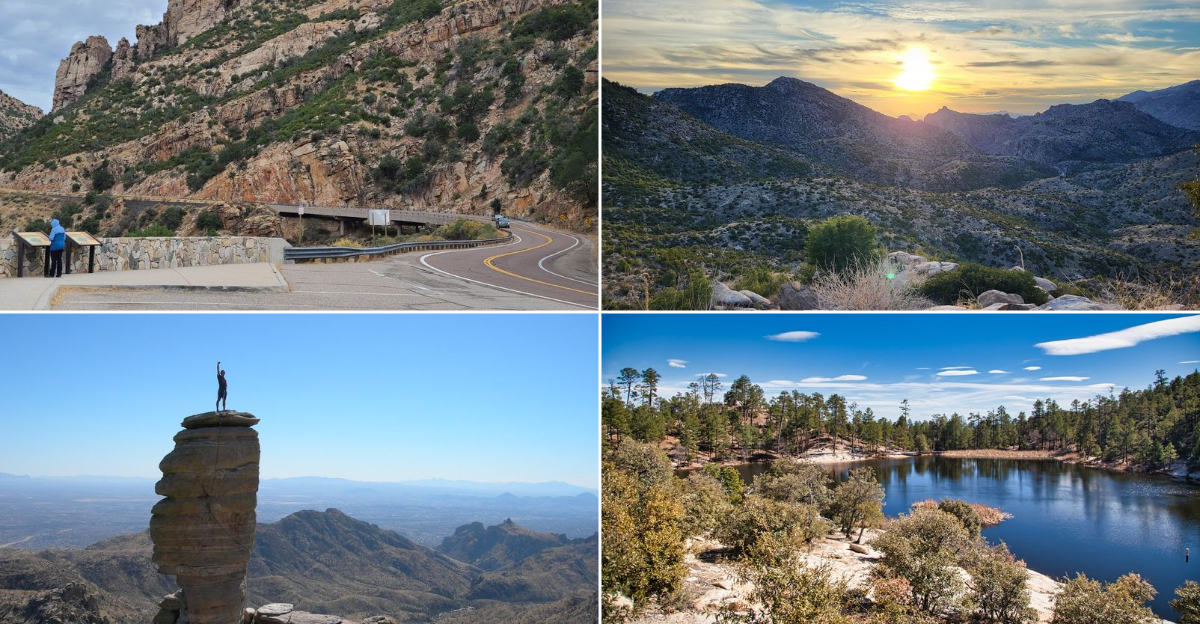
Early summer in southern Arizona has its own kind of rhythm—dry desert air warming the roadside, saguaros standing quiet against wide blue skies, and the promise of cooler elevations just beyond the horizon.
Just outside Tucson, a short but unforgettable drive begins to unfold. In only 24 miles, the landscape shifts in layers: cactus-dotted desert floor slowly gives way to oak woodlands, then finally to pine forest where the air turns noticeably crisp.
Each bend in the road opens to new overlooks, the kind that make you pull over without thinking just to take it in.
It’s the kind of route that feels unhurried yet constantly changing, offering a rare chance to experience several climates in a single afternoon.
Here’s how this remarkable stretch of road reveals some of the Southwest’s most rewarding views, one mile at a time.
Sky Island Scenic Byway (Catalina Highway)
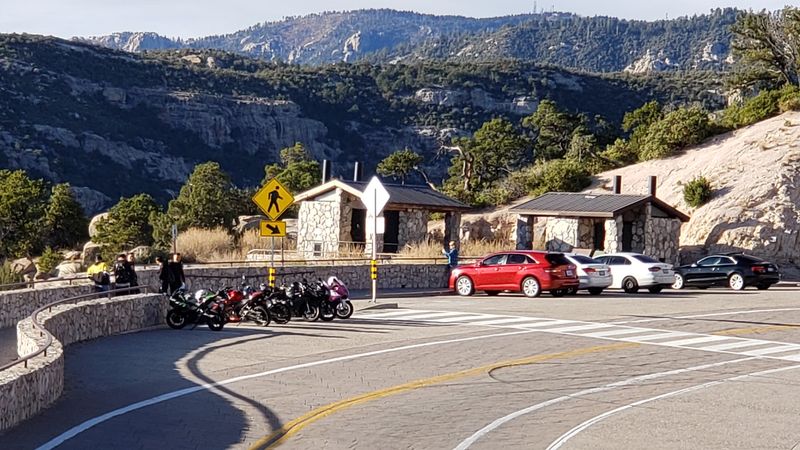
The magic starts with a rising ribbon of pavement that feels almost impossible in the middle of the Sonoran Desert. Within minutes, the landscape begins to change, and you realize this is not just a drive but a full climb through distinct ecological worlds.
That unforgettable route is the Sky Island Scenic Byway, also called Catalina Highway, stretching from Tucson into the Santa Catalina Mountains.
What makes it so memorable is the fast transformation from cactus country to cool forest. The road climbs from roughly 2,500 feet to more than 9,000 feet, revealing saguaros, oak woodland, rocky overlooks, and pine stands in one continuous journey.
Few scenic roads in the Southwest deliver such dramatic contrast in so little distance.
National Scenic Byway status feels deserved the moment the vistas open wide over the desert floor. Pullouts along the way invite you to stop often, and each one seems to frame Tucson and the surrounding ranges from a fresh angle.
Photographers, casual sightseers, and first-time visitors all get something big from this road.
If you only do one scenic drive near Tucson, this is the one to prioritize. Start early for softer light, lighter traffic, and cooler temperatures.
By the time you reach the upper elevations, the whole trip feels like Arizona compressed into one extraordinary mountain ascent.
Babad Do’ag Vista
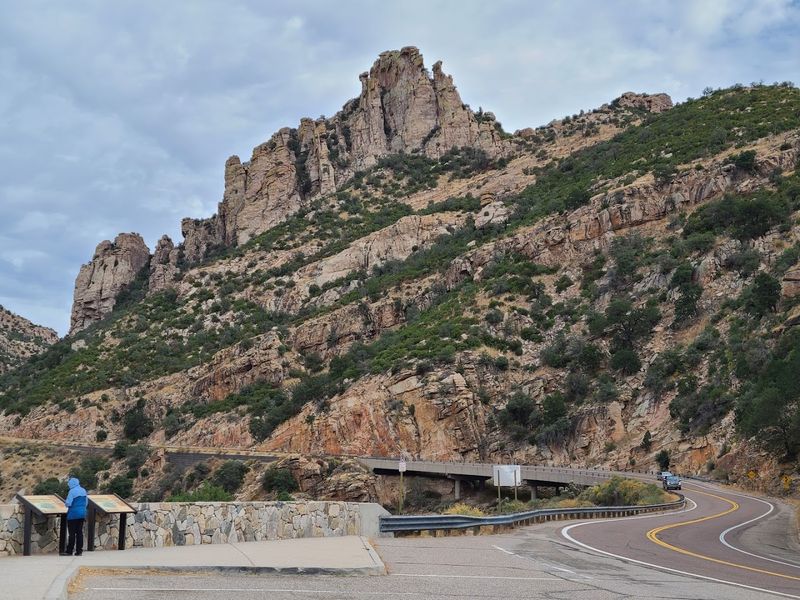
Early in the climb, the city suddenly begins to fall away behind you, and the desert looks broader with every turn. Light spreads across the valley in a way that makes even a quick stop feel cinematic.
That first major moment of perspective usually arrives at Babad Do’ag Vista.
This overlook is one of the easiest and most rewarding pullouts on the route. From here, you get a sweeping view over Tucson, the surrounding basin, and the layered desert ranges beyond.
Interpretive displays also help connect the scenery to the area’s geology and cultural landscape, which gives the stop more meaning than a simple photo break.
Sunrise and sunset are especially impressive because the angle of light deepens every ridge and shadow. If you are driving up in the morning, this is a smart place to pause and appreciate how quickly the byway begins delivering.
Even in the middle of the day, the wide-open perspective makes the stop worth a few extra minutes.
I like this vista as an introduction to everything the drive promises ahead. It is accessible, dramatic, and close enough to Tucson to fit even a short outing.
For many travelers, Babad Do’ag Vista is the place where the road trip truly starts to feel unforgettable.
Windy Point Vista
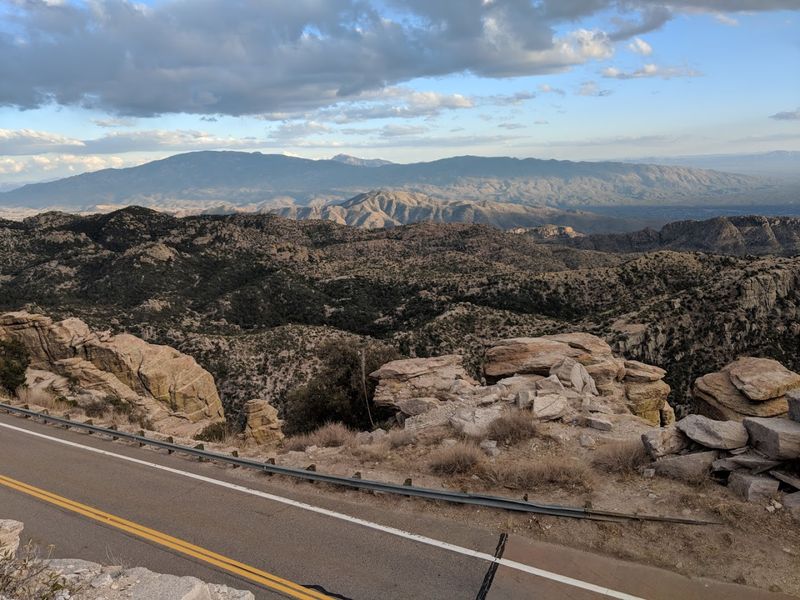
Few stops on this road feel as immediately grand as the one where granite, sky, and desert all collide at once. The air seems bigger here, and the drop-offs reveal just how far you have climbed above Tucson.
That sense of scale is exactly why Windy Point Vista is one of the byway’s signature overlooks.
Massive granite outcrops give this stop its distinctive character. They create a rugged foreground for panoramic views stretching across the Sonoran Desert, making it one of the most photographed places on the route.
Even if you have seen plenty of scenic pullouts before, this one has a wilder, more dramatic edge than most.
Sunset is especially popular, when warm light catches the rock and long shadows ripple across the valley below. On clear nights, the high perch and open horizons also make it a strong choice for stargazing.
If you enjoy landscape photography, this is the kind of stop where you will want extra time rather than a rushed glance.
Windy Point Vista works beautifully as both a quick break and a destination in itself. The overlook captures the raw, elevated feeling that makes this drive special.
If someone asks where the road becomes truly jaw-dropping, this is one of the first places I would mention.
Thimble Peak Vista
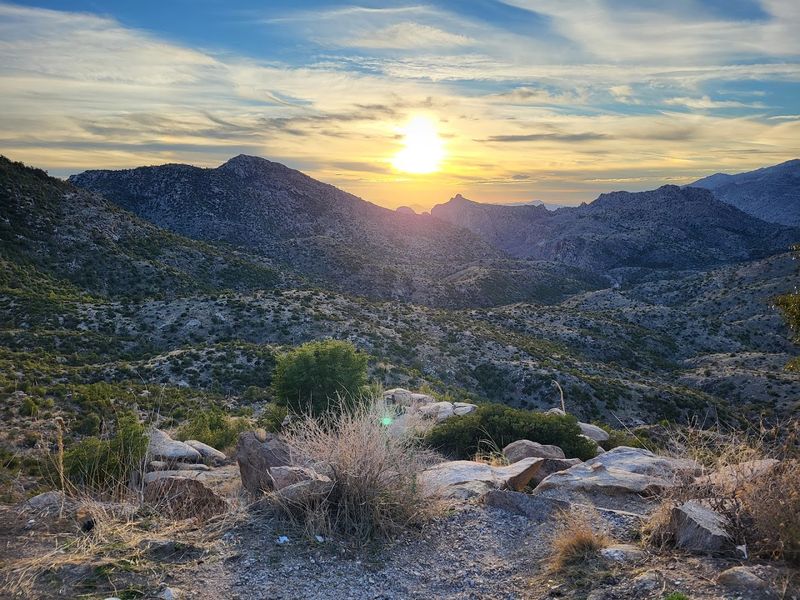
Some pullouts impress with sheer distance, while others pull your attention toward a single striking landmark. Along this drive, one of the best examples is the stop where an unmistakable rock formation steals the scene.
That place is Thimble Peak Vista, named for the dramatic summit it frames so well.
The distinctive profile of Thimble Peak gives this overlook a more focused visual identity than many broader desert panoramas. It is an excellent place to pause for photos, especially when shifting light adds texture to the rocky slopes and nearby vegetation.
Because the surrounding habitat changes with elevation, the stop can also be rewarding for quiet wildlife watching.
Unlike some overlooks that feel purely scenic, this one invites a slower kind of attention. Short walks nearby let you stretch your legs, breathe cooler mountain air, and notice the transition away from lower desert terrain.
Bird activity and the possibility of spotting other animals make it feel alive, not just picturesque.
Thimble Peak Vista is ideal for travelers who like scenery with a little personality. The formation gives the stop a recognizable sense of place, and the setting feels peaceful without being remote.
On a drive filled with memorable viewpoints, this one stands out by being both iconic and surprisingly calm.
General Hitchcock Campground
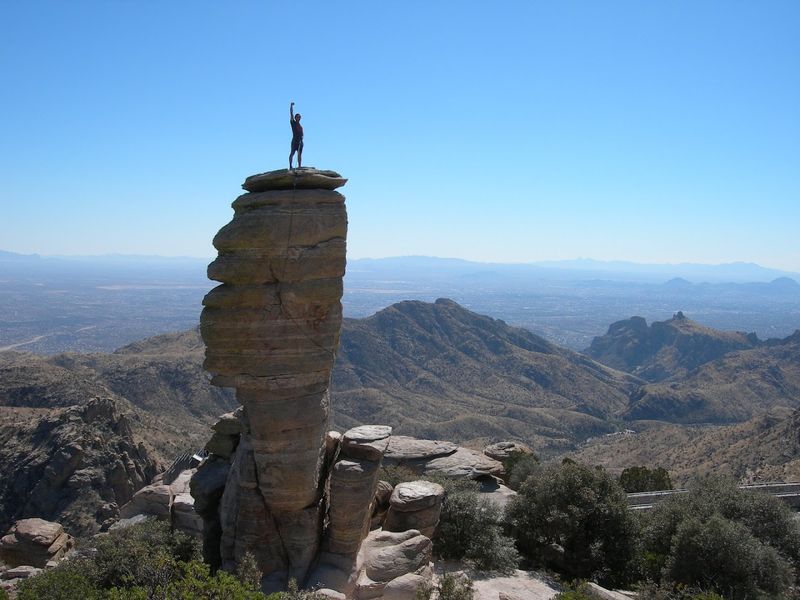
As the road climbs higher, the temperature softens and the scent of pine begins to replace the dry perfume of desert brush. That shift alone can make you want to linger rather than keep driving.
General Hitchcock Campground is one of the best places on the route to do exactly that.
Set in cooler mountain terrain, this campground offers a shaded break beneath pines and other high-elevation vegetation. Picnic areas, campsites, and nearby trail access make it more than a place to sleep overnight.
It works just as well for a relaxed daytime stop if you want to trade scenic overlooks for fresh air and a quieter forest setting.
Wildlife sightings are part of the appeal, especially in calmer morning and evening hours. Depending on the season, you may notice birds, squirrels, or larger animals moving through the surrounding woods.
That sense of being fully in the mountains feels especially striking when you remember how recently you were down among saguaros.
I think this stop helps explain why the Mount Lemmon drive is so unusual. It is not only scenic but immersive, letting you step directly into a different climate zone.
General Hitchcock Campground offers a comfortable, restful side of the journey that balances the big-view drama of the byway.
Rose Canyon Lake
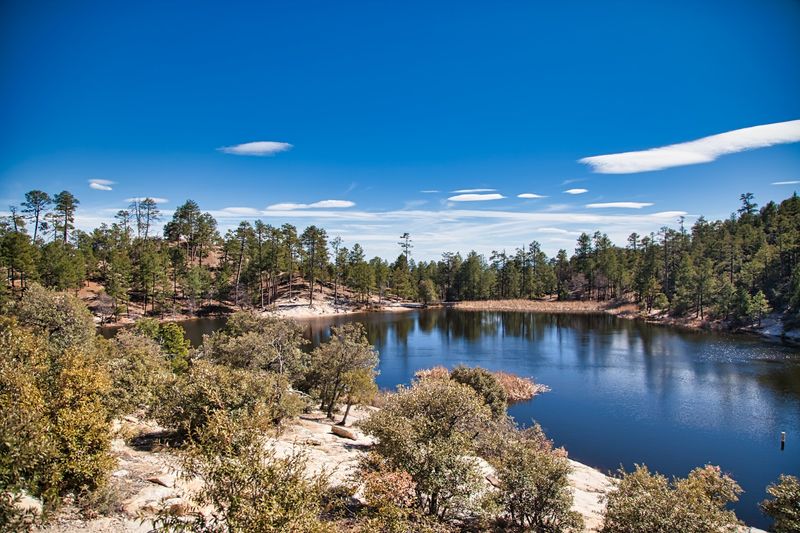
Nothing feels more surprising on this Arizona drive than rounding into a cool forest landscape and finding water tucked among the pines. After all the desert drama below, the change almost seems unreal.
Rose Canyon Lake delivers that contrast beautifully and gives the route one of its most unexpected stops.
As the only developed lake in the Santa Catalina Mountains, it holds a special place on Mount Lemmon. The setting is scenic and peaceful, with pine-covered slopes, picnic opportunities, and a calmer pace than the overlooks farther down the highway.
Many visitors come to fish for trout, while others simply enjoy the fresh mountain air and reflective water.
This is a strong stop if you want a different rhythm during the drive. Instead of looking outward across vast desert views, you can slow down beside the shoreline and enjoy a more intimate landscape.
Families, casual anglers, and anyone needing a quiet reset tend to appreciate how accessible and relaxing the lake feels.
Rose Canyon Lake also highlights the range packed into this short road trip. In just a few miles, the byway goes from cactus-studded foothills to a genuine high-country recreation area.
That dramatic shift is exactly what makes a stop here feel memorable rather than merely convenient.
Mount Lemmon Ski Valley
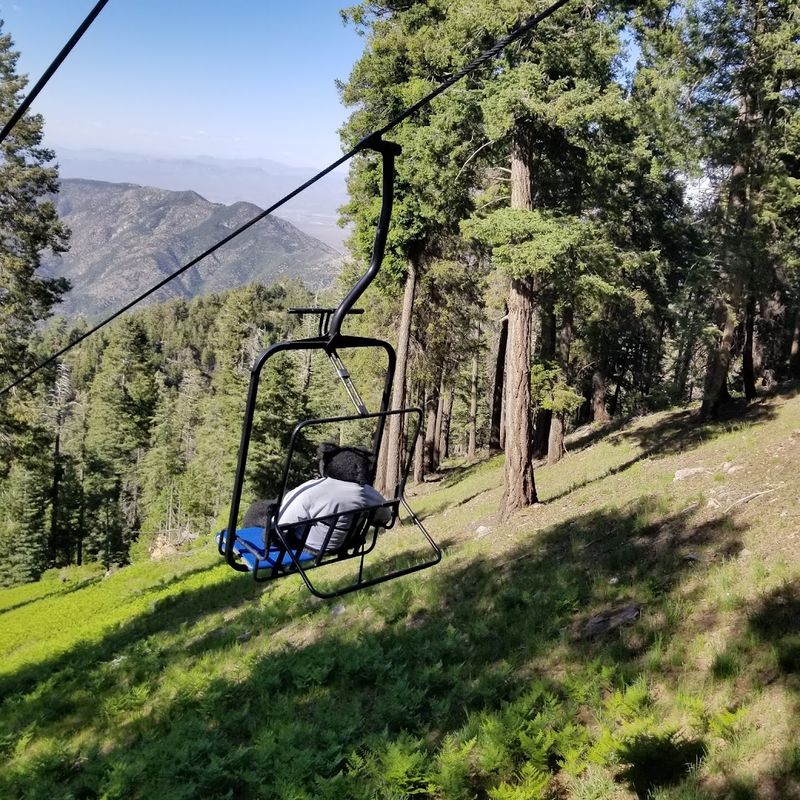
By the time you reach the upper mountain, the scenery has changed so completely that first-time visitors often do a double take. The surprise becomes even greater when the route leads to a ski area in southern Arizona.
Mount Lemmon Ski Valley is one of those places that instantly reshapes what people think the state looks like.
Known as the southernmost ski area in the continental United States, it is a genuine high-elevation outlier. In winter, snow sports define the experience, while warmer months bring scenic chairlift rides and broad canyon views.
Either season gives you a memorable reason to continue all the way toward the top of the byway.
The appeal here goes beyond novelty. Elevation, sweeping mountain scenery, and a sense of being far above the desert create a rewarding final stretch to the drive.
If you visit outside ski season, the chairlift can offer a different perspective on the ridges, forests, and rugged terrain surrounding Mount Lemmon.
I like this stop because it proves the road is not just scenic but full of legitimate surprises. It adds adventure, altitude, and a story people rarely expect from Arizona.
For travelers who enjoy unusual landmarks, Mount Lemmon Ski Valley is an easy highlight of the journey.
Summerhaven
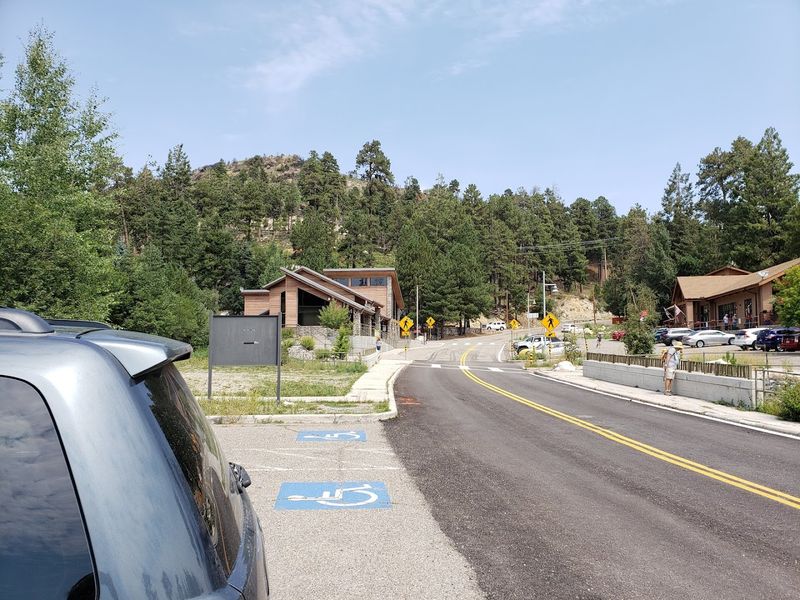
After a steady climb through overlooks, forest, and high-country scenery, it is satisfying to arrive somewhere with a little village charm. The mountain suddenly feels welcoming in a different way, less wild and more lived-in.
That shift comes into focus in Summerhaven, the small community many drivers treat as the journey’s natural endpoint.
What makes this place appealing is its easygoing atmosphere. Restaurants, cafes, gift shops, and cabins create a compact mountain-town feel that contrasts sharply with Tucson’s desert intensity below.
Even during hot Arizona summers, the cooler temperatures make wandering around especially pleasant.
Summerhaven is ideal if you want your scenic drive to end with lunch, coffee, or a leisurely stroll instead of an immediate turnaround. It gives the route a social, human scale after so many miles of big landscapes and overlook pullouts.
Depending on the season, you may also find families escaping the heat, cyclists recovering from the climb, and travelers stretching the day into an afternoon stay.
I think this stop matters because it completes the emotional arc of the road trip. You begin in desert sprawl and finish in an alpine-feeling retreat.
Summerhaven turns a beautiful drive into a fuller destination, which is part of why the whole experience stays with people long after they head back down.
Mount Lemmon Observatory Area
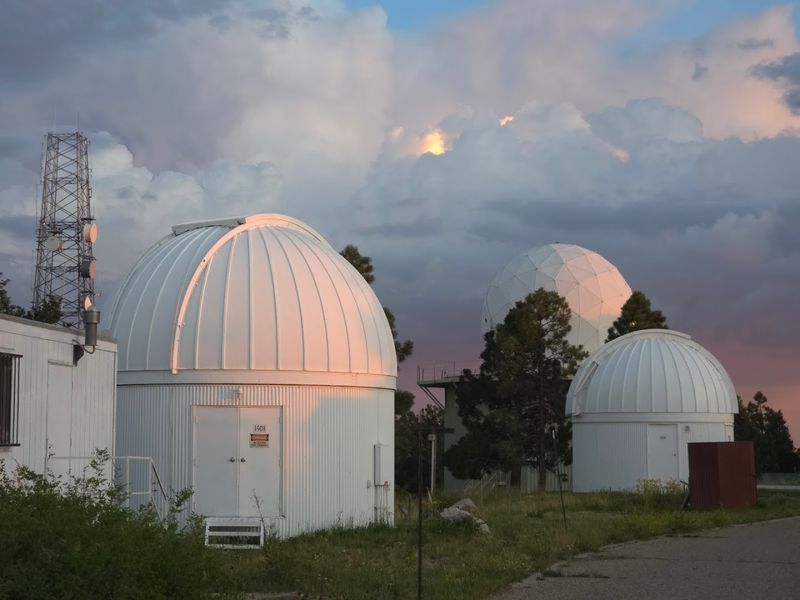
High on the mountain, the atmosphere starts to feel sharper, quieter, and somehow closer to the sky itself. It is the kind of setting that naturally makes you look up.
That is exactly why the Mount Lemmon Observatory area feels like such a fitting stop along this dramatic elevation climb.
This part of Mount Lemmon is known for high-elevation astronomy facilities and impressively dark skies. The observatory presence gives the landscape an added sense of purpose, reminding you that these clear, elevated conditions are valuable not only for views but for science.
During the day, the surrounding panoramas are excellent, with layered ridges and distant terrain stretching in multiple directions.
For visitors interested in astronomy, educational programs through Mount Lemmon SkyCenter can add depth to the experience. Even if you are not joining a formal event, the area’s reputation for stargazing makes it feel special.
Sunset and evening visits can be especially memorable when the mountain quiets down and the sky becomes the main attraction.
I find this stop compelling because it connects natural beauty with discovery. It is not just about seeing farther across Arizona, but about seeing deeper into the night sky.
Few road trips offer that combination so naturally, and it gives Mount Lemmon a distinctive intellectual and scenic appeal.
Marshall Gulch Trailhead
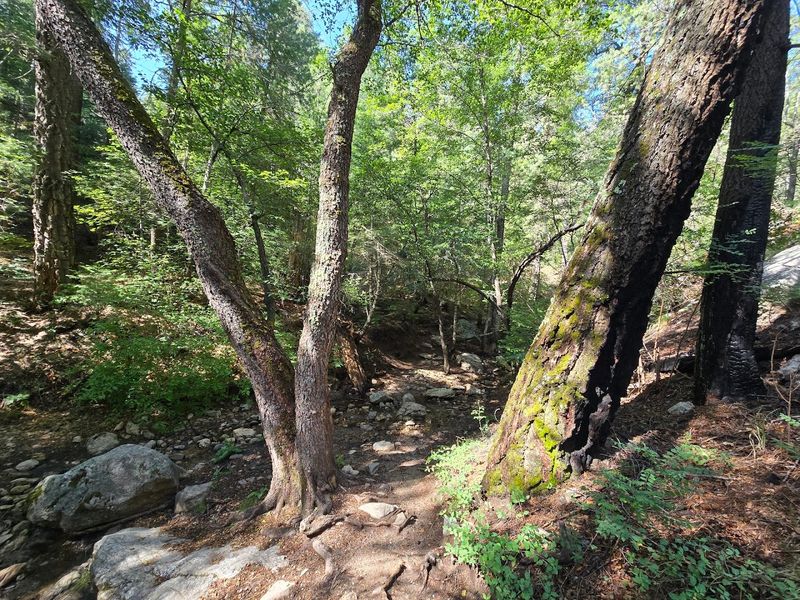
When the road has done its work and delivered you into cool mountain forest, sometimes the best next move is to continue on foot. The air is calmer, the shade is deeper, and the scenery becomes more intimate.
Marshall Gulch Trailhead is one of the best places on Mount Lemmon to make that transition.
This area is loved for its pine and aspen surroundings, especially when seasonal color or wildflowers add extra texture to the landscape. The trailhead opens access to cooler, high-elevation hiking that feels worlds away from the desert floor below.
Even a short walk here can give you a stronger sense of the mountain’s ecology and quieter beauty.
Wildlife viewing is another reason people linger. Birds are often active, and the mix of forest cover and changing terrain can make the setting feel especially alive.
For travelers who have spent much of the drive stepping out only at overlooks, this is a rewarding chance to experience the mountain more directly.
I like ending the route here because it turns a scenic drive into something a little more immersive. Marshall Gulch Trailhead lets you slow down, listen, and absorb the high-country side of southern Arizona.
It is a gentle reminder that the byway is not only about the road but also about what waits just beyond it.