Late summer in Michigan has a way of softening everything—the lake breezes drifting inland, city streets warming and cooling in cycles, and museum doors opening into spaces that feel unexpectedly alive with stories. It’s a season that invites slow wandering, especially indoors where air conditioning hums quietly over displays of invention and memory.
Across the state, some museums don’t separate art from engineering or history from innovation. Instead, they let them sit side by side—steam engines next to migration stories, Great Lakes navigation beside everyday objects that once shaped entire communities.
You move through these spaces at an easy pace, noticing how technology and culture keep overlapping in ways that feel personal rather than distant.
Here’s a closer look at Michigan museums where curiosity and creativity meet in ways you might not expect.
The Henry Ford Museum of American Innovation
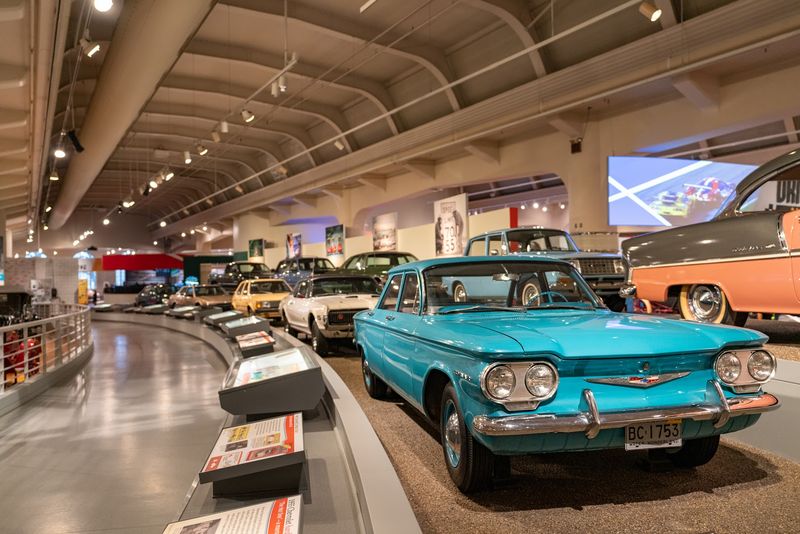
Few places make invention feel as personal as a walk through vast rooms filled with machines, ideas, and objects that changed daily life. You are not just looking at famous artifacts here – you are tracing how Americans moved, worked, protested, traveled, and imagined the future.
That layered experience comes together inside The Henry Ford Museum of American Innovation in Dearborn.
The collection is sweeping, but it stays grounded in human stories. Presidential limousines, aviation milestones, manufacturing tools, and design breakthroughs sit beside objects tied to social change, showing that innovation is never only technical.
I like how the museum frames progress as something shaped by ordinary needs as much as extraordinary genius.
This is also one of Michigan’s clearest windows into the relationship between industry and culture. Transportation exhibits reveal how mobility changed neighborhoods and ambitions, while factory and design displays show how systems of production reshaped the modern world.
Even if you arrive for the cars, you leave thinking about labor, creativity, and citizenship.
Give yourself time, because this museum rewards slow attention. Every gallery connects invention to lived experience, making it ideal for an article about where technology and culture truly meet under one roof.
Arab American National Museum

At first, the atmosphere feels intimate and story driven, the kind of place where family history and national history speak to each other. You move through galleries that highlight migration, language, entrepreneurship, art, and public life, and the result feels both deeply specific and widely American.
That distinctive perspective defines the Arab American National Museum in Dearborn.
What makes this museum stand out is its exclusive focus on Arab American history and culture. Exhibits explore immigration journeys, identity, community building, and the many contributions Arab Americans have made in business, medicine, education, politics, and the arts.
You quickly see innovation here not just as invention, but as adaptation, resilience, and cultural creation.
The museum also balances preservation with contemporary relevance. Personal narratives and historical documents sit comfortably alongside modern art and community centered programming, so the experience never feels frozen in the past.
I find that especially compelling because it shows culture as something living, debated, and continually reimagined.
For this article, it brings an essential dimension to Michigan’s museum landscape. It proves that the state’s most meaningful collections are not only about machines or industry, but also about the people whose ideas, labor, and traditions helped shape modern American life.
Sloan Museum of Discovery
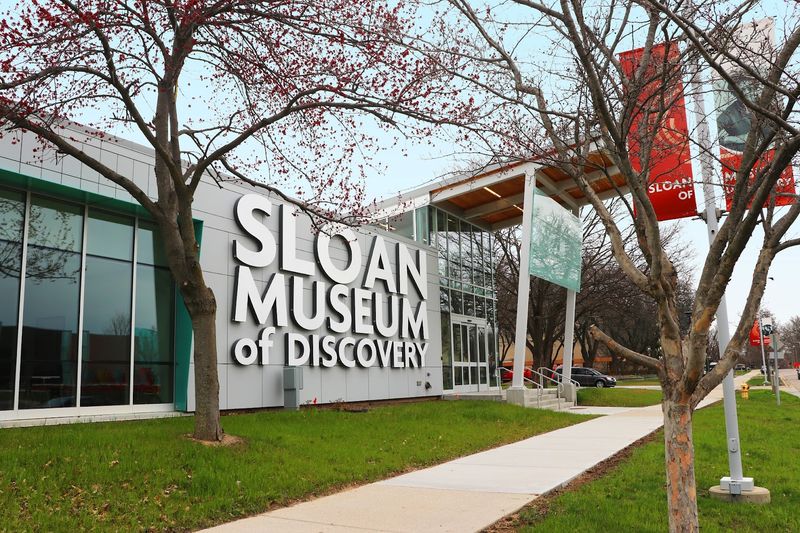
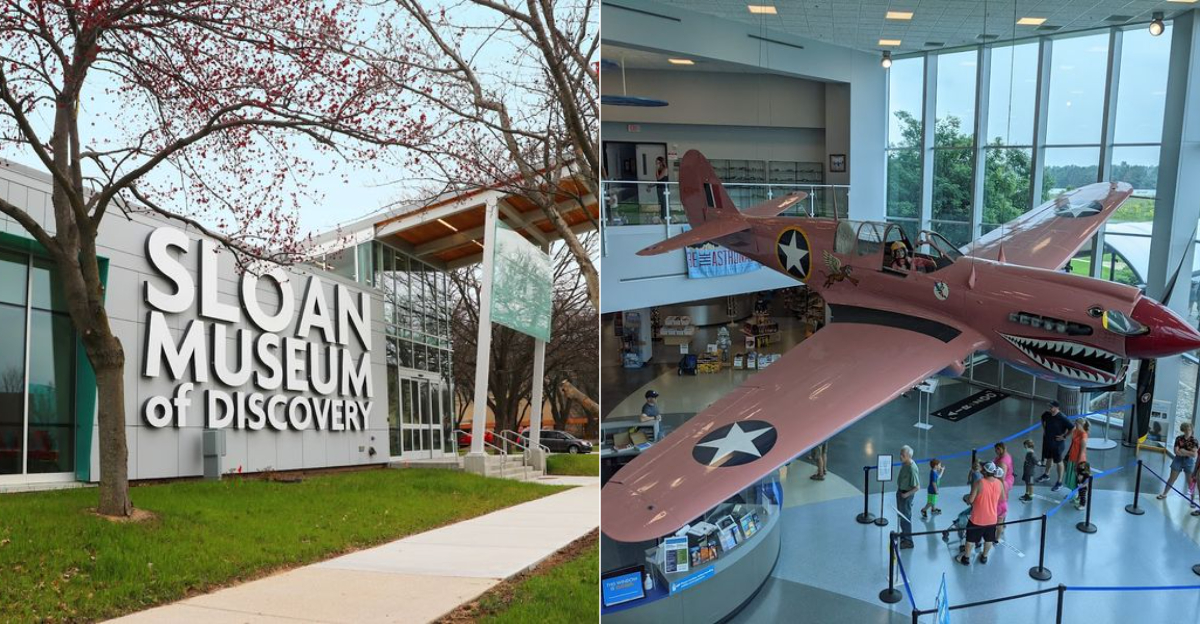
The energy here is hands on, curious, and built for people who want to touch ideas rather than simply read about them. Science demonstrations, regional history, and industrial storytelling all work together, creating a museum experience that feels active instead of static.
That blend is exactly what you find at Sloan Museum of Discovery in Flint.
This museum does a strong job of connecting Flint’s past to larger questions about technology and community. Interactive STEM exhibits invite you to experiment, while history galleries trace the city’s role in automotive development and manufacturing culture.
It is an effective reminder that innovation grows out of places, workers, schools, and local ambition.
What I find especially useful for this article is the museum’s ability to bridge generations. Kids can engage with science in immediate ways, while adults can appreciate how deeply Flint influenced industrial Michigan and the broader American economy.
The result feels less like separate subjects sharing a building and more like one unfolding story about discovery.
Sloan also broadens the definition of a regional museum. Instead of presenting local history as niche, it shows how a city known for cars also shaped engineering, education, and civic identity.
If you want a stop where industrial legacy meets interactive learning, this belongs high on the list.
Air Zoo Aerospace & Science Museum

Suspended aircraft, glowing simulators, and the promise of flight create an immediate sense of wonder before you even settle into the details. It feels playful at first, but the deeper you go, the more clearly the museum reveals links between imagination, engineering, and public education.
That balance defines the Air Zoo Aerospace and Science Museum in Portage.
Its historic planes and spacecraft related exhibits make the collection visually striking, yet the museum is more than a display of impressive machines. Interactive experiences help you understand principles of aerodynamics, exploration, and design, which keeps the experience grounded in learning rather than spectacle alone.
You can feel how aviation history becomes a gateway into broader scientific curiosity.
This museum also earns its place in a cultural roundup because flight has always carried social meaning. Air travel changed war, commerce, tourism, and the scale of everyday possibility, while space exploration reshaped how people imagined the future.
I appreciate that the Air Zoo captures both the technical achievement and the cultural excitement attached to those changes.
For readers planning a Michigan itinerary, this is one of the state’s most accessible innovation museums. It combines family friendly engagement with genuine historical depth, making it a smart choice for anyone interested in where science education and awe meet.
Gilmore Car Museum
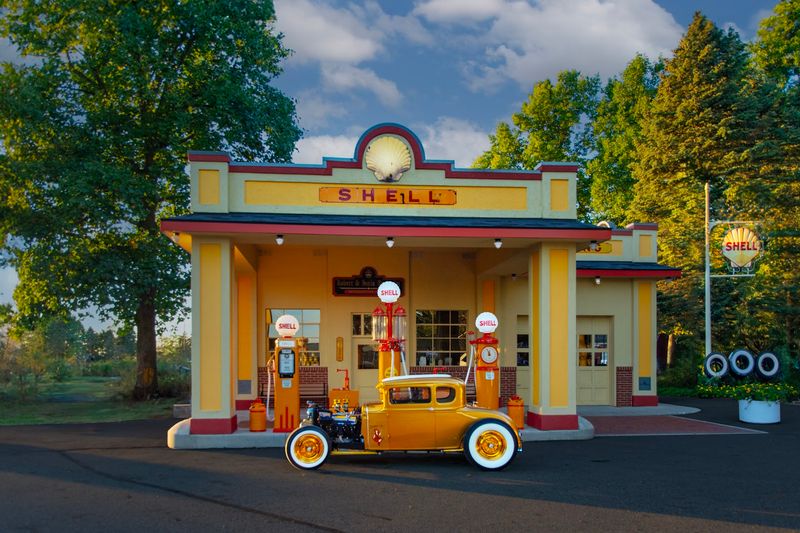
Wide gallery spaces, chrome reflections, and beautifully preserved vehicles create an instant feeling of nostalgia, but this place is more thoughtful than a simple parade of classic cars. As you move through the campus, you start to see automobiles as objects that shaped style, class, leisure, advertising, and the geography of modern life.
That broader perspective makes the Gilmore Car Museum in Hickory Corners especially rewarding.
Yes, the scale is impressive, with hundreds of vehicles representing different eras and design philosophies. But what gives the museum depth is its ability to frame cars as cultural artifacts rather than isolated engineering feats.
You begin noticing how dashboards, body shapes, brand identities, and showroom aesthetics reflected changing American aspirations.
The setting helps, too, because the museum’s campus approach encourages a slower, more immersive visit. Historic buildings and themed displays make it easier to imagine how the automobile altered roadside culture, family travel, and consumer behavior across the twentieth century.
I think that context is what elevates it beyond a destination just for enthusiasts.
For this article, the Gilmore offers a perfect example of innovation meeting unexpected cultural meaning. Beneath the horsepower and polish, it reveals how machines became symbols of freedom, status, memory, and national identity in Michigan and far beyond.
Charles H. Wright Museum of African American History
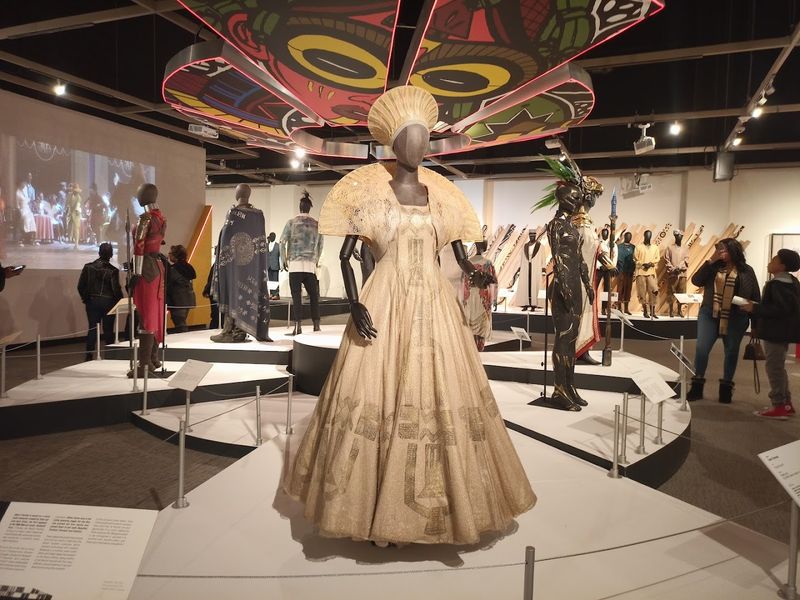
Powerful, reflective, and emotionally rich, this is the kind of museum that changes the pace of your day the moment you enter. The galleries ask you to consider not only history, but also creativity, resistance, memory, and the many forms innovation can take within a community.
That is why the Charles H. Wright Museum of African American History in Detroit is such an essential inclusion.
As one of the largest institutions of its kind, it carries impressive historical weight. Exhibits explore African American history across eras while highlighting cultural production, civil rights leadership, scholarship, entrepreneurship, and artistic achievement.
You come away understanding innovation here as social, intellectual, and cultural force, not merely technological progress.
The museum’s scale allows it to connect broad national narratives with deeply human experiences. Artifacts, interpretive displays, and storytelling work together to show how Black communities shaped American music, politics, labor, education, and public life.
I find that breadth especially important in a list that might otherwise lean too heavily toward industrial definitions of innovation.
For readers seeking museums that expand perspective, this one delivers substance and urgency. It anchors Michigan’s museum landscape with historical depth while demonstrating that some of the most transformative ideas in American life emerged through struggle, vision, and cultural brilliance.
Detroit Historical Museum
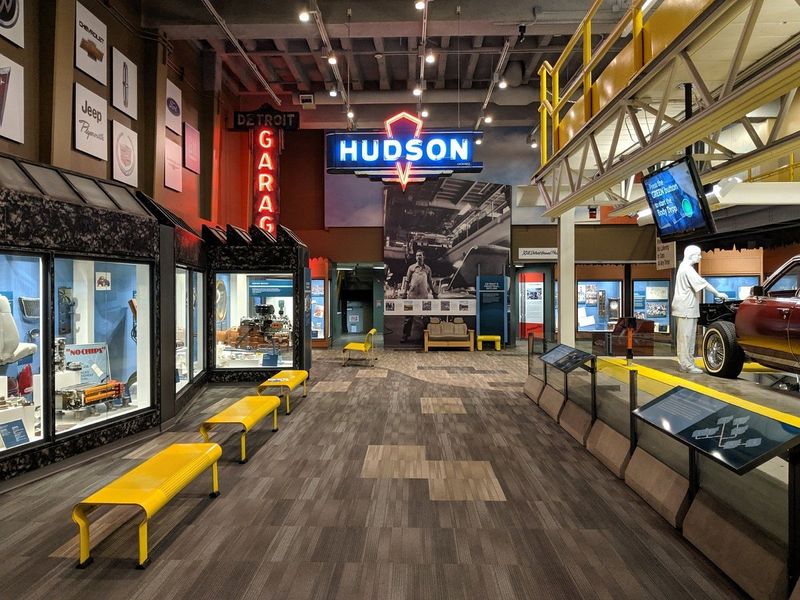
City history can feel flat when it is reduced to dates and civic milestones, but here it feels textured, noisy, and alive with ambition. You move from industry to music to neighborhood stories and begin to understand Detroit as a place where innovation was always social as well as mechanical.
That is the enduring appeal of the Detroit Historical Museum.
The museum excels at documenting the city’s rise as a global center of manufacturing and design. Automotive history is central, of course, but the exhibits also trace labor, migration, entrepreneurship, and the urban growth that followed industrial success.
What stands out to me is how clearly the museum connects large scale production to the rhythms of everyday life.
Another strength is the way it captures Detroit’s cultural power. Music, especially the city’s recording legacy, reminds you that innovation is not confined to factories and patents.
The same city that reshaped transportation also transformed sound, style, and international popular culture.
That combination makes this museum especially useful in a post about unexpected collections. Visitors may arrive expecting a straightforward local history stop, but the experience opens into a much broader story about creativity, labor, race, commerce, and reinvention.
It is one of the best places to understand how Detroit became both an industrial engine and a cultural force.
Michigan History Museum

Walking through statewide history can easily become overwhelming, yet this museum keeps the experience grounded through recreated settings, clear storytelling, and a wide lens on Michigan life. You are not just moving across centuries – you are seeing how landscape, labor, migration, and technology shaped a shared identity.
That is what makes the Michigan History Museum in Lansing such a strong anchor for this list.
The collection stretches from Indigenous history through industrialization and into the modern era. Along the way, exhibits address mining, military service, transportation, domestic life, and the development of cities and institutions across the state.
I appreciate how the museum treats these topics as interconnected rather than isolated chapters.
Its recreated historical environments are especially effective because they make broad history feel tangible. Instead of abstract timelines, you get spaces that help you imagine how people lived, worked, and adapted to change.
That approach reveals innovation as something embedded in survival, settlement, commerce, and public life.
For a reader building a museum itinerary, this stop provides crucial context for many of the others on the list. It explains the larger Michigan story behind automobiles, waterways, communities, and cultural traditions.
If you want one place that ties together the state’s human and technological development, this museum does it exceptionally well.
U-M Museum of Natural History
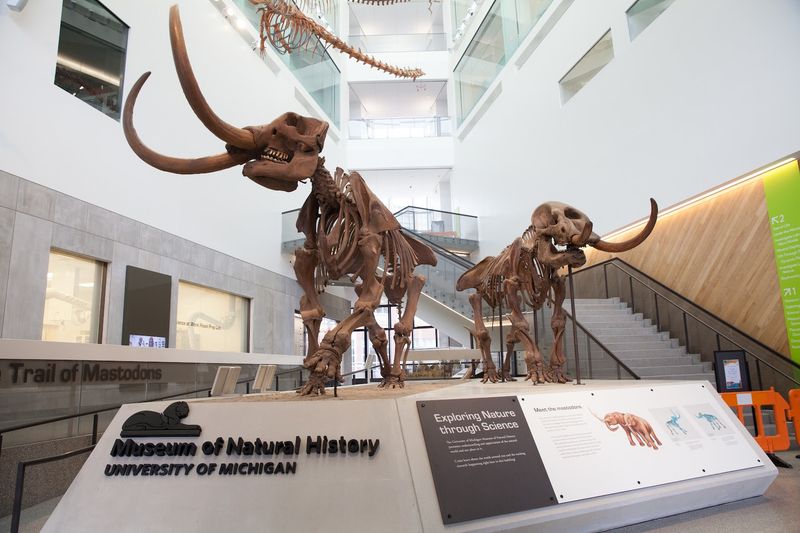
Bright, modern galleries and towering fossils create instant visual drama, but the most interesting part of this museum is how alive the science feels. You are not simply looking at finished knowledge on display – you are stepping into a space connected to active research and discovery.
That quality gives the U-M Museum of Natural History in Ann Arbor its special energy.
The museum brings together dinosaur remains, geology, ecology, anthropology, and evolutionary storytelling in a way that feels coherent rather than crowded. Each gallery invites you to think about deep time, environmental systems, and the human place within them.
I like that the experience encourages wonder without sacrificing scientific rigor.
What makes it particularly relevant for this article is the visibility of academic inquiry. In a university setting, exhibits can feel closely linked to ongoing scholarship, which means visitors get a clearer sense that museums are not only about preservation but also about generating new understanding.
That makes innovation feel immediate and intellectual instead of purely industrial.
It also broadens the range of what a Michigan museum trip can include. Among collections focused on cars, cities, and cultural heritage, this stop introduces planetary history and biological change into the conversation.
The result is a museum that feels both expansive and approachable, especially for curious travelers who want science with context.
Dennos Museum Center

In northern Michigan, you might expect shoreline scenery and regional art, but not one of the country’s notable collections of Inuit work. That sense of surprise is exactly what makes this stop memorable, because it expands your idea of what cultural discovery in the state can look like.
The place delivering that unexpected perspective is the Dennos Museum Center in Traverse City.
Its Inuit art holdings are the headline attraction, and deservedly so. Sculptures, prints, and related works open a window into Arctic creativity, storytelling, and material tradition far from the geographic regions many visitors would associate with them.
You quickly realize this is not a novelty collection, but a serious cultural resource with real interpretive depth.
The museum also places those works within a broader art environment that includes regional, national, and international perspectives. That mix keeps the experience dynamic and prevents the Inuit collection from feeling isolated or tokenized.
I find that especially important because it lets you consider cross cultural dialogue rather than treating one tradition as a curiosity.
For this article, the Dennos Museum Center embodies the phrase unexpected cultural collections better than almost anywhere else in Michigan. It is proof that a museum can be both locally grounded and globally resonant, giving travelers a thoughtful reason to look beyond the obvious destinations.
Ypsilanti Automotive Heritage Museum
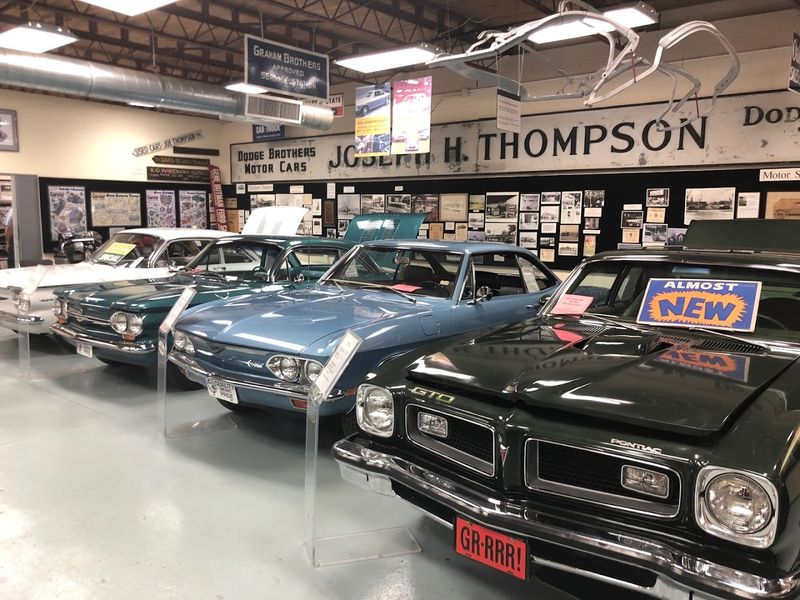
Some of the best museum experiences come in smaller spaces where local pride sharpens the storytelling. Instead of overwhelming you with scale, this place draws you into overlooked automotive chapters and makes them feel immediate, specific, and surprisingly consequential.
That is the charm of the Ypsilanti Automotive Heritage Museum.
Housed in a historic Hudson dealership, the museum already carries the atmosphere of the industry it interprets. Exhibits highlight Hudson, Tucker, Kaiser-Frazer, and other regional connections, helping visitors see that Michigan automotive history was never written by one company alone.
I like how the museum rescues ambitious side stories that larger institutions can only mention briefly.
This focus on lesser known innovation is what makes the stop stand out in an itinerary. You encounter bold experiments in design, business strategy, and manufacturing identity, all tied to a particular community with deep automotive roots.
The setting reinforces that sense of place, giving the museum authenticity you can feel.
For readers interested in innovation beyond the biggest names, this is a rewarding detour. It shows how regional museums can illuminate neglected corners of industrial history while preserving the cultural memory of work, risk, and invention.
In that way, it adds welcome nuance to any broader Michigan museum roundup.