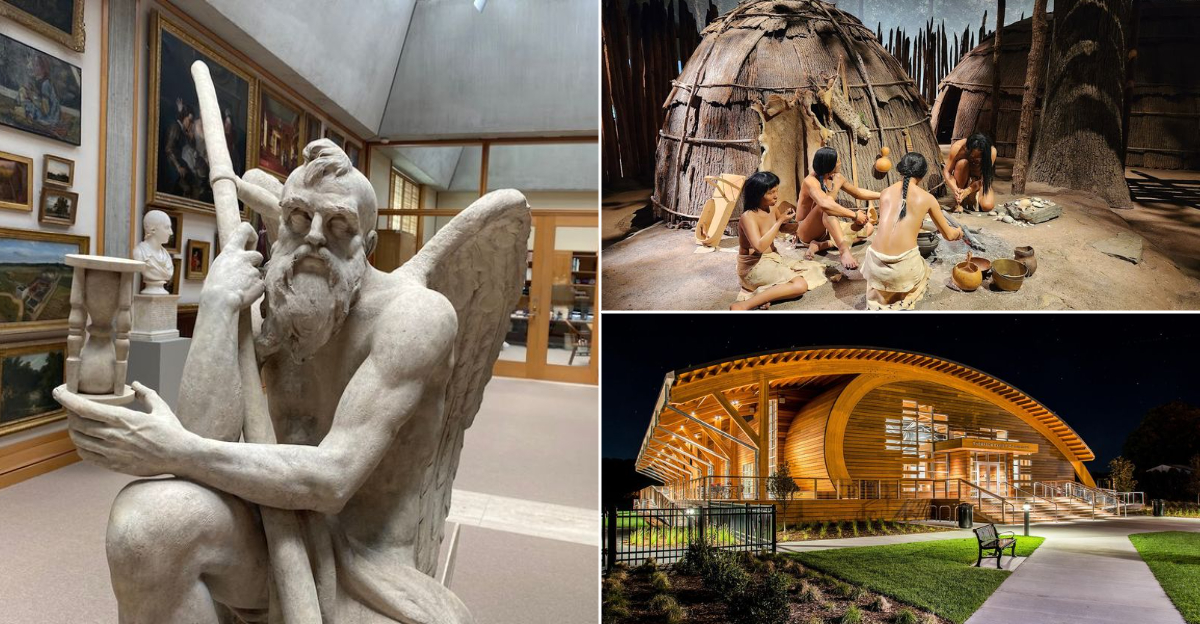
Late summer in Connecticut has a quiet charm to it—salt air drifting in from the coast, shaded campus paths still warm from the sun, and small towns where museum doors open into unexpectedly rich worlds. It’s the kind of season that invites slow exploration, where stepping inside for a short visit often turns into lingering much longer than planned.
Across the state, museums don’t feel confined to a single idea of what a gallery should be. Grand art collections sit beside maritime stories, historic homes hold layers of personal history, and science and culture often share the same space in ways that feel natural rather than formal.
Each stop offers something a little different: a glimpse into creativity, a preserved moment of history, or a hands-on encounter with ideas that still feel alive.
Here’s a closer look at Connecticut museums where depth, history, and imagination meet in surprising ways.
Wadsworth Atheneum Museum of Art

At first glance, you might expect a handsome regional museum with a few respectable galleries and a quiet afternoon pace. Instead, the experience opens into a remarkably ambitious world of art, architecture, and collecting that feels much larger than downtown Hartford suggests.
That surprise is the Wadsworth Atheneum Museum of Art, a landmark that rewards slow looking.
Because it has operated since 1842, the museum carries unusual historical weight, yet it never feels trapped in the past. You move from European painting to American art, decorative arts, modernism, and contemporary works with a rhythm that keeps each room fresh.
I think what stays with you most is the range, not simply the age, of the collection.
The building itself adds drama, with castlelike forms and galleries that make each turn feel ceremonial. One moment you are in conversation with Hudson River landscapes, and the next you are standing before surrealism or finely crafted period objects.
That breadth gives the museum a cosmopolitan confidence you may not expect in Connecticut.
If you like museums that balance scholarship with genuine visual pleasure, this one delivers. It is ideal for first time visitors, repeat art lovers, and anyone wanting proof that a historic museum can still feel alive.
Give yourself extra time here, because the Atheneum tends to expand your plans.
Mark Twain House & Museum
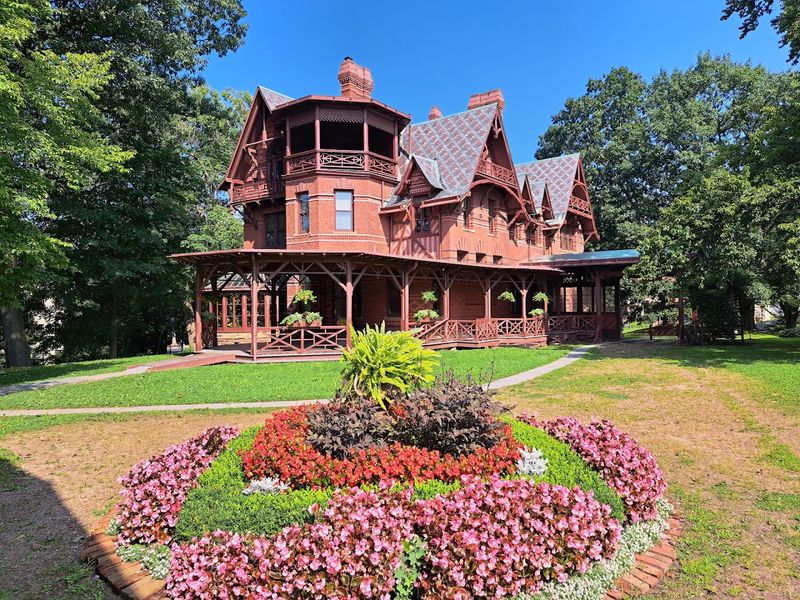
There is a certain thrill in entering a house where the rooms still seem charged with personality, wit, and restless intelligence. You are not just touring preserved furniture here, you are stepping into a setting that helps explain how one of America’s sharpest voices lived and worked.
That setting is the Mark Twain House & Museum in Hartford.
The mansion is visually striking before you even know its stories, with bold Victorian design and richly detailed interiors. Once you learn that Samuel Clemens wrote major works here, the home becomes more than beautiful, it becomes creatively electric.
I like how the museum connects literary achievement to family life, money, fame, travel, and the contradictions of the Gilded Age.
Guided interpretation usually goes beyond famous quotations, which is what makes this place memorable. You hear about social ambition, financial pressures, technological enthusiasm, and the domestic world that shaped Twain’s best known years.
The architecture also matters, because the house feels like an extension of his humor, confidence, and appetite for spectacle.
If you normally think literary museums sound too quiet or overly reverent, this one may change your mind. It blends biography, design, and cultural history in a way that feels immediate and human.
You leave with a clearer sense of Twain, and with a stronger feeling for nineteenth century America.
Mystic Seaport Museum
Salt air, creaking docks, and the sight of historic vessels immediately tell you this is not a museum built around static display cases alone. The experience feels open ended and physical, as if history has been spread across a working waterfront instead of sealed behind glass.
That is the power of Mystic Seaport Museum, one of Connecticut’s most immersive destinations.
What surprises many visitors is the scale. Rather than offering a quick overview of maritime life, it unfolds like a living nineteenth century coastal village, complete with ships, preserved buildings, craft demonstrations, and interpretation that makes labor and trade feel tangible.
You do not simply read about seafaring here, you move through the environments that made it possible.
The historic vessels are a major draw, but the working preservation shops often leave an equally strong impression. Watching skilled craftspeople maintain wooden boats and maritime equipment gives the museum a living heartbeat.
I also appreciate how the site connects local New England stories to broader themes of commerce, exploration, immigration, and technology.
This is a museum for people who like to wander, pause, and discover details in layers. Families, history buffs, and casual travelers can all find their own entry point without feeling overwhelmed.
If you want a museum day that feels active, atmospheric, and genuinely memorable, Mystic Seaport is hard to top.
Mashantucket Pequot Museum and Research Center

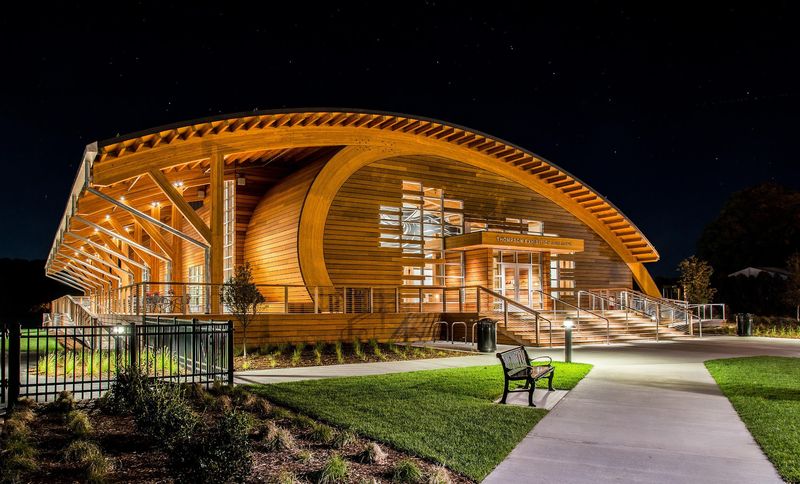
Few museum experiences shift your perspective as quickly as walking into a place that feels both monumental and deeply personal. Instead of a simplified regional story, you encounter Indigenous history presented with scale, authority, and emotional clarity.
That is what makes the Mashantucket Pequot Museum and Research Center such an essential stop in southeastern Connecticut.
The museum’s strength lies in its ability to combine scholarship with immersion. Recreated environments, archaeological material, and carefully developed exhibits help you understand not only Pequot history, but also the wider Indigenous story of the Northeast.
I find that this layered approach invites you to slow down and challenge assumptions you may not even realize you carried in.
Rather than isolating the past, the museum shows continuities between ancestral life, colonial disruption, survival, and contemporary identity. That wider arc gives the galleries unusual emotional force, especially when material culture is paired with interpretation centered on Native voices.
You leave with a stronger sense that this history is not remote, finished, or neatly confined.
If you value museums that deepen understanding instead of merely presenting artifacts, this one stands out. It is large enough to feel comprehensive, yet focused enough to remain coherent from start to finish.
Give yourself time, because the Mashantucket Pequot Museum rewards attention, and it often becomes one of the most meaningful museum visits in Connecticut.
Florence Griswold Museum
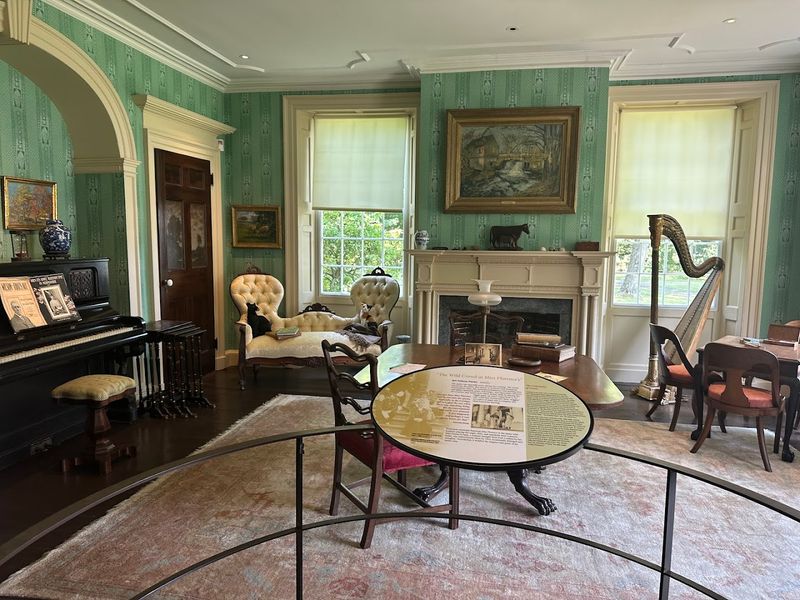
Sunlight, gardens, and a gracious old house create an atmosphere that feels almost too serene to hide serious art history. Then the story opens up, and you realize you are standing in one of the most important centers of American Impressionism.
That mix of beauty and significance is exactly why the Florence Griswold Museum in Old Lyme feels so rewarding.
The museum is anchored by the former boardinghouse of Florence Griswold, where artists gathered and worked during the Lyme Art Colony years. Because the place itself mattered to the painters, the setting becomes part of the collection rather than a simple backdrop.
I love how the house, grounds, and galleries speak to each other without feeling staged.
Inside, you encounter artwork that reflects both national artistic movements and the special light of the Connecticut landscape. The painted panels in the historic house add an intimate, almost conversational dimension that many larger museums cannot offer.
Outside, the gardens and river setting make it easy to understand why artists returned here again and again.
This is the kind of museum that appeals equally to art lovers and people who usually prefer historic homes. Its scale feels manageable, but its cultural importance is substantial.
If you want a museum experience that is elegant, rooted in place, and unexpectedly rich, the Florence Griswold Museum deserves a place near the top of your list.
Yale Peabody Museum
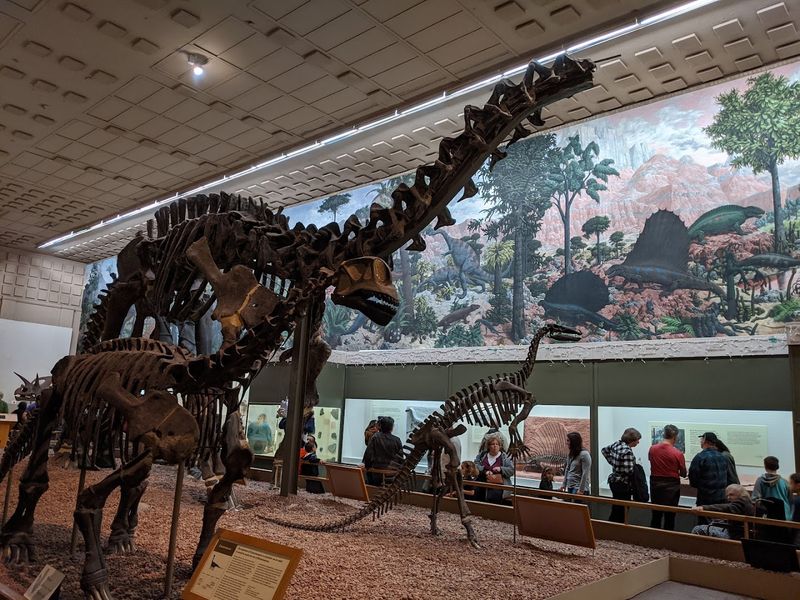
There is a special kind of museum excitement that begins with giant bones and quickly expands into something much broader. You may arrive expecting a dinosaur stop, but the real surprise is how completely the experience opens into natural history, anthropology, and the deep story of life on Earth.
That is the appeal of the Yale Peabody Museum in New Haven.
Its famous dinosaur displays provide the initial wow factor, and they are worth every bit of attention. Yet the museum’s larger strength is the way it connects fossils, biodiversity, geology, and human cultures into one coherent conversation.
I think that balance makes it appealing whether you are visiting with children, studying science, or simply curious about the planet’s long history.
The museum carries the authority of a major university collection, but it does not need to feel intimidating. Well designed exhibits help you move from spectacle to understanding, so the giant skeletons become gateways rather than isolated attractions.
You start asking bigger questions about extinction, adaptation, environment, and how scientific knowledge is built over time.
If you like museums that turn curiosity into momentum, this one does it beautifully. It feels scholarly without being dry, and accessible without becoming simplistic.
Plan enough time to wander, because the Yale Peabody Museum tends to pull you from one subject to the next until hours have quietly disappeared.
Yale Center for British Art
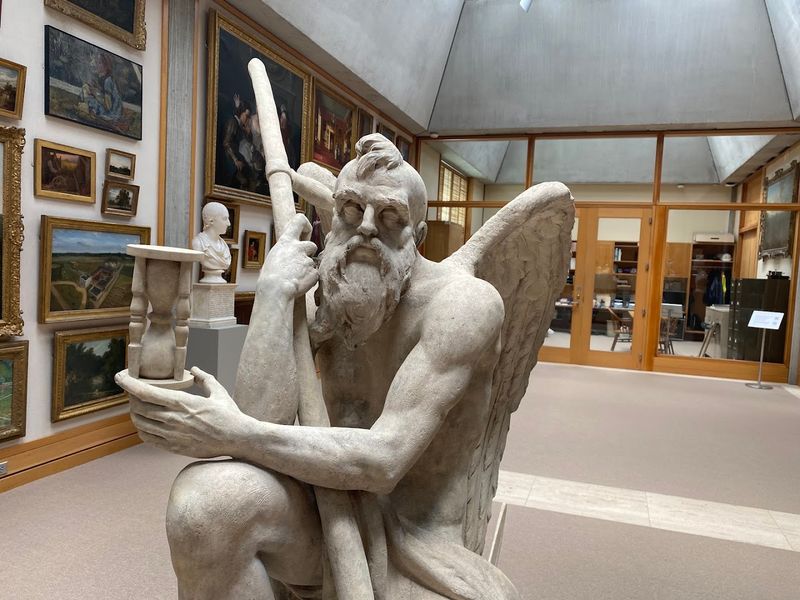
Quiet confidence defines some of the best museums, and this one has it in abundance. You step inside expecting a niche academic collection, then discover galleries with an international reputation and an atmosphere that invites patient, rewarding looking.
That experience belongs to the Yale Center for British Art, one of New Haven’s true cultural treasures.
The collection is extraordinary in scope, covering centuries of British art from portraiture and landscape to works that reflect empire, class, industry, and changing ideas of national identity. What surprises many visitors is not simply the quality, but how varied the story becomes once you move beyond a few familiar names.
I appreciate that the museum can feel both intellectually serious and visually generous at the same time.
The building, designed by Louis Kahn, adds another layer to the visit. Natural light, clean geometry, and calm galleries create conditions that help the art breathe instead of compete for attention.
You can study a Tudor portrait, then shift toward Turner or later British works and sense a continuous conversation unfolding across time.
This museum is especially satisfying if you enjoy depth rather than distraction. It proves that a focused collection can still feel expansive, surprising, and full of connections to larger world history.
Even if British art is not normally your first choice, the Yale Center often wins people over through sheer quality and thoughtful presentation.
New England Air Museum
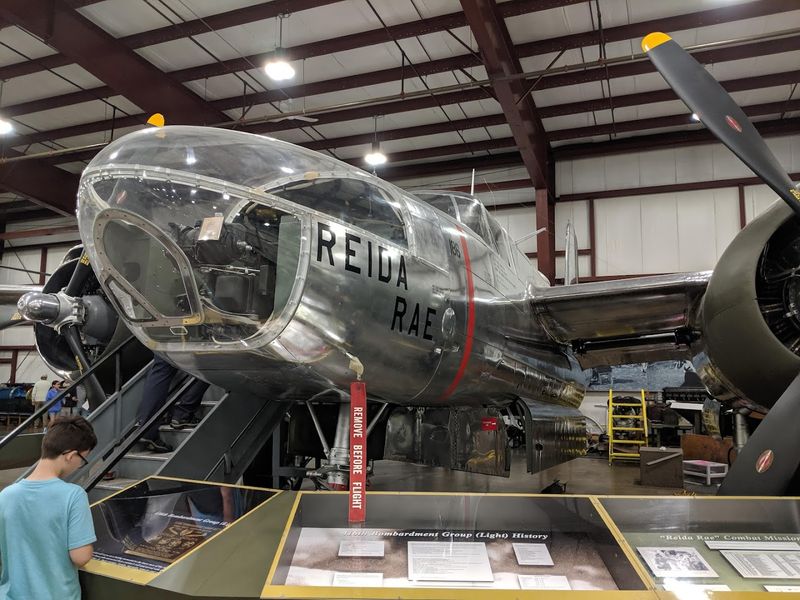
Some museums impress through quiet elegance, while others win you over with sheer mechanical presence. Here, the sight of aircraft suspended overhead and lined across hangars creates immediate excitement, even before you begin reading labels or tracing aviation history.
That sense of scale is what makes the New England Air Museum in Windsor Locks such a strong surprise.
With more than one hundred aircraft and major aerospace artifacts, the museum covers a broad timeline from early flight to jets and space age innovation. The collection is varied enough that enthusiasts can dive deep, yet accessible enough that casual visitors never feel shut out.
I like how the museum balances engineering detail with stories about pilots, designers, military history, and technological ambition.
Large objects do a lot of the storytelling here, but the best visits go beyond simply admiring planes. You begin to notice the rapid evolution of materials, design, and human confidence as aviation changed the twentieth century.
The museum also carries regional pride, showing New England’s connections to the industries and ideas that shaped flight.
If you usually think of aviation museums as specialty stops, this one may broaden your expectations. It offers real historical depth, strong visual impact, and enough variety to keep families and dedicated fans engaged.
Give yourself time to explore the hangars thoroughly, because the New England Air Museum reveals more character the longer you stay.
Connecticut River Museum
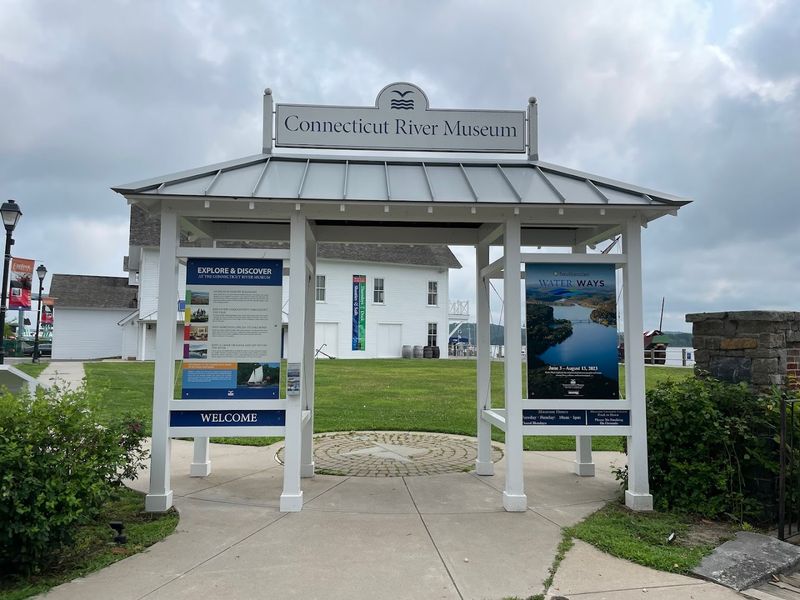
Waterfront museums often rely on scenery, but the best ones use place to deepen the story rather than distract from it. Standing near the river, you quickly sense that this is not just about boats or maps, but about a living corridor that shaped communities, trade, and identity for centuries.
That is why the Connecticut River Museum in Essex leaves such a strong impression.
Housed in a historic warehouse, the museum feels rooted in its subject before you even begin exploring. Exhibits trace the river’s importance to transportation, shipbuilding, ecology, commerce, and everyday regional life, giving you a fuller understanding of how waterways organize history.
I appreciate that the museum does not isolate one era, but instead shows a long relationship between people and landscape.
Because the Connecticut River is both practical and symbolic, the museum can move between industries and environment without losing focus. Models, artifacts, and interpretive displays help explain how the river connected inland communities to larger economic and cultural worlds.
You come away seeing the water not as background scenery, but as a force that helped define the state itself.
This museum is especially satisfying if you enjoy local history with a wider lens. It is manageable in size, beautifully situated, and richer in content than many visitors expect.
Pair it with time in Essex, and the Connecticut River Museum becomes an easy, memorable way to understand the region more deeply.
Mattatuck Museum
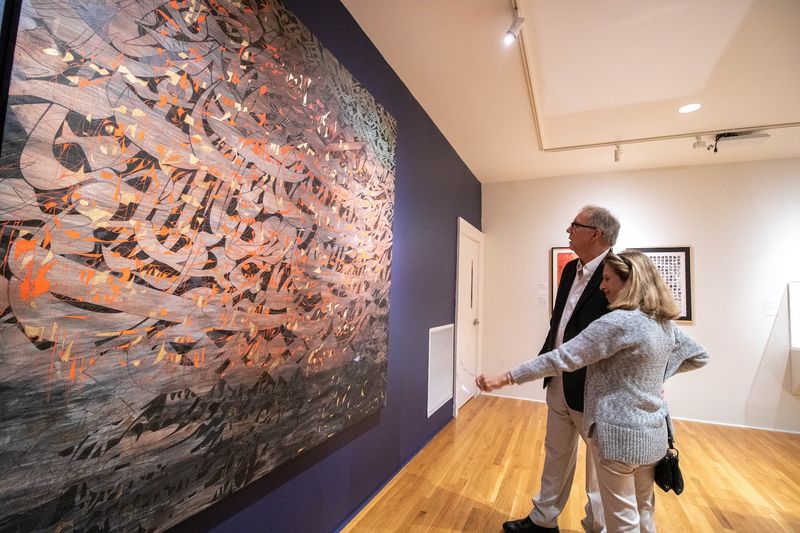
Regional museums can sometimes feel narrowly local, but the strongest ones turn local stories into something much more revealing. Here, you begin with Waterbury and central Connecticut, then gradually see broader themes of labor, immigration, industry, and creativity come into focus.
That is what makes the Mattatuck Museum such a compelling stop in downtown Waterbury.
The museum blends art and history in ways that feel natural rather than divided into separate experiences. One gallery may introduce you to fine art, while another explains the manufacturing heritage that shaped the city and surrounding region.
I think that conversation between objects and community memory gives the museum an identity that larger institutions sometimes lack.
Because Connecticut history can easily become abstract, the Mattatuck succeeds by grounding it in people and place. Decorative arts, archival materials, changing exhibitions, and regional interpretation all help show how culture develops alongside work, wealth, struggle, and civic life.
You leave with a more textured understanding of the state than a textbook overview would ever provide.
This is a smart museum to visit if you want something thoughtful without needing an entire day. It offers enough variety for repeat visits and enough context to satisfy first timers.
The Mattatuck Museum proves that a community rooted institution can still feel ambitious, polished, and full of meaningful surprises.
Bruce Museum

It is always exciting when a museum refuses to stay in one lane. Art, science, and natural history can feel like separate worlds in lesser institutions, but here they are brought together with enough confidence that the variety becomes a real strength.
That is the quiet surprise waiting at the Bruce Museum in Greenwich.
The museum has evolved into a more ambitious cultural destination in recent years, and you can feel that expanded vision in the programming and presentation. One visit might move you from visual art to geology, then toward changing exhibitions that connect creativity with scientific curiosity.
I like that the experience encourages different kinds of attention instead of asking every visitor to engage in the same way.
That multidisciplinary approach makes the Bruce especially appealing for mixed groups. Someone drawn to painting can find plenty to study, while another visitor may be more interested in minerals, natural history, or educational interpretation.
You do not have to force a single narrative onto the museum, because its real identity lies in showing how knowledge and observation overlap.
If you are looking for a museum that feels polished, flexible, and modern without losing intellectual substance, this is an excellent choice. It works well for families, adults visiting solo, and anyone who enjoys thoughtful variety.
The Bruce Museum proves that a smaller institution can still deliver a broad, memorable, and surprisingly sophisticated experience.
Lyman Allyn Art Museum
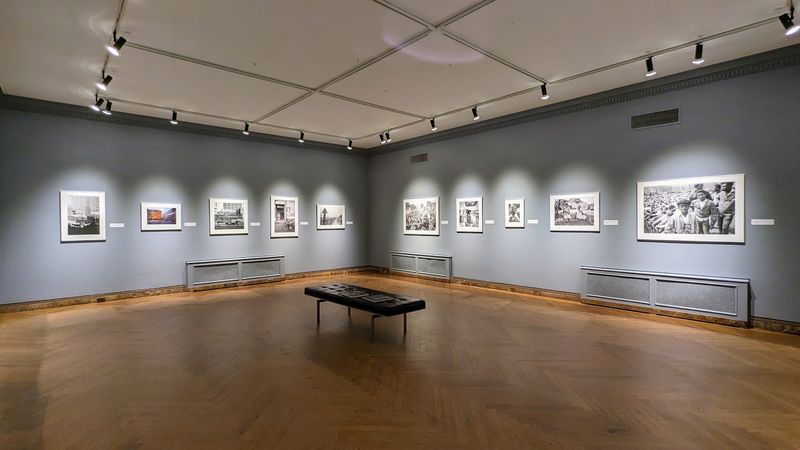
There is something especially satisfying about a museum that exceeds expectations without announcing itself too loudly. You arrive thinking you have found a pleasant smaller institution, then discover a collection with real breadth, charm, and curatorial intelligence.
That is exactly the experience many visitors have at the Lyman Allyn Art Museum in New London.
The setting feels intimate, which works in the museum’s favor. Rather than overwhelming you with endless galleries, it offers a scale that encourages slow looking and genuine discovery across American art, decorative arts, and changing exhibitions.
I often think smaller museums reveal personality more clearly, and this one has a calm confidence that never feels forced.
What makes it memorable is the balance between elegance and accessibility. The galleries can lead you from historical works to regional connections and then toward more unexpected pieces, creating a rhythm that stays interesting.
You sense that the museum is committed both to aesthetic quality and to serving its community, which gives the visit a welcoming tone.
If you enjoy hidden gems, this is one of Connecticut’s best museum surprises. It fits beautifully into a day in New London, but it also stands on its own as a destination for art lovers.
The Lyman Allyn Art Museum may be less famous than some statewide peers, yet that relative quiet is part of its appeal.