Early summer in Virginia has a gentle brightness to it—morning light filtering through leafy streets, river breezes softening the heat of the day, and historic towns settling into a slower, welcoming rhythm. It’s the kind of season that makes you want to linger a little longer outdoors before stepping into places where time feels layered and alive.
Across the state, museums and historic sites often go beyond quiet displays and glass cases. Colonial streets are brought to life with sound and movement, reconstructed settlements feel inhabited rather than preserved, and centuries-old objects are paired with storytelling that adds voice and perspective to memory.
These are places where history doesn’t sit still—it shifts as you walk through it, shaped by interpretation, identity, and experience.
Here’s a closer look at Virginia museums where colonial history meets unexpected modern storytelling in ways that feel vivid, human, and deeply present.
Colonial Williamsburg
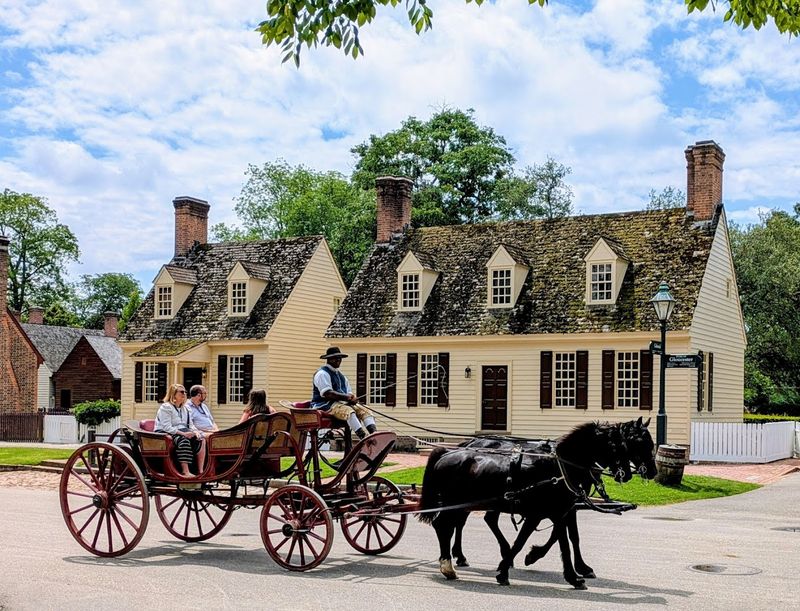
Cobblestones, creaking shutters, and the low murmur of debate make this place feel less like a museum and more like a stage set that suddenly starts talking back to you. In Williamsburg, Colonial Williamsburg turns restored streets, trade shops, and public buildings into a living history environment where the eighteenth century is constantly in motion.
Instead of asking you to glance at labels and move on, it asks you to listen, question, and notice who gets centered in the story.
Blacksmithing demonstrations, political reenactments, and first-person interpretation give the site its immersive pulse, but the strongest surprise is how current the themes feel. Conversations about liberty, labor, race, citizenship, and class emerge naturally as you move between taverns, homes, and government spaces.
That blend makes the colonial capital feel less frozen in amber and more like an active argument about American beginnings.
The museum has also broadened its storytelling beyond familiar founders and elite households. Newer interpretation increasingly highlights women, enslaved people, Indigenous communities, and ordinary Virginians whose lives shaped the colony in profound ways.
You leave with a richer sense that the past was crowded, contested, and deeply human.
For this article, it stands out as the clearest example of colonial Virginia presented through immersive performance and layered modern interpretation. If you want history that surrounds you instead of sitting behind glass, this is where to start.
Jamestown Settlement
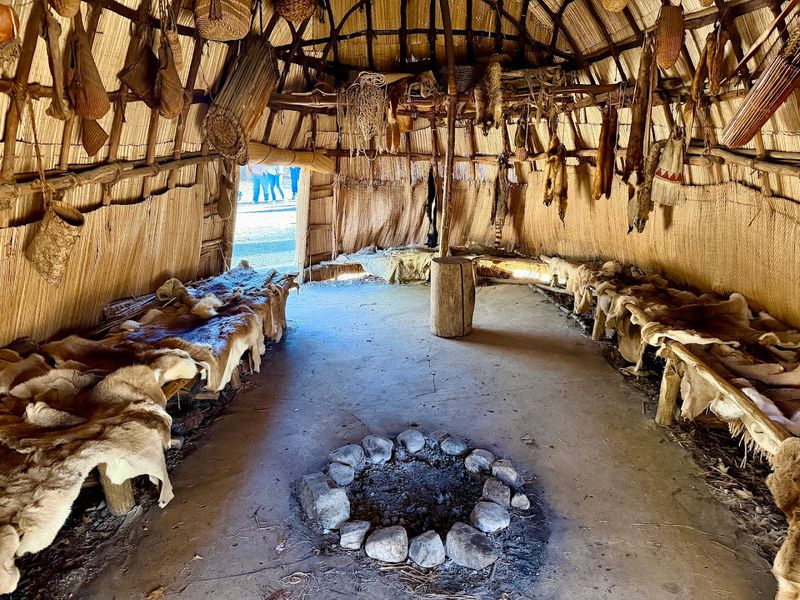
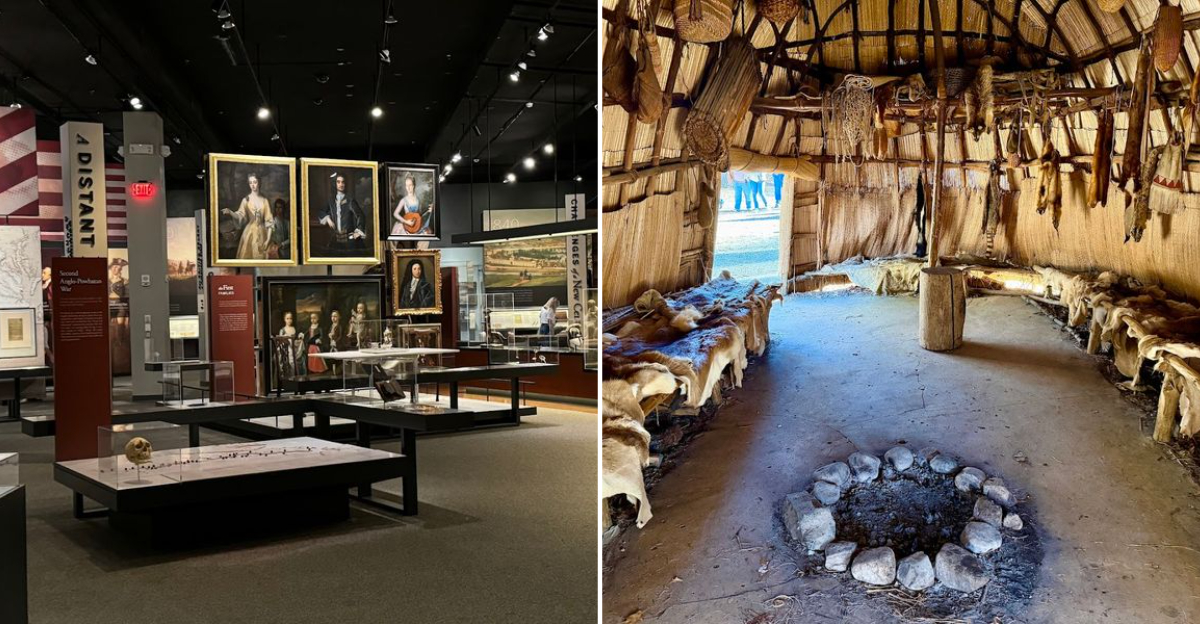
Wind on the river, timber walls, and the silhouette of replica ships immediately pull you into a story that feels older and more fragile than standard colonial nostalgia. At Jamestown Settlement in Williamsburg, galleries and outdoor reconstructions interpret the 1607 English arrival through a fuller mix of people, places, and consequences.
You are not just told what happened here – you see how contact, ambition, adaptation, and misunderstanding shaped Virginia from the beginning.
The museum works especially well because it moves between artifact-based interpretation and immersive environments without losing emotional clarity. Re-created ships let you imagine the Atlantic crossing, while the fort and Powhatan village add human scale to daily survival and cultural encounter.
Multimedia exhibits and archaeological context help ground those scenes in evidence rather than mythmaking.
What gives this museum its modern storytelling edge is perspective. English colonists are part of the narrative, but so are Powhatan peoples and Africans whose presence transformed early Virginia in lasting ways.
That wider frame encourages you to think beyond origin-story simplicity and toward a more honest account of settlement.
As an outline choice, this museum represents Virginia’s earliest colonial chapter told with sensory detail and interpretive balance. It is ideal for readers who want history to feel vivid while still grappling with complexity, conflict, and competing memories.
American Revolution Museum at Yorktown
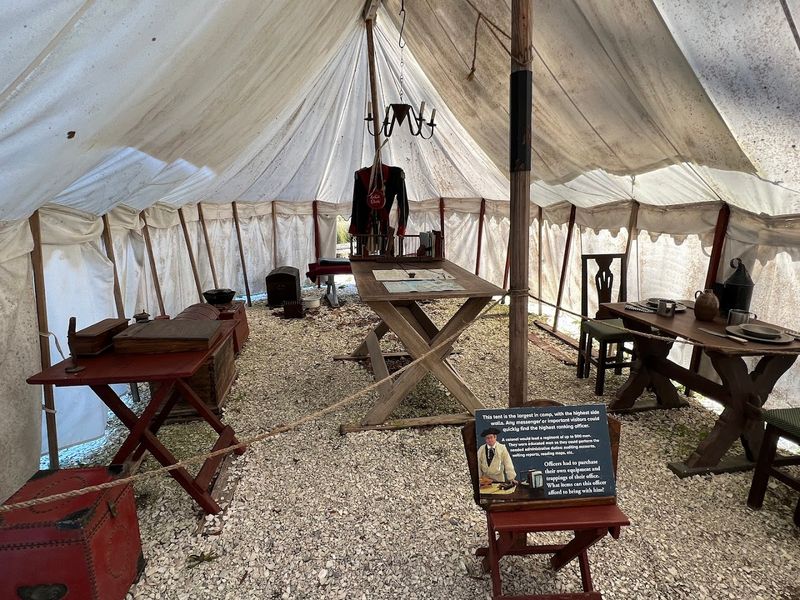
Drums, marching drills, and the rustle of canvas create an atmosphere that feels kinetic before you even reach the main exhibits. In Yorktown, the American Revolution Museum at Yorktown frames independence not as a distant patriotic abstraction but as a lived upheaval shaped by ordinary people, military strain, and political uncertainty.
That approach makes the Revolution feel less inevitable and much more personal.
Inside, immersive galleries, films, and hands-on displays push the story beyond battles and famous speeches. You encounter soldiers, farmers, women, and civilians whose choices and sacrifices anchor the larger national narrative.
Outside, recreated army encampments and farm settings extend that storytelling into spaces where daily routines reveal the texture of wartime life.
The museum’s strongest modern quality is its ability to connect eighteenth-century ideals with present-day civic questions. Liberty, representation, service, and contradiction are presented as living issues rather than completed achievements.
That balance gives you room to admire the era’s ambitions while also recognizing who was excluded from them.
For this list, it serves as one of Virginia’s best examples of multimedia history done with emotional intelligence. If you want a museum that links colonial resistance to modern democratic conversation, this is an essential and highly readable stop.
The Art Museums of Colonial Williamsburg
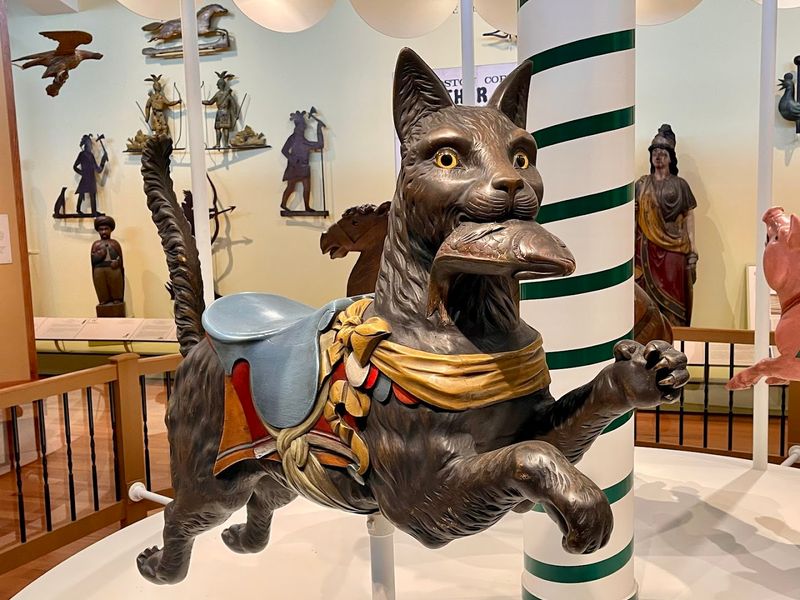
Quiet galleries, polished wood, and carefully lit objects might sound more restrained than a living history street, yet the effect here is unexpectedly vivid. In Williamsburg, The Art Museums of Colonial Williamsburg use design, interpretation, and thoughtful curation to turn furniture, ceramics, textiles, portraits, and folk art into stories about power, taste, labor, and daily life.
You quickly realize that beautiful objects can speak as loudly as reenactors when they are framed well.
The DeWitt Wallace Decorative Arts Museum and the Abby Aldrich Rockefeller Folk Art Museum create a compelling pairing. One explores craftsmanship and material culture with depth, while the other opens a more democratic window into creativity outside elite traditions.
Together, they show how colonial and early American life looked, felt, and represented itself across class lines.
What makes these museums fit this theme is their contemporary exhibition style. Rather than relying on static connoisseurship alone, the interpretation explains how objects were made, used, displayed, and understood within their social worlds.
That modern framing helps you connect artistry with real households, trade networks, and cultural aspiration.
As an article angle, this stop proves that colonial storytelling does not require costumes or outdoor sets to feel alive. Sometimes the freshest surprise comes from seeing old objects arranged to ask very current questions about identity, status, and belonging.
Virginia Museum of History & Culture
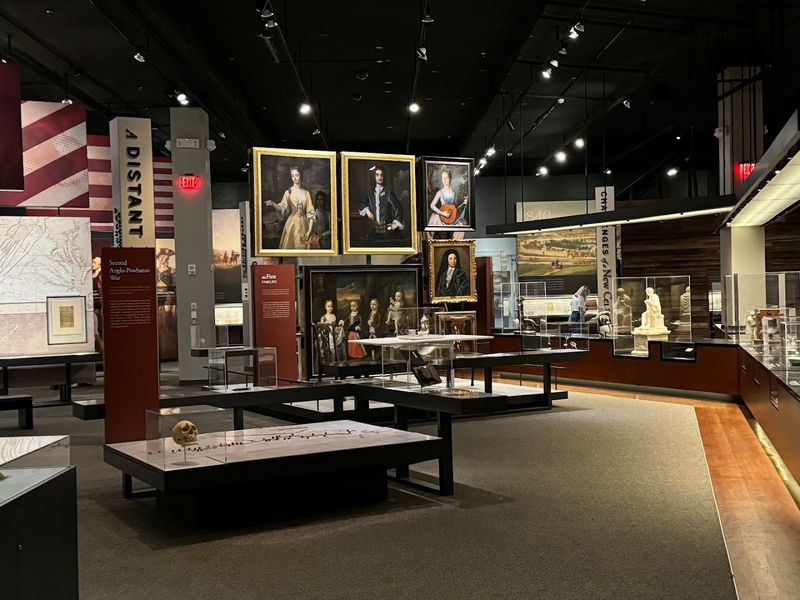
Sleek galleries and broad timelines might suggest a conventional survey museum, but this Richmond institution works harder than that expectation allows. The Virginia Museum of History and Culture presents four centuries of the state’s past while using digital media, rotating exhibits, and contemporary interpretation to keep older material from feeling sealed off.
For readers tracing colonial Virginia into the present, it offers one of the strongest bridges.
Its value lies in range. You can move from early settlement and Revolutionary themes into political change, cultural development, industry, and social movements without feeling that the colonial era has been isolated in a separate wing of memory.
That continuity helps you understand how early systems of land, labor, race, and governance kept shaping Virginia long after the eighteenth century ended.
The museum’s storytelling feels modern because it treats history as an unfolding conversation rather than a finished monument. Interactive elements and new curatorial framing invite you to compare public myths with lived realities.
That makes the experience useful for both first-time visitors and people who already know the standard timeline.
Within this outline, it functions as the wide-angle lens. If you want one museum that places colonial Virginia inside a much longer, more complex state story, this Richmond stop deserves a prominent place on your itinerary.
Frontier Culture Museum of Virginia
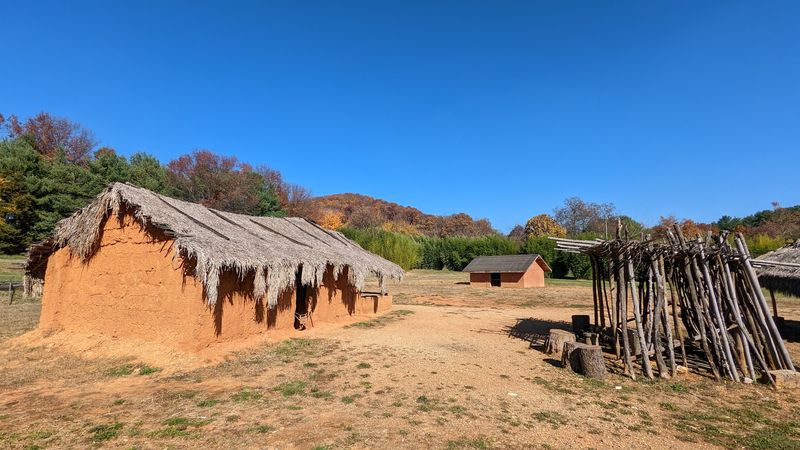
Open fields, split-rail fences, and working farmsteads change the mood from polished colonial pageantry to something earthier and more comparative. In Staunton, the Frontier Culture Museum of Virginia explores how Indigenous, African, and European traditions shaped early America through reconstructed farms and living history interpretation.
That structure immediately widens the story beyond a single colonial point of view.
Instead of presenting Virginia as a neatly English inheritance, the museum shows migration, adaptation, and exchange in motion. You move through landscapes that represent different cultural origins, noticing how architecture, tools, farming methods, and household routines carried values across oceans.
The result is a colonial story built from contact and contrast rather than patriotic shorthand.
This museum feels surprisingly modern because it emphasizes connection as much as chronology. Questions about identity, displacement, labor, and cultural survival emerge from ordinary details like foodways, dwellings, and fieldwork.
Those details make the eighteenth century feel less remote and more like a network of human decisions under pressure.
For the article, it offers an essential corrective to narrower versions of colonial Virginia. If you want readers to see how frontier life blended many traditions into something distinctly American, this is one of the most effective and memorable places to include.
Hampton History Museum
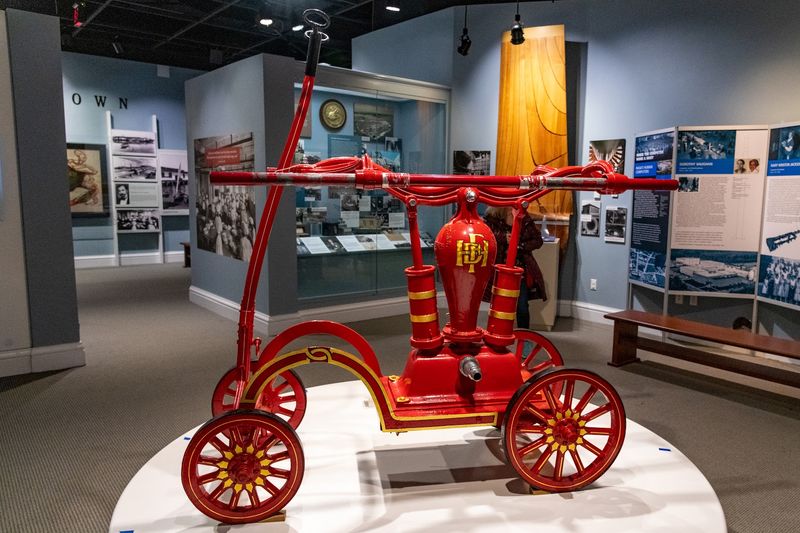
Harbor energy, layered local memory, and a surprisingly broad timeline give this museum more depth than many visitors expect from a city history stop. The Hampton History Museum covers over four centuries, linking colonial settlement to maritime life, military history, and civil rights in ways that make one community feel like a lens on the whole state.
That scope is exactly what makes it so useful here.
Colonial themes matter because Hampton’s story begins early, but the museum does not trap itself in a single era. Rotating exhibitions, multimedia elements, and virtual resources let the narrative expand outward into war, commerce, water culture, and Black history.
You leave understanding that colonial foundations continued to shape the region’s later transformations.
The modern storytelling comes from the way local detail is made to carry wider meaning. Instead of repeating textbook history, the museum shows how big events landed in a specific place with a long shoreline and an even longer memory.
That grounded perspective often feels more revealing than a grand national overview.
In this outline, it works as a reminder that colonial Virginia was not only built in capitals and famous settlements. Readers who appreciate intimate museums with strong regional voice will find Hampton especially rewarding and unexpectedly contemporary in tone.
American Civil War Museum
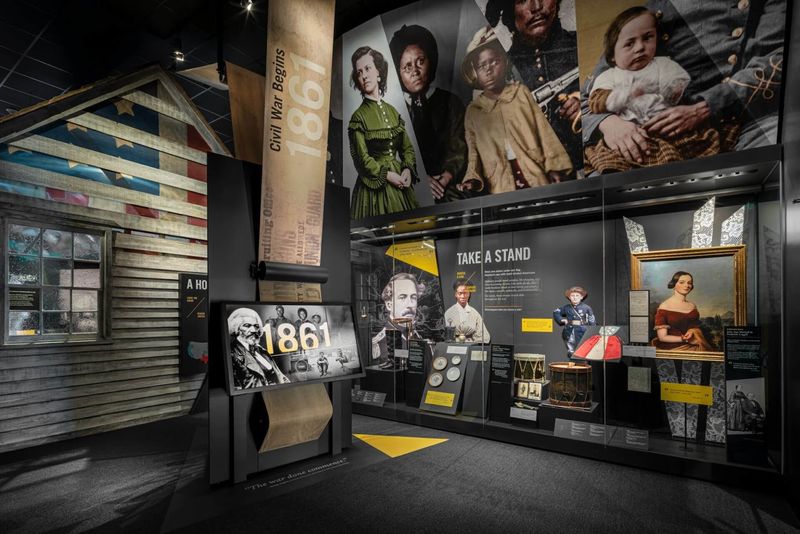
Brick industry, river views, and contested memory create a setting where you can feel how Virginia’s past keeps refusing simple narration. In Richmond, the American Civil War Museum focuses on the nineteenth century, yet it frequently sends visitors backward to colonial Virginia and the Revolution to explain how older systems hardened into later conflict.
That long view makes it a smart inclusion in a colonial-themed list.
The museum is known for presenting multiple perspectives instead of comforting myth. Questions of freedom, state power, identity, and human bondage are interpreted with clarity and moral seriousness, helping you see how colonial legacies of land, labor, and race did not disappear after independence.
In that sense, the museum’s modern storytelling lies in tracing consequences rather than isolating eras.
Exhibits challenge the habit of treating history as a sequence of neat chapters. You are encouraged to connect founding ideals with later betrayals, exclusions, and struggles for inclusion.
That interpretive style can be demanding, but it is also what makes the experience feel current and intellectually honest.
For the article, this museum broadens the theme in a valuable way. It shows that understanding colonial Virginia fully means following its unresolved contradictions forward, especially when later museums are willing to confront the inheritance without sentimental shortcuts.
Isle of Wight County Museum
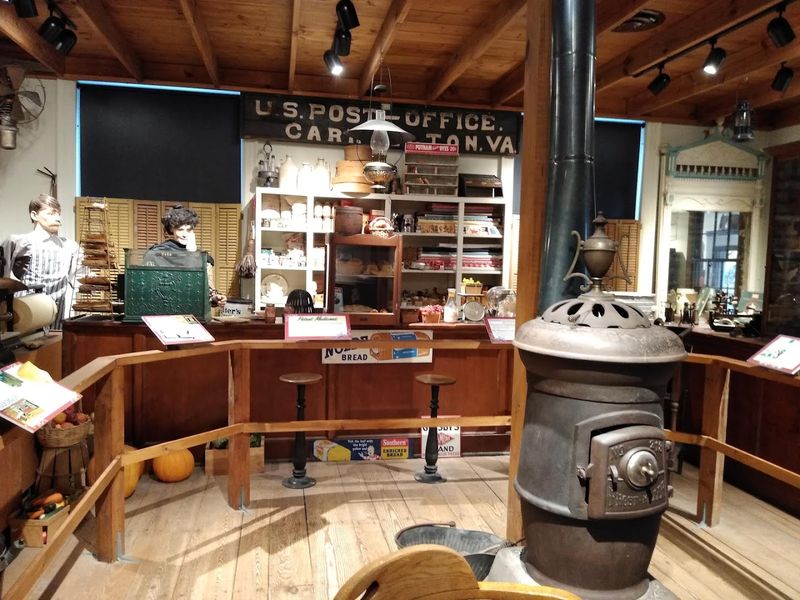
Main Street charm and a compact footprint can make a museum easy to underestimate, which is exactly why this one feels like such a satisfying find. In Smithfield, the Isle of Wight County Museum blends colonial history with interactive exhibits and a timeline that stretches far beyond the eighteenth century.
The small scale works in its favor because the storytelling feels direct, approachable, and tightly edited.
Rather than overwhelming you with sheer quantity, the museum focuses on how a local community absorbed big historical change. Colonial settlement, regional commerce, everyday objects, and later twentieth-century themes sit close enough together that you can actually see continuity instead of just reading about it.
Hands-on displays help translate that continuity for modern visitors who want more than passive viewing.
The museum’s biggest surprise is range. A place rooted in early Virginia also reaches into topics as distant as the Cold War, proving that local institutions can tell long stories with imagination.
That contrast gives the colonial material extra resonance because it becomes the beginning of an ongoing civic narrative, not an isolated golden age.
Within this outline, it represents the underrated power of smaller museums. If your readers enjoy off-the-radar stops that connect centuries through clever interpretation, this Smithfield museum absolutely belongs on the list.
Port Royal Museum of American History
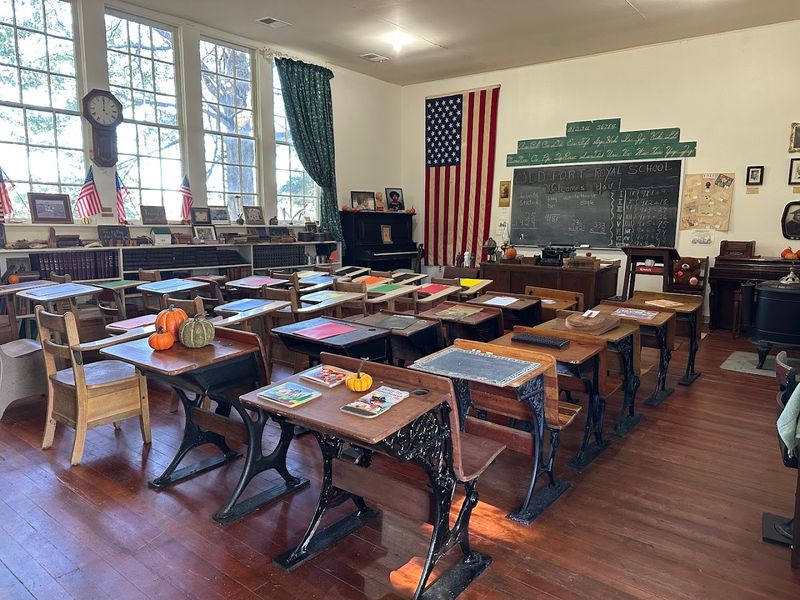
River town quiet, old storefront character, and a layered collection make this museum feel like a conversation with a place that has been watching history pass by for centuries. In Port Royal, the Port Royal Museum of American History brings together Native American history, colonial Virginia, presidential artifacts, and local memory in a way that feels both intimate and expansive.
That mix gives it a distinctive voice.
Because the museum sits in a community shaped by waterways and long movement, its exhibits naturally emphasize change over time. Colonial settlement is important here, but it is presented as one chapter in a longer story of trade, transportation, politics, and everyday life.
Digital exhibits and community storytelling efforts strengthen that sense of continuity by bringing in living connections.
The museum fits this article especially well because it resists the idea that colonial history belongs only to major destination institutions. Instead, it shows how a smaller town can interpret deep history with warmth, specificity, and modern accessibility.
You get narrative range without losing the feeling of local ownership.
For readers planning a heritage-focused road trip, this stop adds variety and scale. It proves that unexpected storytelling often appears where the setting is modest, the voices are local, and the historical reach extends far beyond the walls themselves.