Early summer in Ohio brings a steady, easy warmth—city sidewalks bright under long daylight hours, lake breezes drifting inland, and museum doors opening into cool, quiet spaces filled with stories you don’t always expect. It’s a season that invites unhurried exploration, where a simple afternoon visit can turn into hours of discovery.
Across the state, museums often go far beyond familiar displays. A quiet gallery might suddenly reveal a full-scale aircraft, a preserved robot from another era, or an archive of comic art that reshapes what you thought a collection could be.
These are places where curiosity tends to lead the way, and the most memorable moments come from what you didn’t plan to see.
Here’s a closer look at Ohio museums where unexpected artifacts and surprising exhibits define the experience from the very first step inside.
Ohio History Center
The first surprise here is not a single artifact, but the sheer sweep of time pressing in from every direction. You move from ancient earthworks culture to industrial change in what feels like a single, carefully staged conversation.
That broad, layered experience defines the Ohio History Center in Columbus.
Its archaeology collections are among the state’s strongest, especially for visitors curious about Adena and Hopewell cultures. Pottery, tools, ceremonial objects, and carefully interpreted finds help you see Ohio as a place shaped by sophisticated Indigenous societies long before modern borders existed.
The exhibits do not flatten that history, which makes the material feel more powerful.
Elsewhere, galleries connect everyday Ohio life to bigger national stories through household items, political objects, and industrial artifacts. Interactive elements keep the visit from feeling static, so you are not just reading labels and moving on.
Instead, you get a sense of how technology, migration, labor, and memory all overlap here.
If you want one museum that explains the state without becoming dry, this is an excellent anchor stop. It rewards both first time visitors and repeat history lovers.
I would come here ready to slow down and let unexpected details build the story.
Cleveland Museum of Natural History
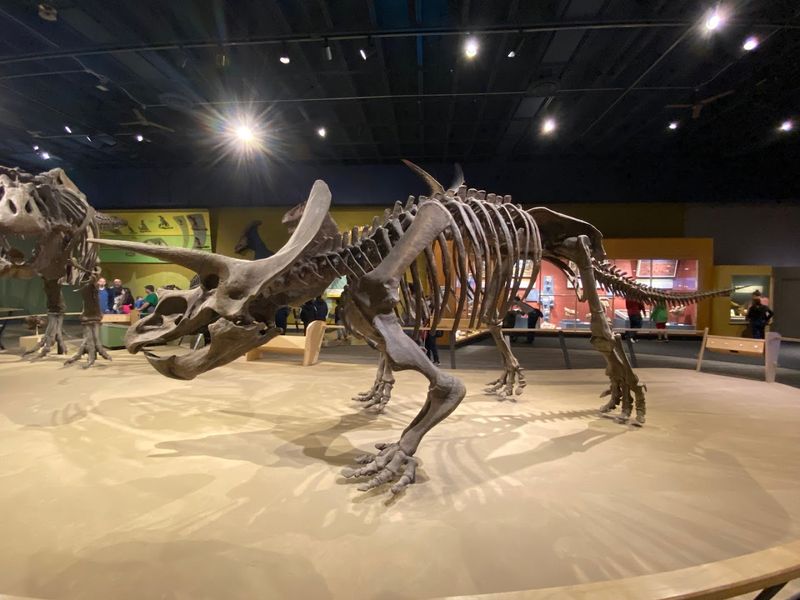
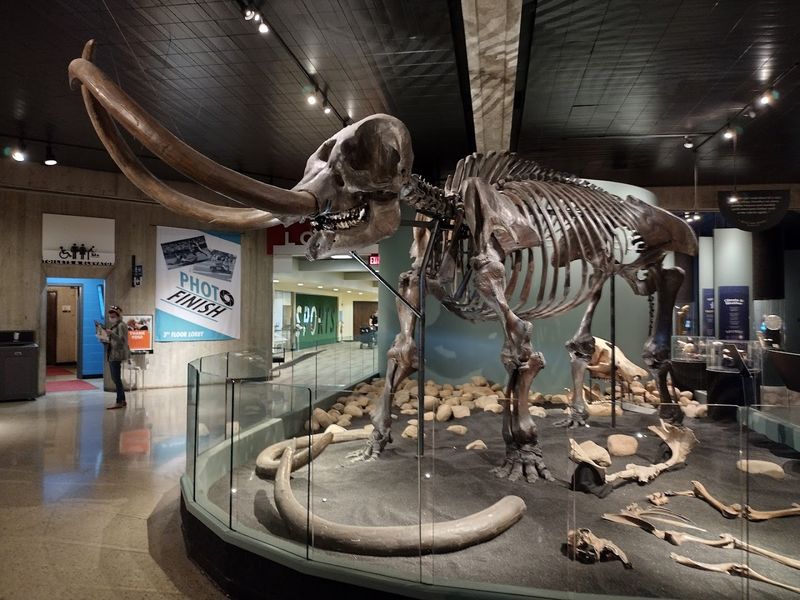
You can feel the shift the moment natural history stops being abstract and becomes deeply personal. A famous dog, towering fossils, and human origins all share the same larger story about survival, adaptation, and curiosity.
That mix is exactly what makes the Cleveland Museum of Natural History so memorable.
For many visitors, Balto is the emotional center. Seeing the preserved sled dog in person creates a strange, immediate connection to a dramatic moment in 1925, when medicine, weather, and endurance collided in Alaska.
It is the kind of exhibit that turns a name from childhood into something unexpectedly moving.
Beyond Balto, the museum delivers major strengths in paleontology, geology, and anthropology. Dinosaur skeletons and ancient specimens provide the expected sense of scale, but the real surprise is how well the galleries connect those objects to broader scientific questions.
You leave with more than visual impressions because the interpretation gives the collections real weight.
Recent transformation work has also refreshed the experience, making the museum feel modern without losing substance. It is easy to recommend for families, but adults will find plenty to linger over too.
If you want a museum that balances spectacle and scholarship, this one absolutely does it.
Cleveland Museum of Art
Few museum moments land like rounding a corner and suddenly facing an army of polished steel. The visual drama is immediate, but the deeper surprise is how many worlds seem to coexist under one roof.
That feeling comes into focus beautifully at the Cleveland Museum of Art.
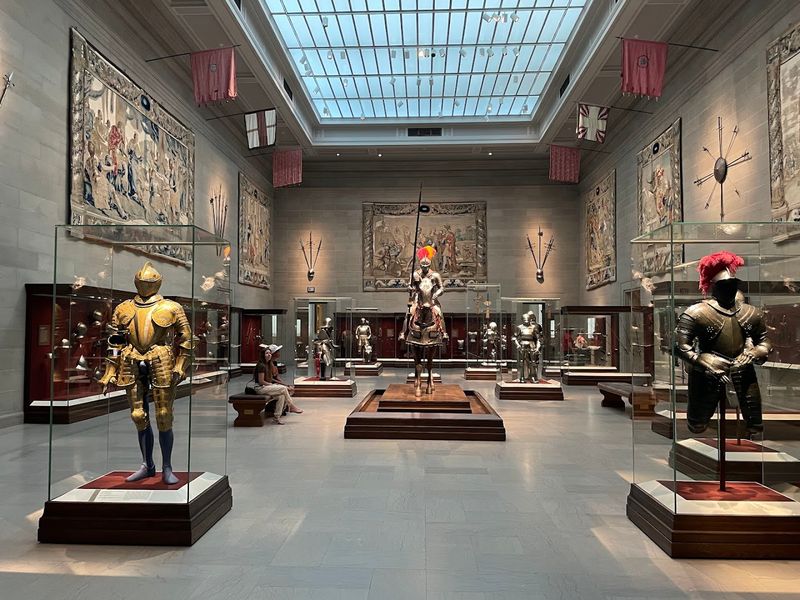
The Armor Court is often the unforgettable entry point. Rows of mounted figures, weapons, helmets, and full suits of armor feel theatrical at first, yet the craftsmanship quickly takes over.
You start noticing how status, warfare, ceremony, and artistry all shaped these objects, making them much richer than simple displays of brute force.
What keeps the museum from being defined by one dramatic gallery is the range beyond it. Egyptian antiquities, Asian masterpieces, and European paintings create a collection with real depth, and the scale often catches first time visitors off guard.
Even if you arrive expecting a regional museum, the holdings feel international and substantial.
Another strength is how approachable everything feels despite the museum’s prestige. You can browse quickly and still be impressed, or settle in and follow one culture or period across multiple rooms.
If you enjoy being surprised by quality, authenticity, and breadth, this Cleveland institution makes a very strong case for itself.
Cincinnati Museum Center
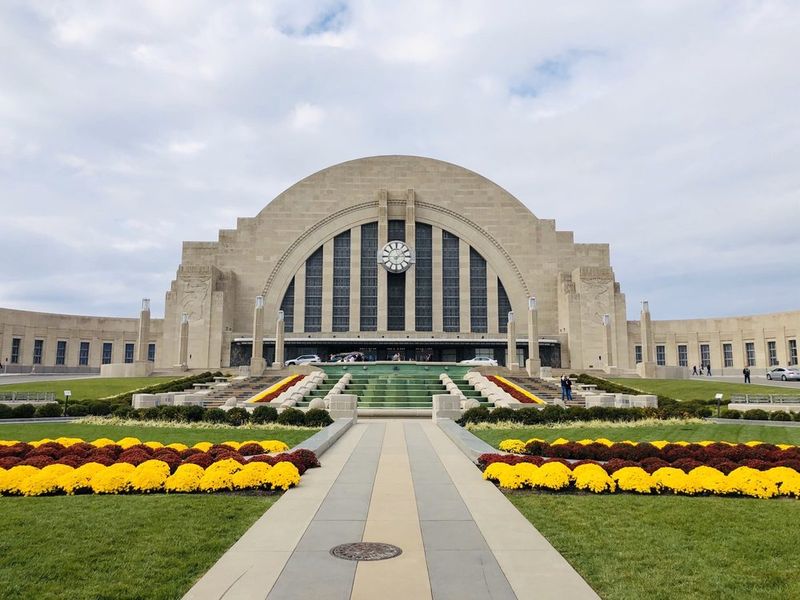
Before you even reach the exhibits, the building announces that this will not be an ordinary museum stop. The cavernous Art Deco setting creates a sense of occasion that changes how every object is experienced.
Inside Cincinnati Museum Center, architecture and collection work together to make surprise feel built in.
Housed in Union Terminal, the museum carries the glamour of rail age ambition into galleries focused on natural history, archaeology, and transportation. That blend means one visit can shift from fossils and cultural artifacts to machines that moved people and goods across the region.
The variety keeps the experience lively and consistently engaging.
Unexpected artifacts often stand out most in the rotating and cross disciplinary displays. A transportation object might illuminate immigration, or a natural history specimen might suddenly connect to urban development and public memory.
I like how the museum avoids boxing knowledge into neat compartments because real history is rarely that tidy.
There is also something especially satisfying about learning in a place that is itself a landmark. The restored surroundings add emotional texture without overshadowing what is on display.
If you are drawn to museums that feel both cinematic and intellectually generous, this Cincinnati institution deserves a prominent place on your Ohio list.
Billy Ireland Cartoon Library & Museum
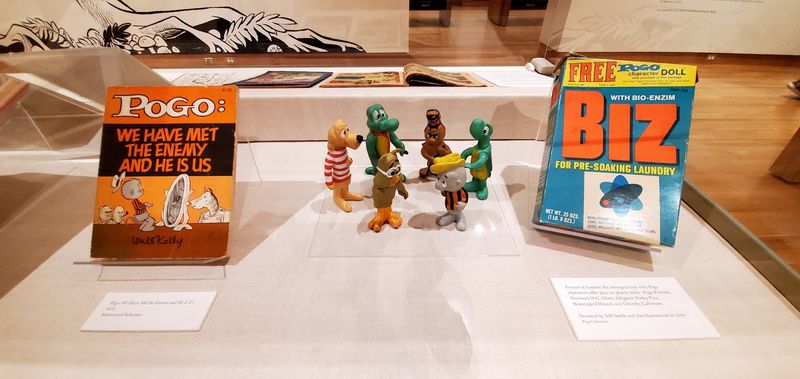
Some of the most revealing cultural artifacts are the ones people once treated as disposable. Newsprint jokes, inked panels, and sketchbook pages can end up explaining a century of humor, politics, and visual storytelling.
That is why the Billy Ireland Cartoon Library & Museum in Columbus feels so unexpectedly important.
This collection is widely recognized as the largest of its kind, dedicated to comic strips, cartoon art, and related archives. Original works from beloved newspaper comics sit alongside material tied to editorial cartoons and graphic narratives.
Seeing the line work up close makes you appreciate the labor and craft behind images that once looked effortless.
The museum also rewards visitors who may not think of themselves as comics people. Cartooning becomes a lens for understanding daily life, public opinion, publishing history, and changing social attitudes.
I find that especially compelling because a familiar funny page can suddenly reveal serious context about the era that produced it.
Because the setting is connected to scholarship, there is a quiet depth here that can catch you off guard. It feels like a hidden gem, but not a small one in significance.
If you enjoy museums that elevate overlooked art forms and make popular culture feel historically essential, this stop is a smart addition.
Fort Ancient Earthworks & Nature Preserve Museum
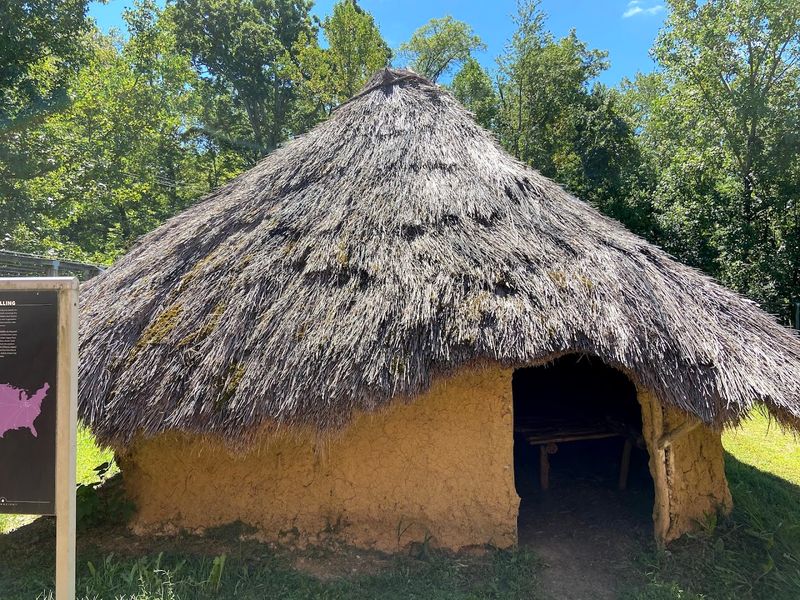
The landscape does much of the talking before any artifact comes into view. Elevated earthworks, long sightlines, and quiet surrounding woods create a sense that this place holds meanings deeper than a standard gallery can capture.
That atmosphere frames the Fort Ancient Earthworks & Nature Preserve Museum in a powerful way.
The museum introduces visitors to thousands of years of Indigenous history connected to one of North America’s most remarkable hilltop earthwork complexes. Artifacts and interpretive displays help explain ceremonial life, community patterns, and the significance of the site within broader Native histories.
You are not just looking at isolated objects, but at evidence tied to a vast cultural landscape.
What makes the visit especially memorable is the way indoor interpretation and outdoor experience reinforce each other. A tool, vessel fragment, or symbolic motif carries different weight once you have walked the grounds and understood the scale around it.
That relationship between museum and place creates a richer experience than either could alone.
Its UNESCO World Heritage connection also gives the site deserved international context without making the presentation feel remote. Instead, the museum remains grounded, accessible, and deeply tied to Ohio.
If you want a stop that combines archaeology, Indigenous history, and a genuine sense of place, this one stands apart.
Fort Meigs Museum
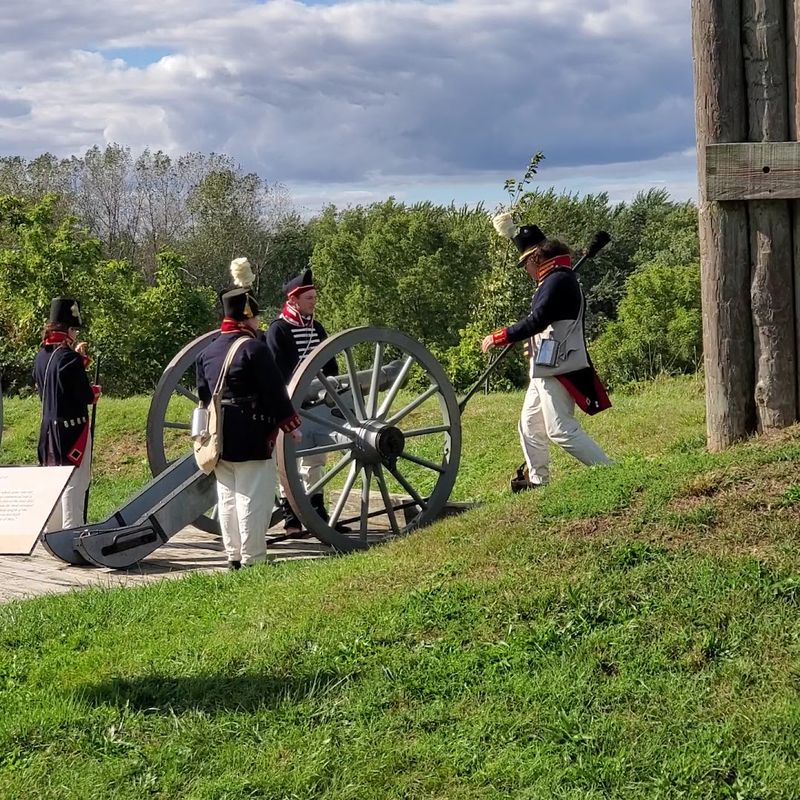
Mud, timber, and tension seem to cling to the story here long after the battle ended. Instead of polished military myth, the experience feels grounded in the physical reality of conflict on a contested frontier.
That is a major reason Fort Meigs Museum in Perrysburg leaves such a vivid impression.
The site is known for artifacts recovered directly from the War of 1812 battlefield, and that provenance matters. Objects tied to soldiers’ routines, defenses, and losses make the period feel immediate rather than ceremonial.
Even the reports of horse remains unearthed from the conflict add a raw, sobering dimension that many visitors do not expect.
Because the museum is linked to a reconstructed fort setting, interpretation gains extra force. You can connect excavated items to walls, movement, and vulnerability in a way glass cases alone rarely achieve.
I appreciate how the exhibits help you picture siege conditions without romanticizing them.
This is a strong stop for anyone interested in early American military history, but it also works for visitors who simply want a more tactile sense of the past. The archaeology gives it credibility, while the site setting gives it atmosphere.
Together, they make this museum feel unusually grounded and memorable.
Western Reserve Historical Society & Crawford Auto-Aviation Museum
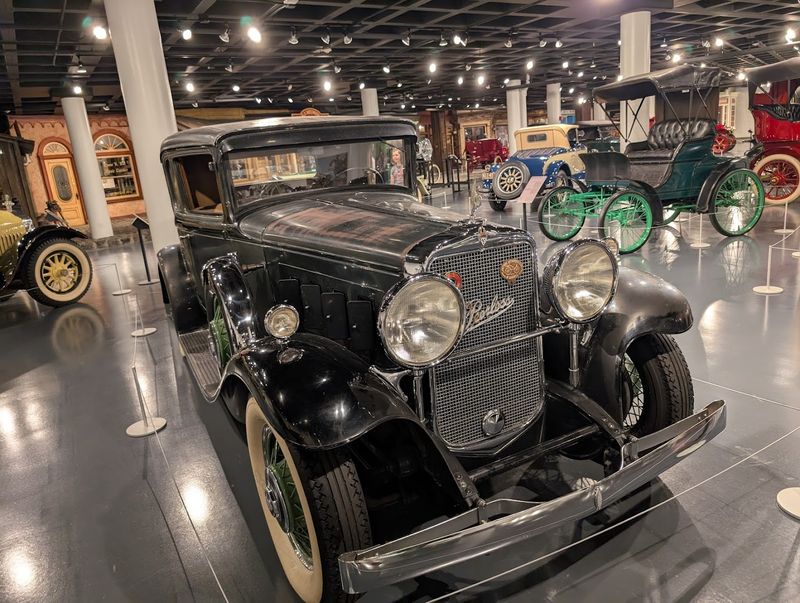
The surprise here comes from motion frozen across generations. Sleek automobiles, early aircraft, bicycles, and other machines reveal how innovation changed daily life long before most people thought of transportation as museum worthy.
That energy defines the Western Reserve Historical Society and its Crawford Auto-Aviation Museum in Cleveland.
The automobile collection is the headliner, with more than 170 antique vehicles representing engineering shifts, design trends, and social aspiration. Even if you are not a car enthusiast, it is hard not to be drawn into the visual story of speed, style, and status.
Each vehicle feels like a time capsule built for roads and imaginations alike.
What broadens the experience is the inclusion of aviation and other transportation forms. Historic aircraft, bicycles, and boats reveal how regional history is tied to movement, manufacturing, and ambition.
I like that the museum makes transportation feel cultural, not merely mechanical, because every machine reflects the values of its moment.
As part of a larger historical society, the collection also benefits from strong local context. You can see how Cleveland and the surrounding region participated in larger American transformations.
If you enjoy museums where craftsmanship, industry, and everyday life intersect, this one offers more range than its title might initially suggest.
Mansfield Memorial Museum
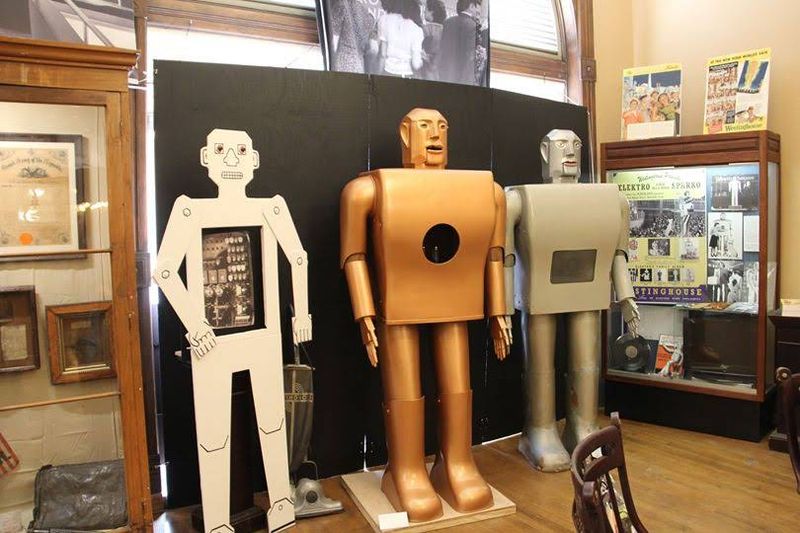
Every now and then, a museum wins you over by being gloriously hard to categorize. A famous robot, local industry, military material, and natural history all gather in one place with a kind of earnest confidence.
That unusual blend is the charm of the Mansfield Memorial Museum.
Its best known surprise is ELEKTRO, one of America’s early celebrity robots. Seeing this machine in person is a reminder that yesterday’s vision of the future can become today’s artifact, both nostalgic and fascinating at once.
The display invites you to think about innovation, spectacle, and how Americans once imagined technology entering daily life.
Beyond the robot, the museum reaches across industrial heritage, regional memory, and broader collecting traditions. Artifacts from Ohio manufacturers help ground Mansfield in the state’s economic story, while military and natural history displays add layers that keep the visit from feeling narrow.
It is eclectic, but not random, and that distinction matters.
I tend to enjoy museums that feel a little idiosyncratic because they reflect genuine local priorities rather than generic formulas. This one does exactly that.
If you are open to surprises and appreciate institutions where a single unexpected object can redefine the whole experience, Mansfield’s museum earns a closer look.
Johnny Appleseed Educational Center & Museum
Legends often feel thinner when you pull them apart, but sometimes the opposite happens. A familiar folk figure becomes more interesting once myth, memory, and physical evidence begin sharing the same room.
That is the appeal of the Johnny Appleseed Educational Center & Museum in Urbana.
The museum holds an unusually large collection of Johnny Appleseed memorabilia, which already gives it novelty value. But the deeper draw is how those objects trace the transformation of John Chapman from historical person into American symbol.
Prints, souvenirs, and interpretive materials reveal how storytelling shapes national character over time.
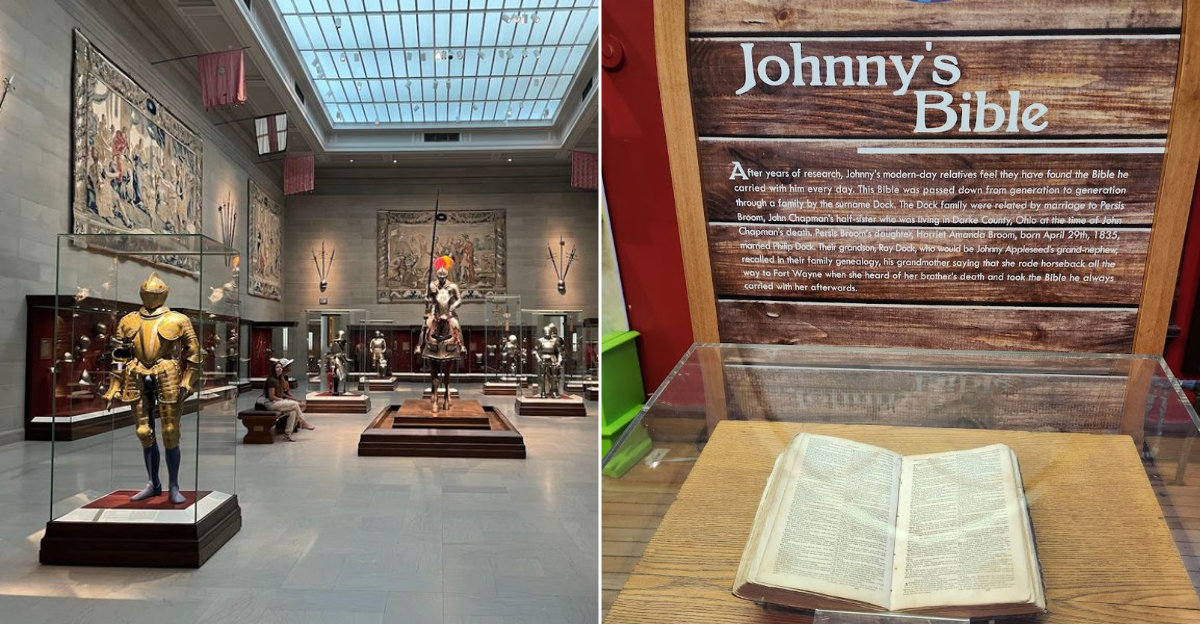
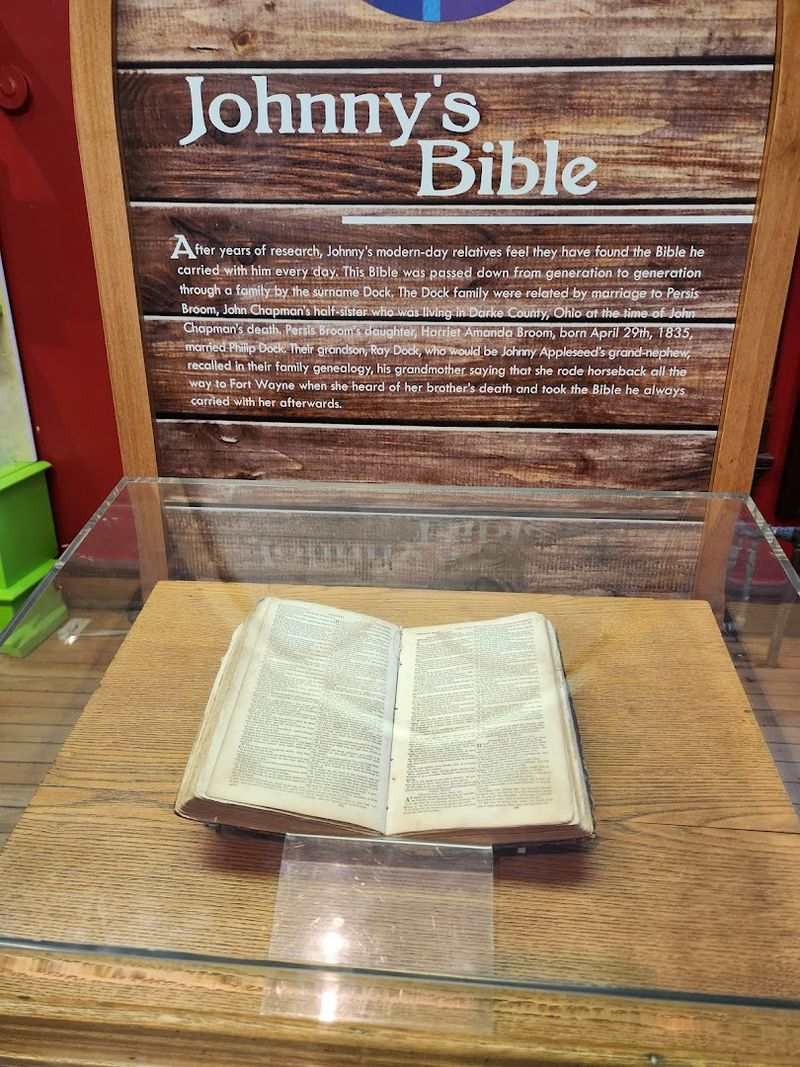
One especially meaningful item is the Dock Family Bible associated with Chapman. Objects like that ground the legend in tangible human context, making the man behind the apple lore feel less distant and more complex.
I appreciate museums that resist easy hero worship and instead show how memory gets built piece by piece.
This is not a giant institution, and that works in its favor. The focused subject matter creates a visit that feels intimate, clear, and surprisingly rich for anyone interested in folklore, regional history, or Americana.
If you think you already know Johnny Appleseed, this museum is exactly where your assumptions may start shifting.
American Civil War Museum of Ohio
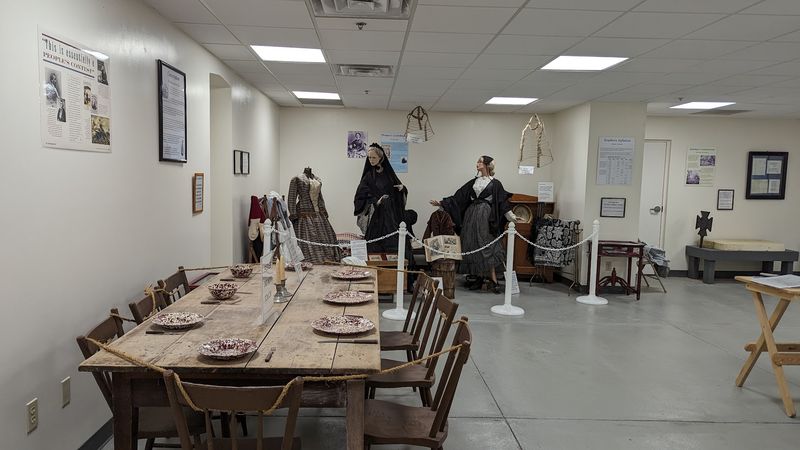
Sometimes a smaller museum surprises you by feeling more personal than grand institutions with bigger names. The rooms are compact, but the stories can land with unusual clarity when artifacts, dioramas, and hands-on interpretation work together.
That is part of what makes the American Civil War Museum of Ohio in Tiffin worth seeking out.
Its eight exhibit rooms cover military life, battlefield realities, and the home front with a strong emphasis on Ohio’s role in the war. Uniforms, documents, weapons, and modeled scenes give visitors multiple ways to enter a conflict that can otherwise feel overwhelming or overly familiar.
The layout encourages steady discovery instead of information overload.
What stands out most is the balance between accessibility and seriousness. Hands-on components welcome children and casual visitors, but the subject is not diluted into entertainment.
I like that approach because it allows families to engage together while still respecting the conflict’s complexity and human cost.
For travelers building a broader Ohio history itinerary, this museum adds a focused chapter that many larger attractions only touch briefly. It may not be the state’s most famous institution, yet it serves its topic with commitment and clarity.
If you want a grounded Civil War stop, it delivers more than expected.
Fort Laurens Museum
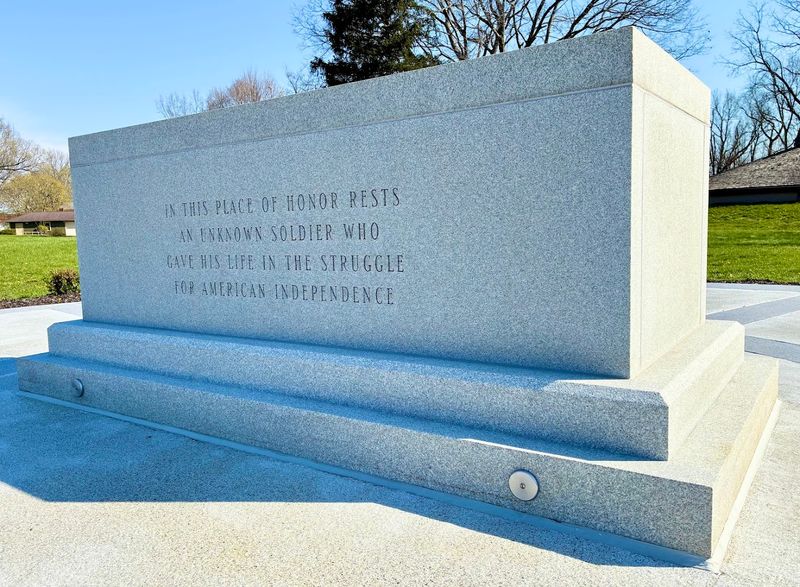
Remoteness can sharpen history in ways polished urban museums sometimes cannot. Out on the landscape, the past feels exposed, vulnerable, and a little haunting, especially when survival itself was uncertain.
That mood shapes a visit to Fort Laurens Museum in Bolivar.
As the only Revolutionary War fort site in Ohio, it carries significance that many visitors do not expect the state to claim. Artifacts excavated from the fort connect the site to daily military life on the edge of supply lines and strategy.
These are not just patriotic tokens, but physical traces of hardship, planning, and endurance.
The presence of the Tomb of the Unknown Patriot adds a solemn note that changes the emotional register of the visit. It reminds you that frontier warfare was not an abstract extension of eastern battles, but a local and deadly reality.
I find that memorial dimension important because it keeps the site from becoming merely picturesque.
The museum works best when you let the site and collection speak to each other. Excavated material gains meaning from the grounds, while the landscape becomes legible through the artifacts.
If you want a lesser known chapter of Revolutionary history presented with gravity and authenticity, Fort Laurens is an unexpectedly compelling stop.
Harmon Museum & Art Gallery
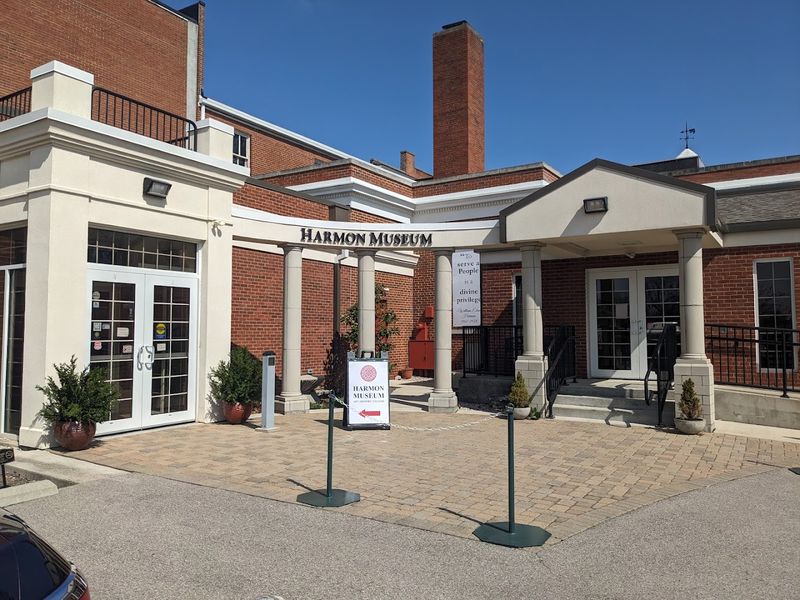
The most enjoyable regional museums often feel like cabinets of connected curiosities, where one room shifts your expectations for the next. Fine art, Shaker history, prehistoric material, and town life do not sound like an obvious combination, yet here they create a surprisingly coherent experience.
That is the charm of the Harmon Museum & Art Gallery in Lebanon.
Its Shaker artifacts and documents are especially compelling because they reveal a disciplined community through beautifully practical objects. You can sense belief, labor, and design values working together in ways that still feel relevant.
These pieces reward close looking, not just quick recognition.
Another memorable feature is the recreation of an 1800s Ohio town square, which adds spatial texture to the visit. Instead of treating local history as a series of disconnected labels, the museum gives you a setting to imagine how people moved, traded, and lived.
The prehistoric artifact collections then extend the timeline much further back than many visitors anticipate.
I like museums that trust variety as a strength, provided the interpretation stays grounded, and this one largely succeeds. It can appeal to history lovers, art browsers, and families in the same afternoon.
If you want a museum that reflects regional culture from several angles at once, this Lebanon stop is easy to recommend.