Early summer in North Carolina is made for wandering. Coastal breezes drift through historic towns, mountain roads wind past lush green landscapes, and long daylight hours leave plenty of time for unexpected discoveries along the way.
Some of the state’s most memorable experiences are waiting behind museum doors that don’t always make the top of every travel guide. Inside, you’ll find stories told through pirate treasures, sparkling gemstones, powerful civil rights exhibits, regional folk art, and collections that reveal surprising pieces of North Carolina’s identity.
These are the kinds of places that reward curiosity. A quick stop can easily turn into an afternoon spent exploring artifacts, artwork, and local history that feels deeply connected to the communities around it.
Here’s a closer look at ten North Carolina museums filled with remarkable collections and unforgettable stories.
North Carolina Museum of Art
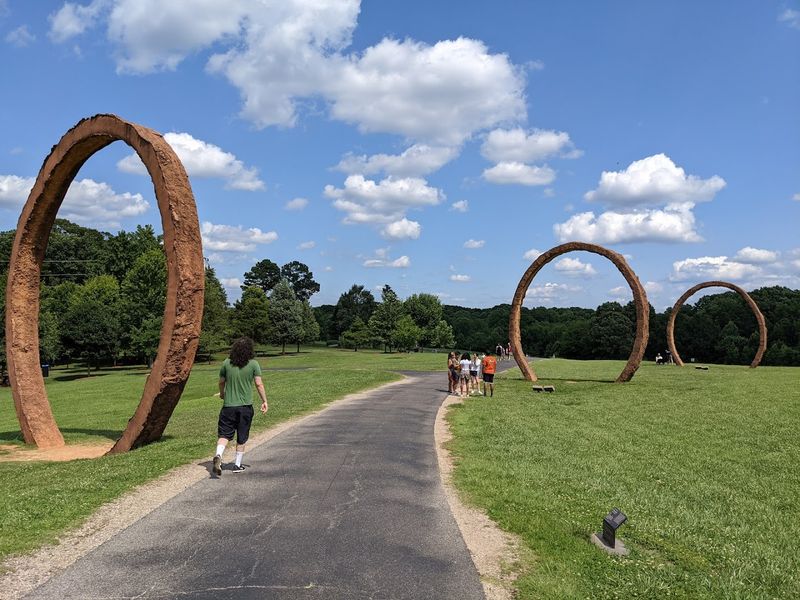
There is something especially inviting about a museum that lets you wander between old masters and open air sculpture without changing your mood. Light-filled galleries, thoughtful spacing, and a sense of calm make this Raleigh favorite feel approachable even if you are not usually an art museum person.
The North Carolina Museum of Art quietly proves that serious collections and relaxed exploration can live side by side.
Inside, you will encounter European paintings, ancient works, African art, and modern pieces arranged with clarity rather than intimidation. The collection rewards both quick visits and slow looking, especially if you enjoy noticing how different cultures solved the same visual questions in strikingly different ways.
Because the permanent collection is free, you can focus on curiosity instead of rushing to get your money’s worth.
Outside, the museum expands into a major art park where trails, meadows, and monumental installations create a completely different kind of gallery experience. That contrast between indoor refinement and outdoor scale gives the museum unusual range.
It also turns an afternoon here into something more memorable than a standard room-to-room visit.
As a cultural gem, this museum stands out for generosity and balance. You get breadth, beauty, and breathing room, which is exactly why it stays with you long after the visit ends.
Weatherspoon Art Museum
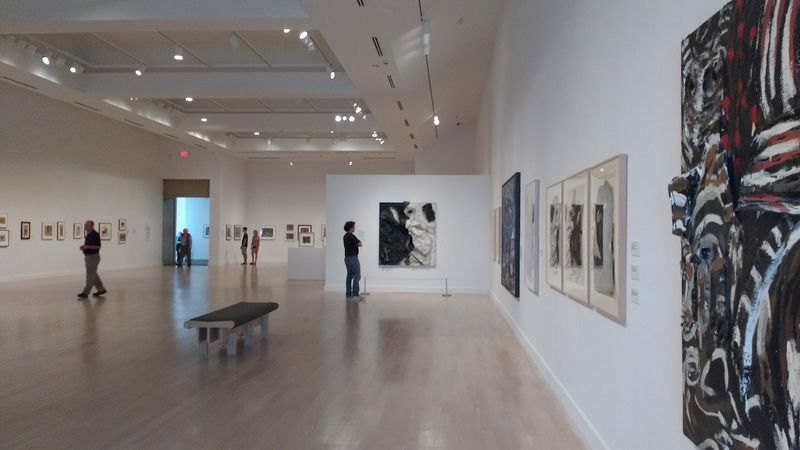
Not every memorable museum announces itself with grandeur. Some pull you in through sharp curation, fresh ideas, and the sense that art is still asking difficult questions.
That is the appeal of the Weatherspoon Art Museum in Greensboro, where modern and contemporary American works feel intellectually alive without becoming inaccessible.
As one of the Southeast’s oldest academic art museums, it carries real historical weight, yet the atmosphere remains current and experimental. Rotating exhibitions often push beyond familiar themes, bringing in design, identity, abstraction, and storytelling in ways that invite you to slow down and look harder.
The result is a museum experience that feels like a conversation rather than a lecture.
The collection is especially rewarding if you appreciate twentieth-century and contemporary art that reflects social change, artistic risk, and evolving forms of expression. Because it is connected to a university environment, there is often an energy of inquiry that shapes the galleries.
You can feel that this is a place where ideas are tested, not simply preserved.
What makes it a hidden gem is its confidence without flash. It does not need spectacle to matter, because the strength lies in thoughtful presentation and meaningful work.
If you want an art stop that feels smart, intimate, and surprising, this museum absolutely earns your time.
Cape Fear Museum of History and Science
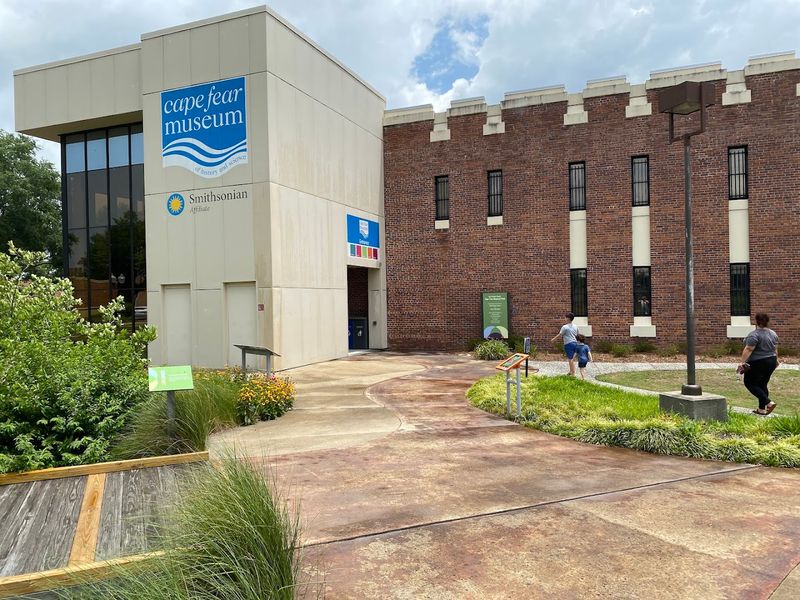
History feels more immediate when a museum lets science, people, and landscape share the same story. In Wilmington, that layered approach gives this institution a richness that many larger museums never quite achieve.
The Cape Fear Museum of History and Science draws you into coastal North Carolina through artifacts and ideas that feel rooted in everyday life.
As the oldest history museum in the state, it has the authority of a long collecting tradition, but it avoids feeling dusty or overpacked. You can move through exhibits on regional history, natural environments, and wartime experiences while seeing how each subject shaped the Cape Fear area in practical ways.
Science displays help explain the coast itself, while cultural galleries reveal how communities adapted to it.
That balance is what makes this museum especially rewarding. Coastal ecosystems, local industry, and World War II stories are not treated as separate chapters, but as connected forces that transformed Wilmington and its surrounding region.
If you like museums that explain why a place developed as it did, you will appreciate the clarity here.
This is a hidden gem because it offers broad perspective without overwhelming you. The scale stays manageable, the storytelling stays grounded, and the experience leaves you feeling more attuned to southeastern North Carolina than when you walked in.
North Carolina Museum of Natural Sciences
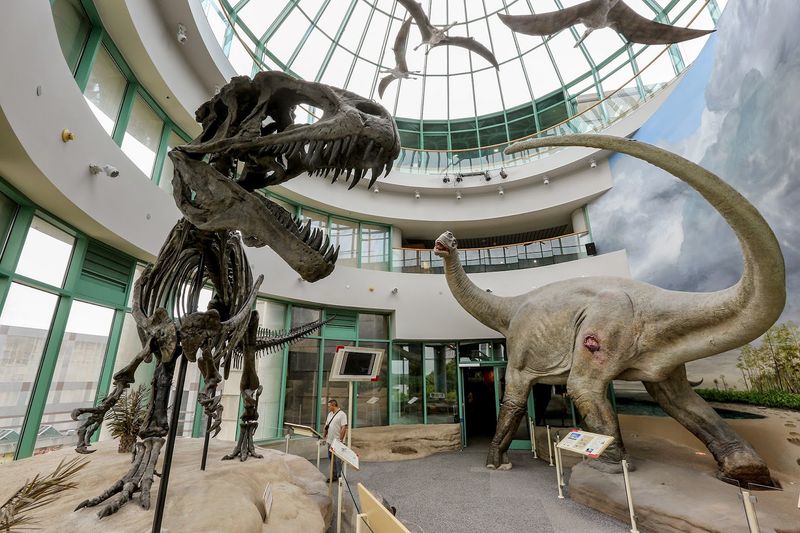
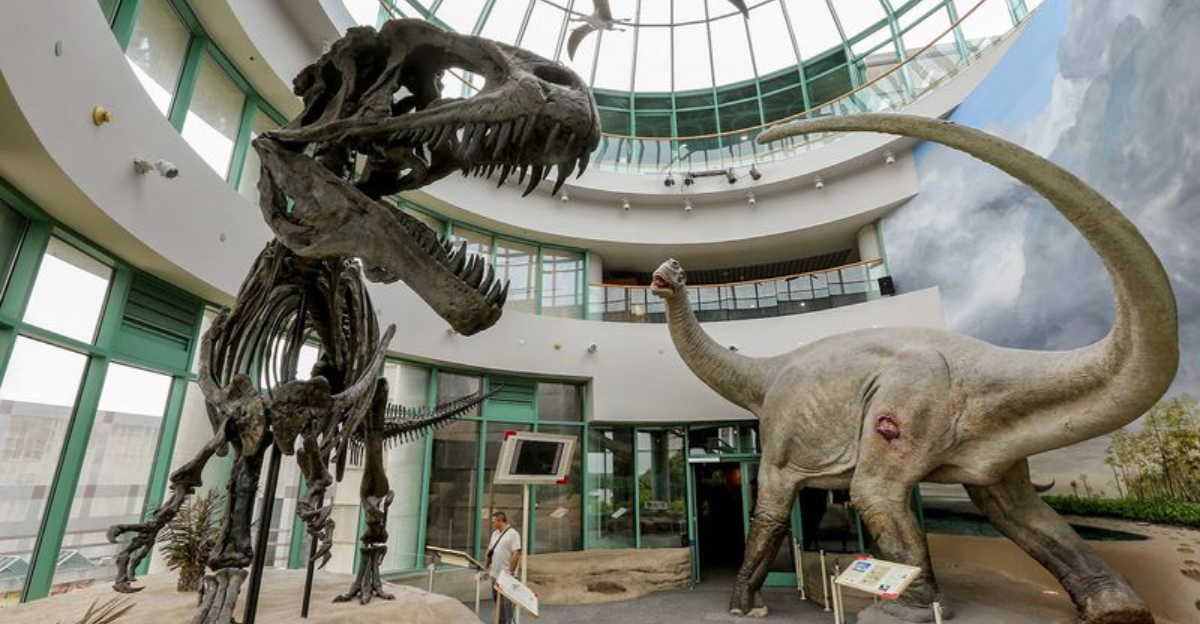
Before you even reach the exhibits, there is a feeling that discovery is already in progress. Glass, light, and towering specimens make this Raleigh institution feel less like a static museum and more like a living research hub.
That energy defines the North Carolina Museum of Natural Sciences, one of the most dynamic places in the Southeast to explore deep time, biodiversity, and ongoing science.
You can move from massive dinosaur skeletons to North Carolina fossils, then pause at windows where researchers sort specimens or study collections. Live animal habitats and investigative labs add a rare behind-the-scenes dimension that helps you understand how knowledge is built, not just displayed.
For families, students, and curious travelers, that access turns a museum visit into something immersive and personal.
What makes this stop a hidden cultural gem is how strongly it connects science to place. Exhibits highlight the state’s mountains, piedmont, and coast, showing how regional ecosystems have shaped daily life, conservation priorities, and public education.
You are not just learning facts here; you are seeing North Carolina interpret itself through nature.
If you want a museum that balances spectacle with substance, this one delivers beautifully. Give yourself time to linger, because the most memorable moments often happen in the quieter corners, where observation becomes wonder.
Core Sound Waterfowl Museum & Heritage Center
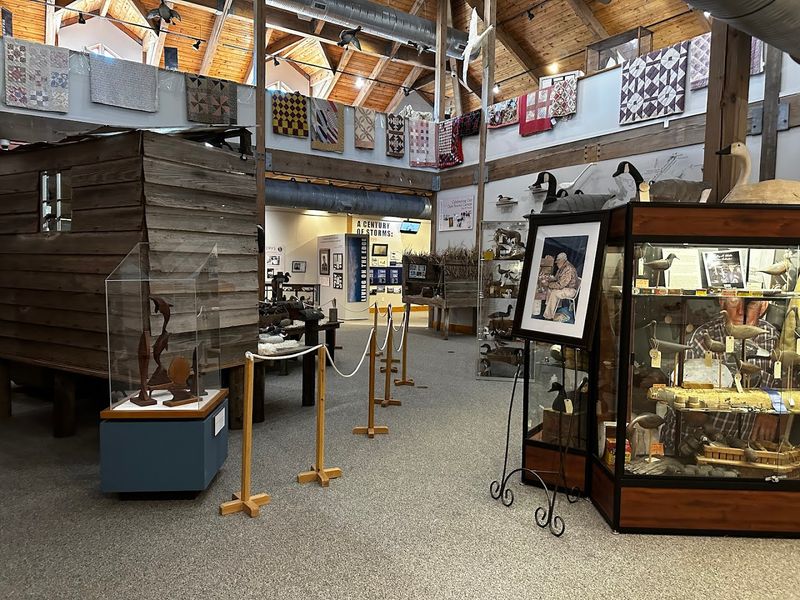
Salt air, working boats, and handmade craft traditions give some museums an emotional texture that polished galleries cannot imitate. On Harkers Island, that texture is the whole point.
The Core Sound Waterfowl Museum and Heritage Center preserves a Down East world shaped by decoys, fishing, family memory, and the stubborn beauty of coastal survival.
Rather than presenting maritime culture as distant folklore, the museum brings you close to the people who made and maintained it. Hand-carved waterfowl decoys, boatbuilding traditions, community artifacts, and regional stories reveal how art and labor have long overlapped here.
The exhibits feel deeply rooted in place, especially if you are interested in vernacular craftsmanship rather than elite collecting.
One reason this museum stands out is that it honors living culture as much as the past. You can sense that the heritage of Carteret County is not simply archived, but actively remembered through seasonal events, local voices, and continuing craft practices.
That makes the museum feel human in a way many history institutions struggle to achieve.
If you want to understand coastal North Carolina beyond beaches and postcards, this is an essential stop. It is a hidden gem because it protects a specific regional identity with clarity, affection, and remarkable authenticity.
Museum of the Albemarle
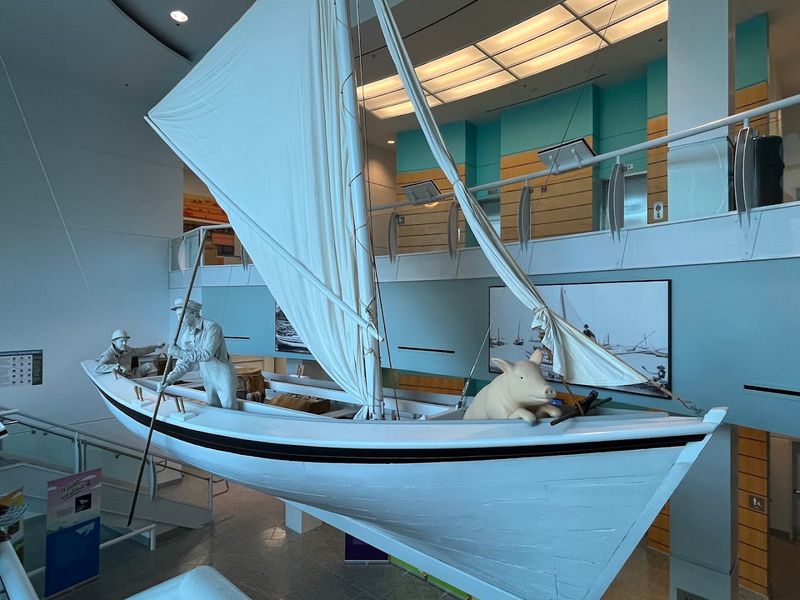
Rivers, sounds, and trading routes shaped northeastern North Carolina long before most travelers think to look its way. In Elizabeth City, that quieter regional story comes into focus through a museum that connects local artifacts to centuries of settlement, commerce, and everyday adaptation.
The Museum of the Albemarle makes the history of a 13-county region feel broad, coastal, and unexpectedly vivid.
You will encounter exhibits tied to colonial trade, maritime life, Indigenous presence, agriculture, and the layered development of communities around the Albemarle Sound. Interactive displays help orient you, but the real strength lies in how tangible the objects feel within their landscape.
Rather than isolating artifacts from context, the museum continually reminds you how water shaped movement, work, and contact.
This is especially valuable if you want a more complete view of North Carolina beyond its largest cities. The Albemarle region often gets overshadowed in statewide narratives, yet its history touches early settlement patterns, transportation, and the cultural life of the coastal plain.
Here, those connections become clear without feeling overly academic.
As hidden gems go, this one rewards curiosity with depth. It is welcoming, well organized, and regionally specific, which means you leave with a stronger sense of place instead of a blur of disconnected facts.
North Carolina Maritime Museum in Beaufort
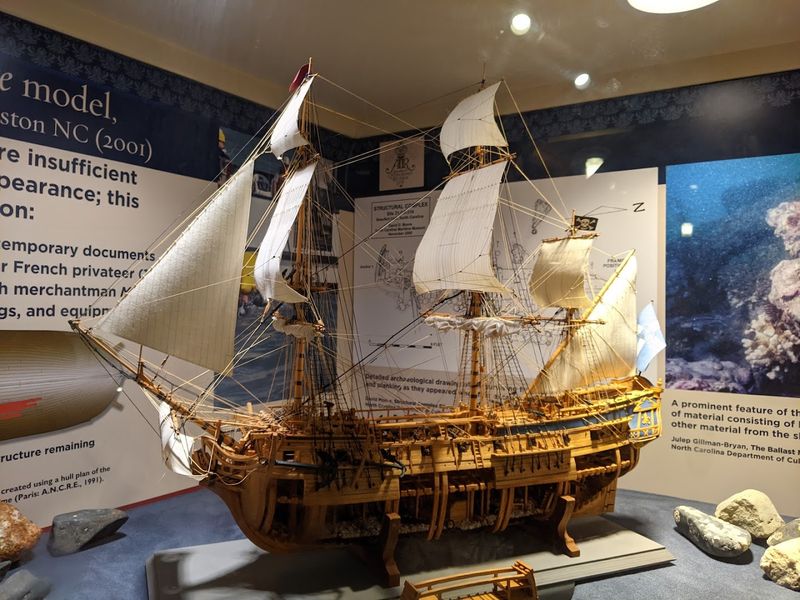
Pirate legends tend to blur into fantasy, which is why it is so satisfying when a museum brings the evidence back into view. In Beaufort, maritime archaeology turns local waters into a source of real historical drama.
The North Carolina Maritime Museum offers one of the state’s most compelling chances to see shipwreck history grounded in recovered objects rather than folklore alone.
The star attraction for many visitors is the connection to Blackbeard’s Queen Anne’s Revenge, with artifacts that make the famous shipwreck feel startlingly concrete. Yet the museum is more than a pirate stop.
Exhibits also explore coastal ecology, maritime labor, boat traditions, and underwater archaeology in ways that help you understand why these waters matter historically and environmentally.
What stands out is the balance between excitement and interpretation. You get the thrill of cannon, anchors, and shipwreck material, but also the patient context that explains excavation, preservation, and life along the Carolina coast.
That deeper framework keeps the museum from becoming gimmicky.
If you are building a museum itinerary around rare collections, this is an easy inclusion. Beaufort’s waterfront setting enhances everything, and the galleries leave you with a sharper sense of how the coast stores stories beneath the surface.
Tobacco Farm Life Museum
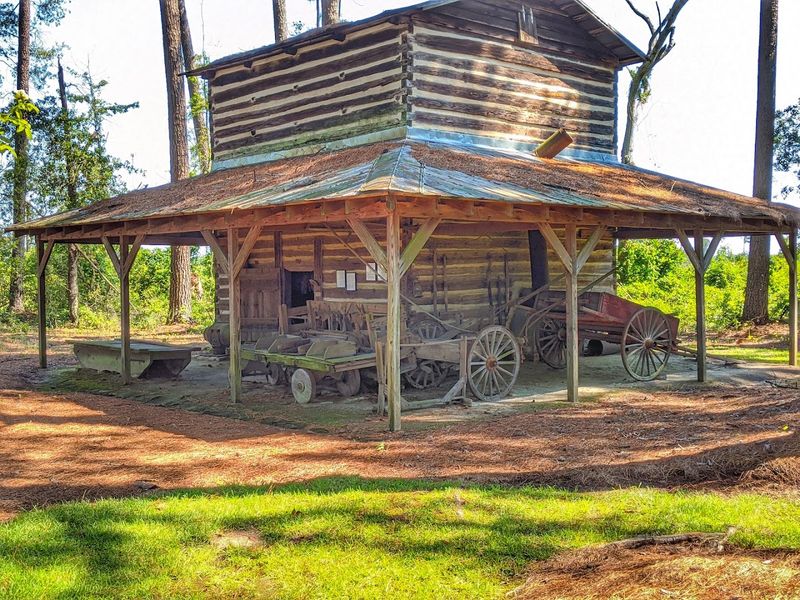
There is a quiet power in places that preserve ordinary labor with the seriousness usually reserved for famous events. In Kenly, that power takes shape through buildings, tools, and domestic spaces that recall the rhythms of farm life across eastern North Carolina.
The Tobacco Farm Life Museum turns rural memory into something tangible, specific, and deeply human.
Rather than glamorizing the past, the museum shows you the physical demands and social structures of agricultural life. Restored farm buildings, tobacco-related equipment, household objects, and work spaces reveal how families organized labor, food, community, and survival around the crop that shaped much of the state’s economy.
The result is a fuller understanding of both hardship and ingenuity.
This museum matters because tobacco is not just an agricultural subject here; it is a cultural force tied to class, land, industry, and identity. You can trace how farming practices influenced architecture, routines, and local values while also considering the broader consequences of the tobacco economy.
That complexity gives the site more depth than its humble setting might suggest.
If you care about lived history, this is a rewarding stop. It is a cultural gem because it honors people whose stories are often reduced to statistics, letting the physical environment speak with honesty and surprising emotional weight.
International Civil Rights Center & Museum
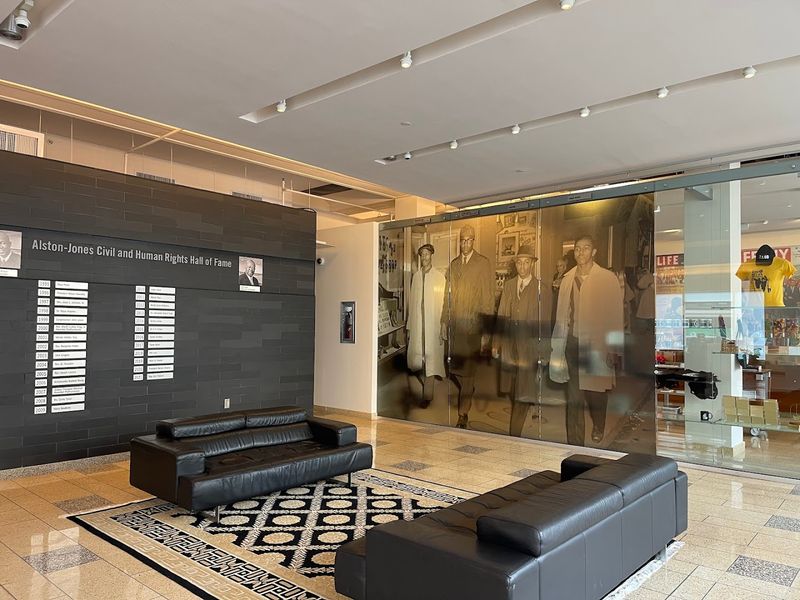
Few museum spaces carry moral gravity as immediately as a room where history changed because ordinary people refused to move. In downtown Greensboro, that feeling is impossible to ignore.
The International Civil Rights Center & Museum preserves the Woolworth site where the 1960 sit-ins helped transform the civil rights movement across the nation.
The original lunch counter is the emotional center, but the museum’s impact comes from how carefully it expands the story around that iconic place. Through immersive exhibits, testimony, photographs, and historical interpretation, you are invited to confront the courage, discipline, and strategic brilliance behind nonviolent protest.
This is not a passive walk-through; it asks for attention and reflection.
What makes the museum essential is its ability to connect a local act of resistance to national change without losing the personal stakes involved. You come away seeing the sit-ins not as a simplified symbol, but as a lived risk undertaken by young people facing violence and humiliation.
That human dimension gives every object more weight.
Calling it a hidden gem almost feels too modest, yet it belongs on this list because its power exceeds any quick summary. If you visit only one history museum with transformative emotional force, this should be the one.
Hickory Museum of Art
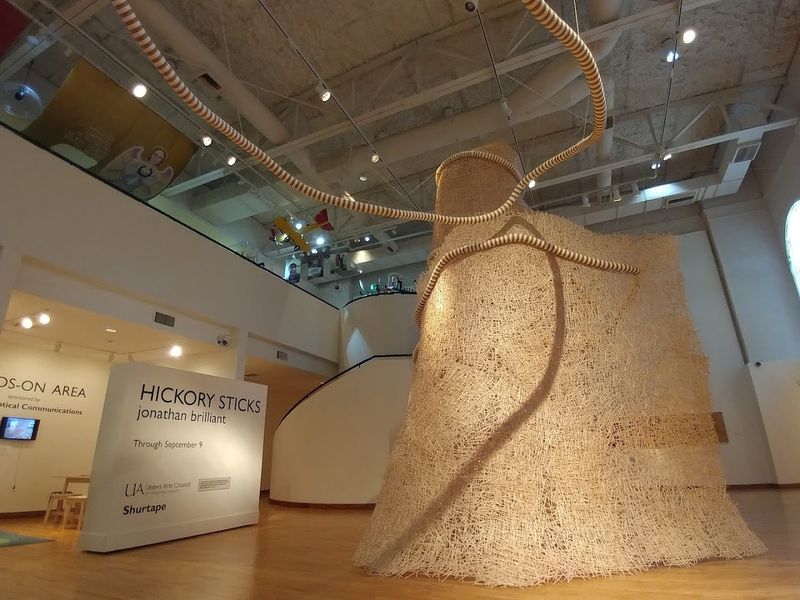
Art feels especially alive when a museum values regional voices as much as established traditions. In Hickory, that spirit gives the galleries warmth, individuality, and a welcome lack of pretension.
The Hickory Museum of Art offers a thoughtful mix of Southern visual culture, self-taught creativity, and contemporary exhibition design that rewards close attention.
As the second-oldest art museum in North Carolina, it carries historic importance, yet its strongest impression is how current and accessible it feels. The collection’s emphasis on folk art and self-taught artists broadens your sense of who gets remembered in museum spaces.
Instead of treating regional work as secondary, the museum presents it as central to understanding artistic life in the South.
That approach makes this stop culturally rich in a very specific way. You are not just seeing paintings or sculptures, but encountering stories shaped by local tradition, personal vision, and community identity.
The museum bridges formal art history and lived experience without making either feel diminished.
If you enjoy museums where discovery happens in quieter, more intimate rooms, this one will likely stay with you. It is a hidden gem because it trusts the strength of its collection and the distinctiveness of Southern voices to do the work.