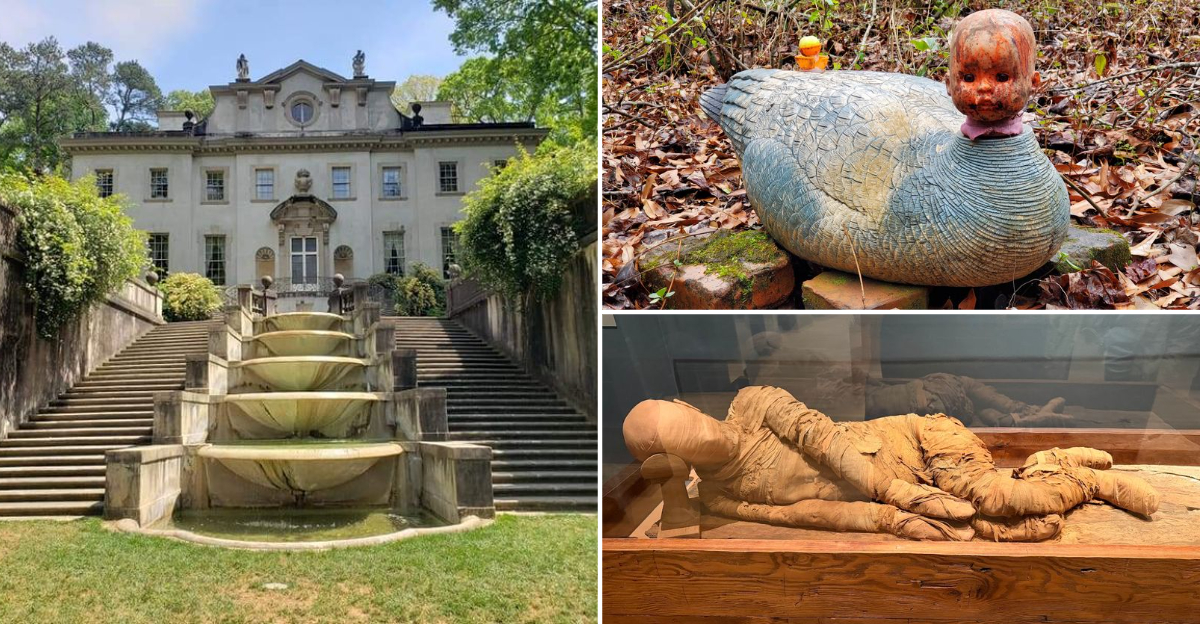
Early summer in Georgia invites exploration. Long sunny days stretch across historic streets, oak-lined parks offer pockets of shade, and backroads lead to places that rarely fit neatly into a guidebook category.
Some of the state’s most fascinating cultural experiences are tucked inside former mansions, colorful art environments, converted industrial buildings, and museums devoted to stories you might never expect to find. These spaces feel personal and distinctive, shaped by the communities, artists, and collectors who brought them to life.
The experience is less about rushing from one attraction to the next and more about slowing down to notice the details—an unusual artifact, a striking piece of architecture, or a story that changes how you see a place.
Here’s a closer look at ten of Georgia’s most unusual cultural spaces and hidden collections, each offering something memorable around the next corner.
High Museum of Art

Sunlight, white walls, and dramatic curves create the kind of first impression that makes you slow down before you even look closely at the art. In Midtown Atlanta, the High Museum of Art feels both monumental and welcoming, which is part of what makes it unusual.
You are not just entering Georgia’s flagship museum, but stepping into a building whose architecture is part of the collection experience.
Designed through contributions by Richard Meier and later Renzo Piano, the campus pairs modernist clarity with airy, human-scaled galleries. Inside, the collection moves confidently across time and geography, from European paintings to African art, photography, decorative arts, and strong holdings in Southern folk work.
That mix gives the museum a global scope without losing its regional heartbeat.
What stands out most is how the High connects Atlanta to wider artistic conversations while still honoring the South’s visual culture. Major traveling exhibitions regularly deepen that feeling, bringing internationally recognized works into dialogue with permanent pieces.
If you like museums that balance prestige with personality, this one earns your attention quickly.
Plan time to wander rather than rush, because the building keeps unfolding in thoughtful ways. The address is 1280 Peachtree St NE, Atlanta, and the official website is high.org.
For a first stop on a cultural tour of Georgia, this is a strong, memorable beginning.
Fernbank Museum of Natural History
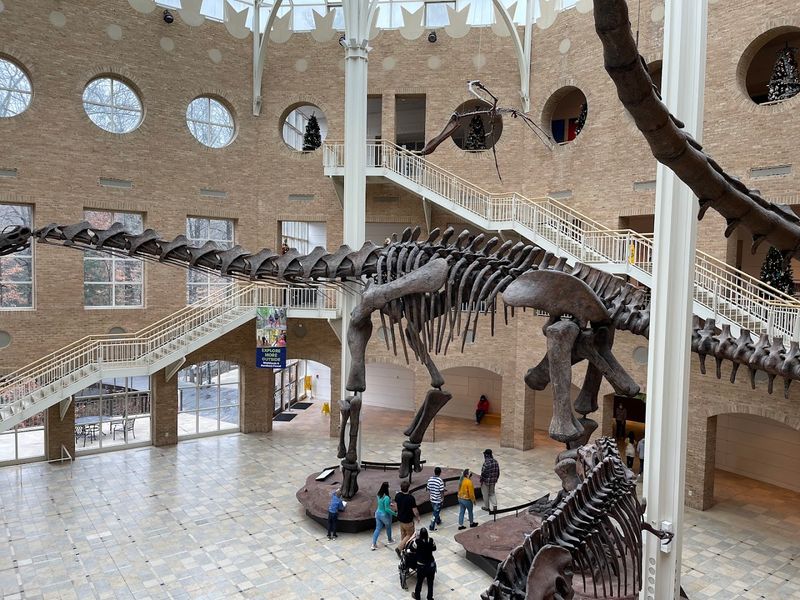
Walking into a museum and immediately facing giant prehistoric bones never really stops being thrilling. In Atlanta, Fernbank Museum of Natural History turns that awe into a full experience by blending science, storytelling, and theatrical design.
It feels less like a quiet hall of specimens and more like a place where Georgia’s natural history is staged on an epic scale.
At 767 Clifton Rd NE, Fernbank is widely known for its enormous dinosaur displays, including a towering Argentinosaurus skeleton that dominates the atrium. Yet the museum is not only about fossils.
Its exhibitions also explore Georgia’s ecosystems, wildlife, and environmental history through immersive installations that invite you to look, listen, and move through the story.
That cinematic quality is what makes Fernbank unusual among cultural spaces in the state. The museum combines classic natural history elements with vivid design, large-format experiences, and interactive learning that feels accessible without becoming superficial.
If you are traveling with kids, or just want science presented with imagination, it is especially rewarding.
Another strength is the way Fernbank ties global prehistoric themes back to local landscapes and ecological questions. You leave with a stronger sense of Georgia as a place shaped by deep time, not just modern development.
For hours, exhibitions, and films, the official resource is fernbankmuseum.org.
Michael C. Carlos Museum
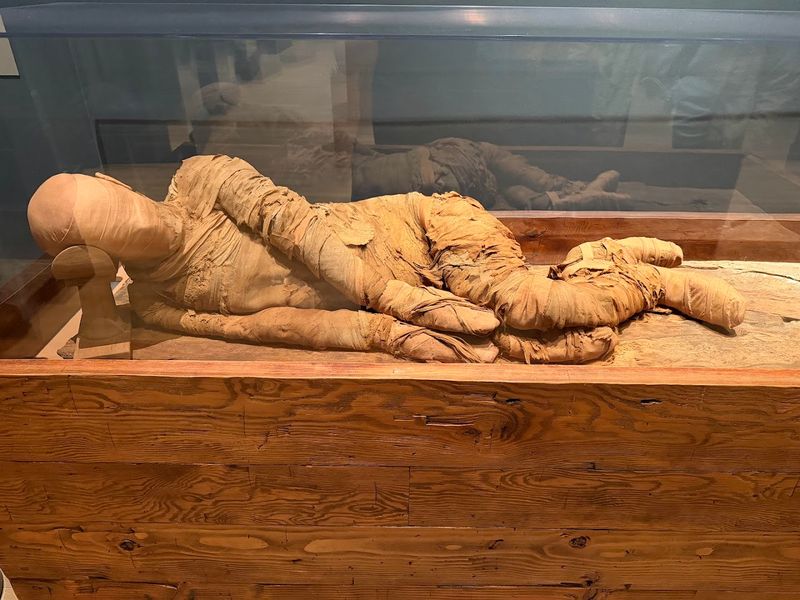
There is something quietly thrilling about finding ancient worlds tucked inside a university campus. At Emory University in Atlanta, the Michael C.
Carlos Museum offers that exact surprise, pairing scholarly depth with accessible displays. You can move from Egyptian mummies to Greek sculpture and feel the shift not just in time, but in the way human civilizations represented power, ritual, and beauty.
Located at 571 S Kilgo Cir, the museum is one of the Southeast’s strongest collections of ancient art. Its holdings span Egypt, Nubia, the Near East, Greece, Rome, Africa, Asia, and the ancient Americas, creating a broad but carefully interpreted experience.
Because of its academic setting, the museum often feels especially rigorous in how it presents context and research.
That blend of public museum and teaching institution is what makes it unusual in Georgia. Instead of a loosely themed assortment of treasures, the Carlos Museum offers objects that are deeply studied and thoughtfully explained.
If you like museums where labels, layout, and curation genuinely deepen your understanding, this one delivers.
The atmosphere is calmer than many larger urban museums, which can make the discoveries feel even more personal. It is an excellent stop for travelers who enjoy history, archaeology, or beautifully preserved objects with long stories behind them.
Before visiting, check exhibition information and hours at carlos.emory.edu.
Center for Puppetry Arts
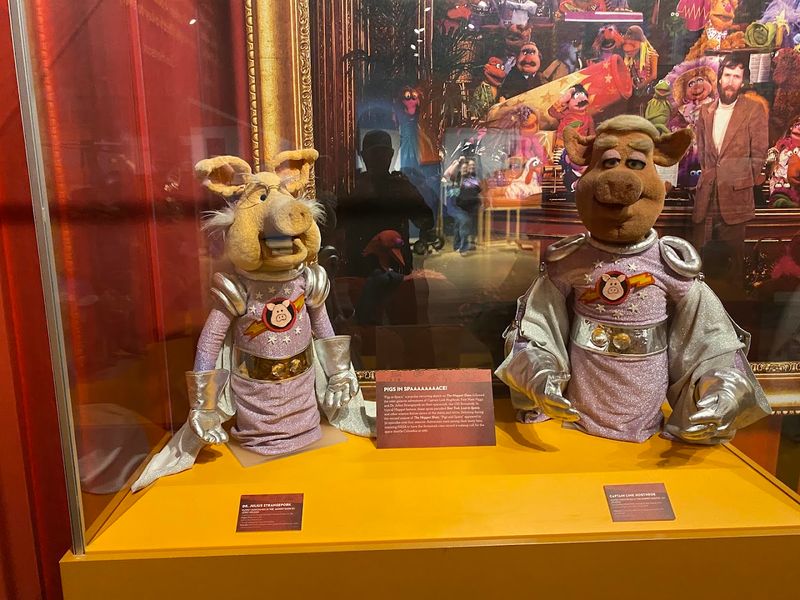
Few cultural spaces can make adults feel like curious kids again quite as fast as a room full of expressive puppets. In Atlanta, the Center for Puppetry Arts transforms that delight into a serious museum and performance destination.
It is unusual because it treats puppetry not as a novelty, but as a global art form with history, craftsmanship, and emotional power.
Found at 1404 Spring St NW, the center includes museum galleries, live theater, workshops, and extensive collections. One major draw is the Jim Henson Collection, which brings beloved characters into a richer artistic context.
Beyond that, the museum features puppets from around the world, showing how many cultures use them for storytelling, ritual, satire, and education.
What makes the place especially memorable is the combination of static display and living performance. You can study details of construction, then watch how movement and voice give those materials life on stage.
That dual identity helps the center stand apart from traditional museums and ordinary theaters alike.
If you are planning a Georgia cultural itinerary, this stop adds a playful but meaningful change of pace. It works for families, design lovers, and anyone interested in performance traditions that cross boundaries of age and nation.
For current shows, exhibits, and tickets, visit puppet.org before you go.
Trap Music Museum
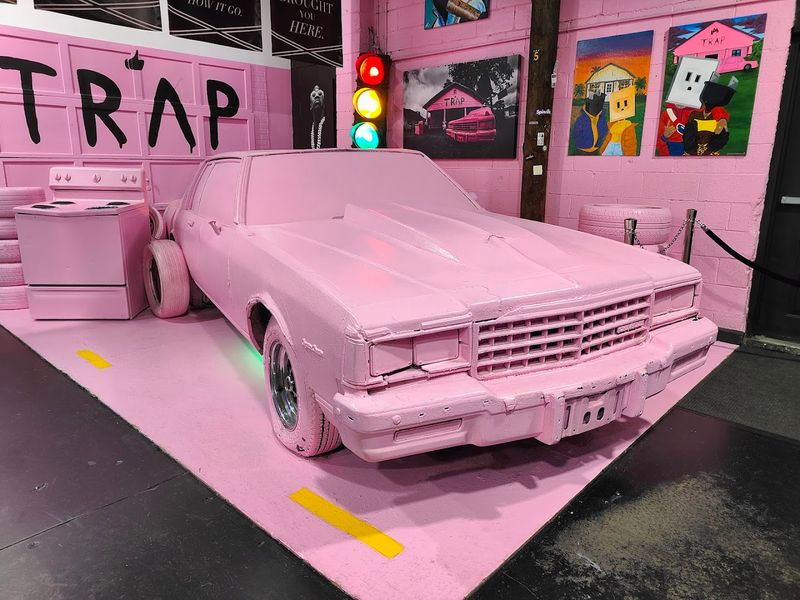
Some museums preserve the distant past, while others capture a culture that still feels loud, living, and unfinished. In Atlanta, the Trap Music Museum does exactly that by turning a major musical movement into an immersive cultural archive.
You are not simply reading about trap music here, you are moving through environments shaped by its sound, influence, and social context.
Located at 630 Travis St NW, the museum explores Atlanta’s central role in trap and hip-hop culture through installation-based storytelling. Exhibits often include re-created scenes, striking visuals, and references to artists, neighborhoods, and experiences connected to the genre’s rise.
That makes the visit feel closer to stepping inside a narrative than browsing a traditional gallery.
Its unusual power comes from treating a contemporary music movement as worthy of museum attention on its own terms. Rather than translating the culture into something distant or overly polished, the space keeps a raw, immersive energy that reflects the city around it.
For visitors, that can feel immediate, emotional, and very Atlanta.
If your idea of culture includes sound, place, identity, and public memory, this stop belongs on your list. It is especially meaningful for anyone interested in Black cultural production and the ways cities shape global trends.
Check hours, events, and visitor details at trapmusicmuseum.us before heading over.
Atlanta History Center
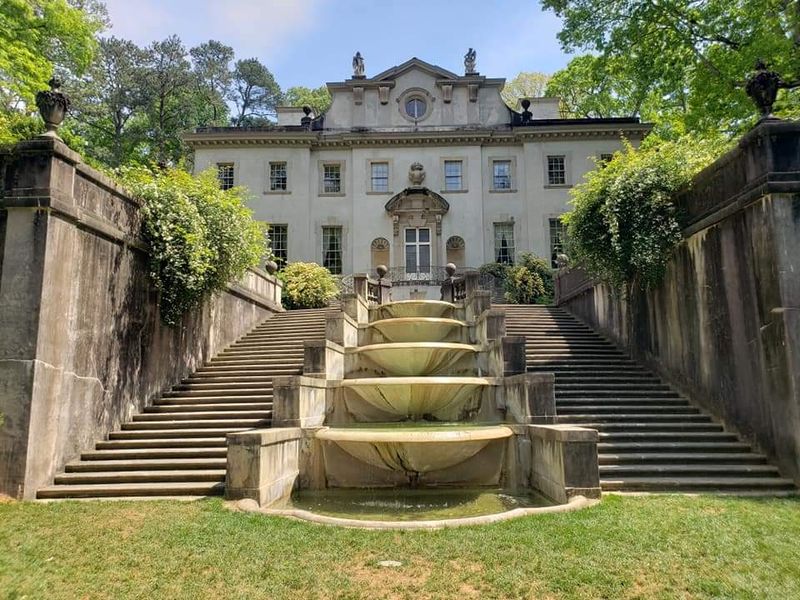
History feels different when it spreads across gardens, trails, galleries, and grand old houses instead of staying behind one set of walls. That is the experience waiting at the Atlanta History Center in Buckhead.
Rather than acting like a single museum, it unfolds as a full cultural landscape where architecture, exhibition design, and outdoor space work together.
Situated at 130 West Paces Ferry Rd NW, the center includes major exhibitions, archival resources, woodland trails, and historic structures such as the Swan House. Its subject matter ranges across Atlanta history, Southern identity, and the Civil War, giving you several entry points depending on what draws you in.
Because the campus is so varied, every visit can feel slightly different.
What makes it unusual is the way it blends formal museum interpretation with place-based immersion. You might spend one hour inside a carefully curated gallery and the next walking grounds that help that history feel physically real.
That movement between indoor and outdoor storytelling is one of the center’s strongest qualities.
It is a smart stop if you want context for Atlanta beyond headlines and skylines. The site rewards both focused interest and casual wandering, especially if you enjoy layered stories about the American South.
For planning details, exhibitions, and tickets, the official website is atlantahistorycenter.com.
Doll’s Head Trail

Not every memorable cultural space has walls, labels, or climate control. On a wooded path in southeast Atlanta, Doll’s Head Trail turns discarded objects into an eerie, funny, and unexpectedly thoughtful outdoor gallery.
The experience feels half treasure hunt and half folk-art encounter, which is exactly why it has become one of Georgia’s most unusual creative sites.
Near Constitution Road SE, the trail winds through natural surroundings where assemblage works made from found materials appear beside the path. Many pieces use doll heads, bottles, scrap metal, and other reclaimed objects, creating a surreal visual language that is both playful and unsettling.
Because the artworks weather, shift, and sometimes change, the space feels inherently temporary and alive.
Its power comes from how strongly it blurs boundaries between art installation, environmental reuse, and local legend. You are not entering a museum that separates culture from landscape.
Instead, the trail asks you to notice what people leave behind and how imagination can transform waste into community expression.
If you enjoy outsider art, unconventional public spaces, or destinations that feel discovered rather than packaged, this stop stands out. Go with curiosity and comfortable shoes, and expect a less polished but more personal kind of encounter.
For the best visit, research current access information and park guidance before heading out.
Oakland Cemetery Cultural Landscape

Some of the richest historical spaces are also the quietest. In Atlanta, Oakland Cemetery offers a layered experience where sculpture, landscape design, and public memory come together in ways that feel reflective rather than heavy.
It is unusual because it functions at once as burial ground, outdoor museum, architectural showcase, and record of the city’s changing identity.
At 248 Oakland Ave SE, the site contains Victorian monuments, notable graves, gardens, and carefully preserved sections that reveal social and cultural history through design and placement. Many important Atlantans are buried here, but the cemetery tells broader stories too, including class divisions, artistry, war, and urban growth.
Guided tours help those layers come into focus without flattening the atmosphere.
What makes Oakland especially compelling is that it invites slow looking. The carved memorials and landscaped paths are visually striking, yet they also reward interpretation as historical documents.
You may arrive expecting a beautiful cemetery and leave realizing you have also visited one of Atlanta’s most revealing cultural archives.
For travelers who like history presented with mood and physical texture, this is a strong addition to any itinerary. Seasonal events and tours can deepen the experience, especially if you want expert context.
Before your visit, check current programming, hours, and preservation information at oaklandcemetery.com.
Booth Western Art Museum
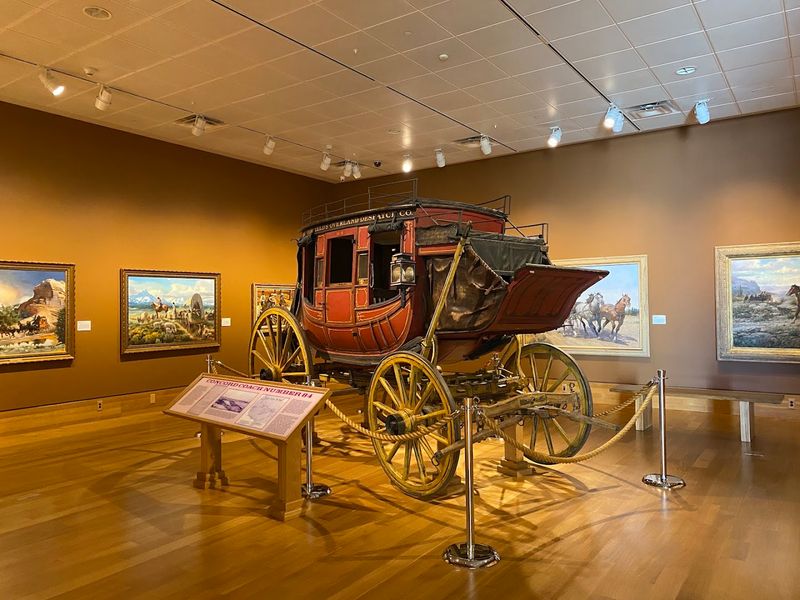
Finding a major museum of the American West in north Georgia feels surprising before you even walk through the doors. In Cartersville, the Booth Western Art Museum turns that surprise into its biggest strength.
The scale, ambition, and subject matter create a cultural detour that feels completely out of place in the best possible way.
Located at 501 Museum Dr, the Booth holds an extensive collection of Western art, including large paintings, bronzes, Civil War material, and presidential letters. The galleries explore frontier imagery, Indigenous representation, landscape mythmaking, and the ways the West has been imagined in American culture.
That breadth gives the museum more depth than a simple cowboy-themed attraction.
Its unusual character comes from both content and context. You are in Georgia, yet surrounded by visual narratives more commonly associated with plains, deserts, and mountain ranges far away.
That contrast sharpens the experience and invites questions about national identity, memory, and regional storytelling.
If you like museums that challenge your expectations of where certain histories belong, Booth is worth the drive. The collections are substantial enough to satisfy serious art viewers while staying approachable for casual visitors.
For current exhibitions, educational programs, and ticket information, head to boothmuseum.org before planning your stop.
Tellus Science Museum

A museum that lets you jump from gemstones to dinosaurs to airplanes can easily feel scattered, but this one makes the variety part of the fun. In Cartersville, Tellus Science Museum brings several scientific worlds together under one roof.
The result is a place that feels like multiple specialty museums woven into a single, energetic experience.
At 100 Tellus Dr, visitors can explore galleries devoted to geology, minerals, fossils, transportation, and space science. There is also a planetarium and hands-on learning areas that make the museum especially engaging for families.
Even if you arrive focused on one subject, the layout encourages curiosity to spill into the next room.
That cross-disciplinary setup is what makes Tellus unusual as a cultural stop in Georgia. Instead of narrowing itself to one branch of science, it invites you to see connections between Earth’s deep history, human invention, and the wider universe.
The museum feels broad without becoming unfocused, which is not easy to pull off.
If you are building a road trip through the state, Tellus works well because it is both educational and genuinely entertaining. It also offers a nice change of pace from art museums and historic houses.
For hours, exhibits, events, and visitor planning, check the official website at tellusmuseum.org.
Pasaquan
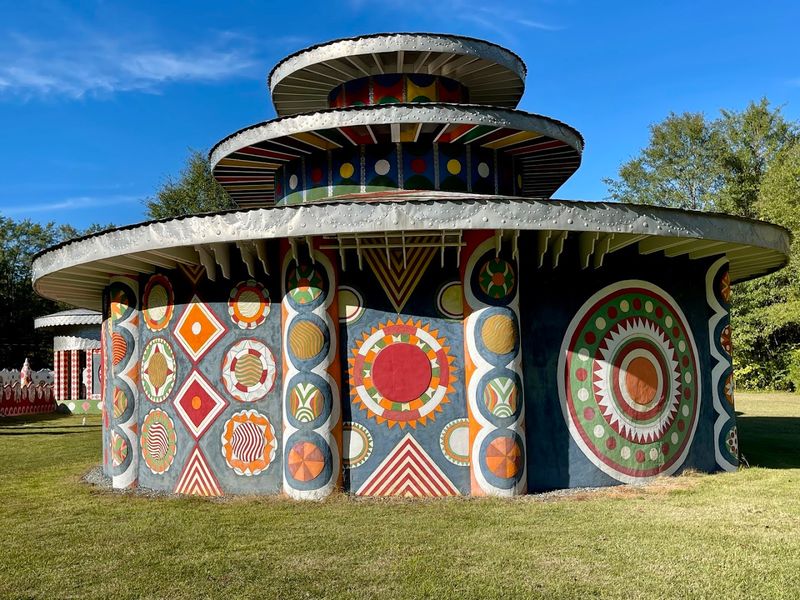
Color can change your sense of reality when it covers entire buildings instead of staying inside frames. In rural west Georgia, Pasaquan does exactly that, surrounding you with symbols, geometry, and painted surfaces that feel part temple, part dreamscape, and part personal cosmology.
It is one of the state’s most unforgettable visionary art environments.
Located at 238 Eddie Martin Rd in Buena Vista, Pasaquan was created by artist Eddie Owens Martin, also known as St. EOM. The site includes painted structures, walls, sculptures, and open spaces covered in highly individual motifs inspired by spiritual ideas, global visual traditions, and Martin’s own visions.
Rather than presenting art as separate objects, the entire place becomes the artwork.
That total environment is what makes Pasaquan so unusual. You are not walking through a conventional museum that explains an artist from a distance.
Instead, you step directly into a lived imaginative world where architecture, color, and symbolism surround you on all sides.
If you are drawn to outsider art, Southern folk traditions, or places shaped by singular creative force, this destination is essential. It feels remote in a way that heightens the experience, making the arrival more dramatic and rewarding.
Before visiting, confirm access details, tours, and preservation updates at pasaquan.com.