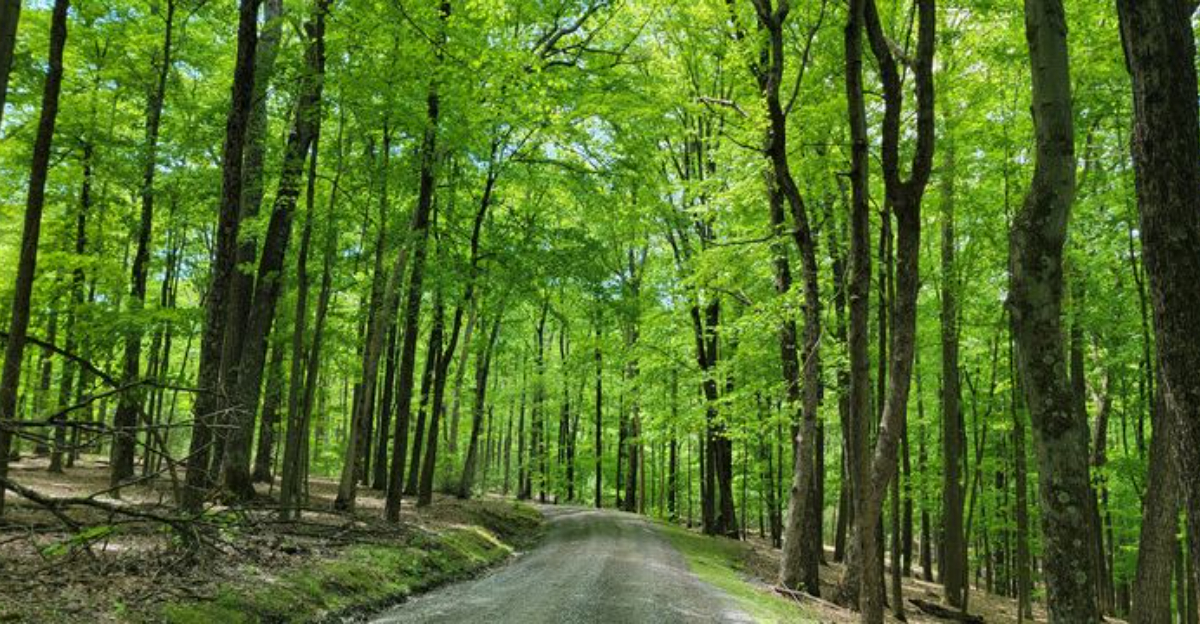
Tucked into the mountains of central Pennsylvania lies a hidden gem that transforms a simple walk into an unforgettable adventure. This special place offers towering ancient trees, blooming tunnels of flowers, and sparkling mountain streams all within an easy mile-long loop.
Whether you’re looking for a peaceful escape or a family-friendly nature experience, this remarkable trail delivers far more magic than its short distance might suggest. Get ready to discover why thousands of visitors give this natural treasure nearly perfect ratings year after year.
Walking Among Giants in the Old Growth Forest
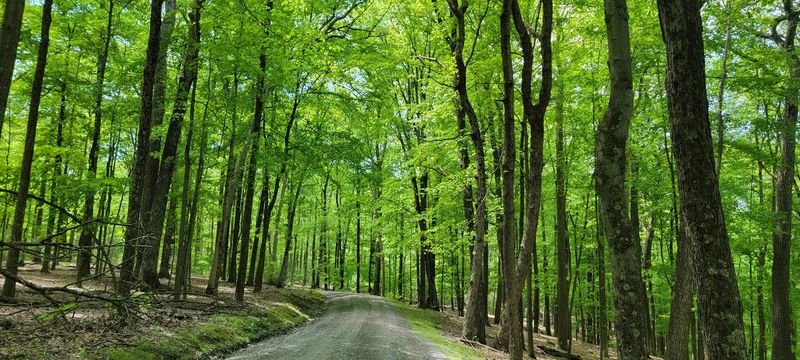
Imagine stepping into a forest where trees have been standing for over two centuries, their massive trunks reaching skyward like natural skyscrapers. The moment you enter this woodland sanctuary, you’ll notice something different about the air itself—cooler, fresher, and filled with the whisper of wind through ancient boughs.
Alan Seeger Natural Area protects one of Pennsylvania’s most impressive old growth hemlock forests, where some trees measure several feet across at their base.
The forest here has remained relatively untouched since it was established in 1921, creating a living museum of what Pennsylvania looked like before widespread logging. These towering hemlocks and white pines create a canopy so dense that even on bright summer days, the forest floor stays pleasantly shaded and cool.
You’ll find yourself naturally speaking in hushed tones, as if walking through a natural cathedral.
What makes this experience truly special is how accessible it is. Unlike many old growth forests that require difficult hikes to reach, these ancient giants stand right alongside an easy, well-maintained trail.
Kids and adults alike can’t help but crane their necks upward, trying to spot the tops of these magnificent trees that have witnessed centuries of Pennsylvania history.
The Enchanting Rhododendron Tunnels
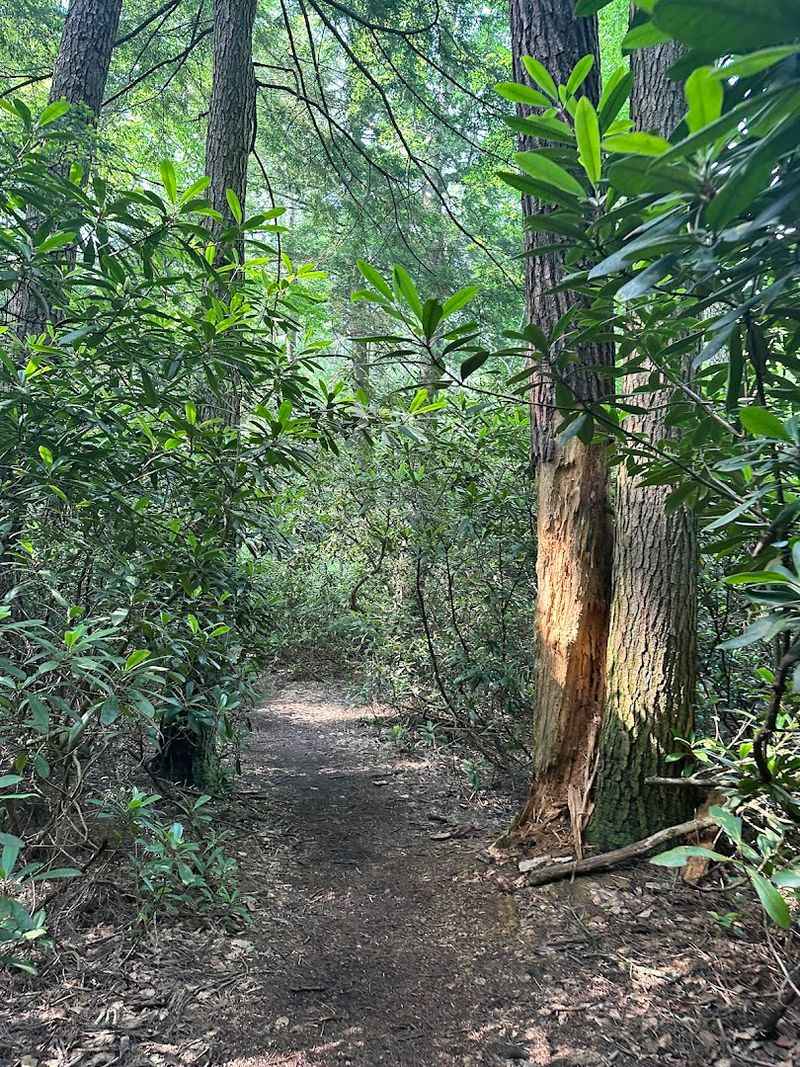
Picture yourself walking through a living tunnel where glossy green leaves create walls on either side and overhead, blocking out the sky entirely. During late June and early July, this already magical passage transforms into something straight from a storybook when thousands of rhododendron flowers burst into bloom.
The pink and white blossoms create a canopy of color that draws visitors from across the state to Alan Seeger Natural Area specifically for this spectacular show.
The rhododendron growth here is so thick that early visitors reportedly walked across the top of the bushes without ever touching the ground below. While that’s not recommended today, the dense thickets still create an otherworldly atmosphere that feels like stepping into a different realm.
Even outside blooming season, these evergreen shrubs provide year-round beauty and shelter for wildlife.
Local hikers often time their visits for the Fourth of July week, when the blooms typically reach their peak. The combination of towering hemlocks overhead and rhododendrons creating walls of flowers makes this short hike feel like a journey through an enchanted forest.
Many families make this an annual tradition, returning each summer to experience nature’s fireworks display.
Charming Wooden Bridge Crossings
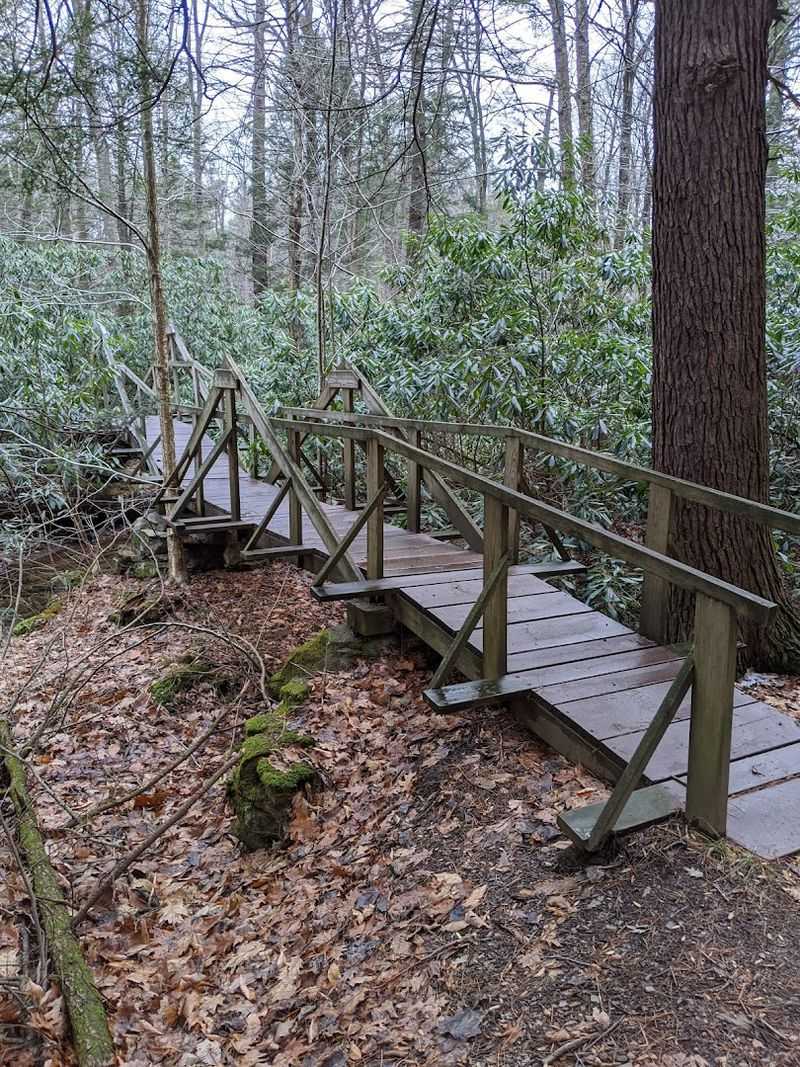
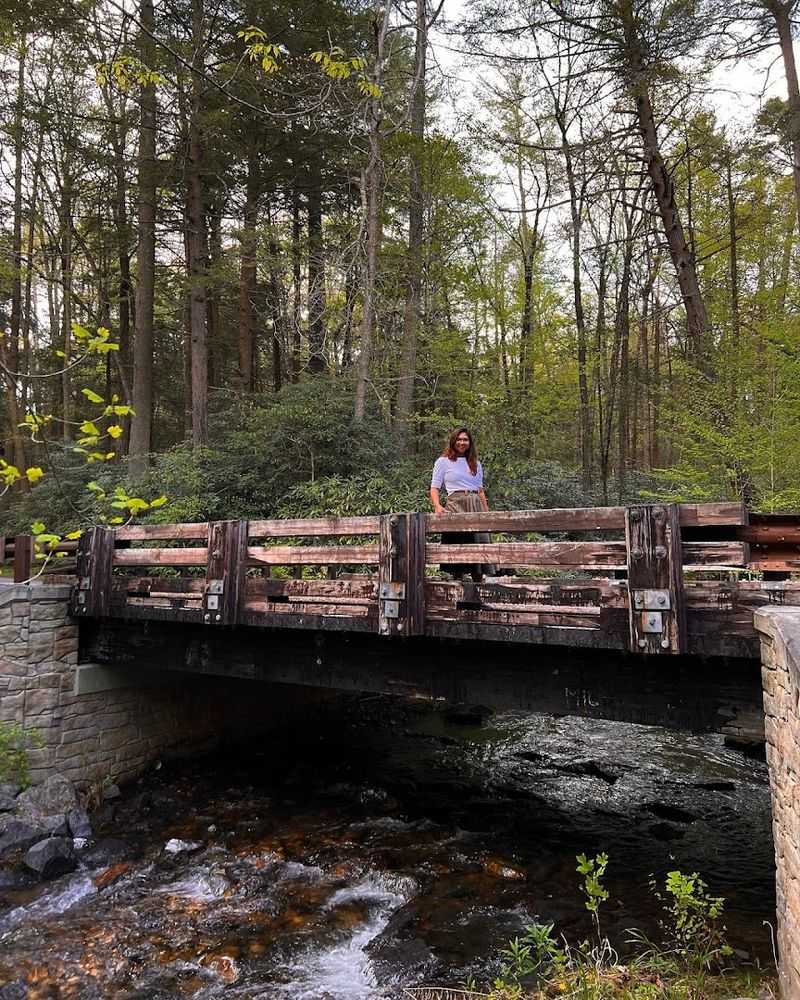
Three delightful wooden bridges punctuate the trail, each offering its own special view and adventure. These aren’t grand structures—they’re simple, sturdy crossings that somehow add immense charm to the hiking experience.
Children especially love these spots, treating each bridge as a miniature adventure within the larger walk through Alan Seeger Natural Area.
The bridges span crystal-clear mountain streams where you can pause to watch water tumble over smooth stones. On warm days, many families stop here to let kids dangle their feet in the cold water or search for tiny fish darting between rocks.
Some bridges feature simple railings, while others are more rustic, adding to the authentic wilderness feel.
Reviews mention that these crossings provide just enough challenge for toddlers and young children without being scary or difficult. Parents appreciate how the bridges break up the walk into manageable sections, giving natural stopping points for rest and exploration.
Photographers love these spots too, as the combination of wooden structures, flowing water, and surrounding forest creates picture-perfect scenes in every season. The gentle sound of water flowing beneath your feet adds a soothing soundtrack to your forest walk.
The Mountain Stream Symphony
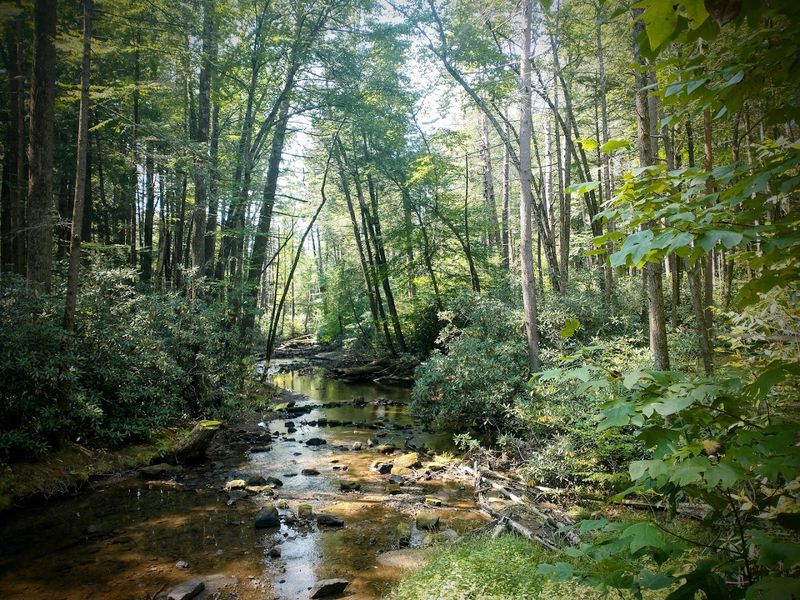
Water is the lifeblood of this natural area, with Detweiler Run and Standing Stone Creek weaving through the landscape like liquid silver threads. These aren’t roaring rivers or dramatic waterfalls—they’re gentle, musical streams that provide constant companionship along the trail.
The water here runs so clear you can count pebbles on the bottom, even in pools several feet deep.
Brook trout still swim in these cold mountain waters, just as they did when families visited Alan Seeger Natural Area for fishing picnics decades ago. The streams create a variety of micro-habitats, from shallow riffles where water dances over rocks to deeper pools where it rests before continuing its journey.
This variety supports an amazing diversity of aquatic life, from tiny insects to salamanders.
The sound of flowing water accompanies you for most of the hike, creating a natural white noise that seems to wash stress away. On hot summer days, this becomes particularly valuable—the streams cool the air around them, making the forest feel like nature’s own air conditioning.
Kids love exploring the stream banks, skipping stones, or simply watching water flow, turning a simple hike into a multi-sensory adventure.
Ancient Trees With Living History
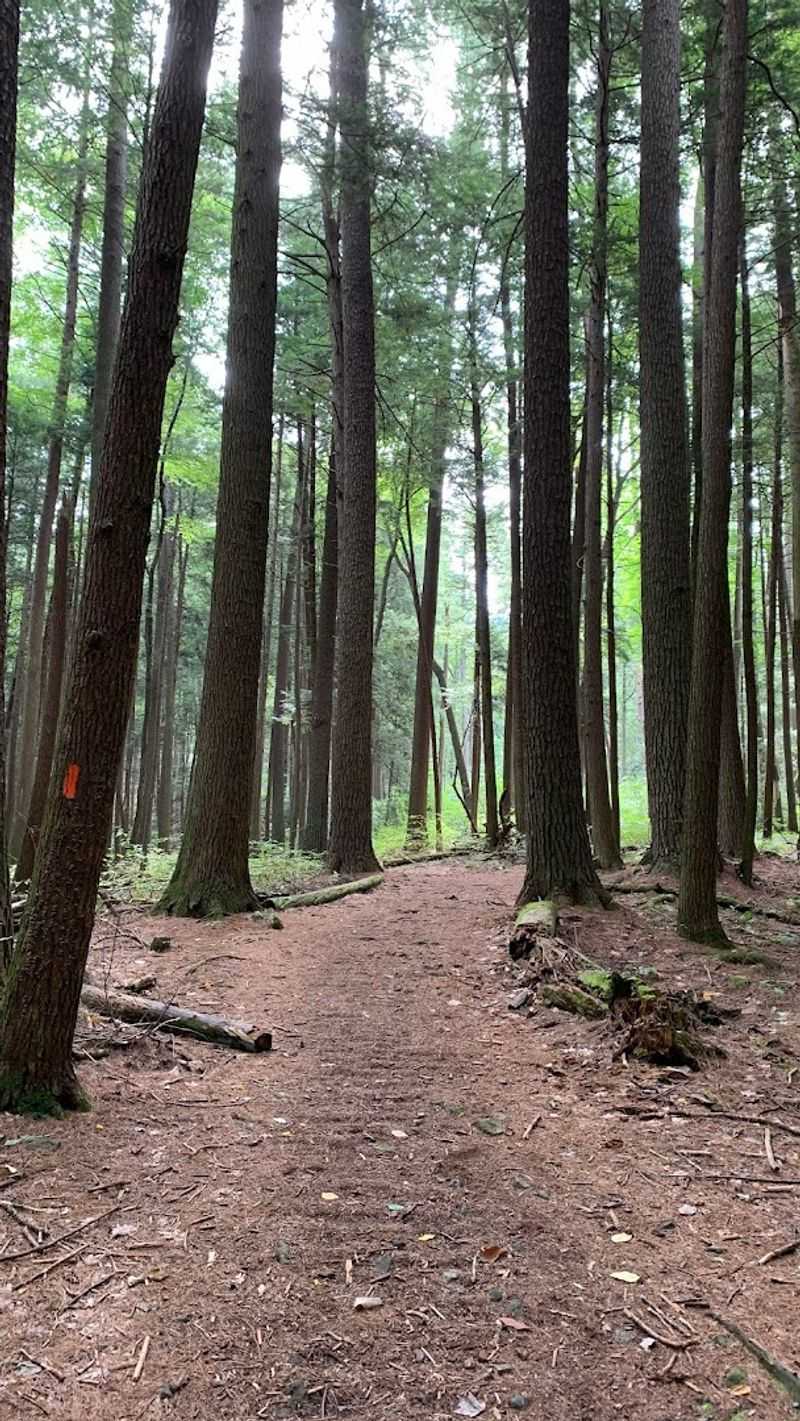
Some of the hemlocks standing in this forest were already mature trees when the Declaration of Independence was signed. Think about that for a moment—these living beings have witnessed the entire history of the United States while remaining rooted in the same spot.
While the famous 500-year-old hemlock unfortunately fell, many trees here still reach 200 years or more in age at Alan Seeger Natural Area.
You can spot the oldest trees by their enormous girth and the thick, deeply furrowed bark that comes with centuries of growth. Their massive root systems spread across the forest floor, creating natural sculptures that kids love to climb around.
These ancient trees serve as apartment buildings for countless species, from woodpeckers that drill nesting holes to squirrels that cache nuts in the bark.
Unfortunately, an invasive beetle has claimed some hemlocks over the years, but conservation efforts continue to protect these irreplaceable giants. Walking among them puts your own life in perspective—these trees were here long before you and will hopefully stand long after.
It’s a humbling and awe-inspiring experience that reminds us why protecting natural areas matters so much for future generations to enjoy.
Historic Picnic Pavilions and Fireplaces
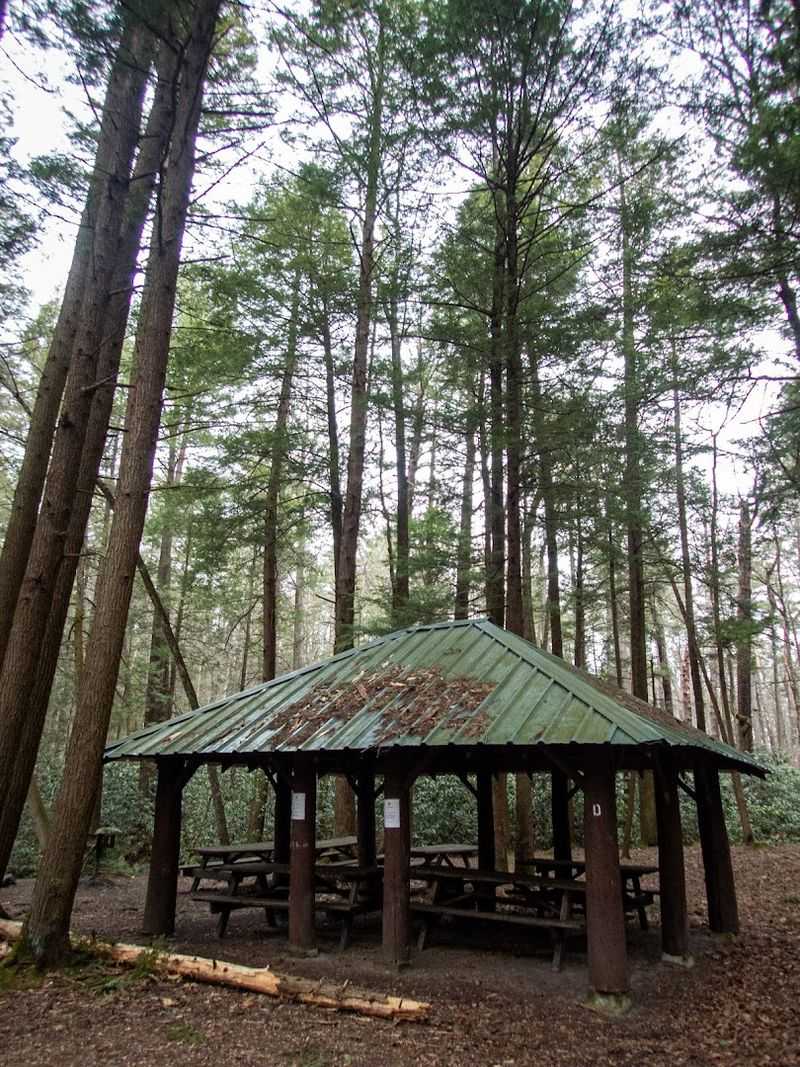
Several charming picnic pavilions dot the natural area, each featuring impressive stone fireplaces that speak to the craftsmanship of an earlier era. These structures blend beautifully into the forest setting, providing shelter and gathering spots for families who want to make a full day of their visit to Alan Seeger Natural Area.
The stone fireplaces, built with local materials, could tell countless stories of families gathered around crackling fires over the decades.
These facilities transform the area from just a hiking destination into a proper recreation spot. You can pack a lunch, enjoy it at one of the pavilions, then explore the trail before heading home.
Many reviewers mention wishing they had brought food to enjoy in these pleasant spaces. The combination of wilderness experience and comfortable amenities makes this location especially welcoming for families with young children or older adults.
The pavilions also provide valuable shelter during unexpected summer showers, which are common in the mountains. Their presence reflects thoughtful planning that balances preservation with visitor enjoyment.
When you sit at these tables surrounded by ancient forest, you’re participating in a tradition that stretches back over a century—simple outdoor recreation in one of Pennsylvania’s most beautiful settings.
The Perfect Family-Friendly Trail Design
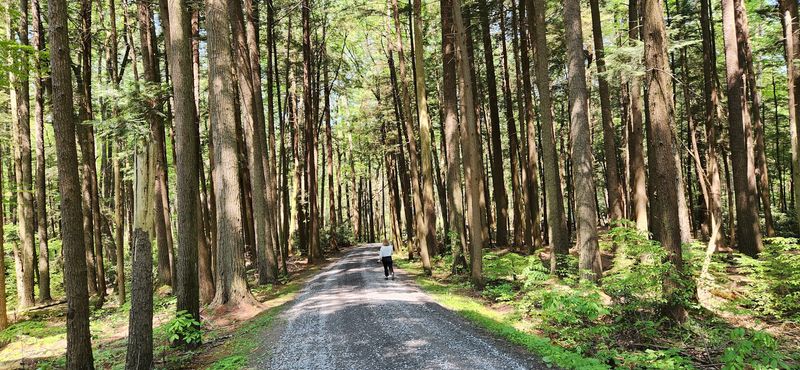
Trail designers got everything right when they laid out this path. The one-mile loop stays mostly level, making it genuinely accessible for toddlers, grandparents, and everyone in between.
Unlike many hiking trails that claim to be easy but feature hidden challenges, this route truly delivers on its promise of an effortless walk through Alan Seeger Natural Area.
The trail width accommodates families walking side-by-side, and the surface remains stable even after rain. Clear markers prevent anyone from getting lost, while the loop design means you don’t retrace your steps—every section offers something new to discover.
Visitors consistently praise how well-maintained the path stays throughout the seasons, a testament to dedicated forest management.
What makes this trail exceptional for families is how it combines genuine wilderness experience with safety and accessibility. Three-year-olds successfully complete the hike with minimal assistance, while older kids find enough interest to stay engaged throughout.
The variety of terrain—from open forest floor to rhododendron tunnels to stream crossings—keeps the walk interesting without ever becoming difficult. This thoughtful design makes wilderness accessible to people who might otherwise never experience an old growth forest, opening doors to nature appreciation for all ages and abilities.
Forest Bathing and Natural Therapy
Sometimes the best therapy doesn’t come from a doctor’s office but from spending time surrounded by trees. The Japanese practice of shinrin-yoku, or forest bathing, encourages people to slowly, mindfully immerse themselves in forest atmosphere.
Alan Seeger Natural Area provides an ideal setting for this wellness practice, with its combination of ancient trees, flowing water, and peaceful seclusion.
Multiple reviewers describe this place as where time stands still, and they’re not exaggerating. The deep shade, soft light filtering through the canopy, and gentle sounds of wind and water create a naturally meditative environment.
Even people who aren’t specifically practicing forest bathing report feeling refreshed and renewed after visiting. The cool, fresh mountain air feels cleaner than air conditioning, as one reviewer beautifully noted.
The relative solitude helps too—this area rarely gets crowded, so you can often find yourself alone with nature even on weekends. Whether you walk the trail slowly and mindfully or simply sit by the stream listening to water flow, this forest offers genuine respite from modern life’s constant stimulation.
It’s a place that reminds us why humans need wild spaces, why protecting forests matters beyond just environmental concerns—they’re essential for our mental and emotional health too.
Gateway to Rothrock State Forest Adventures
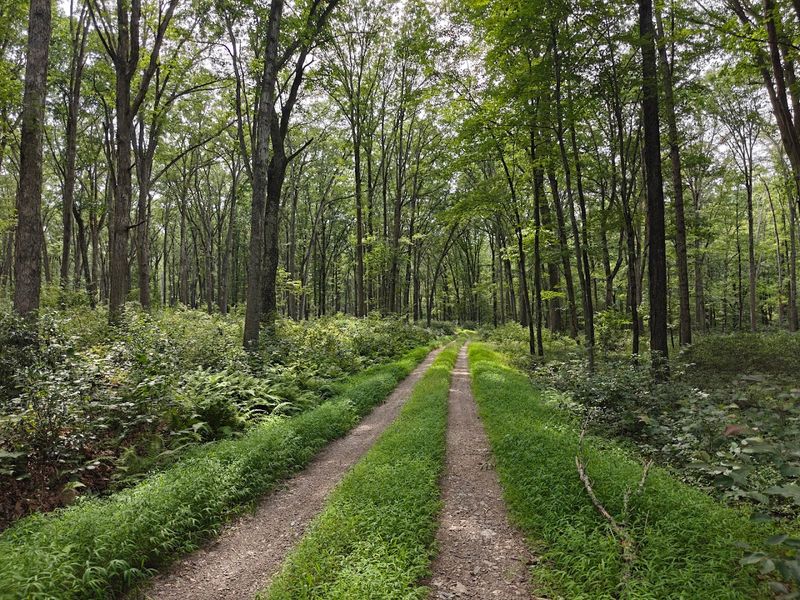
While the one-mile loop satisfies most visitors, adventurous hikers will appreciate that Alan Seeger Natural Area serves as an excellent starting point for exploring much more of Rothrock State Forest. The Standing Stone Trail passes nearby, offering connections to longer wilderness treks including a climb to a fire tower at the trail’s highest point.
This transforms the area from a simple destination into a basecamp for extended exploration.
Maps of the region reveal an impressive network of trails threading through the forest, from easy walks to challenging climbs. The Purple Lizard Rothrock State Forest Map, frequently mentioned by experienced hikers, opens up endless recreational possibilities.
You could visit Alan Seeger multiple times and have completely different experiences depending on which additional trails you explore each visit.
This connectivity makes the natural area especially valuable—families can enjoy the easy loop while more ambitious hikers can extend their adventures as much as they want. The Greenwood Spur trail, for instance, provides a steeper 1.75-mile climb for those seeking more challenge.
Having both gentle and difficult options in one location means groups with varying abilities can all find appropriate adventures, meeting back at the pavilions to share stories of their different journeys through this remarkable Pennsylvania wilderness.