In Pierre Part, Louisiana, the pace of life seems to follow the gentle rhythm of the bayou. Cypress trees reflect in calm waters, fishing boats rest along the shoreline, and conversations still drift through the air in Cajun French, connecting the present to generations of local tradition.
Spring is an especially lovely time to visit, when warm breezes return, wildflowers brighten the landscape, and the waterways come alive with activity. The town’s quiet roads, family-run businesses, and deep-rooted culture create an atmosphere that feels both welcoming and wonderfully distinct.
What makes Pierre Part so memorable isn’t just its scenery—it’s the way heritage remains part of everyday life. Here, language, food, and community continue to shape the character of a place unlike almost anywhere else in America.
Let’s take a closer look at what makes this bayou town so special.
Conversations Flow in Cajun French at the Local Market
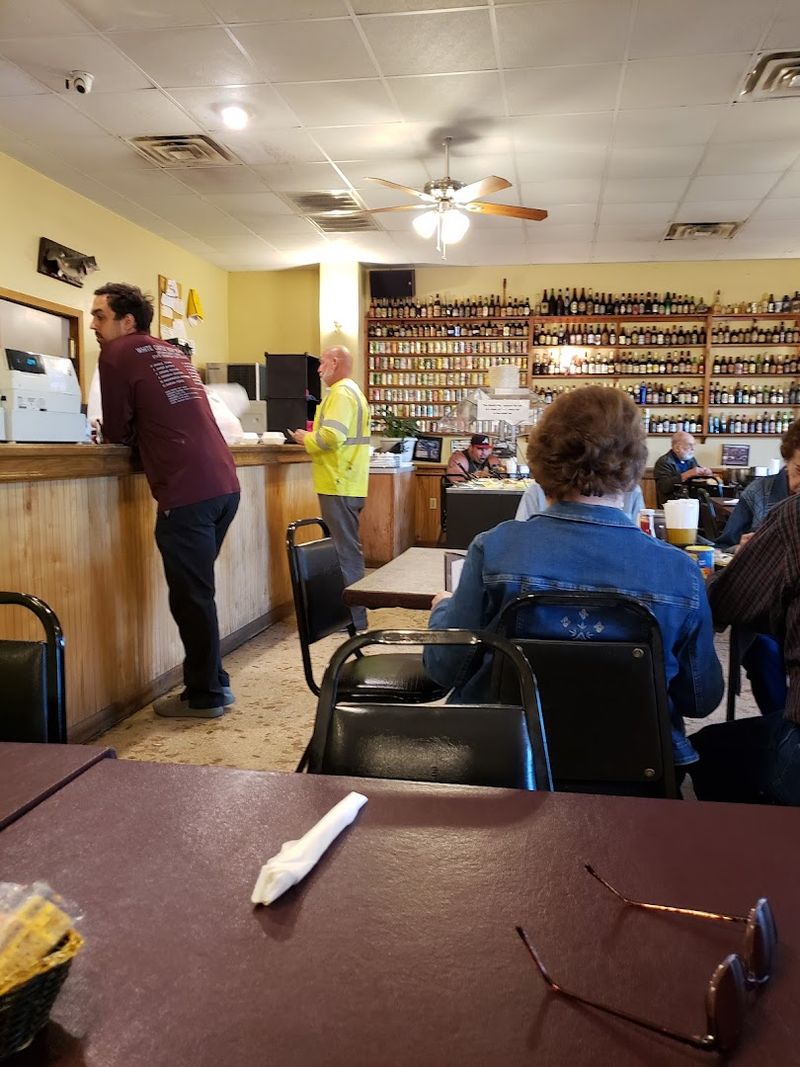
Morning light filters through cypress trees as voices carry across the parking lot in a language that predates American statehood. Shoppers greet each other with “Bonjour” and “Comment ça va?” while selecting fresh catch and produce.
The melody of Cajun French fills the air, creating an atmosphere that feels transported from rural France.
At Pierre Part’s markets, French isn’t just a novelty or tourist attraction. It’s the natural language of commerce and friendship.
Vendors discuss prices and quality in the same dialect their grandparents spoke, maintaining an oral tradition that stretches back centuries.
Young cashiers switch effortlessly between English and French, serving customers in whichever language they prefer. This bilingual flexibility represents the town’s bridge between past and present.
The conversations aren’t staged for visitors; they’re genuine exchanges among neighbors who’ve always communicated this way.
Listen closely and you’ll hear words that don’t exist in standard French, unique expressions born from swamp life and Acadian history. This marketplace becomes a living classroom where language evolves naturally through daily use, keeping Cajun French vibrant and relevant in the modern world.
Bayou Boat Tours
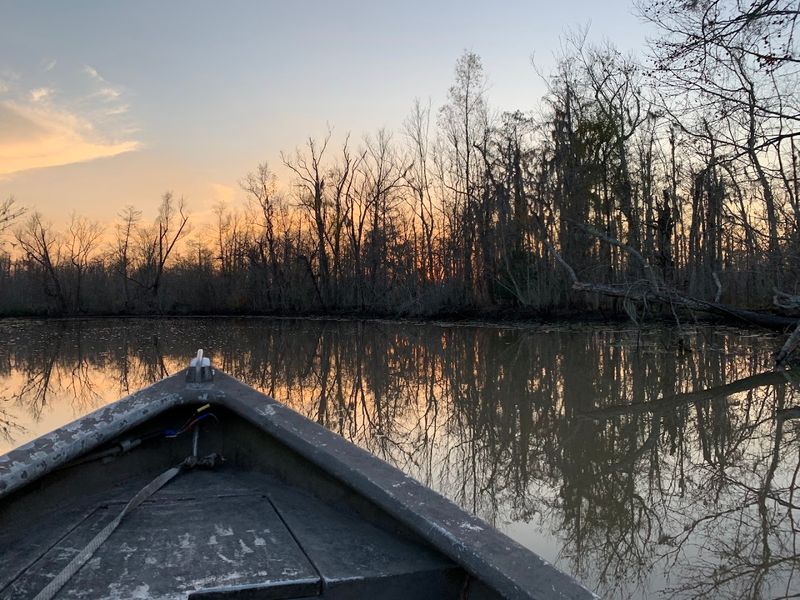
A boat tour with Skell’s Outdoor Adventures offers a front-row seat to the wild beauty of Louisiana’s bayou country. Based in Pierre Part, a small Cajun community surrounded by waterways, the tours take visitors deep into the swamps, bayous, and marshes that make this region so distinctive.
The experience is less about rushing from one attraction to another and more about slowing down to appreciate a landscape that has changed little over generations.
As the boat moves through narrow channels lined with towering cypress trees, guests often spot alligators, turtles, herons, egrets, and other wildlife that thrive in the wetlands. The guides are lifelong locals who know these waters intimately and share stories about the area’s Cajun heritage, fishing traditions, and unique ecosystem.
Because the tours use smaller boats, they can access quiet backwaters and hidden corners of the swamp that larger tour boats cannot reach.
Many visitors describe the experience as both peaceful and authentic. Depending on the season, excursions may include sunset cruises, wildlife viewing, fishing adventures, or opportunities to learn about crawfishing and other local traditions.
The surrounding waterways connect to the famous Atchafalaya Basin, creating endless scenery filled with moss-draped trees, reflective water, and abundant birdlife. Reviews frequently praise the knowledgeable guides and the chance to experience the real Louisiana bayou away from crowds and commercialized attractions.
For travelers seeking an authentic glimpse into Cajun country, a boat tour with Skell’s Outdoor Adventures provides an unforgettable combination of nature, culture, and small-town hospitality. The journey offers a deeper appreciation for the waterways that have shaped life in Pierre Part for generations and remains one of the most memorable ways to explore this remarkable corner of Louisiana.
Elderly Speakers Guard the Language Like Gold
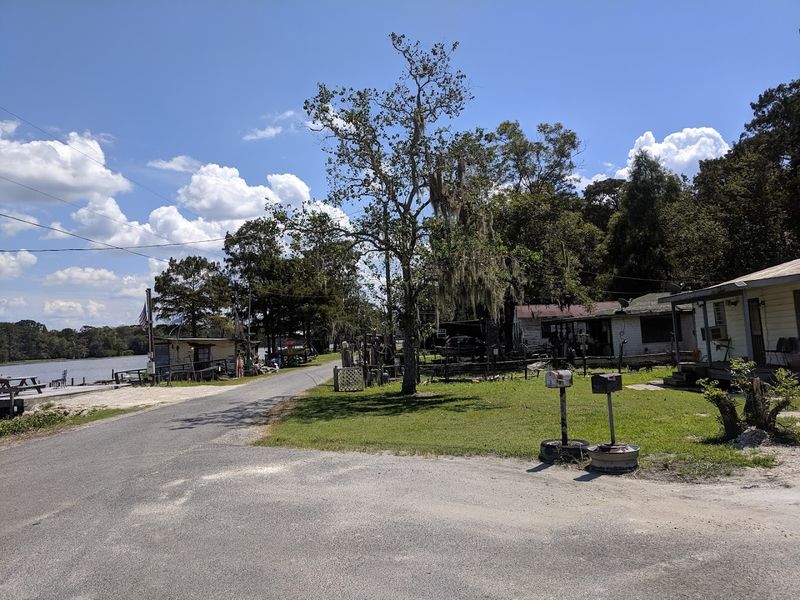
Rocking chairs creak on front porches where the oldest residents share stories in flawless Cajun French with grandchildren. These conversations represent more than family bonding; they’re intentional acts of cultural preservation.
The elders understand they’re the last generation to grow up speaking only French at home, making their role as teachers critical.
Many senior citizens in Pierre Part remember when speaking French at school meant punishment, when authorities tried forcing English-only education on Cajun children. They carry memories of shame transformed into pride, now determined to pass the language forward despite decades of discouragement.
Their persistence has paid off in maintaining linguistic continuity.
Community centers host weekly gatherings where older speakers conduct informal French lessons, teaching vocabulary related to fishing, cooking, and swamp navigation. These sessions preserve not just words but entire ways of thinking about the world.
The knowledge they share extends beyond grammar into cultural practices that only make sense in Cajun French.
Without these dedicated elders, Pierre Part’s linguistic identity might have vanished like it has in countless other Louisiana communities. Their daily commitment to speaking French creates the foundation that makes this town exceptional in American linguistic landscape.
Catholic Masses Celebrate in the Language of Faith
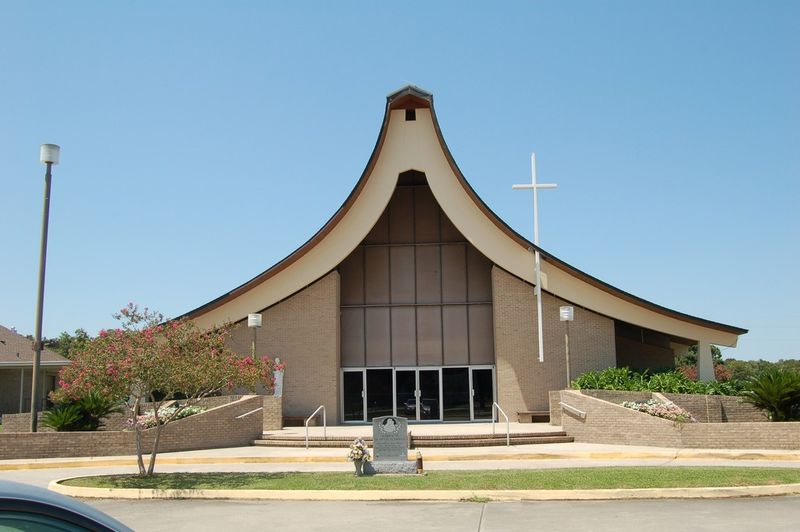
Sunday mornings bring faithful congregations together in sanctuaries where prayers ascend in French, continuing a tradition older than the United States itself. The connection between Catholicism and Cajun identity runs deeper than religion alone.
For Acadian ancestors who settled this region, French was the language of both daily life and spiritual devotion.
Pierre Part’s churches maintain regular French masses, not as special heritage events but as normal weekly services. Priests deliver homilies in Cajun French, and hymns echo with pronunciations distinct from Parisian French.
The liturgy feels simultaneously ancient and immediate, linking modern worshippers to centuries of Catholic tradition.
Weddings, baptisms, and funerals often incorporate French prayers, marking life’s most significant moments in the ancestral tongue. Families specifically request French services to honor deceased relatives who spoke little English.
These ceremonies become powerful affirmations of cultural continuity through religious practice.
The church serves as one of Pierre Part’s strongest institutions for language preservation, providing weekly opportunities for French use in meaningful contexts. When language connects to spiritual identity, it gains emotional weight that purely academic instruction cannot replicate, giving residents compelling reasons to maintain fluency across generations.
Cajun Music Fills Dance Halls and Living Rooms
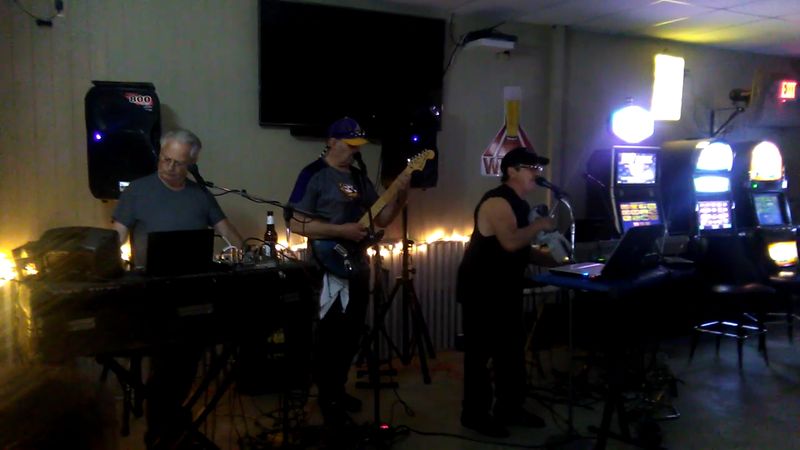
Accordion melodies and fiddle harmonies spill from community halls where dancers two-step to rhythms unchanged for generations. The music itself speaks French through lyrics celebrating love, loss, and life along the bayous.
These aren’t performances for tourists but genuine social gatherings where Pierre Part residents connect through shared cultural expression.
Traditional Cajun music requires French comprehension to fully appreciate, with clever wordplay and cultural references woven throughout the lyrics. Songs tell stories of crawfish harvests, unrequited love, and Friday night dances using vocabulary specific to swamp life.
Musicians pass down these compositions orally, teaching younger players both musical technique and linguistic nuances simultaneously.
Saturday nights transform gathering spaces into vibrant celebrations where age barriers dissolve on dance floors. Teenagers waltz alongside grandparents, all moving to French lyrics that everyone understands.
The music reinforces language learning in joyful contexts, making French feel essential rather than academic.
Local musicians achieve regional fame while staying rooted in Pierre Part, refusing to anglicize their art for broader commercial appeal. Their commitment to French-language music ensures the dialect remains associated with celebration and community pride rather than fading traditions requiring preservation efforts.
Inside the Local Shop Keeping Louisiana’s Cajun Cooking Traditions Alive
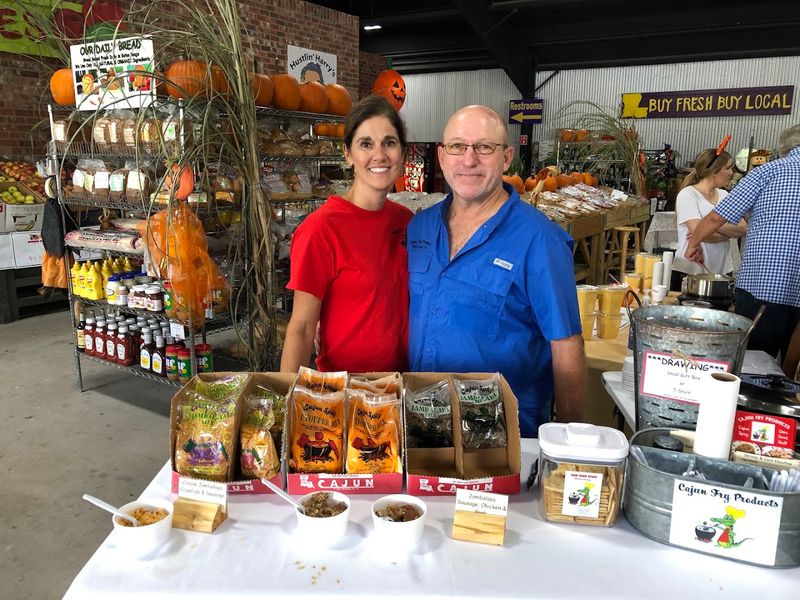
Located in the heart of Pierre Part’s Cajun country, Cajun Fry Products has become a well-known local business that reflects the area’s deep connection to Louisiana cooking traditions. Situated along Louisiana Highway 70, the company specializes in products designed to help home cooks recreate authentic Cajun flavors, from fish fry coatings and seafood seasonings to breading mixes and spice blends.
For many visitors passing through Pierre Part, stopping here offers a glimpse into the culinary heritage that has shaped life in the bayous for generations.
What makes the location especially interesting is its connection to the region’s fishing and outdoor culture. Pierre Part sits near the vast wetlands of the Atchafalaya Basin, where fishing, crawfishing, and hunting have long been central to local life.
Products sold here are inspired by the types of meals commonly prepared after a day on the water, whether it’s fried catfish, crawfish, shrimp, or other Gulf Coast favorites. The seasonings and coatings are designed to deliver the bold flavors associated with traditional Cajun cooking.
Visitors exploring Pierre Part often discover that food is one of the best ways to understand the local culture. Cajun Fry Products represents the practical, family-oriented approach to cooking that defines much of south Louisiana.
Rather than focusing on elaborate recipes, the emphasis is on quality ingredients, flavorful seasonings, and gathering around the table with friends and family. A stop here offers insight into the tastes and traditions that continue to make Pierre Part one of Louisiana’s most authentic Cajun communities.
Fishing Culture Preserves Maritime Vocabulary
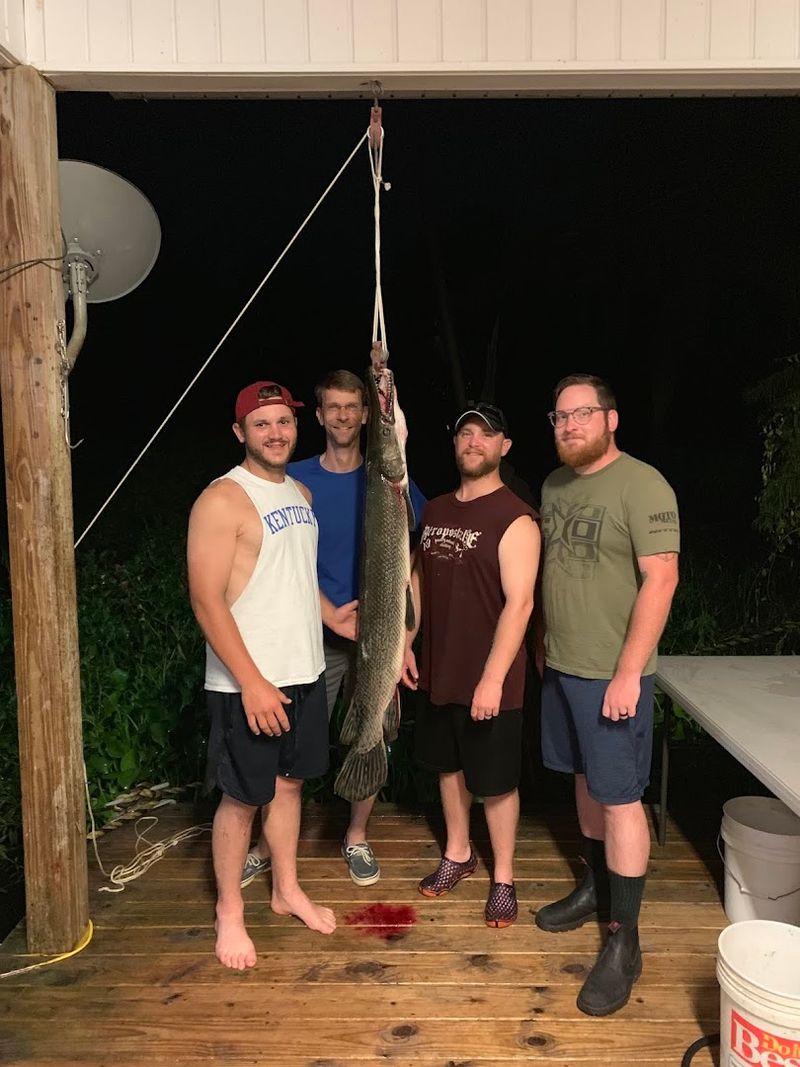
Boats glide through cypress-shadowed waters while crews communicate in rapid French, using specialized terms for fish species, weather conditions, and navigation techniques. The fishing industry here maintains vocabulary that exists nowhere else, words developed specifically for Louisiana’s unique wetland environment.
These aren’t terms found in French dictionaries but living language born from necessity.
Commercial fishermen in Pierre Part often conduct entire workdays in French, especially aboard boats where crews consist of family members or longtime partners. The language feels natural for describing tides, catch quality, and equipment repairs.
Younger fishermen learn the trade through French instruction, absorbing technical knowledge and linguistic heritage simultaneously.
Dock conversations at day’s end blend fish tales with market talk, all flowing in Cajun French punctuated by gestures toward the day’s catch. This professional context gives French practical modern relevance beyond cultural preservation.
Speaking French becomes a job skill rather than merely ancestral tradition.
The fishing economy’s importance to Pierre Part ensures French remains economically valuable, not just sentimentally meaningful. When livelihoods depend on communication in the ancestral tongue, language preservation gains urgency that academic programs alone cannot create, embedding French deeply into the community’s survival and success.
Living History Connects to Acadian Exile
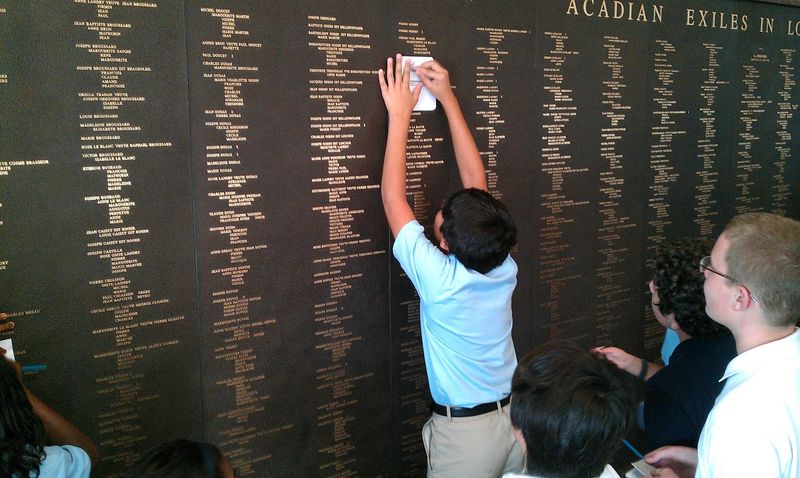
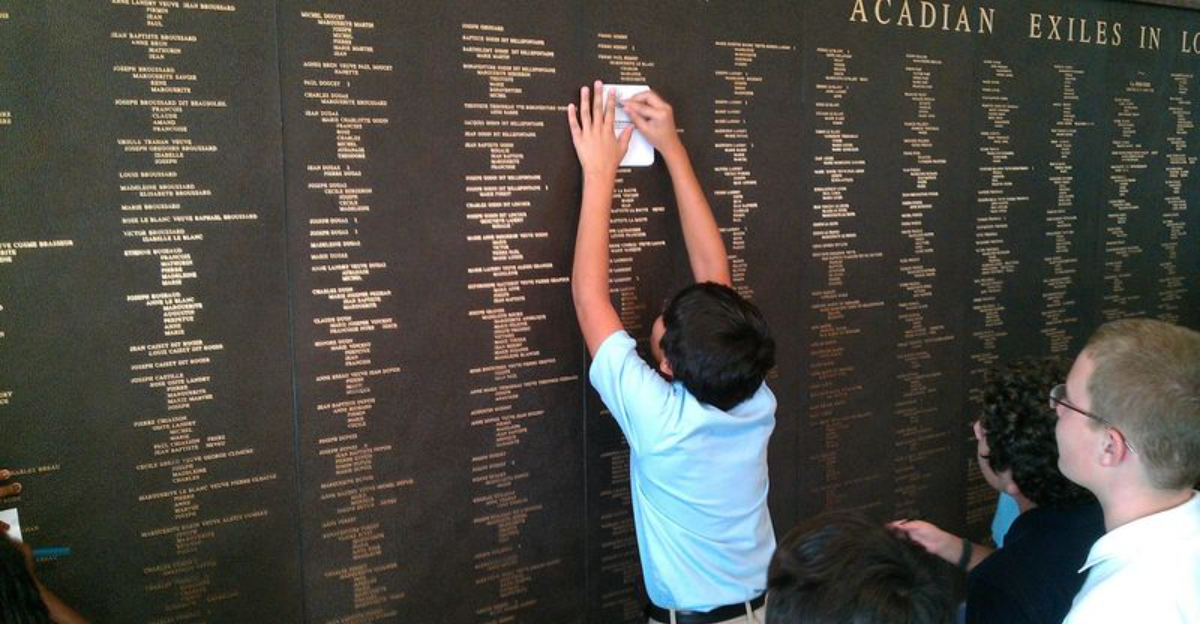
Museum displays tell stories of displacement and resilience that echo through every French word spoken in Pierre Part today. The Acadian exile from Canada in the 1700s scattered French-speaking families across continents, with many eventually settling in Louisiana’s bayou country.
Their descendants built communities where French could survive despite English-speaking pressures from the expanding United States.
Pierre Part’s linguistic persistence represents more than cultural stubbornness; it embodies historical memory of ancestors who lost everything except their language. Speaking French becomes an act of honoring those who suffered displacement while maintaining identity.
This historical consciousness gives language preservation emotional depth that transcends practical considerations.
Local historians conduct tours and lectures in French, ensuring the community’s story gets told in the language that lived it. Children learn about their Acadian roots through French-language instruction that connects genealogy to current identity.
The past isn’t distant history but living context for understanding why Pierre Part remains distinctively French.
This historical foundation explains why residents resist language loss so fiercely, viewing French maintenance as fulfilling ancestral struggles rather than simply preserving a quaint tradition. The connection to exile and survival transforms everyday French conversations into ongoing victories over forces that tried erasing Cajun culture from the American landscape.