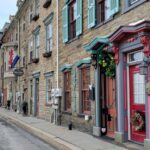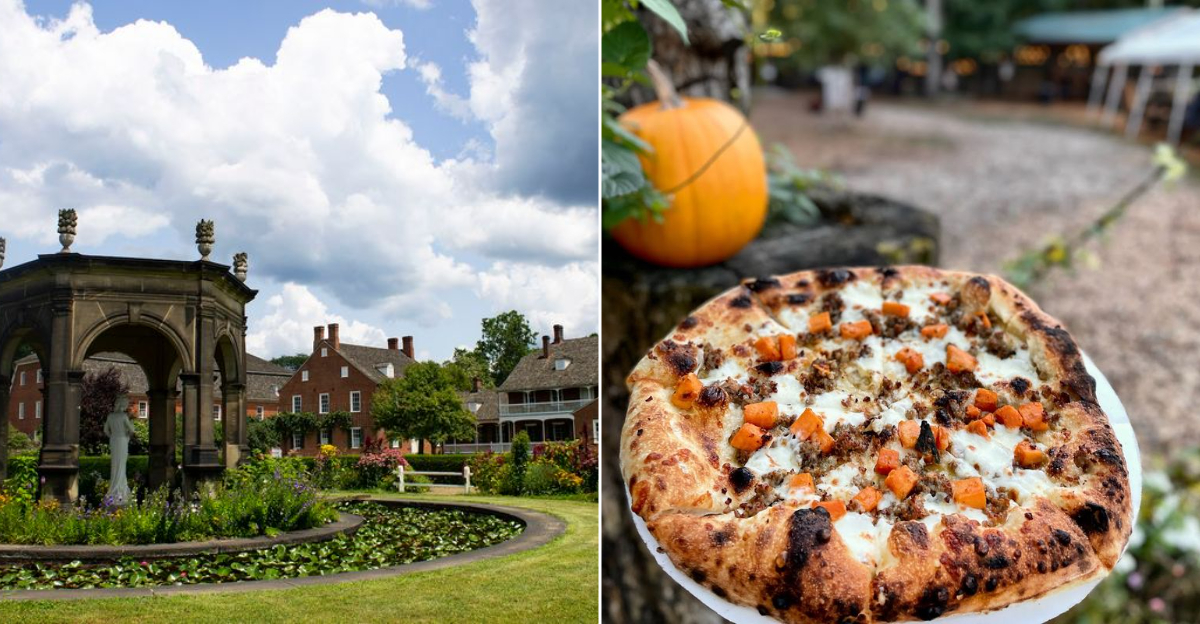
Ambridge sits quietly along the Ohio River, just northwest of Pittsburgh, where brick streets and old storefronts still carry the weight of a steel-town past. In spring, the air feels lighter here—river breezes drift through budding trees, and sidewalks slowly come back to life with locals stopping for coffee, conversation, and familiar routines.
There’s a steady, unhurried rhythm to the borough. Historic landmarks tell stories of industry and immigration, while small restaurants and neighborhood cafés offer meals made with care rather than rush.
Down by the water, the river widens into long, calm views that feel especially inviting on mild days.
It’s the kind of place where you don’t need a plan so much as a direction. You wander, you taste, you pause.
And from there, Ambridge begins to unfold in simple, satisfying ways…
Old Economy Village
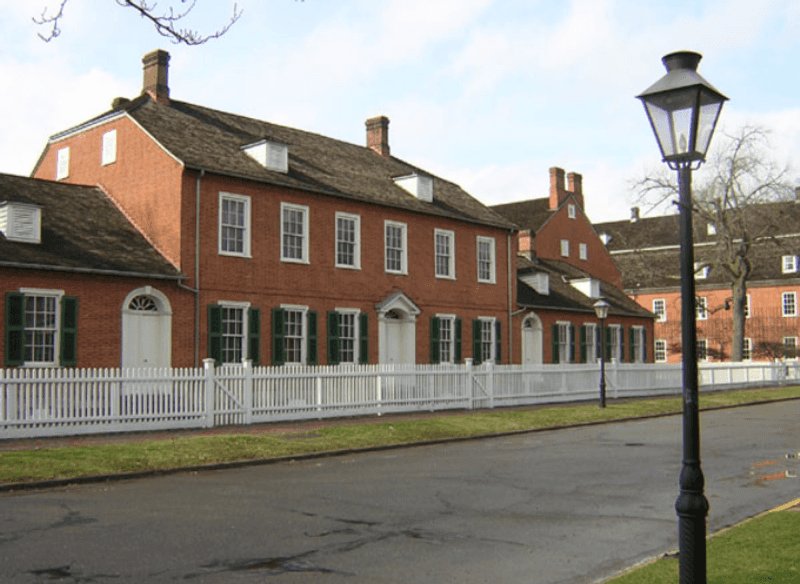
Quiet paths, old brick, and a sense of another century settle in almost as soon as you arrive. That feeling is exactly why Old Economy Village stands out as Ambridge’s signature stop, giving you a remarkably complete look at the Harmony Society community that settled here in 1824.
As a National Historic Landmark, it offers more substance than a quick photo op, with preserved buildings, workshops, exhibits, and stories that connect faith, industry, and daily life.
I think this is the best place to begin if you want context for the borough itself. Touring the site helps you understand how disciplined planning, craftsmanship, and shared purpose shaped the area long before modern day revitalization became part of the conversation.
Rooms are thoughtfully interpreted, and the grounds make it easy to picture how residents once lived, worked, and organized their days.
Beyond the historical facts, there is a calm rhythm here that makes the visit memorable. Gardens, walkways, and carefully maintained structures keep the experience from feeling dry, even if you do not usually seek out museums.
If you only choose one attraction in Ambridge, make it this one. It is insightful, beautifully preserved, and rich enough to anchor the rest of your day with real perspective.
Merchant Street Historic District
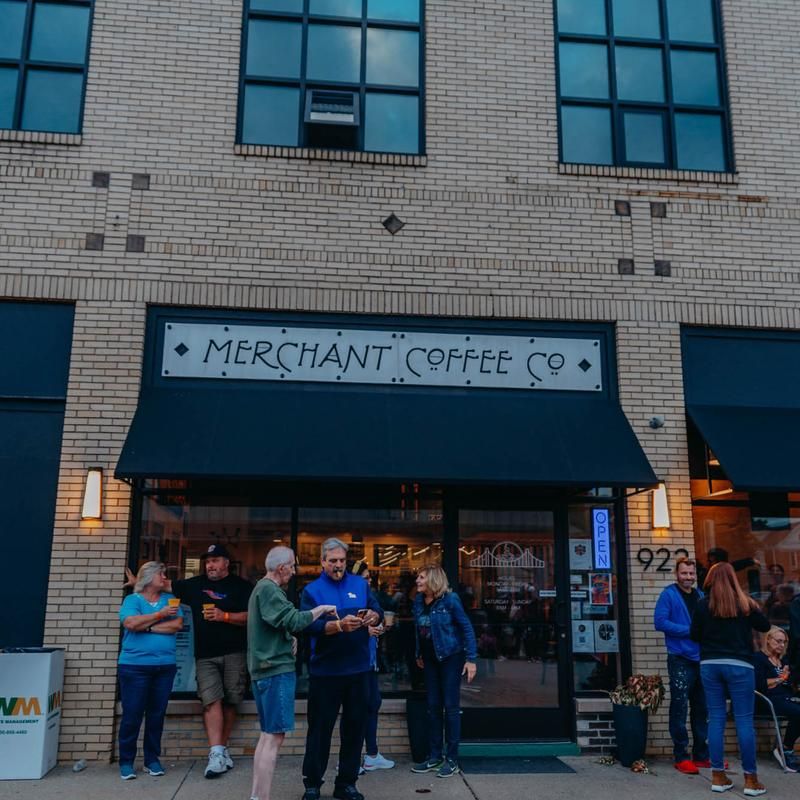
Red brick storefronts, old signs, and the steady hum of a lived in downtown give this stretch its appeal right away. Merchant Street Historic District is the heart of Ambridge, and walking it is one of the simplest ways to understand both the borough’s past and its present momentum.
You get architecture, local businesses, and a street life that still feels grounded in everyday community use.
What I like most is that the district does not feel staged for visitors. Instead, you move past restaurants, shops, service businesses, and historic facades that hint at Ambridge’s industrial era while showing how the corridor continues to adapt.
It is easy to imagine generations of residents using the same blocks for errands, conversations, celebrations, and routine meals.
The area also works well as a practical anchor for a day trip. You can park once, stroll at an easy pace, stop in for coffee or lunch, and let the details reveal themselves without needing a tightly planned itinerary.
For anyone who enjoys places with character, this district delivers the kind of main street experience that still feels real. It is welcoming, walkable, and full of the small observations that often become the best part of visiting.
Rivertown Antiques
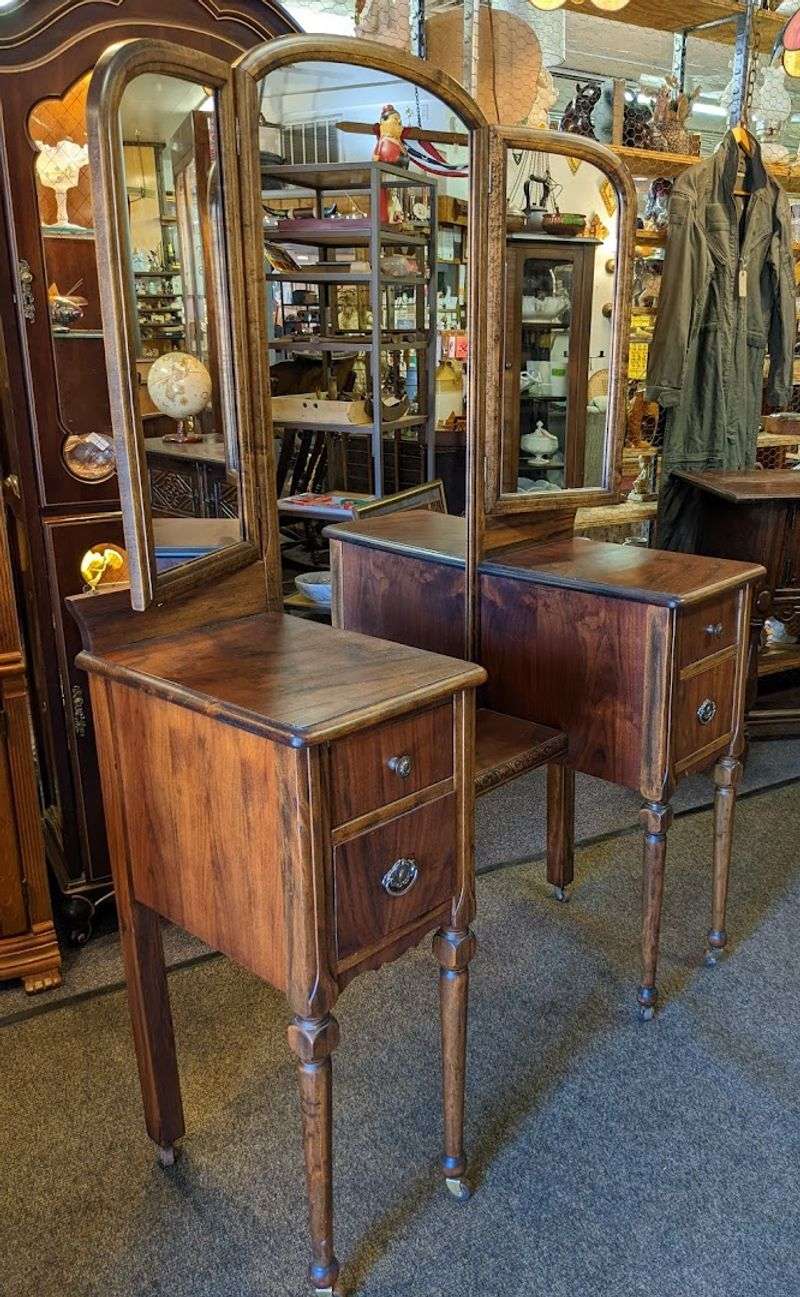
Treasure hunting always feels a little better when the setting has its own story, and this one certainly does. Rivertown Antiques occupies a former bowling alley in Ambridge, which already makes the experience more memorable before you even start browsing the vendor spaces.
Once inside, you will find a broad mix of vintage furniture, collectibles, housewares, glassware, artwork, and architectural salvage.
I like places where browsing can turn into a full hour without noticing the time, and this is that kind of stop. Different booths bring different personalities, so one aisle might lean heavily into nostalgic decor while another offers practical pieces you could actually bring home.
It works equally well for serious antique shoppers and casual visitors who just enjoy seeing what turns up.
Because the inventory changes, each visit has some unpredictability, which makes the search part of the fun. The building’s unusual reuse also fits Ambridge nicely, echoing the borough’s habit of layering new purpose over historic structure.
If you appreciate objects with history, this is one of the most rewarding stops in town. Even if you leave empty handed, you still come away with stories, ideas, and that satisfying sense of having uncovered something a little unexpected.
Ohio River Scenic Views

Open sky, slow moving water, and a little industrial grit give the borough an atmosphere that feels distinctly western Pennsylvania. The Ohio River is not just background scenery in Ambridge – it is part of the town’s identity, history, and visual character.
Spending time near the waterfront helps you understand how transportation, manufacturing, and commerce shaped life here for generations.
What makes the view interesting is the contrast. You get peaceful river scenes and moments of quiet, but you also notice working infrastructure, bridges, and the broader landscape that hints at the region’s labor history.
That mix keeps the setting from feeling overly polished, which is exactly why it stays with you.
If you enjoy photography, this is a strong place to pause. Morning light, changing weather, and reflections on the water can make even a simple stop feel worthwhile, especially when paired with a walk through town.
I would not describe the riverfront as flashy, but that is part of its appeal. It offers room to slow down, look outward, and appreciate the setting that gave Ambridge much of its reason for being in the first place.
Old Economy Village Gardens
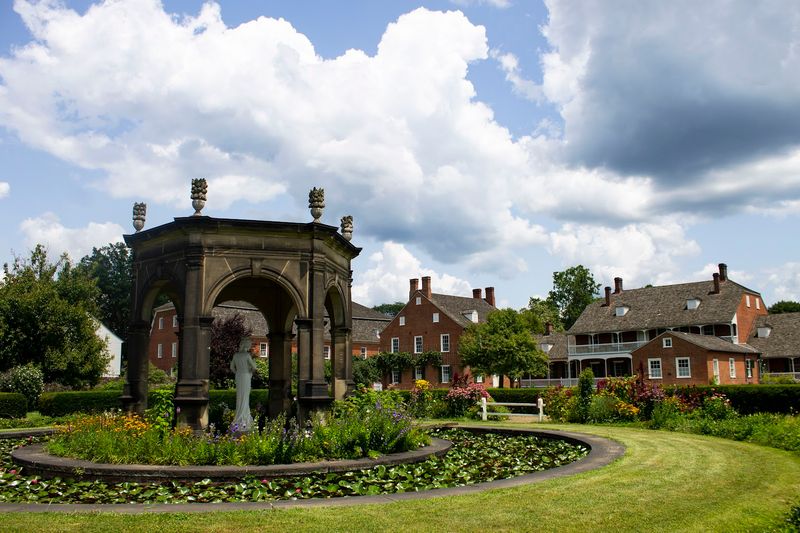
Seasonal color, trimmed paths, and an almost meditative calm make these grounds worth noticing on their own. The gardens at Old Economy Village are more than decoration – they reflect the Harmonists’ practical skill, agricultural knowledge, and attention to order within their communal settlement.
If you are the kind of traveler who likes history softened by flowers and shade, this area adds an especially appealing layer to the visit.
I find the gardens useful for slowing the pace after touring interiors and exhibits. They invite you to linger, look closely, and imagine how beauty and productivity were often connected in nineteenth century community planning.
Depending on the season, you may catch blooming beds, mature trees, and carefully maintained spaces that make the landmark feel more lived in than distant.
There is also something refreshing about seeing historic preservation expressed through landscape rather than only through walls and artifacts. The result feels approachable, even if you arrived mainly for architecture or local history.
If your ideal day includes at least one peaceful place to breathe, this is it. The gardens bring balance to the larger Old Economy Village experience and remind you that quiet beauty can be just as memorable as major exhibits.
Laughlin Memorial Public Library
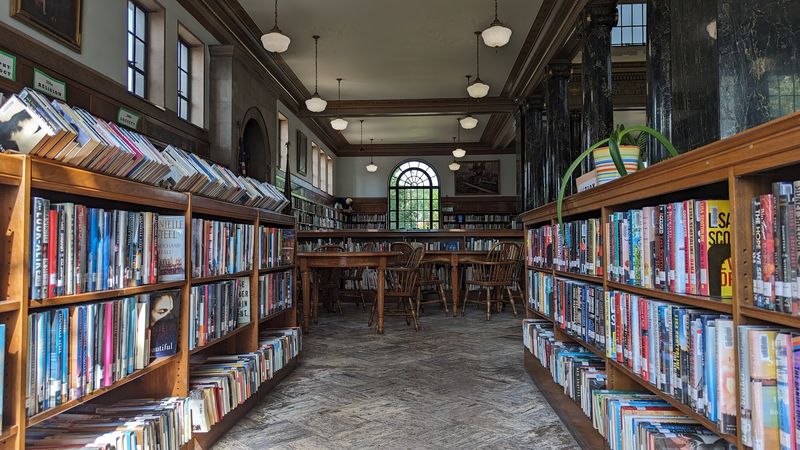
Grand civic buildings have a way of making a town feel rooted, and this one does exactly that. Laughlin Memorial Public Library is both a functioning community library and one of Ambridge’s architectural highlights, giving visitors a chance to appreciate local history in a space still used every day.
Even a brief stop can add depth to your understanding of the borough.
I always think libraries say a lot about a place, especially in older towns where public institutions were built with confidence and care. Here, the design carries that sense of permanence, while the interior atmosphere offers the quieter side of Ambridge after the bustle of Merchant Street.
Depending on your interests, you might admire the architecture, browse local history materials, or simply enjoy the calm.
There is also value in seeing how historic preservation and daily community life overlap. This is not a frozen landmark set apart from residents – it remains a useful, lived in part of the borough’s identity.
For travelers who like meaningful small stops, this library rewards attention. It combines beauty, civic purpose, and historical presence in a way that feels genuine, making it more memorable than many bigger attractions in larger nearby cities.
Ambridge Community Parks
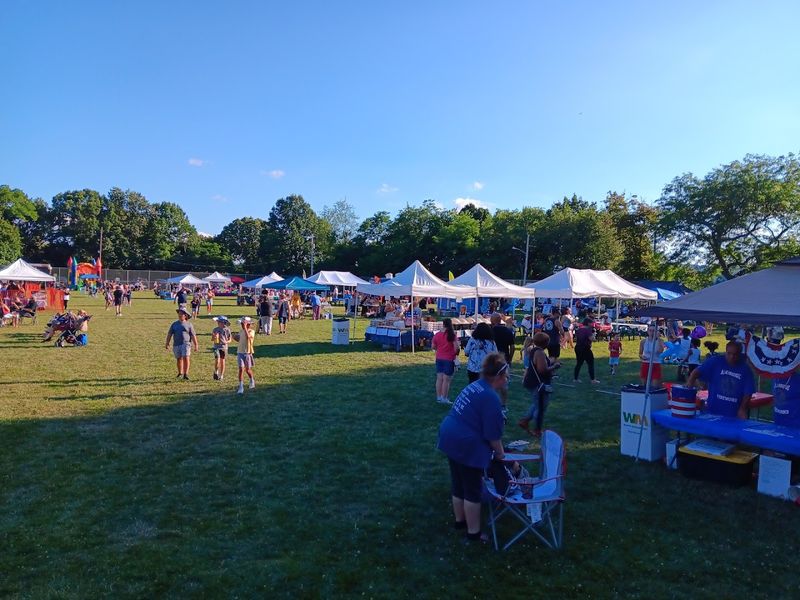
Not every memorable stop on a day trip needs a ticket, a tour, or a long backstory. The community parks around Ambridge offer the kind of open, everyday green space that helps define the borough’s slower pace and makes the town feel livable rather than merely visitable.
They are the places where you can reset between historical sites, shopping, and meals.
What I appreciate most is how these parks support ordinary local life. Families gather, kids play, neighbors talk, and seasonal events or sports activities bring additional energy depending on the time of year.
For visitors, that creates a useful window into the town beyond its landmark attractions.
Even if you only spend a short time in one of these spaces, the effect can be grounding. Trees, benches, and stretches of grass balance out the built environment and help your itinerary feel less rushed, which suits Ambridge particularly well.
If you are traveling with children or simply prefer destinations that leave room to breathe, these parks matter more than they might seem on paper. They support the relaxed rhythm that makes the borough appealing and remind you that easy days are often built from simple places.
Historic Churches of Ambridge
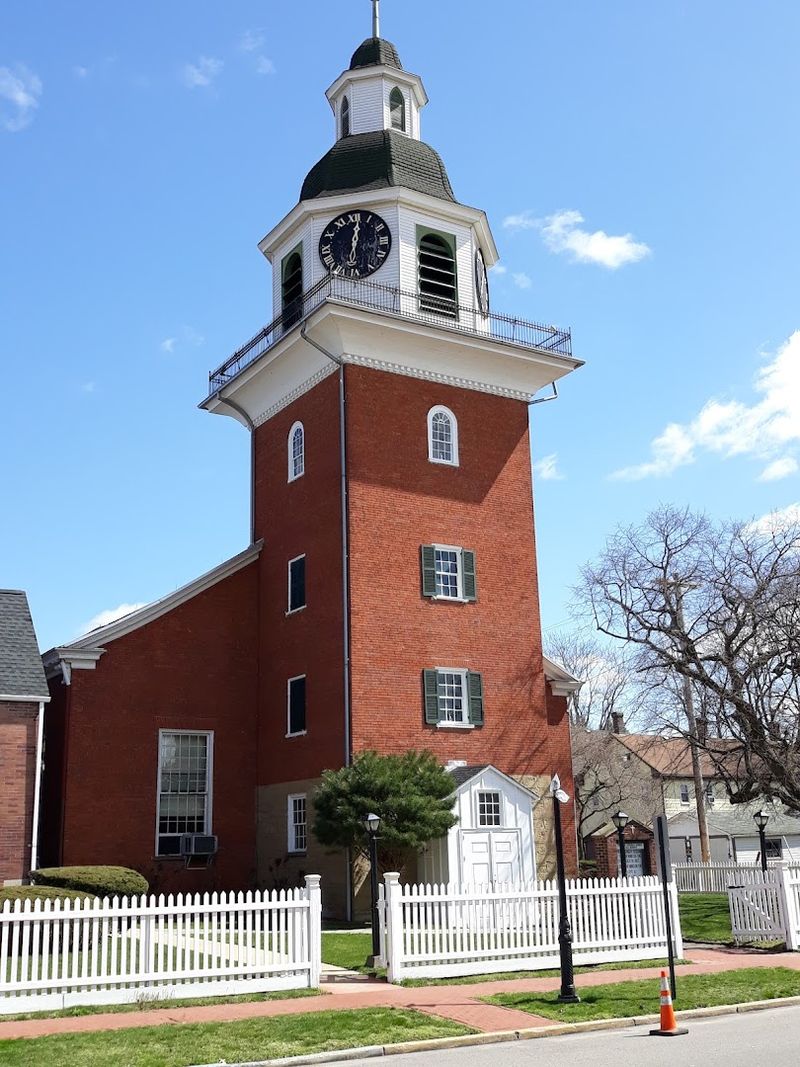
Skyline silhouettes, stone facades, and ornate details reveal one of Ambridge’s richest layers almost before you start looking for it. The borough’s historic churches reflect the immigrant communities that helped build the town, and together they create an architectural record of faith, ethnicity, labor, and neighborhood life.
Exploring them, even from the outside, adds major depth to any visit.
I find these buildings especially meaningful because they show how cultural identity took physical form in a working class river town. Different traditions brought different design influences, from Gothic Revival elements to domes, towers, and details tied to Eastern European and Byzantine heritage.
You do not need to be an architecture expert to notice the individuality each congregation expressed.
There is also a wider emotional pull here. These churches speak to the hopes of families who came to the region for work, built communities around worship, and left a visual legacy that still shapes Ambridge today.
If you enjoy places where architecture tells social history, this is an essential part of the borough. The churches help explain why Ambridge feels culturally layered, and they reward anyone willing to slow down and notice the stories held in brick, stone, and stained glass.
Ambridge Historic Neighborhood Walking Tour
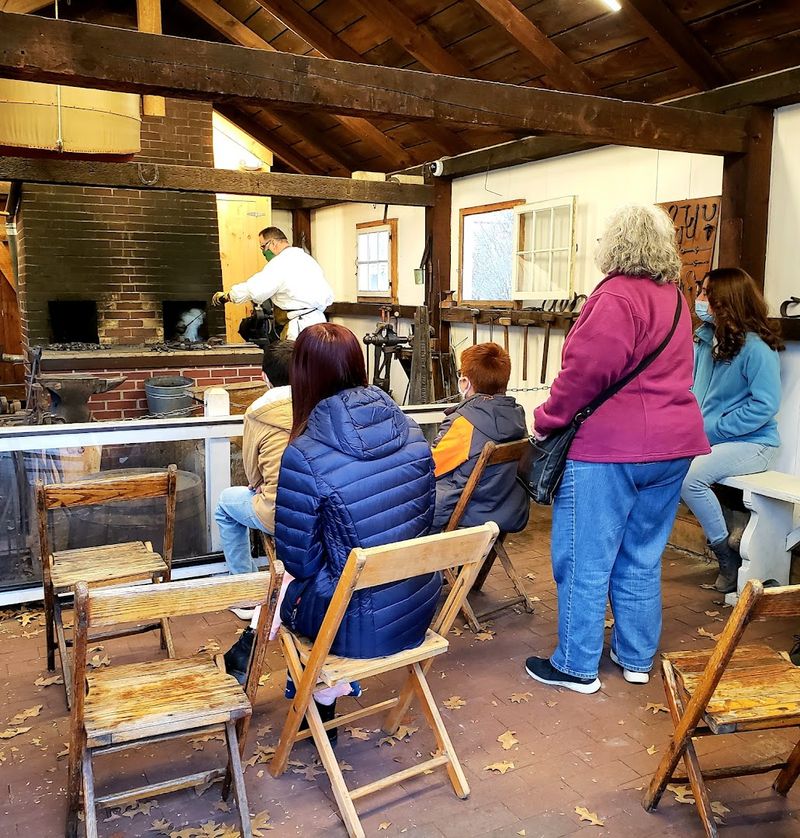
Some towns make the most sense on foot, where details appear one doorway, cornice, and side street at a time. A historic neighborhood walking tour in Ambridge lets you absorb the borough gradually, connecting downtown storefronts, industrial era buildings, and residential blocks shaped by generations of working families.
It is one of the best ways to feel the town rather than just check off attractions.
I like self guided walks because they leave room for curiosity. In Ambridge, that means noticing architectural variety, imagining the rhythms of daily life during the steel era, and seeing how the borough’s immigrant heritage became embedded in streets and structures.
You can move at your own pace, stop for photos, and let small observations build into a fuller impression.
This approach also reveals continuity. Even where buildings have changed use or signs of revitalization are visible, the historical bones of the community still come through clearly, which gives the walk both educational value and emotional texture.
If you want an overview that ties the town together, this is an excellent choice. It costs little, encourages slower travel, and helps you understand how Ambridge’s architecture, industry, and community identity remain connected block by block.
Local Restaurants Along Merchant Street

A good food street does more than feed you – it tells you who has lived in a place and what traditions stayed. Along Merchant Street, Ambridge’s cluster of locally owned restaurants helps define the borough’s appeal, with everyday dining shaped by immigrant influences, neighborhood loyalty, and the welcome absence of chain dominated sameness.
Eating here is part of understanding the town.
What makes the corridor interesting is its mix of comfort and character. You can find casual meals that nod to Eastern European, Italian, and broader regional tastes, often served in spaces where conversation matters as much as the menu.
That kind of dining feels especially satisfying during a day trip because it turns a basic stop into a local experience.
I always recommend leaving room for spontaneity on streets like this. Check what looks busy, ask locals what they like, and be open to the place that does not market itself aggressively but still draws regulars through the door.
If your favorite trips are anchored by memorable meals, Merchant Street is one of Ambridge’s strongest assets. The restaurants contribute warmth, flavor, and a sense of continuity, making the borough feel hospitable in a way that polished tourist districts often cannot match.
Ambridge’s Festival and Community Event Scene
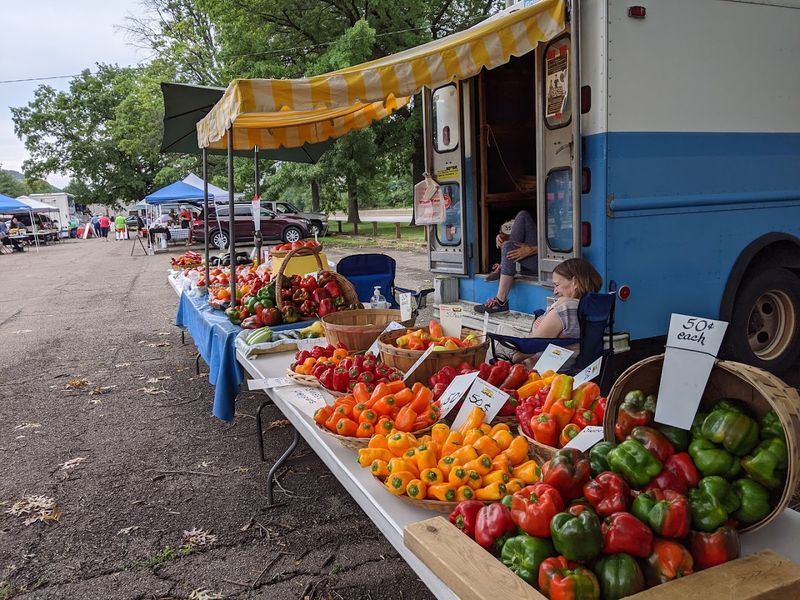
The liveliest version of a small town often appears when streets fill with music, food, and familiar faces. Ambridge’s festival and community event scene brings that energy forward through seasonal gatherings, markets, cultural celebrations, and neighborhood centered activities that highlight the borough’s strong sense of identity.
If your timing is right, an event can make the town feel instantly personal.
What I like about community driven festivals is how naturally they combine local strengths. In Ambridge, that can mean heritage, small businesses, food traditions, family activities, and civic pride all sharing the same space.
Instead of watching from a distance, you are more likely to feel folded into the atmosphere, especially in a borough where people clearly care about place.
These events also reveal the town beyond its architecture and landmarks. You see how residents celebrate, what they preserve, and which traditions still matter enough to bring everyone together throughout the year.
If you can plan a visit around a festival or market, do it. The experience adds movement, flavor, and conversation to everything else on your itinerary, turning a pleasant day trip into something much more vivid and memorable.