Virginia has a special way of bringing the Fourth of July into focus. In early summer, historic streets fill with visitors, riverfront paths welcome evening strolls, and centuries-old landmarks stand beneath the same warm skies that once witnessed the nation’s earliest chapters.
The season feels especially inviting here. Trees are full and green, waterfront breezes soften the afternoon heat, and town squares hum with community celebrations.
Whether you’re exploring a colonial village, walking a battlefield trail, or watching fireworks reflect across a river, the experience feels connected to something larger than the holiday itself.
These are places where history is not tucked away behind exhibits. It surrounds you, adding meaning to the music, the gatherings, and the traditions that return each July.
Here are 11 Virginia destinations where Independence Day celebrations and American history come together beautifully.
Colonial Williamsburg Historic Area
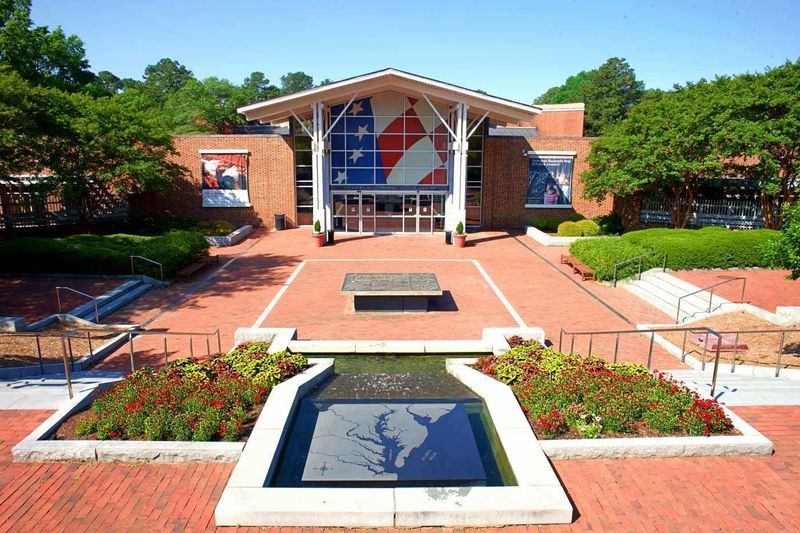
Brick lanes, fife-and-drum music, and tricorn hats make the holiday feel less like a party and more like stepping into its source. In Colonial Williamsburg Historic Area, you can move through one of America’s best known living-history environments while hearing the ideals of independence interpreted in real time.
The setting immediately turns July 4 into something textured, theatrical, and surprisingly moving.
Located in Williamsburg at 101 Visitor Center Dr, this expansive district recreates Virginia’s colonial capital with restored buildings, trade shops, taverns, and government spaces. Costumed interpreters stage conversations about liberty, loyalty, and daily life in the revolutionary era, so you are not just looking at history from behind glass.
Readings of the Declaration of Independence and militia style demonstrations often anchor the patriotic programming.
What makes it stand out on the Fourth is how naturally celebration and education blend together. Daytime strolling can lead into special performances, evening ceremonies, and fireworks that feel more meaningful because the architecture around you already tells the story.
Even a simple walk down Duke of Gloucester Street carries a sense of ceremony.
If you want a destination where the national holiday feels rooted, this is hard to top. I would treat it as both a festive event and a deep historical immersion.
More details are available at colonialwilliamsburg.org.
Yorktown Riverwalk Landing
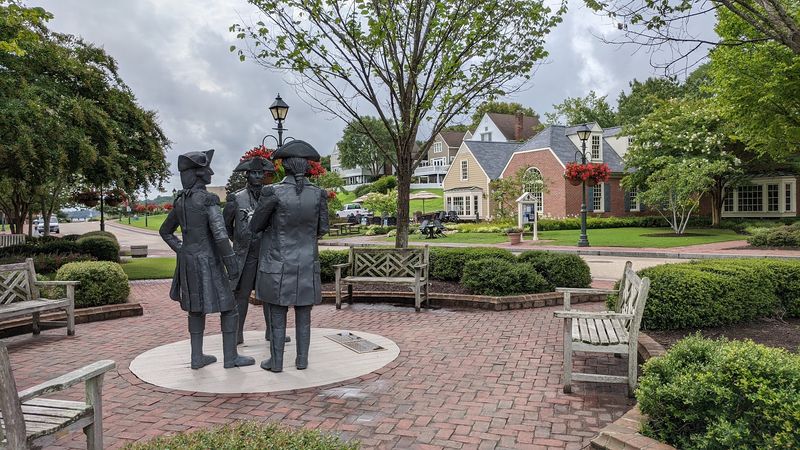
Waterfront breezes and church bells give this holiday stop a small-town warmth that feels instantly welcoming. Along Yorktown Riverwalk Landing, you get a front-row setting where national celebration meets the place where the Revolutionary War effectively reached its end.
That combination makes the Fourth feel personal instead of generic.
Set at 331 Water St in Yorktown, the riverfront district sits near the site of the 1781 British surrender, one of the defining moments of American independence. The walkable area includes beach access, shops, restaurants, and views stretching across the York River.
Historic markers and nearby museum spaces help you connect the scenery to the deeper story.
July 4 here is known for community spirit as much as spectacle. Yorktown often hosts a parade, live music, a bell-ringing ceremony, and fireworks over the river, giving you a full day that moves from reflective to celebratory.
Because everything stays relatively compact, it is easy to wander between events without losing the relaxed pace.
If you like your holiday with both scenery and substance, this place lands beautifully. You can spend the day exploring history, then settle by the water for the evening finale.
Event updates are typically posted at visityorktown.org.
Jamestown Settlement
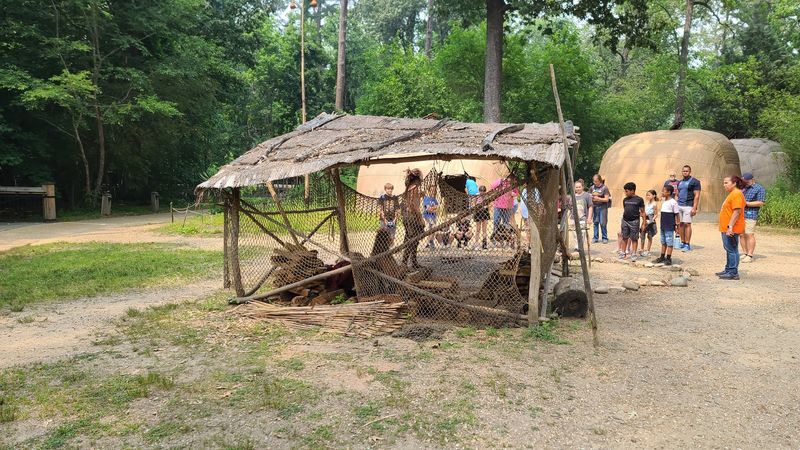
Quiet river views and recreated colonial spaces give this destination a thoughtful tone that balances perfectly with Independence Day travel. At Jamestown Settlement, the story reaches back before the Revolution, helping you see the older roots of English America before the nation defined itself.
That longer timeline gives the Fourth an added layer of perspective.
Located at 2110 Jamestown Rd in Williamsburg, this museum complex interprets the 1607 founding of the first permanent English settlement in North America. Inside, galleries trace the encounters and conflicts among English colonists, the Powhatan peoples, and Africans in early Virginia.
Outside, recreated ships, a fort, and a Powhatan village bring the material into a more immersive setting.
While it is not solely a fireworks destination, it often fits naturally into regional July travel and patriotic programming in the Historic Triangle. You can pair it with Williamsburg or Yorktown events and come away with a fuller understanding of how early Virginia shaped the country that later celebrated independence.
The educational quality here is especially strong for families.
I like this stop because it broadens the meaning of the holiday rather than repeating it. It reminds you that America’s story began long before 1776 and remained complicated afterward.
Planning information is available at jamestownsettlement.org.
American Revolution Museum at Yorktown
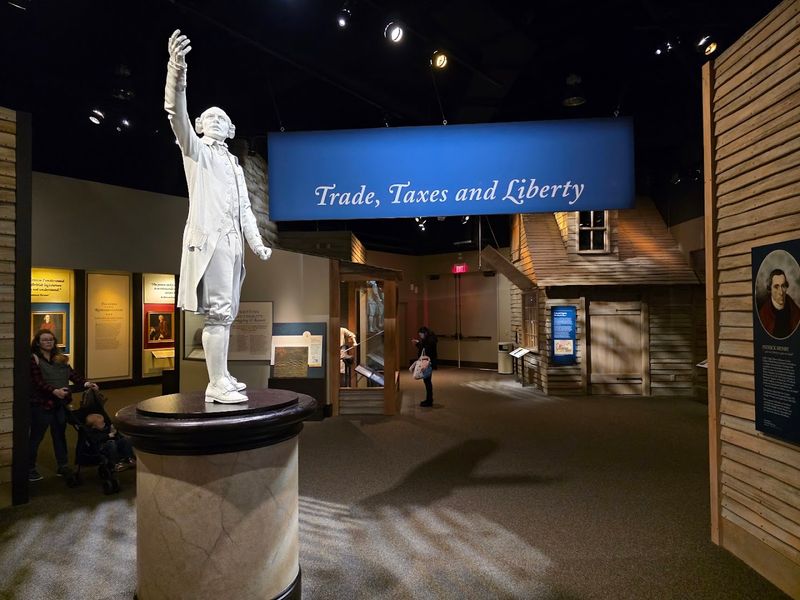
Cannon smoke, camp life demonstrations, and thoughtfully designed galleries create a Fourth of July experience that feels vivid from the first minute. At the American Revolution Museum at Yorktown, the holiday connects directly to the people, choices, and hardships behind independence.
Instead of treating patriotism as a backdrop, the museum gives it context and consequence.
You will find it at 200 Water St in Yorktown, close to the landscapes where the war’s decisive campaign unfolded. The museum combines immersive indoor exhibits with an outdoor Continental Army encampment and Revolution-era farm.
That mix helps you move between artifacts, storytelling, and hands-on interpretation without losing momentum.
Its Liberty Celebration programming is one of the strongest reasons to visit around July 4. Historical interpreters, military music, artillery demonstrations, and special holiday activities turn the museum into more than a static stop.
Because it is rooted specifically in the Revolutionary War, every patriotic element feels tied to real events rather than generalized symbolism.
If you want a destination that teaches while still feeling exciting, this is an excellent pick. I would pair it with time in nearby Yorktown for a fuller day of history and waterfront celebration.
Current schedules are usually listed at jyfmuseums.org.
George Washington’s Mount Vernon
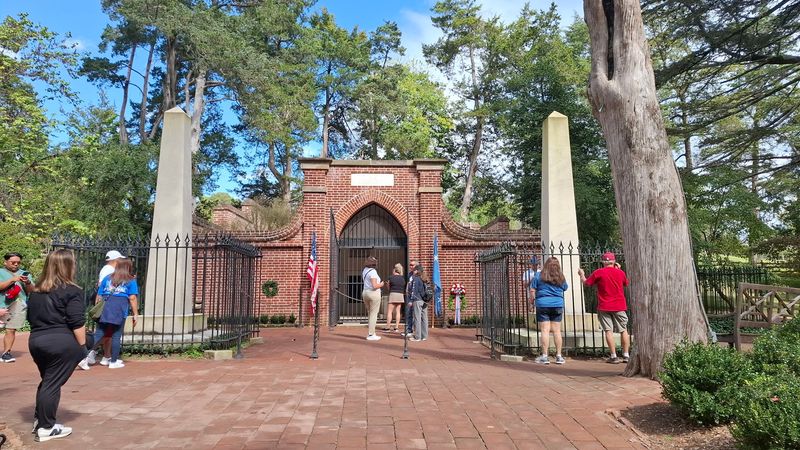
River views, stately gardens, and the home of the first president create a holiday setting that feels instantly iconic. At George Washington’s Mount Vernon, Independence Day blends pageantry with the life story of the man most closely associated with the nation’s founding.
The result is festive, reflective, and visually unforgettable.
Located at 3200 Mount Vernon Memorial Hwy in Mount Vernon, this estate preserves Washington’s mansion, outbuildings, museum exhibits, and gravesite above the Potomac. Touring the grounds helps you understand Washington not just as a symbol, but as a military leader, public servant, and complex Virginia landowner.
The property’s scale gives the visit a sense of grandeur without losing intimacy.
July 4 programming often includes historical demonstrations, family activities, military music, and a fireworks display that draws major attention. Watching the evening celebration beside the Potomac adds drama, but the daytime interpretation is just as rewarding.
Because the estate is so central to national memory, the holiday naturally feels elevated here.
This is the kind of place that can satisfy both first-time visitors and devoted history lovers. You get a signature patriotic event, but you also leave with a sharper sense of Washington’s world.
Admission details and holiday updates are posted at mountvernon.org.
Alexandria Old Town Waterfront
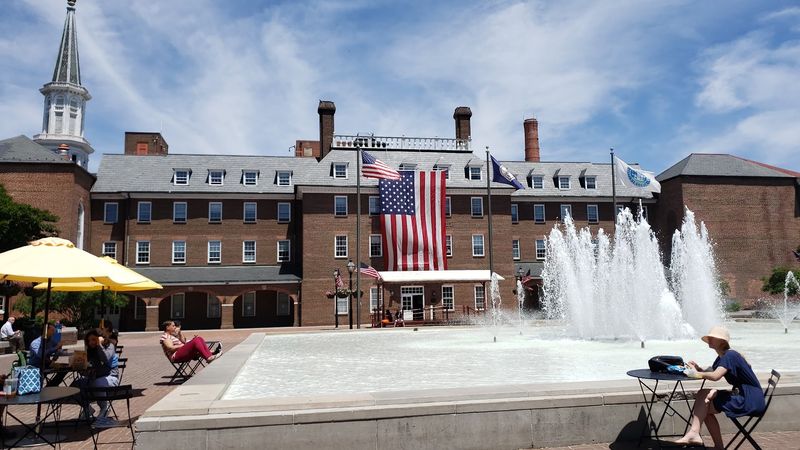
Cobblestones, harbor views, and rows of preserved townhouses give this destination a polished historic charm that works beautifully on the Fourth. Around Alexandria Old Town Waterfront, the holiday feels tied to an eighteenth-century port city that still knows how to host a memorable summer evening.
It is one of the most atmospheric places in Northern Virginia.
Centered near 1 Prince St in Alexandria, Old Town stretches along the Potomac with historic homes, taverns, boutiques, and public spaces that reflect the city’s colonial and early American heritage. George Washington knew this area well, and that association subtly deepens the patriotic mood.
The waterfront makes everything feel more cinematic at sunset.
One big draw is the chance to combine local history with views toward celebrations across the river. Depending on your vantage point and annual conditions, you may catch glimpses of Washington area fireworks while still enjoying Alexandria’s more intimate character.
Daytime walking tours, harbor activity, and dining options make it easy to build a full itinerary.
This stop is ideal if you want elegance with your history. I would come for the preserved architecture, stay for the river atmosphere, and end the day outside with a skyline view.
Visitor information is available at visitalexandriava.com.
Richmond – Capitol Square
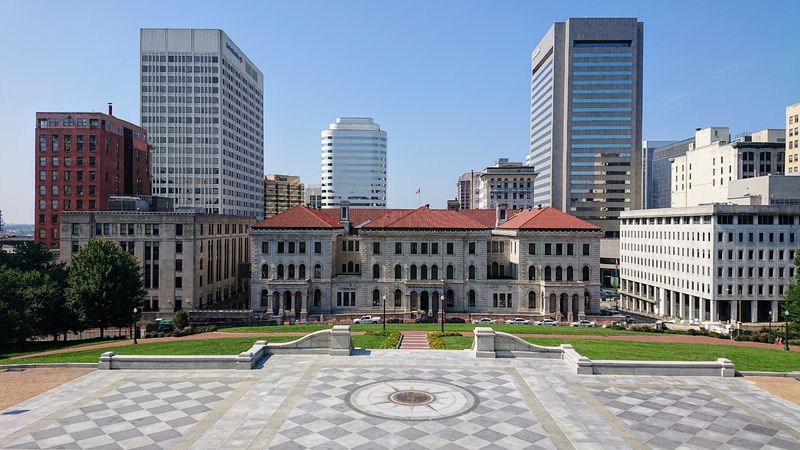
Broad lawns, civic monuments, and a commanding capitol building give this stop the feeling of a public stage set for national reflection. In Richmond’s Capitol Square, Independence Day gains extra resonance because you are standing where Virginia’s political history has unfolded for generations.
It is both ceremonial and deeply tied to the state’s identity.
Located at 1000 Bank St in Richmond, the square surrounds the Virginia State Capitol, a landmark designed by Thomas Jefferson. The surrounding area speaks to multiple eras, from early republican government to the Confederacy and the city’s later reinvention.
That historical range means your visit can move far beyond one holiday narrative.
During the Fourth, Richmond often offers large public celebrations, concerts, and access to fireworks experiences nearby, especially along the riverfront. Capitol Square itself gives you an architectural anchor, while the larger downtown provides dining, museums, and walkable context.
It works well for travelers who like a blend of urban energy and historical substance.
I find this destination especially compelling because it captures Virginia’s political story in one concentrated setting. You can admire Jefferson’s design, think through the city’s complicated past, and still enjoy a festive summer crowd.
Travel planning ideas are available at visitrichmondva.com.
Yorktown Battlefield
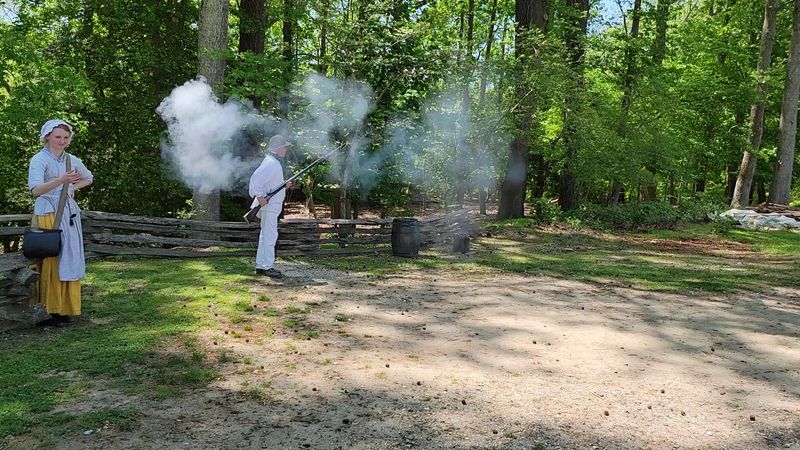
Open fields, quiet roads, and long views over preserved ground create a very different kind of Independence Day experience. At Yorktown Battlefield, celebration gives way to reflection, because this is where the final major battle of the American Revolution reached its decisive conclusion in 1781.
The landscape itself does much of the storytelling.
Part of Colonial National Historical Park, the battlefield area is addressed through 1000 Colonial Pkwy in Yorktown and includes driving routes, walking opportunities, interpretive stops, and access to key siege locations. Rather than a single monument, it offers a broad military landscape that helps you understand strategy, terrain, and alliance.
The role of French support becomes especially clear here.
Visiting around the Fourth can be powerful even without flashy entertainment. You may find ranger interpretation and related programming, but the deeper appeal is simply being present in a place so tied to the achievement of independence.
It pairs especially well with the more celebratory waterfront events nearby.
If you are someone who likes national holidays to include at least a little contemplation, this battlefield delivers. I would give yourself time to slow down, read the markers, and let the setting speak.
Park details are available at nps.gov/york.
Charlottesville Downtown Mall
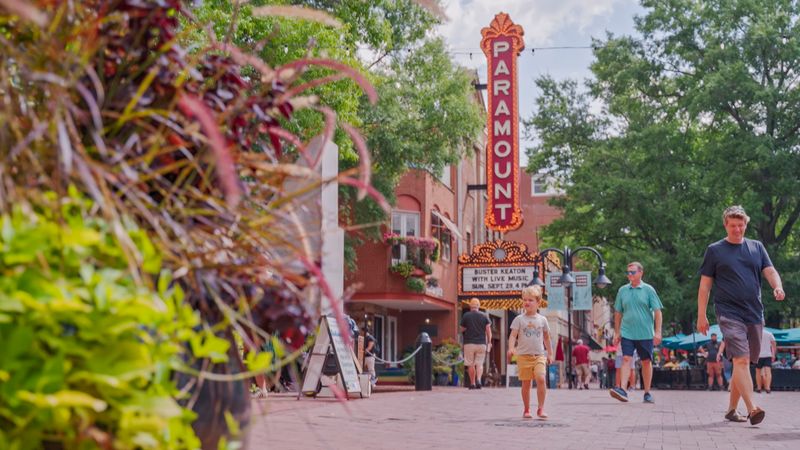
Lively patios, red-brick paving, and mountain air give this destination a fresh, contemporary take on a history-focused Virginia getaway. Around Charlottesville Downtown Mall, the Fourth feels less like a reenactment and more like a summer celebration set within a city shaped by early American ideas.
The nearby presence of Thomas Jefferson is impossible to ignore.
Found near 108 1st St S in Charlottesville, the pedestrian mall is lined with historic buildings, restaurants, performance venues, and shops that make it easy to linger. While the mall itself is more urban cultural district than formal museum site, it sits close to Monticello and the University of Virginia, both central to understanding Jefferson’s influence.
That gives the area substantial historical gravity.
On or around Independence Day, live music, outdoor dining, and community events often make the district feel animated without becoming chaotic. You can spend part of the day on the mall, then connect your visit to nearby presidential history for a fuller interpretation of the holiday.
The Blue Ridge backdrop adds a scenic bonus.
This is a strong choice if you want flexibility and atmosphere over strict ceremony. I would recommend it for travelers who enjoy mixing historic context with food, arts, and walkable city energy.
Visitor ideas can be found at visitcharlottesville.org.
Appomattox Court House National Historical Park
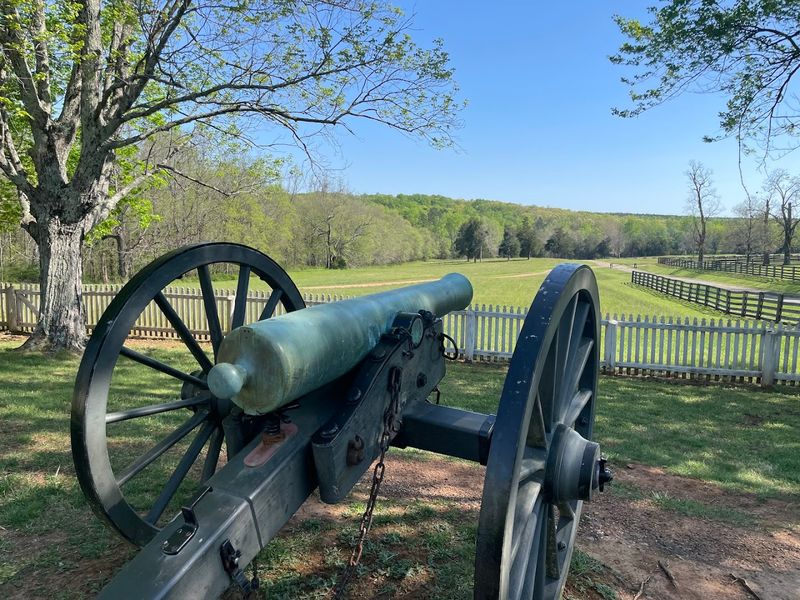
Silence, old porches, and a preserved village plan make this stop feel more reflective than festive, yet that is exactly its power. At Appomattox Court House National Historical Park, Independence Day can take on a wider meaning by connecting freedom not only to the Revolution, but also to the long struggle to preserve the nation.
The emotional tone here is unmistakably different.
Located at 111 National Park Dr in Appomattox, the park preserves the site where General Robert E. Lee surrendered to Ulysses S.
Grant in April 1865. Restored buildings, interpretive exhibits, and the village setting help you understand how the Civil War ended in a real community rather than on an abstract battlefield alone.
That grounded feeling matters.
This is not the place for a giant fireworks spectacle, and that is part of its appeal. Visiting during a national holiday invites a more thoughtful conversation about unity, citizenship, and what independence has meant across different American eras.
It can be a meaningful counterbalance to more celebratory stops elsewhere on your trip.
I would choose Appomattox when you want space to think as much as space to explore. The site offers one of Virginia’s clearest reminders that national ideals have always required renewal.
Planning resources are available at nps.gov/apco.
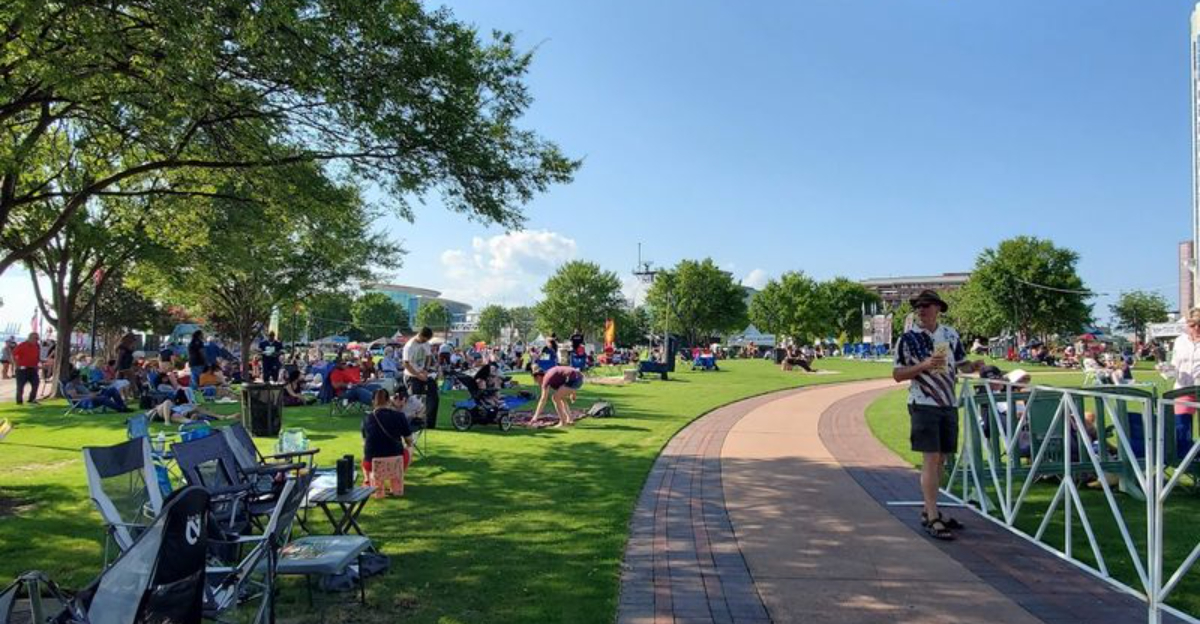
Norfolk Waterfront – Town Point Park
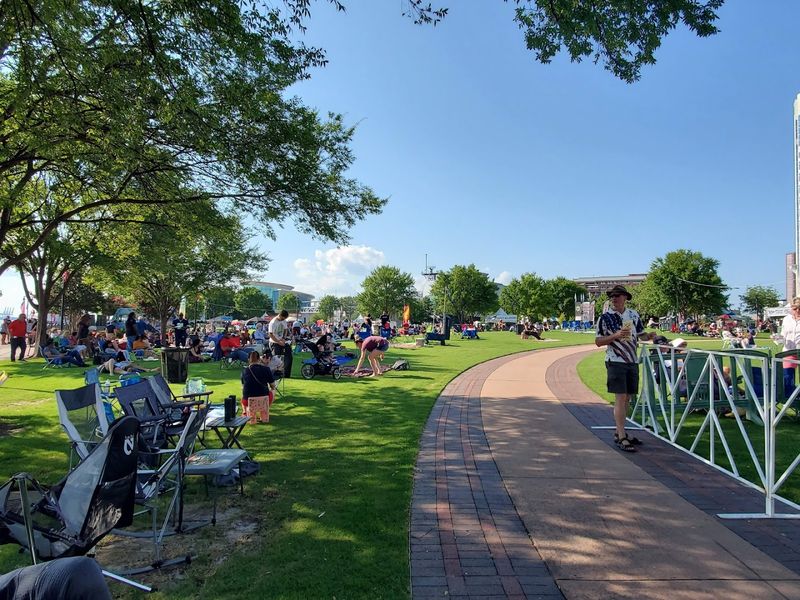
Harbor breezes, ship silhouettes, and festival energy make this destination feel proudly maritime from the start. At Norfolk’s waterfront around Town Point Park, Independence Day blends big public celebration with a city identity shaped by naval service and port history.
That setting gives the holiday a distinctly coastal Virginia personality.
You will find the park at 113 Waterside Dr in Norfolk, right along the Elizabeth River in the heart of downtown. The surrounding area includes waterfront walkways, restaurants, museums, and views that often feature working vessels and military presence.
Even when you are simply relaxing by the water, the city’s long relationship with the sea is obvious.
July 4 festivities here often lean large, with concerts, crowds, and fireworks reflecting over the river. Unlike smaller historic villages, Norfolk offers a more urban, high-energy experience, yet the naval backdrop still connects the celebration to service, sacrifice, and national story.
It is a strong option if you want spectacle without losing a sense of place.
I would pick Norfolk when the goal is a classic waterfront holiday with an extra layer of maritime meaning. The evening visuals can be especially memorable, and downtown makes the day easy to build around.
Event information is typically posted through norfolk.gov.