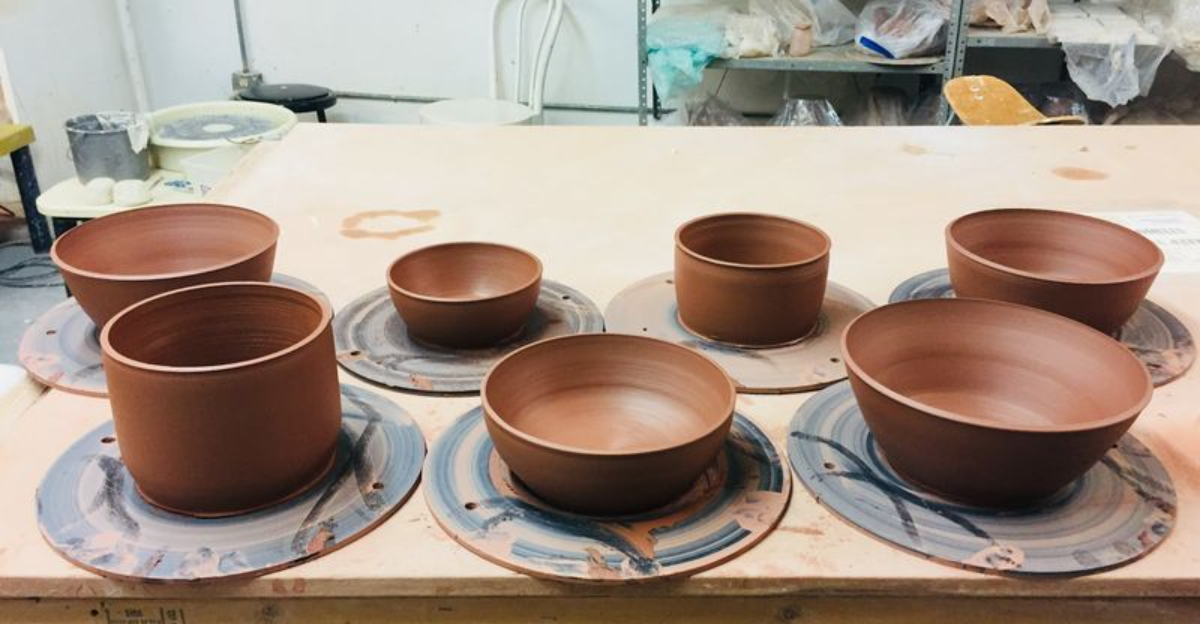
Massachusetts is full of places where a lump of clay can become your new favorite obsession, and honestly, that feels like a pretty good life upgrade.
If you have been craving a hobby that gets you off your phone, into your hands, and maybe a little gloriously messy, beginner-friendly pottery classes deliver exactly that.
From Boston studios with social energy to quieter community art centers in the suburbs, these spots offer welcoming instruction, useful equipment, and the kind of creative momentum that keeps you coming back for one more bowl.
We rounded up standout classes across the state so you can find the right wheel, the right vibe, and the right neighborhood for your first spin – or your next one if you already have a clay streak going.
1. Mudflat Studio
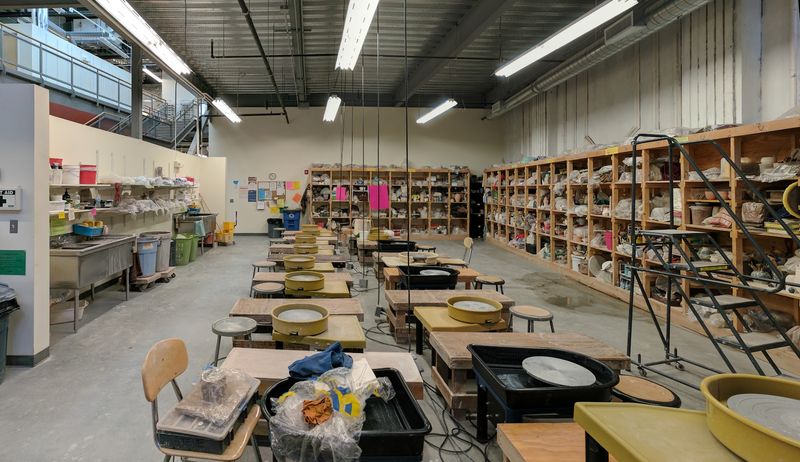
The wheel starts humming, and suddenly Somerville feels even more creative.
Mudflat Studio has long been one of the most respected ceramics spaces in Massachusetts, and its beginner classes reflect that reputation without feeling stuffy.
If you want serious instruction in a welcoming setting, this is the kind of place that can turn curiosity into a regular ritual.
Located in Somerville, Mudflat offers classes in wheel throwing, handbuilding, glazing, and surface design, with options that work for true beginners and returning hobbyists.
I like that students get access to well-equipped studio space, experienced teachers, and a community that clearly loves clay without acting precious about it.
The atmosphere feels focused but friendly, which matters when your first bowl comes out looking more abstract than intended.
Another plus is Mudflat’s strong educational structure.
Lessons build skills step by step, so you are not left guessing how centering works or why your mug handle keeps staging a rebellion.
For anyone near Boston who wants a reputable studio with depth, support, and room to grow, Mudflat is an easy recommendation.
2. Clay Lounge
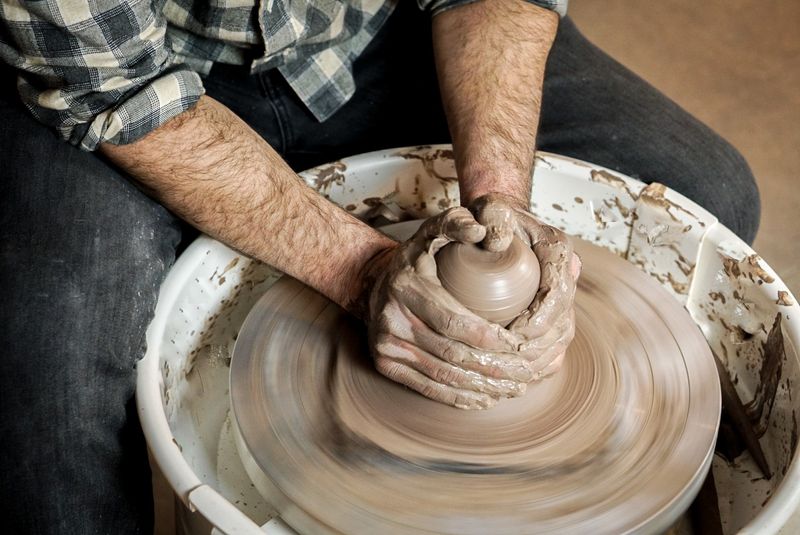
Some pottery studios whisper serenity, but Clay Lounge knows how to throw a party too.
With locations in Boston and Somerville, this studio blends art class energy with a social, approachable vibe that makes beginners feel less intimidated right away.
If you have ever wanted to try clay without signing up for something overly formal, this is a smart place to start.
Clay Lounge is especially known for handbuilding sessions, date-night style classes, and workshops that welcome people who just want to make something fun.
I appreciate how the studio keeps creativity front and center while still teaching useful techniques you can actually build on.
The projects often feel practical and playful, so you might leave with a planter, a cup, or a charmingly lopsided masterpiece that earns a proud shelf spot.
Because it serves both Boston and Somerville crowds, scheduling can be convenient for city dwellers and nearby residents.
The atmosphere leans relaxed, lively, and beginner-friendly, which helps if your biggest fear is walking into a room full of experts.
For hobbyists who want pottery with personality, Clay Lounge keeps things creative, social, and pleasantly low pressure.
3. Clayroom
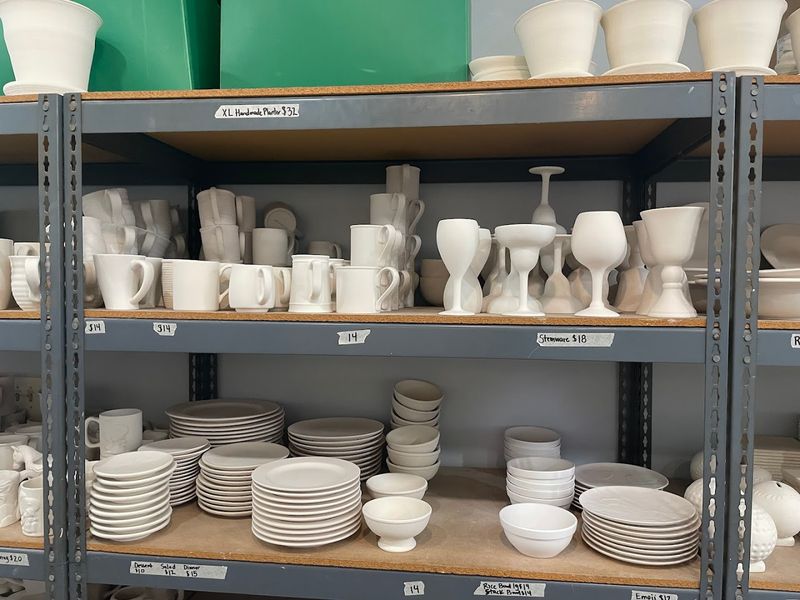
Tucked into Brookline, Clayroom feels like the kind of studio you hope a friend will secretly know about.
Its classes are geared toward helping beginners gain confidence, and that personal, hands-on feeling can make a huge difference when you are learning the basics.
A good first class should calm your nerves while keeping your curiosity alive, and this spot does that well.
Clayroom offers instruction that focuses on foundational techniques, especially wheel work and practical making.
I find smaller, attentive environments especially helpful in ceramics because one quick tip about pressure or posture can save you from ten minutes of clay chaos.
That kind of guidance is often what turns a frustrating first try into a genuine breakthrough.
Brookline is also a convenient location for many Greater Boston learners who want something local without the rush of downtown.
The studio’s appeal lies in its approachable scale, supportive teaching, and emphasis on making pottery feel doable rather than mysterious.
If you are looking for a class where you can ask questions, make mistakes, and leave feeling a little more skilled than when you arrived, Patterson Pottery deserves a close look.
4. Cynthia Curtis Studio
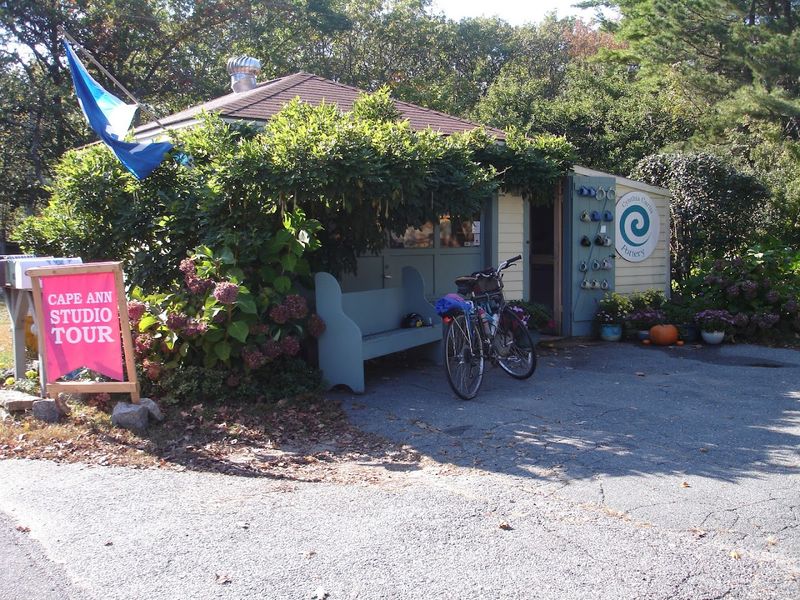
Sea air and clay are a surprisingly perfect combination, and Rockport proves it.
Cynthia Curtis Studio offers a more intimate pottery experience, one that feels shaped by artistry, place, and thoughtful teaching rather than a conveyor belt of classes.
If you learn best in a setting with character, this studio has plenty of it.
Located in the coastal town of Rockport, the studio benefits from an inspiring backdrop that can make even a beginner class feel a bit transportive.
I love spaces where the environment slows you down, because pottery rewards patience far more than speed.
That mood can help newcomers focus on form, touch, and process instead of worrying whether every piece looks perfect.
Classes here are especially appealing for hobbyists who want a creative outing with real instruction and a distinct local feel.
Rockport also makes the trip part of the fun, so your pottery lesson can double as a day by the water with something handmade to show for it.
For beginners seeking charm, attention, and an artful atmosphere away from bigger city studios, Cynthia Curtis Studio is a memorable Massachusetts pick.
5. Hebee Pottery Studios
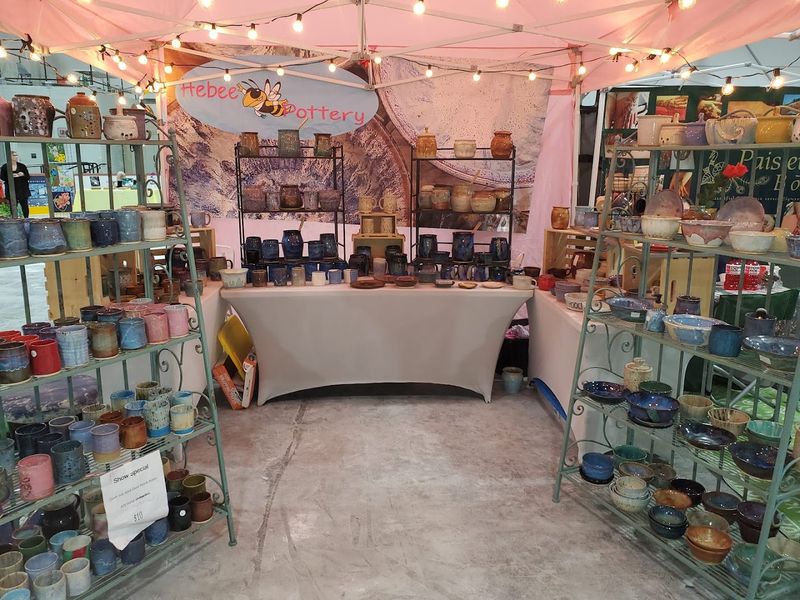
Not every great pottery class hides in a big city, and Palmer makes that clear.
Hebee Pottery Studios offers a welcoming place for beginners and hobbyists who want to explore ceramics in a more relaxed community setting.
Sometimes the best creative progress happens where the atmosphere is easygoing and nobody is pretending your first mug belongs in a museum.
In Palmer, this studio gives students the chance to learn core pottery techniques while enjoying a less hectic pace than larger urban programs often have.
I think that can be a huge advantage for first-timers, because clay already tests your patience without adding traffic, crowds, and unnecessary intimidation.
A supportive environment helps you stay playful while still learning how form, moisture, and timing actually work.
Hebee Pottery Studios is a solid choice for local residents and anyone in central Massachusetts looking for hands-on instruction close to home.
The appeal is straightforward: practical learning, a friendly studio culture, and enough guidance to keep beginners from feeling lost in the mud.
If you want a class that feels accessible, grounded, and genuinely enjoyable, Hebee Pottery Studios is worth putting on your list.
6. Center Ceramics
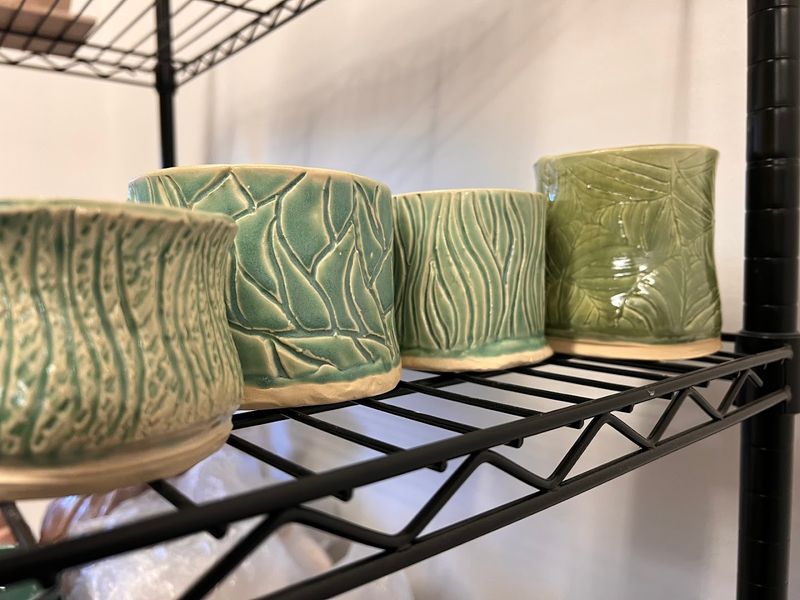
Clay can teach patience fast, and Center Ceramics gives you a good place to practice it.
Based in Chelmsford, this studio is known for approachable instruction and a community-minded atmosphere that helps beginners settle in quickly.
That combination matters when you are trying to center clay and your expectations at the same time.
Center Ceramics offers classes that support skill building without making the process feel overly rigid.
I like studios that recognize beginners need clear demos, useful feedback, and enough repetition to let muscle memory finally catch up with ambition.
When teachers break techniques into manageable steps, pottery becomes far less mysterious and a lot more fun.
Chelmsford makes this a convenient option for people north and west of Boston who want regular access to ceramics classes without a long commute.
The studio’s appeal comes from its balance of structure, friendliness, and practical learning, whether you are interested in wheel throwing, finishing pieces, or simply trying something new.
For hobbyists who want a reliable place to get muddy, improve steadily, and maybe discover a lasting creative habit, Center Ceramics is a strong choice.
7. Artworks Clay Studio
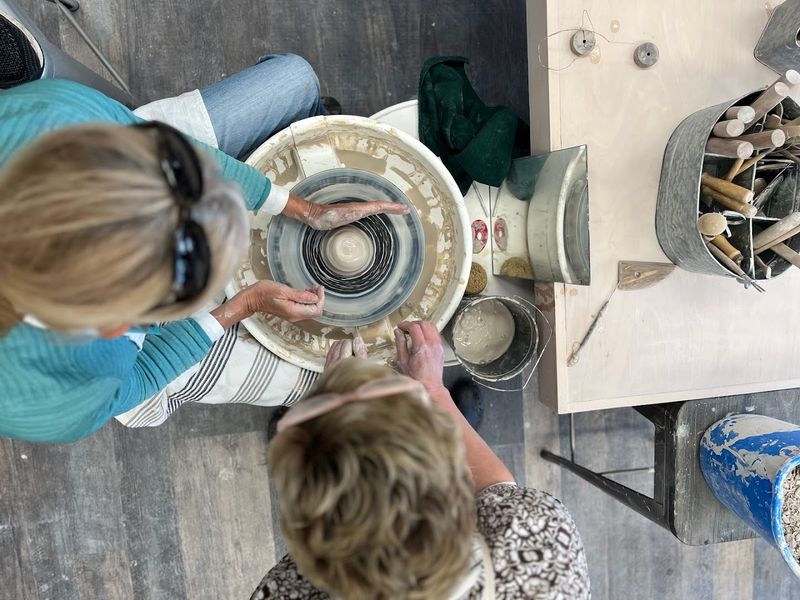
A fresh lump of clay has big main-character energy at Artworks Clay Studio.
Located in Bellingham, this studio offers a welcoming path into pottery for beginners who want to learn by doing rather than just admiring other people’s bowls.
It feels like the kind of place where experimentation is encouraged and imperfect results are treated as part of the fun.
Artworks Clay Studio serves hobbyists looking for hands-on classes in a supportive environment.
I appreciate studios that make room for both technique and personality, because beginners need instruction, but they also need permission to play a little.
That mix helps you develop real skills while keeping the process loose enough to stay enjoyable.
Bellingham gives this studio a useful location for learners in southern Middlesex, Norfolk, and nearby Worcester County areas.
The setting is especially appealing if you want a community-focused class outside Boston, with enough structure to teach the basics and enough warmth to keep you coming back.
For new potters hoping to make cups, bowls, or simply a very memorable first attempt, Artworks Clay Studio offers a grounded, friendly place to begin.
8. Rainbows Pottery Studio
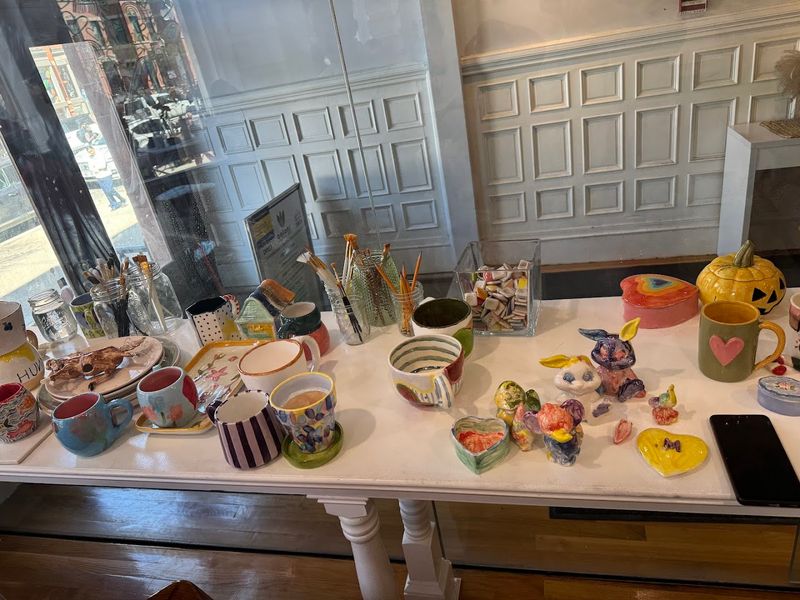
Color changes the mood before the clay even hits the table, and Rainbows Pottery Studio leans into that joy.
In Boston, this studio offers an inviting environment for beginners who want creativity to feel lively, expressive, and accessible.
That can be especially reassuring if you are trying pottery for the first time and do not want the room to feel too serious.
Rainbows Pottery Studio stands out for atmosphere as much as instruction.
I think beginners learn better when a space feels open and cheerful, because tension has a funny way of traveling straight from your shoulders into the clay.
A playful environment can make you more willing to try techniques, ask questions, and laugh when your first creation develops unexpected personality.
As a Boston option, it is convenient for city residents who want a local class with community energy.
The studio is a strong fit for hobbyists interested in a more relaxed, creative entry point into ceramics, whether that means handbuilding, painting, or trying basic forms.
If you want your first pottery class to feel welcoming, colorful, and full of possibility, Rainbows Pottery Studio brings a bright spark to the Massachusetts ceramics scene.
9. Pottery Studio 1
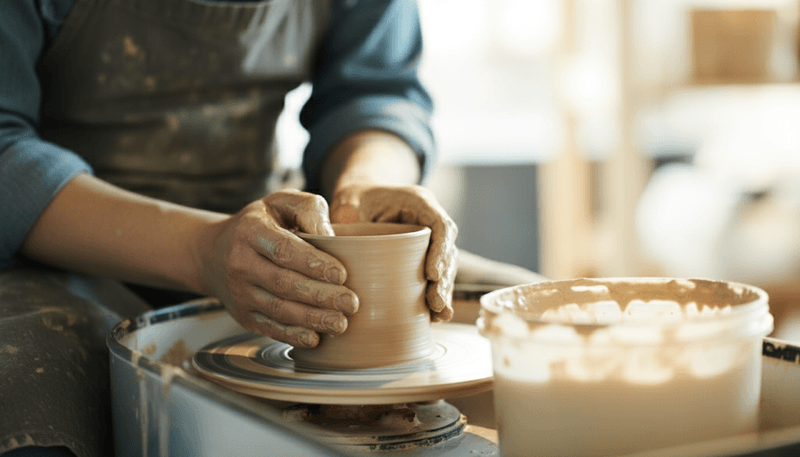
Boston beginners who want a straightforward ceramics option should keep Pottery Studio 1 on the radar.
The name may sound minimalist, but that simplicity can be part of the appeal when you just want solid instruction and studio time without extra fuss.
Sometimes the best first class is the one that makes showing up feel easy.
Pottery Studio 1 offers access to the core pleasures of ceramics: working with your hands, learning process, and watching skill arrive one slightly wobbly piece at a time.
I like studios that strip away intimidation and let beginners focus on rhythm, pressure, and repetition, because pottery is tactile before it is theoretical.
That kind of environment helps new students gain comfort with the wheel or handbuilding methods at a manageable pace.
Its Boston location is useful for people who want a city-based class that fits around work, school, or a weekend creative reset.
The overall draw is convenience, practical learning, and the chance to explore a rewarding hobby close to home.
For anyone ready to trade scrolling for spinning clay, Pottery Studio 1 offers a simple, accessible entry into Boston’s broader pottery scene.
10. New Art Center
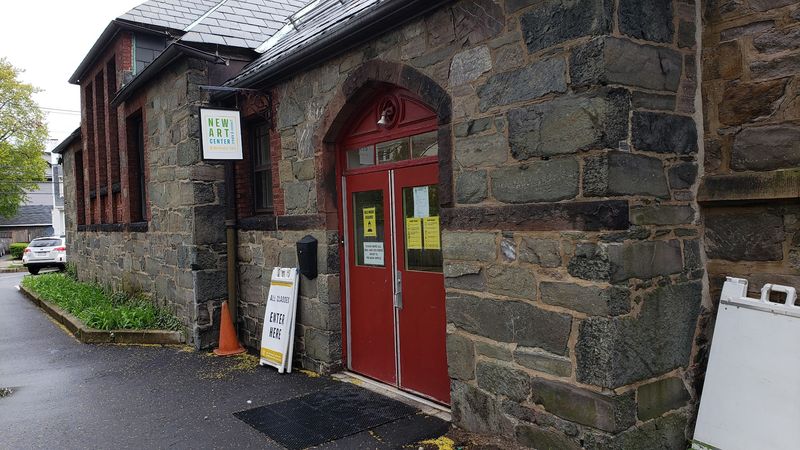
Community art centers often excel at making beginners feel brave, and New Art Center is a great example.
Located in Newton, this well-known nonprofit arts organization offers ceramics classes within a broader culture of creativity, education, and accessibility.
That wider mission gives the pottery program a warm, open-door feeling that many first-timers appreciate.
At New Art Center, students can explore clay in classes designed for different ages and experience levels.
I find that community-based programs often do a nice job balancing strong teaching with an encouraging atmosphere, so you get real instruction without the sense that everyone is silently grading your bowl.
For hobbyists, that can make the difference between trying pottery once and wanting to continue.
Newton is a convenient location for many Greater Boston residents seeking a suburban option with established arts programming.
The center’s reputation, range of offerings, and inclusive spirit make it appealing for beginners who want to learn in a supportive educational setting.
If you like the idea of pottery class as both skill building and creative recharge, New Art Center offers a thoughtful, reliable place to start getting your hands dirty.
11. Feet of Clay
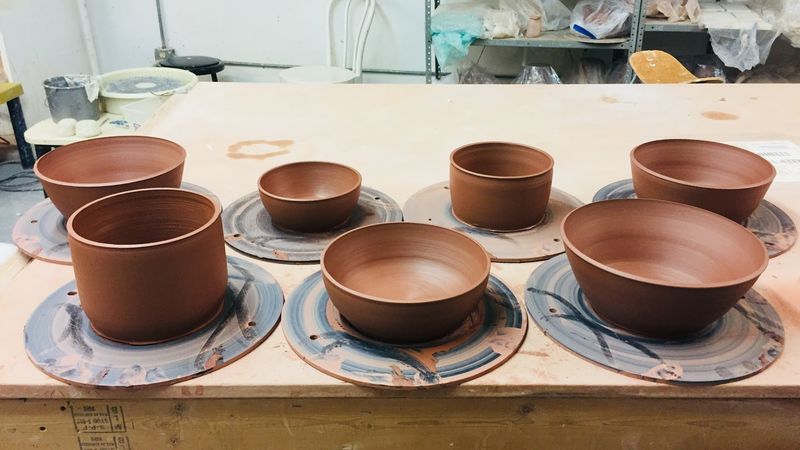
The name alone deserves points, and thankfully Feet of Clay has substance to match the pun.
This Brookline studio is a strong option for beginners who want an approachable place to learn pottery without feeling swallowed by a giant program.
There is something especially encouraging about a studio that sounds like it already understands humans are delightfully imperfect.
Feet of Clay offers the kind of hands-on learning that helps hobbyists build confidence with actual making, not just watching demonstrations.
I think smaller studios can be wonderful for ceramics because teachers often notice the tiny adjustments that unlock progress, like changing hand position or slowing down at the right moment.
Those details matter a lot when clay starts behaving like a stubborn co-star.
Brookline also makes this an appealing choice for people near Boston who want neighborhood convenience with a personal feel.
The studio suits beginners looking for practical guidance, a friendly atmosphere, and a chance to develop skills at a comfortable pace.
If your ideal class includes encouragement, focused instruction, and maybe a few muddy laughs along the way, Feet of Clay brings charm and substance in equal measure.
12. Worcester Center for Crafts
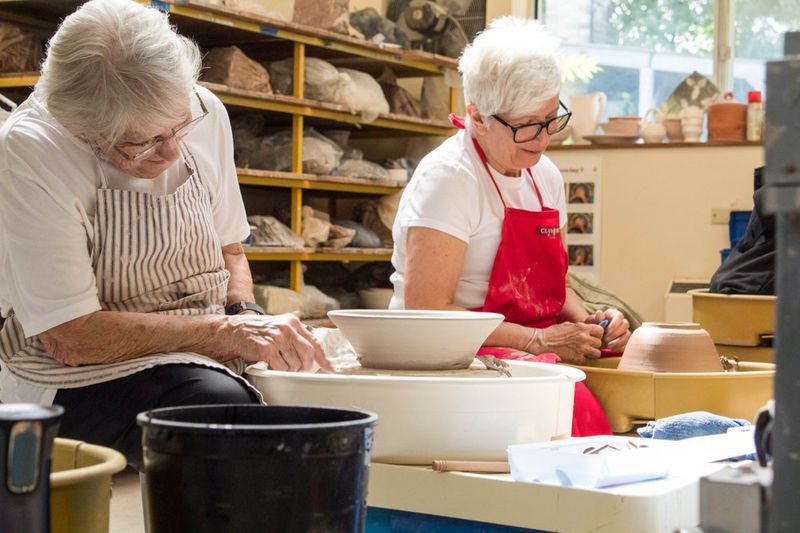
Few places signal serious craft tradition quite like Worcester Center for Crafts.
In Worcester, this longtime institution offers pottery and ceramics education with the kind of depth that can serve both total beginners and people ready to grow beyond the basics.
If you like learning in a place with established credibility, this one checks the box with confidence.
The center is known for broad craft programming, and its ceramics offerings benefit from that larger educational framework.
I appreciate spaces where beginners can start small but still sense there is room to advance, because a hobby often sticks when you can imagine your next step clearly.
That makes the first class feel less like a one-off activity and more like the beginning of a skill.
Worcester is a practical hub for central Massachusetts residents, and the center’s resources can be a real draw for students who want robust instruction.
The atmosphere tends to be purposeful while remaining accessible, which is a smart combination for hobbyists who want guidance without stuffiness.
For anyone seeking a respected place to learn clay techniques, meet fellow makers, and build confidence steadily, Worcester Center for Crafts remains one of the state’s most dependable picks.