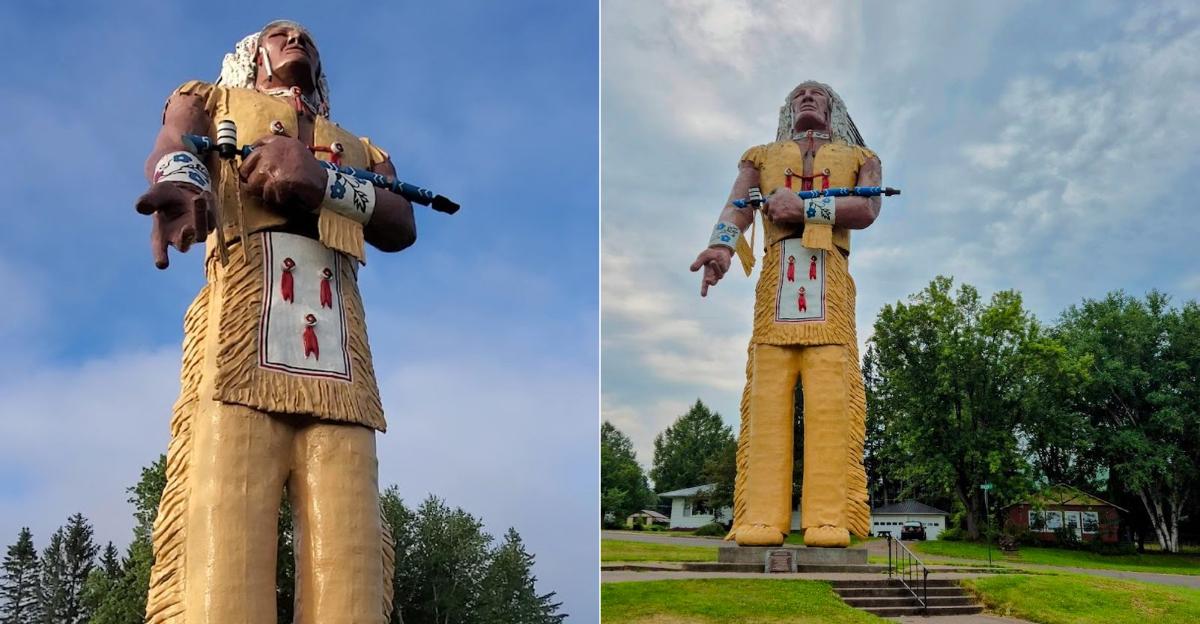
Summer is a wonderful time to explore Michigan’s Upper Peninsula, where scenic drives, towering pines, and welcoming small towns invite you to slow down. Just outside Ironwood, one unforgettable landmark rises above the trees, drawing travelers with its impressive size and lasting presence.
The World’s Largest Native American Statue has become a familiar sight for generations, inspiring road-trip stops, family photos, and conversations about the region’s history and culture.
Whether you’re passing through or planning a weekend adventure, this iconic statue offers more than a memorable photo. Surrounded by the natural beauty of the Upper Peninsula, it captures the spirit of discovery that makes summer travel so rewarding.
Here’s what makes this well-known Michigan landmark worth adding to your itinerary.
Towering Above the Landscape at 52 Feet
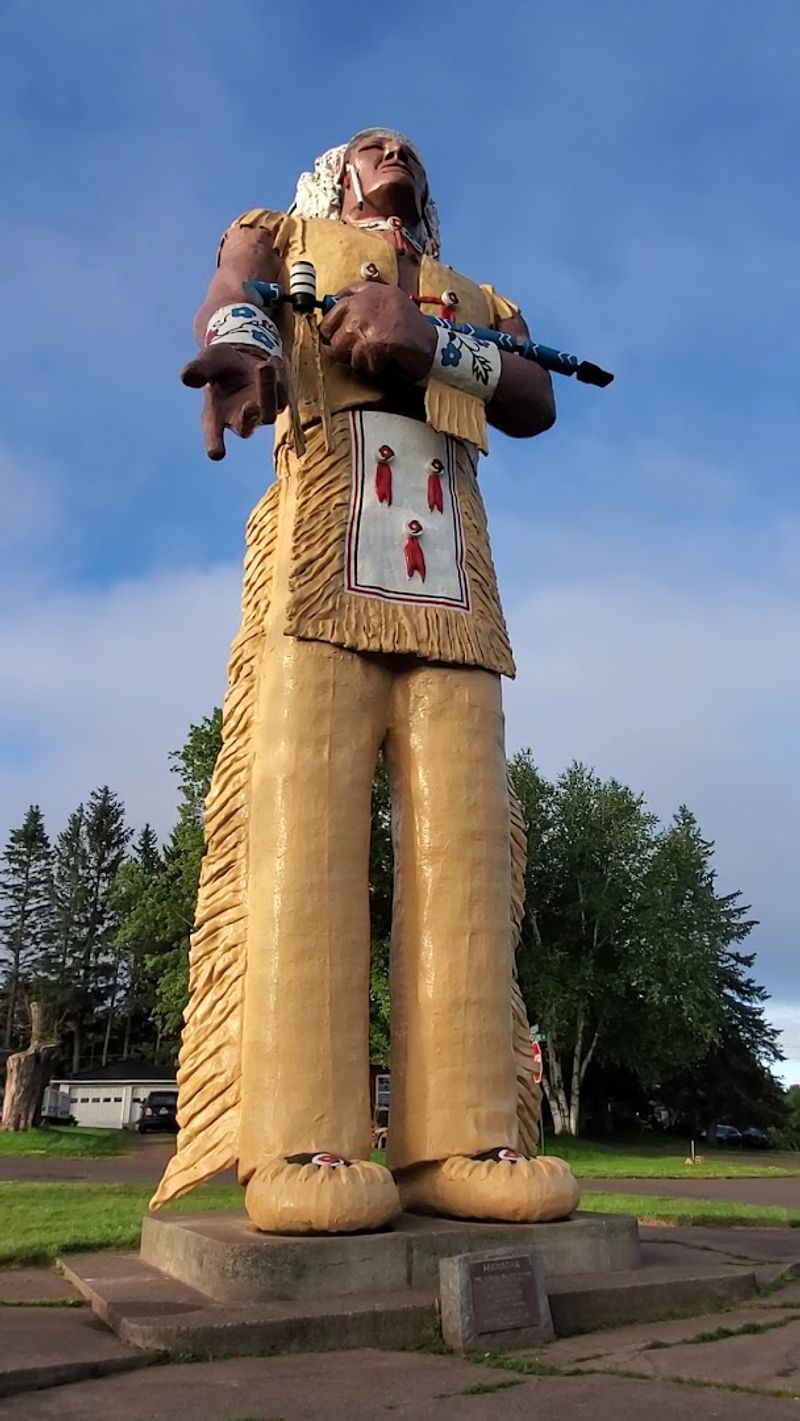
Imagine looking up at a figure so tall that a six-foot person barely reaches its ankles. That’s exactly what greets visitors when they arrive at this incredible monument.
The sheer scale becomes even more obvious when you compare it to nearby houses and trees, making everyone feel tiny by comparison.
Hiawatha stands 52 feet from base to feather tip, earning its reputation as the world’s tallest Native American statue. The figure clutches a peace pipe in one hand and raises the other skyward in greeting.
His face gazes outward with a calm, dignified expression that commands respect.
Standing at the base, visitors often find themselves speechless at first glance. Many people attempt to capture the full height in photographs, though cameras rarely do justice to the real-life experience.
The statue’s massive proportions create an unforgettable first impression that stays with visitors long after they leave.
Kids especially love comparing their own height to different parts of the statue. Parents frequently snap pictures showing just how dramatically their children are dwarfed by this gentle giant.
The size alone makes this attraction worth the stop, offering a perspective that simply can’t be replicated anywhere else in Michigan.
A Time Capsule from the 1960s Roadside Era
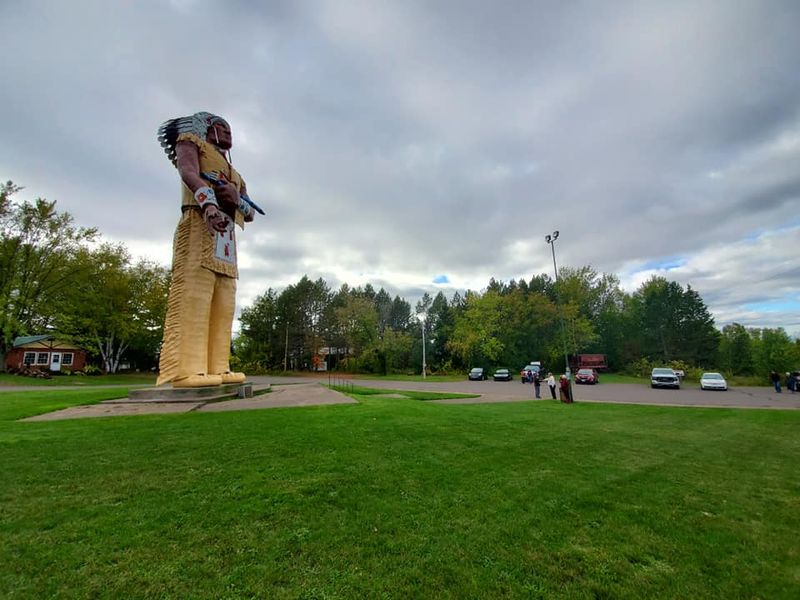
Back when American families hit the open road in station wagons, roadside attractions popped up everywhere to catch travelers’ attention. This statue represents that golden age of automobile tourism perfectly.
Built in 1964, it was designed to draw visitors off Highway 2 and into the community.
The original creators wanted something bold and memorable that would put Ironwood on the map. They succeeded beyond their wildest dreams.
The statue quickly became a must-see destination for families exploring Michigan’s Upper Peninsula during summer vacations.
Unlike many roadside attractions that have disappeared over the decades, this one has endured and thrived. Its survival speaks to the community’s dedication to preserving their unique piece of Americana.
The statue has witnessed countless fashion trends, vehicle designs, and tourist photography styles change around it.
Today’s visitors can still experience that classic road trip magic their parents or grandparents felt decades ago. The statue stands as a bridge between generations, reminding us of simpler times when discovery happened at highway speeds.
For anyone who loves vintage Americana or nostalgic travel experiences, this landmark delivers authentic midcentury charm combined with cultural significance that continues resonating today.
A Perfect Family Destination with Modern Amenities
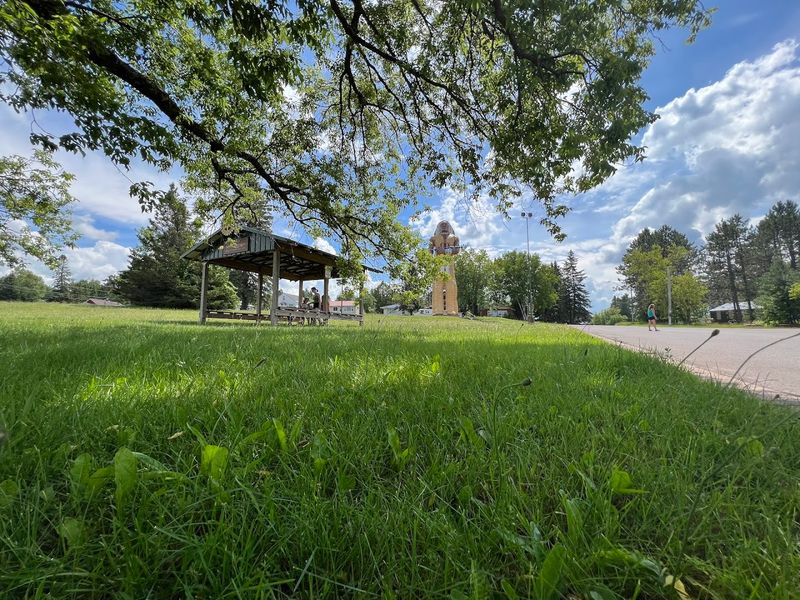
Parents searching for quick, enjoyable stops during long drives will appreciate what surrounds this famous figure. A recently updated playground sits right next to the monument, giving children a chance to burn energy after being strapped in car seats.
The equipment meets modern safety standards while providing plenty of fun climbing and sliding opportunities.
Picnic tables and benches scattered throughout the area invite families to unpack snacks or enjoy lunch in the shade. The park setting transforms what could be a five-minute photo stop into a relaxing half-hour break.
Parents can supervise kids easily since the entire area remains compact and visible.
The combination of cultural education and recreational space makes this spot particularly valuable for families. Children can learn about Native American heritage, then immediately transition to playtime without leaving the property.
This dual-purpose design keeps everyone in the family happy and engaged.
Clean, well-maintained grounds show the community takes pride in this landmark. Free admission and ample parking remove financial barriers that might otherwise limit access.
Whether you’re traveling with toddlers who need frequent breaks or teenagers who appreciate Instagram-worthy photo ops, this destination accommodates all ages with thoughtful planning and genuine small-town hospitality.
Mining Heritage Meets Native American Culture
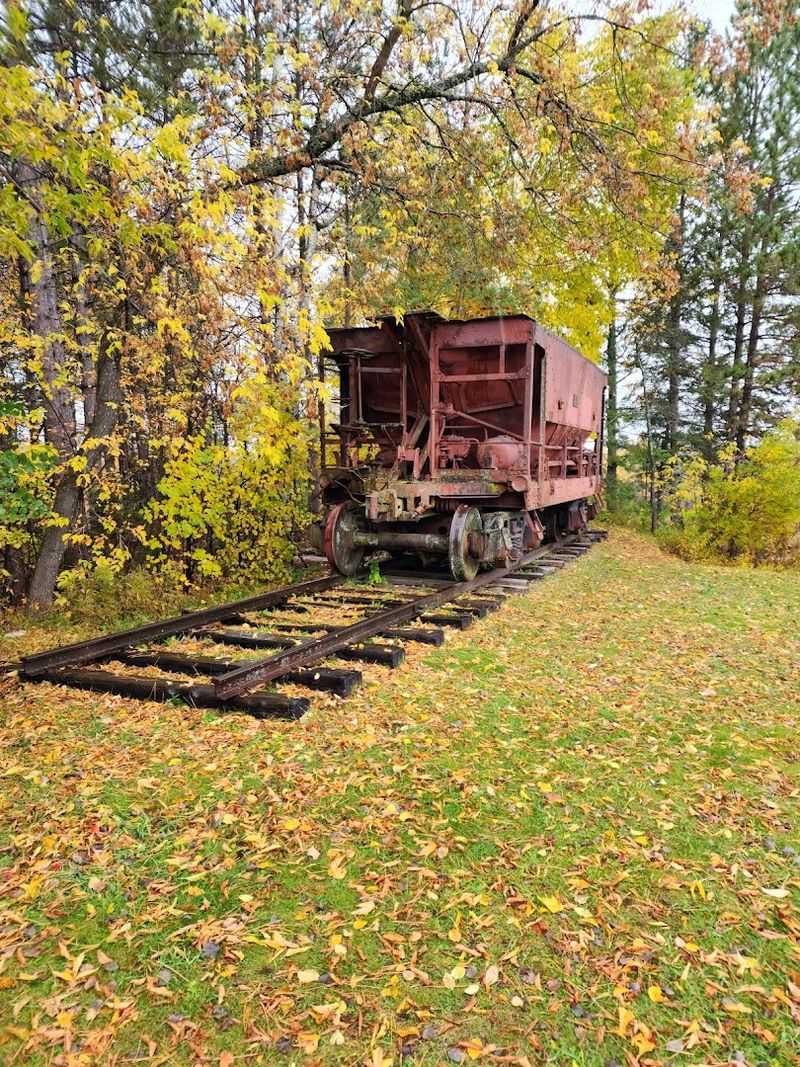
Few people realize they’re actually standing in Miners Park when they visit this statue. The location itself tells an important story about the region’s industrial past.
Ironwood once thrived as an iron mining center, and remnants of that history remain visible throughout the area.
Just steps away from the towering figure, visitors discover informational displays about local mining operations that powered America’s growth. A historic train car sits nearby, offering tangible connection to the railroad systems that transported ore from these northern mines.
The juxtaposition creates fascinating dialogue between indigenous heritage and industrial development.
Educational signs explain how mining shaped the community’s identity and economy throughout the twentieth century. Kids particularly enjoy exploring the train car and imagining what life was like for workers who depended on the mines.
The history becomes real and accessible rather than abstract dates in textbooks.
This layering of cultural and industrial history makes the site richer than a simple statue photo opportunity. Visitors gain understanding of how different communities contributed to Michigan’s story.
The park honors both Native American presence and immigrant miners who built lives here, acknowledging complex histories without oversimplification or erasure of either narrative strand.
Fresh Paint Brings New Life to an Old Friend
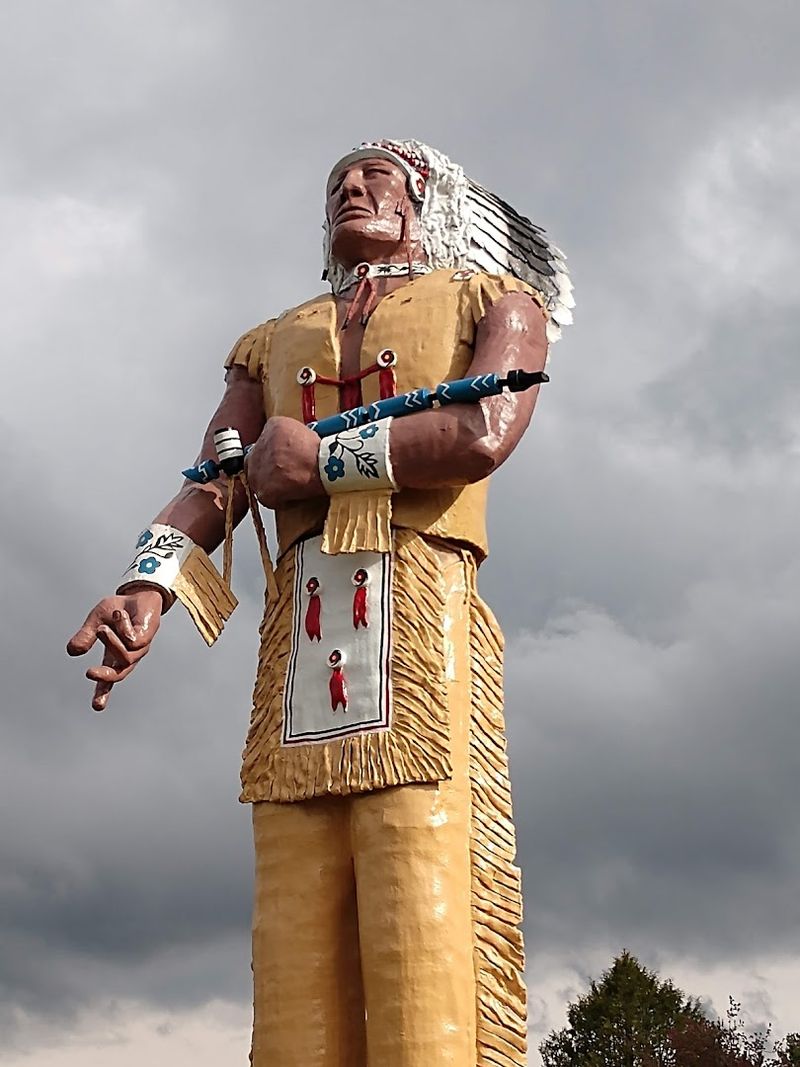
Long-time visitors who return after years away often exclaim about the statue’s improved appearance. Community efforts in recent years have included professional repainting and restoration work.
The bright, fresh colors now pop against Michigan’s blue skies, making the monument more photogenic than ever before.
Weather takes a serious toll on outdoor structures in the Upper Peninsula, where harsh winters and intense summer sun create challenging conditions. Previous visitors noted peeling paint and weathering that showed the statue’s age.
Those concerns have been addressed through careful restoration that respects the original design while ensuring longevity.
The renewed appearance helps attract new generations of visitors who might have skipped a deteriorating landmark. Social media photos now showcase vibrant reds, yellows, and blues that command attention in digital feeds.
This visibility brings more tourists to Ironwood, benefiting local businesses and the broader community.
Preservation work demonstrates how much residents value this cultural icon. Rather than letting it fade away, they invested resources to keep it standing proud for future generations.
The restoration sends a message that Native American representation matters and deserves proper care. Visitors can now enjoy the statue at its best, appreciating both its historical significance and current beauty.
Recognition as a Roadside America Treasure
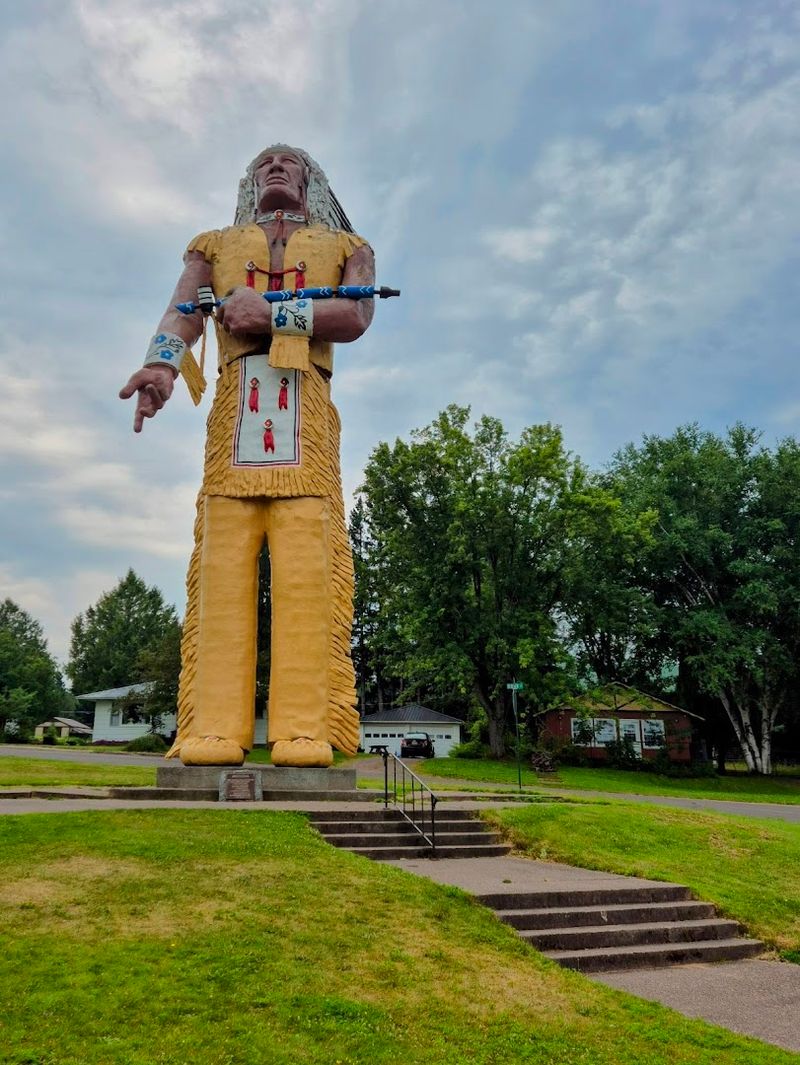
Roadside America, the famous website documenting quirky American attractions, lists this statue among the tallest such monuments in the nation. That recognition puts Ironwood in the same conversation as other beloved roadside landmarks across the country.
For collectors of unusual travel experiences, earning a spot on Roadside America’s pages means serious bragging rights.
This designation attracts a specific type of adventurous traveler who seeks out offbeat destinations. These visitors often plan entire road trips around checking items off their Roadside America bucket lists.
The statue benefits from this dedicated community of enthusiasts who spread word about worthwhile stops.
Being featured on the platform also provides historical documentation and visitor-contributed photographs dating back years. Future researchers studying American tourism trends or folk art will find valuable resources preserved there.
The archive function means this monument’s story gets told beyond local boundaries.
Many travelers discover the statue only after browsing Roadside America’s database while planning Upper Peninsula routes. Without that listing, countless people might drive right past without knowing what they missed.
The platform serves as ambassador, introducing global audiences to small-town treasures they’d never otherwise encounter during their Michigan adventures and creating memories that last lifetimes.
Free Access Makes Culture Available to Everyone
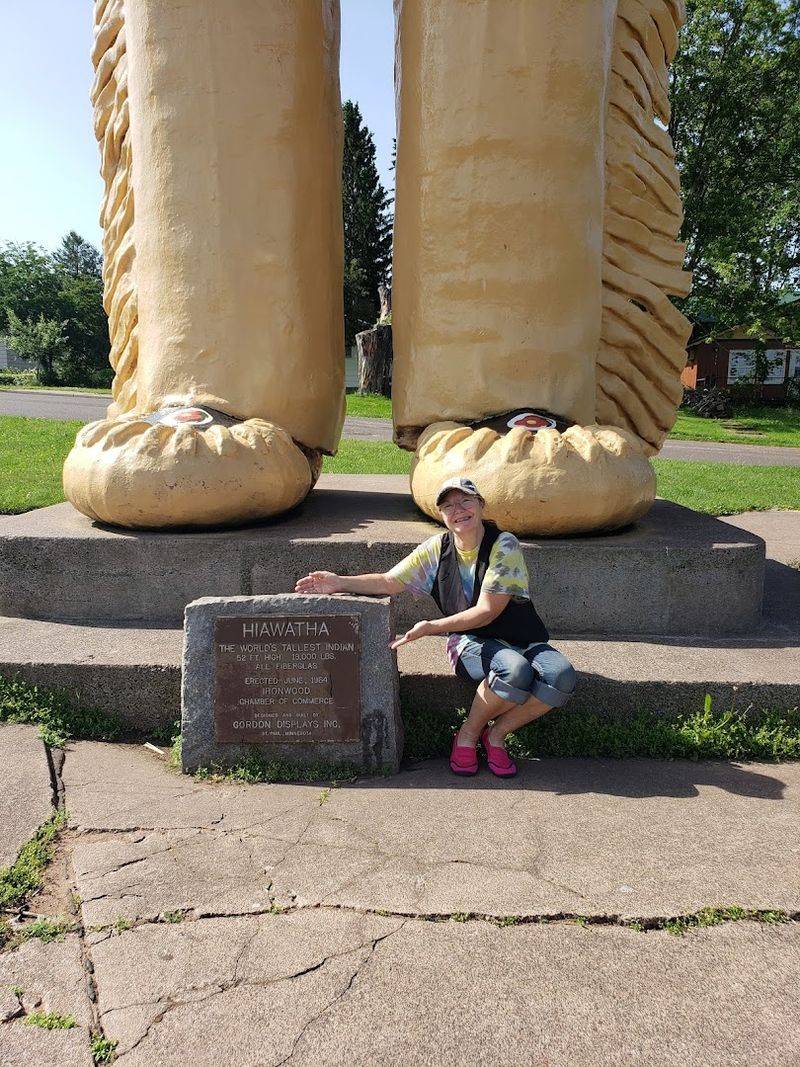
Unlike many tourist attractions that charge admission fees, this landmark remains completely free to visit. That policy removes economic barriers that might prevent families on tight budgets from experiencing cultural education.
Anyone can pull up, park, explore, take pictures, and leave without opening their wallet.
The free access philosophy reflects small-town Midwestern values about community sharing. Ironwood residents could have built fences and ticket booths to generate revenue, but instead chose inclusivity.
This decision means school groups, retirees on fixed incomes, and cash-strapped road trippers all enjoy equal access to the monument.
Ample parking space accommodates multiple vehicles without crowding, even during peak summer travel seasons. The lot sits conveniently close to the statue, minimizing walking distances for visitors with mobility challenges.
Thoughtful design details like these show genuine commitment to welcoming all guests comfortably.
Contrary to some online listings suggesting limited hours, the statue itself remains visible and photographable around the clock. While associated facilities may operate on schedules, the main attraction never truly closes.
This accessibility makes spontaneous stops possible whether you’re passing through at sunrise or sunset, giving travelers flexibility to visit whenever their journey brings them to Ironwood’s doorstep.
Instagram-Worthy Photo Opportunities Abound
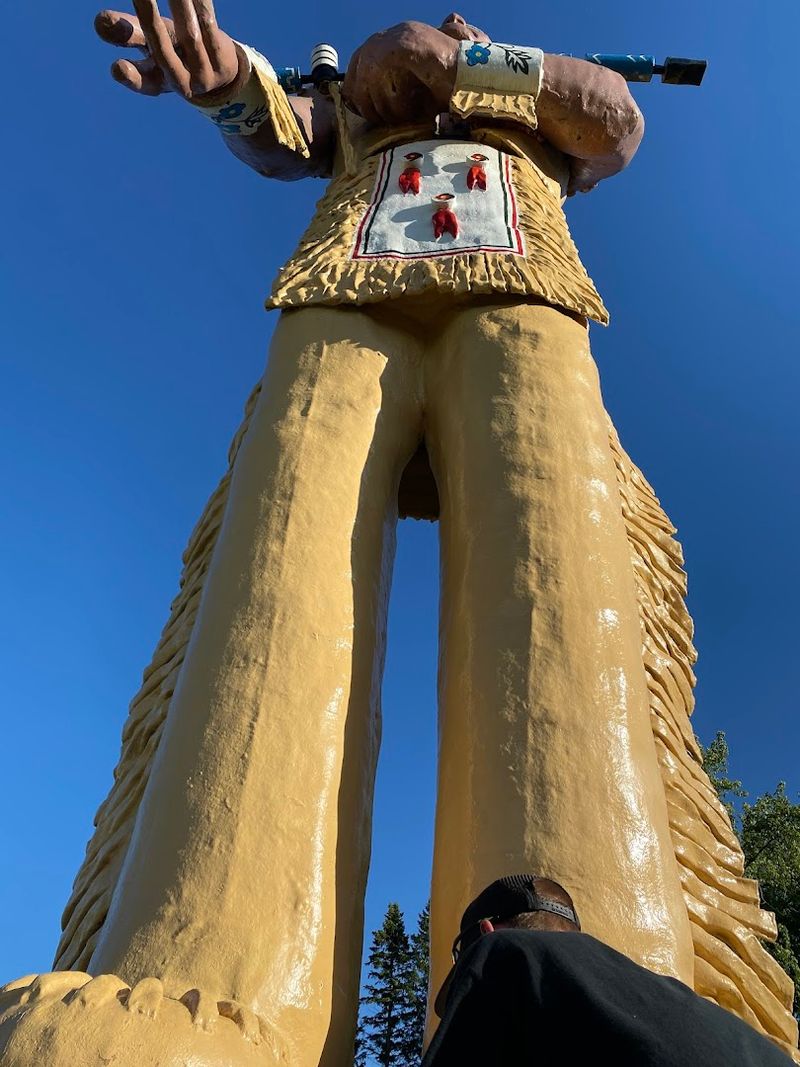
Social media has transformed how people experience travel, and this statue delivers exactly what today’s photographers crave. The dramatic size difference between human visitors and the towering figure creates naturally compelling images.
No special camera skills or editing required—the subject matter does all the heavy lifting.
Countless visitors have discovered that positioning matters when capturing the statue’s full impact. Standing at the base looking up emphasizes height and creates humorous scale comparisons.
Backing up to include surrounding landscape provides context about the small-town setting. Each angle offers different storytelling possibilities.
Many travelers specifically seek out quirky, memorable photo backdrops that showcase personality beyond typical tourist snapshots. This monument checks all those boxes while adding cultural significance and historical context.
Posts featuring the statue regularly generate strong engagement from followers who appreciate authentic Americana content.
The bright colors and clear blue Upper Peninsula skies create picture-perfect conditions most days. Even amateur smartphone photographers leave with frame-worthy images.
Families particularly treasure photos showing multiple generations together against this impressive backdrop, creating keepsakes that mark specific trips and document how children grew taller over years of return visits to their favorite giant friend in Michigan.
Educational Signage Tells Important Stories
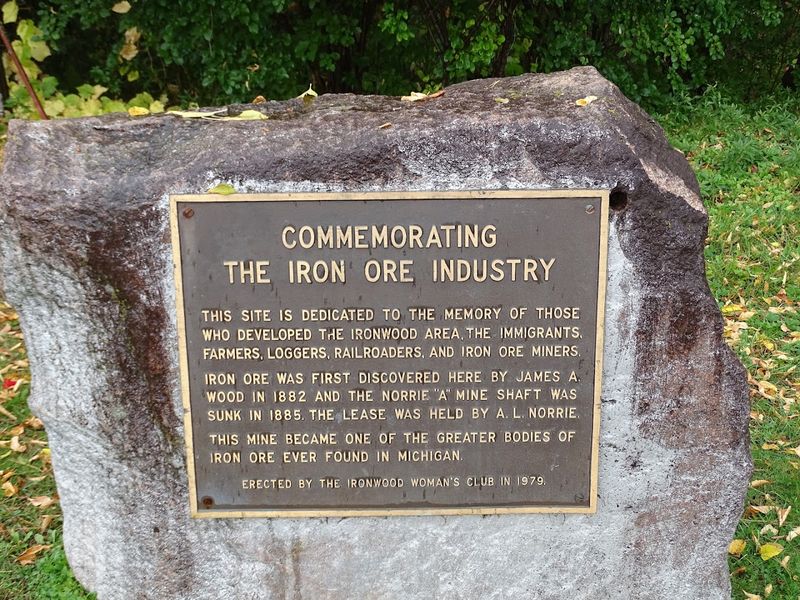
Simply seeing an impressive statue is one experience; understanding its meaning creates deeper connections. Recent additions of informational plaques around the site help visitors learn about Hiawatha’s significance in Native American culture.
These educational elements transform casual stops into meaningful learning opportunities.
The signs explain who Hiawatha was and why his story matters in indigenous history. Younger visitors especially benefit from accessible language that makes cultural education engaging rather than lecture-like.
Parents appreciate having conversation starters that help them discuss Native American heritage with their children thoughtfully.
Additional information covers the statue’s construction, the artist’s vision, and the community’s reasons for creating this monument. Context about 1960s attitudes toward Native American representation adds historical perspective.
Visitors gain appreciation for how cultural understanding has evolved over the decades.
Plans reportedly exist to expand educational offerings with more plaques about local indigenous peoples. Such additions would further enhance the site’s value as a teaching tool.
Until then, existing signage provides solid foundation for understanding what visitors are seeing. Quick stops become enriching experiences when information accompanies visual impact, ensuring travelers leave with knowledge alongside their photographs and memories of Michigan’s Upper Peninsula.
A Year-Round Destination Worth Repeated Visits
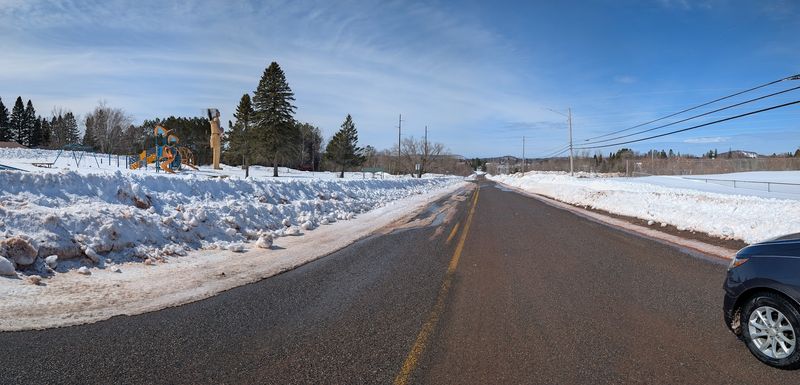
Some attractions only shine during specific seasons, but this monument rewards visitors whenever they arrive. Summer brings warm weather perfect for extended park exploration and picnicking.
Families on traditional vacation schedules find ideal conditions for outdoor activities around the statue.
Fall transforms the surrounding area with spectacular foliage that frames the figure in brilliant oranges and reds. Photographers particularly love autumn visits when Michigan’s deciduous trees provide stunning natural backdrops.
The color contrast between leaves and the statue’s paint creates magazine-quality compositions.
Winter visitors encounter a completely different but equally magical scene when snow blankets the park. The statue emerging from white drifts offers dramatic visual impact that summer travelers never witness.
Hardy souls bundled in winter coats still stop for quick photos despite freezing temperatures.
Spring’s renewal brings fresh energy to the site as grass greens and flowers bloom around the grounds. Many Michigan residents who visited as children return with their own kids, creating multigenerational traditions.
The statue’s permanence provides comforting continuity in a changing world. Regardless of when travelers arrive, they find something special waiting in Ironwood—a welcoming giant who stands guard through all seasons, weather, and decades.