Long summer days have a way of inviting slower travel, and Hickory is the kind of place that rewards taking your time. Nestled near the Blue Ridge foothills, this welcoming North Carolina city blends leafy parks, walkable downtown streets, local cafés, and a growing arts and dining scene into an experience that feels both comfortable and fresh.
As 2026 approaches, more visitors are discovering a community that balances its rich heritage with exciting new energy. Whether you’re enjoying a lakeside afternoon, browsing local shops, or lingering over a meal with mountain views nearby, Hickory offers an easy pace that’s hard to resist.
Here are the reasons this rising North Carolina city is earning a place on more travelers’ radar.
Downtown Renaissance Brings New Life
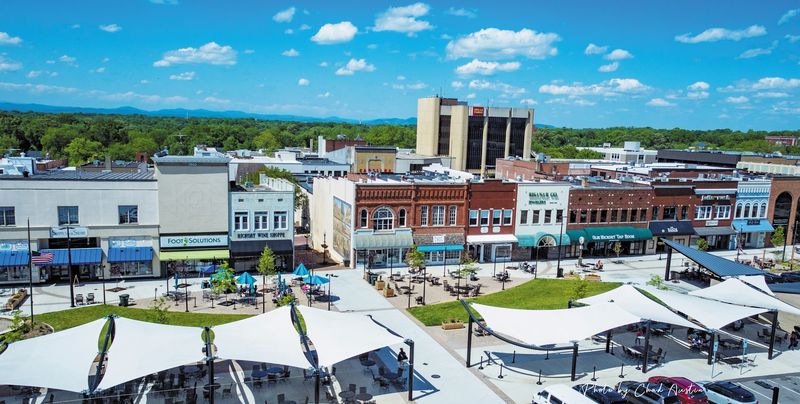
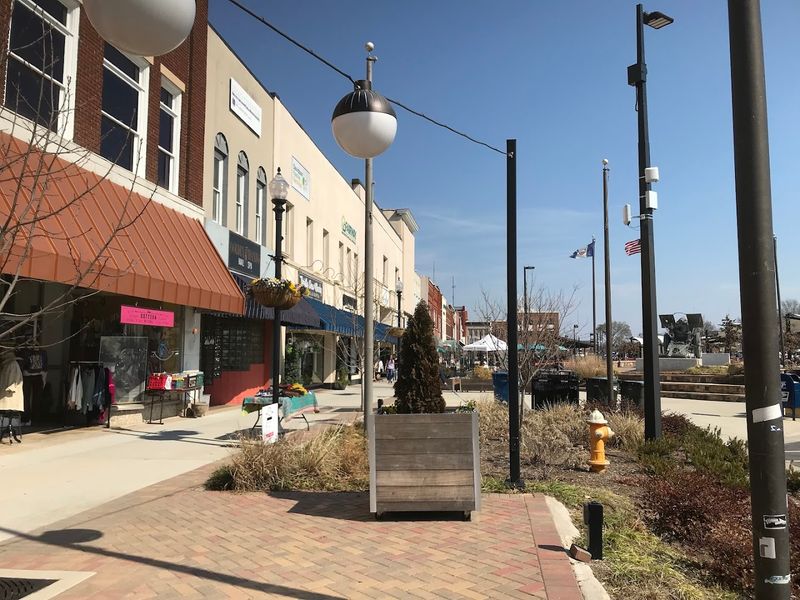
Walk through the heart of this rejuvenated city center and you’ll notice something special happening. Brick-lined streets that once housed furniture showrooms now buzz with coffee shops, restaurants, and boutiques that draw locals and tourists throughout the week.
The transformation didn’t happen overnight, but rather through careful planning and community investment that respected the area’s historic character while embracing modern needs.
Union Square serves as the gathering place where concerts, farmers markets, and festivals bring neighbors together regularly. The pedestrian-friendly layout makes it easy to explore on foot, discovering hidden murals, public art installations, and cozy patios perfect for relaxing.
Local business owners have poured their hearts into creating unique shopping and dining experiences that reflect the city’s authentic personality.
What makes Hickory’s downtown particularly appealing is its accessibility and affordability compared to larger North Carolina cities. Parking remains free and plentiful, restaurants offer reasonable prices, and the welcoming atmosphere encourages you to linger.
This downtown revival represents more than physical improvements—it signals a community ready to embrace its future while honoring its past, creating a destination that feels both familiar and excitingly new.
Thriving Craft Beverage Scene

Something unexpected is brewing in this western Carolina community—literally. Over the past few years, craft breweries and specialty beverage makers have discovered what locals already knew: this city provides the perfect environment for creative entrepreneurs.
The quality of the local water, combined with a supportive business climate and enthusiastic customer base, has sparked a beverage revolution that rivals much larger cities.
From German-style lagers to experimental sours, local brewmasters are crafting distinctive flavors that reflect regional tastes and traditions. Many taprooms occupy renovated historic buildings, adding character to the drinking experience while preserving architectural heritage.
You’ll find friendly atmospheres where strangers become friends over shared flights and food trucks provide perfect pairings.
What sets Hickory apart from other beer towns is its manageable size—you can visit multiple breweries in a single afternoon without fighting traffic or crowds. Weekend brewery tours have become popular activities for both residents and visitors exploring the region.
Beyond beer, local cideries and coffee roasters are also gaining recognition, creating a comprehensive craft beverage culture that continues growing. This scene represents more than just good drinks; it symbolizes the city’s creative spirit and entrepreneurial energy heading into 2026.
Gateway to Mountain Adventures
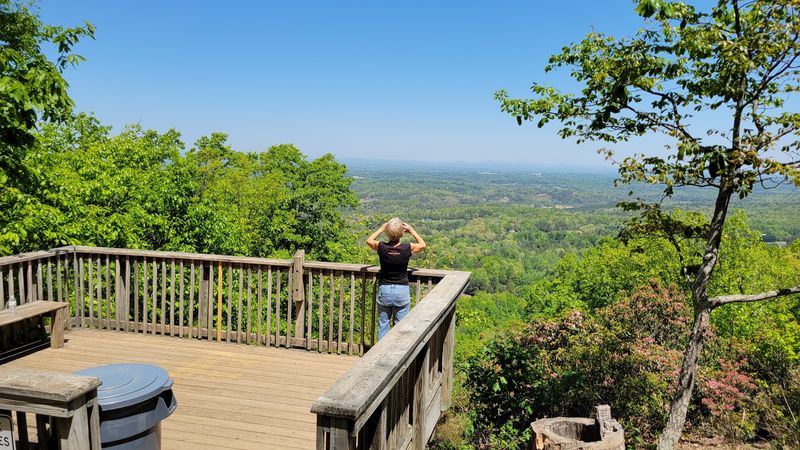
Adventure seekers rejoice in this city’s strategic position at the edge of Appalachian splendor. Within thirty minutes, you can trade suburban streets for mountain trails, waterfalls, and panoramic vistas that seem impossible to find so close to civilization.
This proximity to natural beauty without the tourist crowds of more famous destinations makes it ideal for outdoor enthusiasts who value convenience and authenticity.
The surrounding Pisgah National Forest offers endless hiking opportunities for all skill levels, from gentle nature walks to challenging summit climbs. Rock climbers test their skills on nearby granite faces, while mountain bikers explore increasingly popular trail systems designed for various abilities.
During winter months, ski resorts lie just a short drive away, offering snowy escapes without requiring full vacation planning.
Lake Hickory provides year-round water recreation including fishing, kayaking, and paddleboarding in a beautiful mountain-fed setting. Many residents consider quick access to outdoor activities a major quality-of-life advantage over larger cities where reaching nature requires significant travel time.
Whether you’re an experienced backcountry explorer or a family seeking weekend picnic spots, the geographical location delivers consistent access to natural wonders. This environmental richness attracts active individuals and families prioritizing health, wellness, and outdoor lifestyle possibilities.
Surprisingly Affordable Living Costs
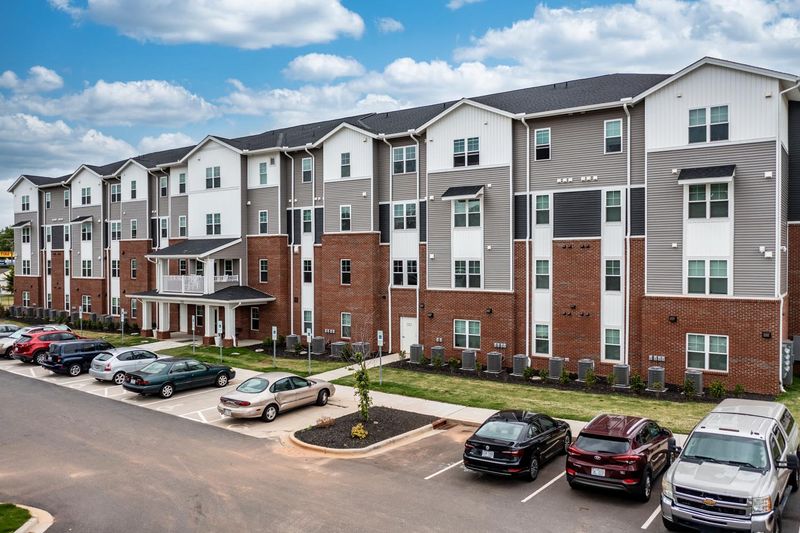
In an era when housing prices seem to climb endlessly, this North Carolina city offers genuine affordability that attracts smart buyers and renters. The median home price remains significantly lower than state and national averages, allowing families to purchase quality houses without crushing mortgage payments.
Young professionals, retirees, and growing families are discovering they can actually afford the space they need here.
Beyond housing, everyday expenses from groceries to utilities run below costs in Charlotte, Raleigh, or Asheville. Property taxes remain reasonable, and the overall cost of living allows residents to save money, invest, or simply enjoy life without constant financial stress.
This economic advantage doesn’t mean sacrificing amenities—residents enjoy shopping, dining, and entertainment options comparable to pricier cities.
The combination of affordable living and proximity to higher-paying job markets creates unique opportunities for commuters and remote workers. Many people choose to live here while working in Charlotte, enjoying better housing value and quality of life.
Local officials actively work to maintain this affordability while improving infrastructure and services, understanding it represents a competitive advantage. As housing crises impact communities nationwide, this city demonstrates that desirable living spaces can remain accessible to middle-class families, making it particularly appealing for 2026 and beyond.
Growing Cultural Arts Community
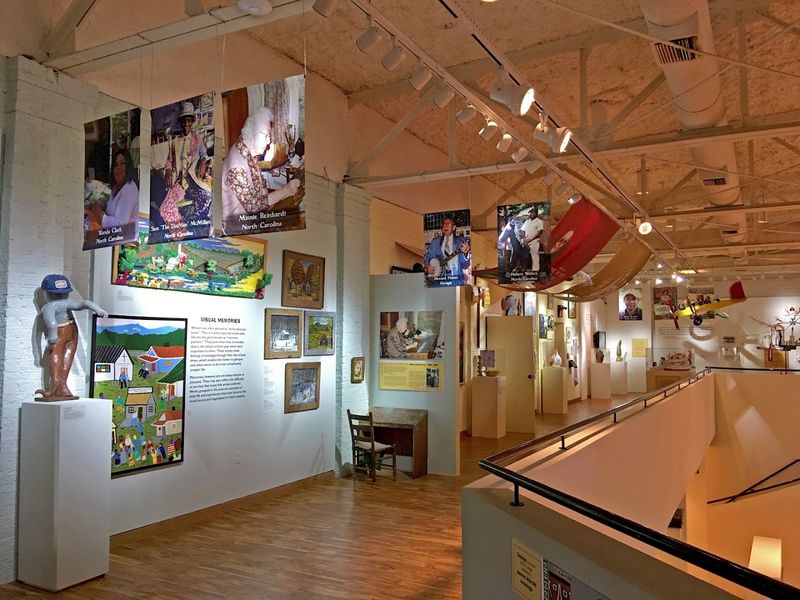
Creativity flows through this community in unexpected and delightful ways. The Hickory Museum of Art, one of the Southeast’s oldest art museums, anchors a growing cultural landscape that challenges assumptions about small-city sophistication.
Regular exhibitions showcase everything from traditional Southern art to contemporary installations, while educational programs inspire budding artists of all ages.
Performance venues host theater productions, concerts, and dance performances throughout the year, attracting regional and national talent. The local symphony maintains an active schedule, and community theater groups provide entertainment that rivals professional productions.
Public art initiatives have transformed ordinary spaces into outdoor galleries, with murals and sculptures adding visual interest to parks, buildings, and streetscapes.
What makes the arts scene particularly vibrant is community participation—residents don’t just attend events, they create them. Monthly art walks draw crowds exploring galleries, meeting artists, and celebrating local creativity over wine and conversation.
Studios and workshops offer classes in pottery, painting, photography, and other mediums, fostering skill development and artistic expression. This cultural richness adds depth to community life, proving that meaningful arts experiences don’t require big-city addresses.
The growing investment in cultural programming signals recognition that arts contribute significantly to quality of life and economic vitality.
Quality Education Systems Available
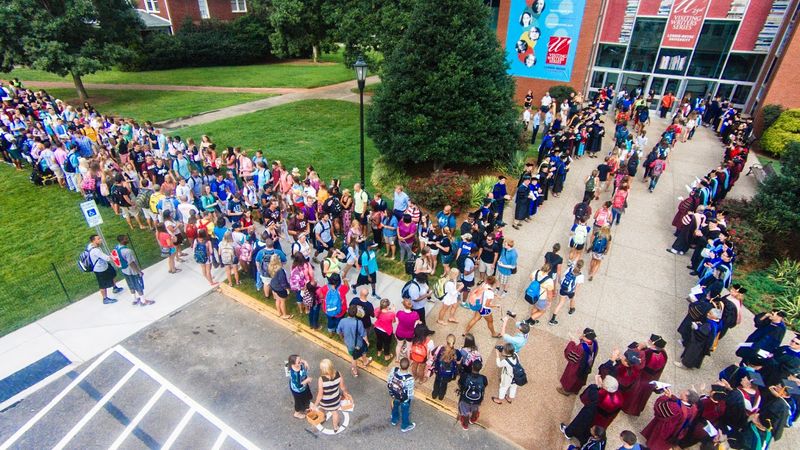
Families researching relocation options consistently highlight education quality as a primary concern. This community delivers through well-regarded public schools, specialized programs, and higher education institutions that serve diverse learning needs.
Catawba County Schools operates numerous facilities serving elementary through high school students, with several earning state recognition for academic achievement and innovative programs.
Lenoir-Rhyne University brings liberal arts education, athletic programs, and cultural events to the community while providing local residents with affordable higher education access. Students can pursue bachelor’s and master’s degrees without relocating, and the university contributes significantly to the cultural and intellectual atmosphere.
Catawba Valley Community College offers technical training, associate degrees, and workforce development programs aligned with regional employment needs.
Beyond traditional academics, educational opportunities include specialized STEM programs, arts education, athletics, and extracurricular activities that develop well-rounded students. Private and charter school options provide alternatives for families seeking different educational philosophies or approaches.
Teachers generally enjoy lower cost-of-living than colleagues in larger cities, which helps attract and retain quality educators.
The emphasis on education extends beyond K-12, with adult learning opportunities, continuing education programs, and professional development resources supporting lifelong learning. For families prioritizing children’s education while maintaining affordability, this combination proves highly attractive when comparing regional options.
Rich Furniture Heritage Preserved
Few American cities can claim such deep connection to a single industry that shaped national tastes for generations. During the mid-20th century, this region earned worldwide recognition as America’s furniture capital, producing high-quality pieces that furnished millions of homes.
While manufacturing has evolved, that proud heritage remains visible and celebrated throughout the community, adding unique character and historical significance.
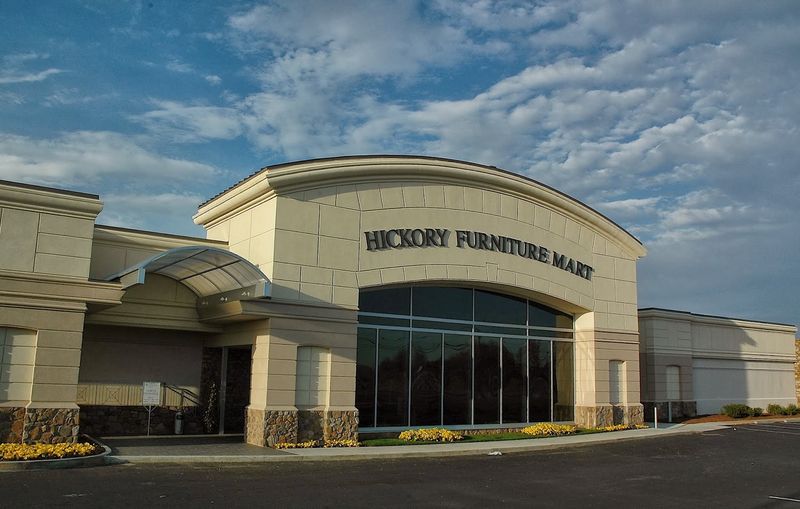
The twice-yearly Hickory Furniture Mart attracts interior designers and consumers seeking quality furnishings at wholesale prices, continuing the tradition of furniture commerce that built the city’s reputation. Vintage showrooms preserve mid-century design aesthetics while contemporary makers apply traditional craftsmanship to modern styles.
This living history provides tangible connection to American industrial heritage often lost in other communities.
Local museums and historical societies document the furniture industry’s impact on regional development, immigration patterns, and economic growth. Many families share stories of grandparents who worked in factories or started companies that became household names.
This shared history creates community identity and pride that newcomers quickly appreciate and embrace.
The furniture legacy also influences current economic development, as manufacturing expertise and quality standards continue attracting advanced manufacturing operations. Understanding this heritage helps explain the work ethic, craftsmanship values, and entrepreneurial spirit still evident throughout the community today.
Year-Round Community Events Calendar
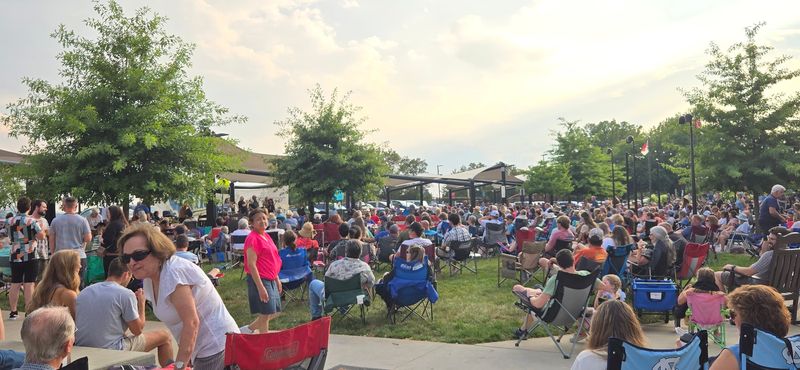
Something’s always happening here—just check the community calendar. From spring garden tours to fall Oktoberfest celebrations, the events schedule keeps residents engaged and entertained throughout all seasons.
These gatherings aren’t tourist-focused productions but authentic community celebrations where neighbors connect, families create memories, and newcomers quickly feel welcomed into the social fabric.
Fridays after Five concerts fill Union Square with live music, food vendors, and relaxed evening atmosphere during warmer months. The weekly farmers market operates year-round, connecting local growers with consumers while providing social gathering space beyond commercial transactions.
Holiday celebrations include parades, tree lightings, and seasonal festivals that draw crowds downtown for shared experiences.
Sports enthusiasts enjoy local baseball games, running events, and recreational leagues that encourage active participation rather than passive observation. Car shows, craft fairs, and cultural festivals celebrate diverse interests and heritage, ensuring variety that appeals to different age groups and backgrounds.
Many events remain free or low-cost, emphasizing community building over profit generation.
This robust events calendar creates vibrancy that smaller towns often lack while avoiding the overwhelming crowds and commercialization of major city festivals. The consistent programming signals an active, engaged community that values gathering together—an increasingly rare quality in our digital age that resonates strongly with people seeking genuine connection.
Strategic Regional Location Benefits
Geography matters tremendously when evaluating places to live, and this city’s position delivers remarkable advantages. Situated roughly sixty miles northwest of Charlotte, residents access major city amenities, international airport, and employment opportunities without daily urban hassles.
The drive takes about an hour, making day trips, airport runs, and occasional commutes entirely manageable while maintaining small-city quality of life.
Mountain destinations like Blowing Rock, Boone, and Asheville sit within easy reach for weekend getaways or seasonal activities. Beach lovers can reach the coast in under four hours, enabling vacation flexibility.
This central location within the state provides options that isolated communities simply cannot offer, supporting diverse lifestyle preferences and recreational interests.
Interstate 40 runs through the area, facilitating regional travel and commercial transportation while supporting economic development. Multiple highways connect surrounding counties, creating a hub effect that benefits business, tourism, and residents alike.
The location proves particularly valuable for retirees seeking proximity to family in different regions or professionals requiring occasional travel.
As remote work becomes increasingly common, geographic positioning grows more valuable—workers can live affordably near mountains while accessing Charlotte’s cultural offerings and maintaining career connections. This strategic advantage positions the community well for continued growth as people prioritize lifestyle flexibility, making it especially relevant entering 2026.